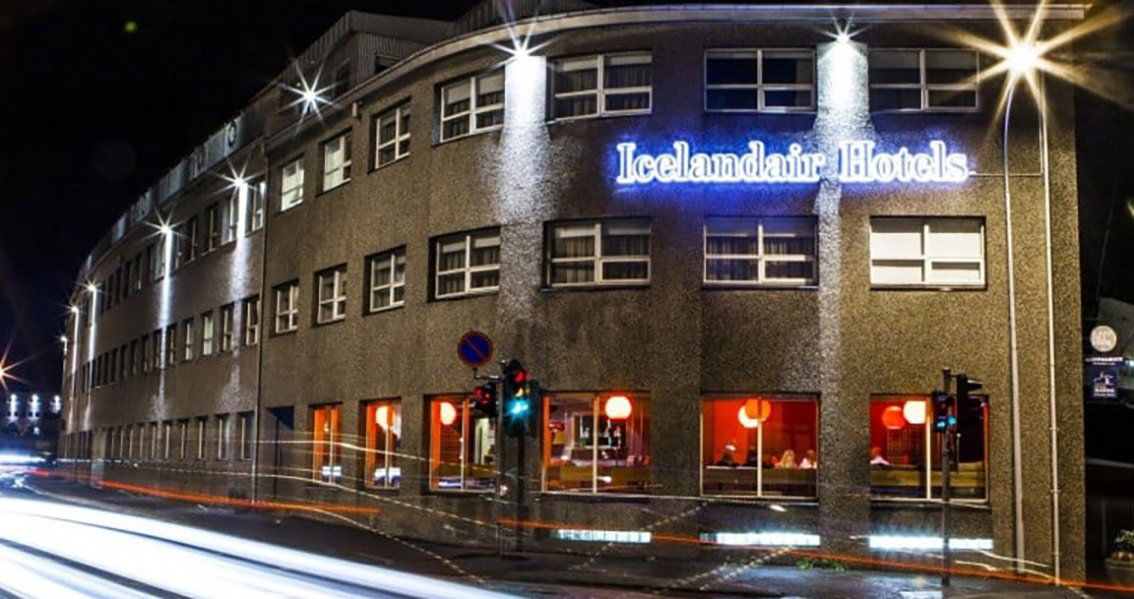
Slippbarinn
Reykjavíkurborg, Reykjavík
Bar in Reykjavík, Iceland
 Book with Pearl
The Read
Price
$20–30per person
Why go
Slippbarinn is a practical Reykjavík pick when convenience matters more than chasing a documented destination cocktail program. Use it for a first drink, a casual date, or a mixed group that may want food as well as drinks; cross-shop clubbier venues if the night is built around late energy.
About Slippbarinn
Slippbarinn is a Reykjavík venue with a broad listed schedule and a smart-casual dress code. It opens in the morning from 7–10 AM daily, reopens at 12 PM, runs until 11 PM Sunday through Thursday, and stays open until 12 AM on Friday and Saturday.
For a first-timer, the practical appeal is the operating window. It can fit into an early part of the day or an evening plan.
Use it as a flexible Reykjavík option, not for specific expectations
The venue-specific details should stay grounded. The venue does not list awards, named signature drinks, or pricing, so it's best not to build a visit around a specific specialty. Consider it when the timing works and the schedule supports your plan.
That also makes it more useful for visitors who do not want to over-plan Reykjavík by the hour. Compared with a more narrowly targeted plan, Slippbarinn is easiest to evaluate by hours: a daily morning opening, a midday reopening, and later finishes on Friday and Saturday.
Who should pick it, and who should look elsewhere
Pick this when the priority is a Reykjavík stop with clearly listed hours and a smart-casual dress code. Look elsewhere if the goal depends on specifics such as a documented cocktail list, a particular food menu, outdoor seating, happy hour, or late-night entertainment. For comparison, you can also look at Bryggjuhúsið, Paloma Club, Pablo Discobar, RADAR Reykjavík, or Uppi, then check our full Reykjavík bars guide for a wider shortlist.
Quick reference: best evaluated by its Reykjavík hours and smart-casual dress code.
Planning details
- Location
- Mýrargata 2, 101 Reykjavík, Iceland
- Reservations
- Book on the venue's website
- Website
- slippbarinn.is/en
- Phone
- +354 560 8080
The take
The Take
The Vibe
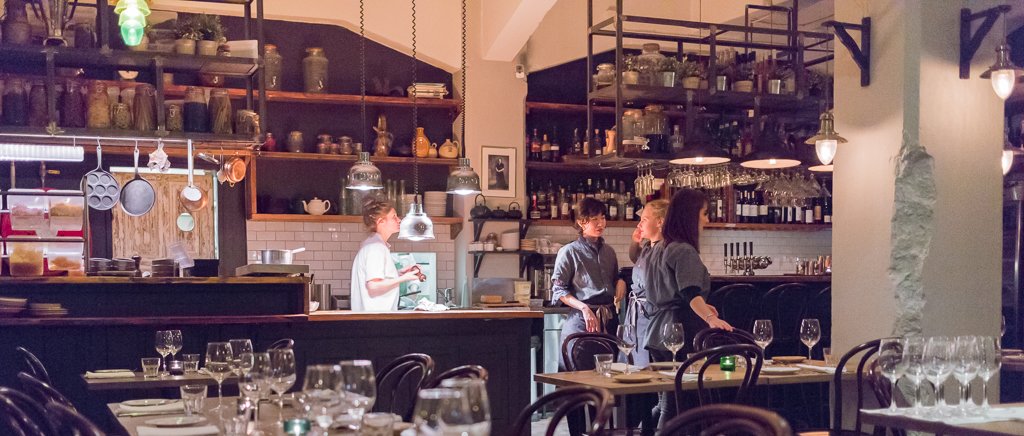
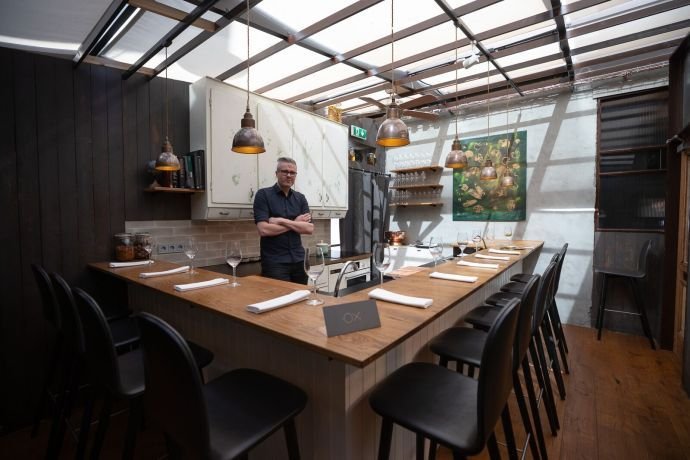
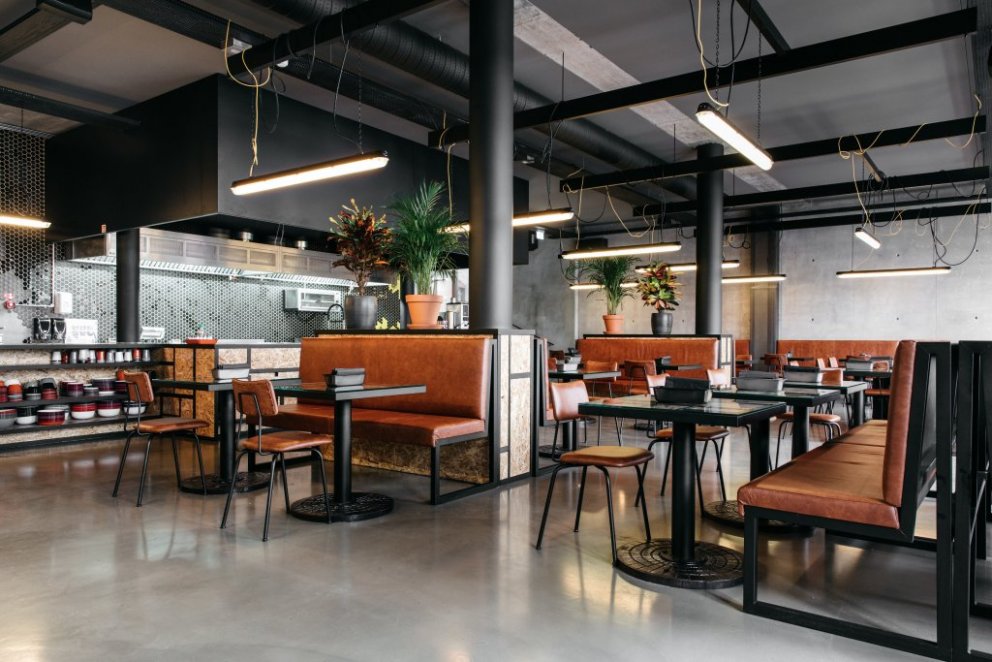
Slippbarinn occupies a converted harbour-side industrial room that reads like a piece of the neighbourhood's recent history. The space retains the raw, high-ceilinged architecture typical of dockland conversions, and the light across the water redefines the atmosphere by season: long, pastel summers and stark, luminous winters both reshape the same interior. The bar has settled into its role, feeling less like an ephemeral project and more like a fixture that helped form the area's identity. The result is an urban, industrial-harbour sensibility that still feels lived-in and scenic rather than purely designed.
Best For
This is a neighbourhood bar that suits evenings and late-night outings: locals and visitors come to escape the main tourist drag and linger over drinks as the harbour lights come on. It works well for after-work meetups, date nights and late-night drinks thanks to its harbour-edge setting and established presence in the slipway district. The room shifts with the seasons, making summer dusk and stark winter nights equally compelling backdrops for conversation and low-key socializing: a reliable, atmospheric stop on a Reykjavik night out.
Venue details
Ambiance
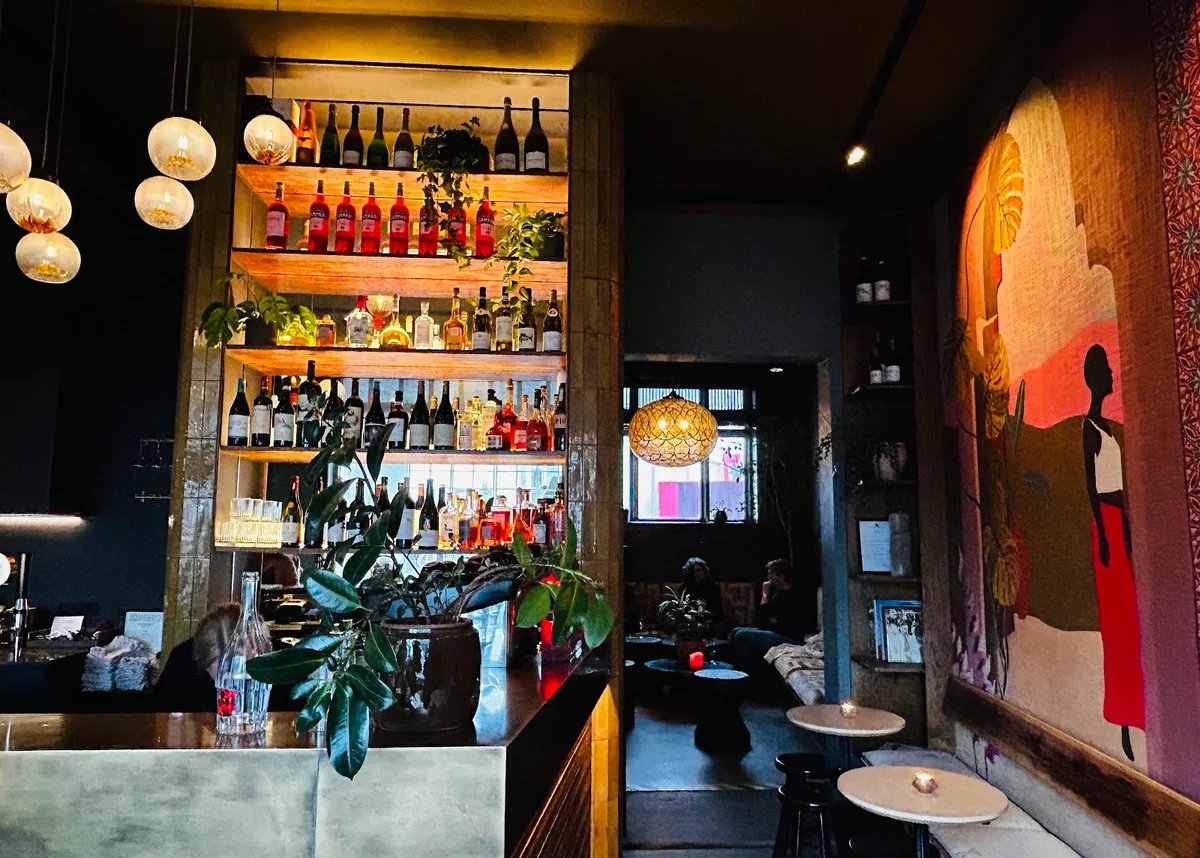
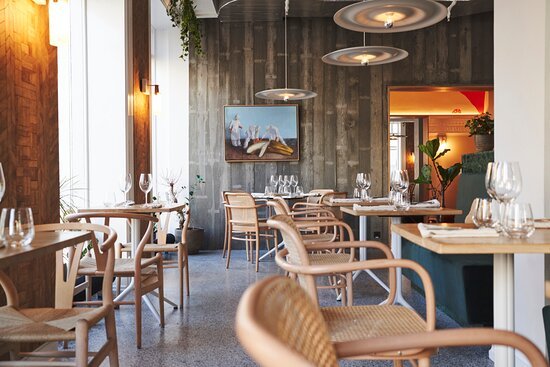
Clean, quiet, and sophisticated atmosphere with non-intrusive music, featuring stripped-back industrial decor and harbor views.
Tags
Vibe
Best For
Experience
Format
View
At the Bar
- Bar Category
- Cocktail Bar
- Late Night
- Closes by Midnight
- Music
- Non Intrusive Background Music
- Spirits Focus
- Gin, Rum, Whiskey
- Zero-Proof Program
- Yes
Signature Pours
- T-Bird
- Basil Gimlet
- Cheshire Cat
Know before you go
Know Before You Go
- Getting there
- Mýrargata 2, 101 Reykjavík, Iceland
Planning details
Location
Mýrargata 2, 101 Reykjavík, Iceland · Directions
Also consider
Where to go if this is not the right fit
If Slippbarinn feels too general-purpose for the night, cross-shop Paloma Club for a clubbier plan or Bryggjuhúsið for another Reykjavík harbour-area option. If the group wants a louder, more late-night choice, Pablo Discobar is the clearer alternative.
Bar context
How it compares in Reykjavík
Slippbarinn is the safer, easier choice when the plan needs flexibility rather than a tightly defined bar identity. Bryggjuhúsið is the closest harbour-area cross-shop and makes sense when location is the main filter; choose Slippbarinn when a mixed group may want food with drinks, and Bryggjuhúsið when the evening is built more directly around the waterfront bar stop.
RADAR Reykjavík and Paloma Club are better fits when the night needs more after-dark energy. Slippbarinn is more useful earlier in the evening or for a first-timer who wants a low-pressure start before deciding where to go next. Pablo Discobar belongs on the list when the group wants a louder, later-feeling plan rather than a flexible food-and-drink stop.
Uppi is the out-of-metro option in this set, so it is less practical for visitors staying central unless the wider itinerary already points that way. For value, Slippbarinn's advantage is not a published deal or low price signal; it is lower planning friction and broader usefulness across group types.
Explore Reykjavík
Around this place
Discover more on Pearl
Unlock the full Slippbarinn guide in Pearl, including awards, comparisons, FAQs, planning details, and nearby places.
Compare Slippbarinn
| Venue | Location | Awards |
|---|---|---|
| Slippbarinn | Reykjavík | No published awards |
| Bryggjuhúsið | Reykjavík | No published awards |
| RADAR Reykjavík | Reykjavík | No published awards |
| Paloma Club | Reykjavík | No published awards |
| Uppi | Iceland | No published awards |
| Pablo Discobar | Reykjavík | No published awards |
How Slippbarinn Reykjavík compares with similar nearby venues.
FAQ
Frequently Asked Questions
Is Slippbarinn open late?
It is listed until 12 AM on Friday and Saturday. From Sunday through Thursday, it is listed until 11 PM, with a daily morning period from 7–10 AM and opening again at 12 PM.