
Bar in Boston, United States
REDWHITE BONELESS RAMEN
100Pearl PointsBoneless-Format Ramen
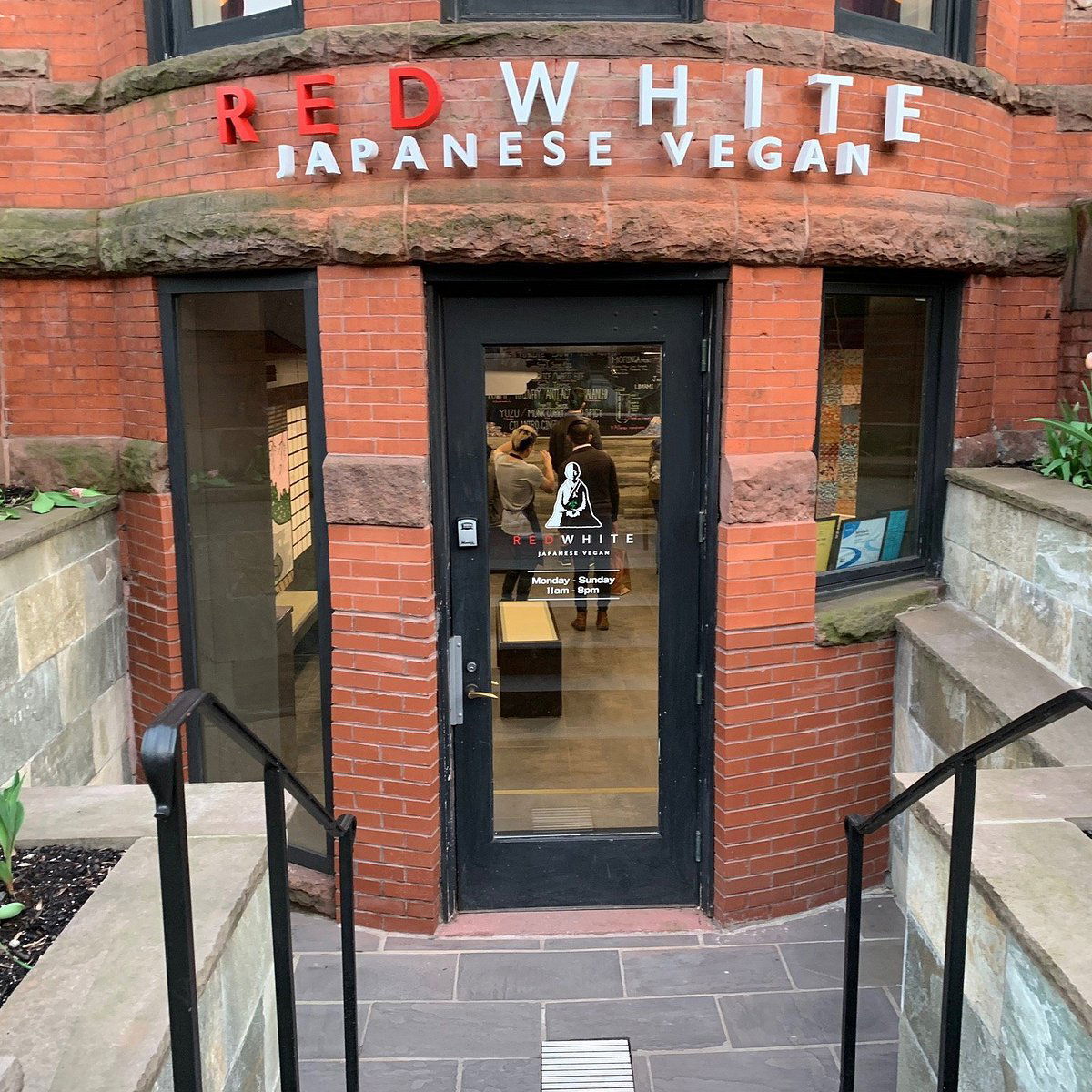
About REDWHITE BONELESS RAMEN
On Newbury Street's busier retail stretch, REDWHITE BONELESS RAMEN occupies a niche that Boston's ramen scene has been slow to develop: a format built around boneless construction and a drinks program that sits closer to a cocktail bar than a noodle shop. The address puts it within reach of the Back Bay dining corridor, where competition for the lunch and dinner dollar is real and format differentiation matters.
Newbury Street and the Question of Format
Newbury Street runs through one of Boston's most commercially active corridors, where the density of retail, galleries, and restaurants creates a pressure to be legible from the street. Ramen as a category has grown in Boston over the past decade, but the format assumptions that come with it, long simmered broths, bone-heavy bases, and a utilitarian aesthetic, have defined what the category looks like in most neighborhoods. REDWHITE BONELESS RAMEN at 294 Newbury St takes a different structural position: the boneless format signals a deliberate departure from the tonkotsu-and-shoyu mainstream, placing the venue in a smaller, more defined niche within the city's noodle landscape.
That kind of format specificity matters in Back Bay. The neighborhood draws a mix of after-shopping diners, hotel guests, and residents with enough exposure to comparative ramen markets, New York, Los Angeles, Tokyo-adjacent chains, to notice when a bowl is doing something different. A boneless construction, depending on execution, typically points toward cleaner stock clarity, a different fat profile, and broth that reads more precisely on the palate. Whether the kitchen at REDWHITE delivers on that premise is the real question for any first visit.
The Drinks Program as a Differentiator
Boston's cocktail bar scene has been consolidating around a few clear approaches. Venues like Equal Measure and Asta have pushed the city toward more technically considered programs, while spots like Baleia and Abe & Louie's anchor different points on the formality spectrum. The trend across most American cities in the last few years has been toward restaurants, not dedicated bars, building out drinks programs serious enough to draw guests specifically for what's in the glass rather than what's on the plate.
Ramen-focused venues in particular have been slower to engage with this shift. The category tends toward short, sake-and-beer lists that function as accompaniment rather than counterpoint. A venue willing to invest in cocktail architecture alongside a boneless ramen format is placing a bet that the two can reinforce each other: the clean, precise broth creates a palate that can engage with more nuanced spirit-forward drinks, rather than being overwhelmed by them. Nationally, that pairing logic has started to surface at venues where Japanese-influenced food and considered cocktail programs overlap, as seen at Kumiko in Chicago, where Japanese whisky and seasonal ingredient discipline shape the drinks list, or at Bar Leather Apron in Honolulu, where precision technique meets a Pacific-facing ingredient vocabulary.
At venues where the food format is this specific, the drinks program either confirms the kitchen's seriousness or undercuts it. A boneless ramen concept without a thoughtful drinks list reads as a halfway commitment. With one, the combined offer can position a venue closer to the category of restaurants where the bar generates genuine destination traffic rather than just accompanying dinner orders. For comparison, Superbueno in New York City and ABV in San Francisco both demonstrate how a drinks-forward identity layered into a food-led space can expand the venue's appeal beyond any single meal occasion.
Where It Sits in Boston's Ramen Field
Boston's ramen options have grown in range, though the city's scene still sits a tier below the depth available in New York or Los Angeles. The Back Bay and surrounding neighborhoods have seen new openings compete primarily on broth style, sourcing claims, and topping customization. The boneless category remains less crowded, which gives a venue operating in that space more room to define its own terms rather than competing on incremental differences within a saturated format.
Price positioning in Boston ramen generally runs from accessible lunch-counter bowls in the mid-single digits to more composed evening offerings in the mid-to-upper teens. A Newbury Street address carries real estate costs that tend to push pricing toward the upper end of that range, a factor that shapes both the guest expectation and the margin pressure on every bowl. Venues at that price point need either volume or a drinks attachment rate high enough to support the unit economics, which is another reason cocktail program investment is a rational strategic move for a ramen venue in this location.
Broader Context: American Ramen's Ongoing Refinement
American ramen has moved through several phases since the early-2010s wave of serious Japanese-style shops arriving in major cities. The initial phase was largely about authenticity signals: depth of broth, sourcing of noodles, fidelity to regional Japanese styles. A second phase brought hybridization, American ingredients, local protein sourcing, and regional flavor profiles layered into Japanese frameworks. The current phase, emerging in cities with more mature ramen markets, is about format specificity and the dining context built around the bowl.
Boneless formats belong to this third phase. They imply a kitchen that has made a deliberate choice about technique rather than defaulting to the most recognizable version of the category. That choice also tends to attract a different guest profile: diners who are already comfortable with ramen as a format and are looking for a more precise or differentiated version of it, rather than diners seeking the category for the first time. For a venue like Jewel of the South in New Orleans or Julep in Houston, format specificity and a clear point of view are precisely what generates sustained recognition. The same logic applies across food and drink categories: specificity builds a clearer guest relationship than trying to occupy the broadest possible version of a category.
Planning a Visit
REDWHITE BONELESS RAMEN is located at 294 Newbury St, Boston, MA 02115, on the Back Bay section of one of the city's most-trafficked pedestrian streets. The address is walkable from the Hynes Convention Center MBTA stop on the Green Line, putting it within easy reach of much of the city without requiring a car. For current hours, pricing, and any reservation requirements, checking directly with the venue is advisable, as specific operational details are not confirmed in current reference sources. Back Bay dining on Newbury Street tends to be walk-in friendly at lunch and busier at dinner, particularly on weekends, when the retail-to-dinner transition brings foot traffic later into the evening.
For a fuller picture of where REDWHITE BONELESS RAMEN sits within Boston's dining options, the EP Club Boston restaurants guide maps the city's food and drink scene across neighborhoods and price tiers. Internationally, venues like The Parlour in Frankfurt on the Main illustrate how format discipline and a considered drinks program can define a venue's position in a competitive market, regardless of category or geography.
Location
294 Newbury St, Boston, MA 02115
Boston, United States
Explore Boston
Save or rate REDWHITE BONELESS RAMEN on Pearl
Keep this venue in your Pearl passport, rate it after you visit, and track it alongside every other place you collect.