
Bar in Rancho Cucamonga, United States
The Sycamore Inn
100Pearl PointsEasy dinner pick
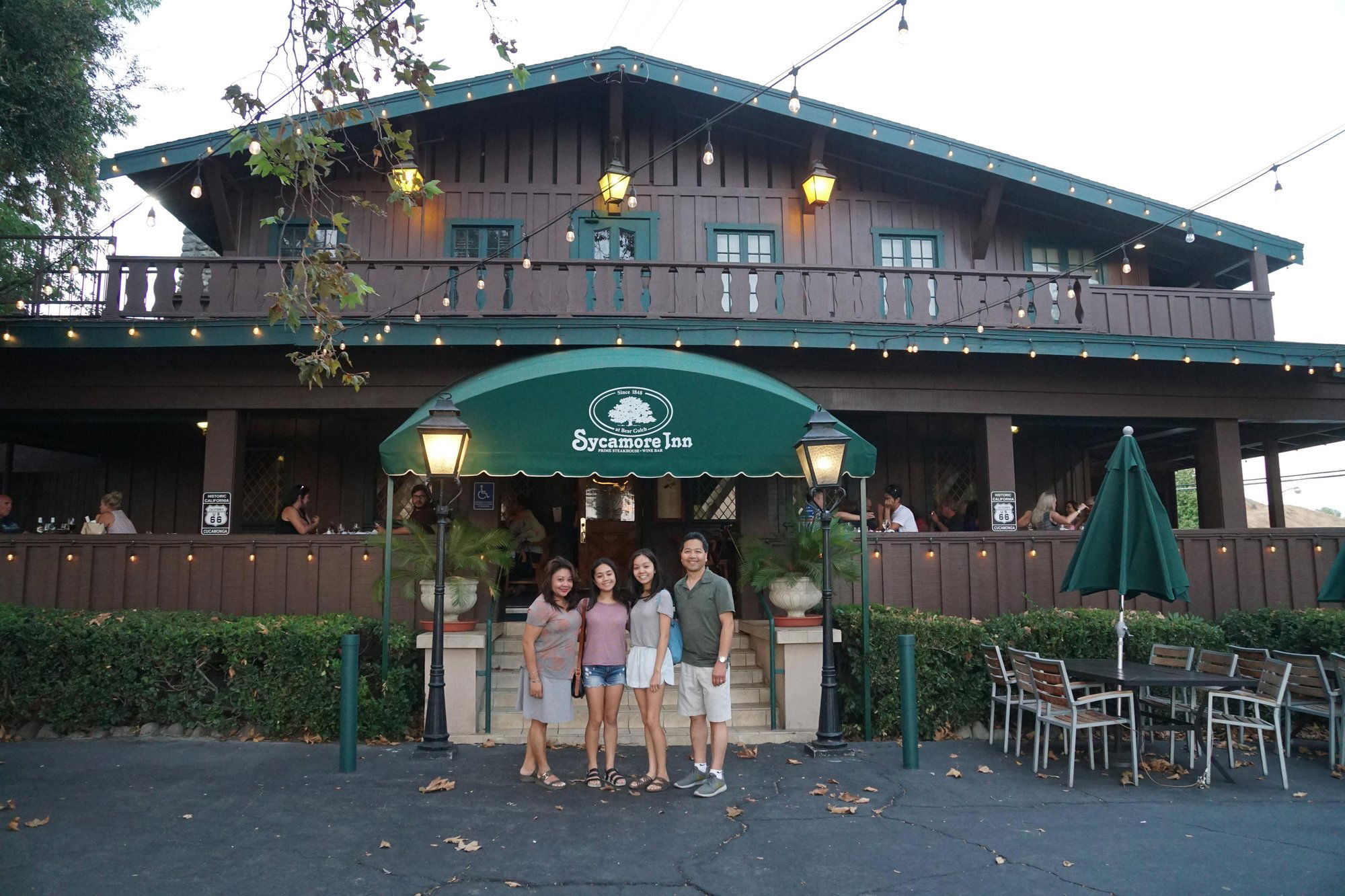
About The Sycamore Inn
Book The Sycamore Inn when you want an easy Rancho Cucamonga dinner with a more traditional sit-down feel. It is a better fit for dates or visiting-family meals than beer-first plans, but skip it if you need a documented chef, award, or tasting-menu reason to go.
The Sycamore Inn is a Rancho Cucamonga evening option with verified hours every day of the week and a smart casual dress code. The confirmed schedule starts at 4:30 PM daily, with closing at 9 PM Monday through Thursday, 10 PM Friday and Saturday, and 8:30 PM Sunday.
The safest read is simple: consider it for an evening meal in Rancho Cucamonga, not because of any verified cuisine, chef, award, menu, price, or service detail. Those specifics are not part of the verified profile, so the decision should come down to timing, dress code, and whether the evening hours fit your plans.
A practical first-timer dinner plan
For a date or a visiting-family dinner, the verified appeal is practical: Rancho Cucamonga location, evening hours, and a smart casual dress code. That does not make it the automatic choice for every night out. If you are comparing options, Cask 'n Cleaver, Hamilton Family Brewery, Rowdy's Brew Co. Sour Cellars Barrel Room, and Zeke's Eatin' Place are other names to consider depending on the kind of evening you want.
Because verified food specifics are thin, avoid treating this as a food-obsessive reservation where the menu is the point. Treat it as a practical Rancho Cucamonga dinner pick when the schedule and dress code fit your plans. For wider scouting, use Our full Rancho Cucamonga restaurants guide, then compare options in Our full Rancho Cucamonga bars guide if the night may continue elsewhere.
Who should skip it
Skip it if the decision depends on published accolades, a clearly documented chef angle, a specific cuisine, a known price point, or detailed menu information, since those signals are not part of the verified profile. For hotels and non-dinner planning around the area, use Our full Rancho Cucamonga hotels guide, Our full Rancho Cucamonga wineries guide, and Our full Rancho Cucamonga experiences guide.
Frequently Asked Questions
Does The Sycamore Inn have happy hour deals?
No verified happy hour detail is available here, so plan around the confirmed evening hours instead. The Sycamore Inn is open from 4:30 PM daily, with closing times that vary by day. Check the venue's official channels for the latest details.
Is The Sycamore Inn good for a date?
It can fit a date if you want a smart casual evening meal in Rancho Cucamonga. The verified details support planning around evening hours, but they do not confirm a specific cuisine, menu, price point, or atmosphere.
Is The Sycamore Inn open late?
It is open until 10 PM on Friday and Saturday. Monday through Thursday hours are 4:30–9 PM, and Sunday hours are 4:30–8:30 PM, so it is better for an evening meal than for a true late-night plan.
Does The Sycamore Inn have outdoor seating?
Outdoor seating is not verified here, so do not make patio dining central to the plan unless you confirm it separately. Check the venue's official channels for the latest details.
Is the food good at The Sycamore Inn?
The verified profile does not include cuisine type, chef information, menu specifics, prices, or ratings. Judge it as a Rancho Cucamonga evening option with confirmed hours and smart casual dress, rather than as a destination for a documented specialty.
Do I need a reservation at The Sycamore Inn?
Reservation requirements are not verified here. If timing matters, especially on Friday or Saturday when the venue is open until 10 PM, check the venue's official channels before you go.
What's the best time to go to The Sycamore Inn?
Base the timing on the confirmed hours: hours begin at 4:30 PM daily, with closing at 9 PM Monday through Thursday, 10 PM Friday and Saturday, and 8:30 PM Sunday. Choose an early or later evening time according to your schedule and confirm details directly if needed.
Location
8318 Foothill Blvd, Rancho Cucamonga, CA 91730
Rancho Cucamonga, United States
Compare The Sycamore Inn
| Venue | Booking Difficulty |
|---|---|
| The Sycamore Inn | Easy |
| Cask 'n Cleaver | Unknown |
| Sour Cellars Barrel Room | Unknown |
| Zeke's Eatin' Place | Unknown |
| Hamilton Family Brewery | Unknown |
| Rowdy's Brew Co. | Unknown |
Side-by-side comparison to help you decide where to book.
Also Consider
- Cask 'n Cleaver, Notable alternative
- Sour Cellars Barrel Room, Notable alternative
- Zeke's Eatin' Place, Notable alternative
- Hamilton Family Brewery, Notable alternative
- Rowdy's Brew Co., Notable alternative
Against Cask 'n Cleaver, The Sycamore Inn reads as the safer general dinner choice when the group wants a traditional restaurant plan without building the night around one category. Cask 'n Cleaver is the clearer pick for an old-school steakhouse mood; choose The Sycamore Inn when flexibility and easier planning matter more.
Sour Cellars Barrel Room, Hamilton Family Brewery, and Rowdy's Brew Co. make more sense for drink-led outings. They are better for groups that want a tasting-room or brewery feel, while The Sycamore Inn is better for a seated dinner where conversation and a defined meal matter more than the beverage program.
Zeke's Eatin' Place is the less direct comparison because it sits outside the immediate Rancho Cucamonga set. Keep the decision local unless Zeke's specifically fits the route. For most first-timers staying in Rancho Cucamonga, The Sycamore Inn is the lower-effort dinner pick; the beer and barrel-room peers are stronger backups when the night is more casual.
Explore Rancho Cucamonga
Save or rate The Sycamore Inn on Pearl
Keep this venue in your Pearl passport, rate it after you visit, and track it alongside every other place you collect.