DAIJOBU
Fayetteville Street, Raleigh
Bar in Raleigh, United States
 Book with Pearl
Why go
DAIJOBU is a practical downtown Raleigh option when convenience matters more than a heavily documented destination meal. With no clear published price tier, awards, chef, or menu details to judge from here, treat it as a flexible Davie Street pick rather than the anchor for a high-stakes night.
About DAIJOBU
DAIJOBU is a Raleigh venue with casual dress and posted hours that include weekday lunch service on Tuesday through Friday, dinner service Tuesday through Saturday, and closures on Sunday and Monday. The safest recommendation is practical rather than hype-driven: consider it when its Raleigh location and schedule fit your plans, and check the venue directly before building an occasion around details not confirmed elsewhere.
Use it for a simple Raleigh meal, not a high-stakes booking
DAIJOBU's schedule makes it most useful as a planned Raleigh meal during its posted operating windows: Tuesday through Thursday from 11:30 AM to 2 PM and 5 to 9 PM, Friday from 11:30 AM to 2 PM and 5 to 9:30 PM, and Saturday from 5 to 9:30 PM. It is closed Sunday and Monday. Because the profile is limited, it is better treated as a casual option than as a venue to choose for an occasion that depends on a known chef, specific menu format, beverage program, or award pedigree.
The lack of public-facing detail also changes how to judge it. A venue with named awards, a defined cuisine lane, or a clear booking system gives diners firmer reasons to commit ahead. Here, the recommendation is to treat DAIJOBU as a flexible Raleigh option: useful to keep on the shortlist when timing and ease matter, weaker if the group wants a researched, comparison-proof choice. For broader planning, use Our full Raleigh restaurants guide, then cross-check Raleigh bars through Our full Raleigh bars guide if the meal is only part of the evening.
Value depends on what else is planned in Raleigh
If the night is food-first, compare DAIJOBU with other Raleigh dining based on the kind of meal you want and the details each venue confirms directly. If the evening needs a more drink-led or entertainment-led stop, options such as Neptunes Parlour, The Hippo Wine Bar & Shop, or The Pour House Music Hall & Record Shop may be more natural to consider. For another Raleigh comparison, Sono Sushi and Brewery Bhavana - Downtown are also names to weigh against DAIJOBU, depending on the style of outing you have in mind.
For visitors building a full weekend, the useful move is to separate the meal from the rest of the itinerary. Pair dining decisions with Our full Raleigh hotels guide and other Raleigh planning resources. For this choice, the real question is local and practical: do DAIJOBU's casual dress code and posted Raleigh hours fit the meal you need? If yes, keep it in play. If no, choose a venue with a clearer reason to plan around it.
Planning details
- Location
- 170 E Davie St, Raleigh, NC 27601, USA
- Website
- daijobu-raleigh.com
- Phone
- +1 919 615 1337
The take
The Take
The Vibe
DAIJOBU translates Japanese bar culture into downtown Raleigh with a relaxed, deliberate presence. The room favors studied quietness over the boisterous energy common to the city's craft-beer and bourbon bars, producing a warm, polished atmosphere that reads as sophisticated rather than flashy. Service and drinkcraft skew thoughtful and precise, inviting focused conversation and attentive tasting. Locals and visitors who appreciate quiet refinement in a modern downtown setting find its approach appealing — the bar positions itself as an understated alternative to louder neighborhood spots while retaining an approachable, conversational tone.
Best For
This is a destination for evening drinking and intimate socializing in the heart of downtown Raleigh. Its Japanese-leaning cocktail and whisky program makes it especially well suited to date nights and low-key after-work meets where the emphasis is on quality cocktails and quiet conversation. The bar also slots naturally into the East Davie corridor of independent concepts, so it works as a refined stop on a neighborhood night out. If you prefer thoughtful, precise drinks in a calm, modern space, DAIJOBU fits that bill.
Ordering Tips
Focus your order on the drink program — the write-up highlights a Japanese-inflected cocktail and whisky emphasis, so start with the house cocktails or a Japanese whisky recommendation from the bartender. Expect measured, attentive service and a quieter room, which is conducive to tasting slowly rather than grabbing quick rounds. Because the concept leans toward precision and craft, lean on staff knowledge when you want to explore flavor profiles or select pours from the program; they are likely to guide you toward balanced, considered choices.
Venue details
Ambiance
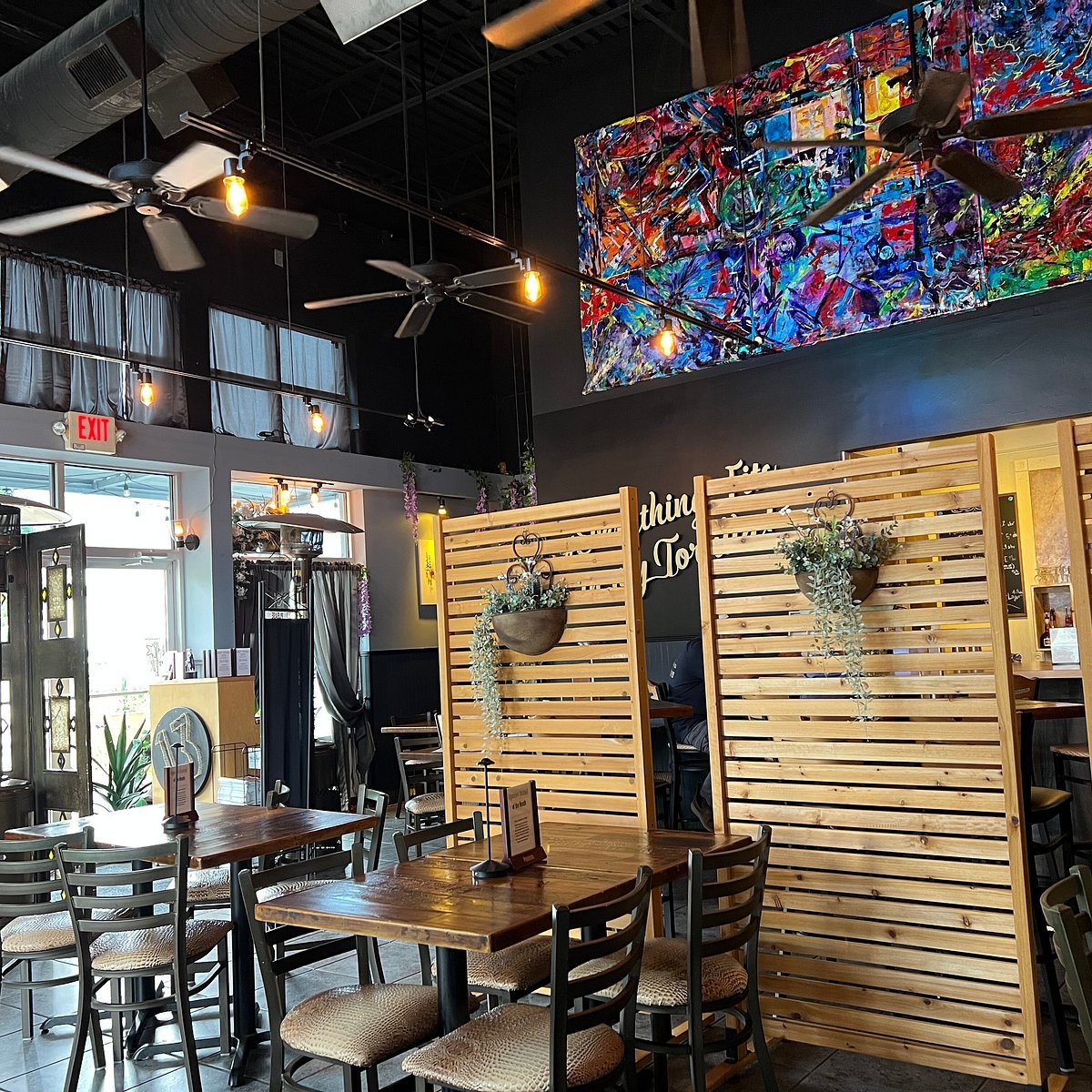
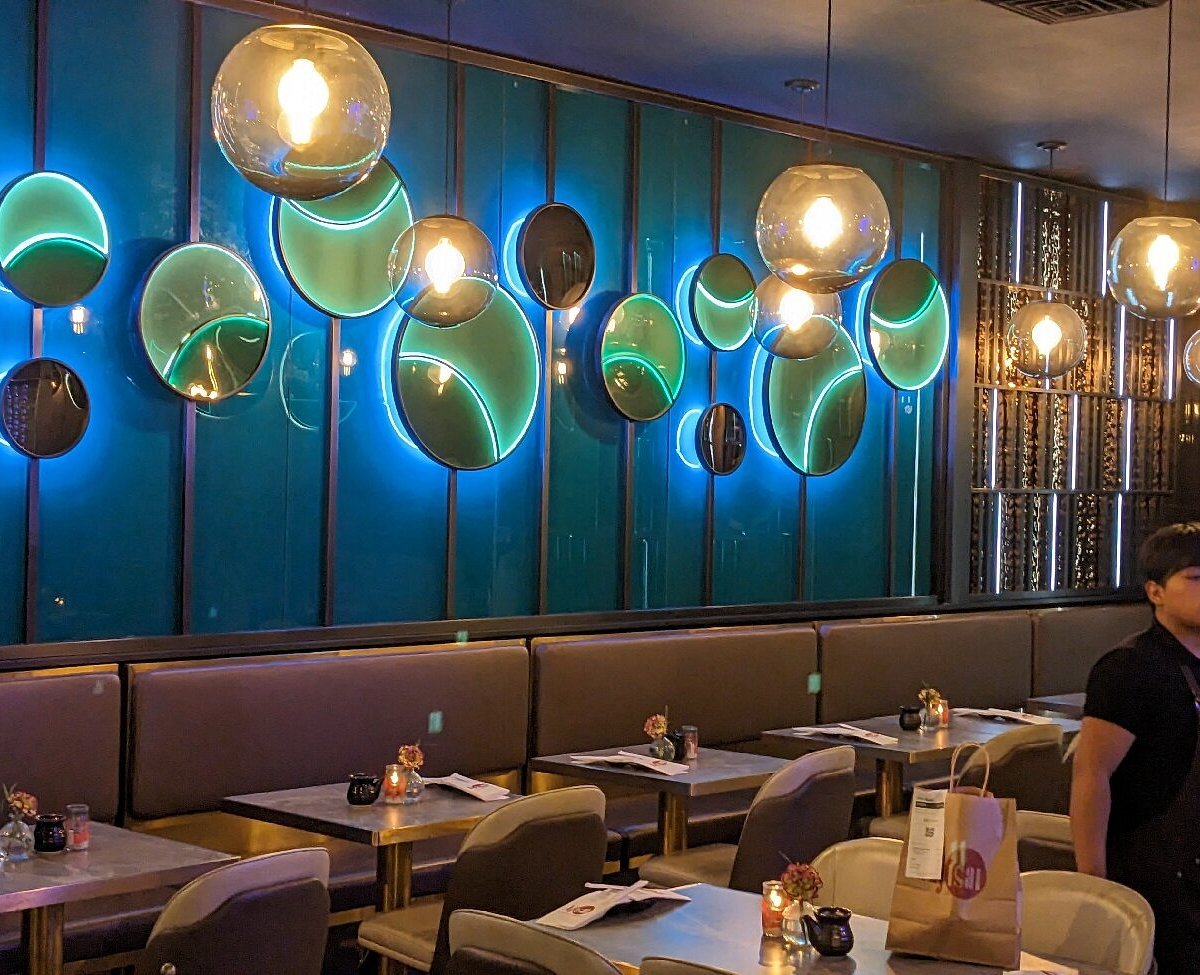
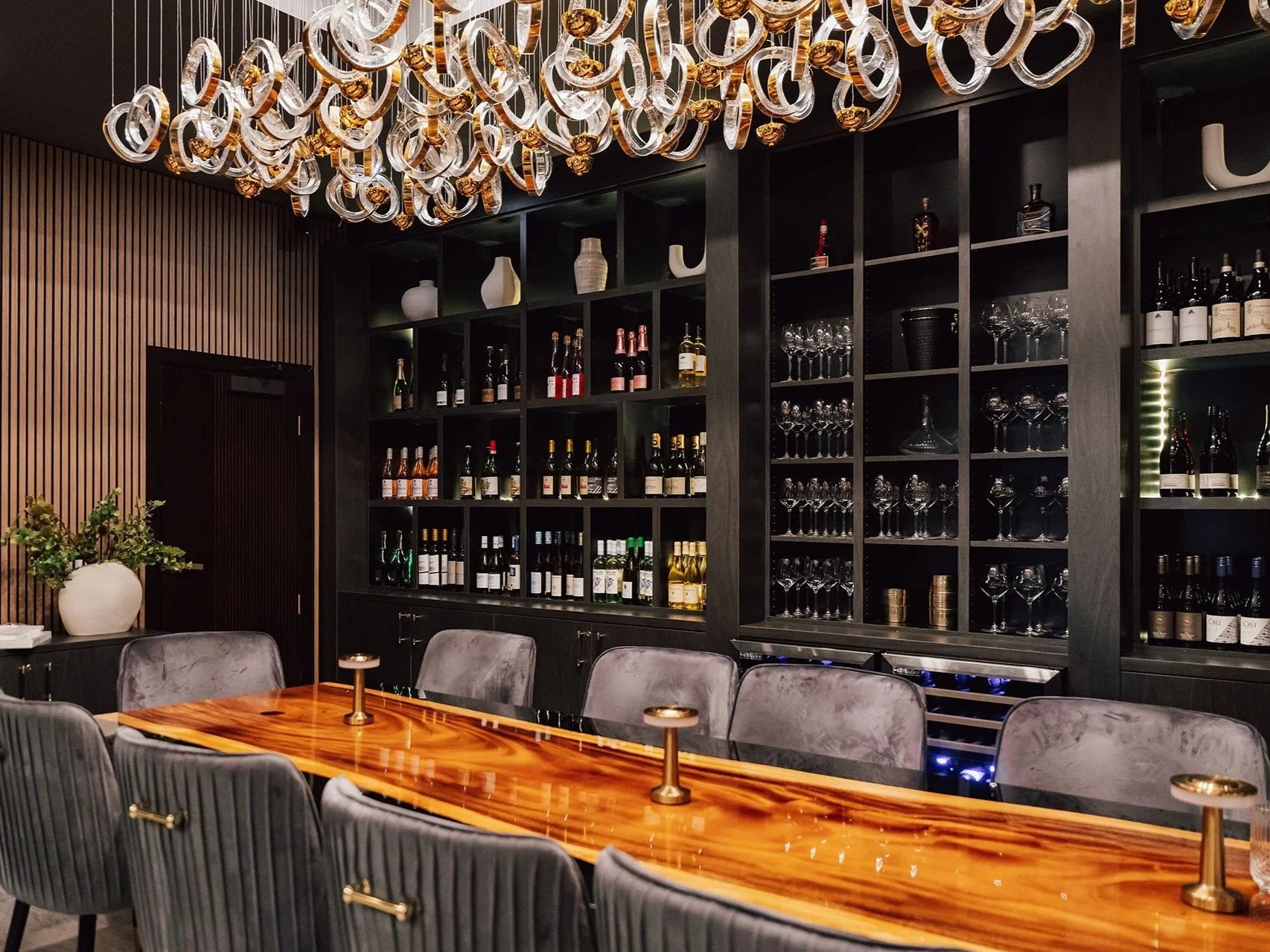
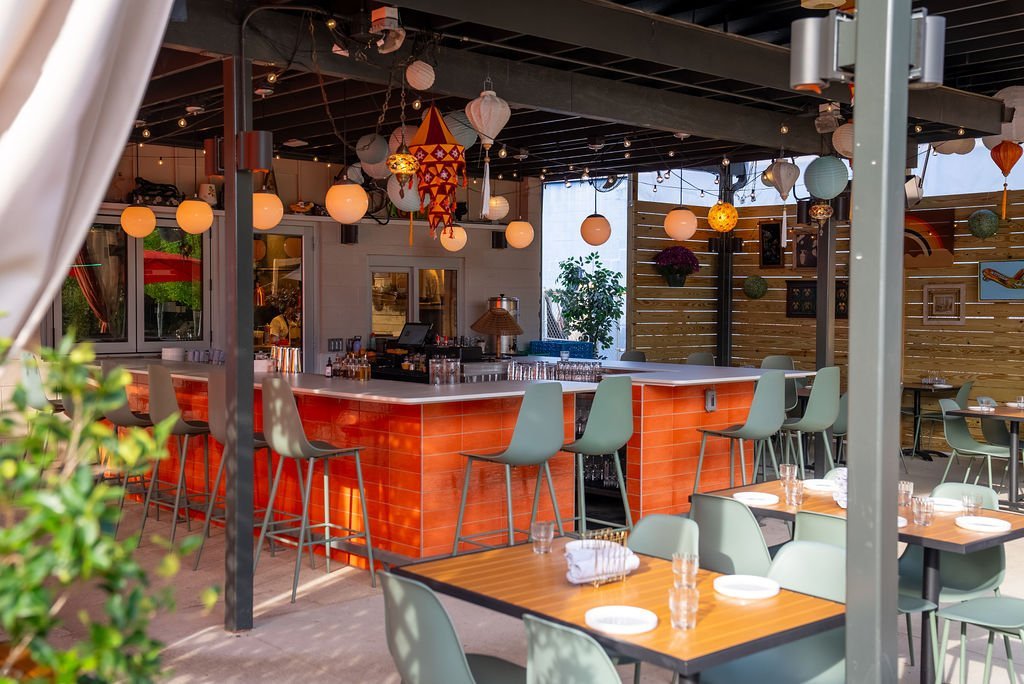
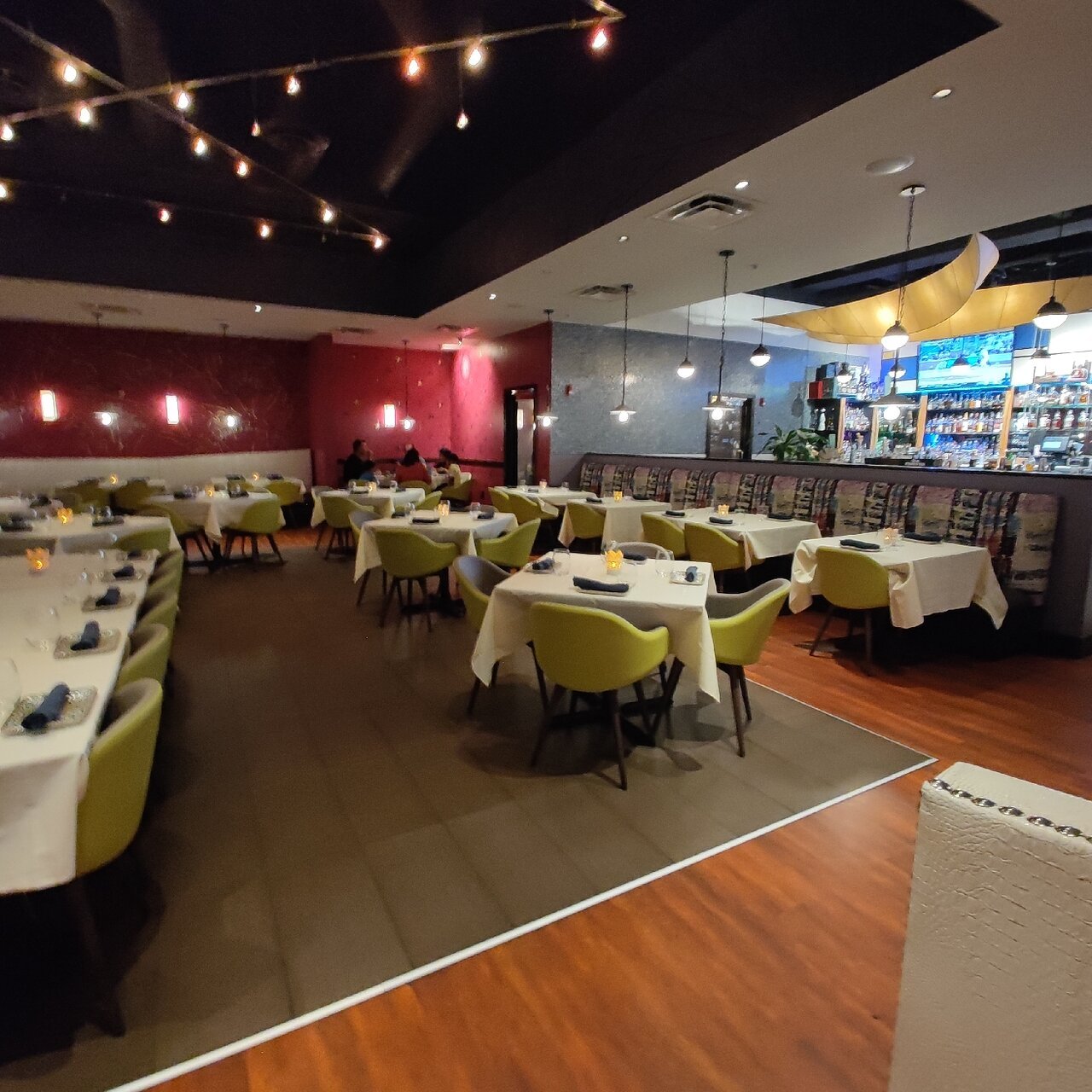
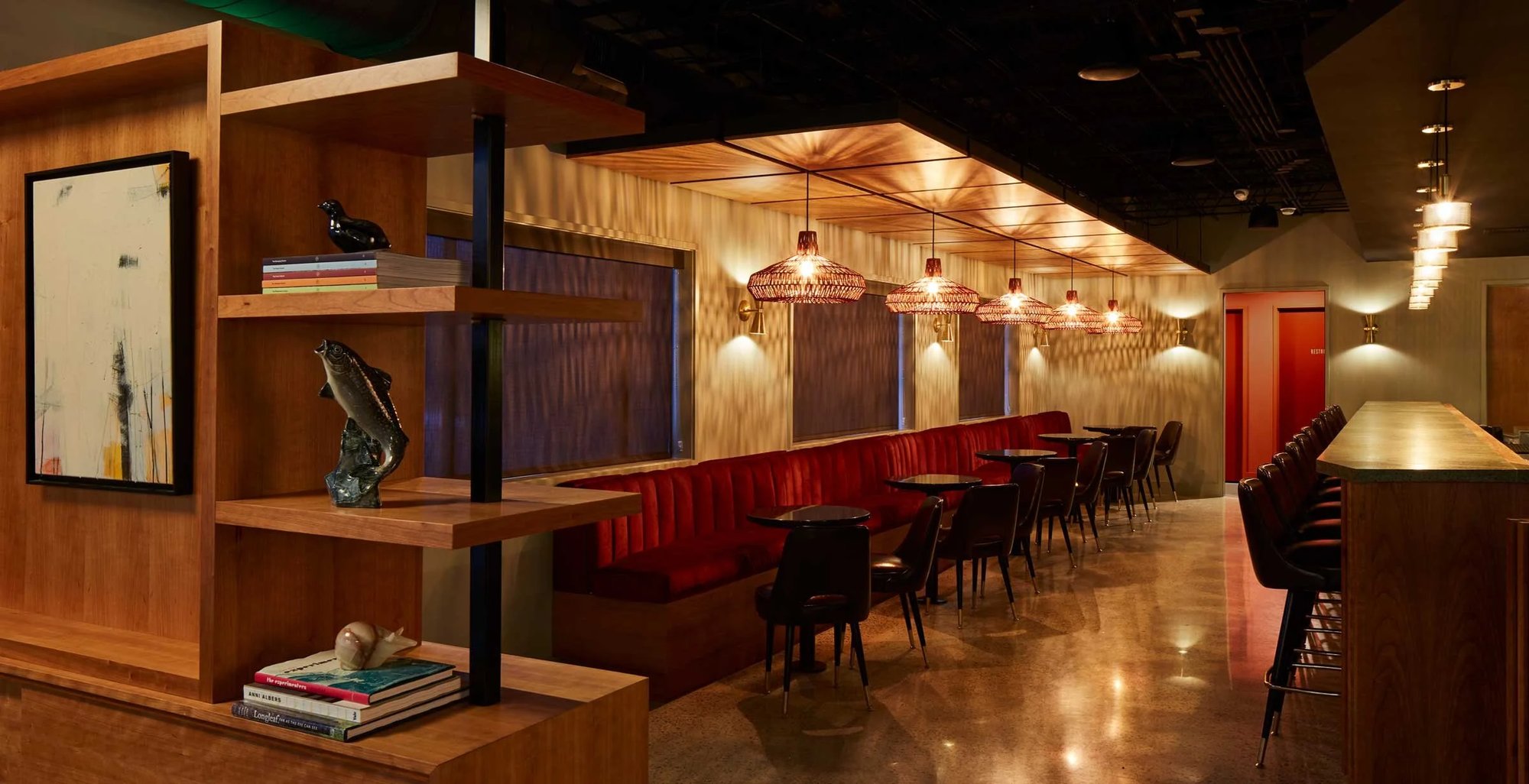
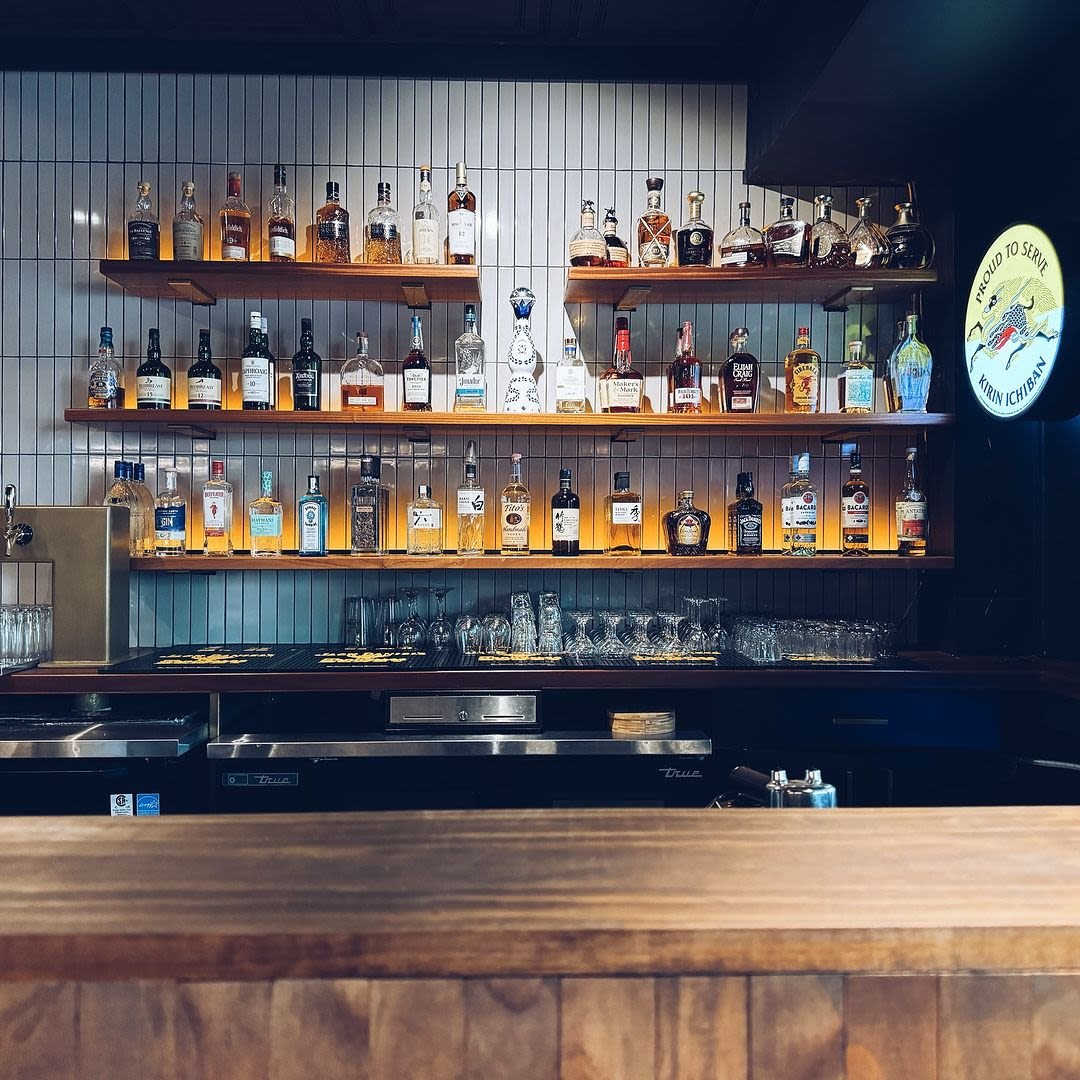
Cozy atmosphere featuring a sizable marble-topped community table and small tables around a full-service bar stocked with sake and spirits.
Tags
Vibe
Best For
Experience
Format
At the Bar
- Bar Category
- Sake Bar
- Late Night
- Closes by Midnight
Know before you go
Know Before You Go
- Getting there
- 170 E Davie St, Raleigh, NC 27601, USA
Planning details
Location
Also consider
Also Consider
- Sono Sushi, Notable alternative
- The Hippo Wine Bar & Shop, Notable alternative
- The Pour House Music Hall & Record Shop, Notable alternative
- Brewery Bhavana - Downtown, Notable alternative
- Neptunes Parlour, Notable alternative
Bar context
How DAIJOBU compares in downtown Raleigh
Choose DAIJOBU when ease is the priority and the group wants a simple downtown meal without building the night around a bar program or live entertainment. Sono Sushi is the cleaner cross-shop for diners who know they want sushi specifically, while DAIJOBU is the more general convenience play when the exact cuisine matters less than staying central.
For a drinks-led evening, The Hippo Wine Bar & Shop is the stronger choice if wine is the point of the night, and Neptunes Parlour makes more sense for a bar-forward plan. The Pour House Music Hall & Record Shop should win when music is the anchor; it is less of a direct dinner substitute and more of a post-meal or event-first decision.
Brewery Bhavana - Downtown is the peer to consider when the room and overall experience need to feel more planned. DAIJOBU looks easier to slot into a casual night, while Brewery Bhavana is the better bet for diners who want the venue itself to carry more of the evening.
Explore Raleigh
Around this place
Discover more on Pearl
Unlock the full DAIJOBU guide in Pearl, including awards, comparisons, FAQs, planning details, and nearby places.
Compare DAIJOBU
| Venue | Location | Awards |
|---|---|---|
| DAIJOBU | Raleigh | No published awards |
| Sono Sushi | Raleigh | No published awards |
| The Hippo Wine Bar & Shop | Raleigh | No published awards |
| The Pour House Music Hall & Record Shop | Raleigh | No published awards |
| Brewery Bhavana - Downtown | Raleigh | No published awards |
| Neptunes Parlour | Raleigh | No published awards |
How DAIJOBU Raleigh compares with similar nearby venues.
FAQ
Frequently Asked Questions
Does DAIJOBU have outdoor seating?
Outdoor seating is not listed, so do not choose DAIJOBU specifically for patio plans without checking first. Treat it as a Raleigh dining option with confirmed hours and casual dress, then confirm seating details directly with the venue.
Is DAIJOBU good for a date?
It can make sense for a casual Raleigh date if its posted hours fit your plan. The dress code is casual, and the schedule includes weekday lunch and dinner service plus Saturday dinner. For a more drinks-forward date, Neptunes Parlour is a natural comparison; for a meal, DAIJOBU remains the practical pick if its current details work for you.
What's the crowd like at DAIJOBU?
The crowd is not listed here, so avoid assuming a specific scene. The confirmed facts are that DAIJOBU is a casual Raleigh venue with lunch hours Tuesday through Friday and dinner hours Tuesday through Saturday. If you want a music or bar-focused setting instead, The Pour House Music Hall & Record Shop may be a better fit.
Is DAIJOBU good for groups?
Group suitability is not listed here, including seating capacity or private-event details. If you are planning for a group, confirm directly with DAIJOBU before going. For a more social, drink-friendly group stop, The Hippo Wine Bar & Shop is a comparison to consider.