Lorelei
East Liberty, Pittsburgh
Bar in Pittsburgh, United States
 Book with Pearl
The Read
Price
$20–30per person
Why go
Lorelei is a practical Pittsburgh pick for a drinks-first night, especially if the group wants an easier plan rather than a reservation-heavy dinner. It works better for small groups and flexible evenings than for special occasions that need confirmed menus, pricing, or private-room details.
About Lorelei
Is Lorelei worth planning a Pittsburgh night around? With hours limited to Wednesday through Saturday evenings, it is most useful when your plans fit that schedule and you do not need early-week or Sunday availability.
The main reason to choose it is timing: Lorelei is open 5–10 PM on Wednesday and Thursday, and 5 PM–12 AM on Friday and Saturday. It is closed Monday, Tuesday, and Sunday. For a first-timer, the safest expectation is an evening visit in Pittsburgh, with menu, pricing, reservations, and service format best confirmed directly.
Choose it for a direct Pittsburgh evening plan
Lorelei makes the strongest case when the decision is practical: a place that fits a Wednesday-to-Saturday evening schedule. The dress code is casual, which keeps the plan lower-friction than venues that require more formal preparation.
For a first visit, keep the plan flexible. Private-room, seat-count, group-booking, menu, and pricing details are not set out here, so a smaller, simpler outing is easier to plan than a large occasion built around specifics. If the night needs a full dining plan, compare it against other Pittsburgh dining options before committing.
Where it fits in a Pittsburgh night out
Compared with plans that depend on a confirmed full meal, Lorelei is better framed around its evening availability. If the group wants a broader Pittsburgh shortlist, use Our full Pittsburgh bars guide first, then branch into Our full Pittsburgh restaurants guide if food is the priority. For a hotel-based weekend, Our full Pittsburgh hotels guide is the cleaner planning layer.
If you are comparing options, keep the comparison broad unless you have confirmed the details you need. Nearby or relevant alternatives may suit a more meal-focused, late-night, or highly specific plan, but Lorelei's profile here is simply a casual Pittsburgh venue with Wednesday-to-Saturday evening hours.
The verdict: put Lorelei on the shortlist when the group wants a low-friction evening in Pittsburgh that fits its posted schedule. Skip it as the centerpiece for a special-occasion plan unless you have separately confirmed the menu, booking, and service details you need.
Planning details
- Hours
- Monday: Closed · Tuesday: Closed
- Location
- 124 S Highland Ave, Pittsburgh, PA 15206
- Website
- loreleipgh.com
- Phone
- +1 412 214 6926
The take
The Take
The Vibe
Lorelei presents itself with a quiet confidence that feels deliberately local rather than performative. The bar favors materiality and light over theatrical gimmickry, aligning with a broader shift in the city's cocktail scene toward places that read as specific to their neighborhood. That restraint yields an experience that is modern and sophisticated without being aloof: patrons linger, conversation carries across the counter, and the room’s design becomes part of the draw. It’s a place that rewards intentional visits: a considered, intimate bar that fits neatly into South Highland Avenue’s layered evening ecology.
Best For
This is a weekday-evening destination for people who want something more measured than louder nightlife options. Lorelei suits after-work drinks and casual neighborhood hangs, where groups and regulars choose to spend time talking. It suits drinkers who prefer a composed, mature program and who will make the walk to South Highland with purpose. Weeknights and late evenings feel particularly appropriate, when the bar’s room-focused design and conversational buzz are at their best.
Venue details
Ambiance
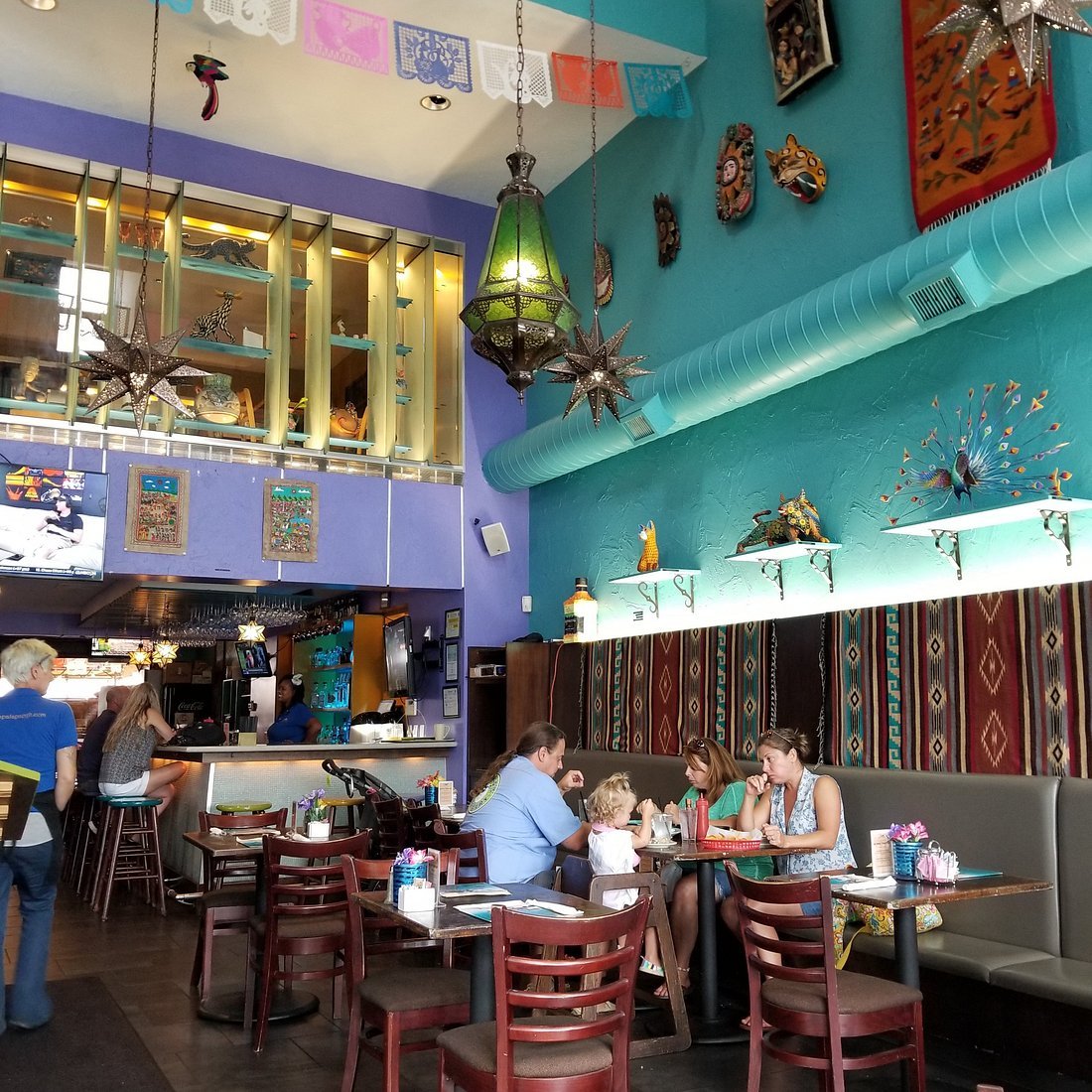
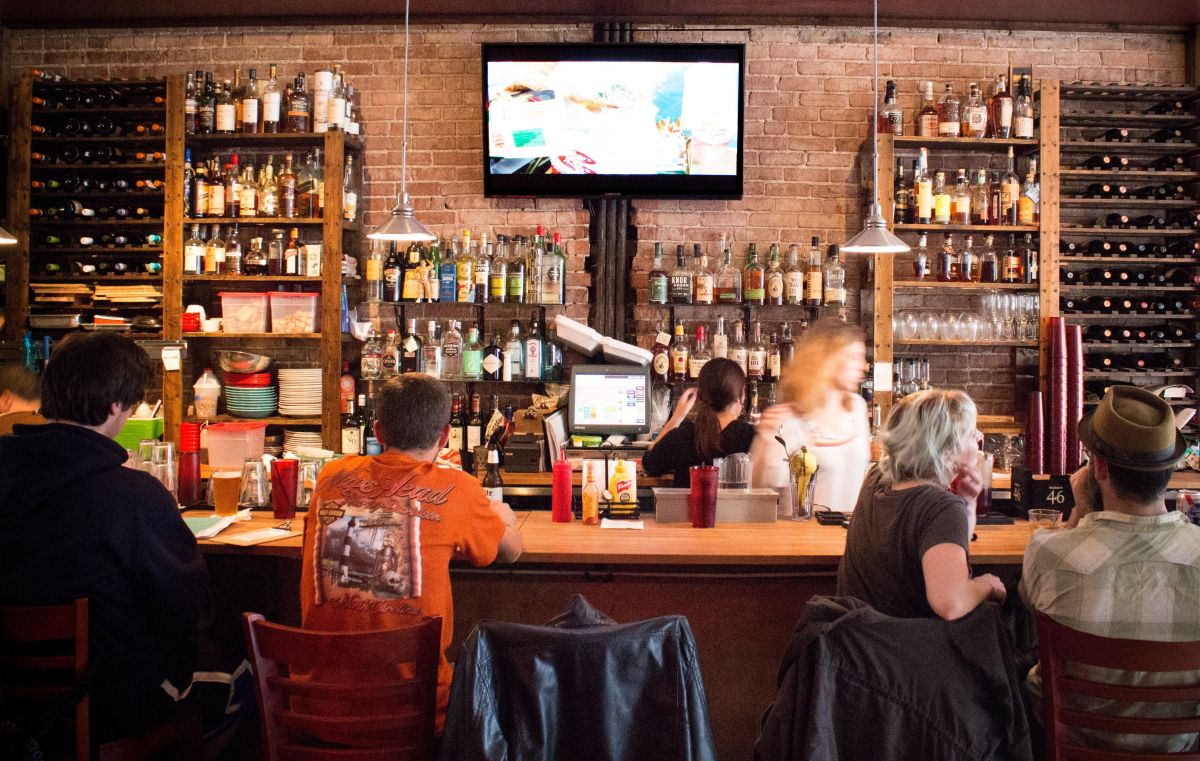
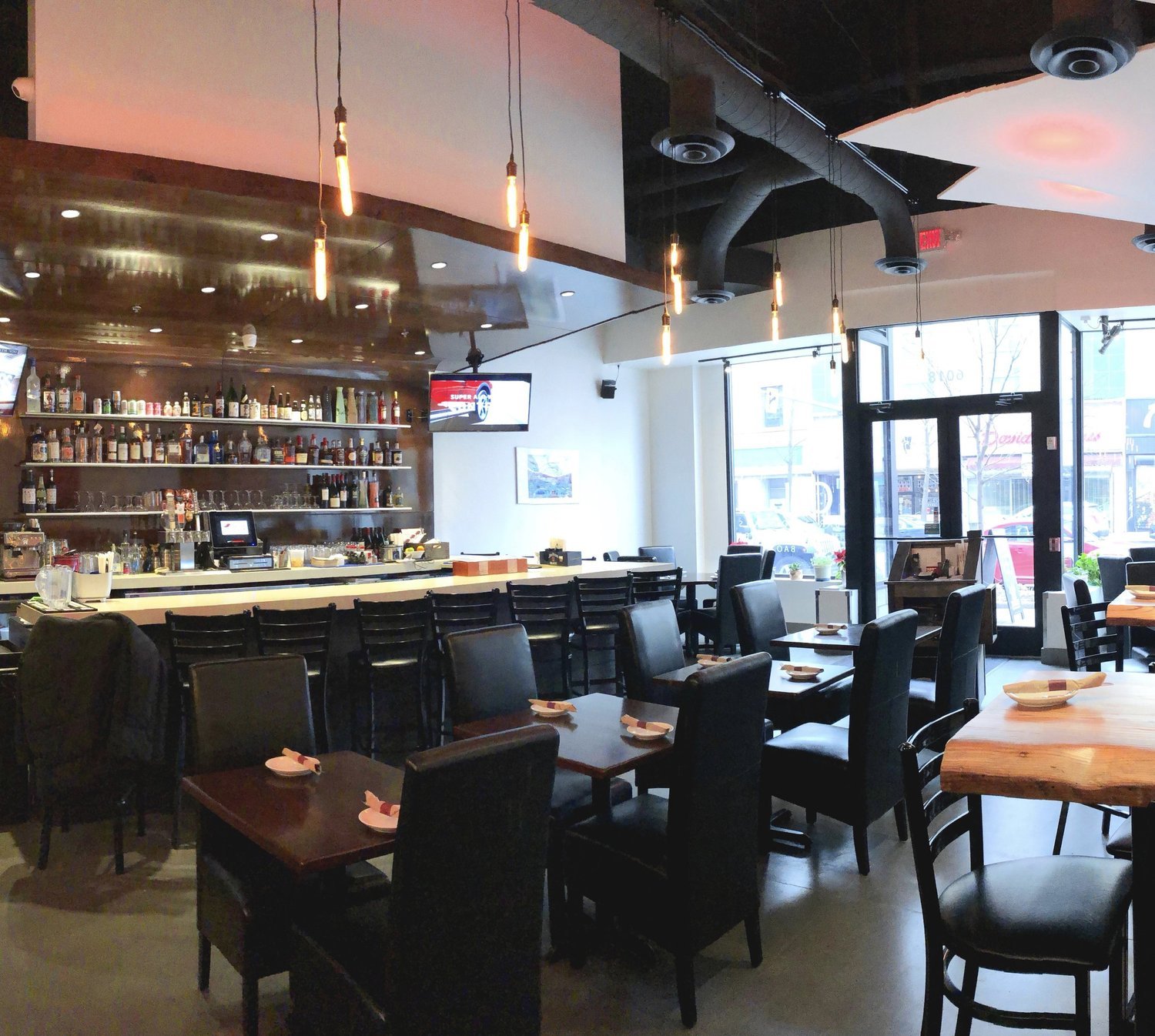
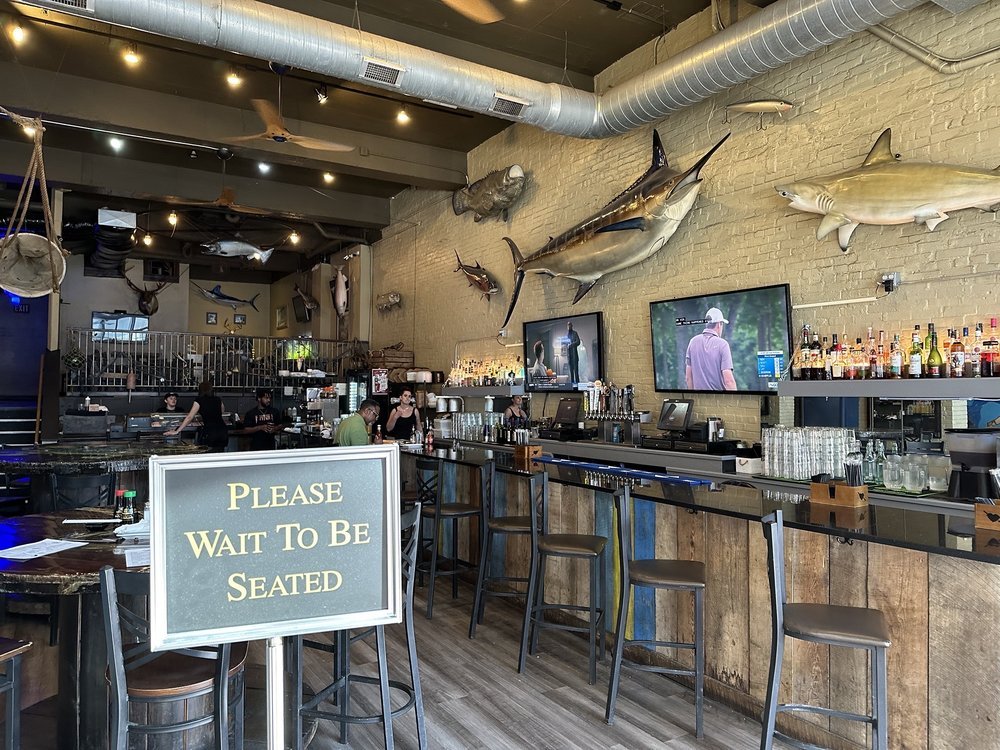
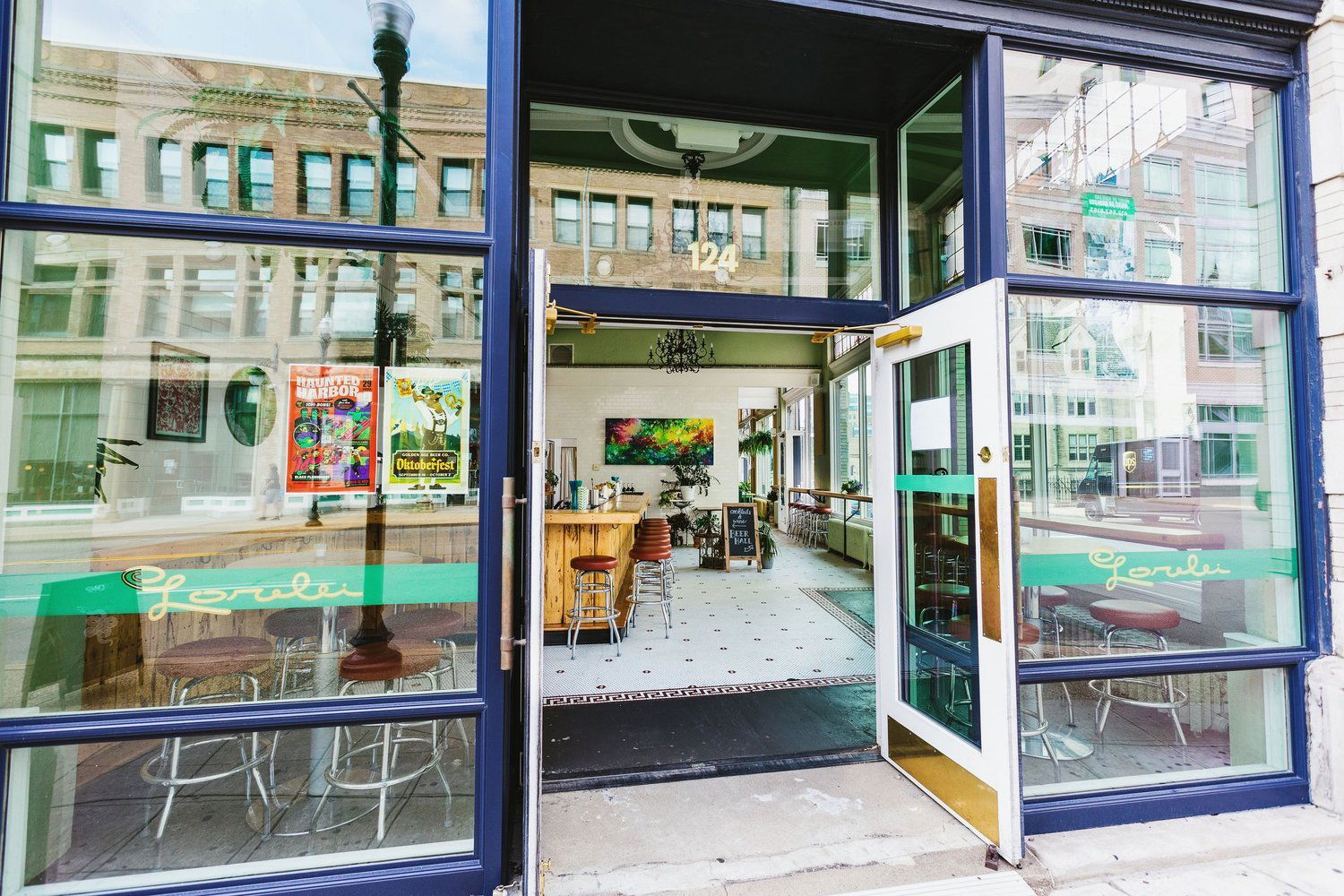
Airy European-style beer hall with casual modern communal tables, warm inviting atmosphere, and sophisticated intimate cocktail space.
Tags
Vibe
Best For
Experience
Format
At the Bar
- Bar Category
- Beer Bar
- Music
- Funk Soul Groove
- Spirits Focus
- Alpine Spirits, Aquavit
- Zero-Proof Program
- Yes
Know before you go
Know Before You Go
- Getting there
- 124 S Highland Ave, Pittsburgh, PA 15206
Planning details
Hours
- Monday
- Closed
- Tuesday
- Closed
- Wednesday
- 5–10 PM
- Thursday
- 5–10 PM
- Friday
- 5 PM–12 AM
- Saturday
- 5 PM–12 AM
- Sunday
- Closed
Location
Also consider
Also Consider
- Kelly's Bar & Lounge, Notable alternative
- Mola, Notable alternative
- Golden Gai, Notable alternative
- Spork, Notable alternative
- Yoshino Asian Fusion, Notable alternative
Bar context
How Lorelei compares in Pittsburgh
Choose Lorelei when the night should be bar-first and flexible. Compared with Spork, it reads as the easier drinks anchor rather than a dinner-led plan. If food is the main event, Spork is the safer cross-shop; if the group wants to keep the evening loose, Lorelei is the cleaner call.
Kelly's Bar & Lounge and Golden Gai are the better comparisons for readers choosing by mood rather than meal structure. Pick Kelly's Bar & Lounge when a classic lounge-style stop is the brief; look at Golden Gai when the group wants a more nightlife-coded alternative. Lorelei sits between those poles as a practical first stop or main drinks stop.
For a sushi or Asian-leaning meal with drinks attached, compare against Mola and Yoshino Asian Fusion. Those make more sense when dinner needs to carry the night. Lorelei is the better choice when the decision is about where to drink, not where to build the meal.
Explore Pittsburgh
Around this place
Discover more on Pearl
Unlock the full Lorelei guide in Pearl, including awards, comparisons, FAQs, planning details, and nearby places.
Compare Lorelei
| Venue | Location | Awards |
|---|---|---|
| Lorelei | Pittsburgh | No published awards |
| Kelly's Bar & Lounge | Pittsburgh | No published awards |
| Mola | Pittsburgh | No published awards |
| Golden Gai | Pittsburgh | No published awards |
| Spork | Pittsburgh | No published awards |
| Yoshino Asian Fusion | Pittsburgh | No published awards |
How Lorelei Pittsburgh compares with similar nearby venues.
FAQ
Frequently Asked Questions
What's the best time to go to Lorelei?
Go Wednesday or Thursday from 5–10 PM if you want the earlier part of the weekly schedule. Friday and Saturday run from 5 PM–12 AM, so they work better if you want a later Pittsburgh evening plan.
Is Lorelei open late?
Yes, but only on Friday and Saturday, when service runs until 12 AM. Wednesday and Thursday end at 10 PM, and it is closed Monday, Tuesday, and Sunday, so the late-night window is fairly narrow.
What is Lorelei known for?
Lorelei is known for its Pittsburgh location, casual dress code, and Wednesday-to-Saturday evening hours.