
Bar in Phoenix, United States
Geordie's at Wrigley Mansion
100Pearl PointsDress-up dinner
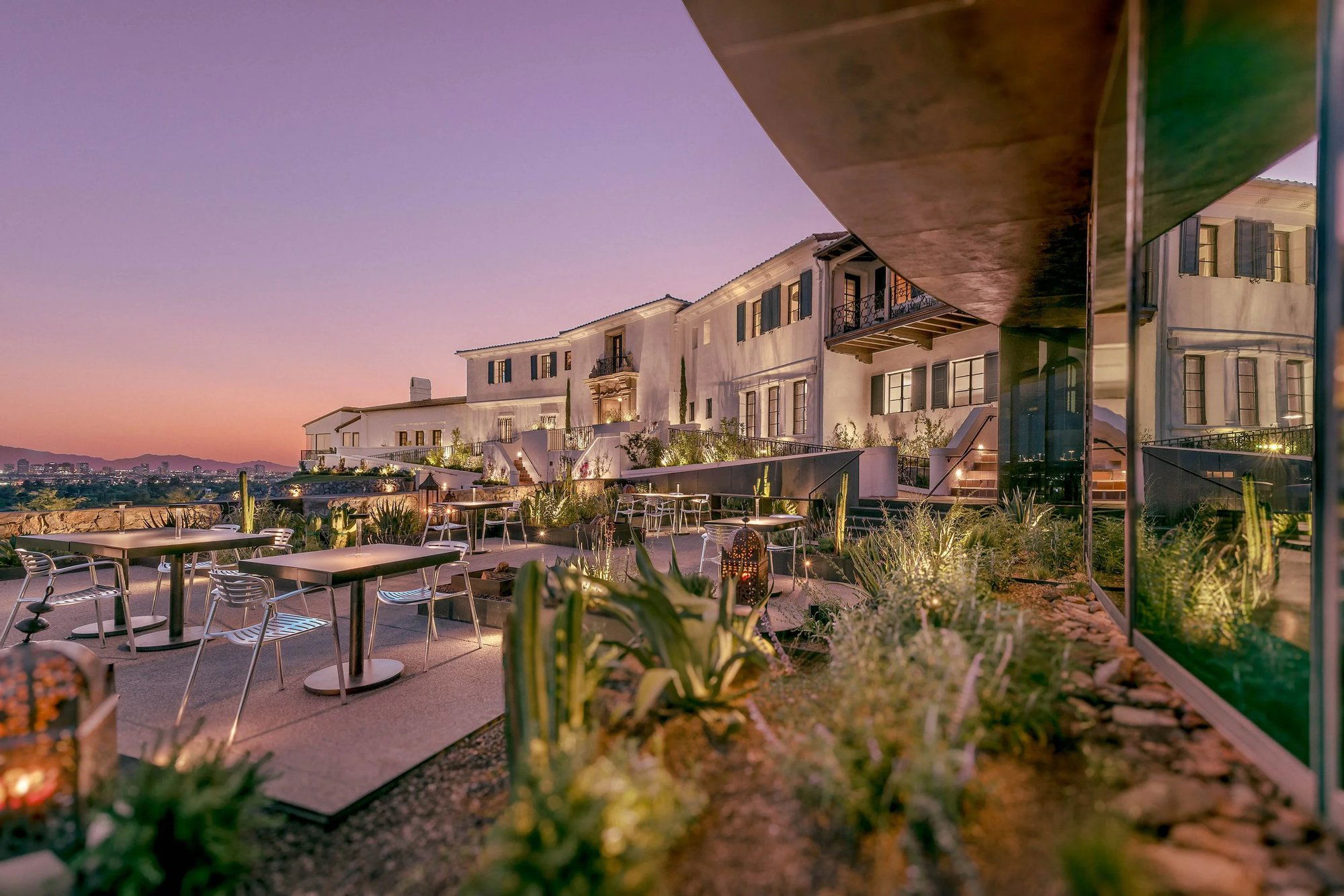
About Geordie's at Wrigley Mansion
Geordie's at Wrigley Mansion is worth considering when setting matters as much as dinner, especially for dates, hosted evenings, or Sunday brunch in Phoenix. Skip it if the goal is clearly priced casual bar food; choose it when the mansion context adds enough value to the meal.
Geordie's at Wrigley Mansion is a Phoenix option with verified smart-casual dress and evening service Wednesday through Sunday, plus a Sunday daytime window. The grounded way to frame it is simple: choose it when you want a planned, more polished outing in Phoenix rather than a quick casual stop. Specific cuisine, chef, menu format, pricing, awards, and beverage-program details are not verified here, so they should not be the basis for the decision.
Book it for a planned Phoenix evening
The strongest verified signals are the smart-casual dress code and the operating windows. Geordie's at Wrigley Mansion is closed Monday and Tuesday, open Wednesday and Thursday from 5–10 PM, Friday and Saturday from 5–11 PM, and Sunday from 10 AM–2 PM and 5–9 PM.
Because no verified cuisine type, chef credit, menu format, or price range is available here, treat the food and drink details as something to confirm directly before booking. If you are comparing it with more casual or drinks-led plans, consider other Phoenix options generally, or compare the mood with named alternatives such as Zinburger, The Wright Bar, Saguaro Pool Bar, The Spire Bar, Paradise Pool's Cabana Club, or Geordie's at Wrigley Mansion itself for a return visit.
Who gets the strongest value here
The clearest fit is someone planning a smart-casual Phoenix dinner or a Sunday daytime meal and willing to confirm current menu and pricing details before committing. The weaker fit is a group that needs verified budget guidance, a published happy hour, a specific cuisine promise, or detailed dietary information before choosing a venue.
For broader planning, use Phoenix dining resources if dinner details are the priority, Phoenix bar resources for drinks-led nights, Phoenix hotel resources for stay-and-dine planning, wine-focused resources for wine-focused alternatives, and Phoenix experience resources for occasion planning. Other dining in Phoenix can be useful for comparison, but this page should be read as a thin verified snapshot of Geordie's at Wrigley Mansion rather than a full menu review.
Frequently Asked Questions
Is Geordie's at Wrigley Mansion open late?
Its latest verified hours are Friday and Saturday until 11 PM. Wednesday and Thursday run 5–10 PM, and Sunday has two verified windows: 10 AM–2 PM and 5–9 PM.
Is Geordie's at Wrigley Mansion good for a date?
It can make sense for a planned smart-casual date in Phoenix, especially if you want an evening service window rather than a purely casual stop. Confirm the current menu and pricing before booking.
Is the food good at Geordie's at Wrigley Mansion?
The verified data here does not include cuisine type, chef details, menu format, prices, or awards. Check the venue's official channels for the latest food and drink details.
What's the best time to go to Geordie's at Wrigley Mansion?
Use the verified hours to plan: Wednesday and Thursday are 5–10 PM, Friday and Saturday are 5–11 PM, and Sunday is 10 AM–2 PM and 5–9 PM. Monday and Tuesday are closed.
Does Geordie's at Wrigley Mansion have happy hour deals?
No verified happy hour information is available here, so do not count on deals without checking first. If price is the deciding factor, compare current details with options such as The Wright Bar or Saguaro Pool Bar.
What's the crowd like at Geordie's at Wrigley Mansion?
The verified dress code is smart casual, but specific crowd details are not verified here. Plan for a more polished Phoenix outing and check directly if you need a particular atmosphere.
Do I need a reservation at Geordie's at Wrigley Mansion?
Reservation requirements are not verified here. Because the venue has defined service windows, check the official booking channel before going, especially for Friday, Saturday, or Sunday.
Location
2501 E Telawa Trail, Phoenix, AZ 85016
Phoenix, United States
Compare Geordie's at Wrigley Mansion
Comparison snapshot
Geordie's at Wrigley Mansion sits on the occasion side of the Phoenix set. Paradise Pool's Cabana Club and Saguaro Pool Bar are better for pool-day energy, The Spire Bar and The Wright Bar are cleaner drinks-first choices, and Zinburger is the simpler food-value option.
For booking difficulty, Geordie's is marked easy, which helps if the plan is a date or hosted dinner without a long lead time. The tradeoff is clarity: with no price range or menu detail listed here, value depends on how much the mansion setting matters to the group.
Where to go if this does not fit
If the group wants casual food value, cross-shop Zinburger. If the night is more about drinks and atmosphere than dinner, compare The Spire Bar or The Wright Bar.
How it compares in Phoenix
Choose Geordie's at Wrigley Mansion over Paradise Pool's Cabana Club or Saguaro Pool Bar when the meal needs a more formal, indoor-leaning occasion feel. The pool bars make more sense for sun, drinks, and relaxed group energy; Geordie's is the better fit when the room and dinner pacing matter.
Against The Spire Bar and The Wright Bar, Geordie's reads more like a sit-down dinner choice than a drinks-first stop. Pick The Spire Bar or The Wright Bar if the plan is cocktails and ambiance without making food the center of the night. Pick Geordie's if the evening needs a fuller restaurant frame.
Zinburger is the easier value call for casual food, especially if burgers and a simpler bill are the point. Geordie's is the stronger occasion pick; Zinburger is the safer low-pressure choice.
Explore Phoenix
Save or rate Geordie's at Wrigley Mansion on Pearl
Keep this venue in your Pearl passport, rate it after you visit, and track it alongside every other place you collect.