
Bar in Phoenix, United States
Durant's
100ptsFixed-Format Chophouse
About Durant's
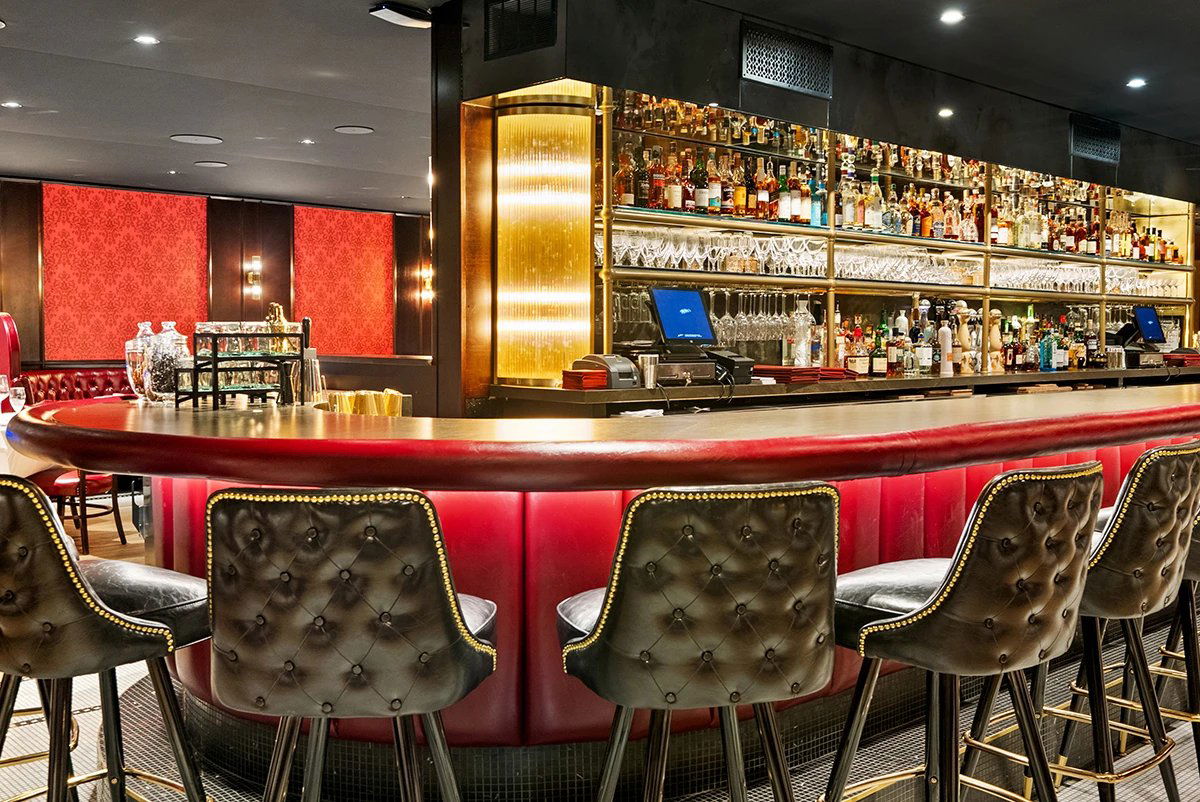
Durant's has held its ground on North Central Avenue since 1950, operating as one of Phoenix's most enduring steakhouse institutions. The red-leather booths, back-alley entrance, and classical chophouse format place it firmly in the tradition of mid-century American steakhouses that built their reputations on consistency rather than reinvention. For visitors tracing Phoenix's dining history, it remains a primary reference point.
A Chophouse on Its Own Clock
There is a particular kind of American steakhouse that refuses to update its terms. Red leather, low light, a room that smells faintly of decades of charcoal and wood polish — these are not design choices made recently. They are residue. Durant's, operating from its address at 2611 N Central Ave since 1950, belongs to that category of establishment where the atmosphere arrives before the menu does. Walking through the back-alley kitchen entrance — the building's defining quirk, and one of the few American restaurant entry rituals that still carries genuine theatre , you pass line cooks and expeditors before you ever see a host stand. In a city that has rebuilt itself several times over since the mid-century, that experience is notably intact.
Phoenix's dining scene has stratified considerably over the past two decades. The corridor running through Midtown and Downtown along Central Avenue now holds a range of venues from fast-casual regional chains to serious tasting-menu operations. Durant's predates all of it. Its presence on Central Avenue is less about location strategy and more about the fact that it was simply there first, and chose not to leave.
The Mid-Century Chophouse as Cultural Form
The American chophouse tradition that Durant's represents was not built around innovation. It was built around a specific social contract: reliable cuts, a drinks program anchored in classics, and a room designed for extended occupation. These were the restaurants that housed deal-making, political dinners, and anniversary celebrations not because they were fashionable, but because they were dependable in ways that fashionable restaurants rarely are.
By the 1950s and 1960s, that format had crystallised across American cities into something close to a civic institution. Phoenix, growing rapidly in the postwar period, developed its own version of that culture. Durant's became part of it early, and the physical environment , the booths, the lighting, the bar positioned as a destination in itself , mirrors the template almost exactly. What is interesting now is not that Durant's has preserved this, but that the template itself has become legible again to a new generation of diners who experience it as atmosphere rather than simply habit.
Nationally, the chophouse revival has produced both earnest throwbacks and knowing reinventions. Venues like Kumiko in Chicago and Jewel of the South in New Orleans demonstrate how mid-century American hospitality formats can be reconsidered from the drinks side, building programs that speak to the same era's cocktail culture with considerably more technical precision. Durant's operates from the original position rather than the reinterpretation, which gives it a different kind of authority.
Phoenix's Cocktail Scene as Context
Understanding where Durant's sits in Phoenix's drinking culture requires a brief look at what surrounds it. The city's cocktail bars have moved in a decisively technical direction over the past decade. Bitter & Twisted operates one of the most program-dense bar operations in the American Southwest, with a menu running into the hundreds. Century Grand takes a theatrical approach to mid-century cocktail nostalgia, organising its space around distinct era-specific rooms. Platform 18 leans into craft production and local ingredient sourcing. Highball sits at the more accessible end of Phoenix's bar spectrum, prioritising atmosphere and approachability.
Against that range, Durant's bar occupies its own register. It is not a cocktail destination in the technical sense that characterises the newer generation of Phoenix bars. It is a steakhouse bar, which is a different thing , oriented around the Martini, the Manhattan, and the Old Fashioned as utility drinks rather than showpieces. The value is in the room and the ritual, not the program's complexity. Comparable orientations appear at bars like ABV in San Francisco and Julep in Houston, both of which treat classic American drinking culture as their primary reference point. The difference at Durant's is that the frame has never changed; it was always thus.
For visitors building a fuller picture of what Phoenix's hospitality range looks like, our full Phoenix restaurants guide maps the city's dining options across neighbourhood and format. Internationally comparable bar programs operating in a similarly classic register include Bar Leather Apron in Honolulu, Superbueno in New York City, and The Parlour in Frankfurt, each of which demonstrates how the bar-as-room concept translates across different cultural contexts.
What to Expect and When to Go
Durant's format rewards visitors who arrive with the right expectations. This is not a restaurant that performs novelty. The booths are generous, the lighting is low, and the room operates at a pace determined by the dining rather than the turn. Reservations are advisable for dinner, particularly on weekends, when the room fills with a mix of longtime regulars and first-timers drawn by the venue's reputation as a Phoenix institution. The back-alley kitchen entrance is not incidental , arriving through the kitchen is the correct way to enter, and treating it otherwise means missing part of the experience the building was designed to provide.
Midtown Phoenix is accessible by light rail along Central Avenue, placing Durant's within direct reach of Downtown hotels and the broader arts district. Evenings from Thursday through Saturday represent the room at its most occupied; Tuesday and Wednesday service tends to run at a slower pace, which suits visitors who prefer less ambient noise during a long dinner.
The Staying Power of a Fixed Format
Longevity in the restaurant industry is rarely accidental. A venue that has operated from the same address since 1950 has survived not one but several complete cycles of Phoenix's growth, the collapse and revival of the American chophouse format nationally, and the shift toward open kitchens, counter dining, and tasting menus that reshaped the industry's upper tier over the past three decades. Durant's has absorbed none of those changes visibly. That consistency is either a limitation or its central argument, depending on what you are looking for. For a specific kind of diner , one who wants the mid-century American steakhouse experience delivered without irony or revision , it is a primary address.
Frequently Asked Questions
- Is Durant's more formal or casual?
- Durant's occupies the formal end of Phoenix's casual dining spectrum. The red-leather booths and low-lit room carry the visual register of a classic American steakhouse, and the atmosphere suggests occasion dining rather than a quick stop. That said, Phoenix's dress culture is generally relaxed, and the venue draws a broad range of guests. It is worth dressing with some intention without treating it as a black-tie environment. The back-entrance ritual and the general unhurried pace signal that this is a room for extended meals rather than quick ones.
- What's the leading thing to order at Durant's?
- Durant's has operated as a steakhouse for over seven decades, which means the kitchen's core competency is in red meat preparation. Classic chophouse formats prioritise the cut and the char over elaborate preparation, and the menu at Durant's follows that logic. Anchoring your order in the steak program, accompanied by the kind of side dishes that have supported American chophouse menus since the mid-century, is the most direct way to engage with what the kitchen does at its most practiced.
- What's the standout thing about Durant's?
- The back-alley kitchen entrance is the detail most frequently cited by visitors who have eaten at Durant's. Entering through a working kitchen rather than a conventional front door is rare in American dining at any tier and gives the arrival a specific texture that the rest of the room sustains. Combined with a physical environment that has remained substantively unchanged since the mid-century, it positions Durant's as a direct document of a particular moment in American restaurant culture, delivered in real time on Central Avenue in Phoenix.
- Why do diners still seek out a 1950s steakhouse in a city as fast-changing as Phoenix?
- Phoenix has added considerable dining range over the past two decades, but institutions that predate the city's current form carry a kind of contextual weight that newer venues cannot replicate. Durant's opened in 1950, before Phoenix's major postwar expansion, and its continued operation at the same Central Avenue address means it has functioned as a fixed point across multiple versions of the city. For visitors and long-term residents alike, that continuity is itself part of the offer , a room where the terms have not been renegotiated and the format has not been updated to meet current trends.
Related editorial
- Best Fine Dining Restaurants in ParisFrom three-Michelin-star icons to the next generation of Parisian chefs pushing boundaries, these are the restaurants that define fine dining in the world's culinary capital.
- Best Luxury Hotels in RomeFrom rooftop terraces overlooking ancient ruins to Michelin-starred hotel dining, these are the luxury hotels that make Rome unforgettable.
- Best Cocktail Bars in KyotoFrom sleek lounges to hidden speakeasies, Kyoto's cocktail scene blends Japanese precision with global influence in ways you won't find anywhere else.
Save or rate Durant's on Pearl
Keep this venue in your Pearl passport, rate it after you visit, and track it alongside every other place you collect.