
Bar in Phoenix, United States
Chilte
100ptsRegional Mexican Progression
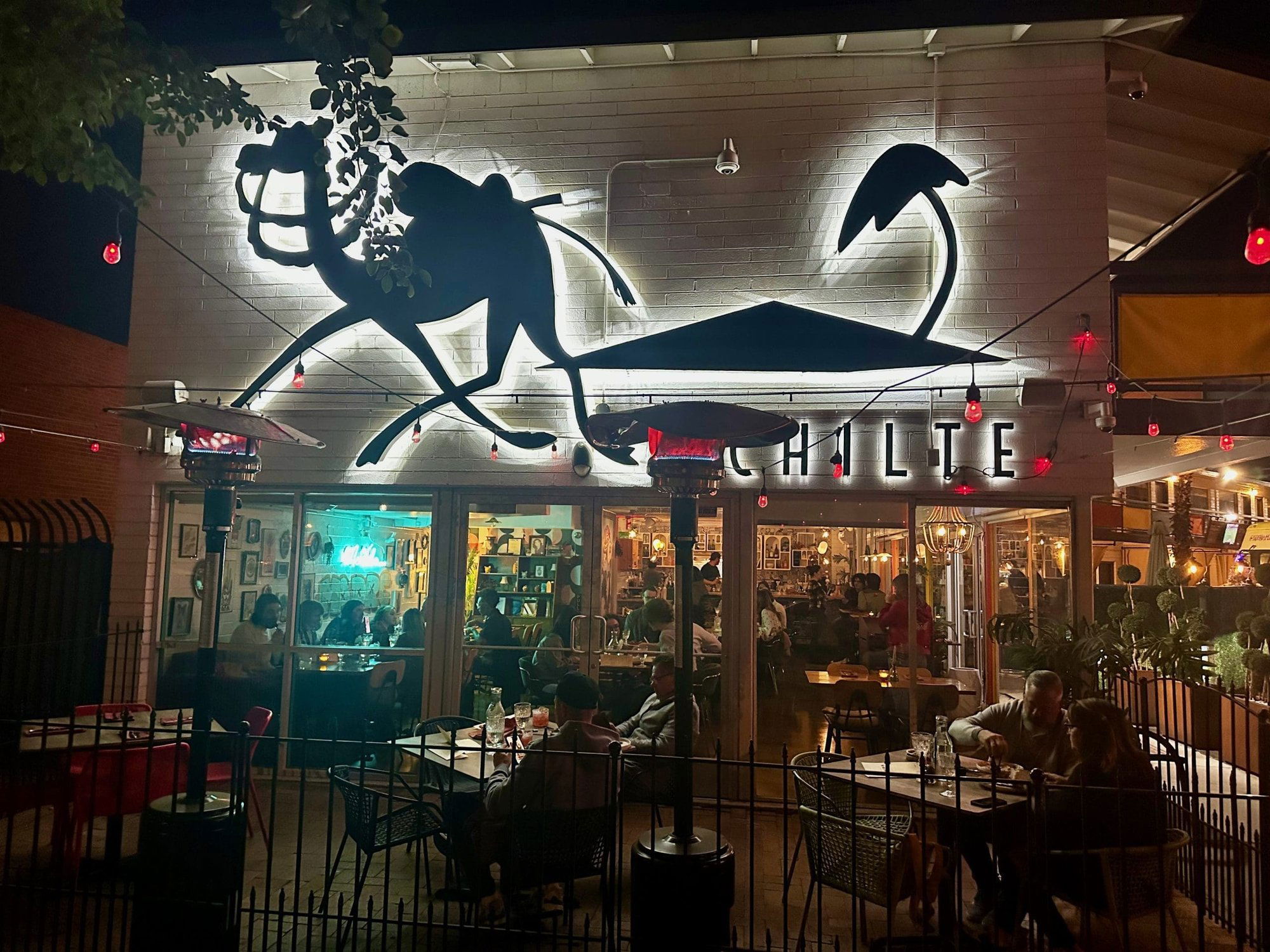
About Chilte
On Grand Avenue in Phoenix's arts corridor, Chilte occupies a stretch of the city where Mexican culinary traditions are treated as serious subject matter rather than casual backdrop. The restaurant frames regional Mexican cuisine through a progression-style format, placing it in a growing tier of Phoenix restaurants that take technique and sourcing as given. A reservation here is a considered proposition, not a walk-in decision.
Grand Avenue and the Case for Regional Mexican as Fine Dining
Phoenix's Grand Avenue corridor has spent the better part of a decade accumulating the kind of cultural density that precedes a dining scene's maturation. Murals, galleries, and independent operators share blocks that once sat largely dormant, and the restaurants that have taken root here tend toward specificity over broad appeal. Chilte, at 765 Grand Ave, sits within that pattern: a restaurant whose address signals something about intent before a single dish arrives.
The broader context matters here. Across American cities, a small but growing tier of restaurants has moved regional Mexican cuisine away from the combo-plate model and into formats defined by sourcing precision, technique depth, and multi-course sequencing. In cities like Los Angeles, Mexico City-trained chefs have spent years building the critical vocabulary for this kind of work. Phoenix, with its geographic and cultural proximity to Mexico, has its own version of this conversation, and Chilte is one of the addresses where that conversation is happening at a serious level.
The Arc of the Meal
Tasting-progression formats ask a specific thing of the kitchen: coherence over time. A single strong dish is a skill; a sequence that builds, pivots, and resolves is a different discipline entirely. The restaurants that do this well with Mexican regional cuisine treat the meal as a kind of argument, moving from lighter, more acidic preparations through richer, more complex territory before landing somewhere considered. Chilte operates within this framework, and the structure of the experience here is where its ambitions become legible.
The early stages of a progression-style meal in this register tend to arrive as small, precise things: masa-based preparations, raw or lightly cured proteins, and the kind of salsas that are treated as compositions rather than condiments. These opening moments set a register for what follows, establishing that the kitchen is working with the grammar of a specific tradition rather than a generalized approximation of it. Phoenix diners who have spent time eating seriously in Oaxaca, Veracruz, or the Yucatán will recognize the references; those who haven't will find them instructive.
Mid-sequence, the meal typically deepens. Braised preparations, mole-adjacent sauces, and proteins that have been handled with patience rather than speed occupy this territory in regional Mexican fine dining. The logic here is one of accumulation: by the time these dishes arrive, the diner has been primed by what came before, and the fuller, slower flavors read as earned rather than simply heavy. Restaurants like Chilte that work in this idiom are, in effect, teaching diners how to eat the meal while serving it.
The close of a well-constructed Mexican tasting sequence often turns toward something rooted in pre-Hispanic tradition: corn in its various forms, chocolate handled without European sweetness conventions, or fermented elements that bring an acidic brightness back into the picture after richness. This circularity, a return to foundational ingredients after the complexity of the middle courses, is one of the structural signatures of the format at its most assured.
Where Chilte Sits in the Phoenix Dining Picture
Phoenix's cocktail bar scene has developed faster and with more external recognition than its restaurant side. Addresses like Bitter & Twisted, Century Grand, Highball, and Platform 18 represent a cocktail program tier that competes nationally, in the same conversation as Kumiko in Chicago, Bar Leather Apron in Honolulu, Jewel of the South in New Orleans, Julep in Houston, Superbueno in New York City, ABV in San Francisco, and The Parlour in Frankfurt on the Main. The restaurant side has been catching up, and Chilte is part of that catch-up story.
The Grand Avenue location places Chilte in a neighborhood that self-selects for an engaged diner. This isn't a destination restaurant buried in a casino complex or anchored to a resort ecosystem; it's a stand-alone address in a working arts district, which tends to attract a crowd that arrived with some prior knowledge. That self-selection has consequences for how the room feels and how ambitious the kitchen can afford to be. See our full Phoenix restaurants guide for the broader picture of where the city's dining is moving.
The Drink Dimension
In Mexican fine dining contexts, the beverage program is where a restaurant signals how seriously it takes the full picture. Mezcal and tequila pairings are the obvious move; the more considered approach involves agave spirits handled with the same sourcing rigor applied to ingredients, alongside natural wines from Mexican producers and agua frescas that function as non-alcoholic counterpoints rather than afterthoughts. Restaurants in this tier that do drinks well treat the pairing as an extension of the progression logic, so that each course arrives with something that either amplifies or contrasts the flavors on the plate in a deliberate way. Whether Chilte's program extends to full pairings or centers on a curated list, the address and format suggest a kitchen that has thought about this dimension.
Planning a Visit
Grand Avenue is accessible from central Phoenix, and the neighborhood rewards arriving with time to walk before a meal. Reservations at progression-format restaurants in this tier typically require advance planning, particularly on weekends when the arts district draws additional foot traffic. The format itself, a multi-course sequenced meal, implies a two-hour-plus commitment; this is not the kind of address that suits an early weeknight dinner before another engagement. Visitors combining Chilte with Phoenix's cocktail bar circuit will find the Grand Avenue location a reasonable starting or ending point for an evening that takes the city's independent dining scene seriously.
Frequently Asked Questions
What's the signature drink at Chilte?
Chilte's drink program operates within a Mexican fine dining context where agave spirits, specifically mezcal and tequila from small producers, tend to anchor the list. In restaurants of this format and positioning in Phoenix, the beverage approach typically mirrors the sourcing specificity applied to food: expect spirits with regional provenance and preparation methods that connect to the cuisine's origins rather than a generalist cocktail menu. The agave category is where this restaurant's drink identity most clearly intersects with its culinary identity.
What's Chilte leading at?
Chilte's strongest position within the Phoenix dining market is the multi-course treatment of regional Mexican cuisine, a format that remains underrepresented in the city relative to its cultural proximity to Mexico. In a price tier that sits above casual Mexican dining but operates independently of the resort-hotel fine dining circuit, Chilte addresses a gap in the market with a level of specificity that distinguishes it from both ends of that spectrum. For diners already familiar with serious Mexican regional cooking from travel or from cities with more developed scenes in this category, the restaurant offers a Phoenix address that takes the tradition as a starting point rather than a reference.
Is Chilte suitable for diners unfamiliar with regional Mexican cuisine?
The progression format at restaurants like Chilte is, in practice, one of the more effective ways to develop familiarity with a regional cuisine precisely because the sequence is structured to build understanding course by course. Diners without prior exposure to Oaxacan, Veracruz, or pre-Hispanic culinary traditions will find the format instructive rather than demanding, provided they approach the meal with time and attention rather than a fixed sense of what Mexican food should taste like. Phoenix's geographic position means that the ingredients and producers referenced in kitchens like this one have a local and cross-border dimension that gives the meal a specificity of place that goes beyond the plate.
Related editorial
- Best Fine Dining Restaurants in ParisFrom three-Michelin-star icons to the next generation of Parisian chefs pushing boundaries, these are the restaurants that define fine dining in the world's culinary capital.
- Best Luxury Hotels in RomeFrom rooftop terraces overlooking ancient ruins to Michelin-starred hotel dining, these are the luxury hotels that make Rome unforgettable.
- Best Cocktail Bars in KyotoFrom sleek lounges to hidden speakeasies, Kyoto's cocktail scene blends Japanese precision with global influence in ways you won't find anywhere else.
Save or rate Chilte on Pearl
Keep this venue in your Pearl passport, rate it after you visit, and track it alongside every other place you collect.