
Bar in Paris, France
Le Pigalle
100pts9th Arrondissement Natural Wine Bar
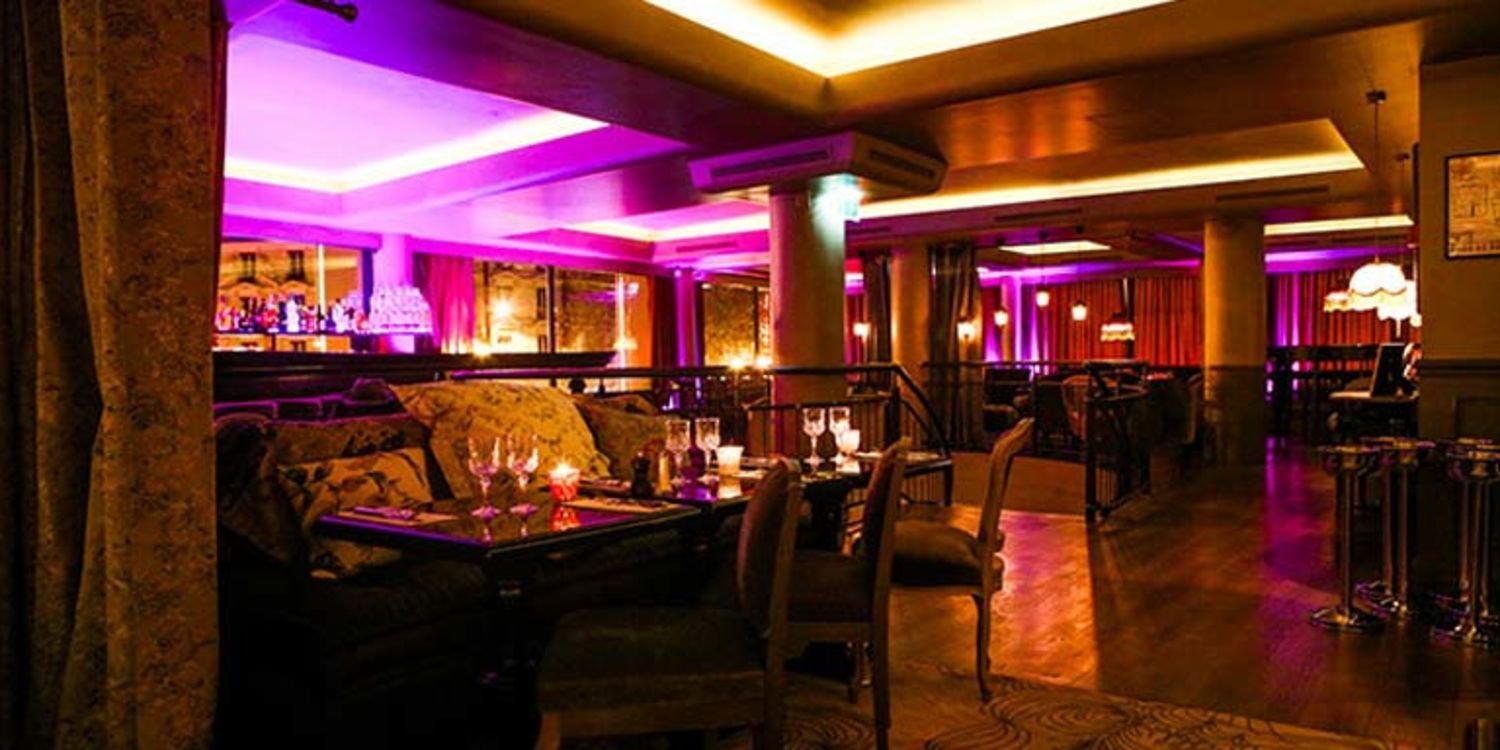
About Le Pigalle
Le Pigalle occupies a corner of the 9th arrondissement where Pigalle's older, grittier identity meets a newer wave of wine-forward drinking culture. At 9 Rue Frochot, the address places it inside one of Paris's most contested neighbourhood transitions, where the question of what a bar should be — and what it should pour — gets relitigated nightly.
The 9th Arrondissement and the New Grammar of the Parisian Bar
Paris's 9th arrondissement has been rewriting its own reputation for the better part of a decade. The streets around Pigalle, long defined by cabarets and a transient nightlife economy, have become ground zero for a particular kind of drinking establishment: one that takes its wine list as seriously as its playlist, and treats the bar counter as an extension of a serious cellar rather than a surface for cocktail theatre. Le Pigalle, at 9 Rue Frochot, operates squarely inside this shift.
To understand what this address represents, it helps to map the broader movement. Paris's bar scene has split into at least three identifiable camps. There are the cocktail-focused technical programs — places like Danico and Candelaria, whose identities are built around the drinks themselves, the techniques behind them, and the editorial coherence of the menu. There are the atmospheric landmark bars — Buddha Bar, for instance , where scale and visual spectacle define the proposition. And then there is a third category, smaller and more specific: bars where the wine list carries the editorial argument, where the glass in front of you is a point of view about a producer, a region, or a vintage, not simply a beverage option. Le Pigalle belongs to this third category.
A Street That Earns Its Reputation
Rue Frochot is a short private street, gated at one end and lined with 19th-century hôtels particuliers that have housed artists, musicians, and writers across successive generations. The address itself carries a kind of ambient cultural weight that the 9th has learned to trade on. The neighbourhood's transition is not complete , Pigalle's older registers still surface a few blocks away , but Rue Frochot operates at a remove from that friction, giving Le Pigalle a physical setting that feels more like a corner of the Marais than the foot of the Butte Montmartre.
This matters for the wine-forward bar format because atmosphere and cellar depth are not independent variables. The bars in Paris that have built serious wine programs have generally done so in spaces that feel architecturally appropriate to the exercise: rooms with enough gravity to support a conversation about a grower Champagne or a low-intervention Burgundy without the exchange feeling incongruous. Rue Frochot provides that gravity.
The Wine List as Editorial Statement
Across Paris's most credible wine bars and bar-restaurants, the wine list has become the primary trust signal, outpacing kitchen credentials in certain formats and neighbourhood contexts. This is partly a function of the natural wine movement, which gave smaller operators a way to build a distinctive cellar identity without the capital required to compete on classified Bordeaux or grand cru depth. It is also a function of how Parisian drinkers have evolved: the customer at a wine-forward bar in the 9th in 2024 is often more interested in a conversation about a specific grower in the Jura or a skin-contact Alsatian than in a classic Burgundy label, however distinguished.
Le Pigalle's position on Rue Frochot places it in a competitive set that includes the better wine bars of the South Pigalle corridor (known locally as SoPi), a zone that has generated more serious wine programming per square block than almost any other part of the city over the past six years. The bars that have established themselves in this corridor share certain characteristics: relatively small footprints, cellars that reflect a curatorial rather than encyclopaedic approach, and service cultures built around recommendation rather than transaction.
For comparison, consider how the wine bar format plays out across France's other major cities. Coté Vin in Toulouse and La Maison M. in Lyon operate in regional markets where the wine conversation is inflected by proximity to specific appellations. Paris, without that proximity advantage, compensates through curation density , the leading Parisian wine bars compensate for geography with editorial specificity, building lists that reflect an argument about what is interesting to drink right now rather than what is expected.
How Le Pigalle Sits Against Its Paris Peers
| Venue | Primary Format | Neighbourhood | Programme Emphasis |
|---|---|---|---|
| Le Pigalle | Wine-forward bar | 9th / Rue Frochot | Cellar curation, wine-led service |
| Danico | Cocktail bar | 2nd / Opéra | Technical cocktail programme |
| Candelaria | Taqueria-bar hybrid | 3rd / Marais | Mezcal, tequila, cocktail depth |
| Buddha Bar | Landmark bar-restaurant | 8th / Madeleine | Scale, atmosphere, broad drinks |
| Bar Nouveau | Contemporary bar | Paris | New-format drinks programme |
Seasonal Timing and When to Visit
The wine-bar format in Paris is at its most rewarding in the shoulder seasons: October into November, when the year's harvest conversation is still alive and producers are visiting the city, and March into April, when the wine trade is releasing and the programming in bars that take their lists seriously tends to reflect that energy. Summer in the 9th brings a different crowd and a different pace; the SoPi corridor in July and August shifts toward the transient rather than the regular, which tends to dilute the floor knowledge that makes a visit to a place like Le Pigalle worthwhile. If the quality of the wine conversation matters to you as much as the quality of the glass, the cooler months reward the effort.
Rue Frochot is most easily accessed from the Pigalle or Saint-Georges metro stations, both on line 12, with the walk from either taking under ten minutes. The street itself is gated to through traffic, which keeps the immediate environment quieter than the surrounding blocks would suggest.
For a broader map of where Le Pigalle fits within the Paris drinking scene, see our full Paris restaurants guide. For those building a regional French drinking itinerary, comparable wine-forward programming can be found at Bar Casa Bordeaux in Bordeaux, Au Brasseur in Strasbourg, Le Café de la Fontaine in La Turbie, and Papa Doble in Montpellier. Further afield, the sommelier-driven bar format has a strong representative in Bar Leather Apron in Honolulu, which demonstrates how the wine-list-as-argument format travels beyond its European origins.
Frequently Asked Questions
- What's the leading thing to order at Le Pigalle?
- At a bar where the wine list functions as the primary editorial statement, the answer depends on what the list is currently arguing. In Paris's wine-forward bar tier, the most interesting orders are rarely the recognisable names , they are the grower selections and lower-production appellations that the programme has been built to champion. Ask what has arrived recently or what the house is most interested in right now; that question, at a bar in this format, tends to produce a more honest and more interesting answer than pointing to a label you already know.
- Why do people go to Le Pigalle?
- The 9th arrondissement's SoPi corridor has become one of the more concentrated zones of serious bar culture in Paris, and Le Pigalle's address on Rue Frochot places it at a specific intersection of neighbourhood character and wine-forward programming. In a city where the bar scene now splits between high-volume cocktail theatres and intimate cellar-driven rooms, the wine-bar format on this street attracts regulars who treat the choice of where to drink as a statement about what they value in a glass. The Rue Frochot address also carries a cultural specificity that the broader Pigalle neighbourhood does not always deliver.
- How does Le Pigalle's wine focus compare to other wine bars in the Paris 9th arrondissement?
- The SoPi zone of the 9th has produced several wine-forward addresses over the past decade, and the bars that have held their position in that peer set share a common trait: curation replaces volume. Rather than comprehensive regional coverage, the strongest programs in this corridor are built around a specific point of view , a preference for growers over négociants, for low-intervention over conventional winemaking, or for specific under-recognised appellations. Le Pigalle's Rue Frochot address puts it inside that conversation, in a neighbourhood that has become a reliable indicator of where serious Parisian wine culture is heading next.
Related editorial
- Best Fine Dining Restaurants in ParisFrom three-Michelin-star icons to the next generation of Parisian chefs pushing boundaries, these are the restaurants that define fine dining in the world's culinary capital.
- Best Luxury Hotels in RomeFrom rooftop terraces overlooking ancient ruins to Michelin-starred hotel dining, these are the luxury hotels that make Rome unforgettable.
- Best Cocktail Bars in KyotoFrom sleek lounges to hidden speakeasies, Kyoto's cocktail scene blends Japanese precision with global influence in ways you won't find anywhere else.
Save or rate Le Pigalle on Pearl
Keep this venue in your Pearl passport, rate it after you visit, and track it alongside every other place you collect.