
Bar in Paris, France
La Closerie des Lilas
100ptsLeft Bank Classic Counter
About La Closerie des Lilas
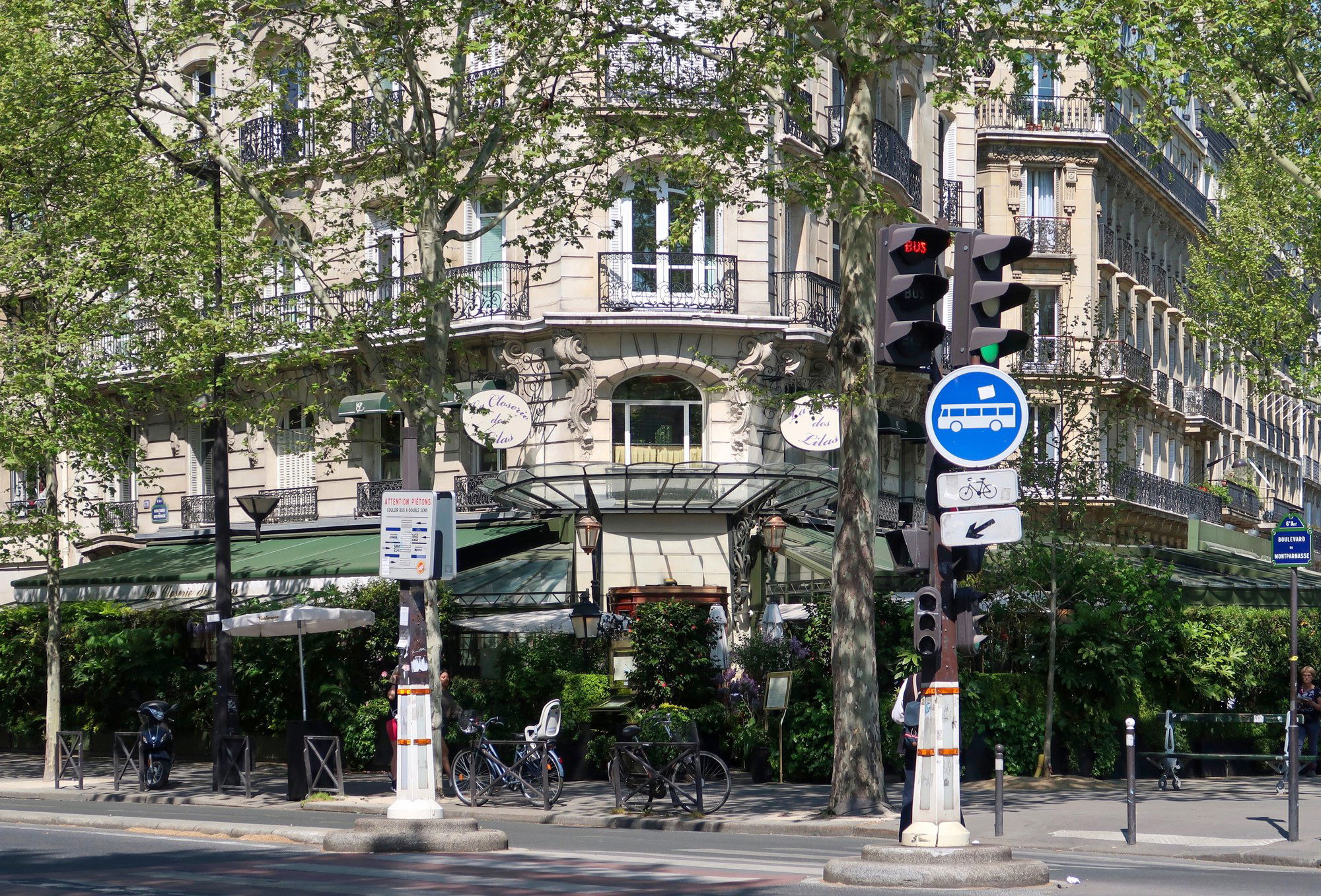
One of Montparnasse's most historically anchored addresses, La Closerie des Lilas at 171 Boulevard du Montparnasse has served writers, artists, and their ghosts since the nineteenth century. The brasserie and bar occupy different registers of the same room — one for dining, one for drinking — and the bar counter remains among the more serious places on the Left Bank to order a classic cocktail without theatre.
The Weight of the Room
There is a particular quality to bars that have outlasted their own mythology. Boulevard du Montparnasse at dusk carries the residue of decades: the café terraces, the limestone facades, the light that arrives at an angle that no other arrondissement quite replicates. La Closerie des Lilas, at number 171, sits at the pivot point where the 6th meets the 14th, and the building itself reads as a record of what this part of Paris once prioritised — serious drinking, serious conversation, and the assumption that both required a properly made drink and an unhurried room to have it in.
The interior divides across two distinct registers. The brasserie side handles the full dining arc. The bar — tighter, darker, panelled , functions as its own contained world, where the counter is the point and the stools face the bottles rather than the street. This split personality is common in long-standing Parisian establishments, and La Closerie manages it with more coherence than most: the two halves feel like they belong to the same building rather than two different renovation eras bolted together.
Where the Left Bank Bar Tradition Actually Lives
Paris bar culture splits along a fault line that visitors often miss. The Right Bank, from the Marais through to the 8th, runs heavier on concept and theatre: speakeasy formats, clarified spirits, and menus that arrive as booklets. The Left Bank counter tradition is older and less annotated. It prizes the bartender who knows what you ordered last time over the one who explains fermentation processes unprompted. La Closerie sits firmly in that quieter lineage.
That tradition is worth understanding in competitive terms. Venues like Candelaria and Danico represent a different Paris bar moment , technically focused, internationally networked, winning placements on ranked lists. Buddha Bar operates at the spectacle end of the spectrum. La Closerie does not compete in those registers, which is itself an editorial position. Some Paris bars optimise for the fifty-leading circuit. Others optimise for the regulars who have been coming for thirty years. The latter type rarely makes ranked lists, but it tends to make better drinking companions of its guests over time.
For a broader map of how Paris drinking rooms stratify by neighbourhood and style, our full Paris restaurants guide covers the key distinctions across arrondissements. The contrast with Bar Nouveau, which represents a more contemporary Paris bar format, is particularly instructive.
The Craft Behind the Counter
The bar counter at La Closerie is where the editorial angle clarifies. Classic French bar hospitality , what distinguishes the genuine article from its imitations , is built on restraint in presentation and precision in execution. The bartender's role in this tradition is not to perform but to anticipate: to read the room, to remember faces, to produce a Martini or a Negroni that does not require explanation because it does not require improvement.
This approach sits in contrast to the technique-forward movement that has reshaped cocktail bars across Europe's major cities since roughly 2010. Bars in that mould, from Papa Doble in Montpellier to La Maison M. in Lyon, have built identities around creative menus, house-made ingredients, and bartenders who are visible protagonists of the experience. La Closerie's hospitality model inverts that: the bartender's expertise shows in what the guest does not have to ask for, rather than in what gets explained at the table.
That craft is harder to document than technique, which is partly why establishments like this receive less coverage than their counterparts in cities like Barcelona or London where the modern cocktail bar press is more active. It is also why the experience of sitting at the La Closerie bar reads differently in spring , when the terrace opens and the room lightens , than in November, when the panelling absorbs the light and the whole place contracts into something more like a private library that happens to serve excellent drinks.
How It Compares Across France
French bar culture outside Paris has developed distinct regional identities that are worth naming in contrast. Au Brasseur in Strasbourg reflects the Alsatian model: beer-forward, brasserie-integrated, with a different hospitality rhythm entirely. Bar Casa Bordeaux in Bordeaux sits in wine country and orients its drinks list accordingly. Coté Vin in Toulouse and Le Café de la Fontaine in La Turbie each represent how provincial French drinking rooms adapt the same broad tradition to local ingredient logic and local pace.
La Closerie's peer set is not those regional rooms but rather the older Paris brasserie-bars that have maintained a serious counter without converting to a contemporary cocktail program: places that still consider the house Champagne selection and the quality of the ice to be sufficient editorial statement. For international reference, the hospitality model has closer parallels with Bar Leather Apron in Honolulu, which similarly centres the craft of service over the architecture of the menu.
Seasonal Rhythm and When to Go
The case for autumn and winter visits is direct: the bar operates at its intended register when the terrace empties and the interior becomes the whole point. The lilac-season association that gave the establishment its name makes April and May the sentimental choice, and the terrace at that time of year draws a different crowd , less local, more occasion-driven. For the bar counter specifically, the months between October and February offer the most concentrated version of what the room is actually for.
Tourist pressure on Montparnasse is lighter than on Saint-Germain-des-Prés to the north, which means midweek evenings at the bar are generally accessible without advance planning. Weekend lunches in the brasserie operate closer to capacity, and the division between dining and drinking guests is more pronounced then.
Know Before You Go
- Address: 171 Boulevard du Montparnasse, 75006 Paris, France
- Getting there: Closest Métro stations are Vavin (line 4) and Port-Royal (RER B); both are within a short walk along the boulevard
- Leading season for the bar: October through February for the interior counter at full effect; April–May for the terrace
- Booking: The bar counter does not require advance reservations under normal conditions; the brasserie dining room operates separately and is advisable to book for weekend service
- Format split: Bar and brasserie share the same building but operate as distinct experiences , clarify which you want when you arrive
- Dress code: No formal requirement, but the room's register rewards an appropriate level of effort
Frequently Asked Questions
What should I drink at La Closerie des Lilas?
The bar counter at La Closerie is built for classic formats: Martinis, Negronis, Champagne, and well-sourced spirits served without ceremony. The hospitality model here does not lean on a signature cocktail list , the point is the bartender's read of what you want, not a menu that tells you what to order. If you arrive without a strong preference, ask what the bar has been opening recently; that question tends to produce a more useful answer here than it does in most Paris bars.
What should I know about La Closerie des Lilas before I go?
The venue operates as both a brasserie and a bar, and the two halves have different pacing and different clientele. The bar side is where the historical identity of the address is most legible. Prices in Parisian brasserie-bars of this standing typically reflect location and lineage rather than the cost of ingredients, so expect the bill to sit at the upper end of Left Bank café pricing. There are no published awards or current ratings to anchor expectations, but the establishment's longevity on one of Paris's most competitive boulevards functions as its own form of credential.
How hard is it to get in to La Closerie des Lilas?
Bar counter is generally accessible on a walk-in basis during weekday evenings. The brasserie dining room tightens at weekends and during peak tourist months (June through August), when a reservation is advisable. The address does not operate on the same booking scarcity model as Paris's contemporary cocktail bars , there is no waiting list or members-only tier , but the terrace fills quickly on warm evenings in spring and early summer.
What's La Closerie des Lilas a good pick for?
It works well for anyone who wants a serious drink in a room with actual history, without a concept attached to it. The brasserie side handles longer meals with the standard French repertoire. The bar counter is the better choice for solo drinkers, pairs who want to talk rather than be presented to, and anyone whose Paris itinerary has already included one too many theatrical cocktail experiences. It is also one of the more coherent choices on Montparnasse for an early evening drink before moving on to dinner elsewhere in the 6th.
Is La Closerie des Lilas connected to any famous literary or artistic history?
The address at 171 Boulevard du Montparnasse has been documented in connection with the Montparnasse artistic and literary milieu of the early twentieth century, when the neighbourhood concentrated painters, writers, and exiles from across Europe and the Americas. Ernest Hemingway referenced the establishment in his Paris memoir, which places it within a documented cultural record rather than promotional mythology. That history is ambient rather than performed , there are no themed menus or heritage installations , but it does mean the room carries an associative weight that most Paris bars simply cannot claim on the basis of age alone.
Related editorial
- Best Fine Dining Restaurants in ParisFrom three-Michelin-star icons to the next generation of Parisian chefs pushing boundaries, these are the restaurants that define fine dining in the world's culinary capital.
- Best Luxury Hotels in RomeFrom rooftop terraces overlooking ancient ruins to Michelin-starred hotel dining, these are the luxury hotels that make Rome unforgettable.
- Best Cocktail Bars in KyotoFrom sleek lounges to hidden speakeasies, Kyoto's cocktail scene blends Japanese precision with global influence in ways you won't find anywhere else.
Save or rate La Closerie des Lilas on Pearl
Keep this venue in your Pearl passport, rate it after you visit, and track it alongside every other place you collect.