
Bar in Paris, France
Grouvie
100ptsLeft Bank Low-Profile Drinking
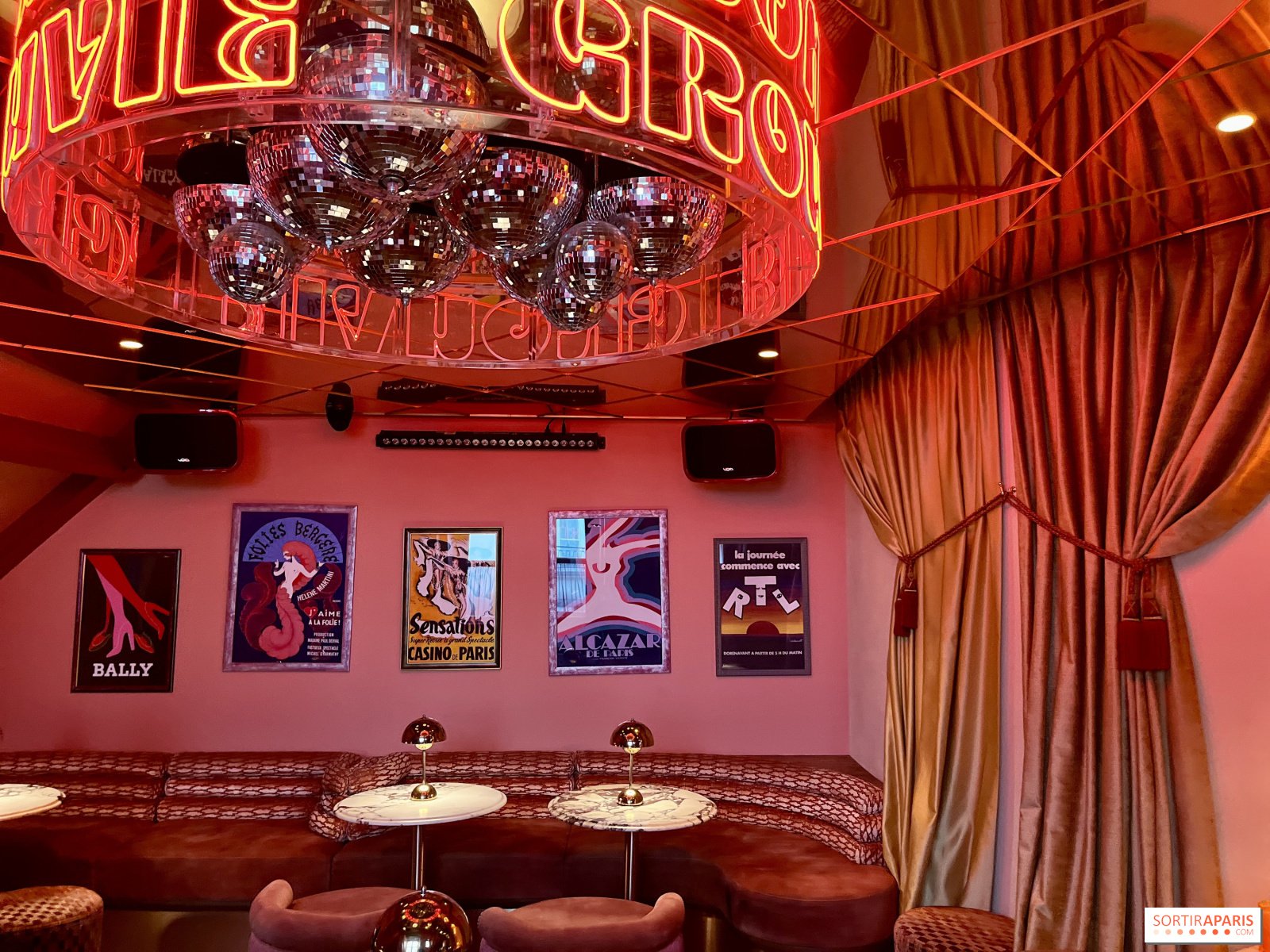
About Grouvie
On the Cour du Commerce Saint-André, one of the Left Bank's most atmospheric covered passages, Grouvie occupies a position in the Saint-Germain bar scene that rewards those who pay attention to the neighbourhood rather than the obvious tourist circuit. The drinks programme leans on technique and specificity, placing it alongside Paris's more considered cocktail addresses rather than its high-volume wine bars.
The Passage and What It Signals
The Cour du Commerce Saint-André is not the kind of address that announces itself. Running between the Boulevard Saint-Germain and the Rue Saint-André des Arts in the 6th arrondissement, it is one of Paris's oldest covered passages, a narrow cobbled corridor that predates Haussmann's boulevards and retains the compressed, slightly timeless quality that makes the Left Bank worth returning to. Arriving at Grouvie means passing through this passage first, which already frames expectations: this is not a destination built around visibility or footfall, but one that assumes the guest has made a decision to be there.
That geographic placement matters for how Paris's bar scene has evolved. The Right Bank, particularly around the 1st, 2nd, and 8th arrondissements, has accumulated most of the city's internationally recognised cocktail names. Places like Danico and Bar Nouveau operate within that cluster, drawing on proximity to hotel bars and media attention. The Left Bank runs on a different logic. Saint-Germain's bar addresses tend to be smaller, less declarative, and more embedded in the neighbourhood's daily rhythm. Grouvie fits that pattern.
The Cocktail Programme in Context
Paris's cocktail scene has, over the past decade, moved through distinct phases. The early 2010s brought a wave of neo-speakeasy formats and imported American craft-bar aesthetics. By the late 2010s, a more technically grounded generation had emerged, with venues like Candelaria introducing Mexican-influenced spirits knowledge and Buddha Bar anchoring the high-volume, spectacle-driven end of the market. The current moment is quieter and more selective. The bars attracting attention from those who track the scene are generally smaller, more specific in their sourcing, and more interested in the relationship between spirits, seasonality, and technique than in theatrical presentation.
Grouvie sits within this more recent current. Without the database supplying confirmed menu details or a named head bartender, the programme cannot be described with the specificity that a sourced review would allow. What the address and neighbourhood context do confirm is the competitive peer set: a bar in this part of the 6th, at this kind of scale, operates in the same conversation as the city's more considered independent cocktail addresses, not its hotel bars or tourist-circuit wine bars. The drinks list, whatever its current form, is the primary editorial object here, and the passage setting reinforces that the experience is structured around the glass rather than the room.
For comparison, French regional bar programmes have been developing their own technical confidence in cities from Lyon to Strasbourg. Trokson in Lyon and Au Brasseur in Strasbourg each represent local approaches to the craft bar format, while Papa Doble in Montpellier has built a reputation on rum-led specificity. Paris retains the density of options that makes a bar's positioning within the city particularly meaningful, and the Cour du Commerce address is a deliberate choice that places Grouvie outside the more competitive, more visible clusters.
Why the Left Bank Still Produces This Format
The 6th arrondissement has a long history of sustaining independent, low-profile drinking spaces that outlast trend cycles. The neighbourhood's academic and literary associations, the proximity of Sciences Po and the publishing houses around the Odéon, and the relative absence of mass tourism compared to the Marais or Montmartre all contribute to a clientele that is more locally rooted than in other central arrondissements. This shapes what a bar in the area needs to offer: the room must earn repeat visits from people who walk past it regularly, rather than one-time visits from people who found it on a list.
That structural pressure tends to produce more considered programmes. A bar on the Cour du Commerce cannot survive on novelty alone; it has to be good enough to become part of someone's regular geography. Internationally, this dynamic appears in different forms: Jewel of the South in New Orleans operates in a neighbourhood with similar embedded-local expectations, and the result is a drinks programme with clear editorial depth. The parallel is not exact, but the neighbourhood logic is recognisable.
Planning Your Visit
The Cour du Commerce Saint-André is walkable from the Odéon metro station (lines 4 and 10), roughly two minutes on foot. Saint-Germain-des-Prés station (line 4) is a slightly longer walk but deposits you directly onto the boulevard, from which the passage entrance is direct to locate. The area is compact enough that a visit to Grouvie can sit comfortably within a wider evening in the 6th, with the Rue de Buci market street and the Carrefour de l'Odéon both in close proximity.
Contact details and current hours are not confirmed in the available data, so checking ahead is advisable before making a specific journey, particularly on weekdays when independent bars in this neighbourhood sometimes operate shorter services. Booking policy is similarly unconfirmed; for a bar of this type and location, walk-in access is plausible but cannot be guaranteed for peak Friday and Saturday evenings in the area. Those with an interest in the wider Paris drinks scene, and particularly in how the Left Bank has developed a quieter alternative to the Right Bank's more publicised cocktail addresses, will find the context for Grouvie covered in our full Paris restaurants and bars guide.
For those building a broader itinerary around considered French bar programmes, La Vertu in Reims, Le Mas Du Langoustier in Hyères, and Bar Casa Bordeaux in Bordeaux each represent regional approaches worth mapping against the Paris context.
Frequently Asked Questions
- What's the vibe at Grouvie?
- The Cour du Commerce Saint-André setting does most of the atmospheric work before you arrive: a covered historic passage in the 6th arrondissement is as far as Paris gets from the high-volume, high-visibility bar formats that dominate the Right Bank. If the address confirms anything, it is that Grouvie is oriented toward the neighbourhood-regular model rather than the destination-tourist circuit. Expect the quieter, more embedded character that defines Saint-Germain's independent drinking culture rather than the energy of the Marais or the 2nd arrondissement's cocktail cluster.
- What should I try at Grouvie?
- Confirmed menu details are not available in the current data, so specific drink recommendations cannot be made responsibly. What the neighbourhood peer set suggests is that a bar at this address and scale is likely to operate with a focused list rather than a sprawling one, with the cocktail programme as the primary editorial statement. Order according to what the bartender is directing attention toward on the night; that is generally the most reliable approach in independently run Paris bars of this type.
- What should I know about Grouvie before I go?
- Current hours and booking policy are not confirmed in the available data, so checking ahead before a dedicated journey is advisable. The address at 6 Cour du Commerce Saint-André, 75006 places the bar in a historic covered passage that requires knowing where to look; it is not on a main street and will not catch you in passing. Odéon metro station is the most direct approach. Price range is unconfirmed, but the Left Bank independent bar category in Paris typically runs in a mid-range to upper-mid-range bracket by the drink.
- Can I walk in to Grouvie?
- No confirmed booking policy is available for Grouvie. For independent bars in the Saint-Germain neighbourhood, walk-in access is generally more feasible than at destination cocktail bars with reserved seating, but peak weekend evenings in the 6th arrondissement can fill smaller spaces quickly. Without confirmed capacity or hours data, arriving early in an evening service is the lower-risk approach if you have not been able to contact the venue in advance.
- Is Grouvie known for a particular spirits category or cocktail style?
- No confirmed programme details are available to answer this precisely, but a bar occupying a considered independent position in the Left Bank cocktail conversation, as the Cour du Commerce address implies, tends to work from a defined spirits perspective rather than a generalist menu. Paris bars that have built neighbourhood reputations in the post-2018 period have generally done so through specificity, whether in French spirits, aged rum, or low-intervention wine-adjacent formats. Visiting with an open question to the bartender about the current focus is likely more productive than arriving with a fixed order in mind.
Related editorial
- Best Fine Dining Restaurants in ParisFrom three-Michelin-star icons to the next generation of Parisian chefs pushing boundaries, these are the restaurants that define fine dining in the world's culinary capital.
- Best Luxury Hotels in RomeFrom rooftop terraces overlooking ancient ruins to Michelin-starred hotel dining, these are the luxury hotels that make Rome unforgettable.
- Best Cocktail Bars in KyotoFrom sleek lounges to hidden speakeasies, Kyoto's cocktail scene blends Japanese precision with global influence in ways you won't find anywhere else.
Save or rate Grouvie on Pearl
Keep this venue in your Pearl passport, rate it after you visit, and track it alongside every other place you collect.