
Bar in Paris, France
BAMBINO
100pts11th-District Bar Precision
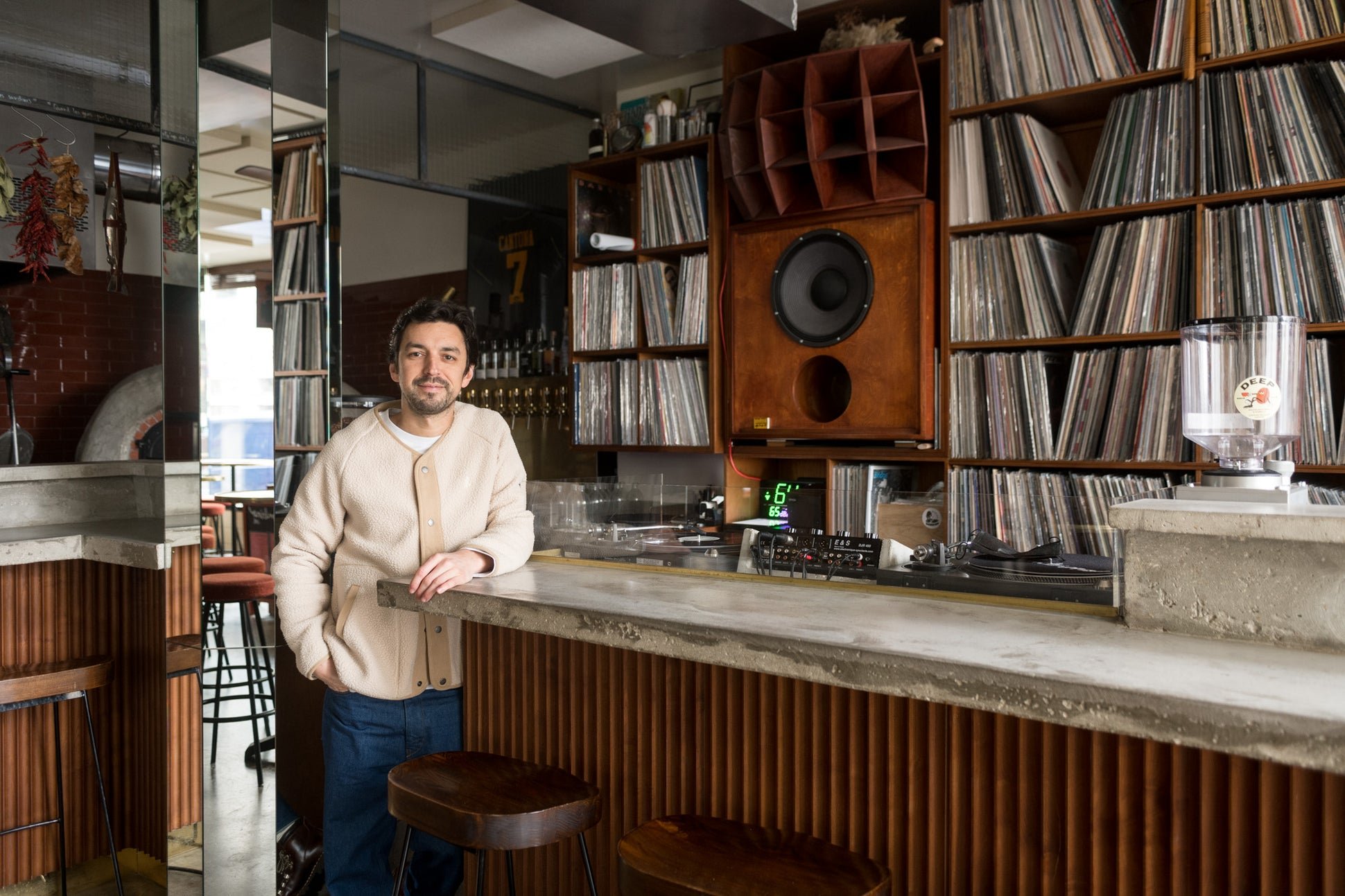
About BAMBINO
On Rue Saint-Sébastien in the 11th arrondissement, BAMBINO occupies a corner of Paris where neighbourhood bars have long operated on atmosphere rather than ceremony. The address sits within walking distance of the canal-adjacent drinking culture that has redefined the eastern arrondissements over the past decade, placing it inside a competitive set that rewards spatial intelligence and considered programming over volume.
A Room That Does the Talking
Rue Saint-Sébastien runs through the 11th arrondissement at a pace that suits the neighbourhood: unhurried, residential in texture, with enough foot traffic from the surrounding streets to keep things alive without tipping into the tourist-circuit density of the Marais a few blocks west. It is the kind of address where the physical container of a bar matters more than any single item on the menu, because the room itself is what keeps people seated past the point they intended to leave.
Paris's eastern bar scene has undergone a sustained recalibration since the mid-2010s. The 10th and 11th arrondissements in particular have absorbed a generation of operators who prioritised spatial design and neighbourhood legibility over high-concept branding. BAMBINO at 25 Rue Saint-Sébastien sits inside that broader movement, in a part of the city where the gap between a well-considered neighbourhood bar and a destination worth crossing the river for has been closing steadily.
The Physical Logic of the 11th
Understanding BAMBINO's position requires a short detour into what the 11th has become as a drinking district. The arrondissement runs from the République axis in the north down through Bastille and Oberkampf, and it contains some of the densest bar programming in the city. What distinguishes the better addresses in this corridor is not any single format but a shared spatial logic: rooms scaled to feel full at thirty people, materials that read as deliberate rather than decorative, and a layout that separates the bar counter from the seating without isolating either.
This matters because Paris's cocktail culture, particularly in the eastern arrondissements, has moved decisively away from the velvet-rope speakeasy model that dominated a decade ago. Venues like Candelaria helped define a previous era of the hidden-door format, while more recently Danico and Bar Nouveau have represented the shift toward transparency: legible menus, visible technique, and rooms that feel purposeful rather than theatrical. BAMBINO's address in the 11th places it within this latter tendency, in a neighbourhood that now reads its bars by the quality of their spatial thinking as much as their back bar.
Interior Architecture as Editorial Statement
The design choices in Paris's better bars increasingly function as a form of positioning. A room that seats forty in a specific configuration, with materials that age visibly and lighting calibrated to the hour, is making an argument about what kind of establishment it intends to be. This is especially pronounced in the 11th, where the density of options means that a bar's physical language has to communicate clearly from the moment someone stands at the door.
What the 11th has produced across its better addresses is a preference for compressed scale and material honesty over the maximalist interiors that define venues like Buddha Bar further west. The eastern arrondissement model tends toward exposed surfaces, deliberate lighting, and a bar counter positioned to make the drink-making process visible rather than hidden. Whether BAMBINO's interior follows this grammar precisely is something a visit will confirm, but the address and neighbourhood context strongly suggest it operates within this design vocabulary.
Where BAMBINO Sits in the Paris Bar Hierarchy
Paris's bar scene in 2024 operates across several distinct tiers. At the leading of the recognition stack sit venues with international awards and cocktail-world visibility. Below that runs a second tier of neighbourhood-anchored bars that achieve something arguably harder: genuine local integration, where the clientele is mixed between residents, professionals, and visiting drinkers without the venue feeling like it is performing for any single group.
The 11th arrondissement produces more second-tier venues of this type than any other part of the city. For comparison, the cocktail culture developing in other French cities, including the format-driven bars like La Maison M. in Lyon, Coté vin in Toulouse, and Bar Casa Bordeaux in Bordeaux, draws from the same post-2015 design sensibility that the 11th helped define. The influence runs outward from Paris rather than inward, which positions a bar at this address inside a tradition rather than at its edge.
Beyond France, the neighbourhood-bar model the 11th exemplifies has parallels in programme-led bars like Bar Leather Apron in Honolulu and the craft-anchored Au Brasseur in Strasbourg, or the Latin-inflected programming at Papa Doble in Montpellier. Each operates within the broader European shift toward bars defined by specificity of concept and coherence of space rather than by celebrity association or spectacle.
The Reader's Decision
For anyone building an evening in the 11th, the practical question is sequencing. The arrondissement's bar density means that BAMBINO at 25 Rue Saint-Sébastien sits within a walkable radius of multiple other serious addresses, which makes it easier to treat as part of a planned itinerary than as a standalone destination requiring a dedicated journey. The neighbourhood itself rewards arrival on foot from the République or Oberkampf directions, both of which pass through streets with enough character to make the approach part of the experience.
Booking practices for bars at this tier in Paris vary significantly. Some operate on a walk-in basis exclusively, reading the room as it fills across the evening. Others hold a portion of seats for reservations while keeping bar-counter space available. Given BAMBINO's address and the neighbourhood's general operating model, arriving before 9pm on a weekday offers the most flexibility, while weekend evenings at this postcode typically require either a reservation or patience. For a broader view of where this address sits within the city's drinking and dining options, the full Paris restaurants guide provides neighbourhood-level context across arrondissements.
Frequently Asked Questions
- What is the standout thing about BAMBINO?
- BAMBINO's position on Rue Saint-Sébastien in the 11th arrondissement places it inside one of Paris's most concentrated corridors of design-led neighbourhood bars, a circuit that has developed its own logic of spatial restraint and local integration distinct from the high-concept venues of the Right Bank's more tourist-facing districts. In a city where address carries significant editorial weight, the 11th postcode communicates something specific about format and clientele before anyone has ordered a drink.
- What is the signature drink at BAMBINO?
- Specific menu details for BAMBINO are not available in our current records. Bars operating in the 11th arrondissement's neighbourhood tier typically build menus around seasonal produce and a short, rotating list of house cocktails rather than a fixed signature. Checking directly with the venue before your visit is the most reliable way to confirm current programming.
- Is BAMBINO reservation-only?
- Booking policy details for BAMBINO are not confirmed in our current data. In the 11th arrondissement, bars at this address tier often operate on a mixed model, holding some capacity for walk-ins while accepting reservations for groups. Given the neighbourhood's density of options and the venue's likely scale, arriving earlier in the evening reduces the risk of a wait, particularly on weekends.
- What kind of neighbourhood is Rue Saint-Sébastien, and does it affect how BAMBINO operates?
- Rue Saint-Sébastien sits in a section of the 11th arrondissement that bridges the Marais's eastern edge and the Oberkampf corridor, giving it a mixed residential and commercial character that supports bars oriented toward locals and informed visitors rather than high-volume tourist traffic. This address type in Paris typically correlates with a more considered pace of service and a room calibrated for conversation rather than throughput, which shapes the experience from arrival through to closing.
Related editorial
- Best Fine Dining Restaurants in ParisFrom three-Michelin-star icons to the next generation of Parisian chefs pushing boundaries, these are the restaurants that define fine dining in the world's culinary capital.
- Best Luxury Hotels in RomeFrom rooftop terraces overlooking ancient ruins to Michelin-starred hotel dining, these are the luxury hotels that make Rome unforgettable.
- Best Cocktail Bars in KyotoFrom sleek lounges to hidden speakeasies, Kyoto's cocktail scene blends Japanese precision with global influence in ways you won't find anywhere else.
Save or rate BAMBINO on Pearl
Keep this venue in your Pearl passport, rate it after you visit, and track it alongside every other place you collect.