
Mercat Negre
Palma de Mallorca - Mercat Olivar area, Palma de Mallorca
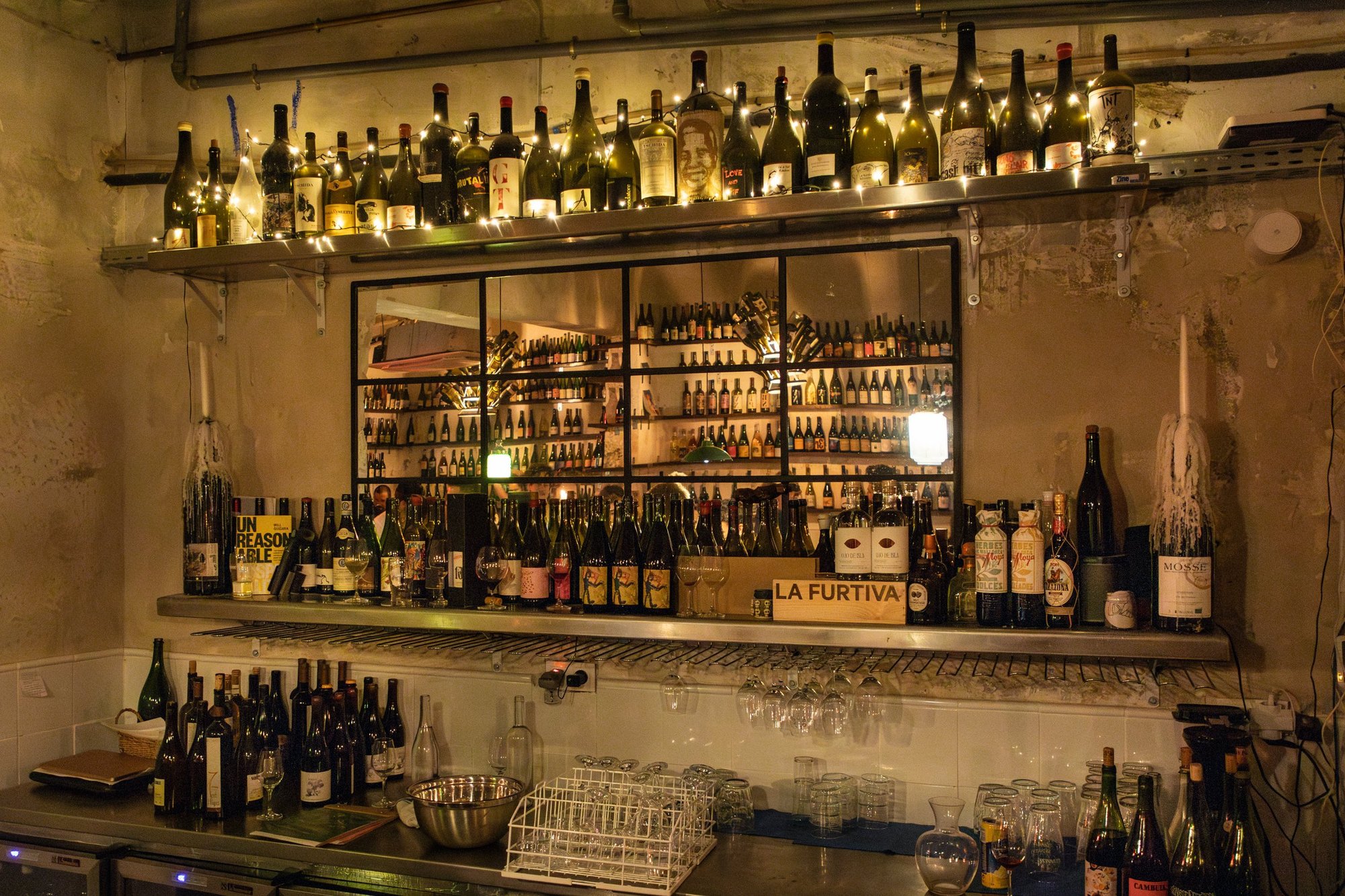
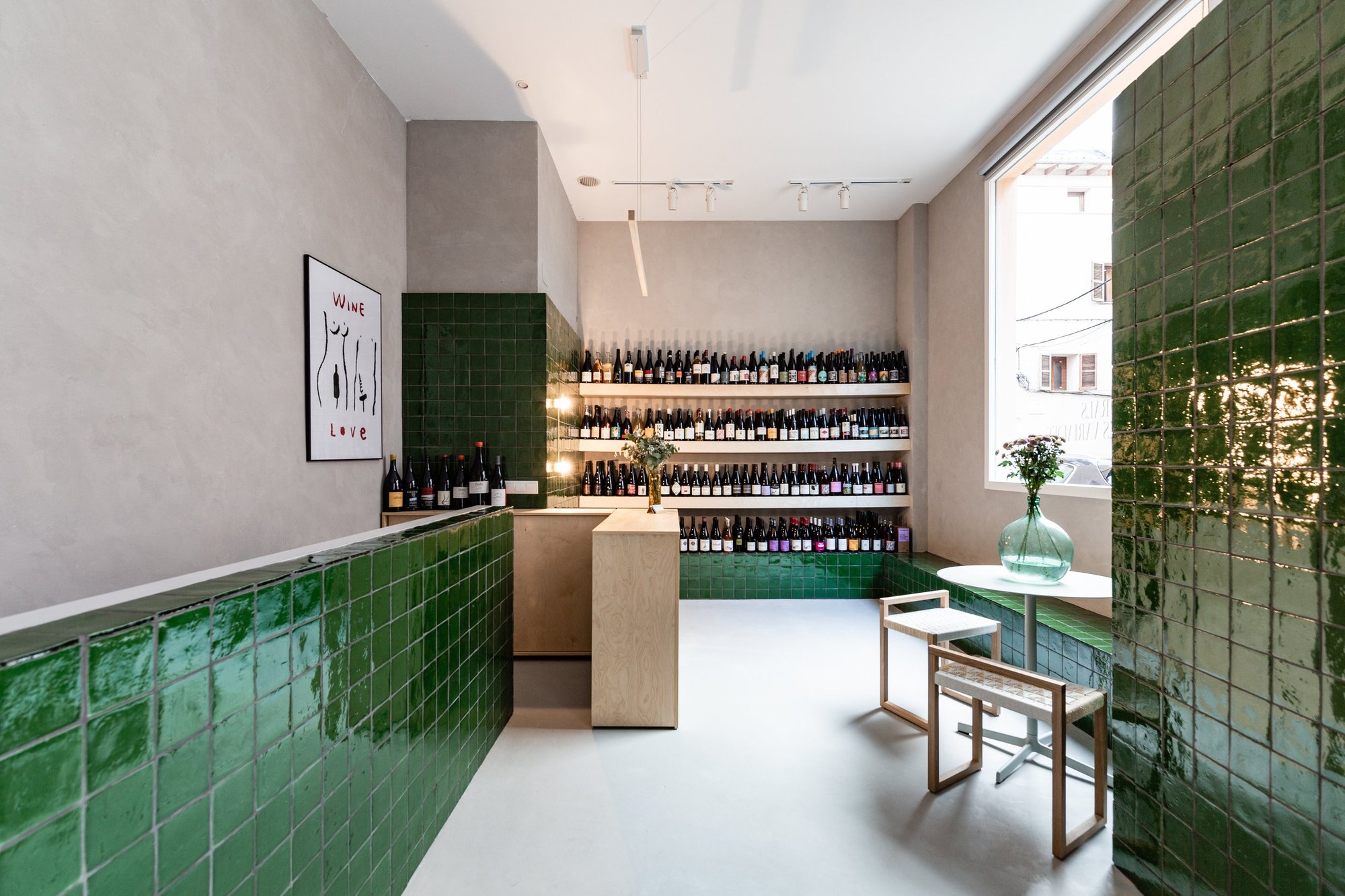
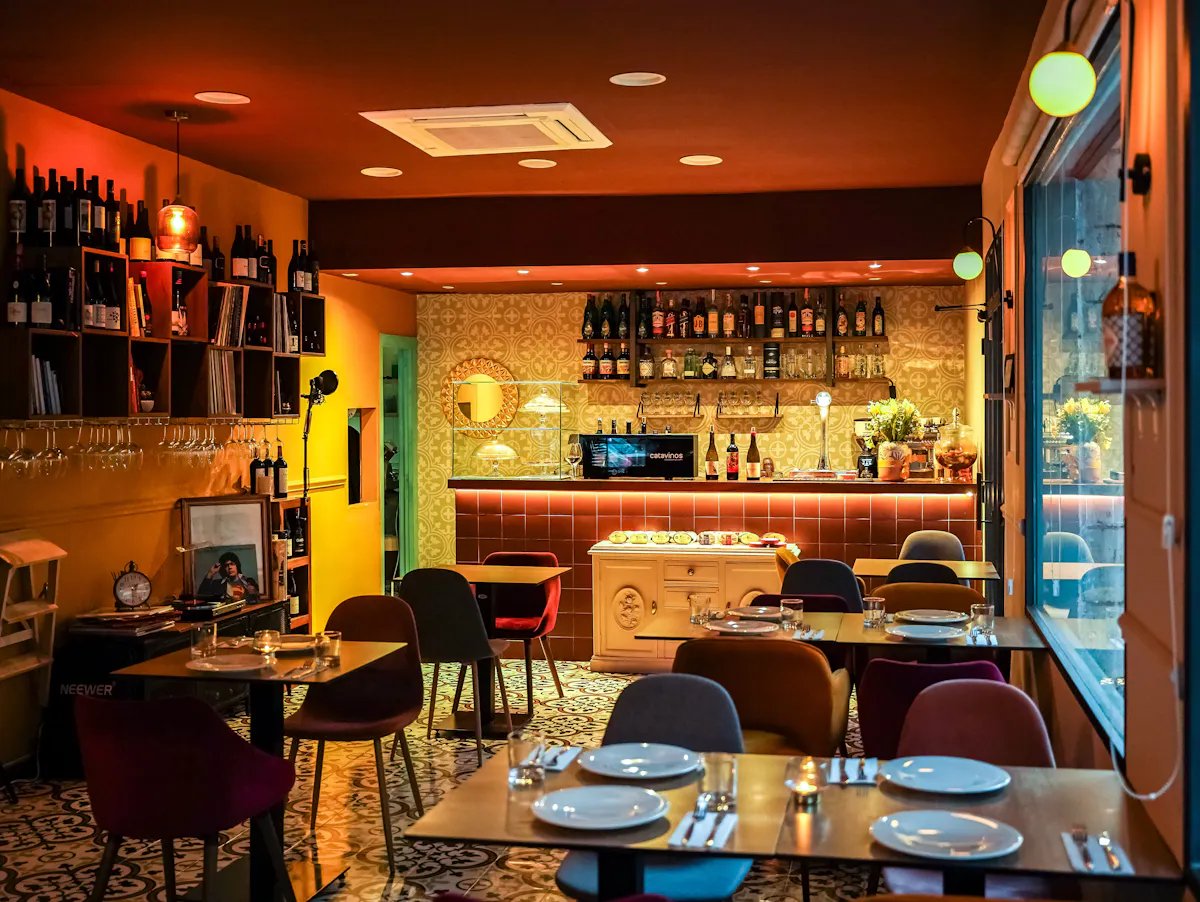
Bar in Palma de Mallorca, Spain
 Book with Pearl
The Read
Price
$30–50per person
Why go
Mercat Negre is worth considering for a daytime wine stop in central Palma, especially if Star Wine List recognition matters to you. Go Tuesday to Saturday before the 4 PM close; skip it for late-night drinks and compare dedicated bars instead.
About Mercat Negre
Mercat Negre is a Palma de Mallorca venue to plan around daytime hours rather than late-night plans. It is open from 10 AM to 4 PM Tuesday through Saturday, with Sunday and Monday closed, so it works well when a daytime visit fits the day.
Mercat Negre's clearest recognition is Star Wine List in 2026. For travellers comparing Palma de Mallorca options, that gives Mercat Negre a specific accolade.
Choose it for daytime timing, not late-night momentum
The schedule matters here. With service running 10 AM to 4 PM Tuesday through Saturday and closed Sunday and Monday, this is not the place to save for after-dinner plans. If the brief is a night out, compare it with other options such as Burgundi or the wider options in our full Palma de Mallorca bars guide. If the brief is a daytime stop, Mercat Negre is easier to fit into the plan.
With its specific opening hours, casual dress code, and Star Wine List 2026 recognition, the main planning risk is timing. Check the current schedule before going, and use our full Palma de Mallorca restaurants guide if you are building a broader food itinerary around the city.
The right occasion is casual, curious, and time-boxed
This is a casual Palma de Mallorca option with a compact daytime schedule. It is less suited to plans that depend on evening service, a long dinner format, or specific seating and menu details. A price tier is not indicated, so the draw is its recognition and daytime opening window.
For travellers mapping a fuller Palma de Mallorca trip, it sits neatly beside broader city planning rather than replacing it. Use our full Palma de Mallorca hotels guide if you are choosing where to stay, then plan Mercat Negre only for the days and hours when it is open.
Bottom line: put Mercat Negre into the daytime plan if the hours work for you and Star Wine List recognition matters. Skip it for late-night plans and compare other options instead, including Burgundi, Gibson Bar, Honesty Bar, Mirall Bar, and The Art Bar.
Planning details
- Location
- Plaça de l'Olivar, Centre, 07002 Palma, Illes Balears, Spain
- Website
- mercatolivar.com/en/puesto_venta/mercat-negre-3
- Phone
- +34 663 90 90 53
The take
The Take
The Vibe
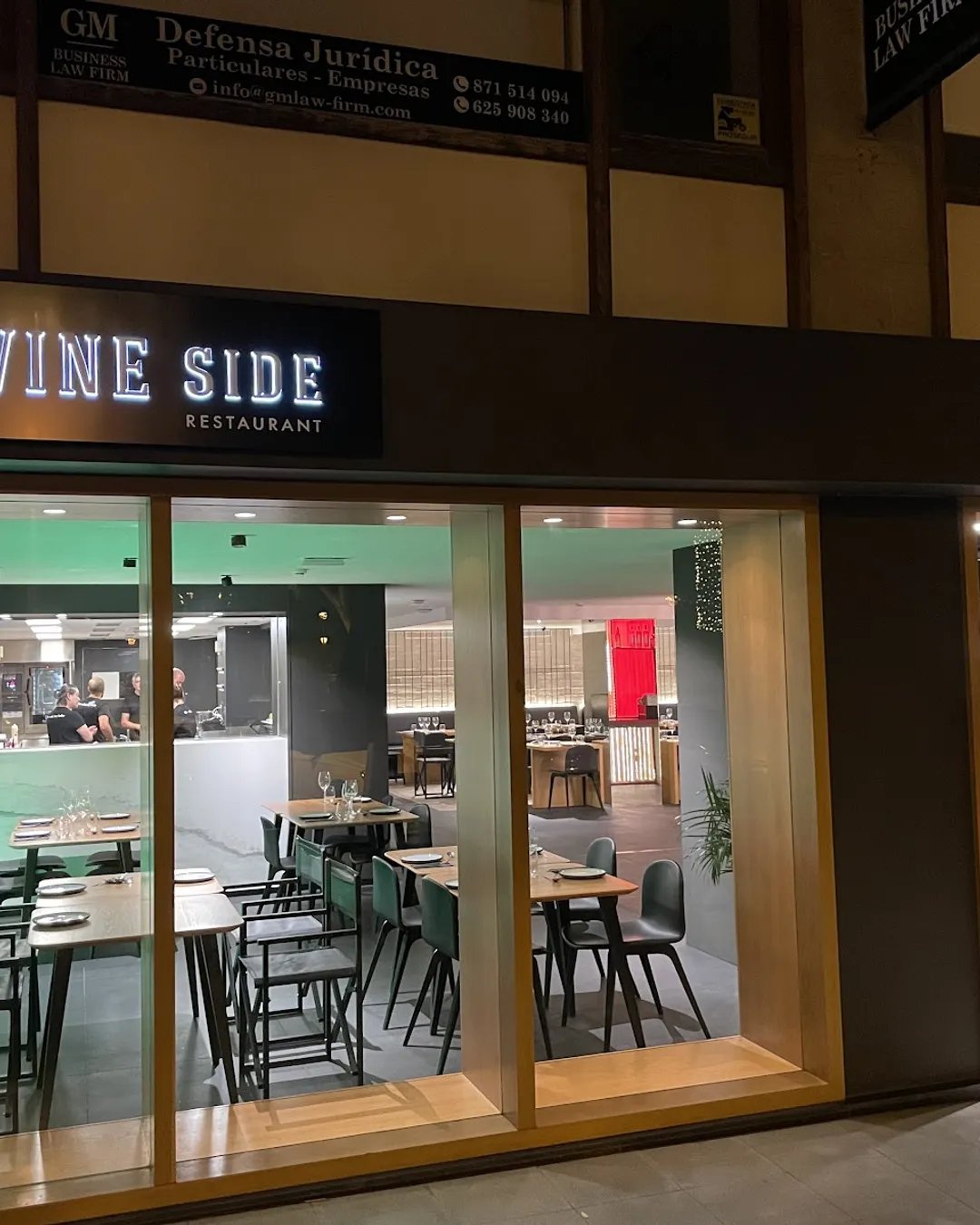
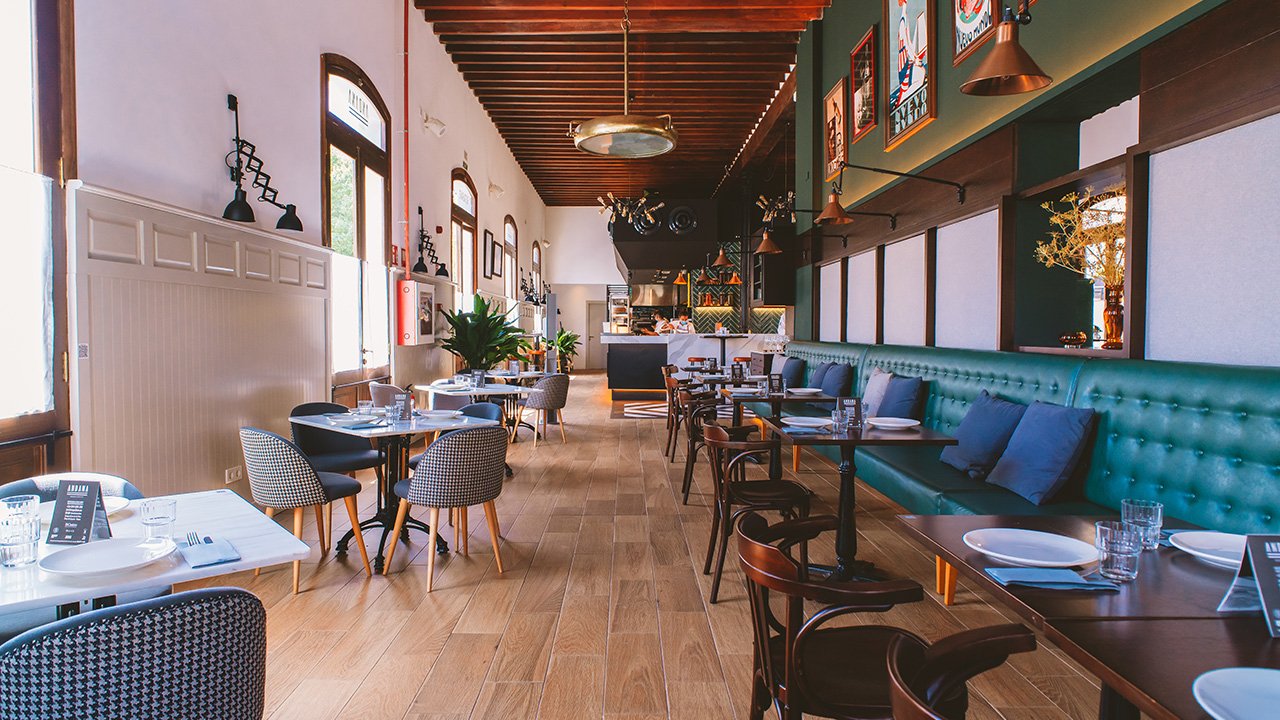
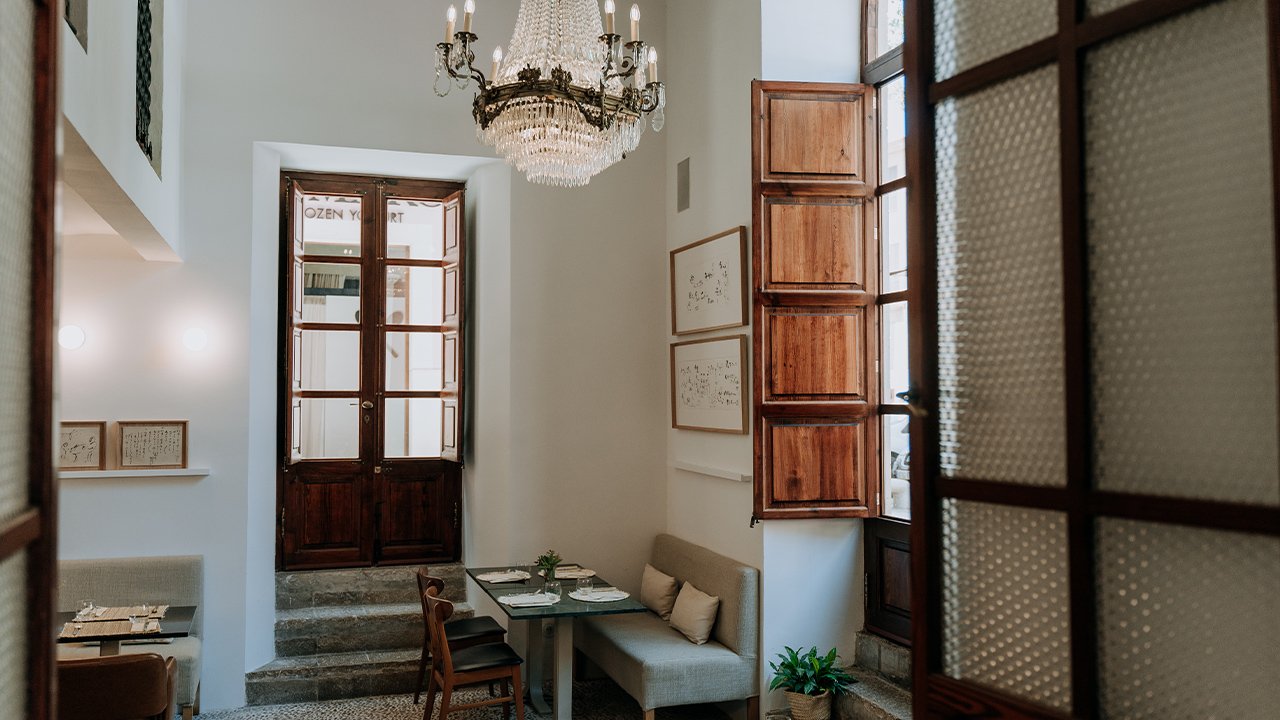
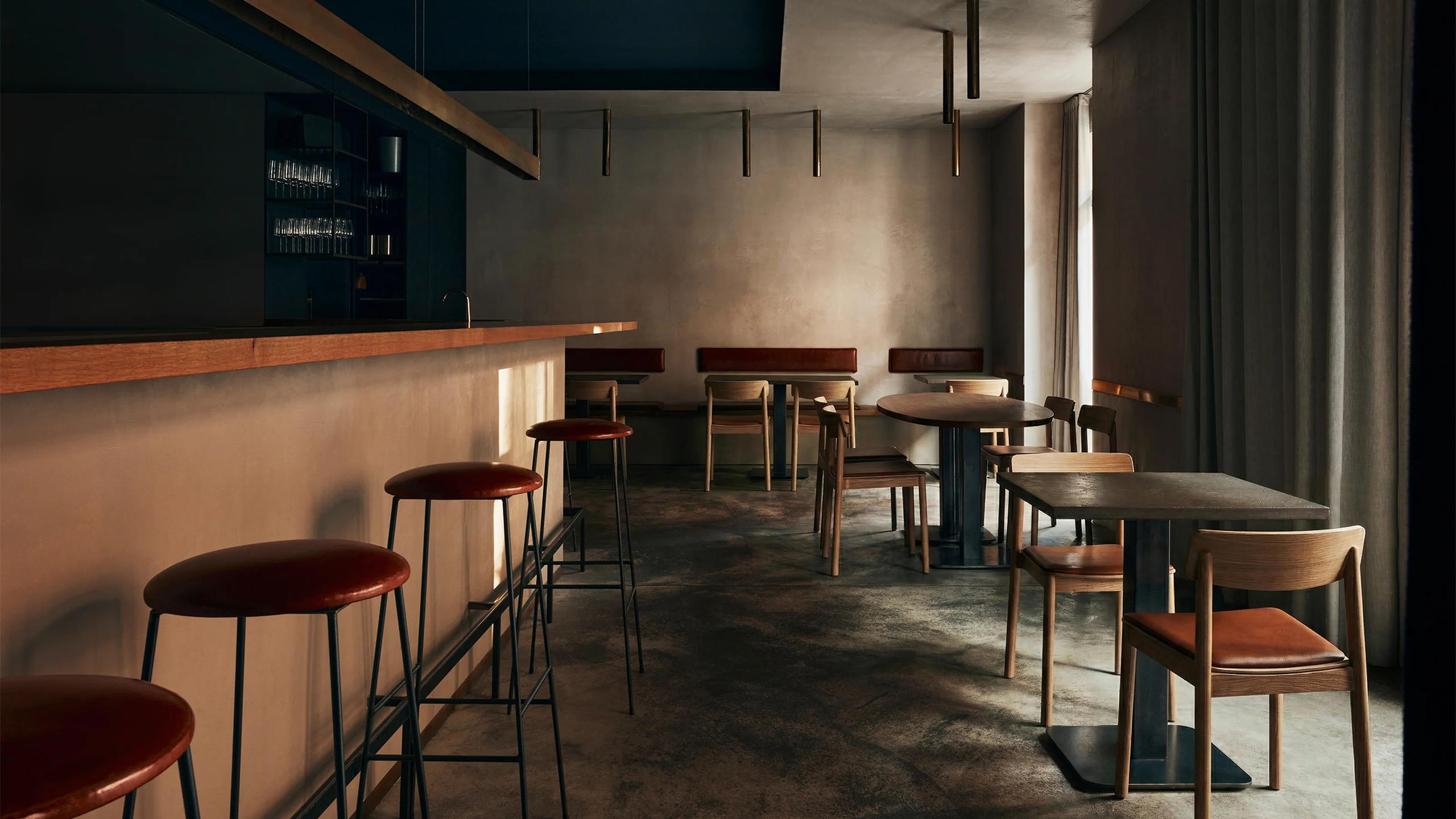
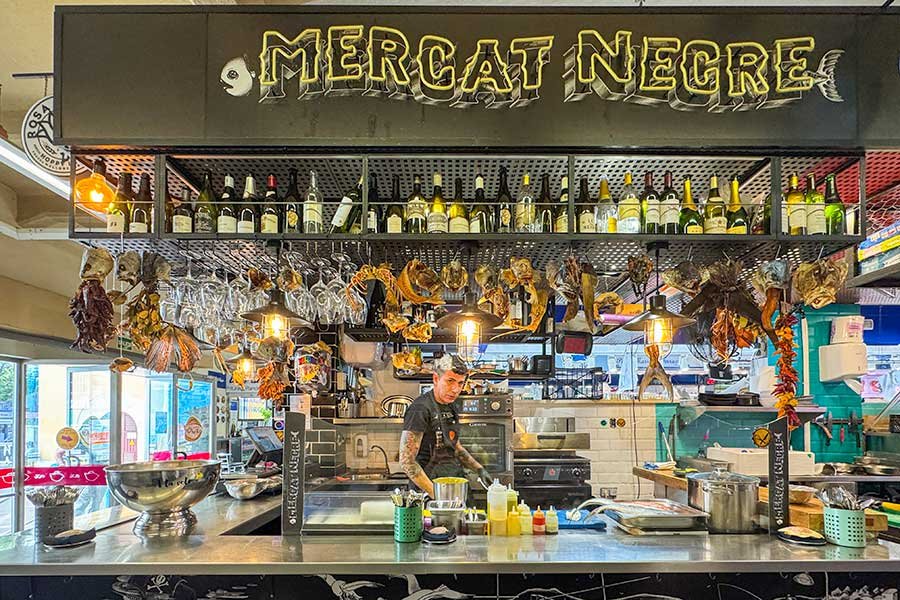
Mercat Negre lives inside Palma’s working market, and the market is the venue’s defining character. The vaulted, mid‑twentieth‑century hall presses in on the restaurant — the noise of vendors, the smell of brine and ripe tomatoes, and the steady choreography of weekly shoppers form the backdrop to every visit. Rather than trying to be a detached destination, the place embraces the market’s purposeful bustle. That results in a historically rooted, approachable setting: less showroom sophistication than lived‑in charm, where the city’s rhythms — early stalls, mixed foot traffic, and candid market voices — shape the dining experience.
Best For
Mercat Negre suits daytime and early‑evening visits that lean into the market’s activity. It’s especially well matched to mid‑morning and lunch occasions when stalls are open and the space is busiest, and to casual group outings or solo stops by shoppers. The restaurant occupies a middle register in Palma’s food scene, so it’s a good choice when you want something more ambitious than tourist seafood or tapas bars but without the formality and time commitment of a destination tasting menu. Expect informal, lively service that fits into regular market hours.
Ordering Tips
Plan a visit around the market’s rhythm: mornings and mid‑day are at their most animated. Because Mercat Negre positions itself between quick tapas counters and formal tasting rooms, treat it as a flexible, shareable meal rather than a long, multi‑course commitment; come with a group or as a solo stop while exploring the market. The kitchen works in the market’s spirit, so expect food and tempo to reflect seasonal, market‑driven ingredients and a straightforward, honest approach to preparation.
Venue details
Ambiance
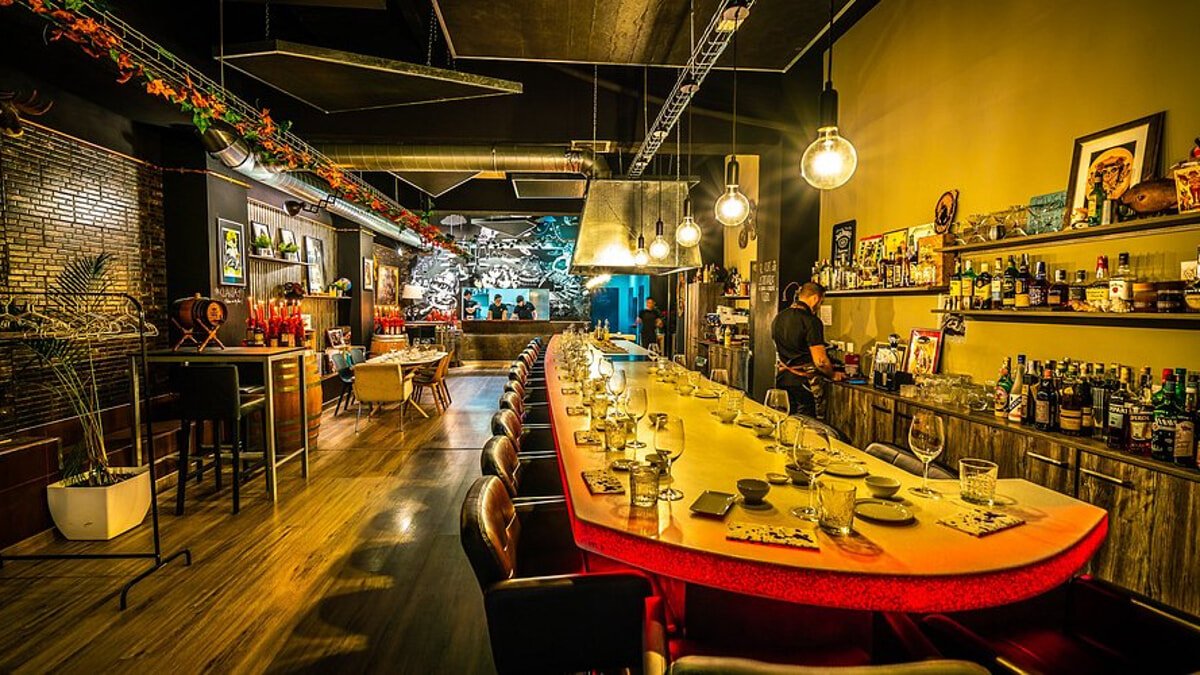
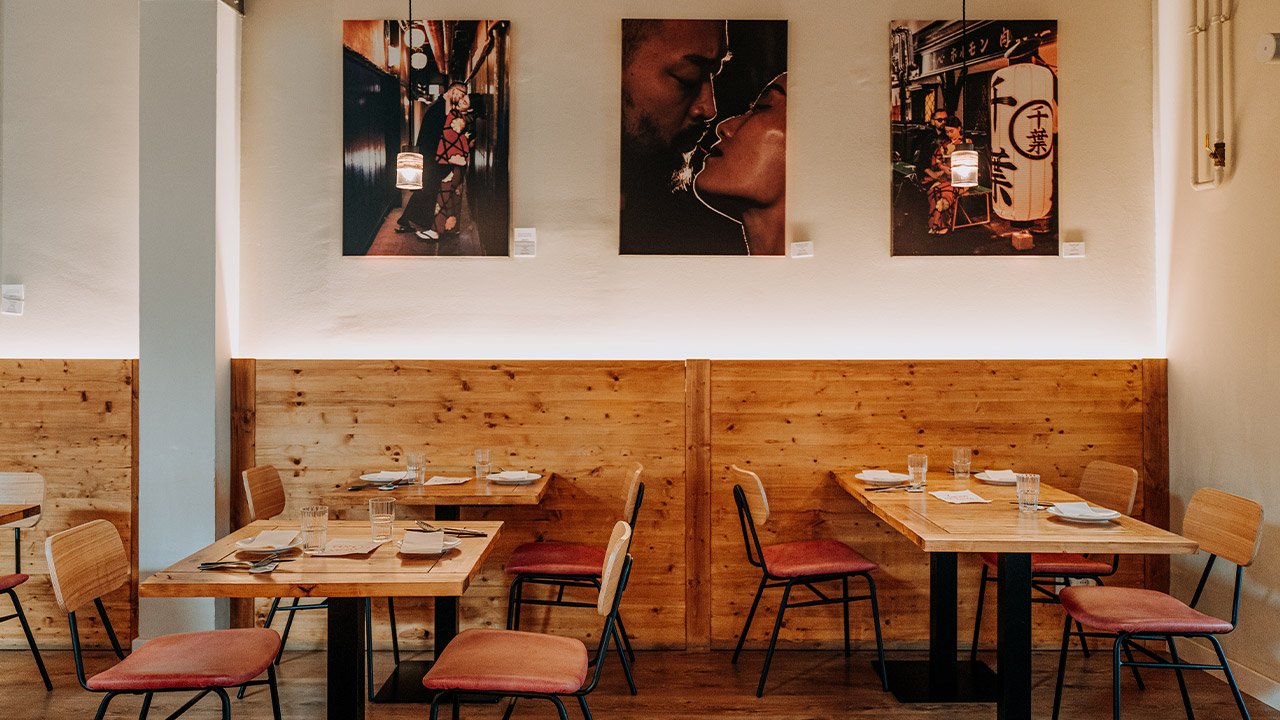
Bustling market atmosphere with standing-room crowds, casual and energetic vibe with fresh seafood prepared in front of guests at an open counter.
Tags
Vibe
Best For
Experience
Format
At the Bar
- Bar Category
- Wine Bar
- Late Night
- Closes by Midnight
Signature Pours
- mussels in escabeche
- carpaccio of prawns
- sardines with smoked salt in white gazpacho with almonds
- grilled sole on celeriac purée
- raw red tuna
Know before you go
Know Before You Go
- Getting there
- Plaça de l'Olivar, Centre, 07002 Palma, Illes Balears, Spain
Planning details
Location
Plaça de l'Olivar, Centre, 07002 Palma, Illes Balears, Spain · Directions
Recognition and awards

Also consider
Where to Go If This Does Not Fit
If the 4 PM close is a problem, look first at Burgundi or Gibson Bar for a more evening-friendly Palma bar decision. If you are comparing beyond the city, The Art Bar is the cleaner cross-shop for a different setting.
Bar context
How It Compares
Burgundi is the more obvious cross-shop if you want a bar-led evening in Palma, while Mercat Negre is the better fit for a daytime wine stop around the Centre. Choose Mercat Negre when timing and wine credibility matter; choose Burgundi when the occasion needs more evening-bar energy.
Gibson Bar is also in Palma de Mallorca and makes more sense for readers prioritising a classic bar outing over a market-adjacent daytime plan. Against out-of-metro options like The Art Bar, Mirall Bar, and Honesty Bar, Mercat Negre wins on central Palma convenience if you are already in the city.
Value is harder to rank without published price tiers for the set, so make the decision by occasion. Mercat Negre is the easiest recommendation for a low-friction daytime glass; Burgundi or Gibson Bar are stronger alternatives when the night itself is the plan.
Around this place
Discover more on Pearl
Unlock the full Mercat Negre guide in Pearl, including awards, comparisons, FAQs, planning details, and nearby places.
Compare Mercat Negre
| Venue | Location | Awards |
|---|---|---|
| Mercat Negre | Palma de Mallorca | Star Wine Lists 2026 |
| Burgundi | Palma de Mallorca | No published awards |
| The Art Bar | Mallorca | No published awards |
| Mirall Bar | Palma | No published awards |
| Honesty Bar | Palma | No published awards |
| Gibson Bar | Palma de Mallorca | No published awards |
How Mercat Negre Palma de Mallorca compares with similar nearby venues.
FAQ
Frequently Asked Questions
Is Mercat Negre open late?
No. Mercat Negre is a daytime venue in Palma de Mallorca. It is open Tuesday through Saturday, 10 AM to 4 PM, with Monday and Sunday closed.
Is Mercat Negre good for groups?
Group suitability is not specified. It has a casual dress code and is open 10 AM to 4 PM Tuesday-to-Saturday, so plan around a daytime visit and confirm practical details directly if group size matters.
What's the crowd like at Mercat Negre?
Information about the specific crowd is not available. It is a casual Palma de Mallorca venue with daytime hours from Tuesday through Saturday.
Is Mercat Negre good for a date?
It can fit a date if you want a casual daytime stop in Palma de Mallorca and the 10 AM to 4 PM schedule works. If you want an evening plan, compare other options such as Mirall Bar or Gibson Bar.
Is the food good at Mercat Negre?
Details about the food are not available. Its recognition is Star Wine List 2026, so do not rely on this listing alone for specific menu or dining-format expectations.
Does Mercat Negre have outdoor seating?
What's the best time to go to Mercat Negre?
Go during its opening window: Tuesday through Saturday, 10 AM to 4 PM. It is closed Monday and Sunday.