Izakaya
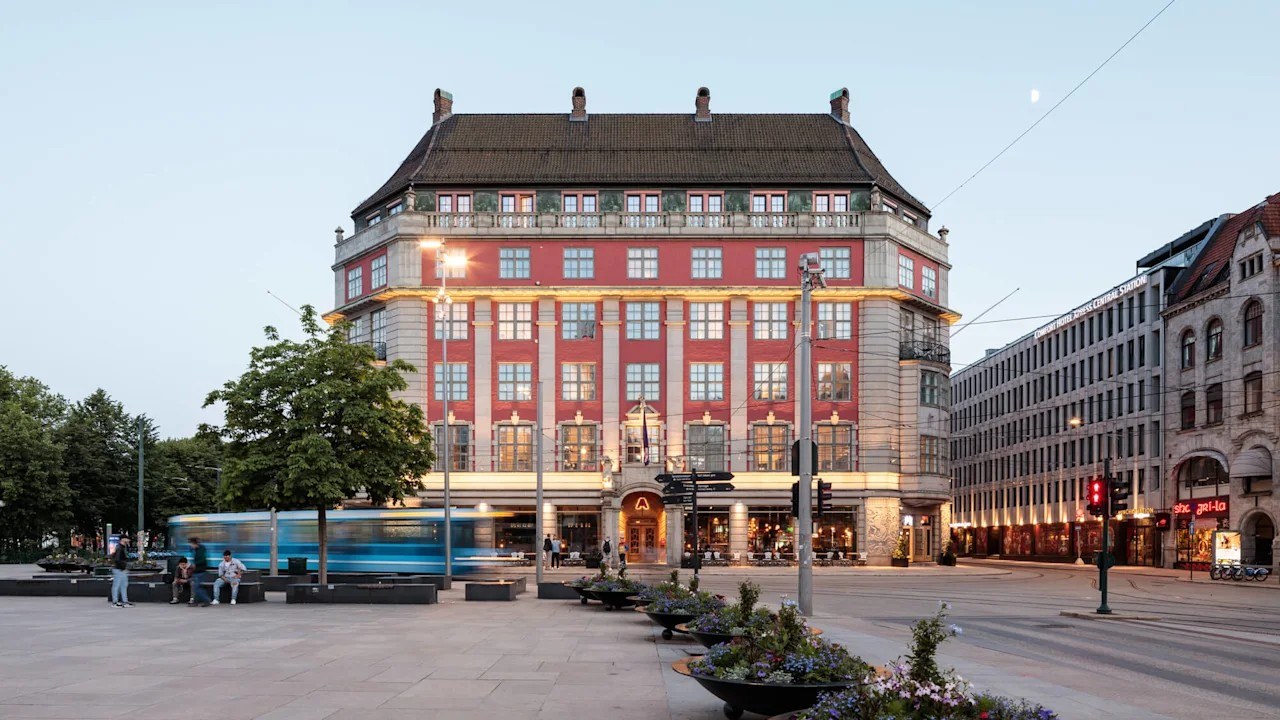
St. Olavs Gate, Oslo
Bar in Oslo, Norway
 Book with Pearl
Why go
Izakaya is a better pick for a casual Oslo night out than a food-led celebration. Booking difficulty is easy, which makes it useful for last-minute drinks or a relaxed date, but the lack of verified menu, price, and awards detail means serious diners should cross-shop clearer restaurant or wine-bar options.
About Izakaya
Consider this a cautious planning note rather than a full dining verdict. Information for Izakaya in Oslo is limited: it is a casual venue with evening hours, open Monday through Saturday and closed on Sunday. There is no menu detail, price range, chef information, seating detail, booking method, or award information.
Use it for an easy night out, not a high-stakes dinner
The strongest grounded case is simplicity. Izakaya is a casual Oslo option with service from 5 PM to midnight Monday through Thursday, and from 5 PM to 1 AM on Friday and Saturday. That makes it easier to consider for an evening plan than for a tightly choreographed special occasion.
The food question is where expectations should stay modest. There is no menu detail, cuisine description, chef information, price range, or awards information to support a food-first recommendation. If the occasion depends on a specific style of cooking, a known beverage focus, or clear value comparison, check current official information before committing.
The better fit is a casual date or post-work group
This is more convincing for people who want a low-pressure evening setting than for a business meal or milestone dinner. The dress code is casual, which supports an easygoing plan. The tradeoff is predictability: without seating, booking, menu, or price details, larger groups should avoid making it the anchor for a tightly planned night unless they confirm details directly.
The schedule is useful for evening planning. Izakaya opens at 5 PM Monday through Saturday, stays open until midnight on Monday through Thursday, and runs later on Friday and Saturday. It is closed on Sunday, so weekend plans need to account for that.
Who should skip it
Skip it if the main goal is a serious food booking, a cellar-led evening, or a venue with external recognition. There are no awards, no price range, and no menu details. Consider it when the brief is simple: Oslo, casual dress, evening hours, and a plan that does not need to feel heavily managed.
Located inside
 HotelSommerroFull hotel guide
Planning details
- Location
- St. Olavs Gate 7, 0165 Oslo, Norway
- Website
- izakayaoslo.com
- Phone
- +47 46 34 56 79
The take
The Take
The Vibe
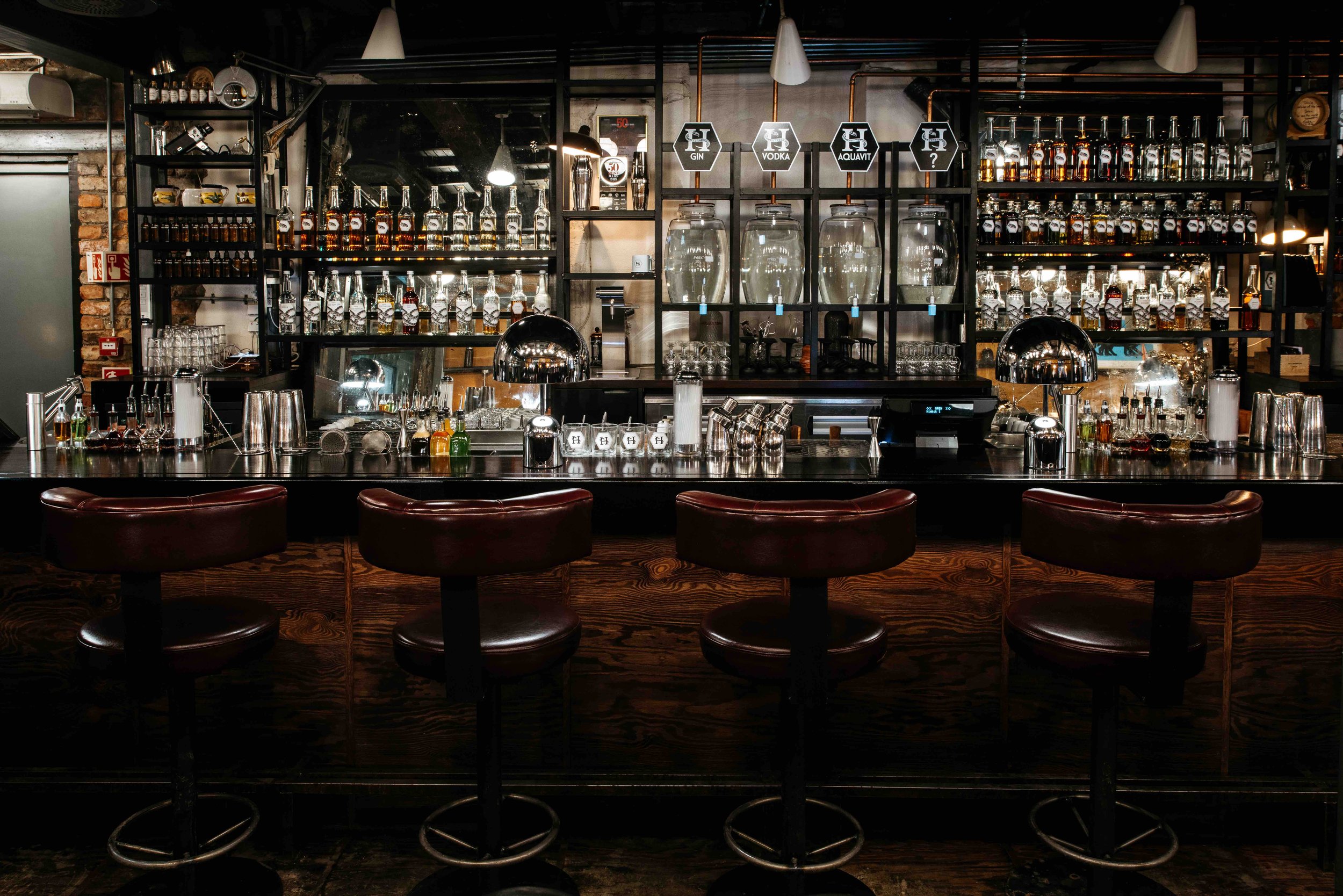
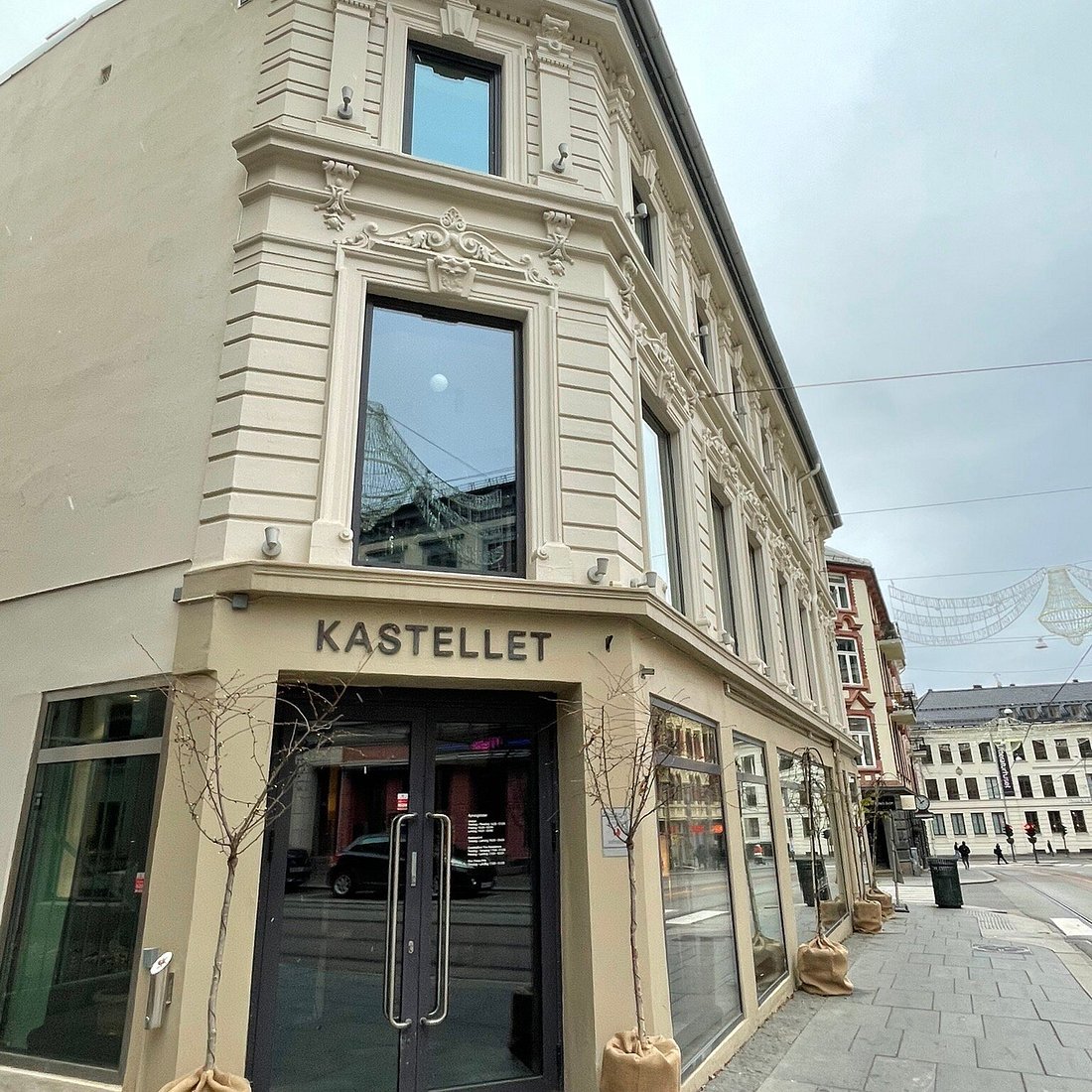
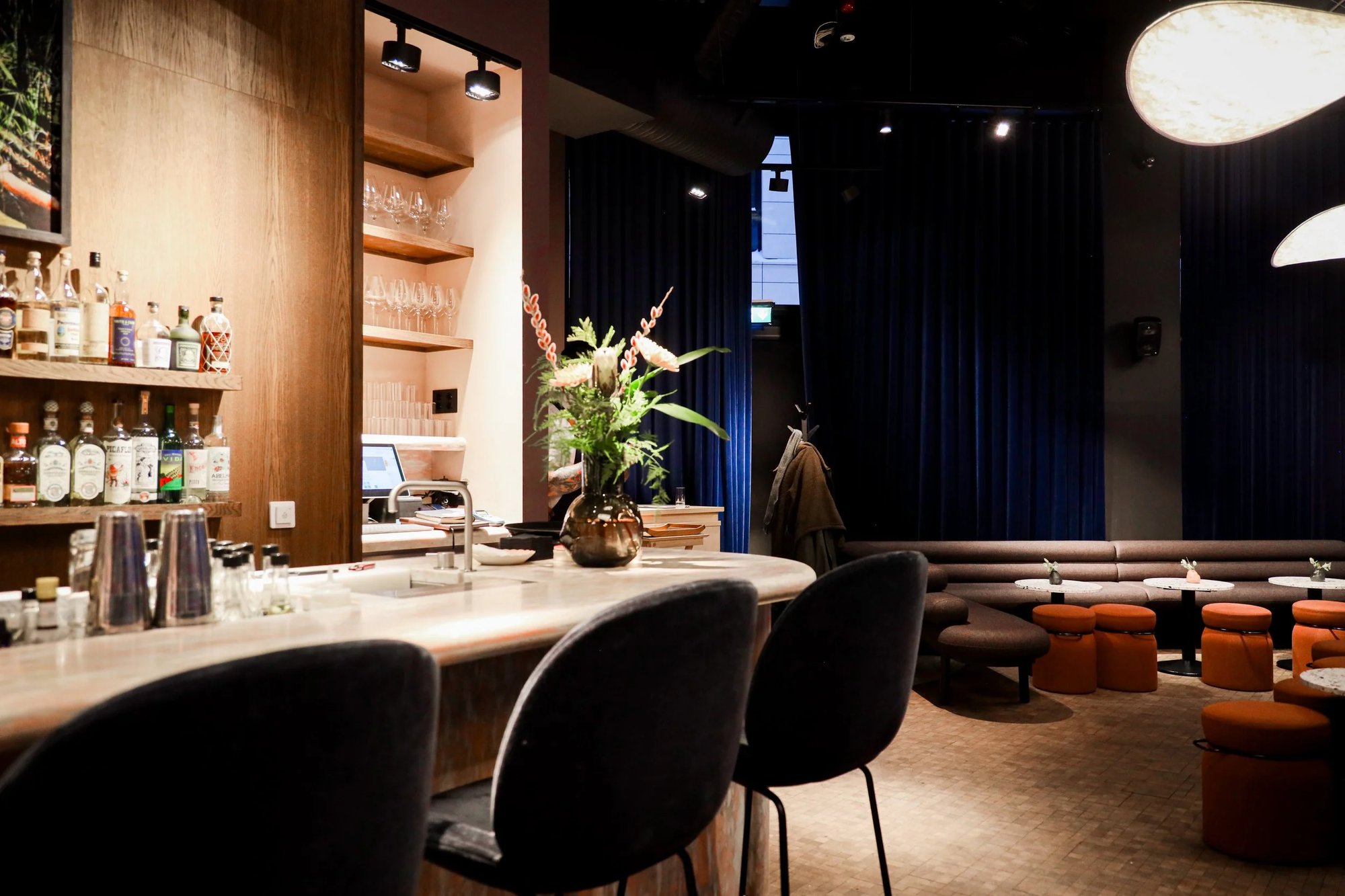
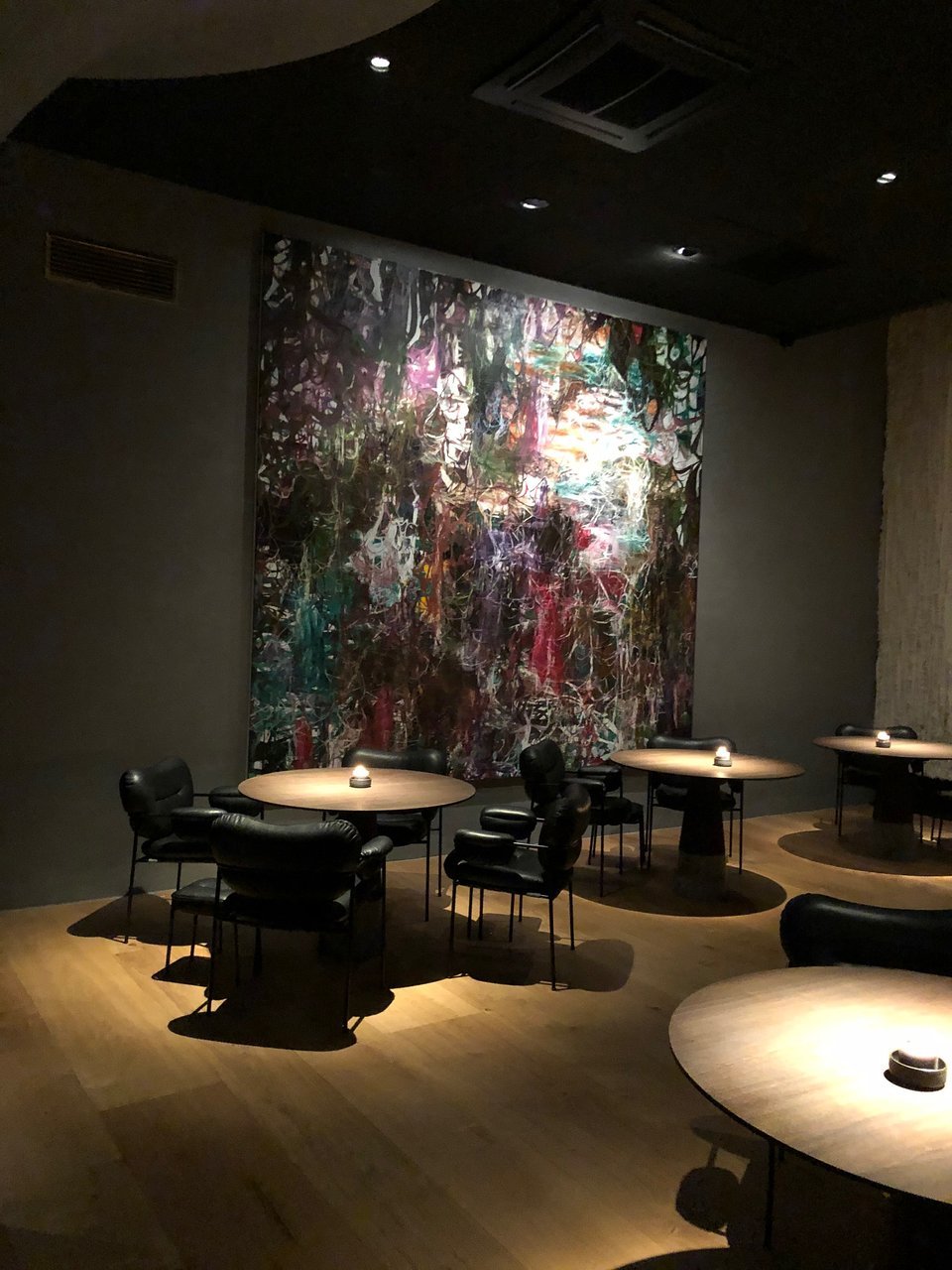
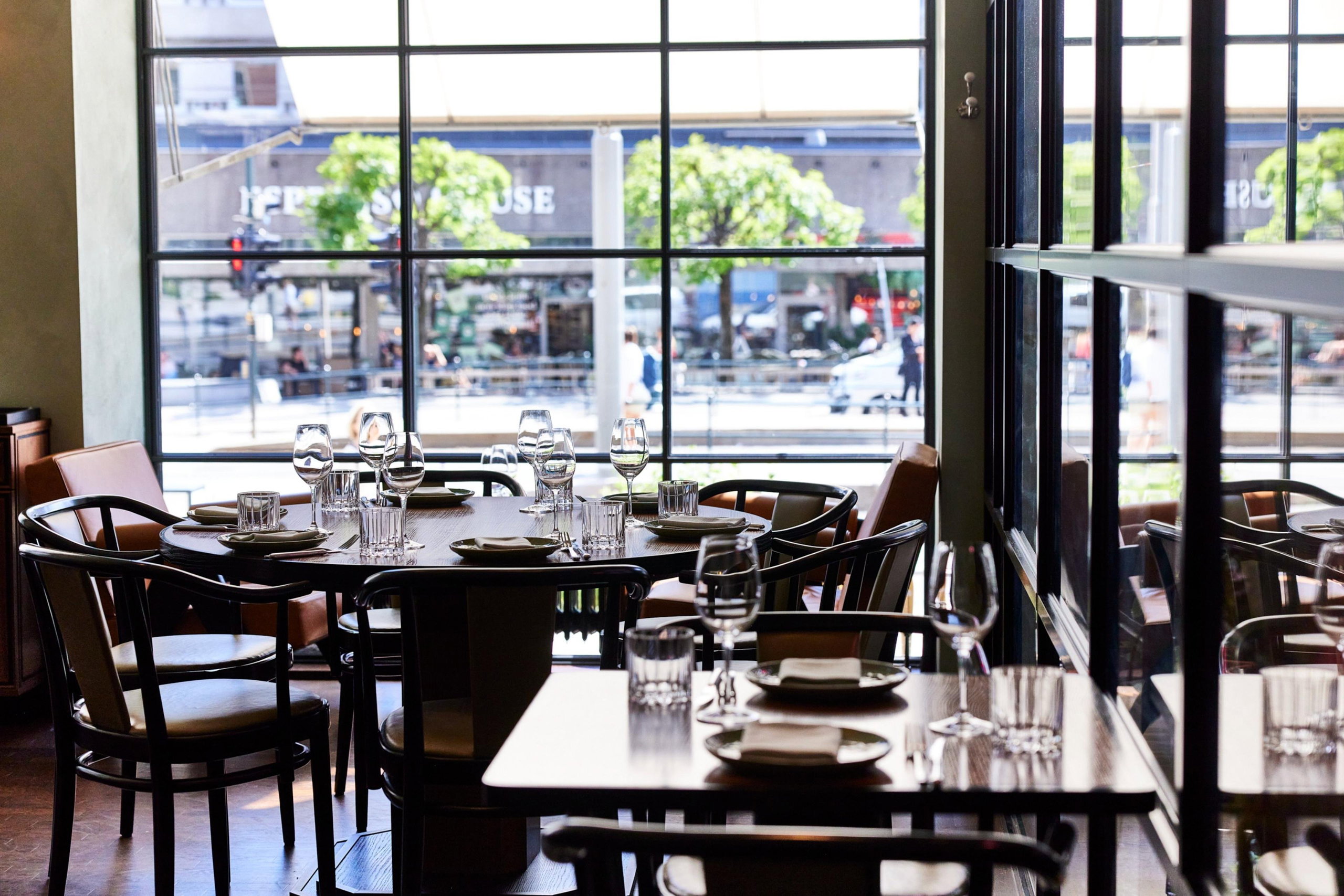
Izakaya in St. Olavs Gate presents a quietly focused interior experience that privileges pace and company over spectacle. The write-up emphasizes an izakaya logic: drinking and eating are inseparable, plates arrive without ceremony, and glasses are refilled without theatre. From the street the venue is deliberately unassuming, so the mood shifts the moment you step inside. That internal warmth and allowance for long conversation make the place feel intimate and relaxed rather than performative — an understated alternative within Oslo’s wider, technique-focused cocktail scene.
Best For
This izakaya format suits relaxed evenings when the point is lingering rather than rushing. The text frames the venue as an alternative to formal cocktail ritual, making it a natural fit for after-work unwinding, casual get-togethers and late-night plates. It’s centrally located and walkable from inner-city accommodation, so it also works for people moving through the city who want to settle in for a few shared dishes and drinks. Expect a social, low-ceremony pace rather than a one-off, formal dining experience.
Ordering Tips
Treat the menu as a sequence of small plates rather than a single main event: the piece stresses that drinking and eating are inseparable and that plates arrive without ceremony. Order several dishes to share and adopt a slow, conversational pace — service refills drinks without fanfare. Avoid expecting theatrical cocktail presentations; the point here is casual rhythm and continuous grazing. Let plates come and conversations run, and you’ll experience the izakaya logic the description highlights.
Venue details
Ambiance
Cozy and casual with a rough style and lively vibe.
Tags
Vibe
Best For
Format
View
At the Bar
- Bar Category
- Sake Bar
- Late Night
- Open Until 2am
Know before you go
Know Before You Go
- Getting there
- St. Olavs Gate 7, 0165 Oslo, Norway
Planning details
Location
Also consider
Also Consider
- Grotto Bistro & Cave, Notable alternative
- Nektar Vinbar, Notable alternative
- Sparta, Notable alternative
- Grand Café & Vinkjeller, Notable alternative
- Bukken Vinbar, Notable alternative
Bar context
How it compares in Oslo
Choose Izakaya when ease matters more than a clearly defined food or wine program. Against Grotto Bistro & Cave and Nektar Vinbar, it reads as the lower-friction option: better for a casual date or last-minute plan, less convincing for guests who want the evening to revolve around the cellar or dinner.
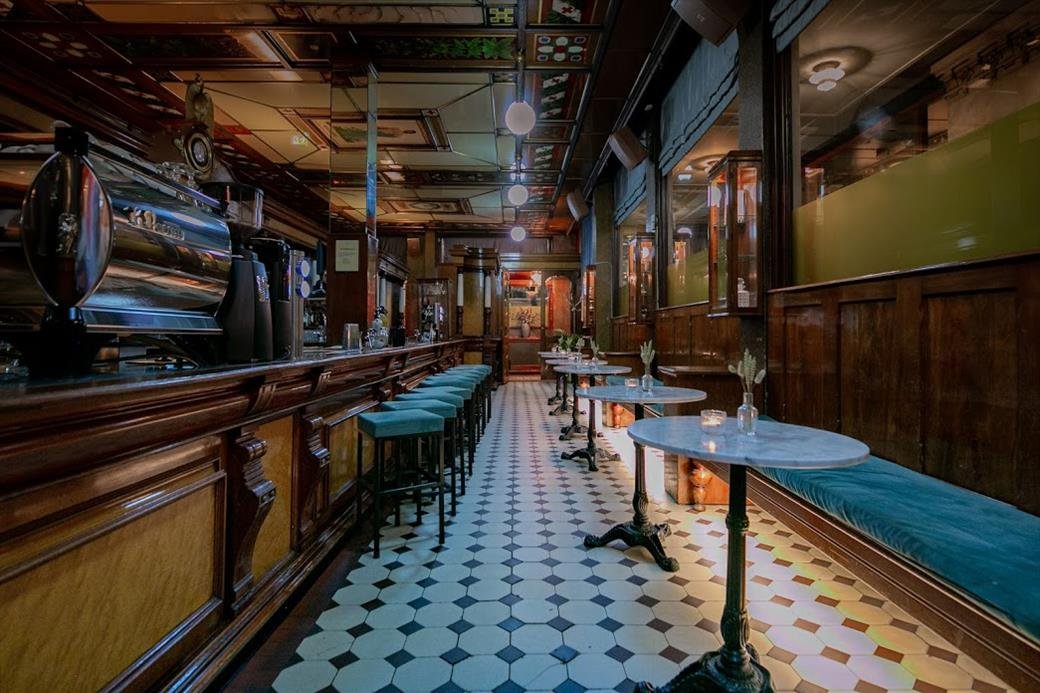
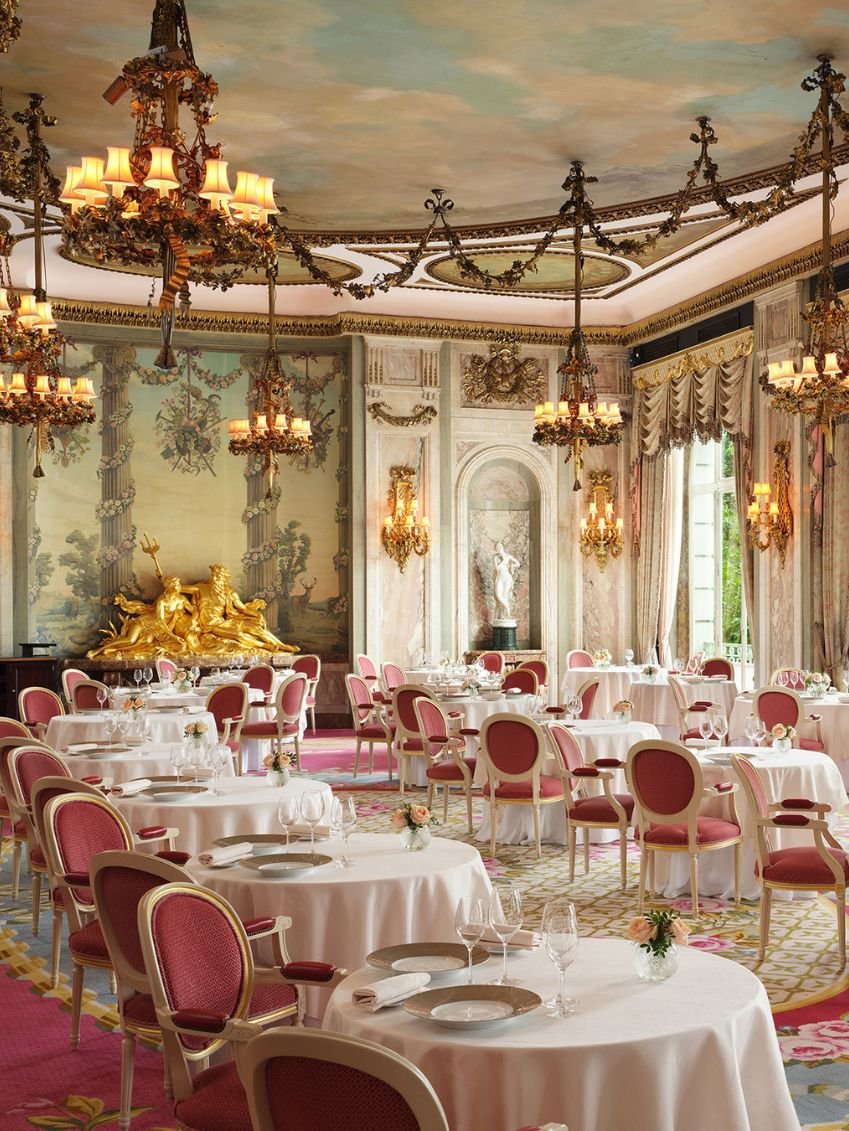
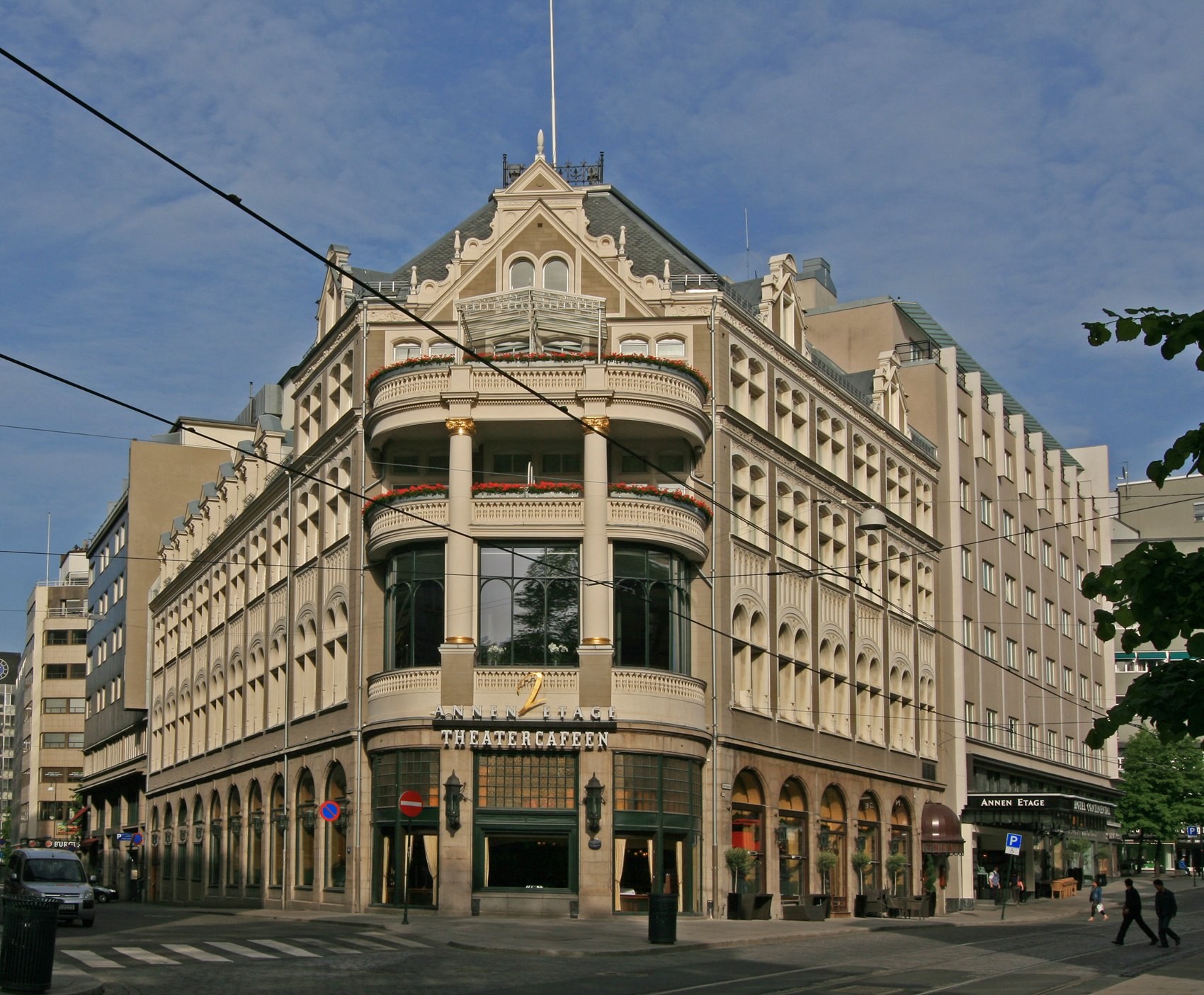
Grand Café & Vinkjeller is the more suitable cross-shop for a polished occasion, especially if the group wants a setting that feels more established. Bukken Vinbar is the sharper pick when wine is the reason for going out. Izakaya makes more sense when the brief is casual energy and an uncomplicated night rather than a tightly planned meal.
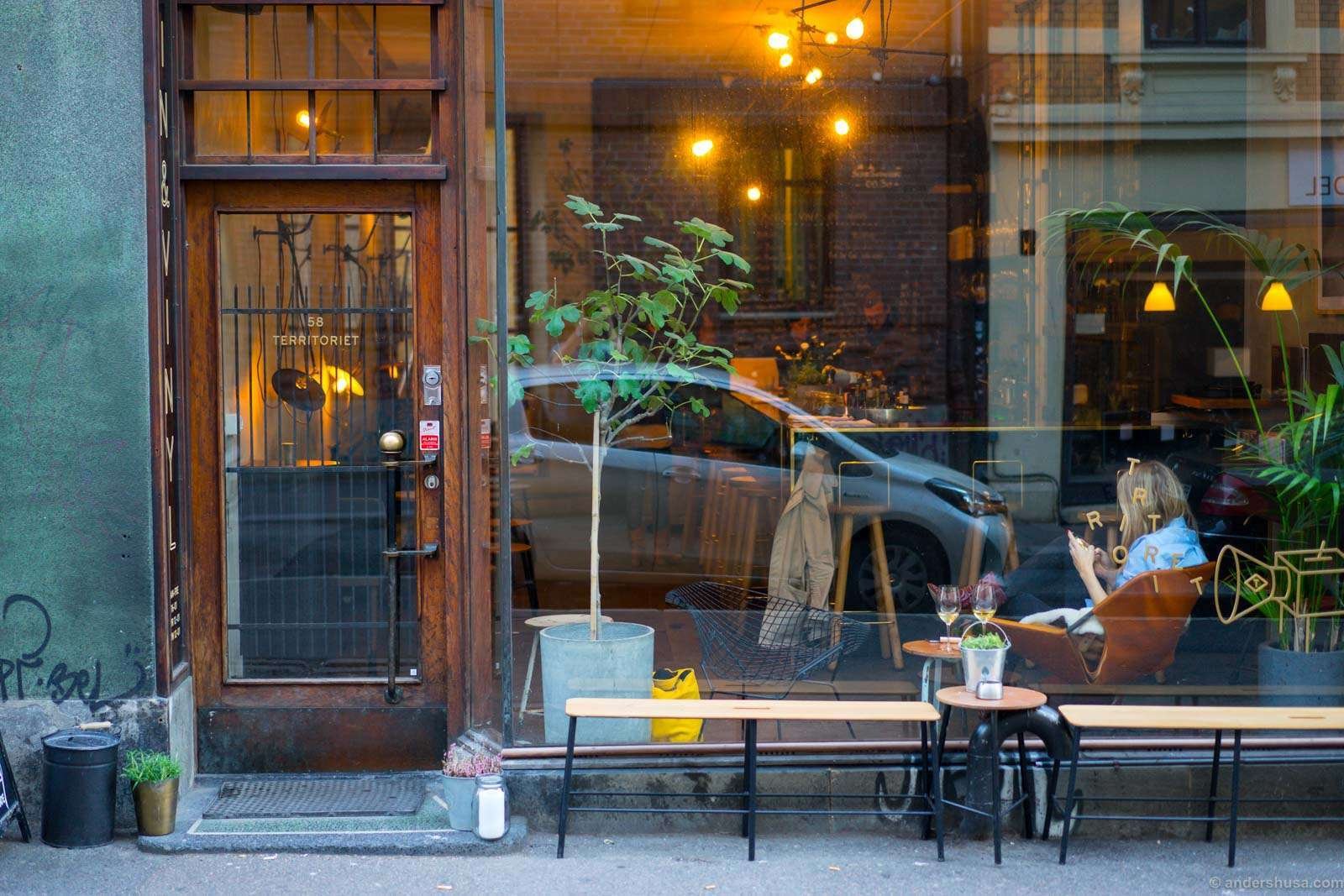
Sparta belongs on the shortlist if ambiance is the deciding factor and the group wants to compare bar-first options in Oslo. The practical split is simple: Izakaya for easy access and a relaxed drink-led plan; Nektar Vinbar or Bukken Vinbar for wine focus; Grand Café & Vinkjeller for a more formal-feeling occasion.
Explore Oslo
Around this place
Discover more on Pearl
Unlock the full Izakaya guide in Pearl, including awards, comparisons, FAQs, planning details, and nearby places.
Compare Izakaya
| Venue | Location | Awards |
|---|---|---|
| Izakaya | Oslo | No published awards |
| Grotto Bistro & Cave | Oslo | No published awards |
| Nektar Vinbar | Oslo | No published awards |
| Sparta | Oslo | No published awards |
| Grand Café & Vinkjeller | Oslo | No published awards |
| Bukken Vinbar | Oslo | No published awards |
How Izakaya Oslo compares with similar nearby venues.
FAQ
Frequently Asked Questions
Is the food good at Izakaya?
There is no menu detail or food-focused award information for Izakaya. Treat it as a casual Oslo venue with evening hours, and check current official information if the meal itself is the main reason for going.
Does Izakaya have outdoor seating?
What's the crowd like at Izakaya?
The dress code is casual, and the hours run from 5 PM to midnight Monday through Thursday and until 1 AM on Friday and Saturday. Beyond that, no specific crowd profile is available.
What's the best time to go to Izakaya?
For an earlier visit, go soon after opening at 5 PM. Izakaya is open until 12 AM Monday through Thursday and until 1 AM on Friday and Saturday. It is closed on Sunday.
Is Izakaya good for a date?
It can be a practical casual option in Oslo if the goal is a low-pressure evening. If the date depends on a specific menu, seating style, or price point, confirm those details before booking or going.
Does Izakaya have happy hour deals?
No happy hour information is available for Izakaya. Do not plan around a discount window unless the venue confirms one.
Is Izakaya open late?
Yes. Izakaya is open until midnight Monday through Thursday and until 1 AM on Friday and Saturday. It is closed on Sunday.