SORA
Umeda, Osaka
Bar in Osaka, Japan
 Book with Pearl
The Read
Price
$20–30per person
Why go
Book SORA if the Osaka skyline is the reason for the night. It is a better fit for a date, celebration drink, or polished late-evening lounge stop than for a food-led meal or cocktail-nerd itinerary. Booking difficulty is easy, so it works well when plans are loose.
About SORA
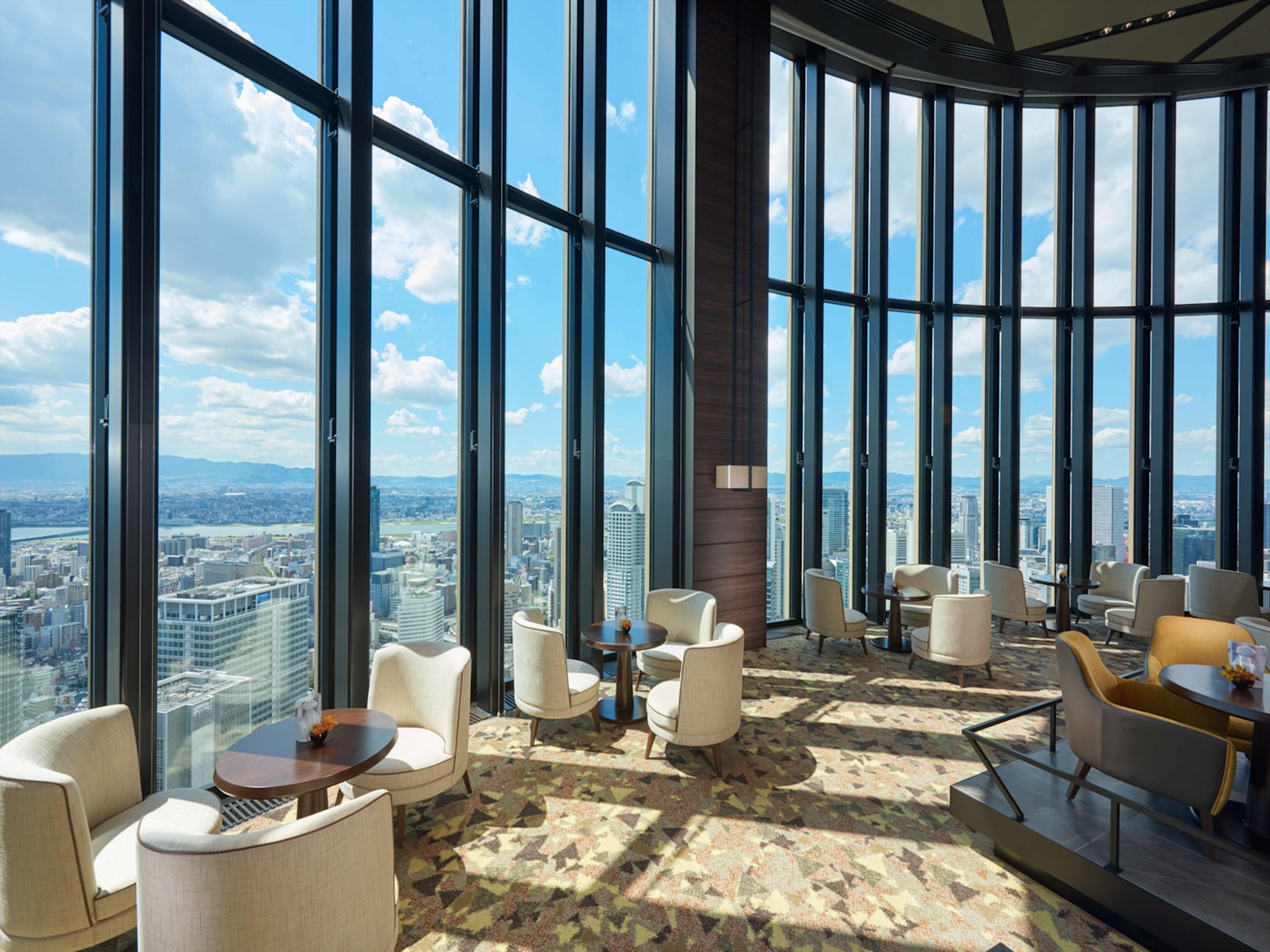
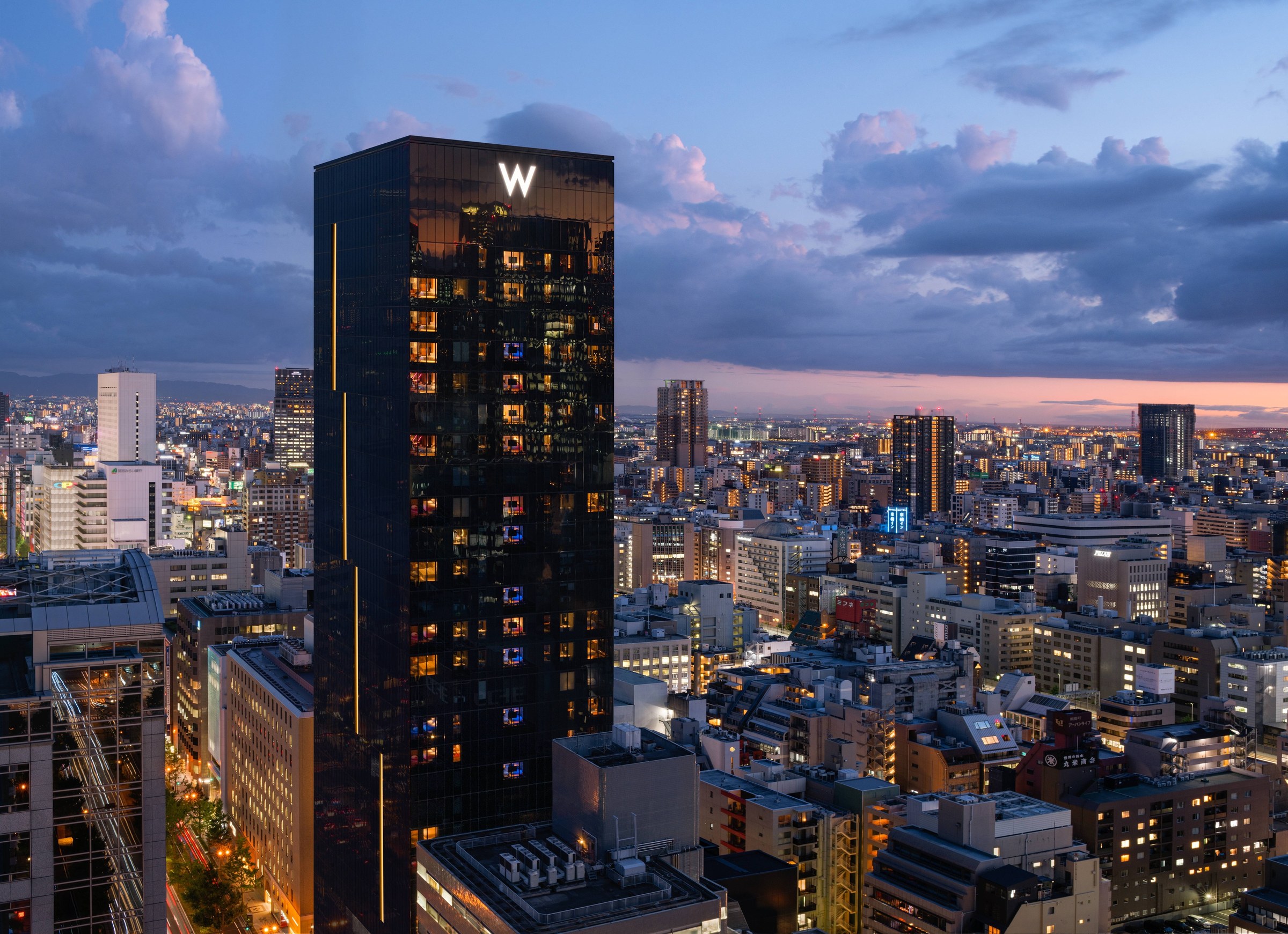
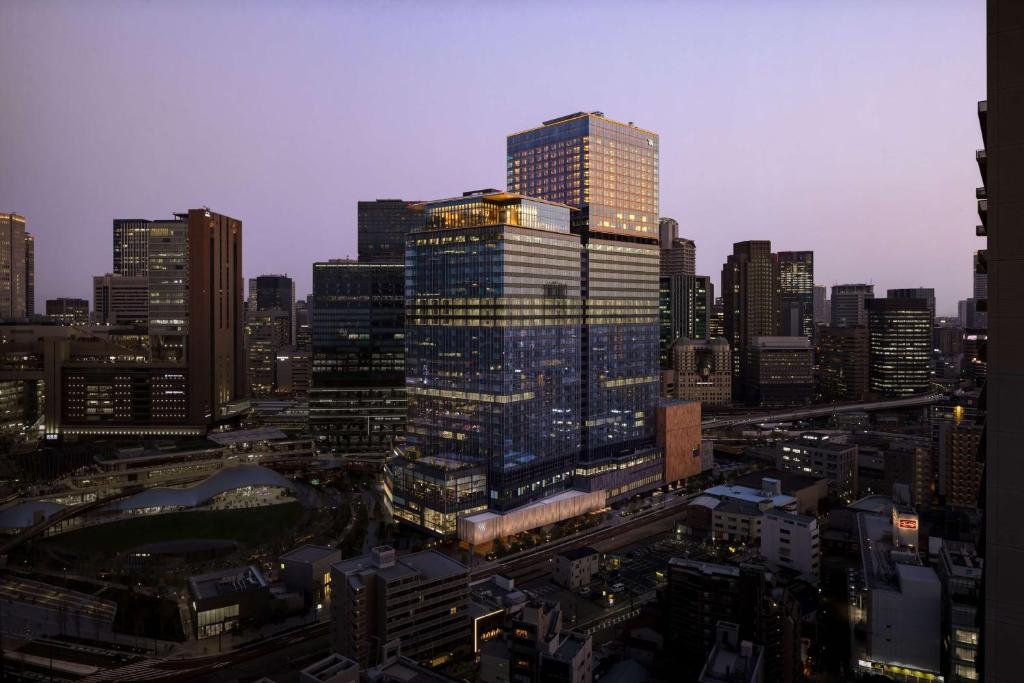
For a plan built around views and setting, consider SORA when the skyline is the point of the visit. SORA is a rooftop lounge/bar with skyline views, which makes it a natural fit for people who want an atmosphere-led stop rather than a cuisine-led restaurant plan. In other words, it is strongest when the mood, height, and city backdrop are part of what you are choosing.
The visual setting is the main reason to choose it: this is a venue where the rooftop lounge/bar format and skyline views carry the decision. That matters when the visit needs an atmospheric stop without necessarily turning into a full restaurant booking. If the plan is about atmosphere in Osaka, SORA fits that brief more clearly than a food-first itinerary.
Choose it for the view, not for a deep dining plan
The smart read is to treat SORA as a lounge/bar stop rather than the anchor meal of the night. The format is rooftop lounge/bar with skyline views, not a cuisine-led restaurant, so expectations should stay aligned: atmosphere, height, and the Osaka skyline are the draw. For a food-first Osaka itinerary, use our full Osaka restaurants guide before committing the whole night to a lounge format.
Keep the plan simple: go for the rooftop setting, let the view set the tone, and avoid overloading the stop with restaurant-level expectations unless you confirm the current offering directly with the venue.
Atmosphere fit: better for views than a food-led plan
A rooftop lounge/bar is best understood as an atmosphere choice. SORA's appeal is its skyline view in Osaka, and the dress code is casual, so it makes the most sense when the setting matters more than a detailed dining program. It is less suitable if the priority is a signature drink, a specific cuisine, or a full meal structure.
For planning around the rest of the city, start with our full Osaka bars guide, then branch into hotels via our full Osaka hotels guide. For broader planning, compare SORA with other Osaka dining and drinking options generically, focusing on whether you want a skyline-led lounge/bar or a more food-focused stop.
Planning details
- Location
- Osaka, Japan
The take
The Take
The Vibe
SORA presents itself as a rooftop lounge that treats the city as its principal interior. The bar’s name—meaning “sky”—signals the premise: ascent and the managed skyline view are central to the experience. Seating and sightlines are oriented around the horizon, so the cityscape is more than backdrop; it structures movement and service. That framing places SORA apart from Osaka’s dimly lit counter bars: it privileges panorama and social lounging over the intimate craft-counter ritual. The result is a polished, design-forward rooftop that feels like an architectural take on evening social life in Umeda.
Best For
SORA is best for evenings when the skyline matters—dusk through late night—when neon and horizon define the mood. It works well for group outings or after-work drinks that prioritize views and conversation over the formal counter-bar tasting experience. Because the rooftop compositional logic places the city at the center, the venue suits social groups who want a panoramic, design-oriented setting to gather, watch the city shift into night, and linger over drinks in a relaxed, lounge-forward atmosphere.
Venue details
Ambiance
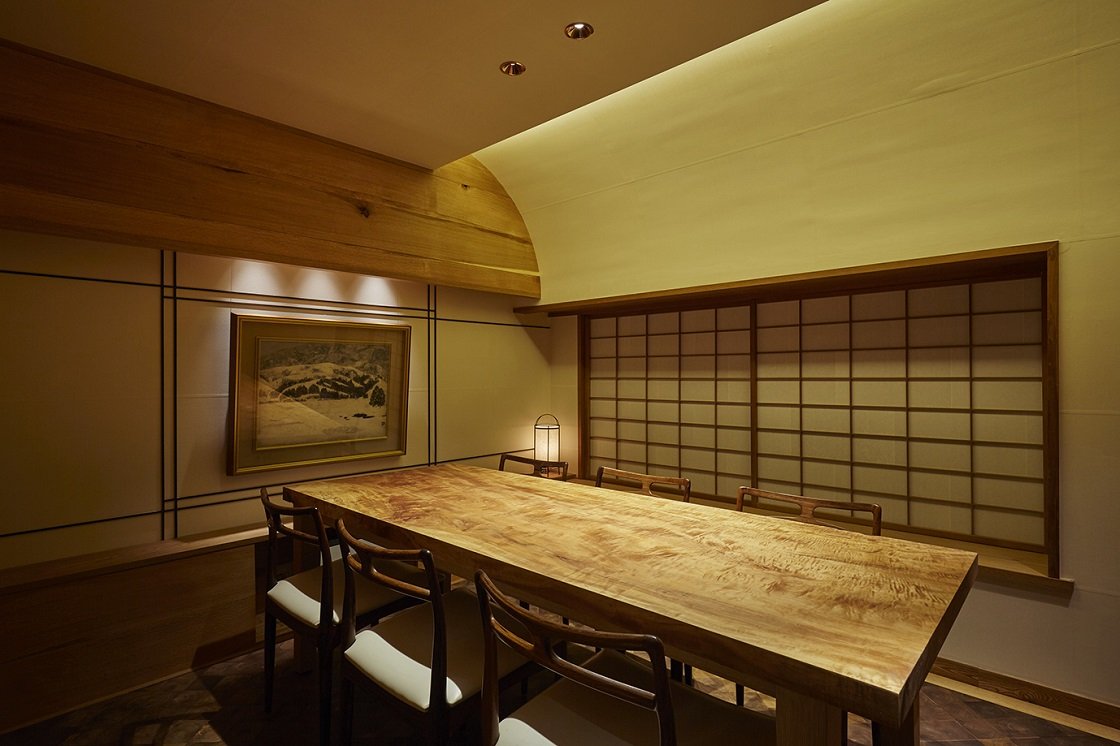
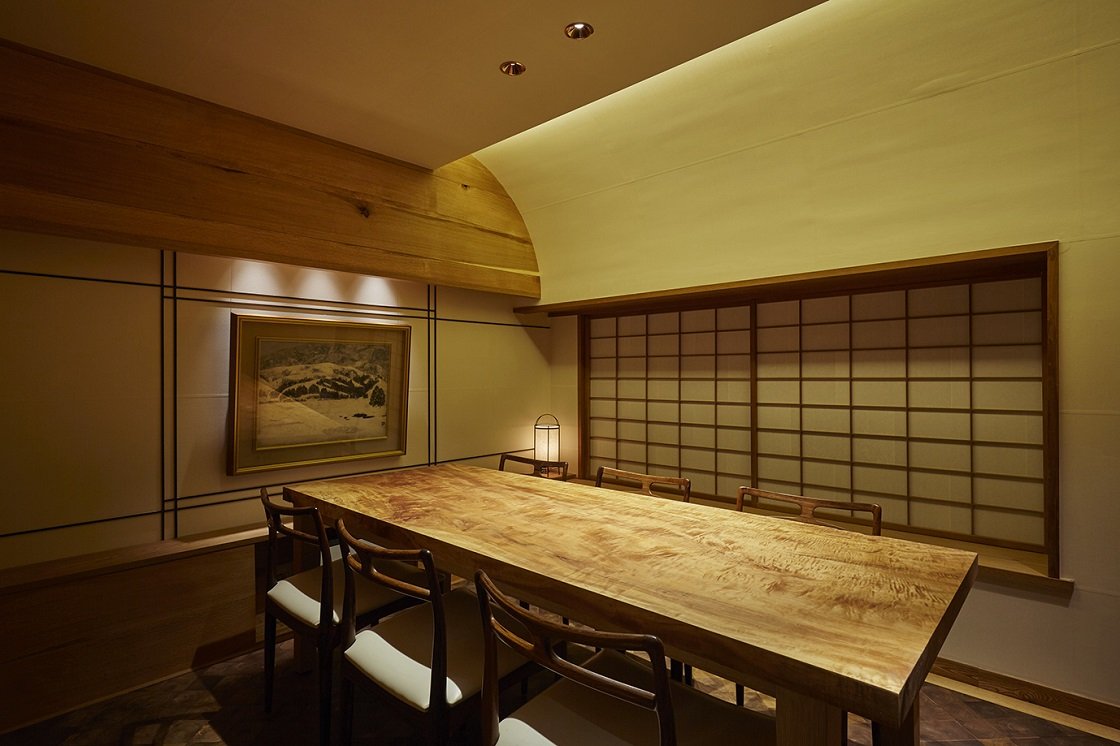
Cozy private dining spaces.
Tags
Best For
Format
Planning details
Location
Osaka, Japan
Explore Osaka
Around this place
Discover more on Pearl
Unlock the full SORA guide in Pearl, including awards, comparisons, FAQs, planning details, and nearby places.
FAQ
Frequently Asked Questions
Does SORA have happy hour deals?
Check SORA's own channels before you go if pricing or timing is important.
Do I need a reservation at SORA?
What's the crowd like at SORA?
The grounded description is that SORA is a rooftop lounge/bar with skyline views in Osaka, so choose it primarily for the setting rather than for an assumed scene.
Is the food good at SORA?
Go for the setting first, not for a food-led night out. SORA is a rooftop lounge/bar with skyline views, so do not assume a specific cuisine, menu format, or dining program unless you confirm it with the venue.
Is SORA good for a date?
SORA can make sense for a date if the appeal is a rooftop lounge/bar setting with Osaka skyline views. If the date depends on a specific cuisine, tasting menu, or detailed food program, confirm those details with the venue first.
What's the signature drink at SORA?
If a particular drink or beverage program matters to your visit, ask the venue directly before making it part of the plan.