
Nikolaschka
Kita, Osaka
Bar in Osaka, Japan
 Book with Pearl
The Read
Price
$30–50per person
Why go
Book Nikolaschka for a drinks-led Osaka date or celebration where wine matters more than a confirmed dinner format. Star Wine List recognition in 2026 gives it a stronger quality signal than a casual stop, but groups and food-first diners should compare other Osaka options before committing.
About Nikolaschka
Should you book Nikolaschka in Osaka? The basics are simple: Nikolaschka is in Osaka, is open daily from 6–11 PM, has a casual dress code, and has Star Wine List recognition in 2026. Details such as cuisine, menu format, seat count, price range, and service style are best checked directly before you plan around them.
The safest way to plan is to treat Nikolaschka as an evening option in Osaka and confirm any visit-specific needs directly before you go. If dinner, group size, budget, accessibility, or menu details are central to the night, check the venue's current information rather than assuming those details in advance.
A recognized Osaka venue with evening hours
Nikolaschka has Star Wine List recognition in 2026, giving the venue a clear point of distinction, while the daily 6–11 PM schedule makes it relevant for evening plans rather than lunch.
For comparison planning, Bar Old Imperial Bar, Buffet & Lounge The Park, and Winestand Perche may be useful reference points, depending on the kind of evening you are planning. Nikolaschka is best evaluated on its Osaka location, evening hours, casual dress code, and Star Wine List recognition.
Who should choose it, and who should look elsewhere
Choose Nikolaschka if those details match your plan: Osaka, casual dress, and daily evening hours from 6–11 PM. Look elsewhere, or contact the venue first, if you need information on food, pricing, seating, group capacity, accessibility, or a specific service format.
For a broader Osaka night out, use Our full Osaka restaurants guide, Our full Osaka hotels guide, Our full Osaka bars guide, Our full Osaka wineries guide, and Our full Osaka experiences guide. Other named venues to compare with care include Nijiri and anchovy butter(アンチョビバター), depending on the kind of evening you are planning.
Planning details
- Location
- Japan, 〒530-0043 Osaka, Kita Ward, Tenma, 2 Chome−2−19 サン・ナカノビル 101
- Website
- instagram.com/wine_nikolaschka
- Phone
- +81 6-6226-8433
The take
The Take
The Vibe
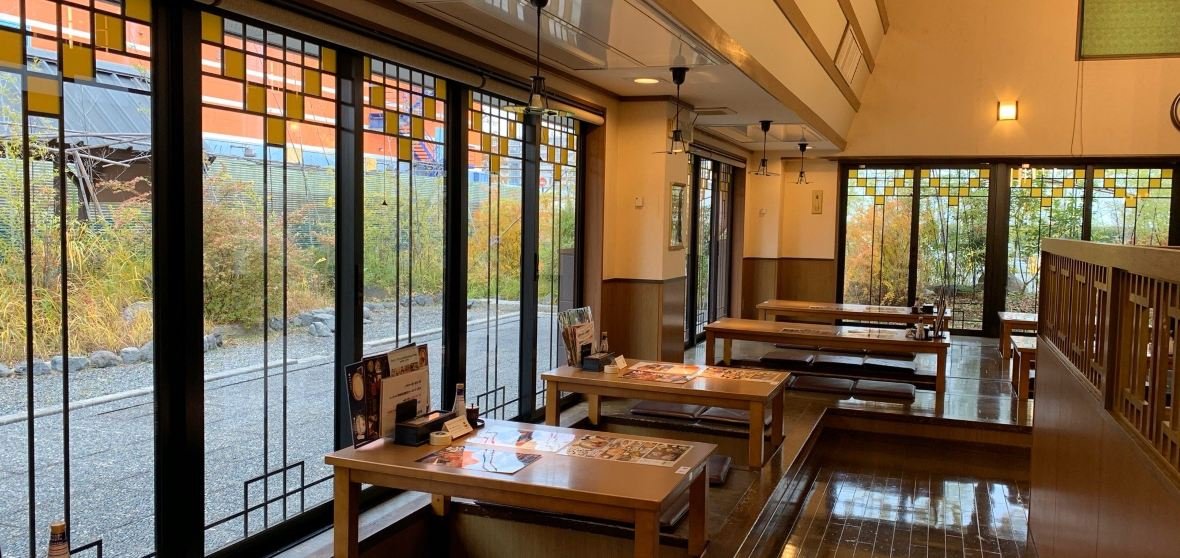
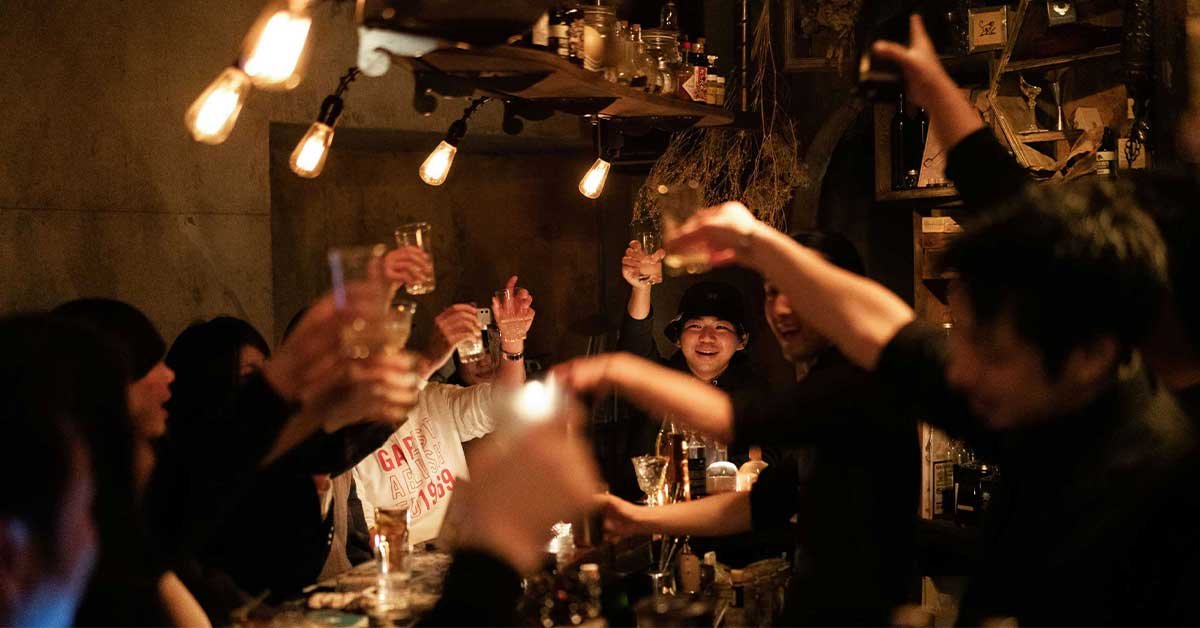
Nikolaschka presents a low-key, classic Osaka okonomiyaki atmosphere where the room’s casual decoration signals a focus on food and neighbourhood ritual rather than design theater. The teppan grill built into the table, compact seating and the close proximity of other diners create a participatory, communal energy—the kind of setting that prizes straightforward technique and local sourcing over gloss. The write-up positions the place as embedded in Tenma’s working-district fabric, so the overall impression is one of unpretentious, well-worn comfort rooted in Kansai culinary tradition.
Best For
This is a spot best suited to small groups and locals who want an engaged, hands-on meal rather than a formal dining experience. The table teppan and compact layout make it a natural pick for friends or coworkers sharing plates and watching the griddle at the table. Because it sits in a working district and is described in the context of neighbourhood eateries, it also works well for after-work meals where the emphasis is on convivial, unpretentious cooking rather than a polished night out.
Ordering Tips
Nikolaschka follows Osaka (Kansai) okonomiyaki logic: ingredients are mixed into the batter before cooking and toppings are applied in layers, so expect a cohesive pancake rather than a layered Hiroshima style. Pay attention to texture choices—cabbage can be shredded fine or coarse—and the protein options often reflect local market availability. Treat the meal as communal: order a couple of different okonomiyaki to share and lean into the interactive, table-focused cooking rhythm that defines this neighbourhood format.
Venue details
Ambiance
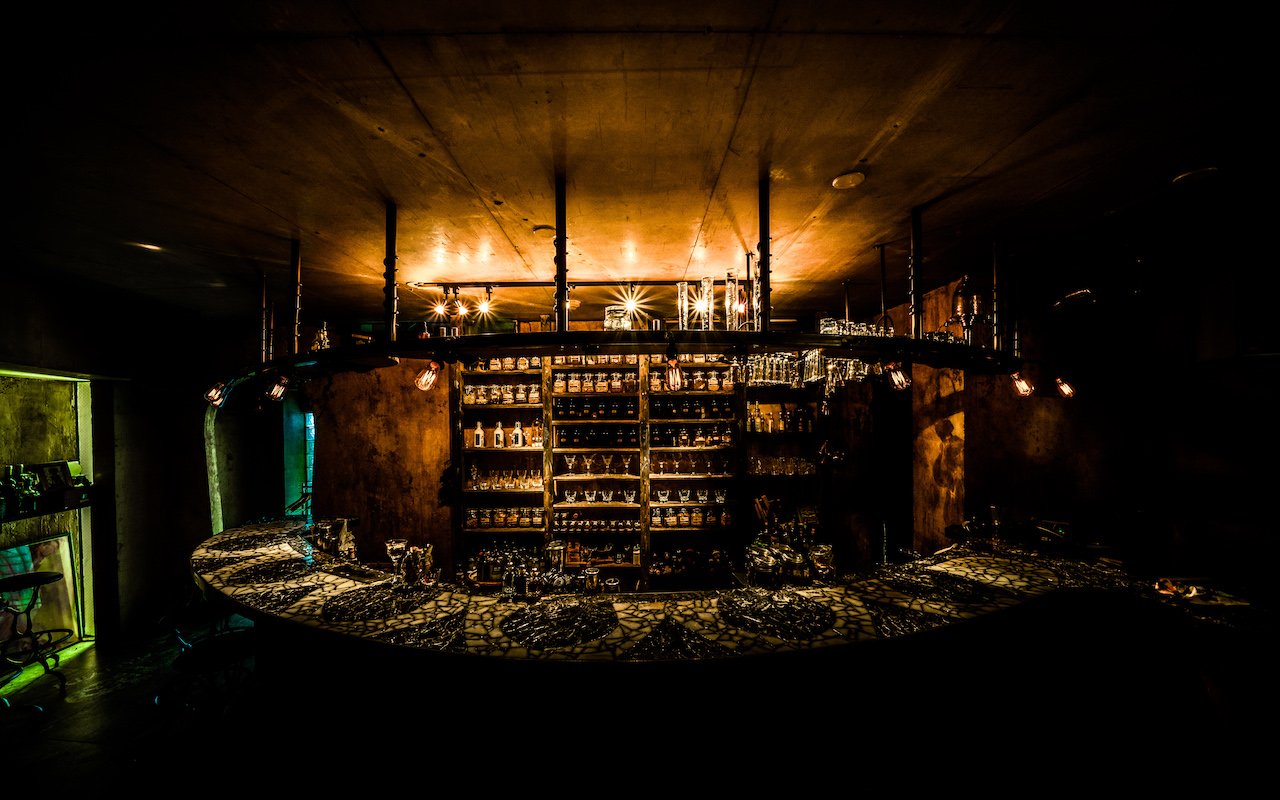
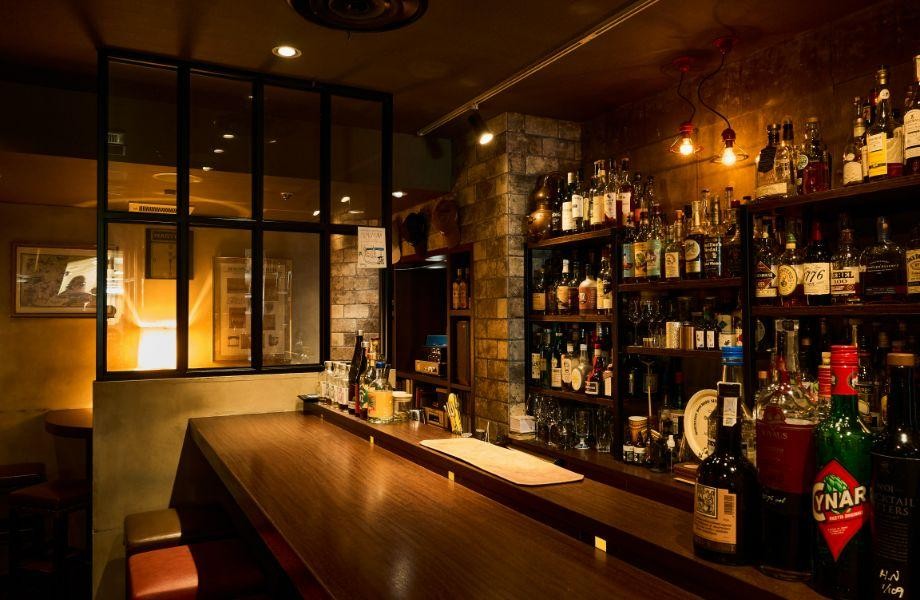
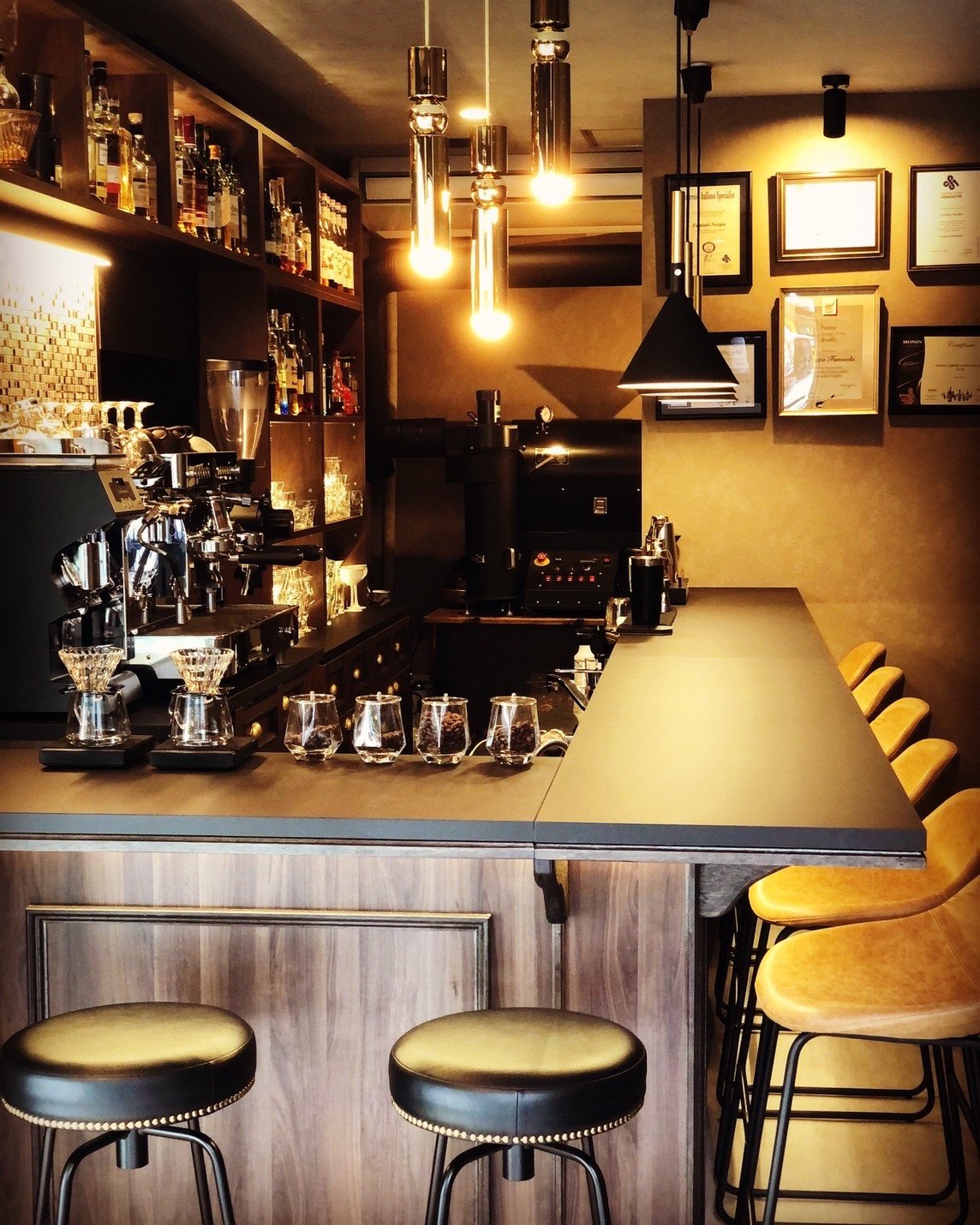
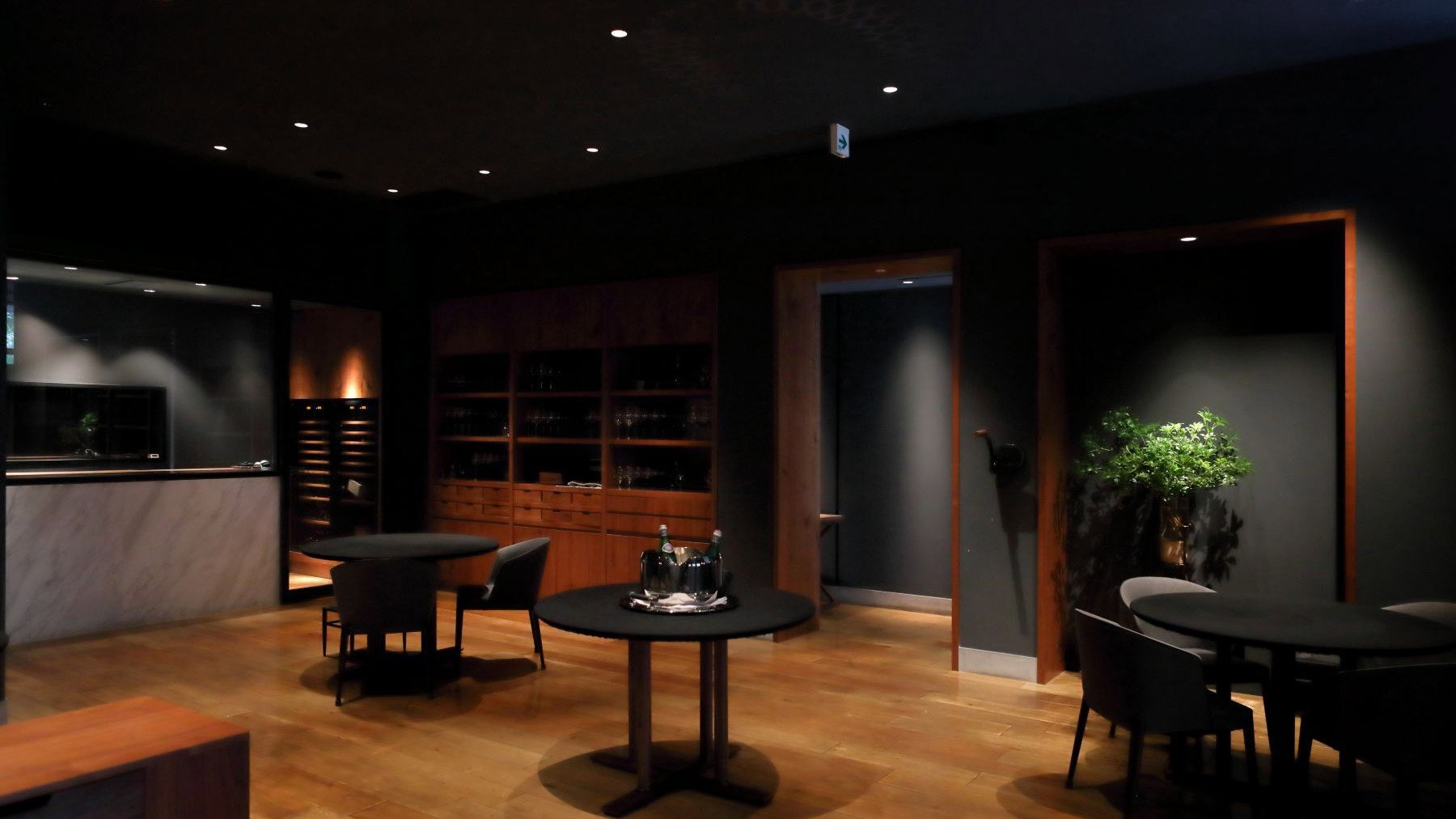
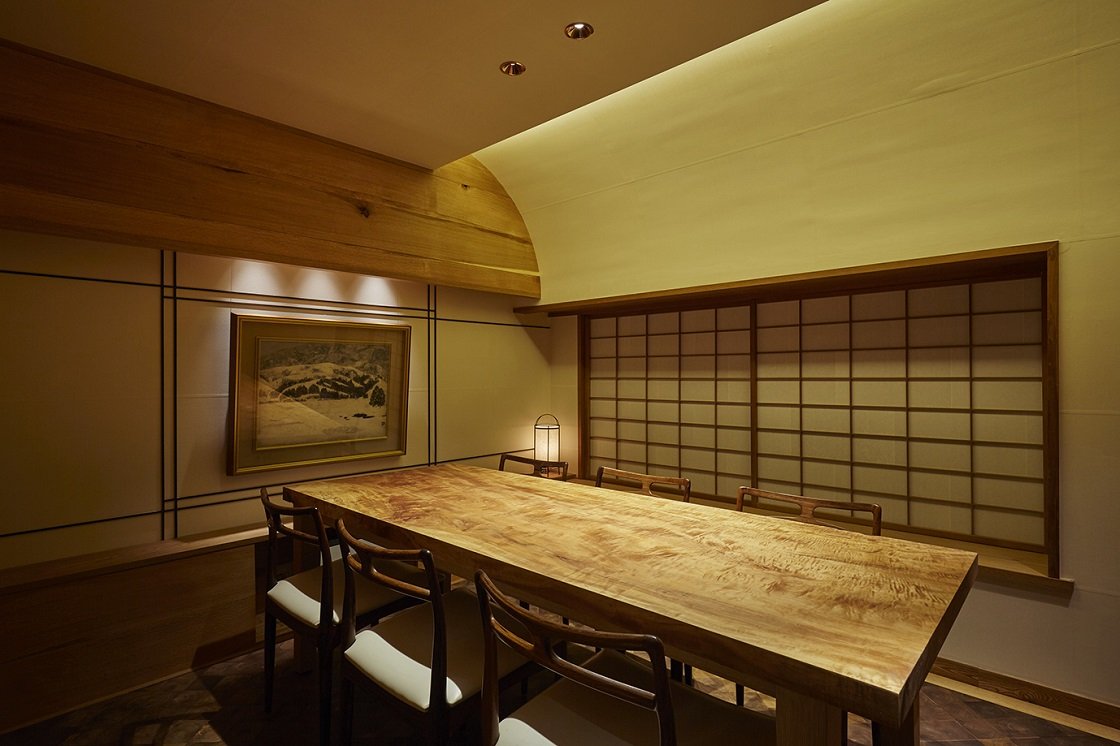
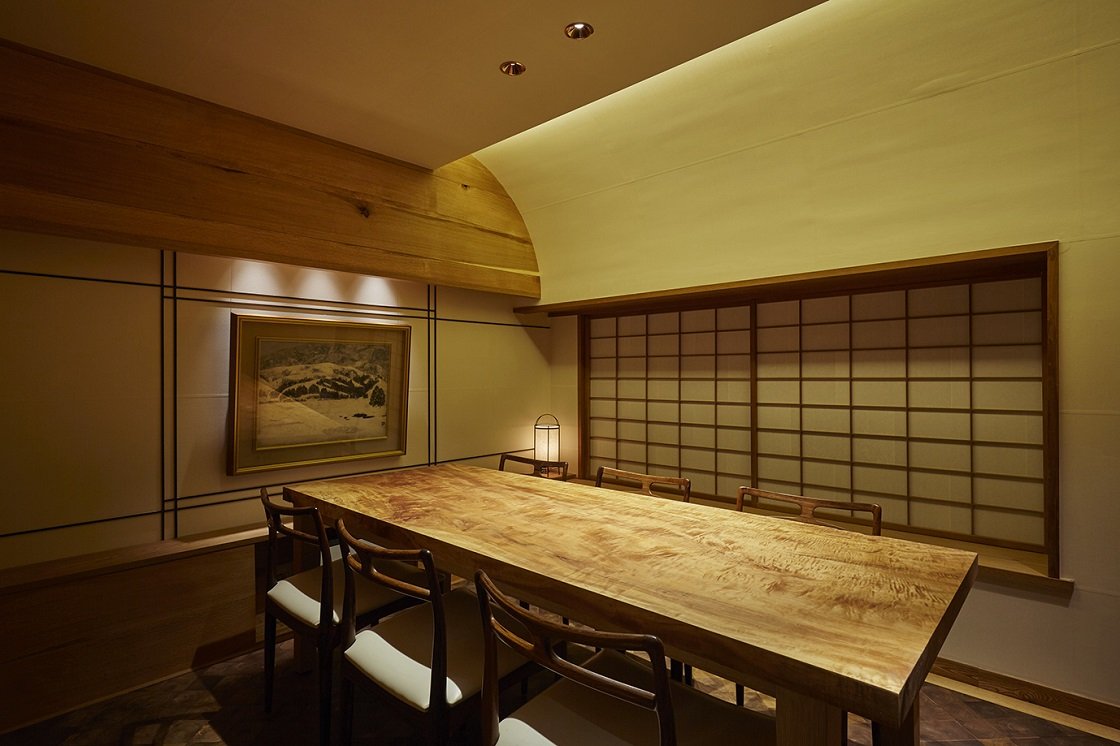
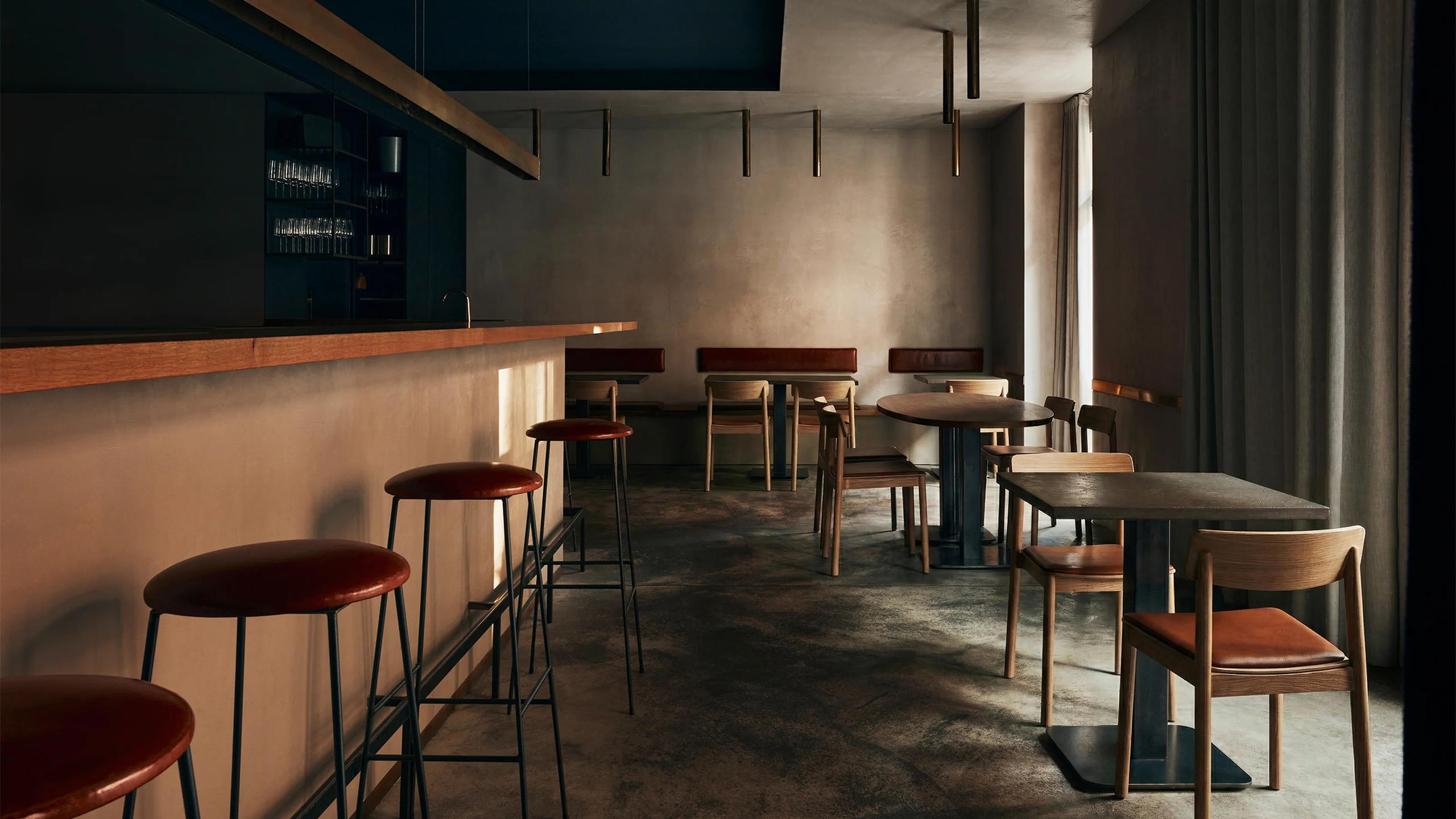
Casually decorated dining room in a riverside area.
Tags
Vibe
Best For
Experience
Format
At the Bar
- Bar Category
- Wine Bar
- Late Night
- Closes by Midnight
Know before you go
Know Before You Go
- Getting there
- Japan, 〒530-0043 Osaka, Kita Ward, Tenma, 2 Chome−2−19 サン・ナカノビル 101
Planning details
Location
Japan, 〒530-0043 Osaka, Kita Ward, Tenma, 2 Chome−2−19 サン・ナカノビル 101 · Directions
Recognition and awards

Also consider
If you cannot get in
Try Winestand Perche first if the plan is still wine-led. Choose Bar Old Imperial Bar instead when the occasion calls for a more formal hotel-bar atmosphere.
Bar context
How Nikolaschka compares in Osaka
Nikolaschka is the better choice if the brief is a quieter, wine-led drink with a credible recognition signal. Winestand Perche is the closer cross-shop for a wine-bar mood, while Bar Old Imperial Bar reads more naturally for guests who want a classic hotel-bar frame.
For a softer lounge experience, Buffet & Lounge The Park is the safer pick, especially when the room and setting matter as much as the drink. Nijiri and anchovy butter(アンチョビバター) are better kept as alternatives when Nikolaschka is not the right fit for the occasion or location.
Value is hard to judge without a published price range, so make the decision by format: Nikolaschka for a wine-aware date, Winestand Perche for a more direct wine-bar comparison, Bar Old Imperial Bar for hotel polish, and Buffet & Lounge The Park for a lounge setting that suits mixed groups.
Explore Osaka
Around this place
Discover more on Pearl
Unlock the full Nikolaschka guide in Pearl, including awards, comparisons, FAQs, planning details, and nearby places.
Compare Nikolaschka
| Venue | Location | Awards |
|---|---|---|
| Nikolaschka | Osaka | Star Wine Lists 2026 |
| Winestand Perche | Osaka | No published awards |
| anchovy butter(アンチョビバター) | Osaka Shi | No published awards |
| Buffet & Lounge The Park | Osaka | No published awards |
| Bar Old Imperial Bar | Osaka | No published awards |
| Nijiri | Osaka | No published awards |
How Nikolaschka Osaka compares with similar nearby venues.
FAQ
Frequently Asked Questions
What's the crowd like at Nikolaschka?
Plan around the basics: Nikolaschka is in Osaka, has casual dress, is open daily from 6–11 PM, and has Star Wine List recognition in 2026. For crowd and atmosphere details, contact the venue directly before you go.
Is Nikolaschka open late?
Not especially. Nikolaschka is open every day from 6–11 PM, so it works for evening plans, but not for very late service.
Is Nikolaschka good for a date?
It may work if the basics fit your plan: Osaka, casual dress, and daily 6–11 PM hours. If seating style, atmosphere, and menu format matter, confirm directly before you go.
Is the food good at Nikolaschka?
If food is central to your visit, check the venue's current menu or contact the venue before going.