Slowdown
North Downtown, Omaha
Bar in Omaha, United States
 Book with Pearl
Why go
Slowdown is worth considering for an easy Omaha night when the goal is atmosphere, flexibility, and a casual group-friendly setting. Do not make it the choice for a food-led dinner, polished date night, or serious cocktail comparison; use it when plans are loose and energy matters more than menu detail.
About Slowdown
Is Slowdown in Omaha worth planning a night around? Slowdown is a casual venue in Omaha. If food, drinks, service style, prices, hours, reservations, seating, or special-occasion fit matter to your plans, confirm the current details directly with the venue before you build a night around it.
Use Slowdown as a casual Omaha option when that simple baseline is enough for your plans. If you are comparing it with other places, keep the decision practical: choose based on the current details for the night you want. You might also compare it with Dolomiti | Pizzeria & Enoteca or Hook and Lime as part of a broader Omaha plan.
Book it with casual expectations
Go in with the expectation that Slowdown is a casual venue in Omaha. If cuisine, chef, awards, pricing, menu, beverage program, reservation difficulty, or seating details are deciding factors, confirm the current setup directly rather than treating it as interchangeable with Block 16 or any other nearby option.
Good for flexible planning, but verify specifics
Slowdown may fit a plan where a casual Omaha setting is the priority, but the details that shape a night out should be checked before you go. If you need a particular food format, drinks list, seating arrangement, group setup, or date-night atmosphere, check those points with the venue rather than assuming them. For broader planning, use the Omaha bars guide, the Omaha restaurants guide, the Omaha hotels guide, the Omaha wineries guide, and the Omaha experiences guide.
Planning details
- Location
- 729 N 14th St, Omaha, NE 68102
- Website
- theslowdown.com
- Phone
- +1 402 345 7569
The take
The Take
The Vibe
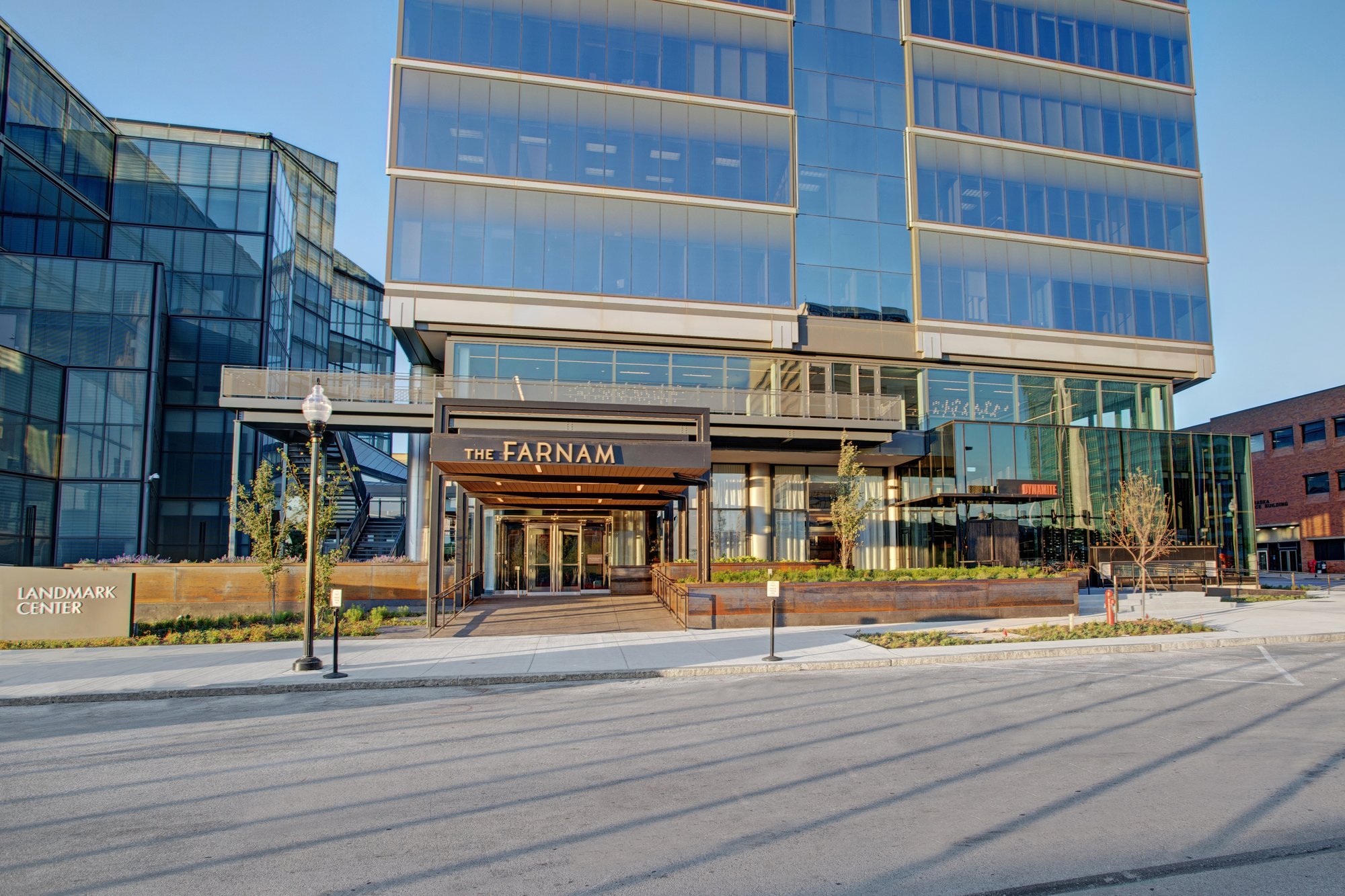
Slowdown reads like an anchor of North Downtown rather than a typical nightspot: a building with purpose over spectacle that has helped shape a neighborhood identity around independent music and creative hospitality. The venue favors authenticity and a workingman’s calibration—large enough to host national touring acts while still treating local Tuesday-night bills with care. The streetscape approach and an unpolished facade set expectations before you step inside: this is a place built for live performance and community, not for slick suburban entertainment, and its presence registers as a durable cultural touchstone.
Best For
Slowdown is best for audiences who come for the music first and the drinks as part of the evening’s arc. It works well for late-night outings, catching national and local acts, and nights when arriving early or lingering between sets matters as much as the headliner. The bar program functions as a reason to show up ahead of doors or to pause between acts, changing the rhythm of the night; groups and regulars who value a serious live-music lineup and a no-frills, thoughtful hospitality approach will find it especially rewarding.
Ordering Tips
Treat the cocktail menu as part of the show: the program emphasizes technique and ingredient quality that suit a high-volume live room. Arrive early to sample the bar (it’s explicitly described as a reason to arrive before the headliner) and choose drinks that favor clarity and repeatability—cocktails the venue engineers to work in the acoustic and service realities of a busy performance space. Expect efficient, mid-scale service geared to moving through crowd peaks between sets rather than leisurely, multi-course tasting menus.
Venue details
Ambiance
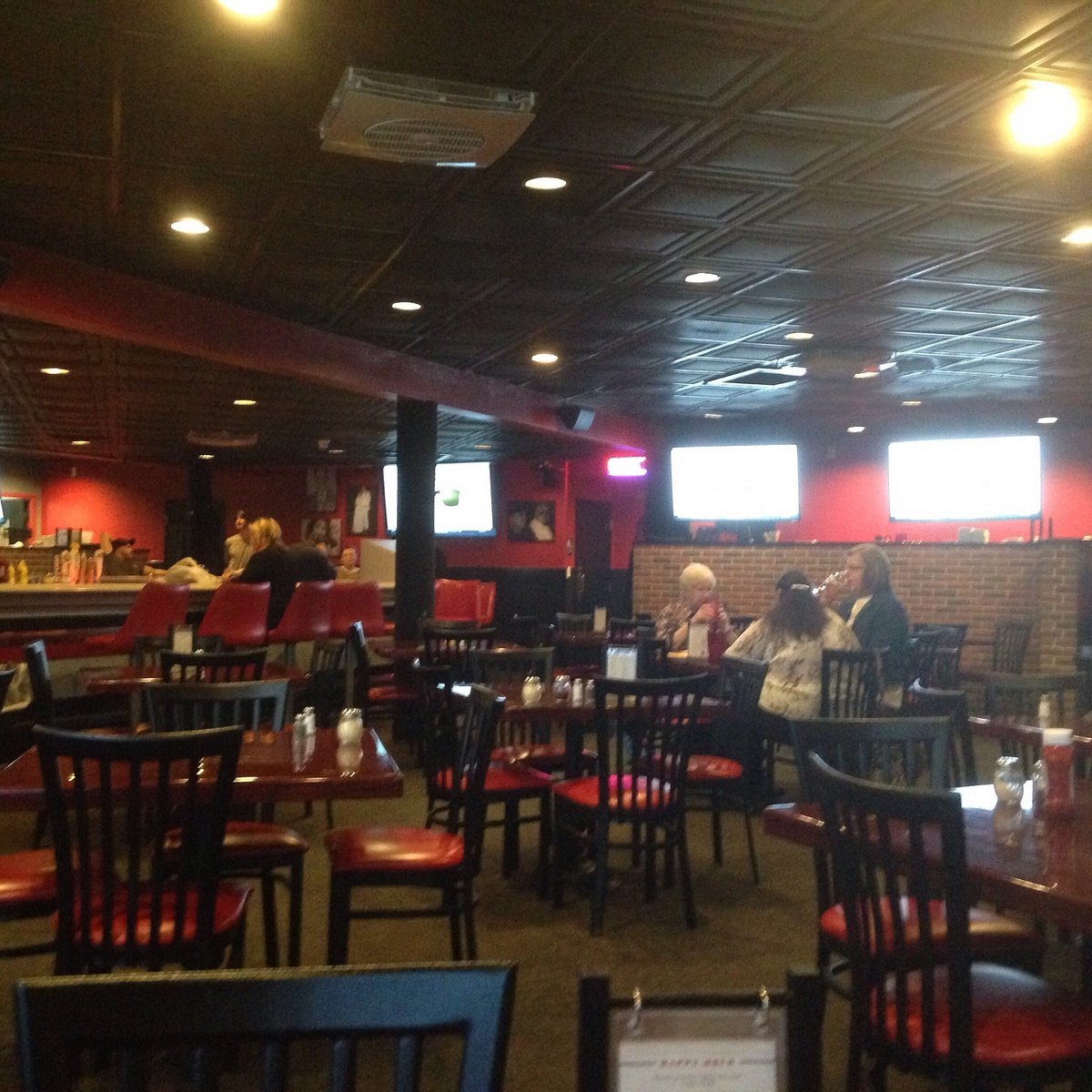
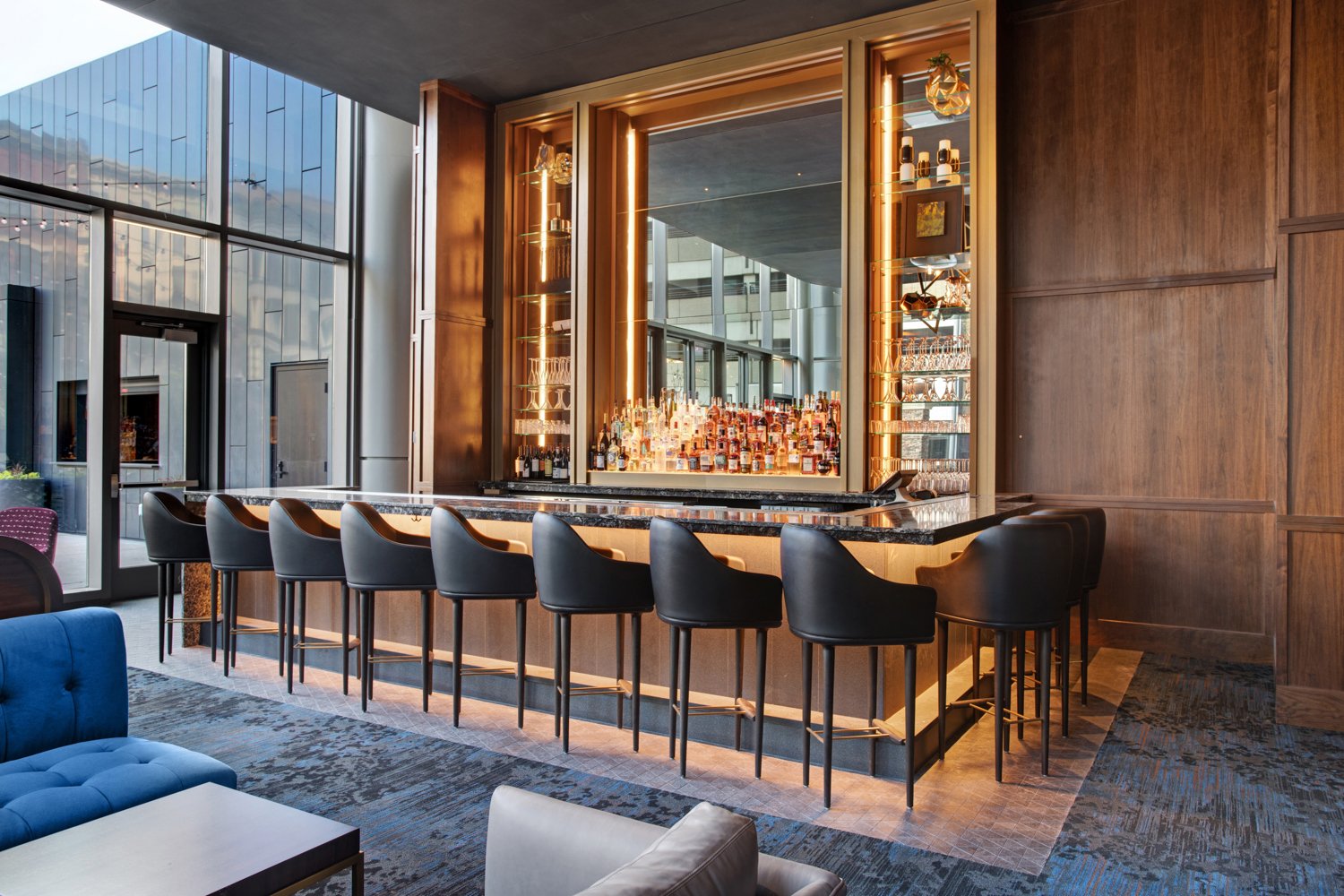
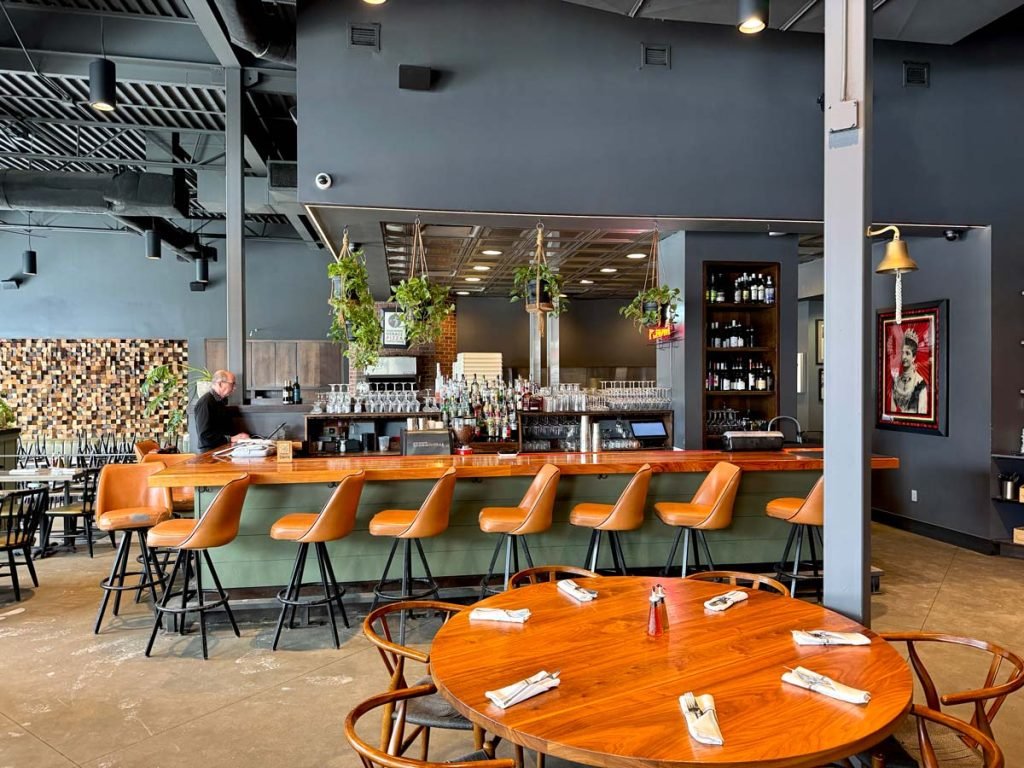
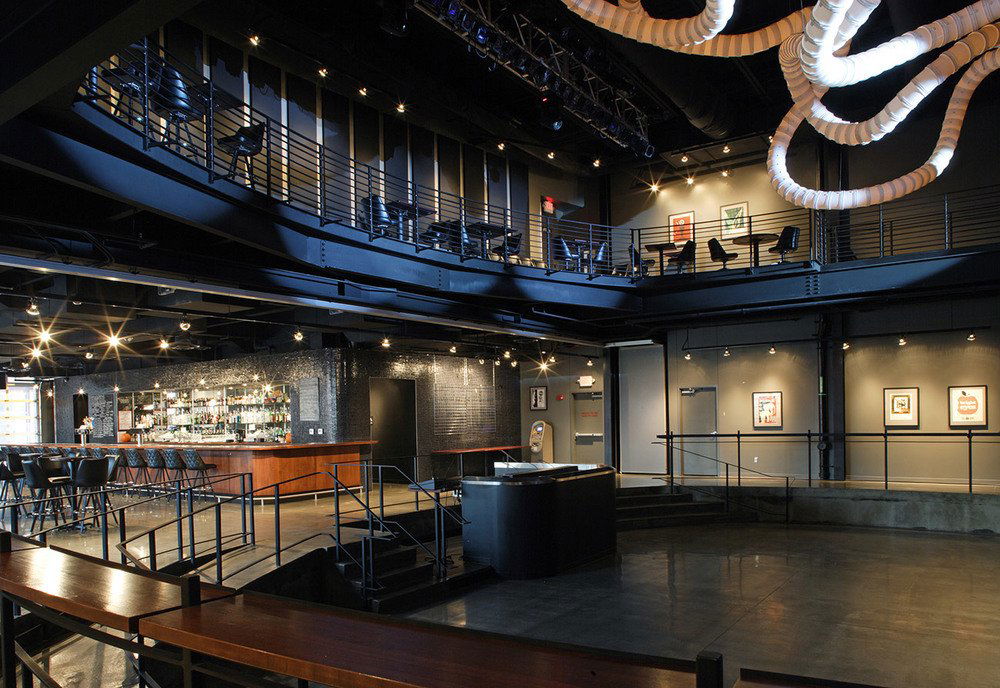
Intimate yet energetic space with raised stage, chic bar, and great acoustics; designed as a permanent rock club with a vibrant cultural hub atmosphere.
Tags
Vibe
Best For
Experience
Format
At the Bar
- Bar Category
- Beer Bar
- Late Night
- Open Until 2am
- Music
- Indie Rock, Electronic, All Genres
- Live Music
- Yes
Know before you go
Know Before You Go
- Getting there
- 729 N 14th St, Omaha, NE 68102
Planning details
Location
Also consider
Also Consider
- Hook and Lime, Notable alternative
- Dolomiti | Pizzeria & Enoteca, Notable alternative
- Catalyst Urban Lounge, Notable alternative
- Block 16, Notable alternative
- Mercury, Notable alternative
Bar context
How Slowdown compares in Omaha
Choose Slowdown when booking ease and a casual, higher-energy room matter more than a food-first plan. Hook and Lime is the better cross-shop for a more meal-oriented outing, while Dolomiti | Pizzeria & Enoteca makes more sense when pizza, wine, and a seated feel are the point.
For value and food focus, Block 16 is the sharper pick, especially if the group cares more about what is on the plate than the room's late-night feel. Catalyst Urban Lounge is the stronger alternative for a lounge-leaning night, while Mercury is the more obvious cocktail-minded comparison.
If Slowdown is unavailable or not the right mood, broaden the search with Big Fred's Pizza Garden & Lounge, Catalyst Urban Lounge, China Garden, 'O Munaciello MiMo District Neapolitan Pizza in Miami, (405) Brewing Co. LLC in Norman, and ¡BE! Club in San Sebastián for wider Pearl context.
Explore Omaha
Around this place
Discover more on Pearl
Unlock the full Slowdown guide in Pearl, including awards, comparisons, FAQs, planning details, and nearby places.
Compare Slowdown
| Venue | Location | Awards |
|---|---|---|
| Slowdown | Omaha | No published awards |
| Hook and Lime | Omaha | No published awards |
| Dolomiti | Pizzeria & Enoteca | Omaha | No published awards |
| Catalyst Urban Lounge | Omaha | No published awards |
| Block 16 | Omaha | No published awards |
| Mercury | Omaha | No published awards |
How Slowdown Omaha compares with similar nearby venues.
FAQ
Frequently Asked Questions
Is the food good at Slowdown?
Does Slowdown have outdoor seating?
If outdoor seating matters for your visit, contact Slowdown in Omaha directly before making plans.
Do I need a reservation at Slowdown?
Is Slowdown good for groups?
Slowdown has a casual dress code. If you are planning for a group in Omaha, confirm capacity, seating, and current arrangements with the venue.
Is Slowdown good for a date?
Slowdown can be considered if a casual Omaha venue fits the date. Confirm the current atmosphere, seating, food, and drink setup if those factors matter.
Does Slowdown have happy hour deals?
What's the crowd like at Slowdown?
Slowdown in Omaha has a casual dress code. For the current crowd and atmosphere, check directly for the vibe on the night you plan to visit.