

Sabina Sabe
2006700010204, Oaxaca
Bar in Oaxaca, Mexico
 Book with Pearl
The Read
Regional-Ingredient Cocktail Precision
Why go
Sabina Sabe is the Oaxaca Centro pick for agave-minded drinkers who want a recognized cocktail bar rather than a quiet mezcal lesson. It is better for dates and first-time visitors than loose group hangs, and In Situ Mezcalería is the sharper choice if the priority is focused mezcal education.
About Sabina Sabe
Sabina Sabe is a recognized bar in Oaxaca with Top 500 Bars Best Bars #145 (2025) and World's 50 Best North America's Best Bars #20 (2022). Beyond those accolades and a casual dress code, detailed public-facing specifics can vary; this guide focuses on the essentials.
Recognized Oaxaca bar with confirmed accolades
Sabina Sabe's strongest hook is its awards record. It appears as Top 500 Bars Best Bars #145 (2025) and World's 50 Best North America's Best Bars #20 (2022), which makes it a notable Oaxaca bar for travelers comparing recognized places to drink in the city.
First-timers should avoid assuming a specific format, menu style, seating setup, or service rhythm. If the plan is a full Oaxaca itinerary, pair it with Our full Oaxaca restaurants guide, Our full Oaxaca hotels guide, and Our full Oaxaca bars guide rather than treating one bar as the whole evening.
Who should choose it over another bar
Choose Sabina Sabe if bar recognition is an important part of the decision. Amá Terraza, In Situ Mezcalería, Muss Café, Otro Bar, and Selva are other venues to compare depending on the kind of stop you want.
For groups, dates, or solo visitors, the safest guidance is to treat Sabina Sabe as a casual Oaxaca bar with notable recognition, then check the venue's current channels for reservations, seating, menu, and timing details before building the night around it.
How to fit it into a wider trip
Use Sabina Sabe as one recognized bar stop within a broader Oaxaca plan. Its confirmed awards make it easy to justify adding to a shortlist, and current hours, pricing, seating, or booking requirements should be checked before you go.
For travelers comparing drinking options, keep the comparison practical: Sabina Sabe is the award-recognized reference point, while Amá Terraza, In Situ Mezcalería, Muss Café, Otro Bar, and Selva can be considered alongside it based on current availability and the experience you want that day.
Planning details
- Location
- 5 de Mayo 209, RUTA INDEPENDENCIA, Centro, 68000 Oaxaca de Juárez, Oax.
- Website
- m.facebook.com/SabinaSabeOaxaca
- Phone
- +52 951 514 3494
The take
The Take
The Vibe
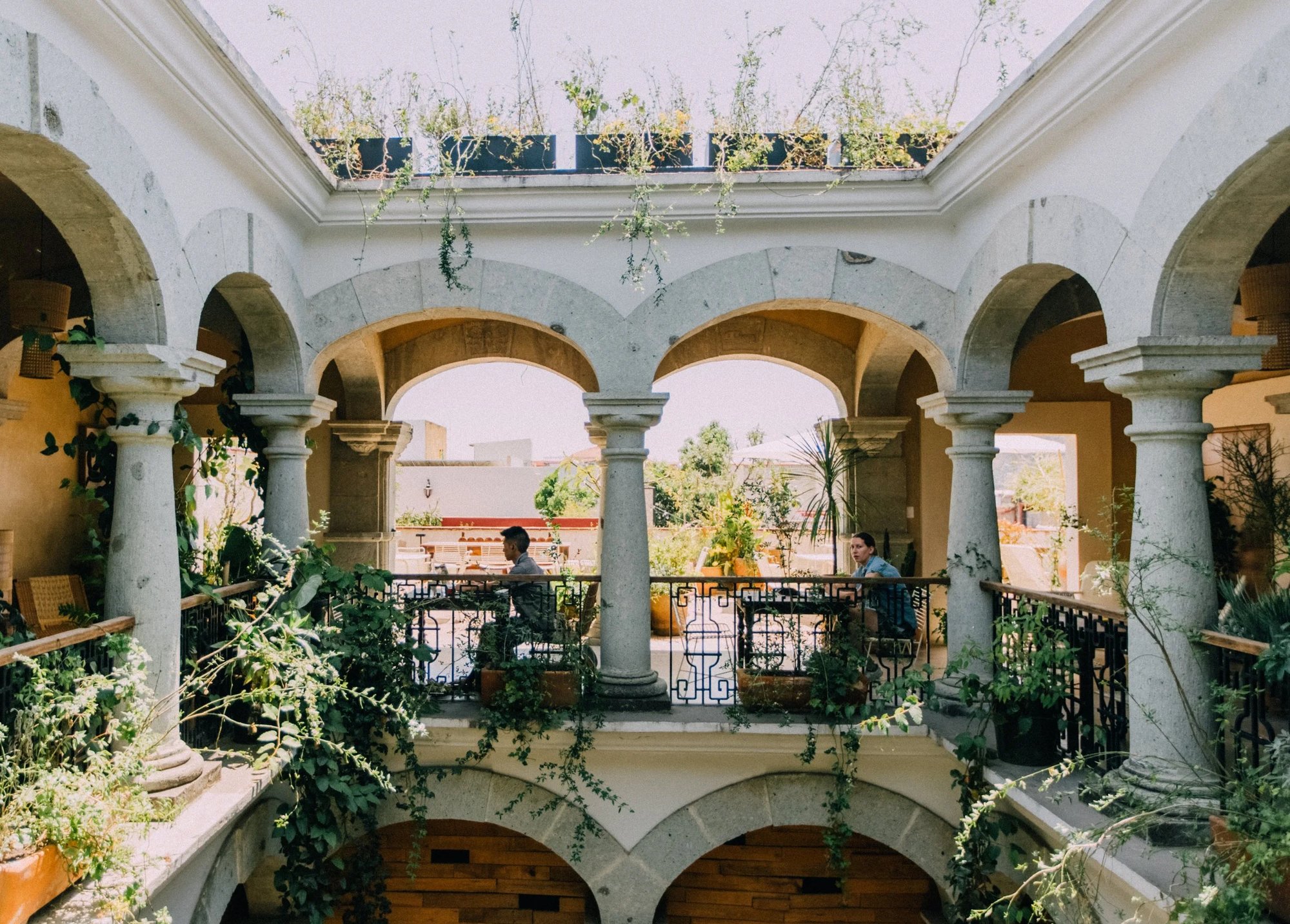
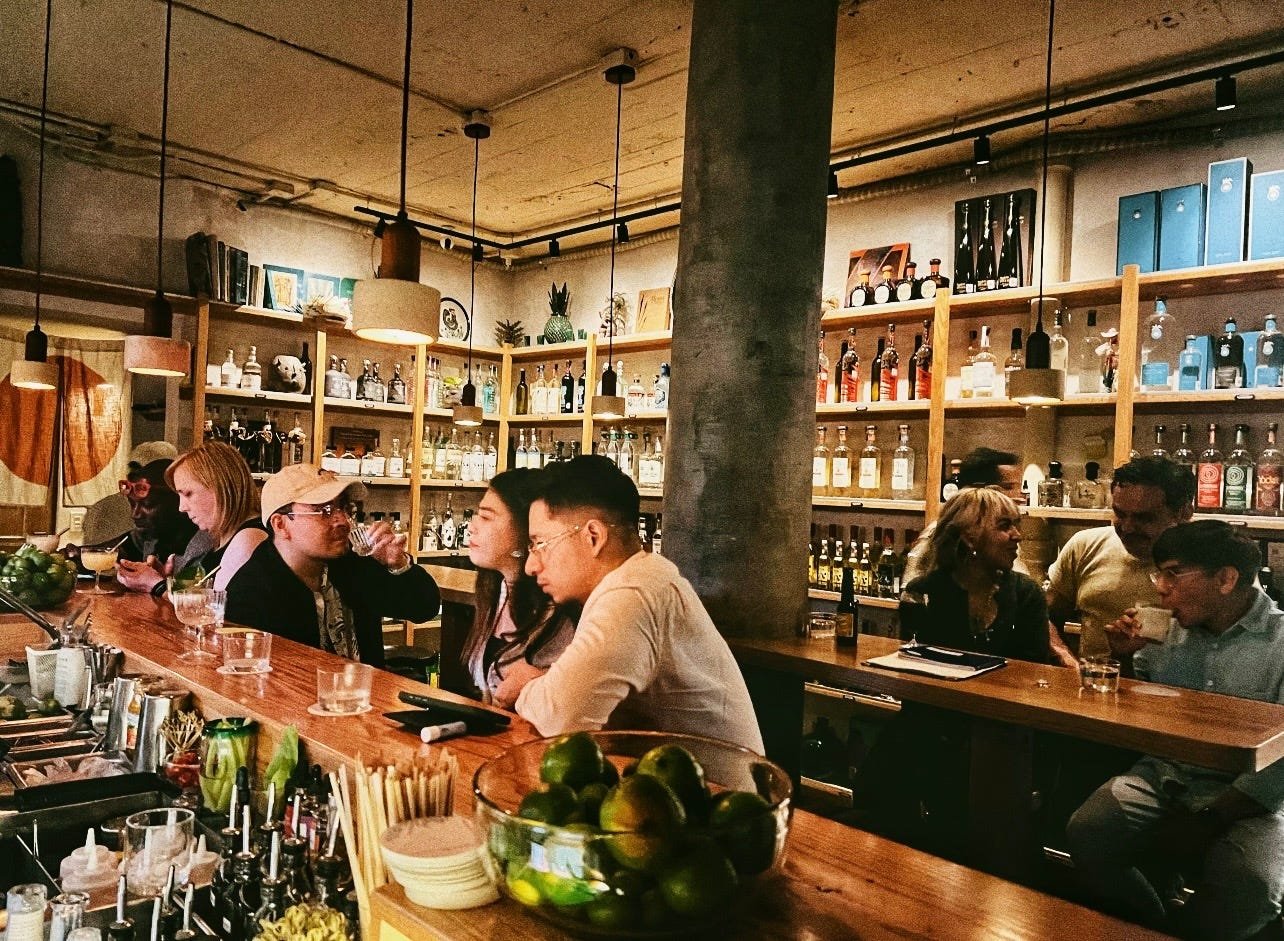
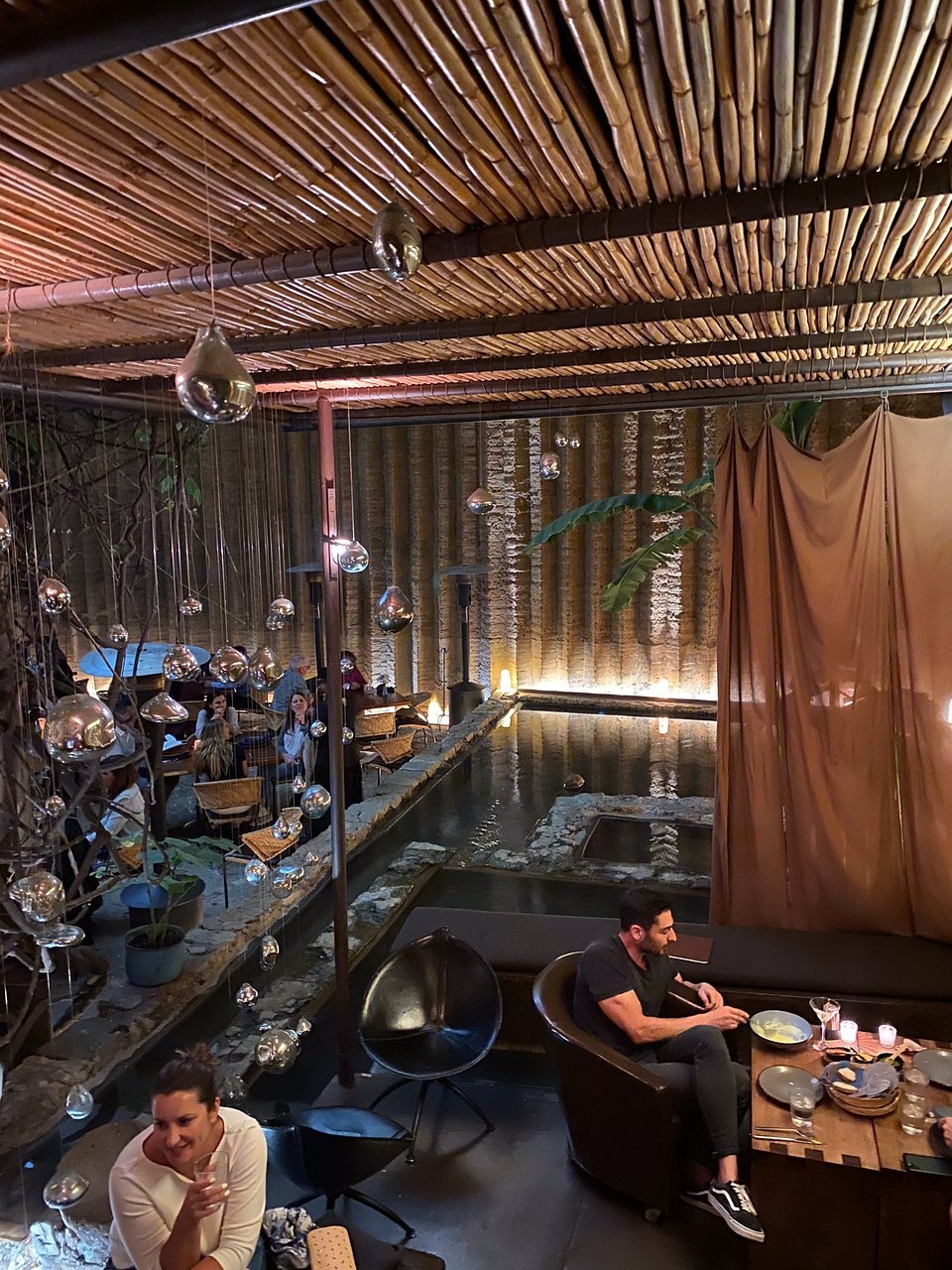
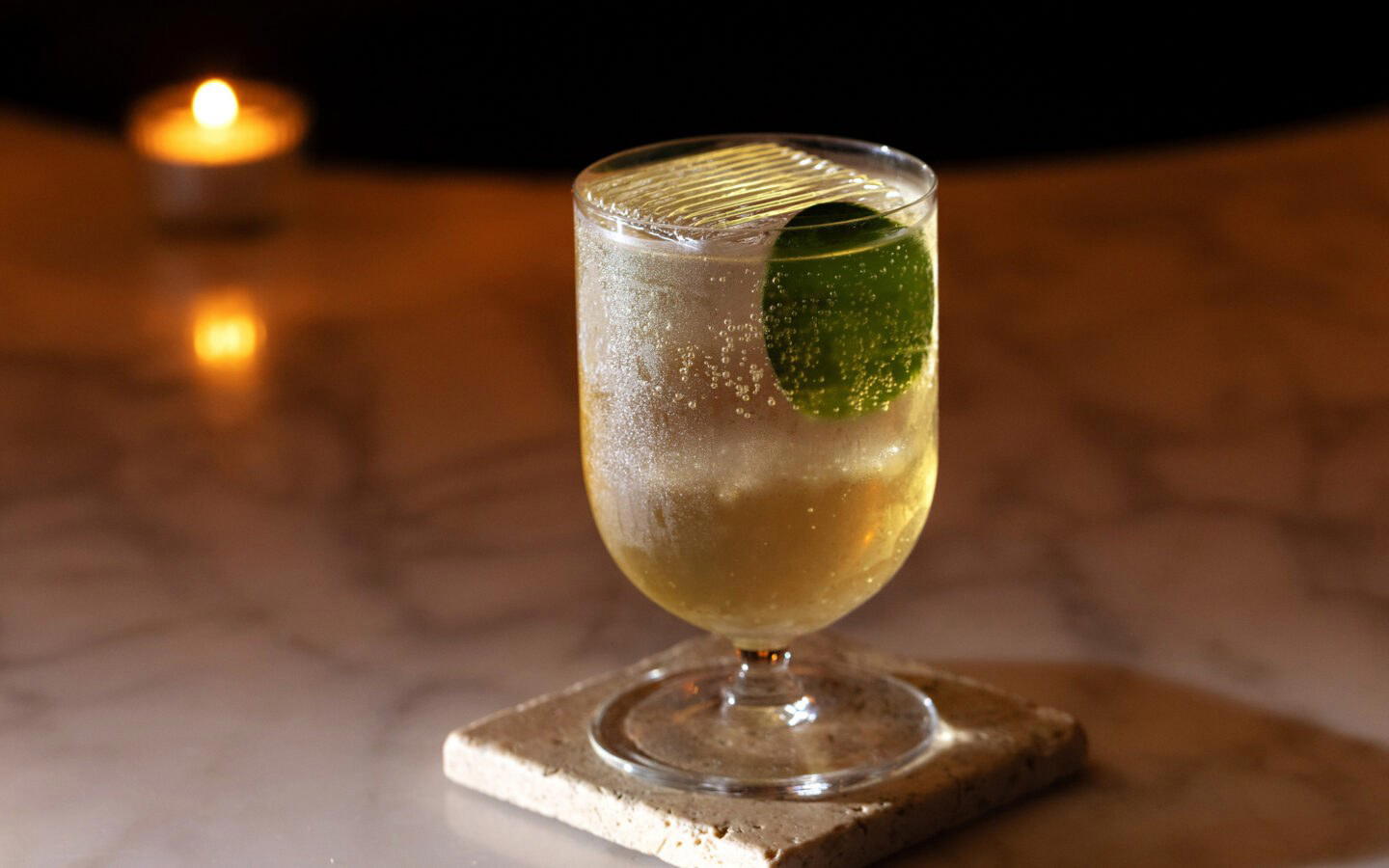
Sabina Sabe positions itself where Oaxacan mezcal culture and precise bartending converge. Set in Centro Histórico amid colonial facades, the bar reads as rooted in place while operating at a high technical level: bartenders treat mezcal as a structural base and build cocktails with regional chiles, heirloom corn derivatives and fermented traditions. Industry accolades and strong public ratings back a programme that values repetition and editorial intent. The result is a refined, place-driven bar experience that balances the historic texture of Oaxaca's old city with contemporary cocktail craft, offering an attentive, sophisticated evening out rather than casual bar fare.
Best For
This is a drinks-first destination for people who care about mezcal and technique. It suits couples and small groups looking for an elevated, intimate evening and guests seeking serious cocktails after work or later in the night. The focus is on crafted mezcal expressions rather than broad, casual tap lists, so visits skew toward tasting and conversation. Given the bar’s reputation and concentrated cocktail program, it’s less about loud nightlife and more about tasting thoughtful, locally anchored drinks—ideal for date nights, focused social evenings and cocktail-oriented outings.
Ordering Tips
Lean into the bar’s mezcal-forward approach. Ask bartenders to explain how they use indigenous ingredients—endemic chiles, heirloom corn derivatives, regional herbs and fermented preparations—so you can choose cocktails that showcase those elements. Request the team’s interpretation of mezcal as a base and ask about the agave or region behind a bottle when you want provenance. Because the programme emphasizes technique and editorial intent, let staff guide you toward signature cocktails that translate local traditions into contemporary forms rather than defaulting to straightforward pours.
Venue details
Ambiance
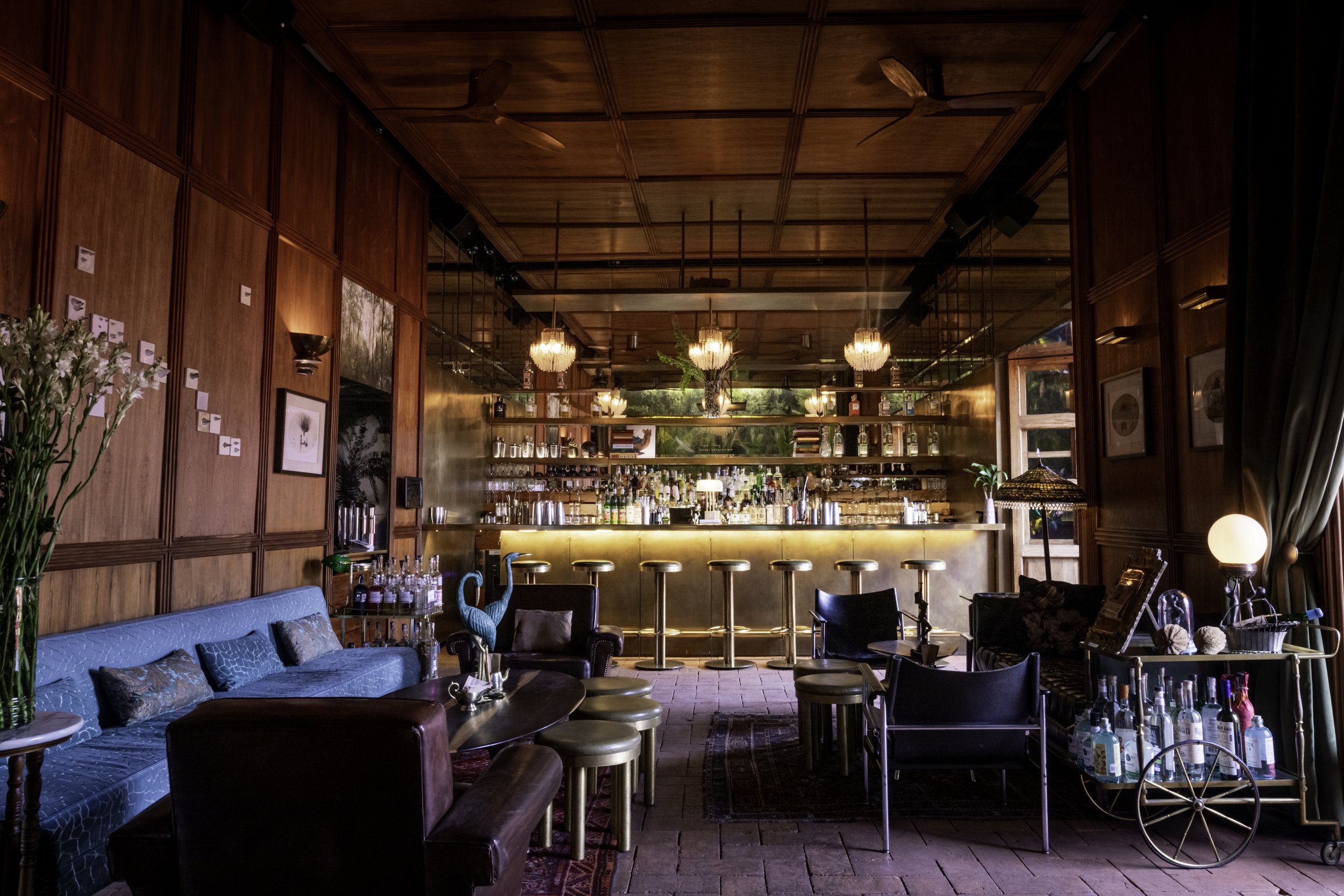
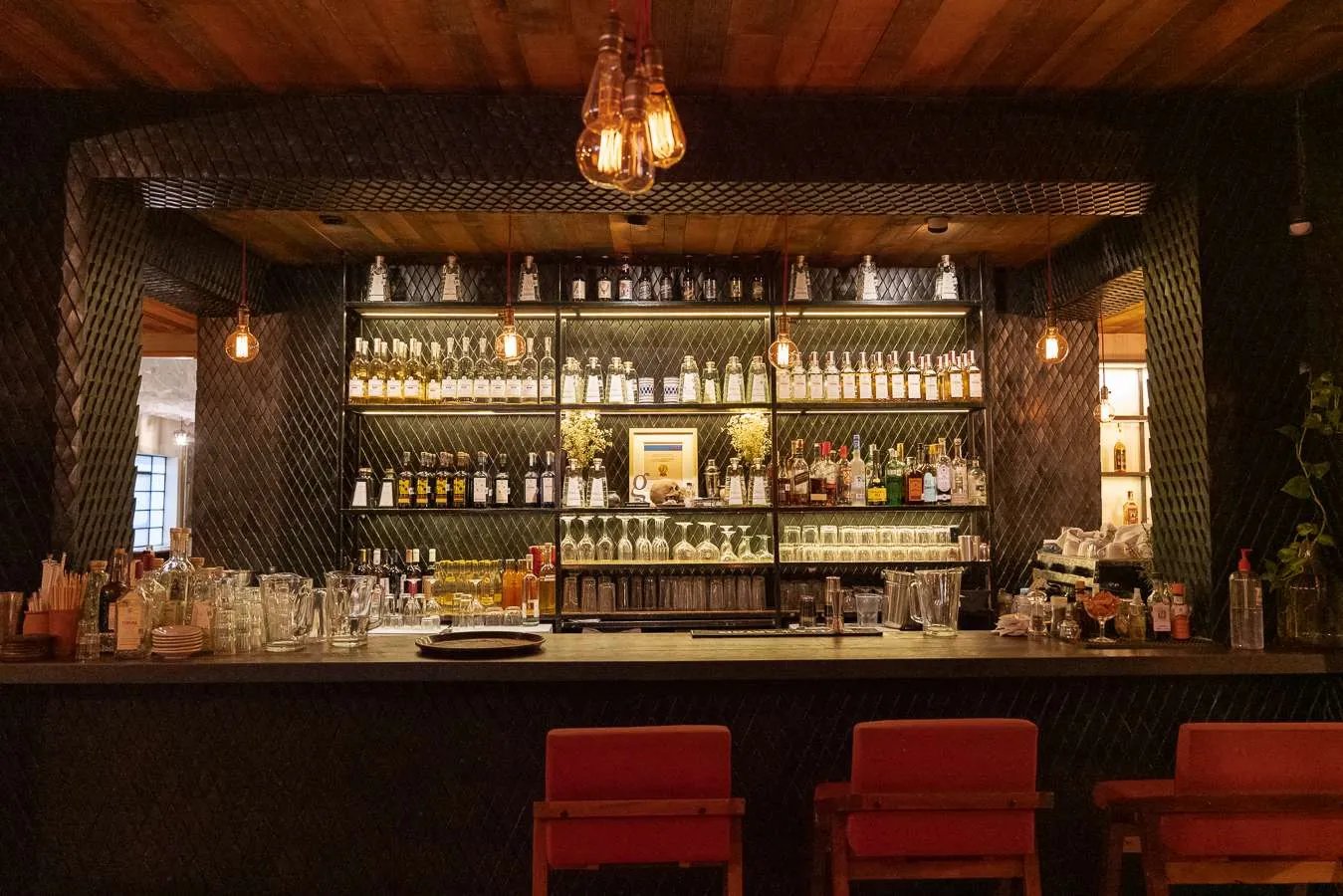
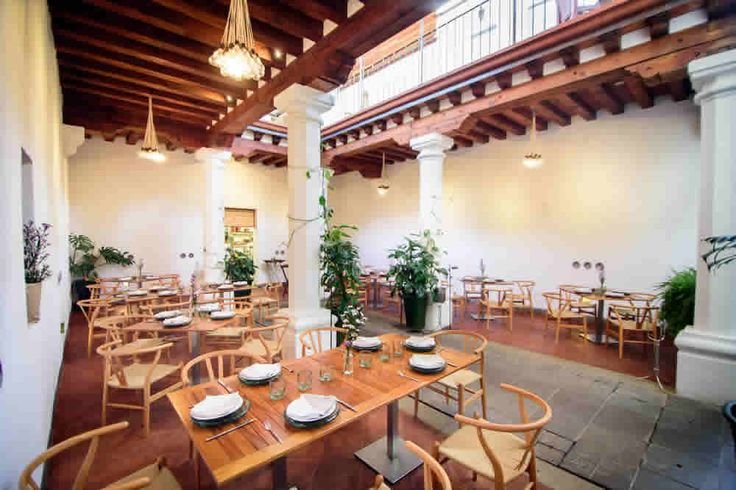
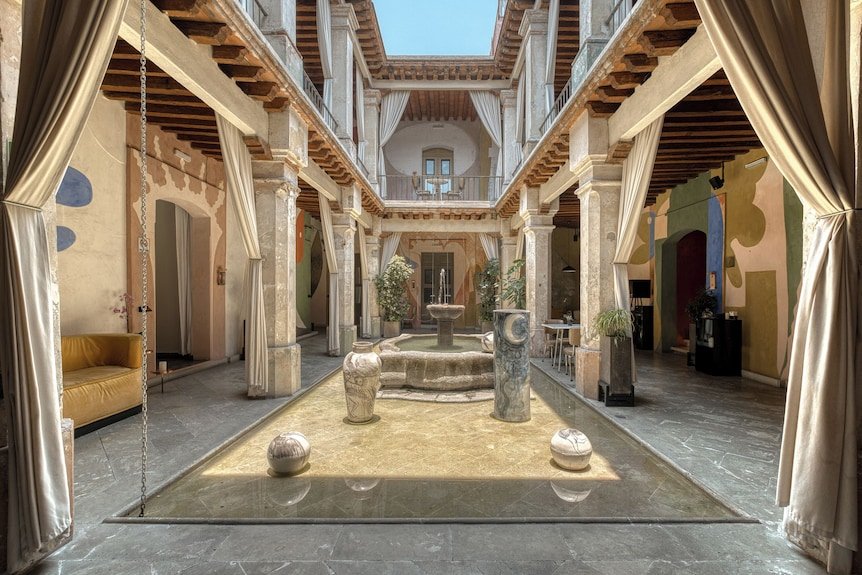
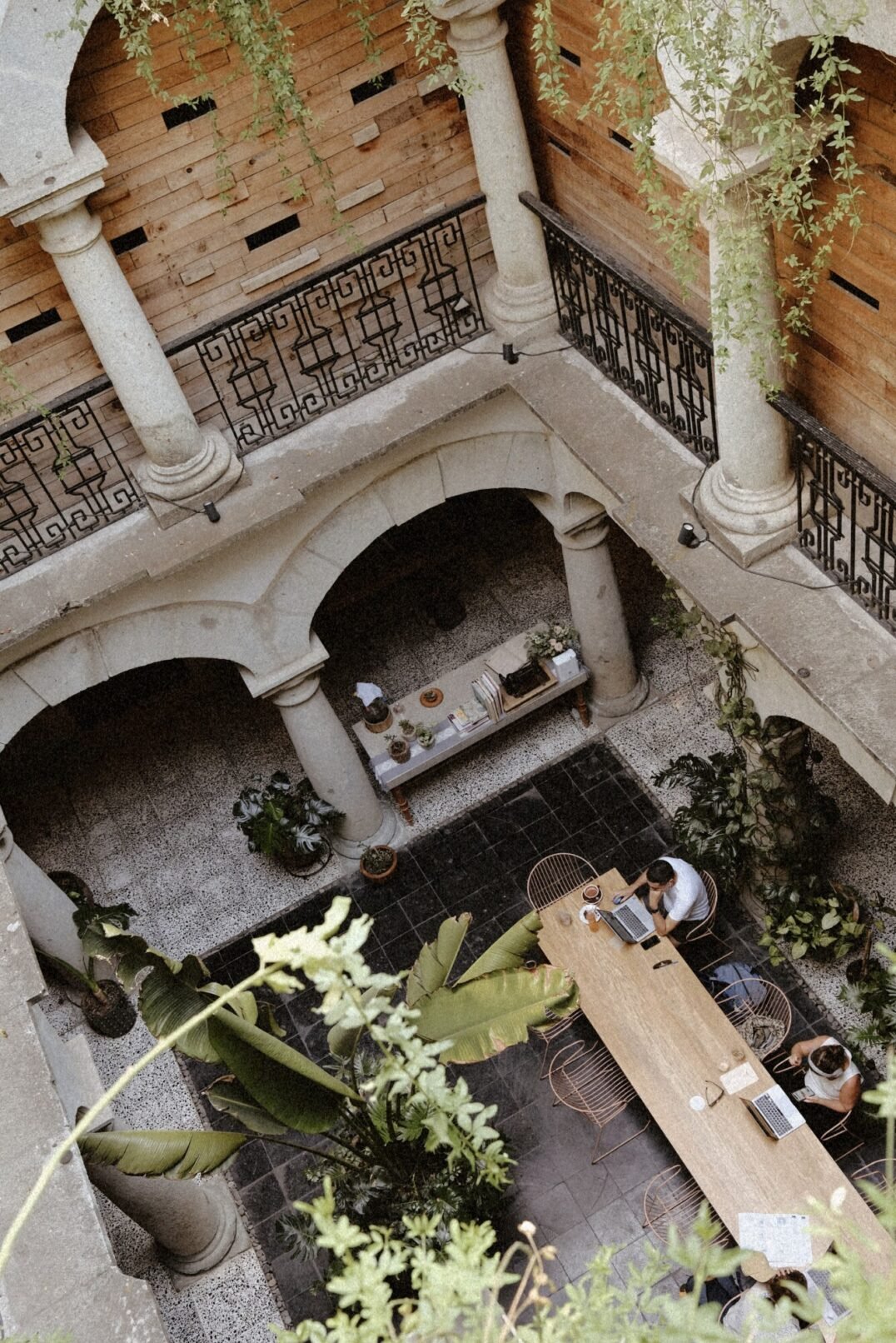
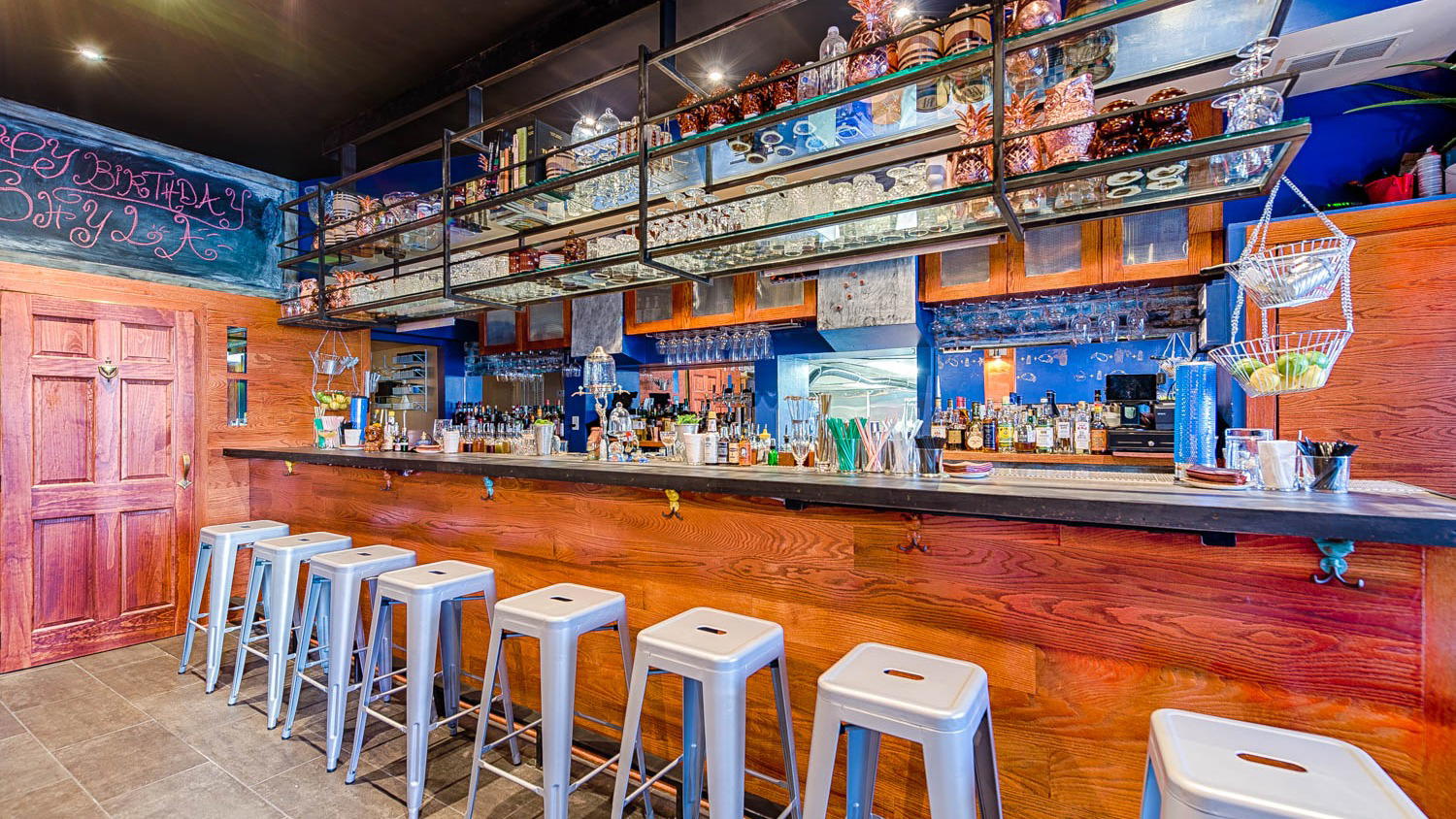
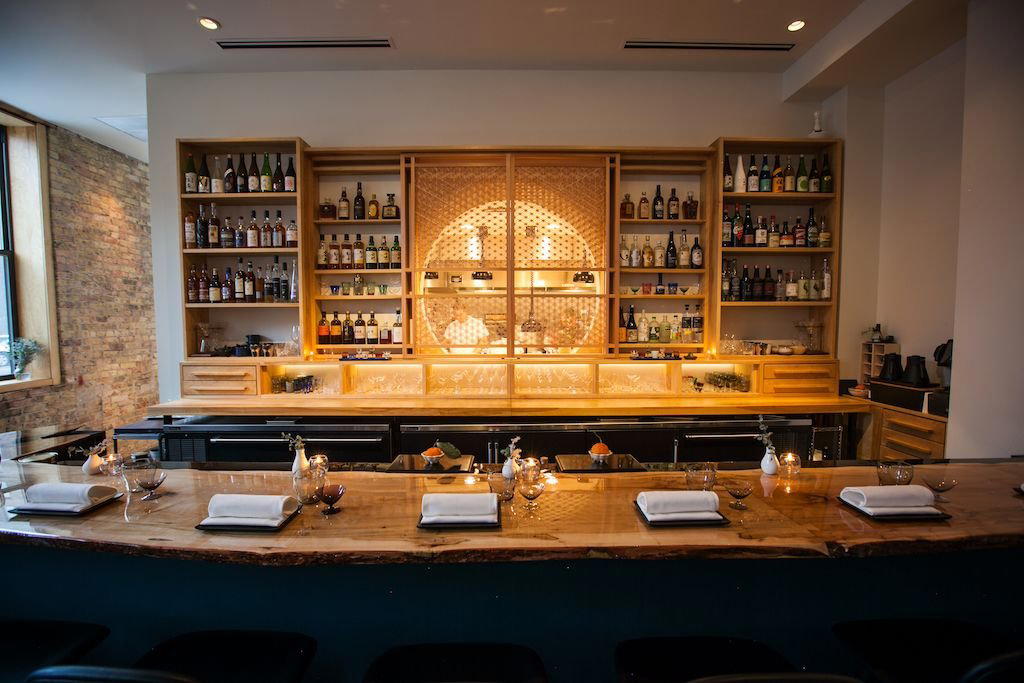
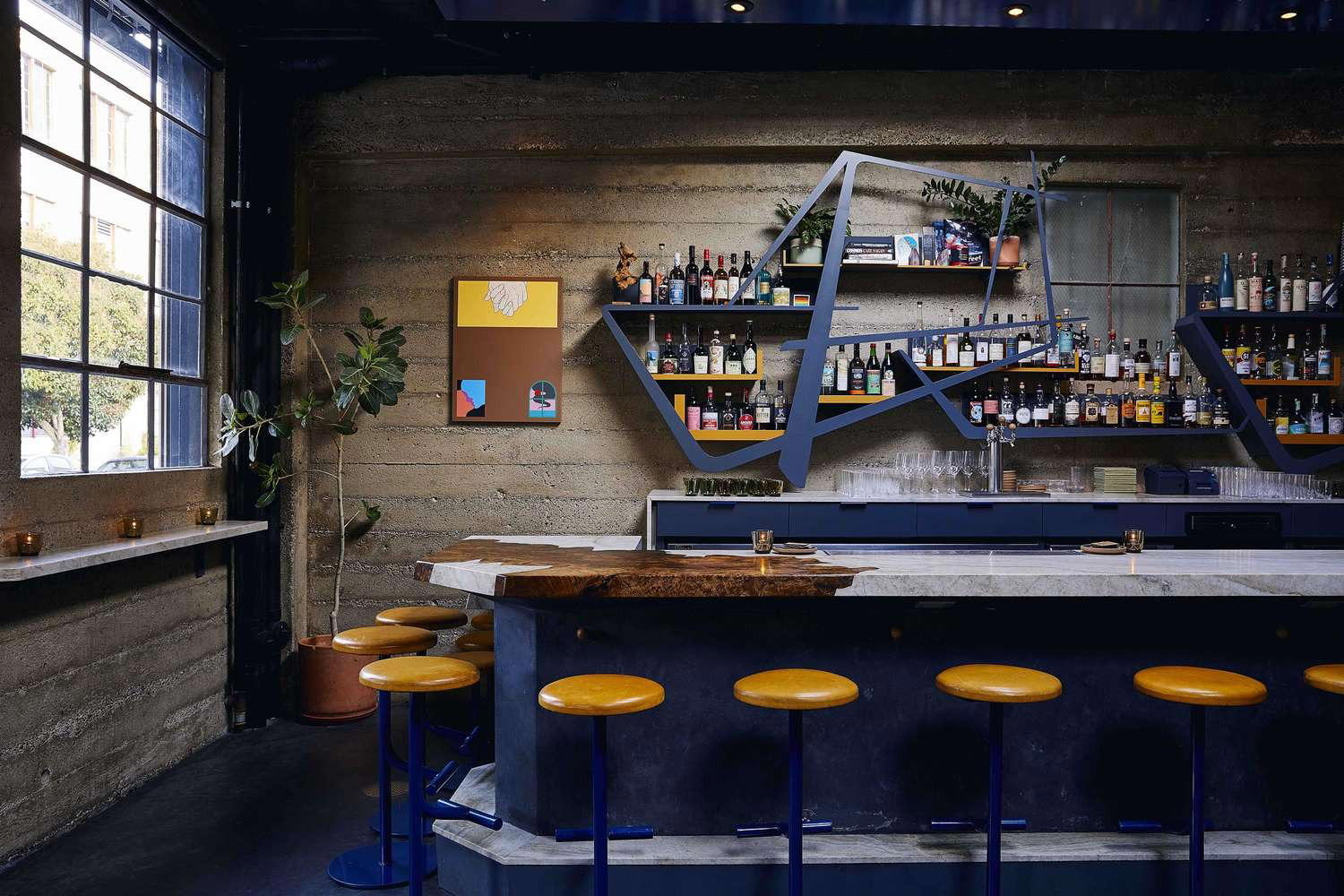
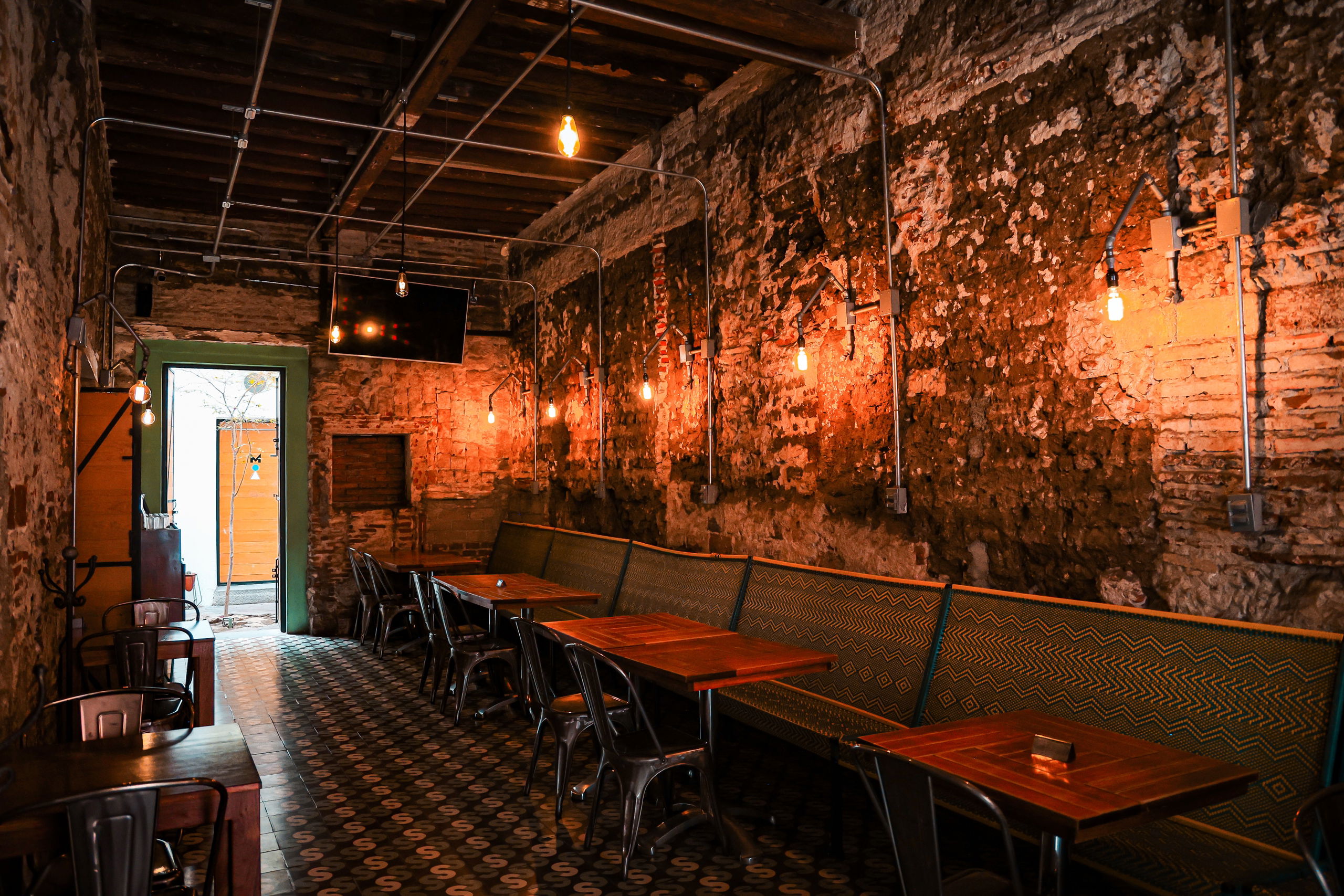
Laid-back and atmospheric with vintage decor, high ceilings in a historic old building, comfortable and down-to-earth with warm lighting that creates an inviting, cozy environment.
Tags
Vibe
Best For
Experience
Format
At the Bar
- Bar Category
- Mezcaleria
- Late Night
- Closes by Midnight
- Music
- Curated Playlist Creating Laid Back Oaxacan Atmosphere
Signature Pours
Micky Miguel Miguelito
Know before you go
Know Before You Go
- Getting there
- 5 de Mayo 209, RUTA INDEPENDENCIA, Centro, 68000 Oaxaca de Juárez, Oax.
Planning details
Location
5 de Mayo 209, RUTA INDEPENDENCIA, Centro, 68000 Oaxaca de Juárez, Oax. · Directions

Also consider
Where to Go If You Can't Get In
Pick In Situ Mezcalería if the night is about mezcal first and cocktails second. It is the more focused alternative for drinkers who want Oaxaca's agave culture without needing a louder cocktail-bar setting.
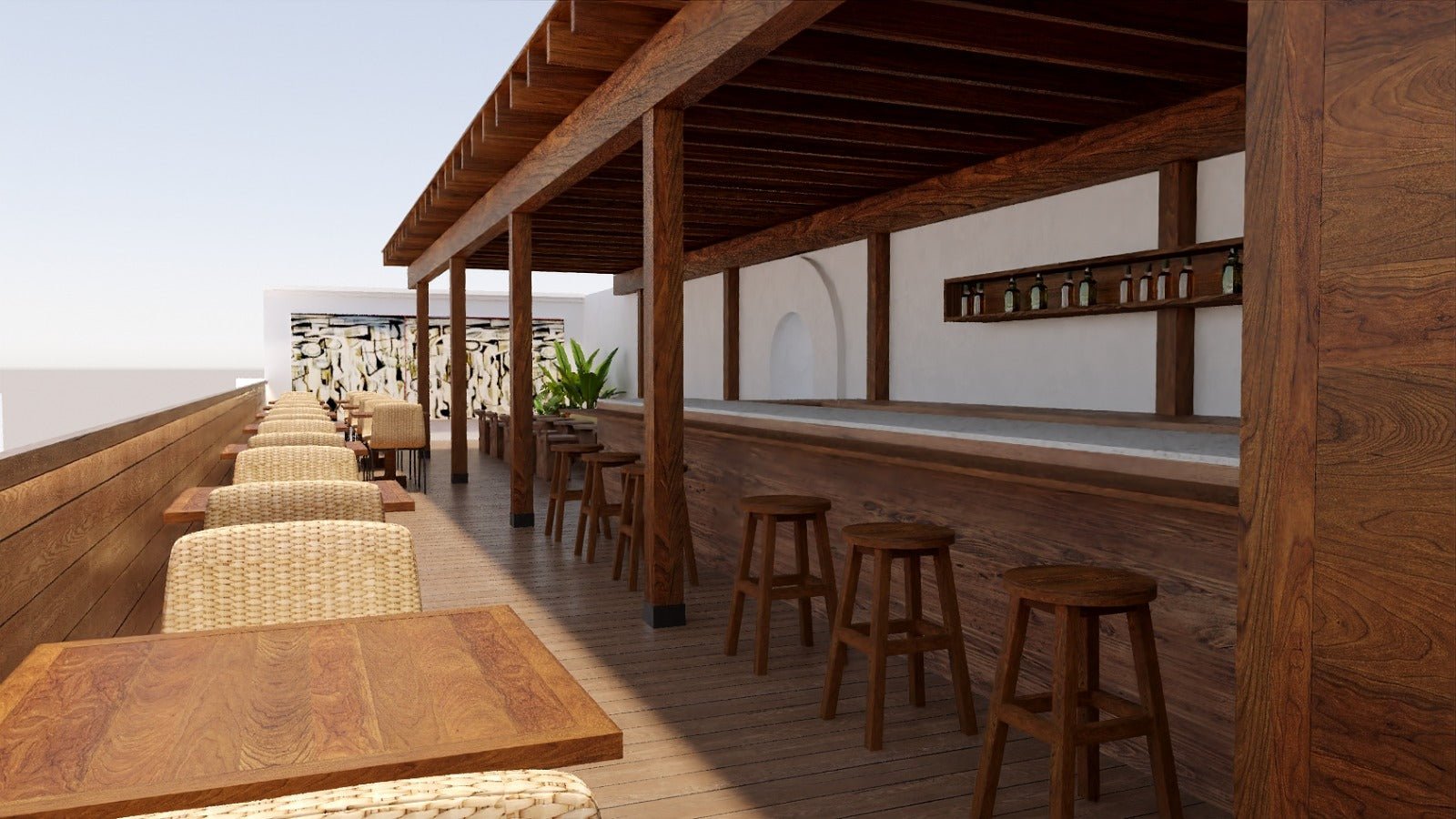
Choose Amá Terraza when the group wants a lighter, more scenic first drink, or Otro Bar when flexibility matters more than chasing a recognized name.
Bar context
How It Compares
Sabina Sabe is the stronger pick for a first Oaxaca cocktail-bar night, especially if agave drinks are the point and international bar recognition matters. In Situ Mezcalería is better for drinkers who want a more focused mezcal experience, while Selva is the safer cross-shop when the brief is style, date-night energy, and a more design-led room.
For ambiance over drink-program seriousness, Amá Terraza is the easier recommendation, especially for an early drink with a more open-air feel. Muss Café is better when the plan is casual and lower-commitment, while Otro Bar makes sense as a flexible backup if the main issue is getting seated without building the night around one room.
Value here depends less on menu pricing, which is not listed, and more on whether the visitor wants a high-demand, award-recognized Oaxaca bar. If yes, prioritize Sabina Sabe. If the group wants conversation, easier seating, or a less bar-centric stop, cross-shop Amá Terraza, Muss Café, or Otro Bar first.
Explore Oaxaca
Around this place
Discover more on Pearl
Unlock the full Sabina Sabe guide in Pearl, including awards, comparisons, FAQs, planning details, and nearby places.
Compare Sabina Sabe
| Venue | Location | Awards |
|---|---|---|
| Sabina Sabe | Oaxaca | 2025 North America's 50 Best Bars · #54Top 500 Bars 2025 · #1452023 World's 50 North America's Best Bars · #222022 North America's 50 Best Bars · #20 |
| In Situ Mezcalería | Oaxaca | No published awards |
| Selva | Oaxaca | 2026 North America's 50 Best Bars · #432026 Pinnacle Guide2025 North America's 50 Best Bars · #29Top 500 Bars 2025 · #722024 North America's 50 Best Bars · #342023 World's 50 North America's Best Bars · #312022 North America's 50 Best Bars · #22 |
| Amá Terraza | Oaxaca | No published awards |
| Muss Café | Oaxaca | No published awards |
| Otro Bar | Oaxaca | No published awards |

How Sabina Sabe Oaxaca compares with similar nearby venues.
FAQ
Frequently Asked Questions
Is the food good at Sabina Sabe?
Sabina Sabe is a recognized bar in Oaxaca with Top 500 Bars Best Bars #145 (2025) and World's 50 Best North America's Best Bars #20 (2022).
Is Sabina Sabe good for a date?
It can be considered for a casual date in Oaxaca, especially if you want a bar with recognized status. Check current details directly before relying on a specific atmosphere, seating setup, or reservation policy.
What's the crowd like at Sabina Sabe?
Its awards may make it a natural choice for travelers comparing recognized Oaxaca bars, but the current atmosphere should be checked directly.