
Grana B&B
2006700010204, Oaxaca
Hotel in Oaxaca, Mexico
 Book with Pearl
Why go
Grana B&B is a strong Oaxaca choice for travelers who want a calm, design-forward base in Centro rather than a full-service resort setup. The 2025 MICHELIN Guide 1 Key is the trust signal; the tradeoff is that loyalty-program value and large-hotel amenities are not the reason to choose it.
About Grana B&B
Grana B&B is a Oaxaca stay with a clear, limited quality signal: it is listed by the MICHELIN Guide as a 2025 Hotels 1 Key property. Beyond that recognition and its Oaxaca location, travelers should confirm practical details directly before booking.
The recommendation is direct: consider it if you want to compare a MICHELIN-recognized B&B in Oaxaca with other stays. For alternative options, cross-shop Casa Oaxaca Hotel, Hotel Azul, Casa de Siete Balcones Hotel Boutique, Casa de las Bugambilias B&B, or Otro Oaxaca.
Why the value is in the hotel-key recognition
The 2025 MICHELIN Guide 1 Key gives Grana B&B a useful quality signal in a city where travelers may be comparing several stays online. That does not automatically make it the right pick for every trip, but it does provide a point of reference when evaluating Oaxaca hotels.
Before committing, check the booking terms, room details, and any stay-specific needs directly with the property. If you are still comparing options Pearl's Oaxaca hotels guide alongside other Oaxaca planning resources.
Who should skip it
For a city-first itinerary, pair the hotel search with Pearl's Oaxaca restaurants guide and other Oaxaca planning resources.
Planning details
- Location
- Labastida 118, RUTA INDEPENDENCIA, Centro, 68000 Oaxaca de Juárez, Oax., Mexico
- Website
- granabnb.com
- Phone
- +52 951 166 0026
The take
The Take
The Vibe
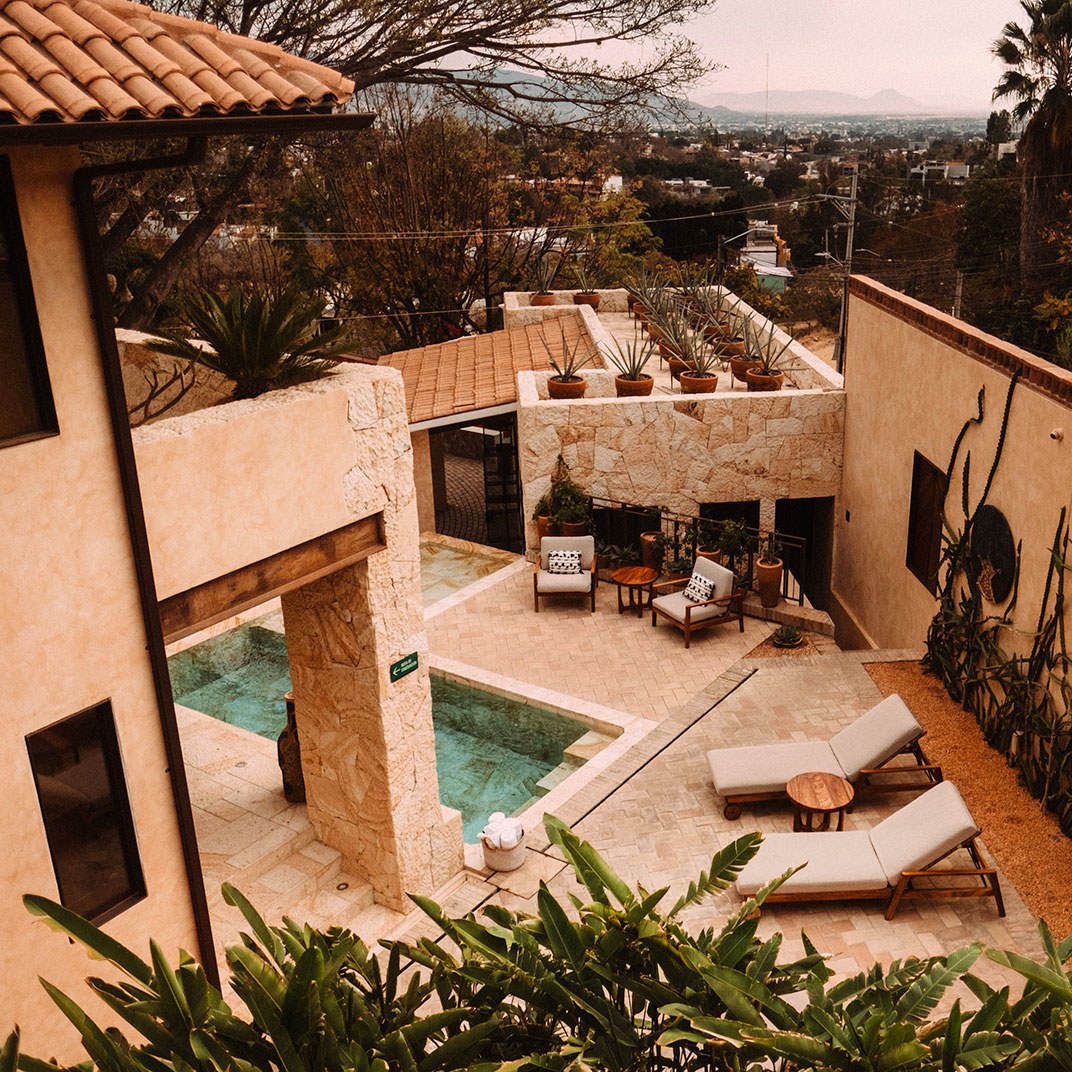
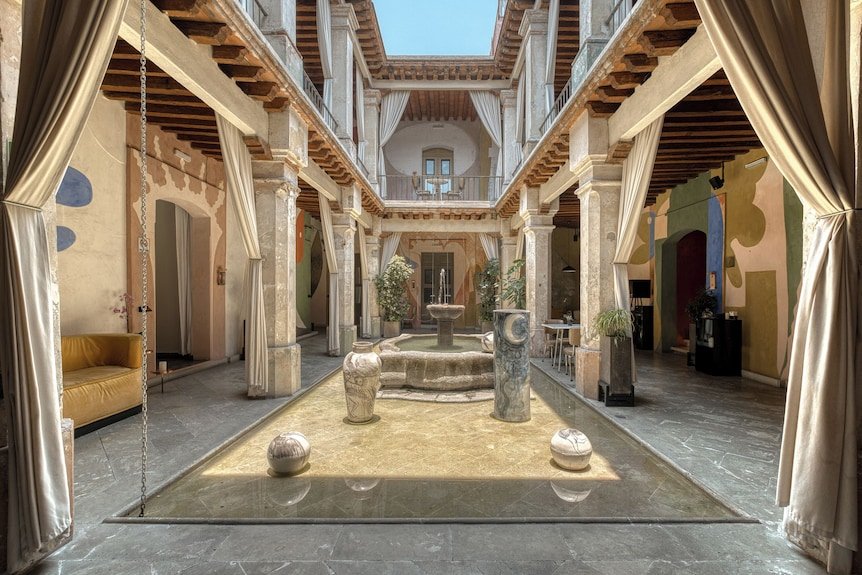
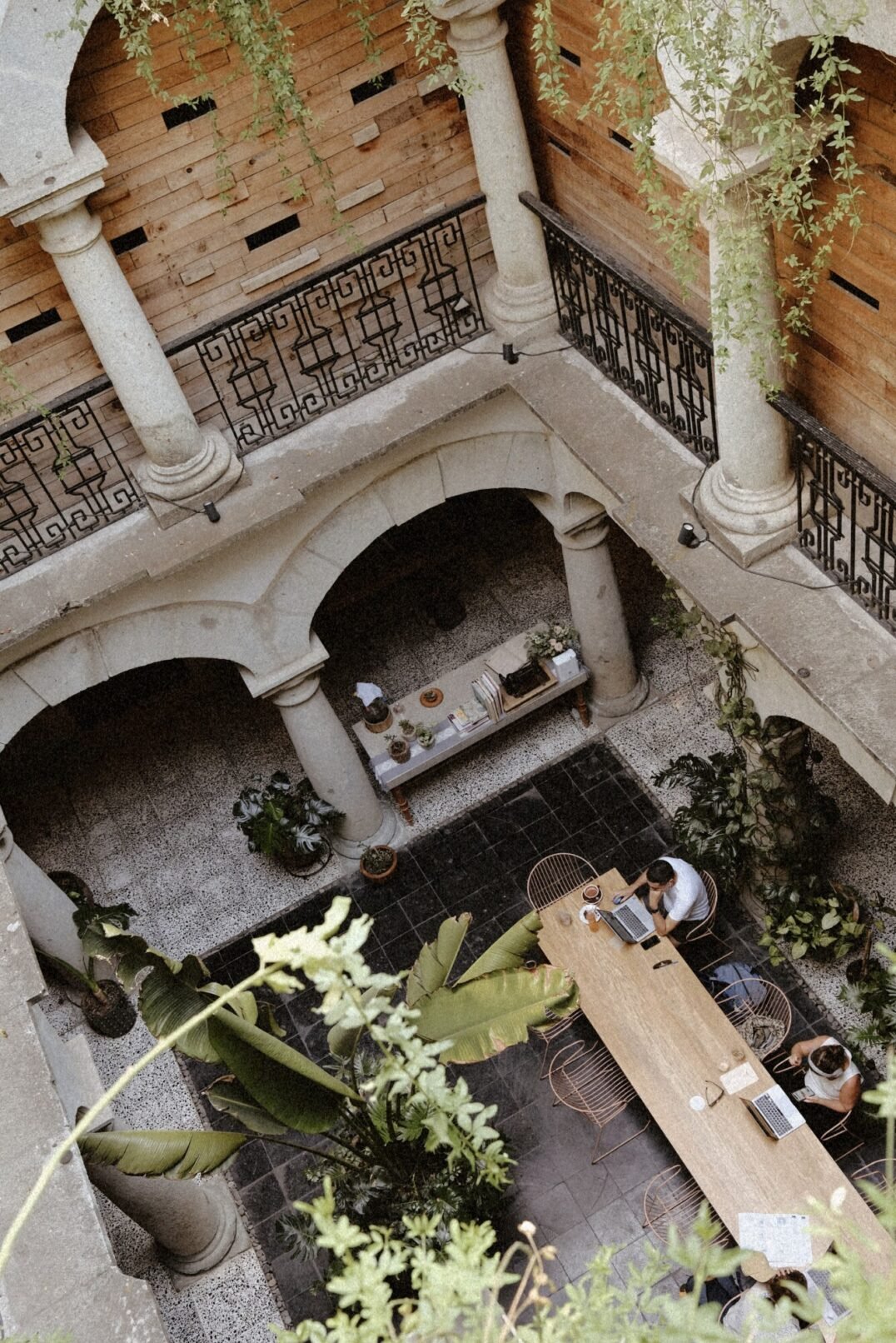
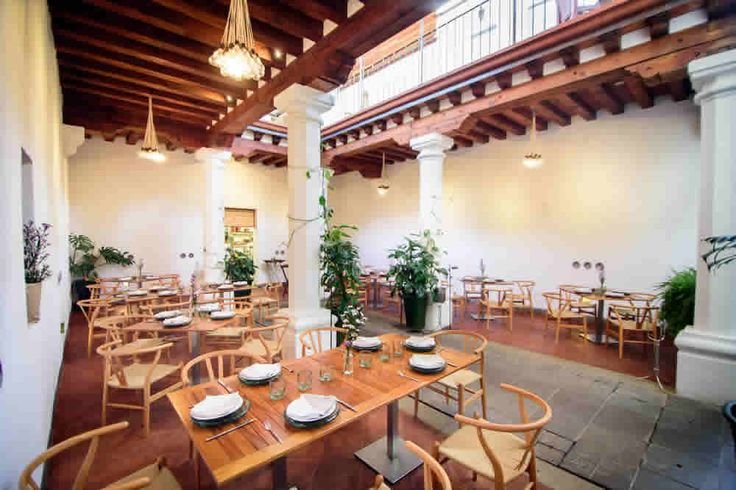
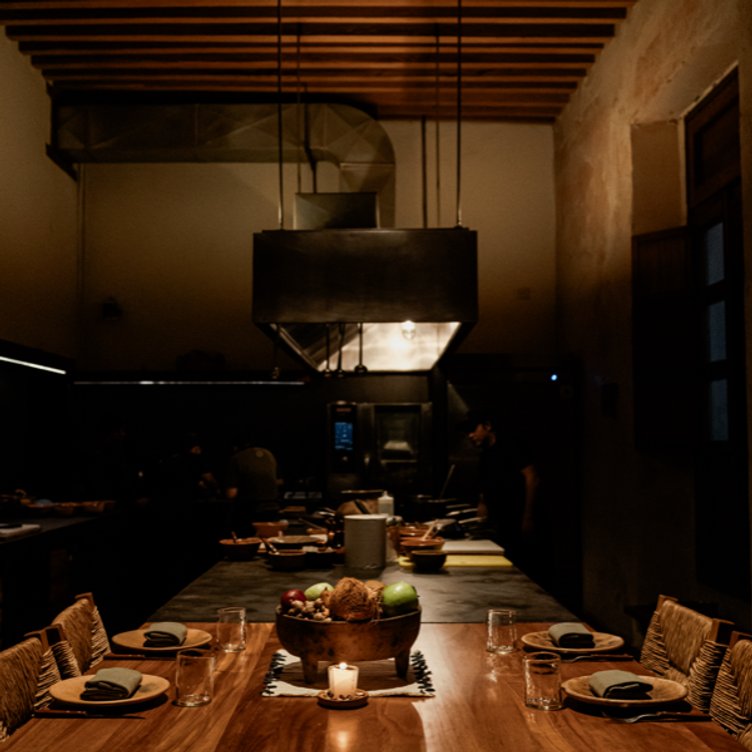
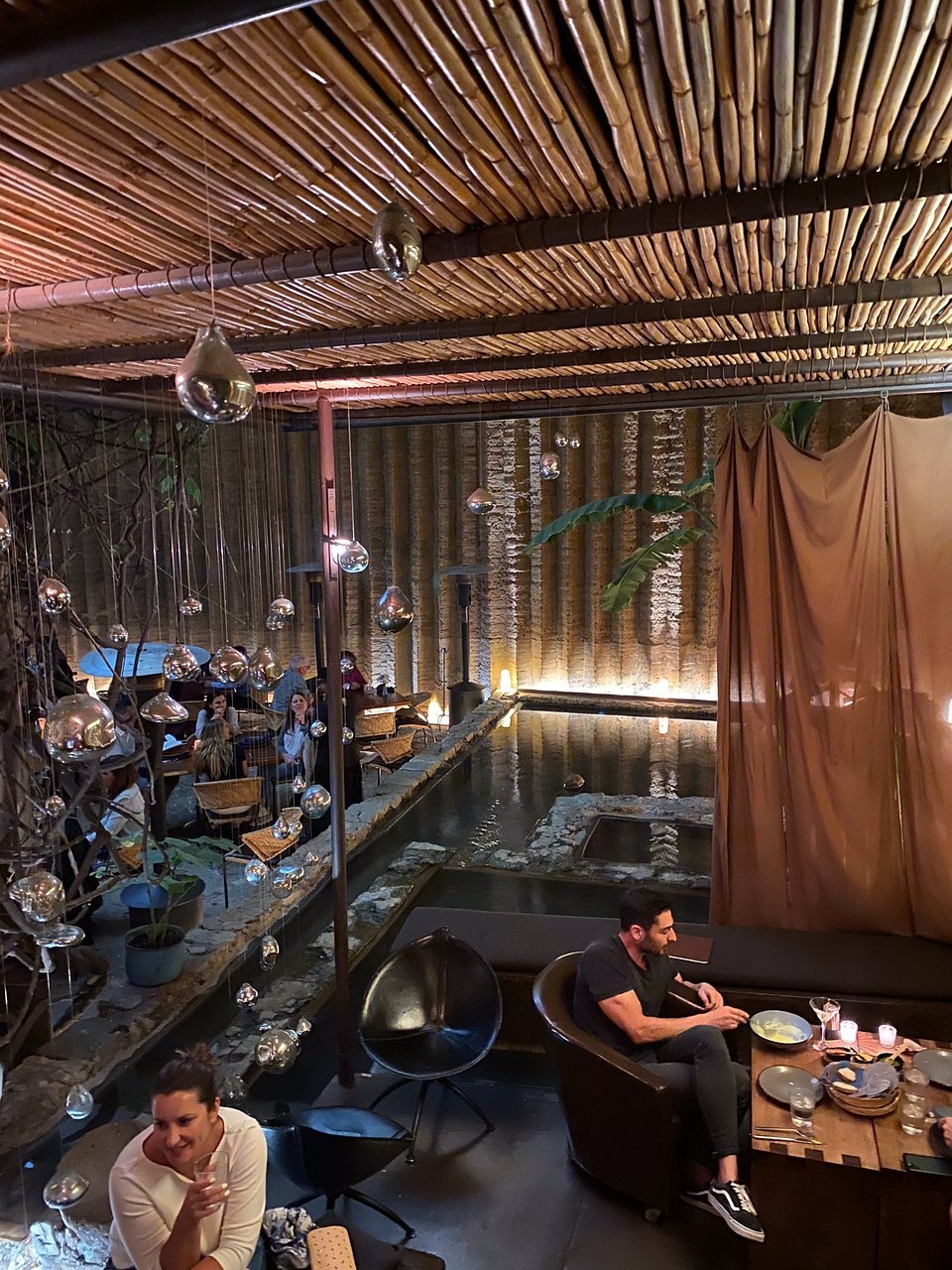
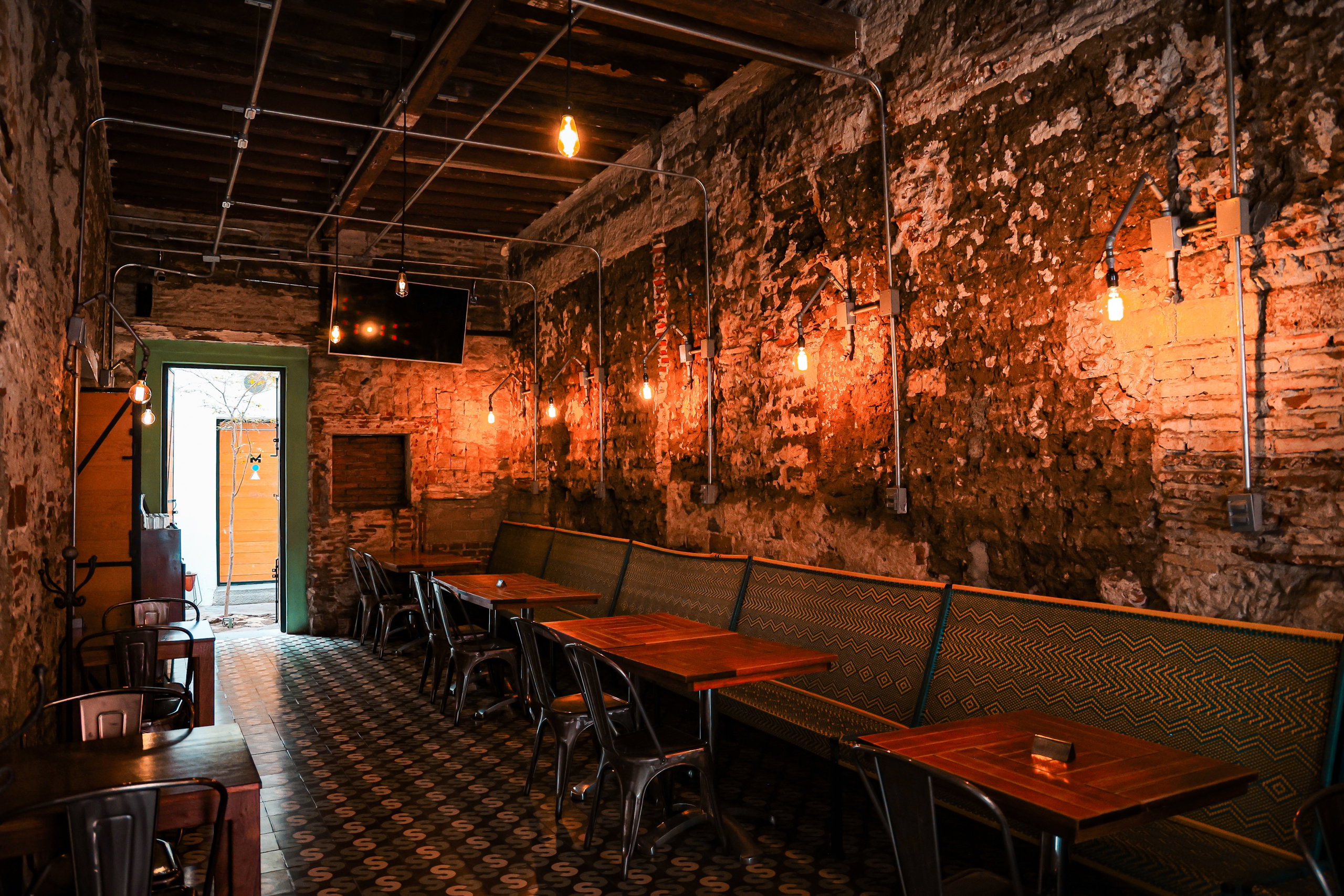
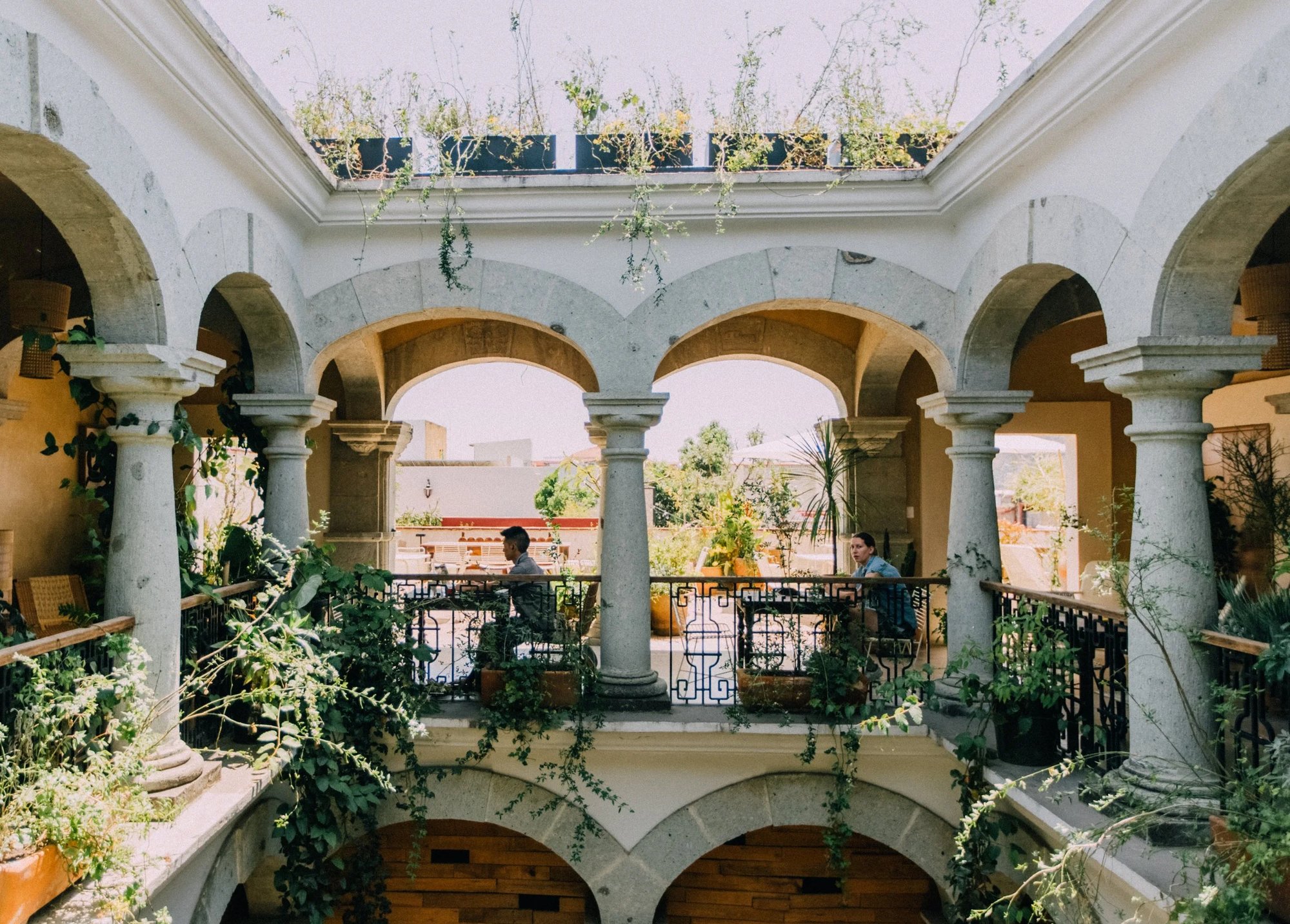
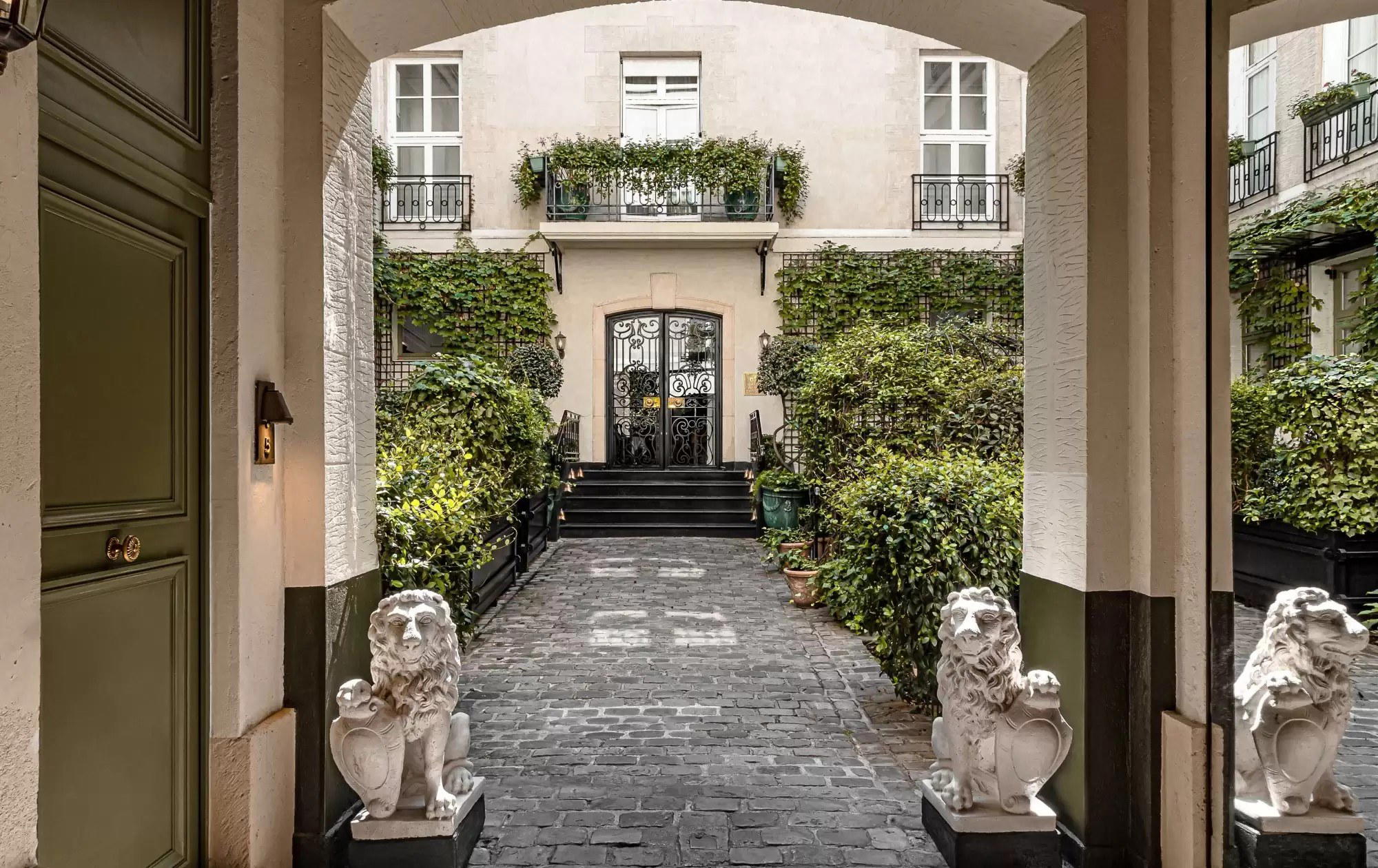
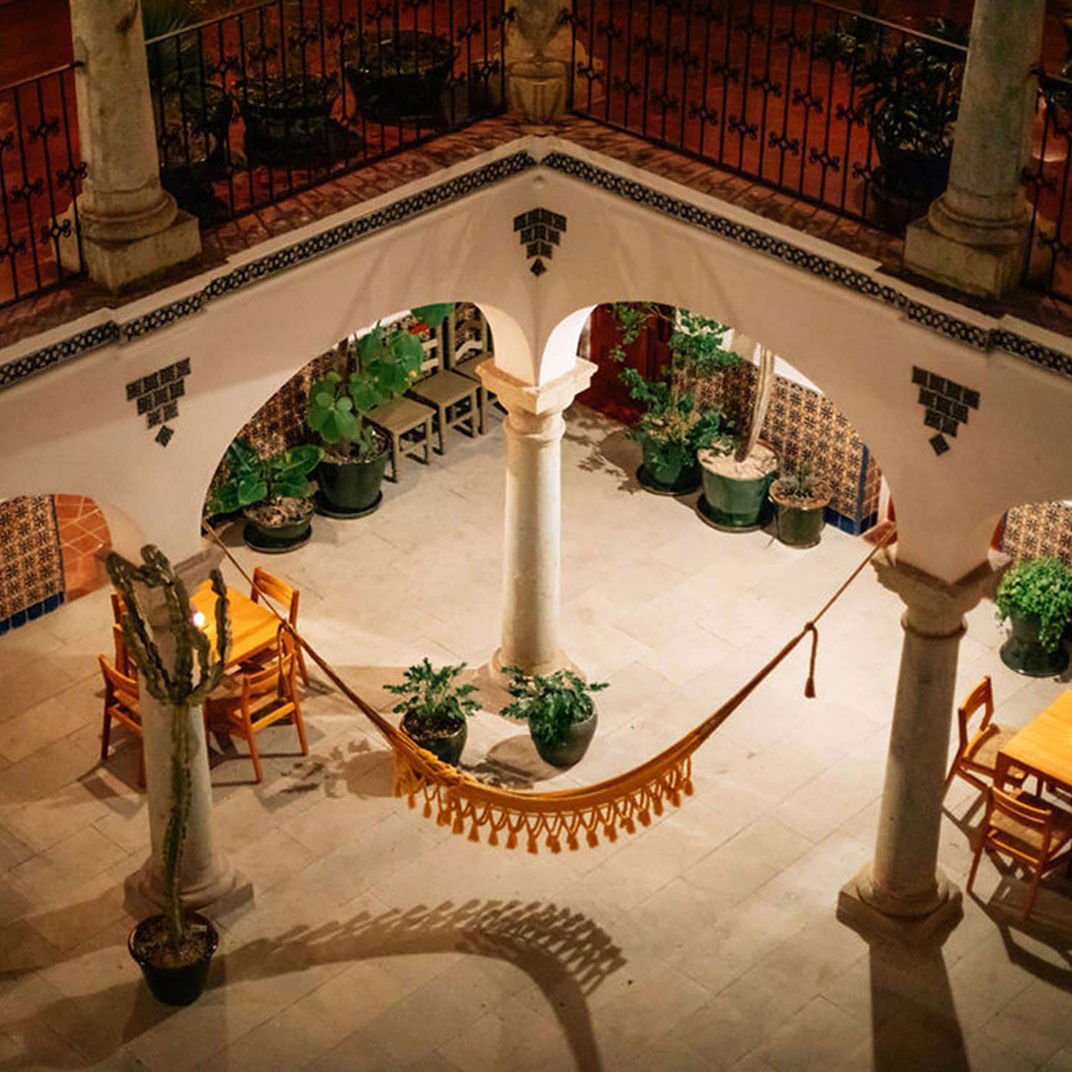
Grana B&B presents a quietly historic, place-driven experience set inside a colonial building in Oaxaca City's Centro Histórico. Thick adobe walls, carved stone doorways and shaded corridors frame an internal courtyard that does much of the atmospheric work; the architecture holds the night's coolness and lends a hushed intimacy to the property. It reads as a small, design-coherent stay rather than a full-service hotel, and Michelin's One Key nod in 2025 underlines the B&B's character and thoughtful preservation of its urban layer. The overall feeling is calm, authentic and quietly refined.
Best For
The B&B suits travelers who want to be immersed in Centro's historic fabric and who prioritize depth of place over broad amenity lists. It is especially apt for romantic getaways and weekend escapes, offering a compact, quietly located base with easy walking access to the Templo de Santo Domingo and Mercado 20 de Noviembre. Guests who appreciate architecture, intimate scale and a room-focused hospitality model find this kind of independent lodging most rewarding; it rewards those who plan to explore the neighbourhood on foot rather than rely on on-site facilities.
Venue details
Ambiance
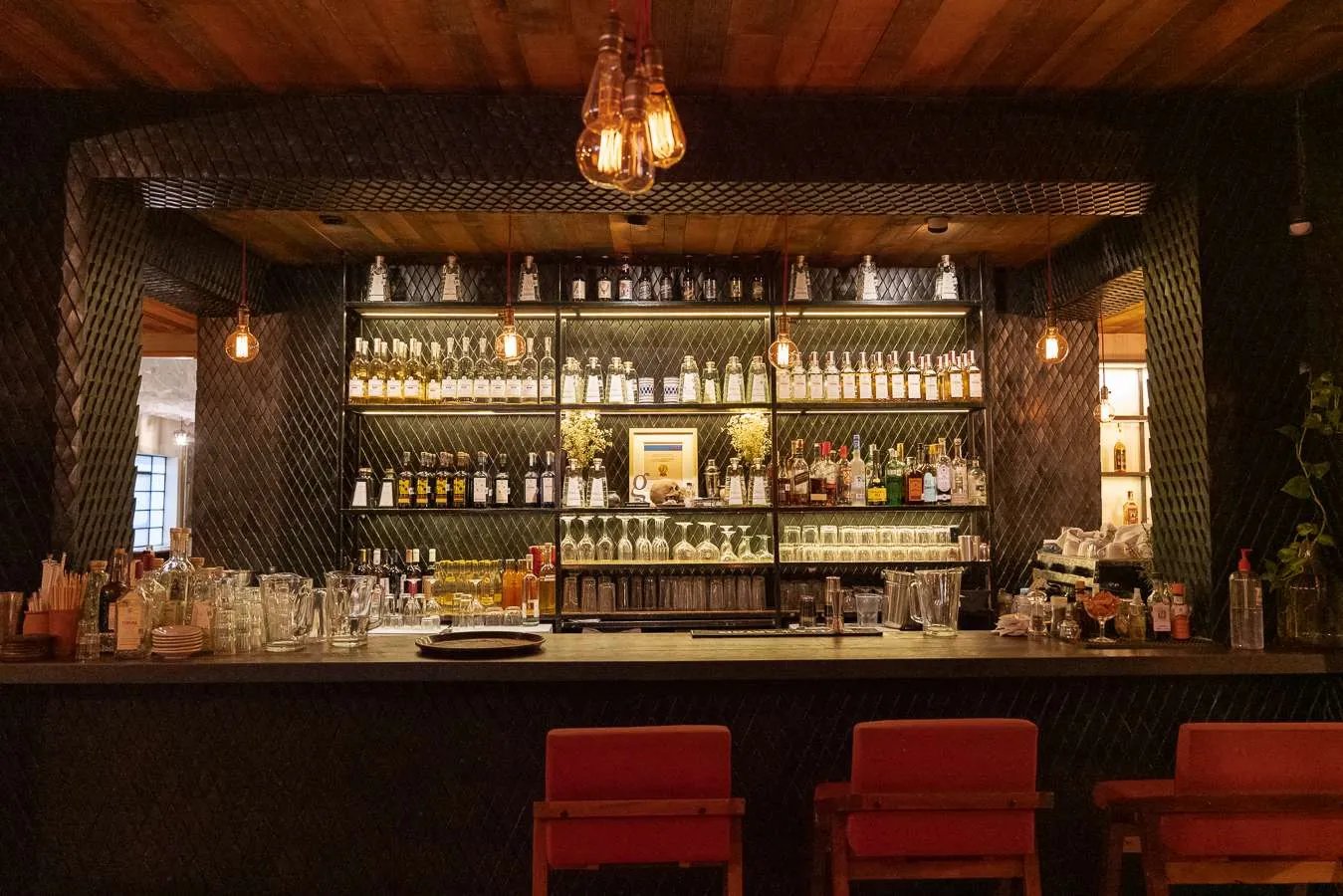
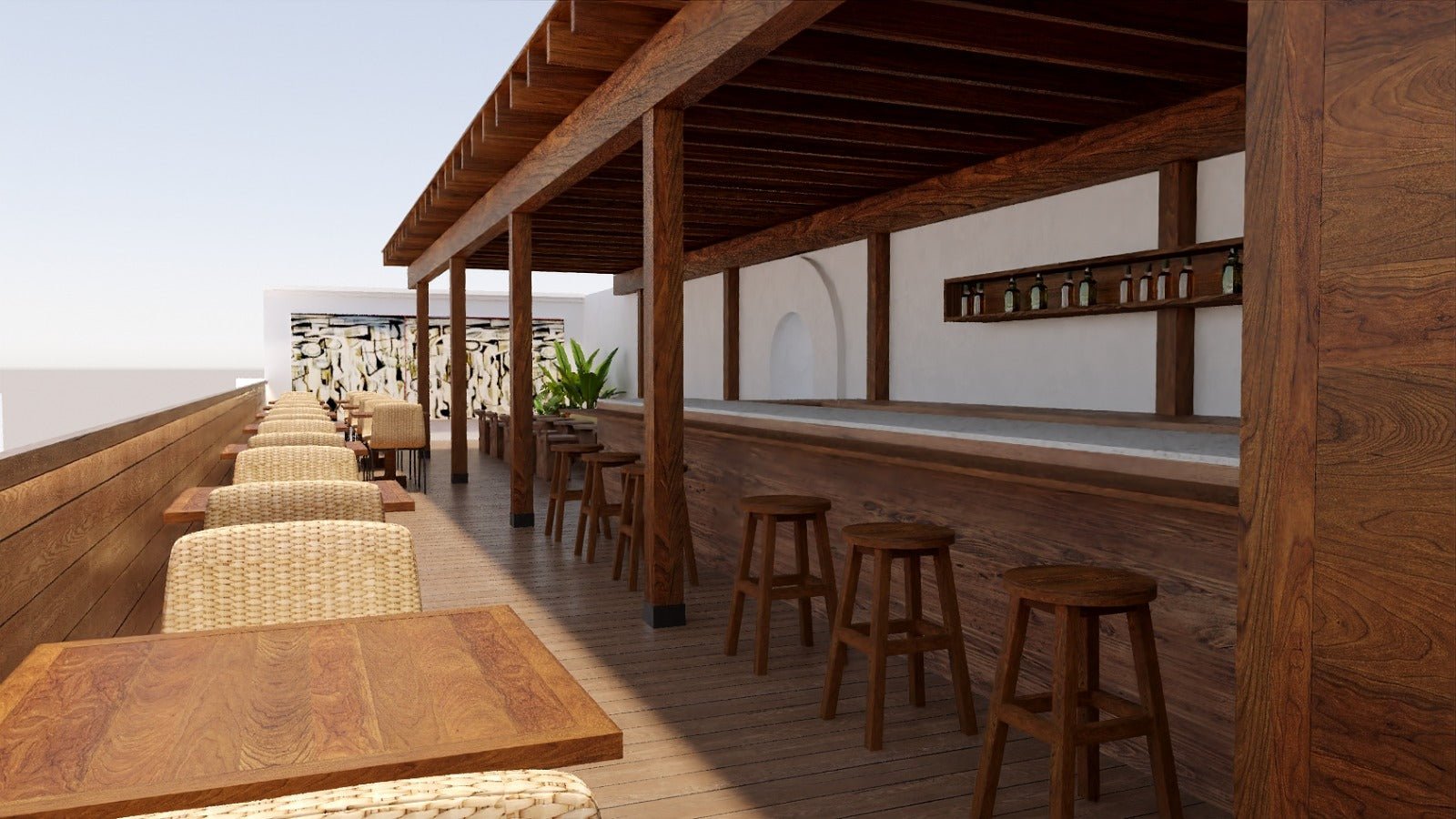
Tranquil central courtyard and rooftop terrace with city and mountain views, fostering a warm, lively yet relaxed atmosphere.
Tags
Vibe
Best For
Experience
Amenities
View
Accessibility
About the Stay
- Rooms
- 15
- Check-in
- 15:00
- Check-out
- 12:00
- Property Type
- Boutique hotel
- Property Style
- Historic 18th Century Residence with Modern Updates
- Design Style
- Eclectic Contemporary Mixing Traditional Craft and Modern Elements
- Breakfast
- Included
- Airport Transfer
- Available
- Pets
- Allowed
Know before you go
Know Before You Go
- Getting there
- Labastida 118, RUTA INDEPENDENCIA, Centro, 68000 Oaxaca de Juárez, Oax., Mexico
Planning details
Location
Labastida 118, RUTA INDEPENDENCIA, Centro, 68000 Oaxaca de Juárez, Oax., Mexico · Directions
Recognition and awards
Also consider
Also Consider
- Casa de las Bugambilias B&B, Notable alternative
- Casa de Siete Balcones Hotel Boutique, Notable alternative
- Casa Oaxaca Hotel, Notable alternative
- Otro Oaxaca, Notable alternative
- Hotel Azul, Notable alternative
Hotel context
How Grana B&B compares in Oaxaca
Grana B&B; is the safer pick for travelers who want a small, design-led Centro stay with outside recognition attached. Compared with Casa de las Bugambilias B&B; and Casa de Siete Balcones Hotel Boutique, it is the more compelling choice if the decision comes down to confidence in quality rather than chasing the lowest rate.
Casa Oaxaca Hotel is the better cross-shop for travelers who want a more established boutique-hotel feel and may care more about hospitality polish than a B&B; format. Otro Oaxaca is the sharper alternative if the trip leans contemporary and scene-aware, while Grana B&B; is better suited to a quieter, lower-key stay.
Hotel Azul should be on the list for travelers who want another central boutique option and more flexibility if Grana B&B; is tight on availability. If the priority is a simple Oaxaca base with a strong quality signal, start with Grana B&B; if the priority is amenities, loyalty value, or a larger operation, widen the search before committing.
Explore Oaxaca
Around this place
Discover more on Pearl
Unlock the full Grana B&B guide in Pearl, including awards, comparisons, FAQs, planning details, and nearby places.
Compare Grana B&B
| Venue | Location | Awards |
|---|---|---|
| Grana B&B | Oaxaca | 2026 Michelin 1 KeyMichelin 1 Key 20252025 Michelin 1 Key |
| Casa de las Bugambilias B&B | Oaxaca | No published awards |
| Casa de Siete Balcones Hotel Boutique | Oaxaca | No published awards |
| Casa Oaxaca Hotel | Oaxaca | No published awards |
| Otro Oaxaca | Oaxaca | No published awards |
| Hotel Azul | Oaxaca | No published awards |

How Grana B&B Oaxaca compares with similar nearby venues.
FAQ
Frequently Asked Questions
How does Grana B&B compare to other Oaxaca hotels?
Grana B&B is a Oaxaca option with a confirmed 2025 MICHELIN Guide 1 Key. When comparing it with Casa de las Bugambilias B&B, Otro Oaxaca, Casa de Siete Balcones Hotel Boutique, Casa Oaxaca Hotel, or Hotel Azul, use the 1 Key as one signal and confirm the practical stay details that matter to you directly.
Is Grana B&B family-friendly?
Families should confirm their needs directly with Grana B&B before booking and compare it with other options such as Casa Oaxaca Hotel if they are still deciding.
What is check-in like at Grana B&B?
Confirm those details with Grana B&B before you go, especially if you are arriving early or need help with arrival planning in Oaxaca.
How is the pool and spa at Grana B&B?
Do loyalty programs work at Grana B&B?
The confirmed recognition is its 2025 MICHELIN Guide 1 Key, so travelers who care about points or elite benefits should verify booking options directly and compare hotels side by side.