

Bar in Oakland, United States
Snail Bar
100Pearl PointsWine-Led, Not Dinner-Led

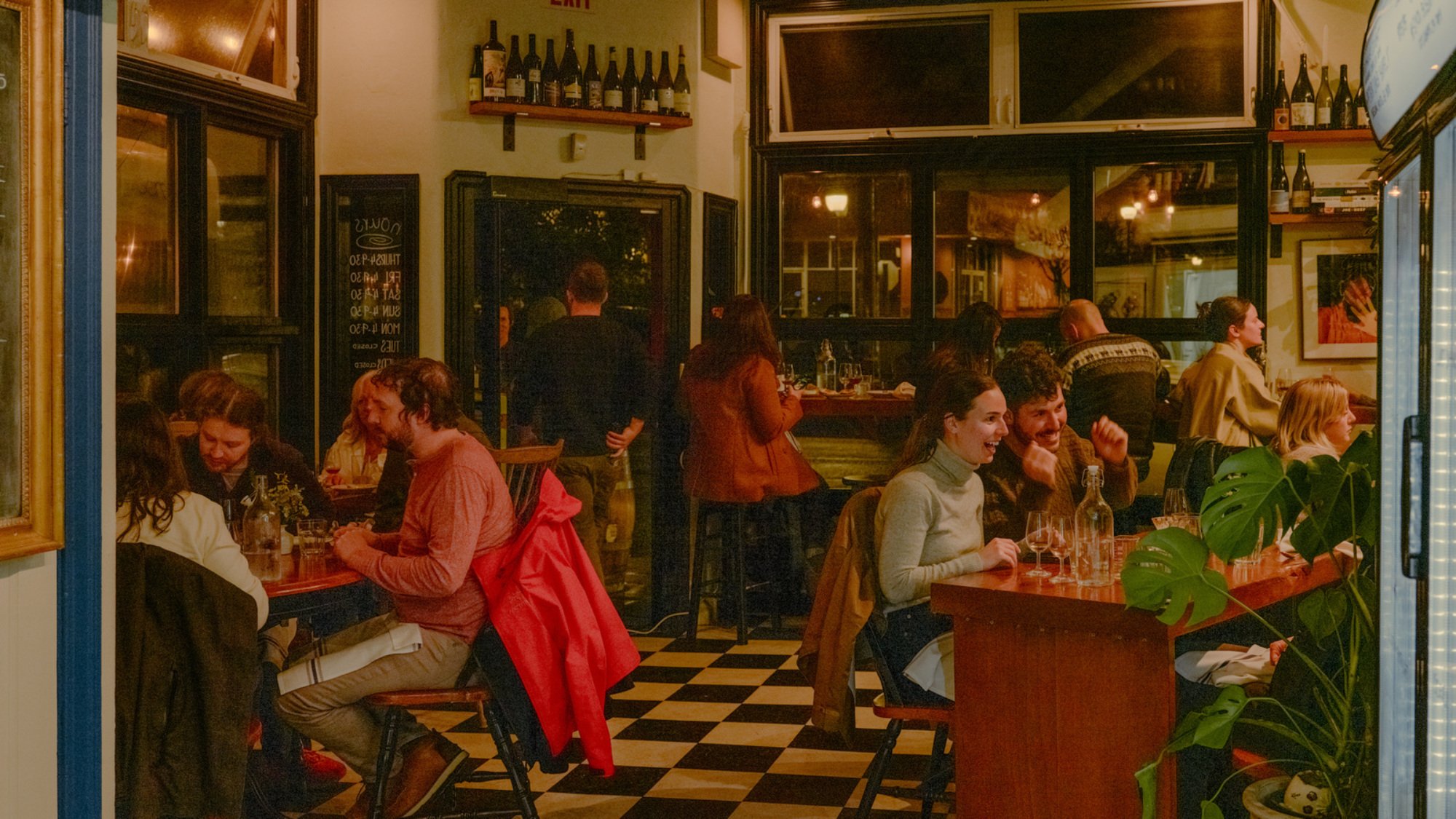
About Snail Bar
Snail Bar is worth considering when the night is wine-led and the food needs to be taken seriously, especially for a date or small celebration in Oakland. Choose Belotti Ristorante E Bottega or Pizzaiolo instead if the group wants a more conventional full dinner format.
For Snail Bar in Oakland, the verified picture is concise: it is a casual venue with evening hours on Monday and Friday through Sunday, and it has Star Wine List recognition for 2026. That makes it easiest to place as an Oakland night-out option for people who are interested in that recognition, while leaving details such as menu range, seating style, prices, reservations, and service format unverified here.
Because the confirmed details are limited, the safest way to plan is around what is known. Snail Bar is open Monday 5–9 PM, Friday and Saturday 5–10 PM, and Sunday 5–9 PM; it is closed Tuesday, Wednesday, and Thursday. If the goal is a more clearly defined restaurant meal, Belotti Ristorante E Bottega may be a better comparison point. Pizzaiolo, Ramen Shop, Sideshow Kitchen, and Umami Mart are also useful Oakland reference points depending on the kind of outing you want.
Go for a casual Oakland evening
Snail Bar is best approached as a casual Oakland choice with confirmed evening service on select days. The Star Wine List 2026 recognition is the clearest verified hook, so it is reasonable to frame the visit around that confirmed recognition rather than around unverified claims about a specific menu, chef, seating setup, or dining format.
The main planning question is not whether Snail Bar has a long list of public details to work from; it does not in the verified data here. The question is whether its confirmed schedule and recognition fit your night. If you need a venue with known lunch service, published price expectations, specific dietary details, takeout or delivery information, or a particular seating arrangement, those details are not verified here and should be checked directly before making plans.
Oakland alternatives make the decision sharper
If the plan is built around Snail Bar's confirmed Star Wine List 2026 recognition, it is a natural starting point among Oakland options. If the plan is built around dinner first, our full Oakland restaurants guide is the better starting point. For a broader crawl or pre-dinner stop, use our full Oakland bars guide.
The practical play is to match the visit to the confirmed hours and casual dress code. Snail Bar is open Monday and Sunday from 5–9 PM, and Friday and Saturday from 5–10 PM. It is closed Tuesday through Thursday, so midweek plans need another Oakland option.
Frequently Asked Questions
What's the crowd like at Snail Bar?
The verified details do not specify the crowd. What is confirmed is that Snail Bar is a casual Oakland venue with Star Wine List 2026 recognition and evening hours on Monday, Friday, Saturday, and Sunday.
What's the best time to go to Snail Bar?
Go on Friday or Saturday if you want the latest confirmed hours, since Snail Bar is open 5–10 PM on those nights. Monday and Sunday are 5–9 PM, and Tuesday through Thursday are closed.
Do I need a reservation at Snail Bar?
Reservation requirements are not verified here. Plan around the confirmed hours: Monday 5–9 PM, Friday and Saturday 5–10 PM, Sunday 5–9 PM, and closed Tuesday through Thursday.
Is Snail Bar good for a date?
It can make sense for a casual Oakland evening, especially if Star Wine List recognition is relevant to your plans. Specific details about seating, noise level, or service format are not verified here.
Is the food good at Snail Bar?
Specific food details are not verified here, including cuisine, dishes, menu format, prices, and dietary accommodations. The confirmed planning details are the casual dress code, select evening hours, Oakland location, and Star Wine List 2026 recognition.
Location
4935 Shattuck Ave., Oakland, CA 94609
Oakland, United States
Compare Snail Bar
| Venue | Awards | Booking Difficulty |
|---|---|---|
| Snail Bar | Star Wine List (2026) | Easy |
| Pizzaiolo | Unknown | |
| Umami Mart | Unknown | |
| Belotti Ristorante E Bottega | Unknown | |
| Sideshow Kitchen | Unknown | |
| Ramen Shop | Unknown |
Side-by-side comparison to help you decide where to book.
Also Consider
- Pizzaiolo, Notable alternative
- Umami Mart, Notable alternative
- Belotti Ristorante E Bottega, Notable alternative
- Sideshow Kitchen, Notable alternative
- Ramen Shop, Notable alternative
Compared with Pizzaiolo, Snail Bar is the better choice when wine is the anchor and dinner can stay flexible. Pizzaiolo is the safer call for a more complete restaurant meal, especially if the group wants a familiar sit-down rhythm rather than a bar-led night.
Belotti Ristorante E Bottega is the stronger pick for pasta and a clearer dinner structure. Ramen Shop is better when the table wants a focused meal built around one cuisine style. Snail Bar wins for a looser date-night plan where the wine choice matters as much as the food.
Umami Mart and Sideshow Kitchen make more sense for a more casual stop or lower-commitment outing. Snail Bar is the more occasion-friendly pick of that set, but only for small groups comfortable with a wine-bar format rather than a broad restaurant menu.
Recognized By

Explore Oakland
Save or rate Snail Bar on Pearl
Keep this venue in your Pearl passport, rate it after you visit, and track it alongside every other place you collect.