

Bar in Oakland, United States
Pizzaiolo
100Pearl PointsLow-friction dinner
About Pizzaiolo
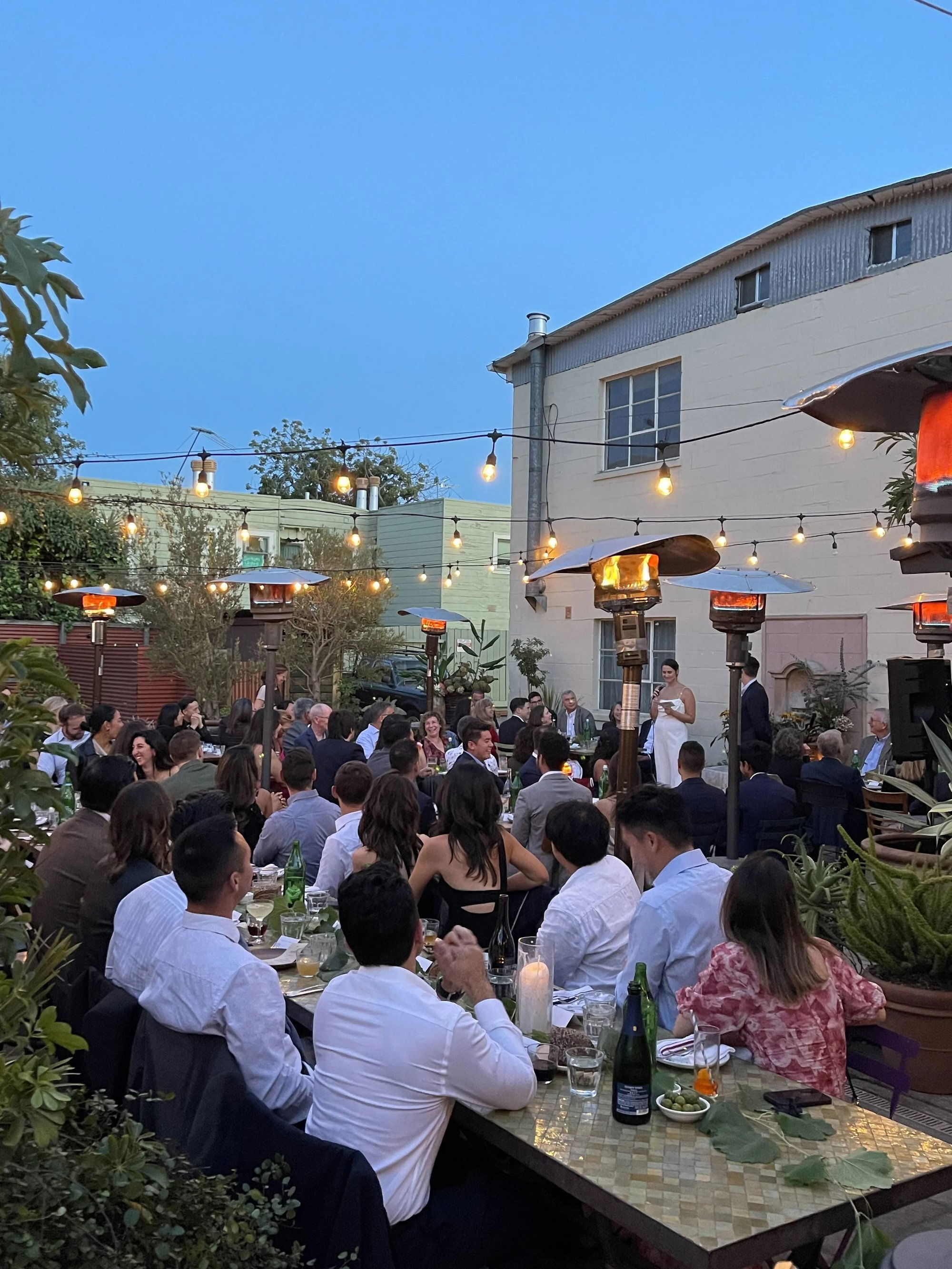
Book Pizzaiolo for an easy Oakland date night or relaxed celebration rather than a formal, award-driven meal. The value is in the low-friction dinner format, lively room, and daily evening hours, especially if you want something more complete than a bar stop but less rigid than a tasting-menu plan.
Pizzaiolo is an Oakland venue with verified hours and a casual dress code. The confirmed schedule is evening-focused every day, with additional morning hours from Wednesday through Sunday. Because no verified price range, menu details, reservation policy, awards, address, or service format are provided here, use the hours as the main planning detail and confirm any specifics directly before you go. That makes this a listing where the practical facts matter most: the time windows and the relaxed dress expectation are the dependable pieces to build around.
Plan around casual attire and verified hours
The verified dress code is casual, so Pizzaiolo is an Oakland option that does not require formal attire. Because no verified price range is listed, treat the value question cautiously and avoid assuming a fixed spend. For a broader Oakland plan, keep our full Oakland restaurants guide open alongside our full Oakland bars guide.
The schedule gives it useful planning structure: Pizzaiolo is open Monday and Tuesday from 5–9 PM; Wednesday and Thursday from 8 AM–12 PM and 5–9 PM; Friday from 8 AM–12 PM and 5–10 PM; Saturday from 8 AM–1 PM and 5–10 PM; and Sunday from 8 AM–1 PM and 5–9 PM. Friday and Saturday have the latest verified closing time, while the other evening windows end at 9 PM. The split schedule on several days also means it is worth paying attention to the gap between morning and evening service, rather than assuming continuous availability.
Where the value sits in an Oakland night out
With only limited verified details available, the safest way to compare Pizzaiolo is by schedule and dress code. It may be useful when you want an Oakland stop with casual attire and a confirmed evening window, especially if your plans depend more on timing than on a documented menu or formal service style. If you are comparing dining options, you can also look at Belotti Ristorante E Bottega, Ramen Shop, Sideshow Kitchen, Snail Bar, or Umami Mart, depending on the kind of outing you are planning.
Do not rely on unverified assumptions about booking difficulty, pricing, menu format, drinks, seating, awards, or chef-led service. Those details are not confirmed in the available data, so they should not be treated as part of the promise of the venue. Plan around the verified Oakland location, casual dress code, and listed hours, then check current details with the venue before making firm plans.
Skip building the night around details that are not verified here, such as award-chasing, named-menu certainty, or a documented tasting format. Choose Pizzaiolo when the confirmed basics fit your plan: Oakland, casual dress, evening hours daily, and morning hours from Wednesday through Sunday. In other words, let the known structure guide the decision, and leave the finer points to a direct confirmation before you commit.
Frequently Asked Questions
Is Pizzaiolo good for a date?
The verified details do not confirm a date-night format, atmosphere, or price range. What is confirmed is that Pizzaiolo is in Oakland, has a casual dress code, and is open in the evening every day, with later closing on Friday and Saturday. If you want to compare another option, Belotti Ristorante E Bottega is one venue to check.
What's the best time to go to Pizzaiolo?
Use the verified hours to plan. Pizzaiolo is open Monday and Tuesday from 5–9 PM; Wednesday and Thursday from 8 AM–12 PM and 5–9 PM; Friday from 8 AM–12 PM and 5–10 PM; Saturday from 8 AM–1 PM and 5–10 PM; and Sunday from 8 AM–1 PM and 5–9 PM. No verified crowd pattern is available here.
Do I need a reservation at Pizzaiolo?
A reservation policy is not verified in the available data. Check directly with Pizzaiolo before you go, especially if your timing is important. If you are comparing options, Ramen Shop is another venue to consider.
Is Pizzaiolo open late?
Pizzaiolo is not verified as a late-night venue. The latest confirmed closing time is 10 PM on Friday and Saturday; the other evening windows end at 9 PM. Sideshow Kitchen is another option you may want to check when comparing plans.
Is the food good at Pizzaiolo?
The available verified data does not include ratings, rankings, dishes, cuisine details, or awards. The confirmed details are its Oakland location, casual dress code, and hours. If you want a different comparison, Umami Mart is another option to look up.
Is Pizzaiolo good for groups?
Group suitability, seating, private dining, and reservation details are not verified here. If you are planning for a group, confirm directly with Pizzaiolo before you go. For another comparison, Belotti Ristorante E Bottega may also be worth checking.
Does Pizzaiolo have happy hour deals?
Happy hour deals are not verified in the available data. The confirmed information is limited to hours, Oakland location, and casual dress code. Check the venue's official channels for current details.
Location
5008 Telegraph Ave, Oakland, CA 94609
Oakland, United States
Compare Pizzaiolo
| Venue | Booking Difficulty |
|---|---|
| Pizzaiolo | Easy |
| Snail Bar | Unknown |
| Belotti Ristorante E Bottega | Unknown |
| Umami Mart | Unknown |
| Ramen Shop | Unknown |
| Sideshow Kitchen | Unknown |
What to weigh when choosing between Pizzaiolo and comparable nearby venues.
Also Consider
- Snail Bar, Notable alternative
- Belotti Ristorante E Bottega, Notable alternative
- Umami Mart, Notable alternative
- Ramen Shop, Notable alternative
- Sideshow Kitchen, Notable alternative
How Pizzaiolo compares in Oakland
Pizzaiolo is the better fit when the night needs a full dinner with a lively neighborhood feel and low booking stress. Snail Bar is more useful for a wine-bar-leaning stop, while Umami Mart makes more sense when the plan is drinks or browsing rather than sitting down for a complete meal.
For a more traditional restaurant choice, compare it with Belotti Ristorante E Bottega. Belotti is the stronger pick when the group wants Italian-restaurant structure; Pizzaiolo is easier for a casual date or celebration that should feel considered without becoming formal. Ramen Shop is better when the group wants a tighter, bowl-focused meal, while Pizzaiolo gives the evening more room to stretch.
If convenience and value per round matter, Sideshow Kitchen is the more casual fallback. Choose Pizzaiolo when atmosphere and dinner pacing matter more than speed; choose Sideshow Kitchen when the priority is keeping the plan loose.
Explore Oakland
Save or rate Pizzaiolo on Pearl
Keep this venue in your Pearl passport, rate it after you visit, and track it alongside every other place you collect.