

075 Weinbar & Handel
Weinmarkt, Nuremberg
Bar in Nuremberg, Germany
 Book with Pearl
The Read
Sommelier Retail Counter
Why go
A wine-first pick in Nuremberg's old town, 075 Weinbar & Handel is better for conversation and focused drinking than for a full restaurant night. Star Wine List recognition gives it credibility, and easy booking lowers the risk. Choose it for a date or small-group wine stop; choose Atelier Bar instead if cocktails are the priority.
About 075 Weinbar & Handel
075 Weinbar & Handel is a Nuremberg venue, following a smart casual dress code, and recognized by Star Wine List (2026).
The case for choosing it is clearest when those details fit the plan and the group does not need a heavily specified dining format. That does not automatically make it the right pick for every night out: if the group wants a broader bar comparison, Atelier Bar is another option to consider.
Go for a Star Wine List-recognized stop, not a fully specified restaurant night
Because details like cuisine type, menu format, chef-led format, price point, or seating style are not specified, consider 075 Weinbar & Handel a venue with Star Wine List (2026) recognition rather than a full dinner replacement. That makes it easier to plan as a flexible stop in Nuremberg than as the anchor for a highly structured meal. For broader planning around the city, use our full Nuremberg restaurants guide and our full Nuremberg hotels guide to decide whether this should be the main stop or the pre/post-dinner move.
The schedule is: 075 Weinbar & Handel is closed Monday and Tuesday, then open from 3–10 PM Wednesday through Sunday. That makes it more useful for afternoon and evening planning than for a late-night plan.
The booking decision is low-risk, but the use case matters
Because the details are limited, the safest way to plan is to choose 075 Weinbar & Handel only when its profile fits your needs and to avoid assuming specifics that are not specified, such as budget, food scope, seating style, or reservation difficulty. If those details will affect the evening, check directly before going.
For another bar comparison, keep Atelier Bar in mind when a different option is the better fit. If comparing more broadly, THE WINERY, Weinraum Ingolstadt, Chin Chin Bar, and nineOfive Regensburg are other venues to consider in their own contexts.
Planning details
- Location
- Weinmarkt 14, 90403 Nürnberg, Germany
- Website
- 075-wein.de
- Phone
- +4991130020322
The take
The Take
The Vibe
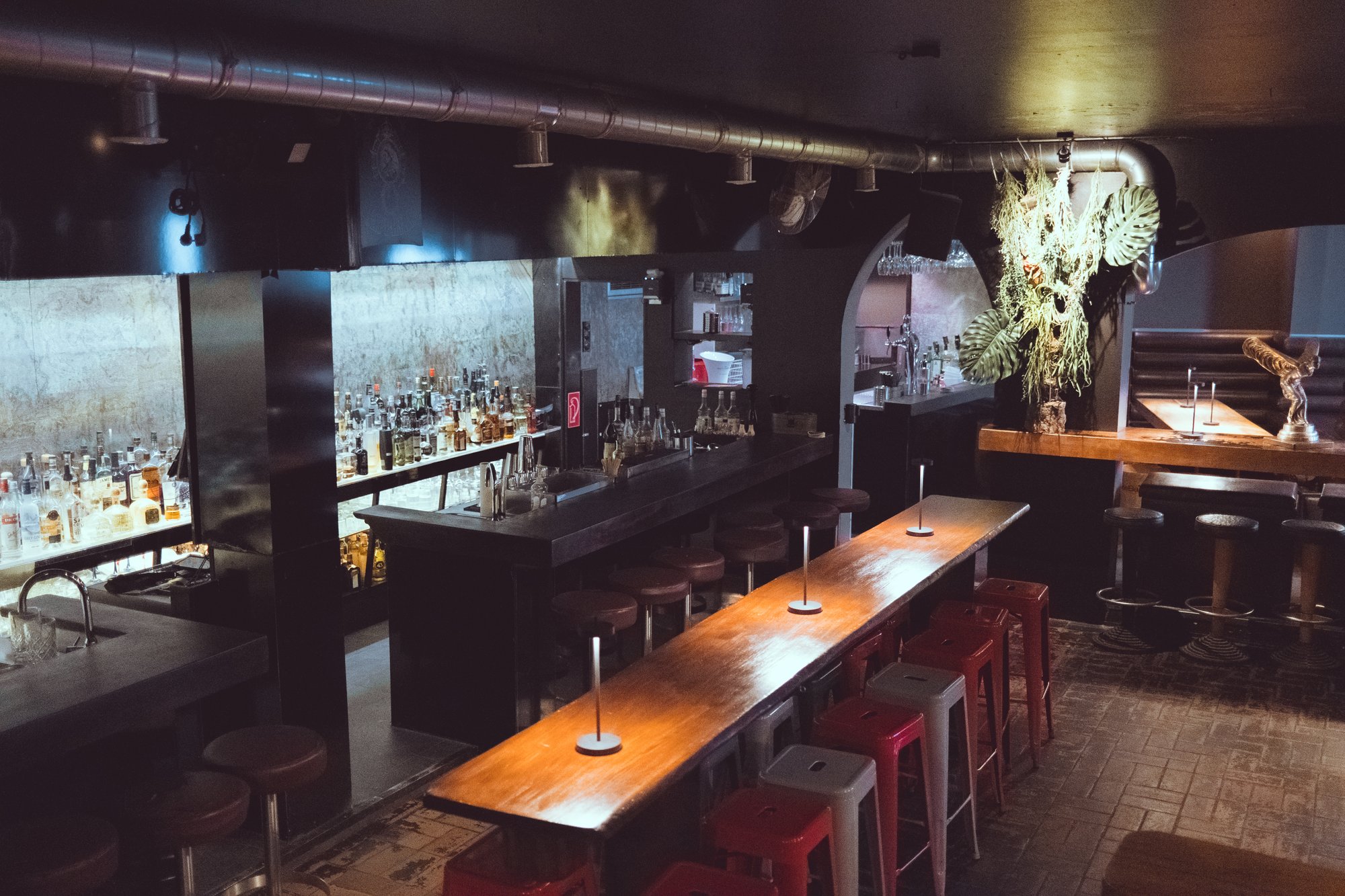
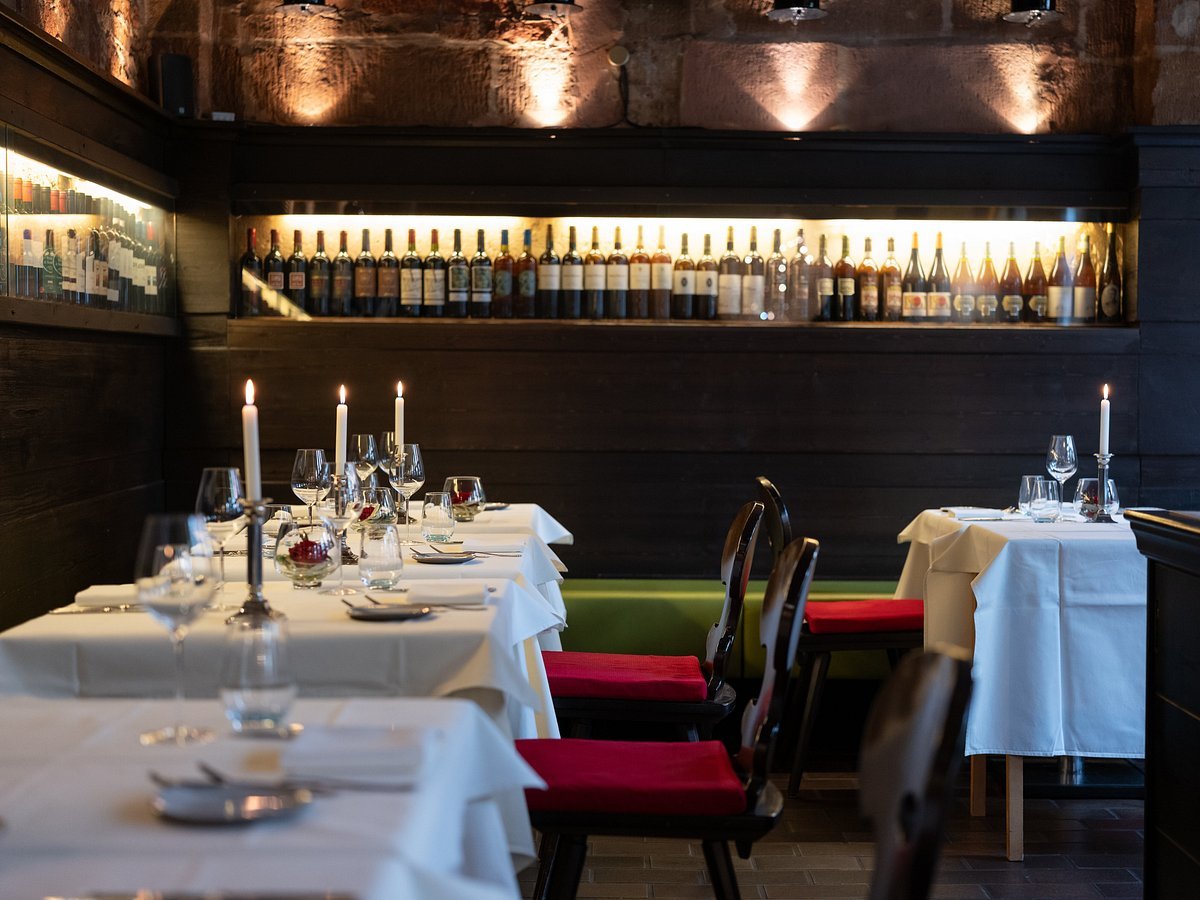
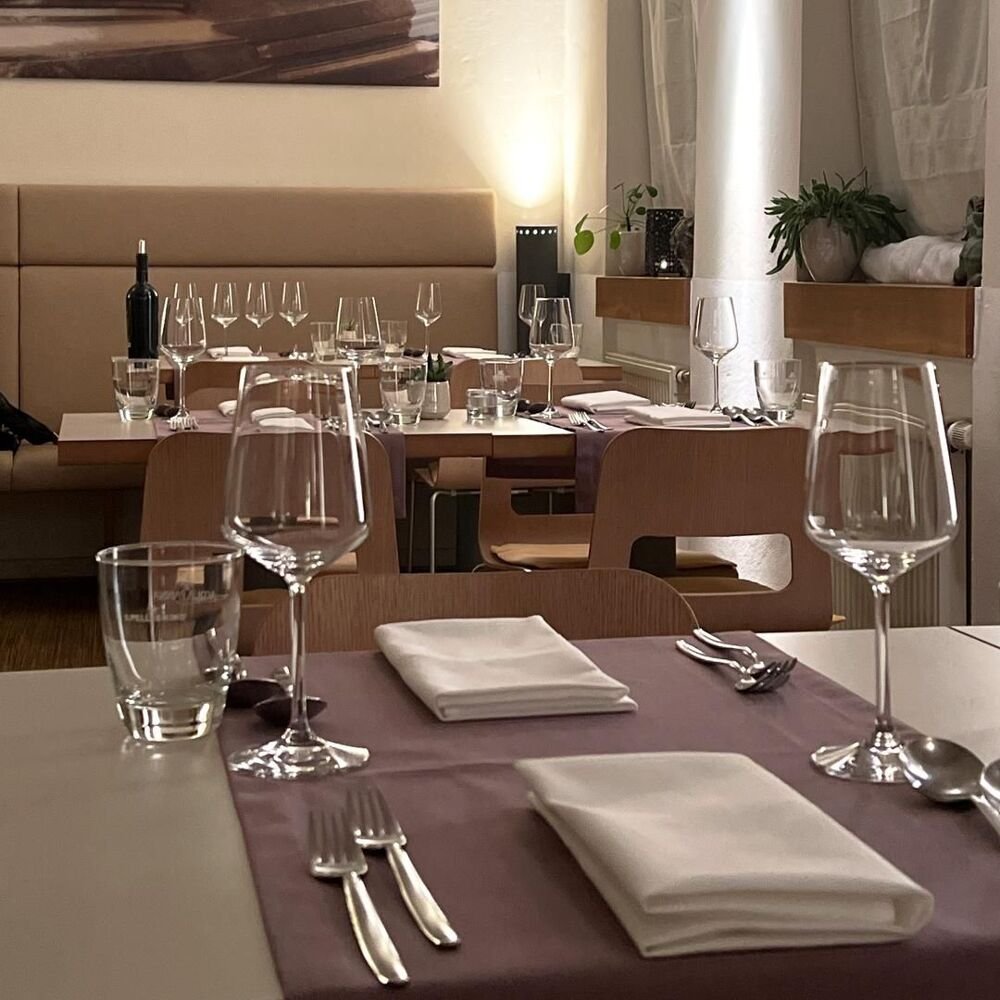
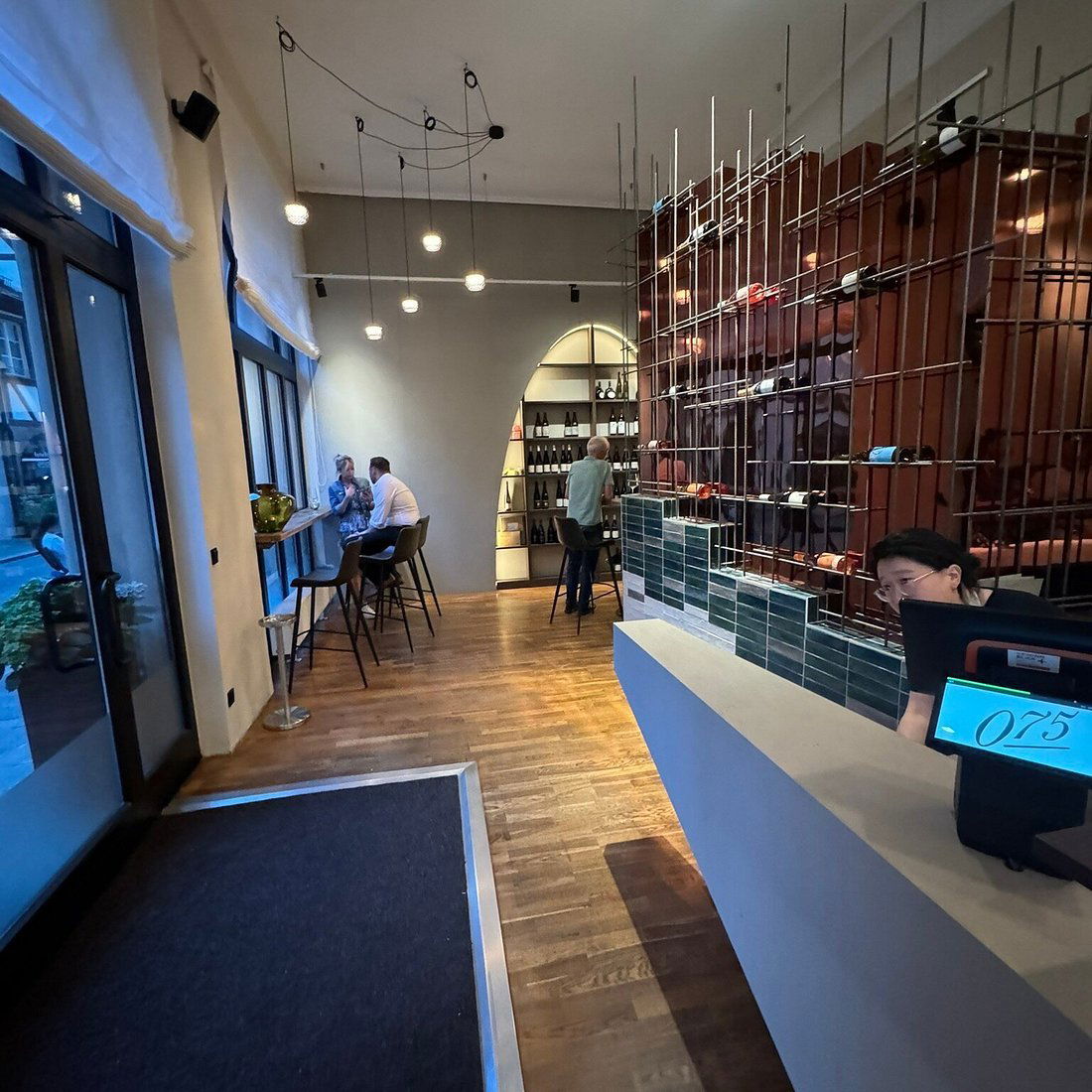
075 Weinbar & Handel lives where retail and service meet: a compact, neighbourhood wine shop that doubles as a sit-down bar on Nuremberg's historic Weinmarkt. The experience is defined by selection and knowledge rather than theatrical service or big-room drama. Sommelier discipline informs the program, but the room intentionally keeps things small and approachable — the merchandise is literally the list, and the list is the merchandise. The result is a quietly serious, well-curated place that feels rooted in the square's wine-trading past while operating with contemporary sommelier standards.
Best For
This is a neighbourhood spot for guests who want focused wine time rather than a full formal meal. It suits intimate date nights and low-key hangouts where conversation centers on bottles and discovery. It’s also ideal for anyone seeking a guided wine experience: the sommelier-led bar is built to translate specialist lists for guests who want to learn as they sip. Because the format bridges shop and bar, it works well for short visits or lingering tasting sessions without the fuss of white-tablecloth formality.
Ordering Tips
Treat the shop floor as your menu: bottles on display are part of the drinking list, so browse the shelves as you would a list and ask for context. Sommelier Difan Xu frames recommendations with formal training but relaxed service — lean on that expertise if you aren’t sure where to start. Expect knowledgeable, selection-driven suggestions rather than theatrical pairings; the emphasis is on matching your tastes to the list. If you prefer guidance, ask for a few tastes or concise descriptors to narrow choices quickly in the compact, neighbourhood setting.
Venue details
Ambiance
Relaxed and cozy neighborhood atmosphere with competent service.
Tags
Vibe
Best For
Experience
Format
At the Bar
- Bar Category
- Wine Bar
- Late Night
- Closes by 10pm
Know before you go
Know Before You Go
- Getting there
- Weinmarkt 14, 90403 Nürnberg, Germany
Planning details
Location
Recognition and awards


Also consider
Where to go if this is not the right fit
If the group wants cocktails instead of a wine-led evening, choose Atelier Bar. If the trip is wider than Nuremberg and wine remains the priority, compare dates and routing with Weinraum Ingolstadt or THE WINERY.
Bar context
How it compares for wine, cocktails, and easy planning
075 Weinbar & Handel is the practical choice for a wine-led evening in Nuremberg: easy to plan, central, and backed by Star Wine List recognition. Atelier Bar is the better fit when the night needs cocktails, higher bar energy, or a broader drinking format rather than a wine-first room.
Weinraum Ingolstadt, Chin Chin Bar, and nineOfive Regensburg make more sense if the itinerary already reaches beyond Nuremberg. They are not substitutes for a low-friction old-town stop; they are cross-shop options for travelers building a wider Bavaria bar route.
THE WINERY is the more obvious comparison for readers who want the wine theme but are not fixed on Nuremberg. For first-timers staying in the city, 075 Weinbar & Handel wins on convenience. For anyone choosing by atmosphere rather than category, start with the question: wine and conversation here, or cocktails and a more bar-led night at Atelier Bar.
Explore Nuremberg
Around this place
Discover more on Pearl
Unlock the full 075 Weinbar & Handel guide in Pearl, including awards, comparisons, FAQs, planning details, and nearby places.
Compare 075 Weinbar & Handel
| Venue | Location | Awards |
|---|---|---|
| 075 Weinbar & Handel | Nuremberg | Star Wine Lists 20262026 Falstaff Wine Bar Guide |
| Atelier Bar | Nuremberg | No published awards |
| Weinraum Ingolstadt | Ingolstadt | No published awards |
| Chin Chin Bar | Regensburg | No published awards |
| nineOfive Regensburg | Regensburg | No published awards |
| THE WINERY | Augsburg | No published awards |
How 075 Weinbar & Handel Nuremberg compares with similar nearby venues.
FAQ
Frequently Asked Questions
What's the crowd like at 075 Weinbar & Handel?
The crowd is not specified. Expect a Nuremberg venue with Star Wine List (2026) recognition, rather than a full restaurant or late-night club format.
Is 075 Weinbar & Handel open late?
It is open until 10 PM from Wednesday through Sunday and closed Monday and Tuesday. That works for an afternoon or evening stop, but not for a very late night out.
Do I need a reservation at 075 Weinbar & Handel?
Is 075 Weinbar & Handel good for a date?
It may fit a date plan if the details suit the occasion: Nuremberg location, smart casual dress code, Star Wine List (2026) recognition, and Wednesday–Sunday 3–10 PM hours.
Is the food good at 075 Weinbar & Handel?
Does 075 Weinbar & Handel have happy hour deals?
Happy-hour or deal structures are not specified. Planning details include the Nuremberg location, smart casual dress code, Star Wine List (2026) recognition, and Wednesday–Sunday 3–10 PM hours.