yakuni
East Midtown-Turtle Bay, New York City
Bar in New York City, United States
 Book with Pearl
The Read
Subterranean Midtown Specialist
Price
$30–50per person
Why go
yakuni is a practical Midtown East option when convenience matters more than a clearly documented cocktail or dining program. Treat it as an easy, casual repeat stop in New York City, not as the anchor for a special occasion. Groups should check pricing expectations before committing, since no reliable public price signal is available.
About yakuni
This season, use yakuni as a New York City option when you want to keep the plan simple and avoid overbuilding the itinerary. The dress code is smart casual, which gives you at least one useful boundary for how to show up without implying anything more specific about the experience. Beyond that, keep expectations flexible, check the details that matter to your group, and avoid treating assumptions as part of the plan.
Better for a confirmed plan than assumptions
For anyone considering yakuni, the safest move is to check practical details directly. Do not assume a particular menu format, beverage program, price level, crowd, reservation policy, or group setup without checking first, especially if the outing depends on any one of those details. A simple call, message, or direct check can do more work here than trying to infer the experience from the name alone. If you are comparing options, Bistango, P.J. Clarke's Third Avenue, Peacock Alley, Socarrat Paella Bar - Midtown East, and Tomi Jazz are other New York City names to consider depending on the kind of outing you want. Use those comparisons as a way to clarify your own needs, not as proof that yakuni fits the same role.
Build the plan around the basics: yakuni is in New York City and the dress code is smart casual. That is enough to keep it on a shortlist, but check the specifics before finalizing a more detailed evening. For broader planning, use Our full New York City bars guide or, if dinner is the anchor, Our full New York City restaurants guide.
Planning details
- Location
- 226 E 53rd St BSMT w, New York, NY 10022
- Website
- yakuni4.godaddysites.com
- Phone
- +1 347-224-2706
The take
The Take
The Vibe
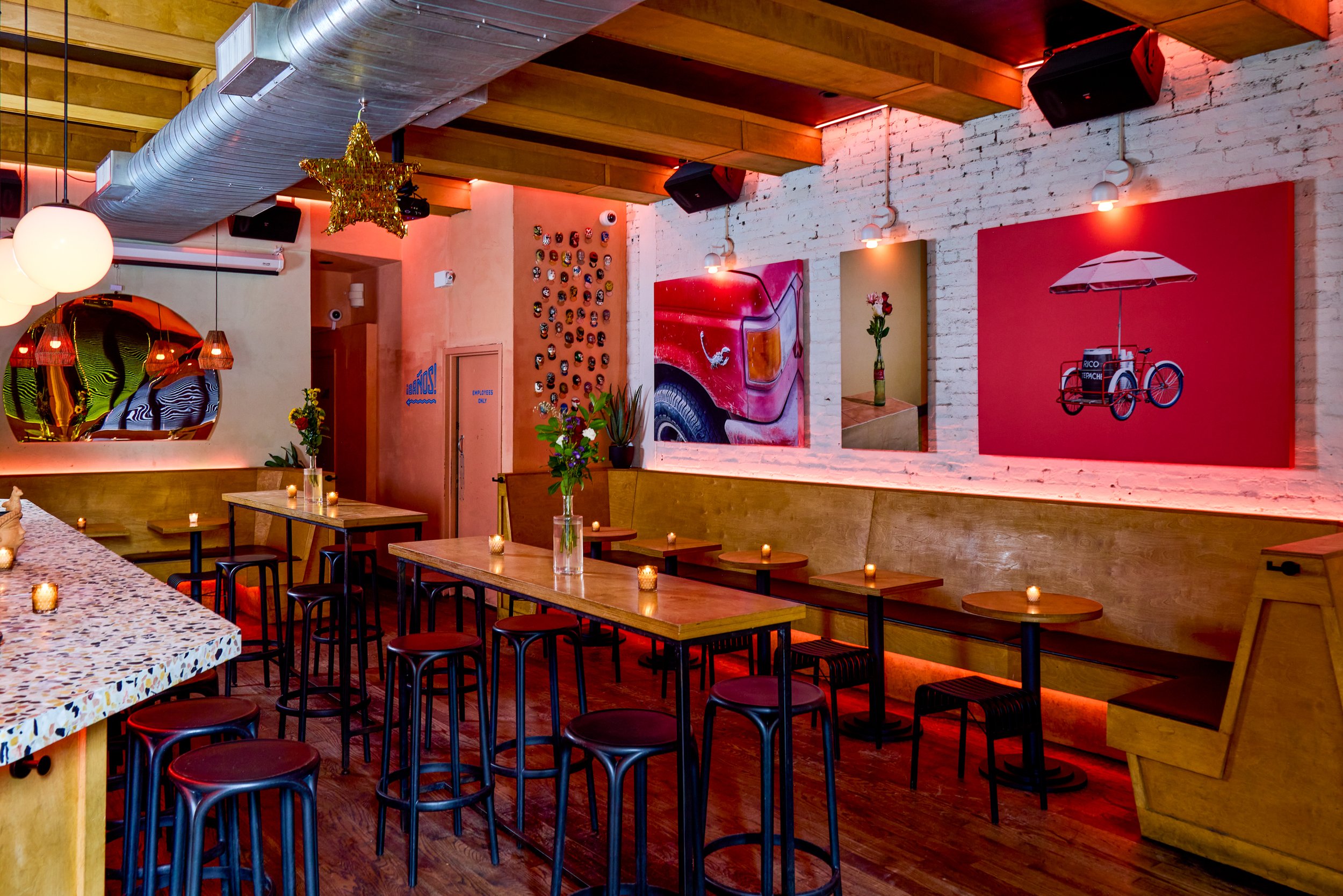
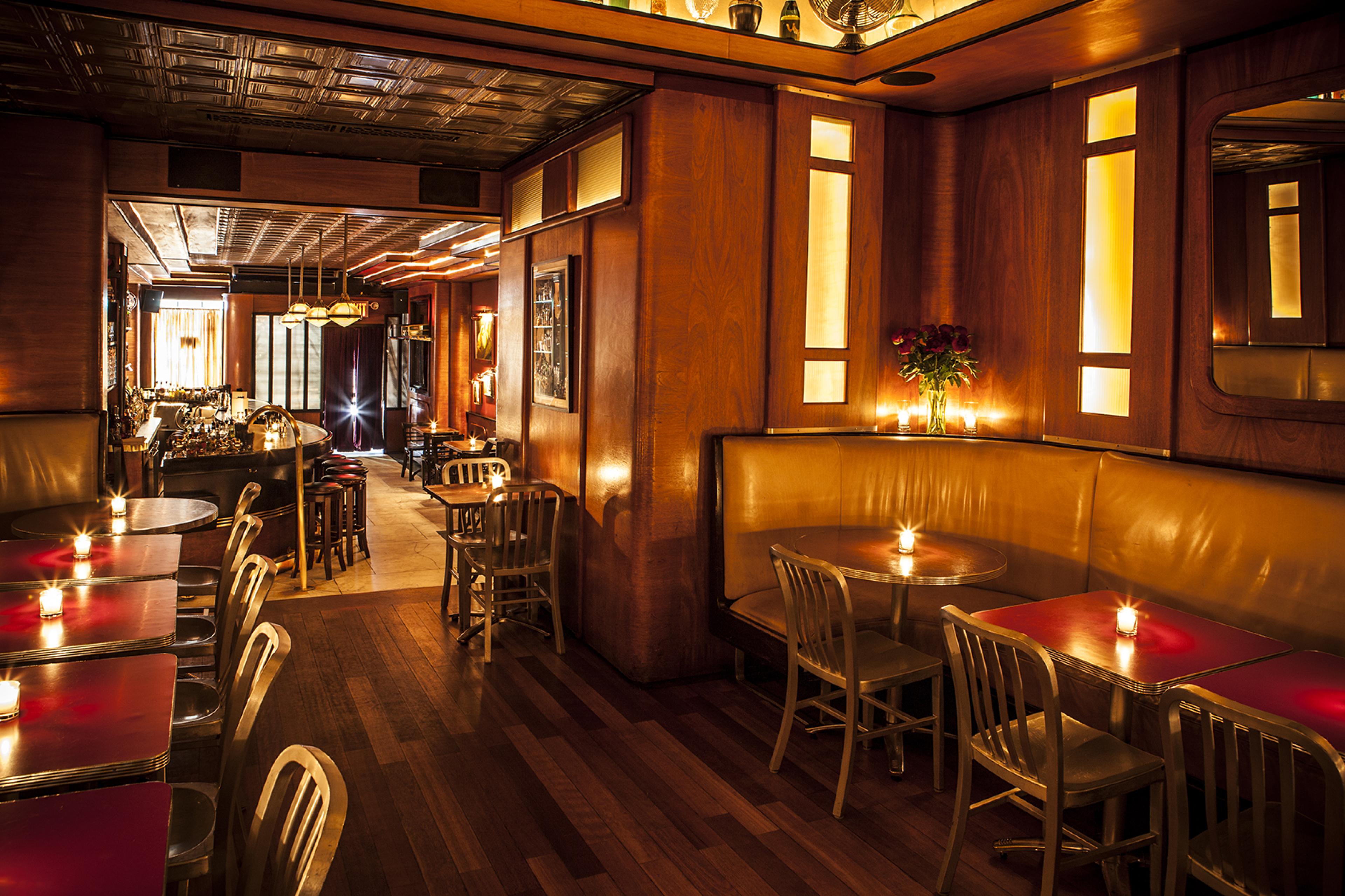
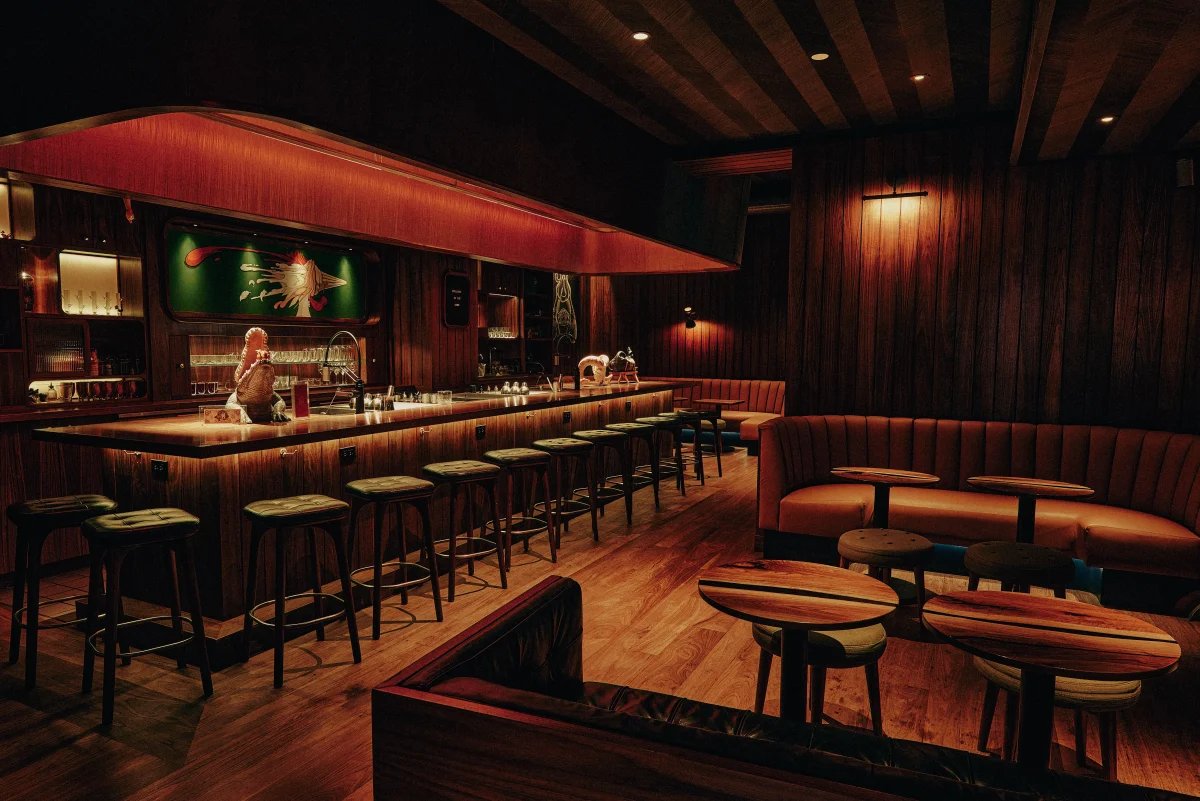
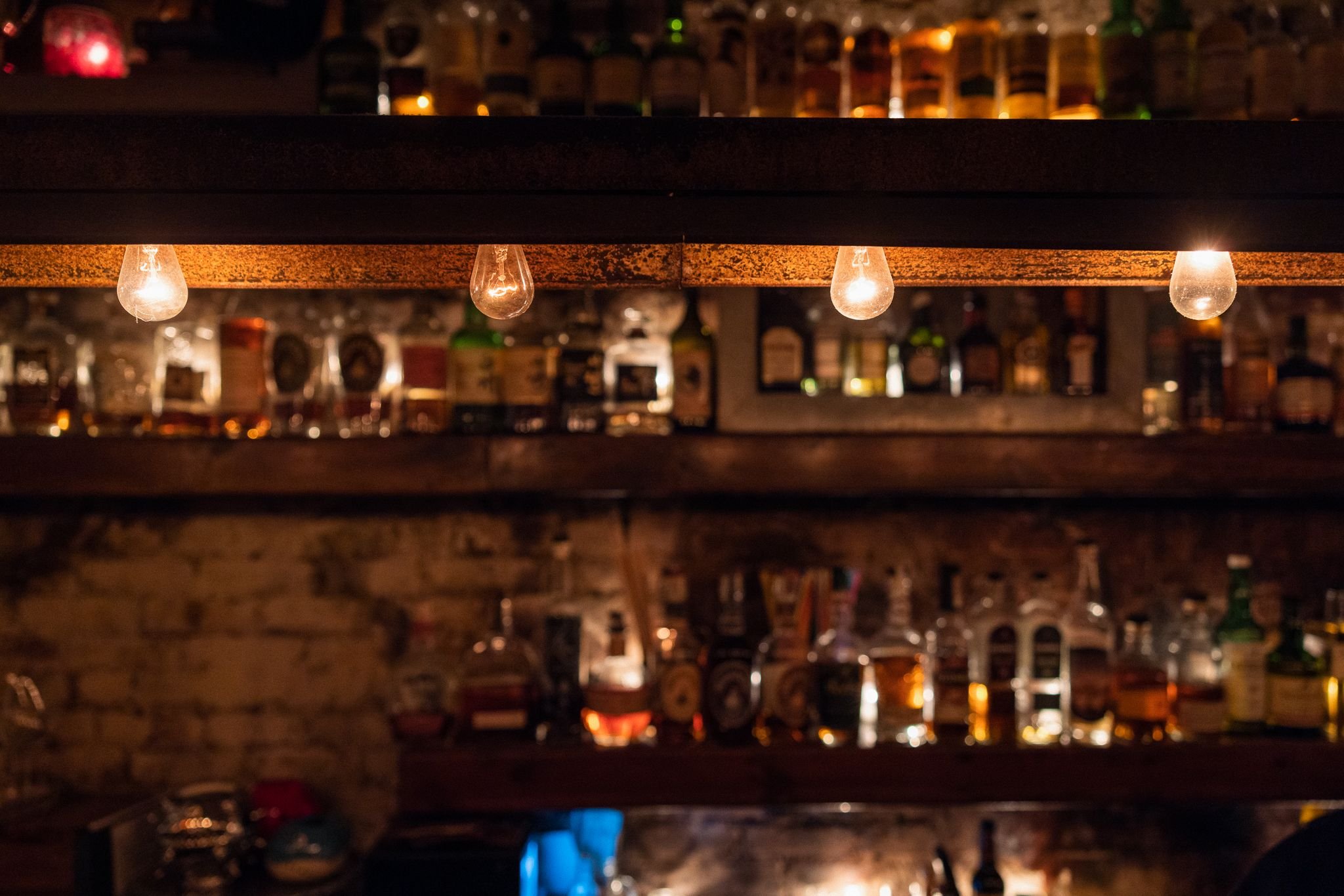
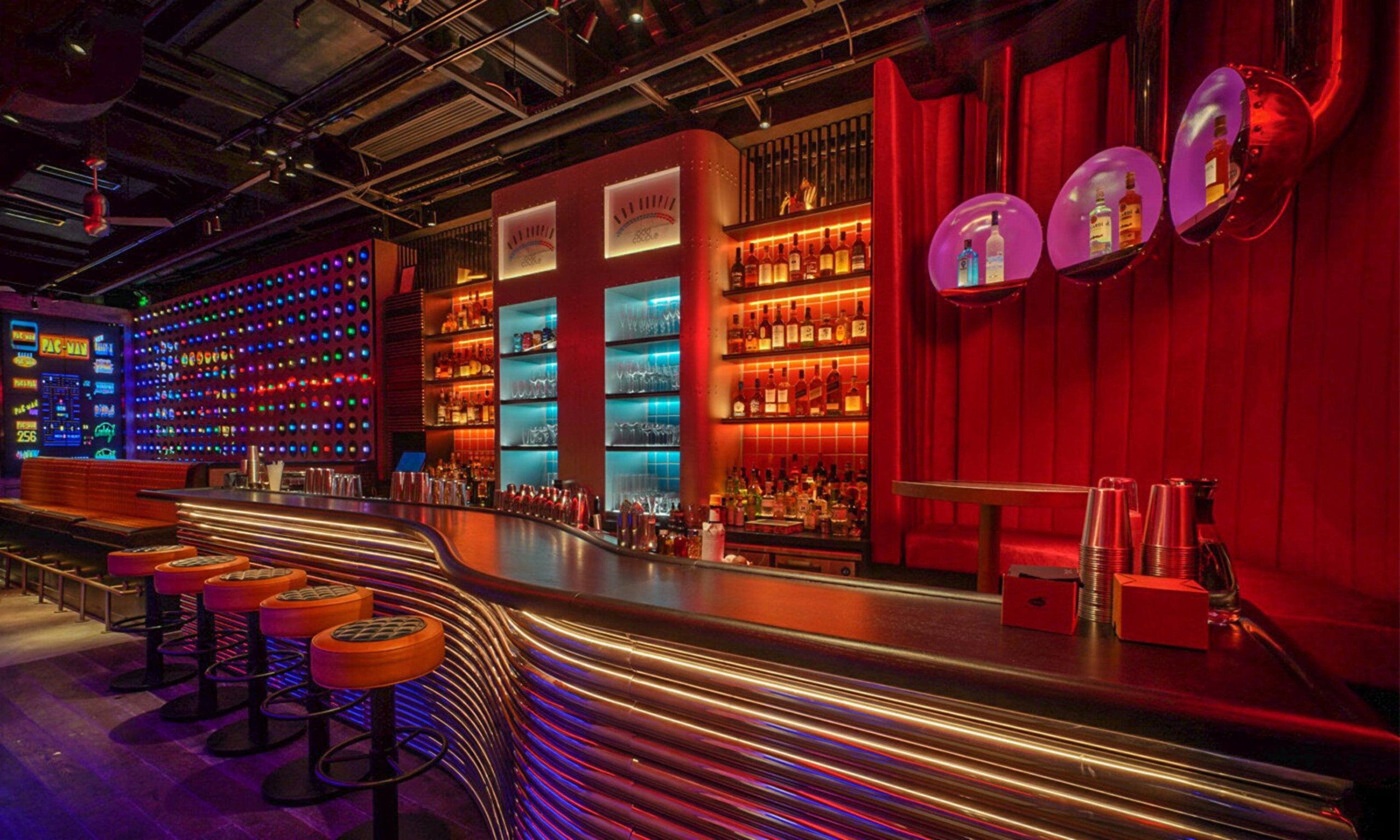
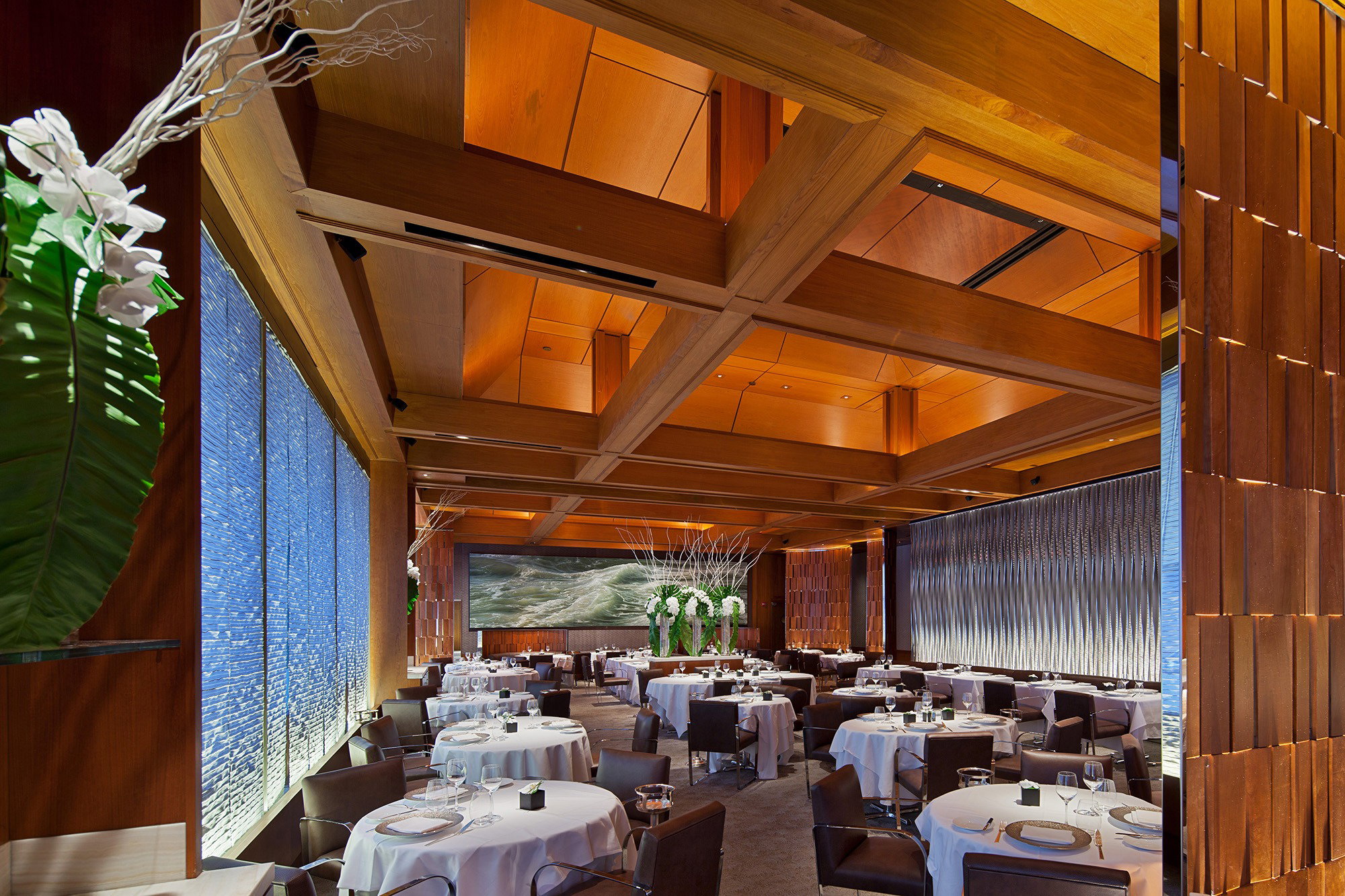
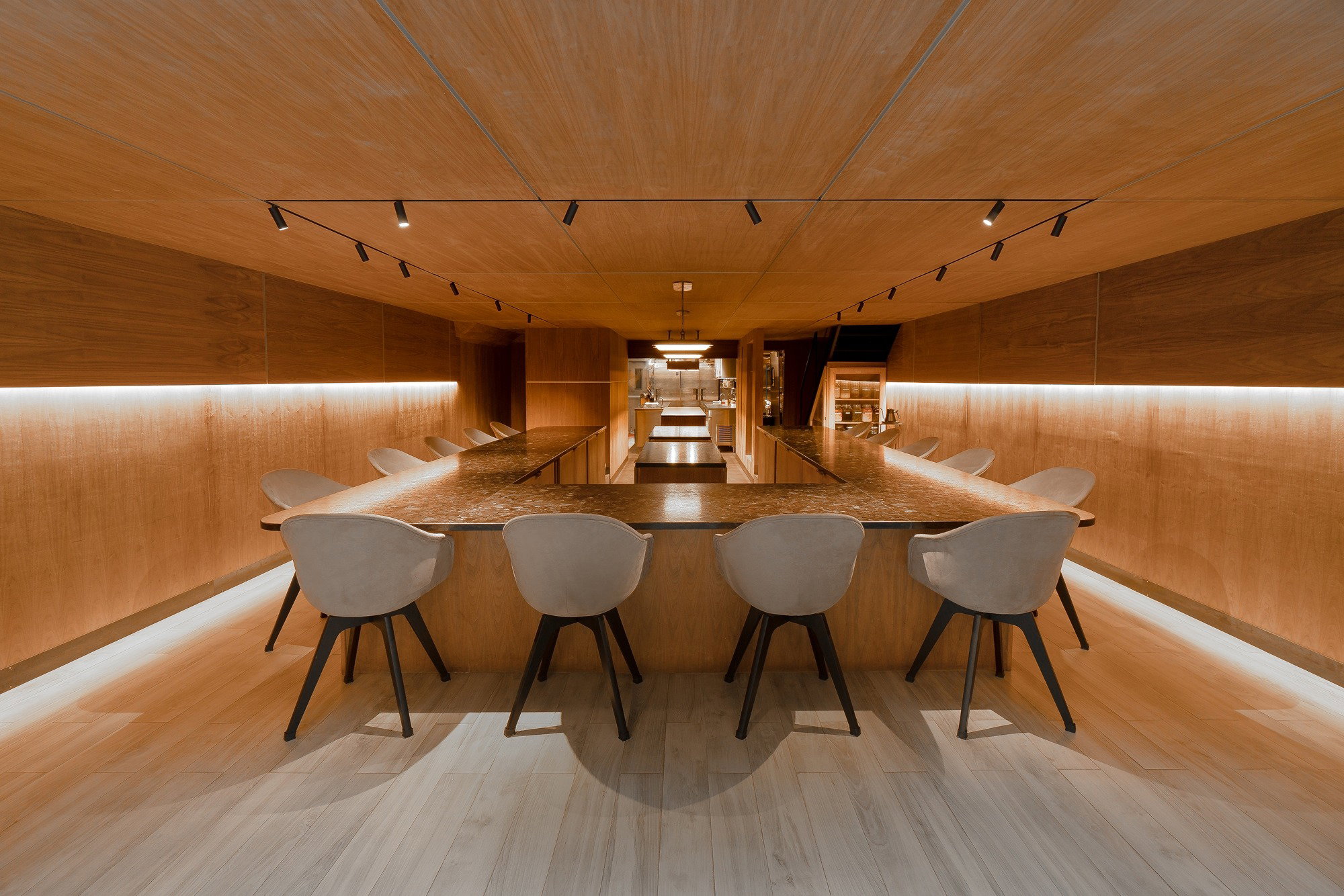
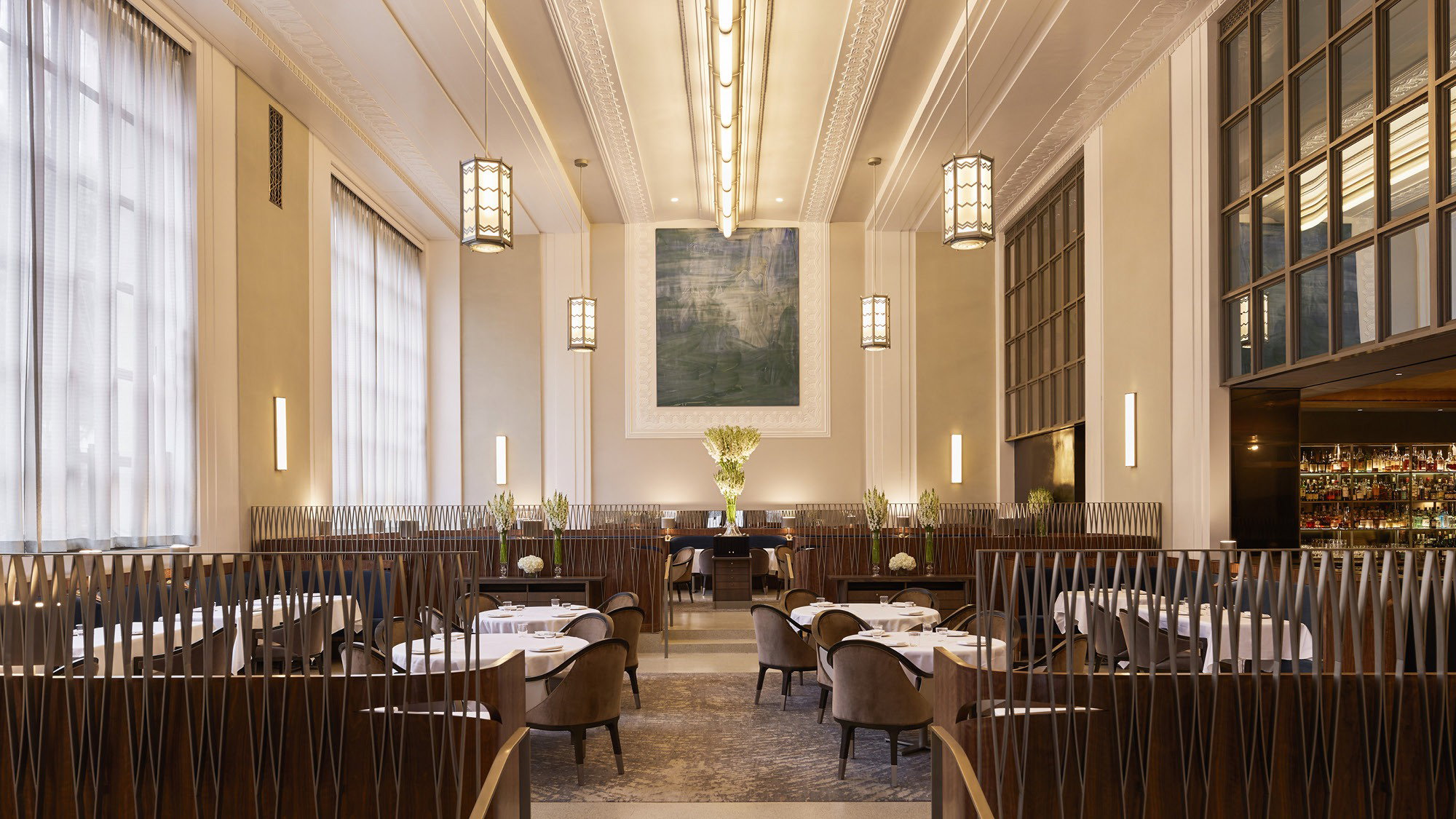
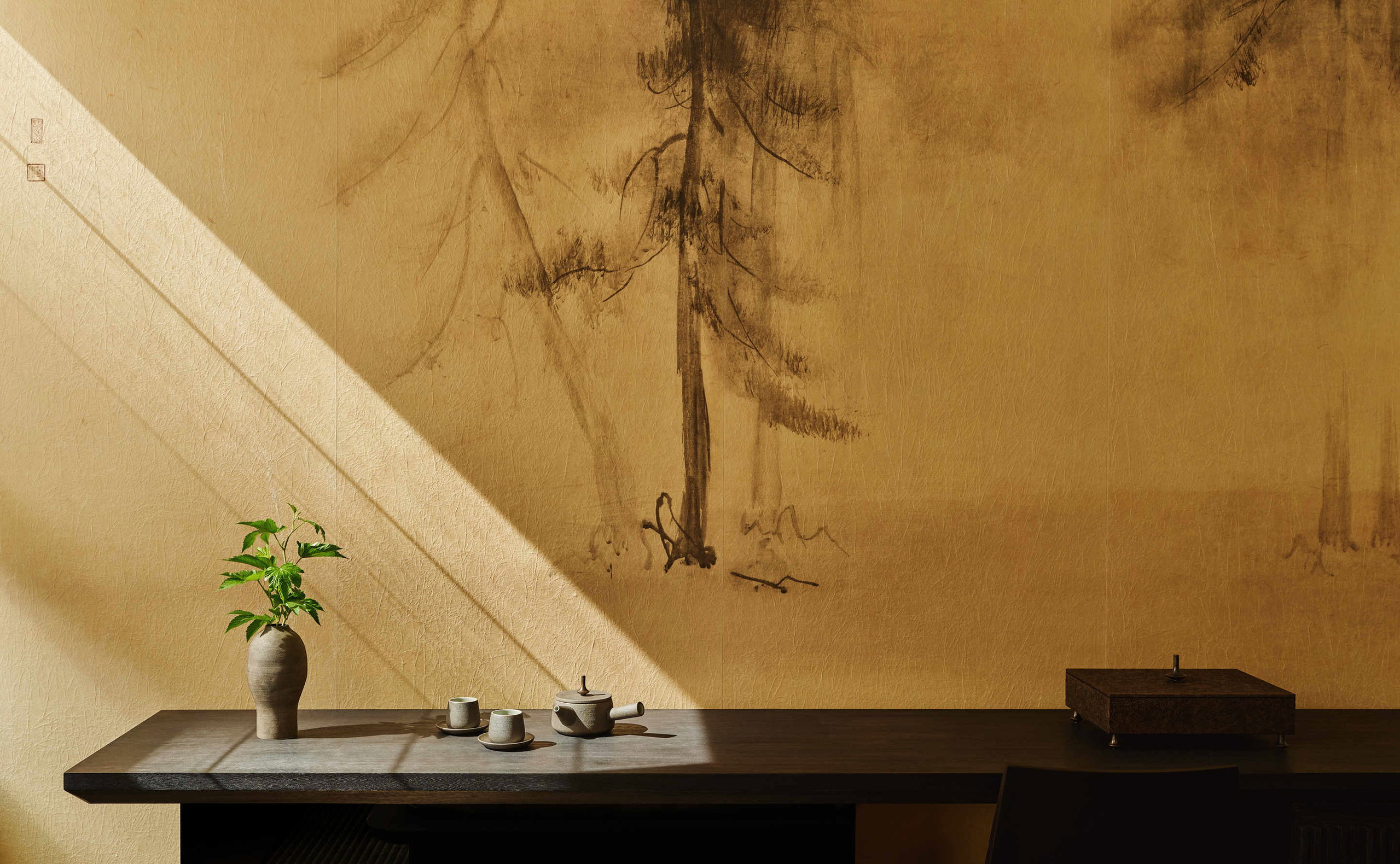
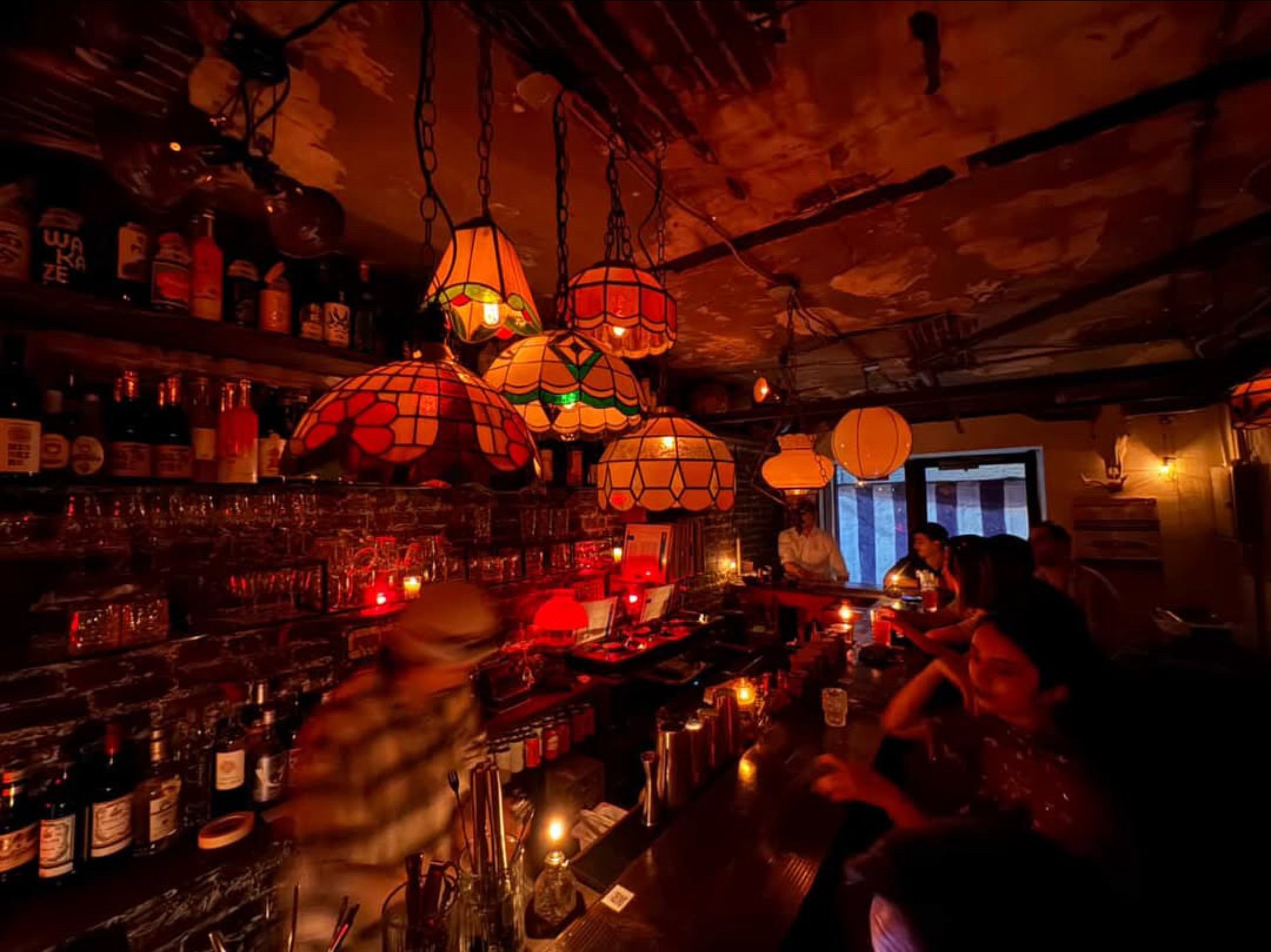
Yakuni operates from a deliberately subterranean logic: descending below street level compresses the senses, muffles Midtownʼs churn and creates a contained, hushed room. The bar leans on Japanese-influenced bartending traditions — an emphasis on precision, dilution and ingredient sourcing — which reinforces a restrained, focused atmosphere rather than exuberant nightlife theatrics. In Midtown terms it reads like a discreet alternative to the districtʼs high-volume hotel bars, offering a quiet, closely calibrated drinking environment where details matter and conversation can be private. The overall tone is understated and exacting rather than showy.
Best For
Yakuni is well suited to after-work drinks and low-key date nights when you want to escape Midtownʼs surface-level clamor. Its below-grade setting and measured cocktail program attract small parties and pairs seeking a concentrated, craft-forward experience rather than loud group celebrations. Midtown office density around East 53rd Street also makes it a convenient stop for colleagues or clients who favor a more intimate, tucked-away bar rather than a sprawling hotel lounge. The roomʼs hidden-floor character rewards visitors looking for something discreet and thoughtfully executed.
Ordering Tips
The barʼs DNA is explicitly tied to Japanese bartending principles: precision dilution, careful sourcing and a hospitality ethos rooted in omotenashi. When ordering, lean on the staffʼs expertise — ask for recommendations and descriptions of technique or balance rather than large, cocktail-menu substitutions. Expect crafted, thoughtfully measured drinks where subtle changes in dilution or ingredient choice are deliberate. If you appreciate meticulous technique and restrained flavor profiles, request the bartenderʼs guidance and be open to classics rendered through a Japanese-influenced lens.
Venue details
Ambiance
Intimate and cozy space with chill bartenders, Japanese-inspired charm, and jazz vinyl atmosphere.
Tags
Vibe
Best For
Experience
Format
At the Bar
- Bar Category
- Speakeasy
- Music
- Jazz Vinyl
Know before you go
Know Before You Go
- Getting there
- 226 E 53rd St BSMT w, New York, NY 10022
Planning details
Location
Also consider
Also Consider
- Tomi Jazz, Notable alternative
- P.J. Clarke's Third Avenue, Notable alternative
- Socarrat Paella Bar - Midtown East, Notable alternative
- Bistango, Notable alternative
- Peacock Alley, Notable alternative
Bar context
How yakuni compares in Midtown East
Choose yakuni when location and low planning friction matter more than a clearly defined bar identity. Tomi Jazz is the stronger cross-shop if the night needs a more specific music-and-drinks angle, while P.J. Clarke's Third Avenue is the safer choice for a classic Midtown bar feel with broader group appeal.
For food-led plans, Socarrat Paella Bar - Midtown East makes more sense when the group wants dinner to carry the night. Bistango is the better fit when the brief is a calmer meal rather than a drinks-first stop. Peacock Alley is the splurge-leaning alternative when setting matters more than spontaneity.
Value depends on the occasion: yakuni is the pragmatic pick for an easy Midtown meet-up, but it is not the strongest choice here for a documented cocktail program, a polished hotel-bar setting, or a food-first group dinner.
Explore New York City
Around this place
Discover more on Pearl
Unlock the full yakuni guide in Pearl, including awards, comparisons, FAQs, planning details, and nearby places.
Compare yakuni
| Venue | Location | Awards |
|---|---|---|
| yakuni | New York City | No published awards |
| Tomi Jazz | New York City | No published awards |
| P.J. Clarke's Third Avenue | New York City | No published awards |
| Socarrat Paella Bar - Midtown East | New York City | No published awards |
| Bistango | New York City | No published awards |
| Peacock Alley | New York City | No published awards |
How yakuni New York City compares with similar nearby venues.
FAQ
Frequently Asked Questions
Is yakuni good for groups?
For a group visit to yakuni in New York City, confirm seating, booking, and party-size details directly before planning. If you are comparing other New York City options, P.J. Clarke's Third Avenue is another name to check.
Does yakuni have happy hour deals?
Do not plan around happy hour discounts unless you confirm them directly with the venue. P.J. Clarke's Third Avenue is another New York City option to compare if specials are part of your search.
What's the crowd like at yakuni?
Do not assume a particular scene or atmosphere before checking directly. yakuni is in New York City and has a smart casual dress code. Tomi Jazz is another New York City venue to compare if you are considering different kinds of outings.
Do I need a reservation at yakuni?
If timing matters, confirm booking details directly with yakuni before going in New York City. Peacock Alley is another New York City option to compare while planning.