Tile Bar
East Village, New York City
Bar in New York City, United States
 Book with Pearl
The Read
Price
$10–20per person
Why go
Tile Bar is the easygoing East Village choice for a casual drink, especially if the night needs flexibility rather than a reservation-heavy plan. It is better for a low-pressure date or late stop than for food, awards, or a clearly defined cocktail program.
About Tile Bar
Tile Bar is a casual New York City bar with late-night hours throughout the week. First-timers should treat it as an easy evening stop rather than a place to judge by specifics such as a menu, seat count, awards, or price range.
The useful read is simple: this is a practical bar pick when the priority is a casual setting and flexible timing. It features casual dress and hours that run until 2 AM most nights, with later closing on Friday and Saturday. It does not emphasize a specific cuisine, chef, awards, seat count, or price range, so the decision should not be based on a special menu or formal recognition.
Good for an easy date, weaker for a planned-out night
For two people, the fit is strongest when the evening is intentionally casual. Tile Bar can work as a first stop, a post-dinner stop, or a fallback when a more structured plan is not worth the effort. It is less clear as a food-led or highly programmed night, because those details are not its primary focus.
Use the bar as a simple stop, not necessarily the whole plan. Pair it with broader city scouting through Our full New York City bars guide, or build the night around dinner first using Our full New York City restaurants guide. Visitors turning the evening into a stay can also check Our full New York City hotels guide.
Where it sits for a first-timer in New York City
The main advantage is direct timing. In a city where some nights require more planning, this is the kind of bar to keep in reserve when the evening needs a simple next move. For a more intentional bar plan, compare it with other options such as Big Bar, Goodnight Sonny, Schmuck, The Grafton, and The Lions Bar & Grill before deciding how much structure the night needs.
For non-bar planning around the city, New York City coverage is split by category. Other New York City guides are better tools when the plan needs more than a drink, while Tile Bar is best evaluated on its basic features: casual dress and late-night opening hours.
Planning details
- Location
- 115 1st Ave, New York, NY 10003
- Website
- tilebarnyc.com
- Phone
- +1 212 254 4317
The take
The Take
The Vibe
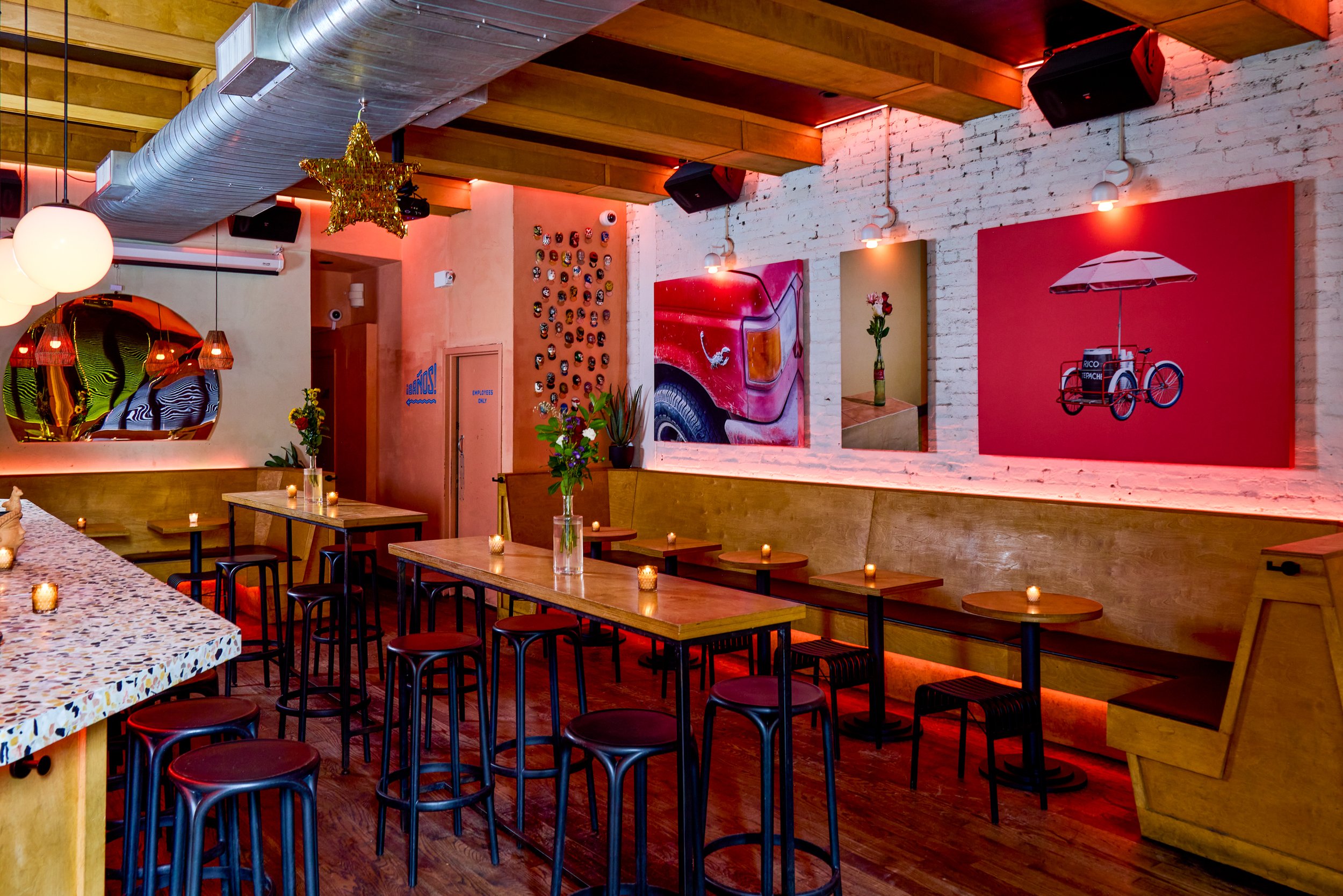
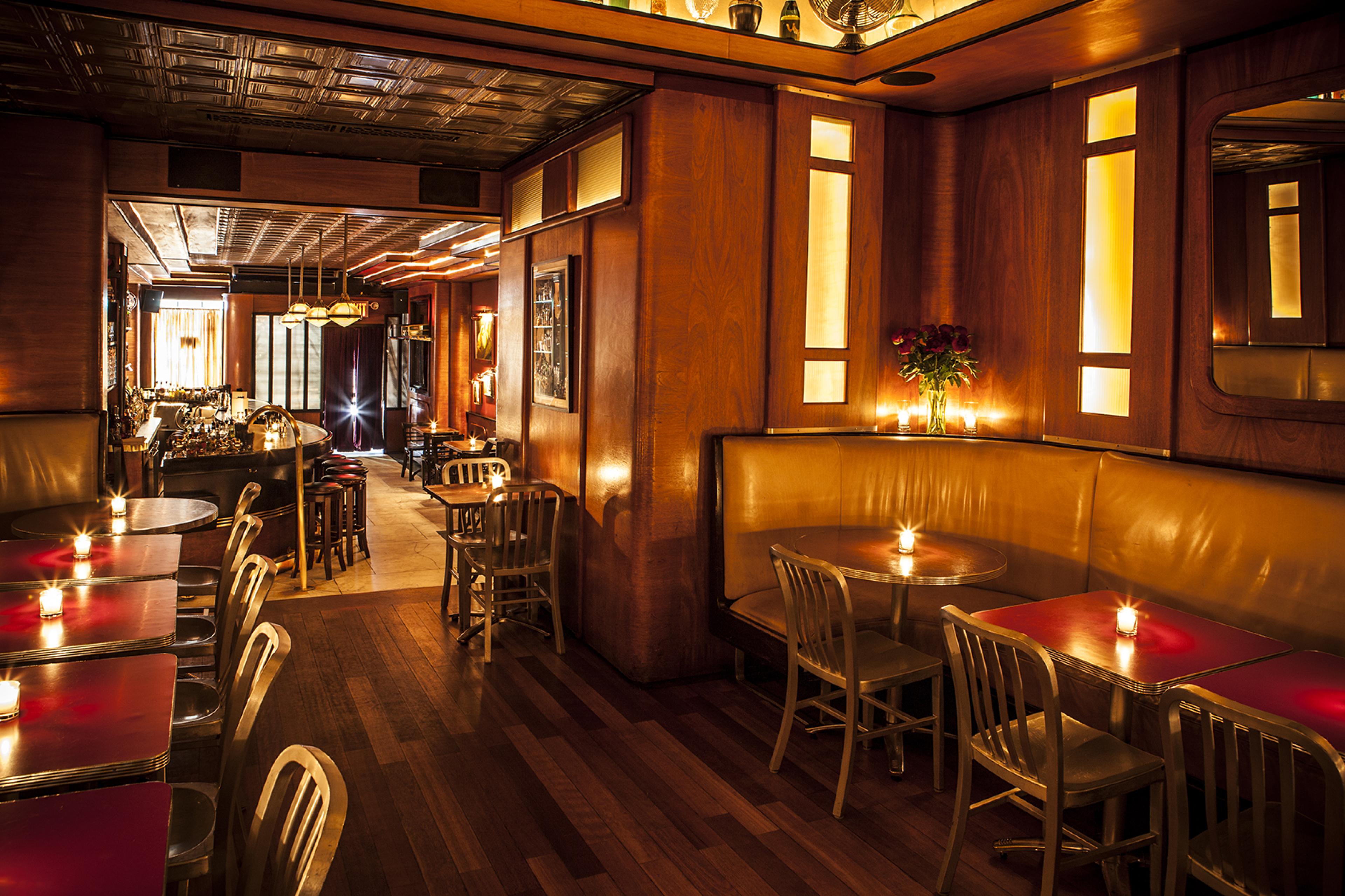
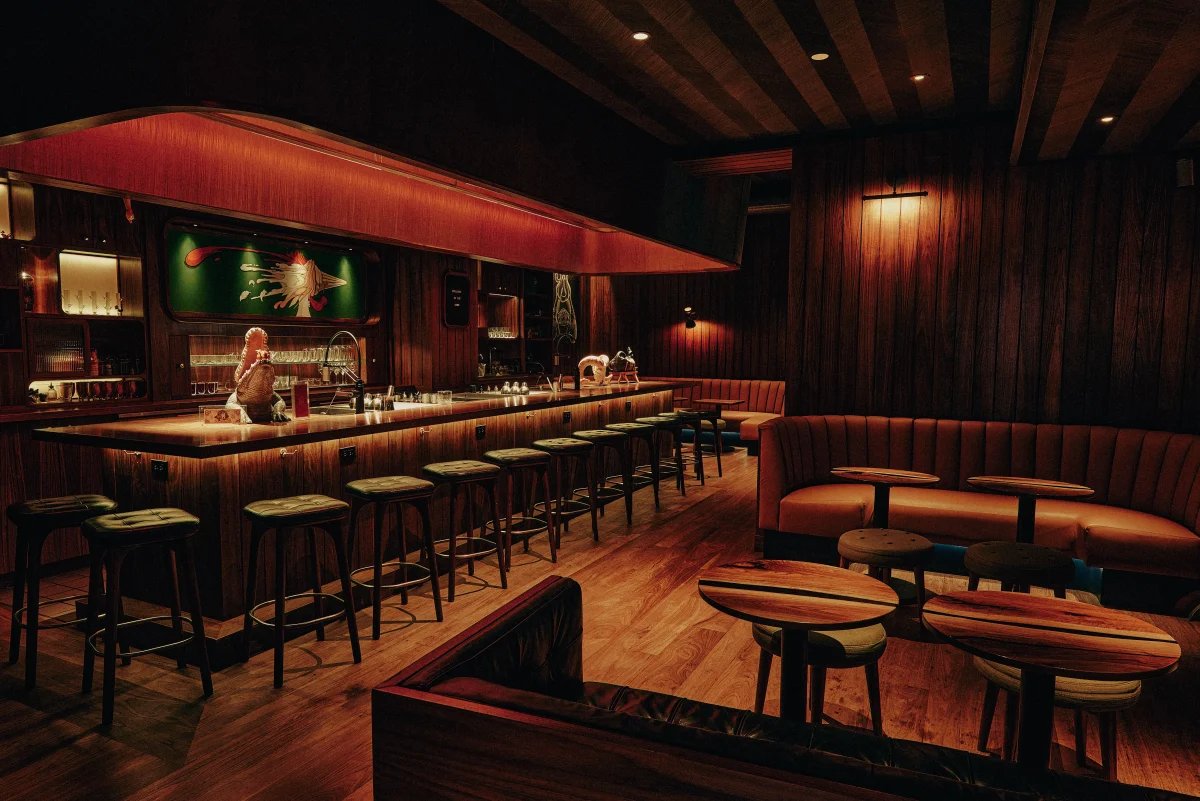
Tile Bar reads like an old-school East Village neighborhood bar — lived-in, unshowy and driven by the people who come through its door. The copy stresses regulars, a lack of pretension and a room that has “absorbed East Village life,” positioning the place against the technical, ingredient-obsessive cocktail bars nearby. That gives Tile Bar a relaxed, intimate quality: warmth and social ease are the point, not theatrical mixology. The interior and the crowd deliver character, so the bar feels like social infrastructure rather than a designed tasting destination.
Best For
Tile Bar is best for low-key, unfussy evenings when familiarity and ease matter more than performance. The description frames it as a neighborhood anchor — a spot to drop into after a long day, catch up with friends, or spend a quiet solo hour among regulars. It’s not intended as a destination for cocktail tourism or high-concept tasting menus; instead it rewards repeat visits, casual conversation and visits where the social atmosphere is the main attraction.
Ordering Tips
The profile explicitly contrasts Tile Bar with manifesto-driven cocktail rooms and says the bar “runs on something less articulated.” In practice that means you shouldn’t expect elaborate, seasonal cocktail theater: stick to straightforward classics or ask the bartender for a simple, reliable option. Requests framed plainly—’a classic,’ ’something easy’ or the bartender’s go-to—are the best approach. The bar prioritizes sociability over technical showmanship, so let the staff steer you toward familiar, well-made drinks rather than experimental flights.
Venue details
Ambiance
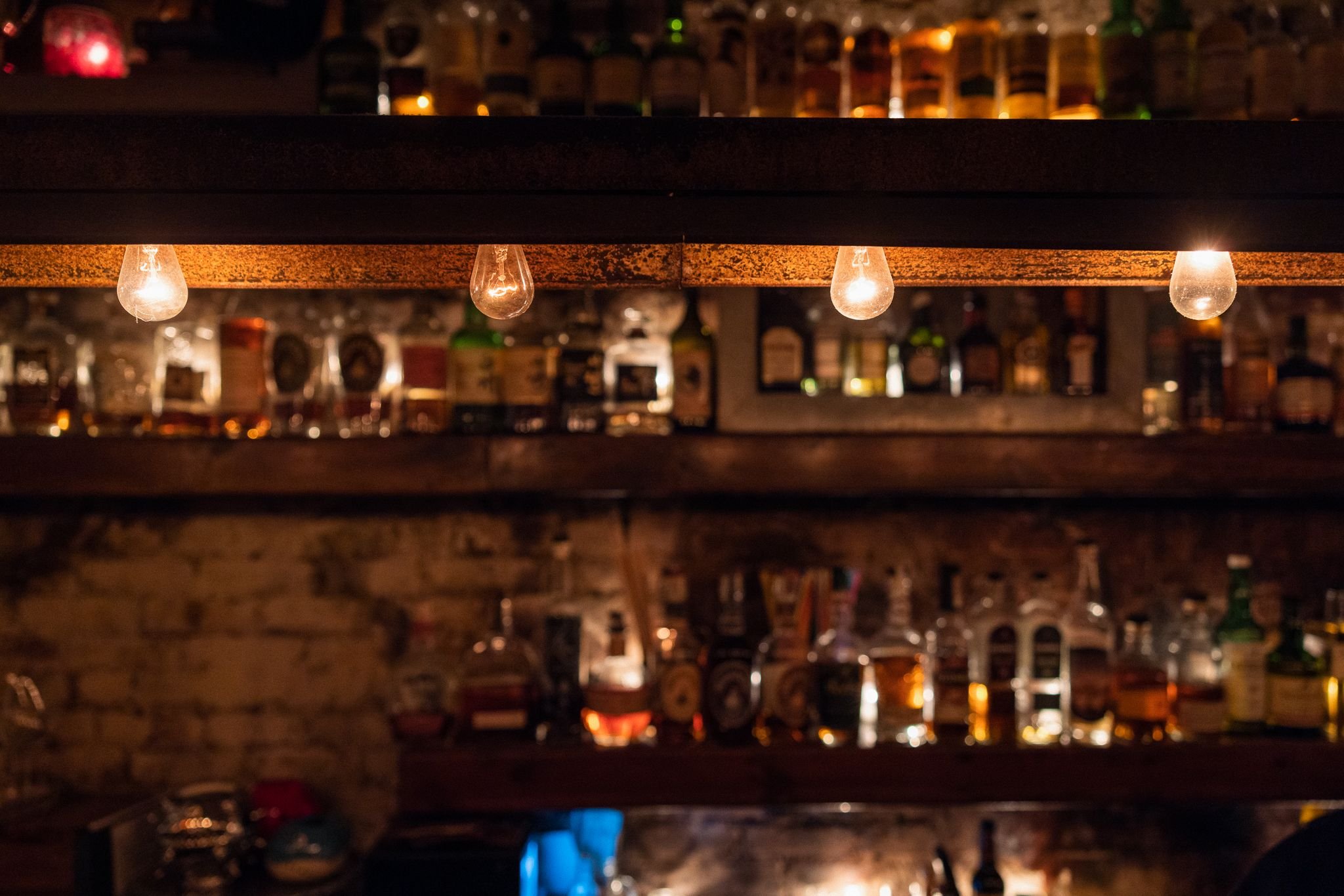
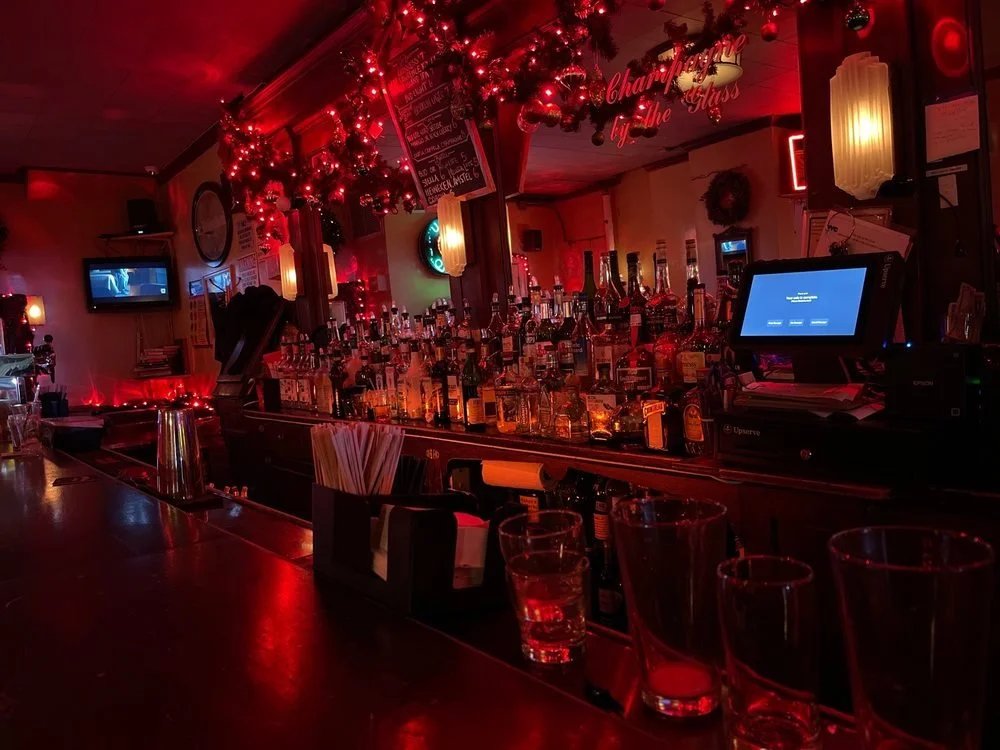
Dimly lit with grimy, unpretentious charm and neighborhood feel.
Tags
Vibe
Best For
Experience
Format
At the Bar
- Bar Category
- Dive Bar
- Late Night
- Open Until 4am
- Music
- Jukebox
Know before you go
Know Before You Go
- Getting there
- 115 1st Ave, New York, NY 10003
Planning details
Location
Also consider
Also Consider
- The Grafton, Notable alternative
- Big Bar, Notable alternative
- The Lions Bar & Grill, Notable alternative
- Goodnight Sonny, Notable alternative
- Schmuck, Notable alternative
Bar context
How Tile Bar compares nearby
Choose Tile Bar when ease matters more than ceremony. Compared with The Grafton and Big Bar, the safer recommendation is to treat it as the simpler fallback for a casual New York City night, especially when a first drink or loose date plan is enough.
If the night needs more of a set-piece feel, compare against The Lions Bar & Grill or Goodnight Sonny before deciding. Tile Bar's advantage is booking ease and low planning pressure; those peers are better cross-shops when ambiance or a more deliberate evening matters.
Schmuck is the more relevant alternative for readers who want a bar-forward choice rather than a loose neighborhood stop. If Tile Bar is full or the room feels wrong for a date, cross-shop Schmuck first, then Goodnight Sonny.
Explore New York City
Around this place
Discover more on Pearl
Unlock the full Tile Bar guide in Pearl, including awards, comparisons, FAQs, planning details, and nearby places.
Compare Tile Bar
| Venue | Location | Awards |
|---|---|---|
| Tile Bar | New York City | No published awards |
| The Grafton | New York City | No published awards |
| Big Bar | New York City | No published awards |
| The Lions Bar & Grill | New York City | No published awards |
| Goodnight Sonny | New York City | No published awards |
| Schmuck | New York City | No published awards |
How Tile Bar New York City compares with similar nearby venues.
FAQ
Frequently Asked Questions
What's the crowd like at Tile Bar?
Tile Bar has a casual dress code and late-night hours, including service until 2 AM most nights and until 4 AM on Friday and Saturday. Beyond that, the crowd can vary, so treat it as a casual New York City bar rather than a formal dinner setting.
Is Tile Bar good for a date?
Yes, for an informal date or a first stop, especially if you want something low-pressure in New York City. It is less clear for a planned dinner date because it does not emphasize cuisine, chef, and menu details.
Is the food good at Tile Bar?
Food is not a primary focus, so do not plan around Tile Bar as a food destination without checking directly.
Is Tile Bar good for groups?
It may work for a casual group meetup, especially because of the late hours. For a formal group dinner or a plan that depends on seating, food, or a specific service format, inquire directly before going.
Is Tile Bar open late?
Yes. Tile Bar is open 5 PM–2 AM Monday through Thursday, 4 PM–4 AM Friday, 3 PM–4 AM Saturday, and 3 PM–2 AM Sunday.
Does Tile Bar have outdoor seating?
Outdoor seating is not a stated feature, so inquire directly if this is important for your visit.
What's the best time to go to Tile Bar?
Go earlier in the evening if you want a simpler arrival, or later if you are using it as a post-dinner stop. Friday and Saturday are the latest-running nights, with hours extending to 4 AM, while Monday through Thursday and Sunday close at 2 AM.