
Thyme Bar
Midtown South-Flatiron-Union Square, New York City
Bar in New York City, United States
 Book with Pearl
The Read
Price
$20–30per person
Why go
Thyme Bar is a practical Flatiron pick for a polished round when the drink is the occasion, not a filler stop. It suits dates, compact celebrations, and pre- or post-dinner plans better than big groups or bargain-led nights; cross-shop Undercote for a darker cocktail mood and La Compagnie Wine Bar Flatiron for wine.
About Thyme Bar
Thyme Bar is a New York City venue with evening and late-night hours, a smart casual dress code, and a Pinnacle Guide 1 Pin for 2026. Use it when the plan calls for a New York City stop built around its established offerings.
The schedule makes it most useful for evening planning: Thyme Bar opens at 5 PM daily, closes at 11 PM on Monday, 1 AM Tuesday through Thursday, 2 AM Friday and Saturday, and midnight on Sunday. If the plan needs a different kind of anchor, COTE Korean Steakhouse may be a better comparison. If the night is being planned around another option, Undercote is a natural comparison.
A better fit for an evening plan than a lunch plan
The most grounded way to plan Thyme Bar is as an intentional New York City stop with late-night utility on most nights of the week. It is best suited for an evening or after-dinner visit; details on lunch service, food format, pricing, seating capacity, or a specific menu style are not specified.
With no price range specified, the decision should be framed by occasion and schedule rather than bargain-hunting. Choose it when the timing, smart casual dress code, and recognition fit the night. For another comparison, La Compagnie Wine Bar Flatiron is an option; for broader planning, use New York City bars guide.
Who should pick it, and who should cross-shop
Pick Thyme Bar for an evening or late-night New York City plan where a smart casual setting and confirmed recognition matter. Cross-shop Experimental Cocktail Club, Kindred, Undercote, La Compagnie Wine Bar Flatiron, or COTE Korean Steakhouse depending on what else the night needs.
The strongest recommendation is situational: Thyme Bar works well when its hours and dress code match the plan. Pair it with a plan from New York City restaurants guide, or use the wider city guides for hotels and experiences if the stop is part of a larger New York City itinerary.
Planning details
- Location
- 20 W 23rd St Cellar, New York, NY 10010
- Reservations
- Book on Resy
- Website
- thymebarnyc.com
- Phone
- (646) 600-9257
The take
The Take
The Vibe
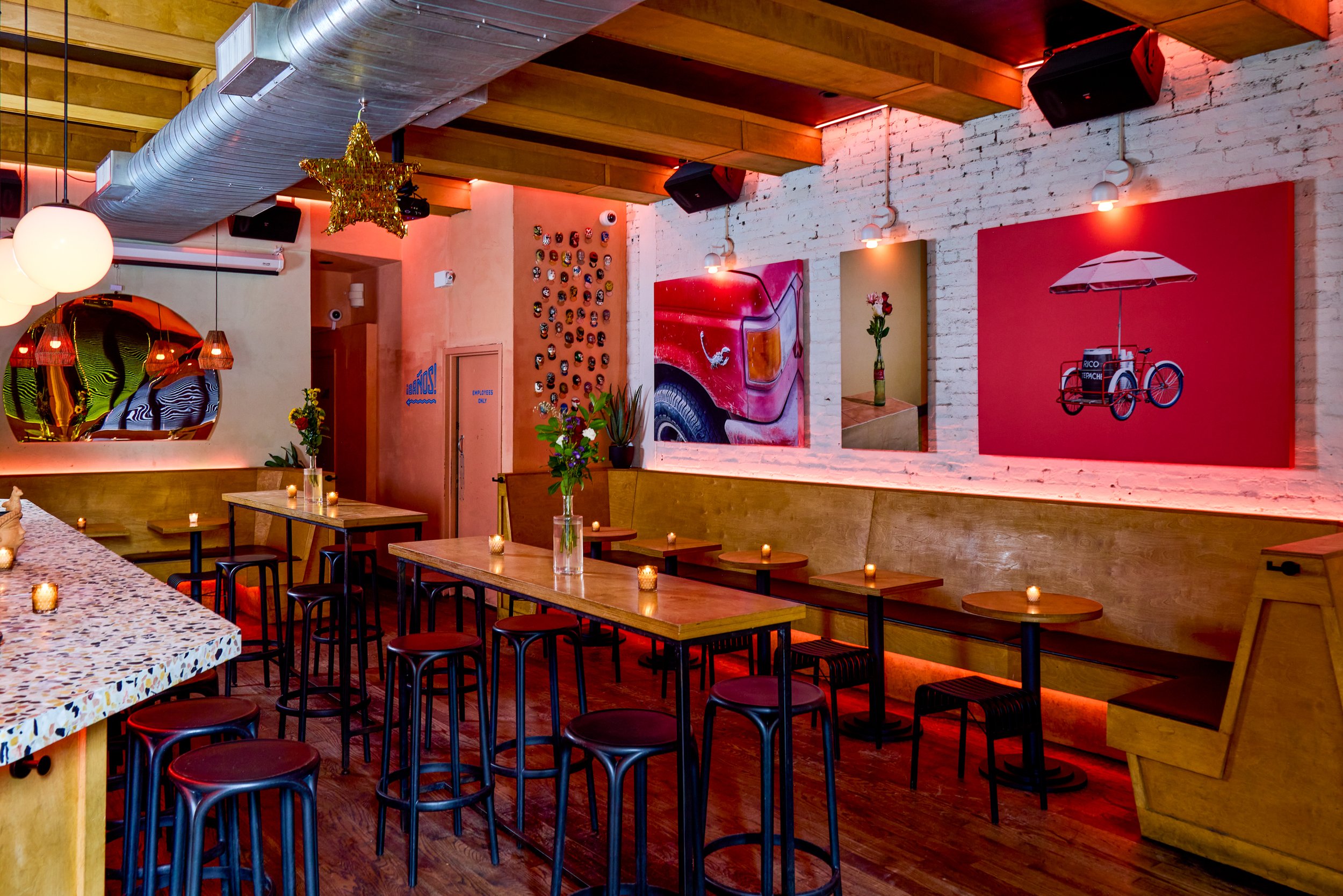
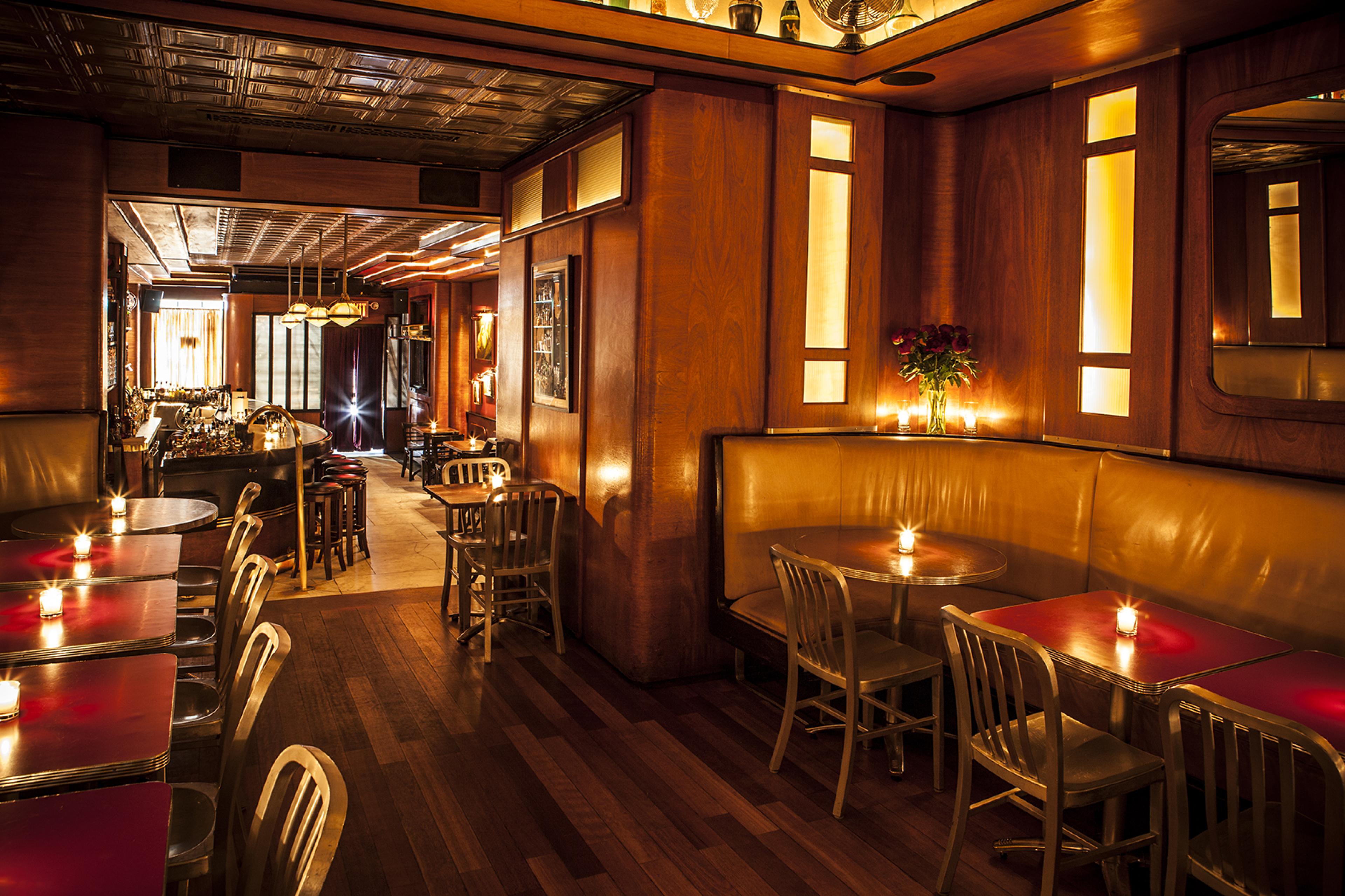
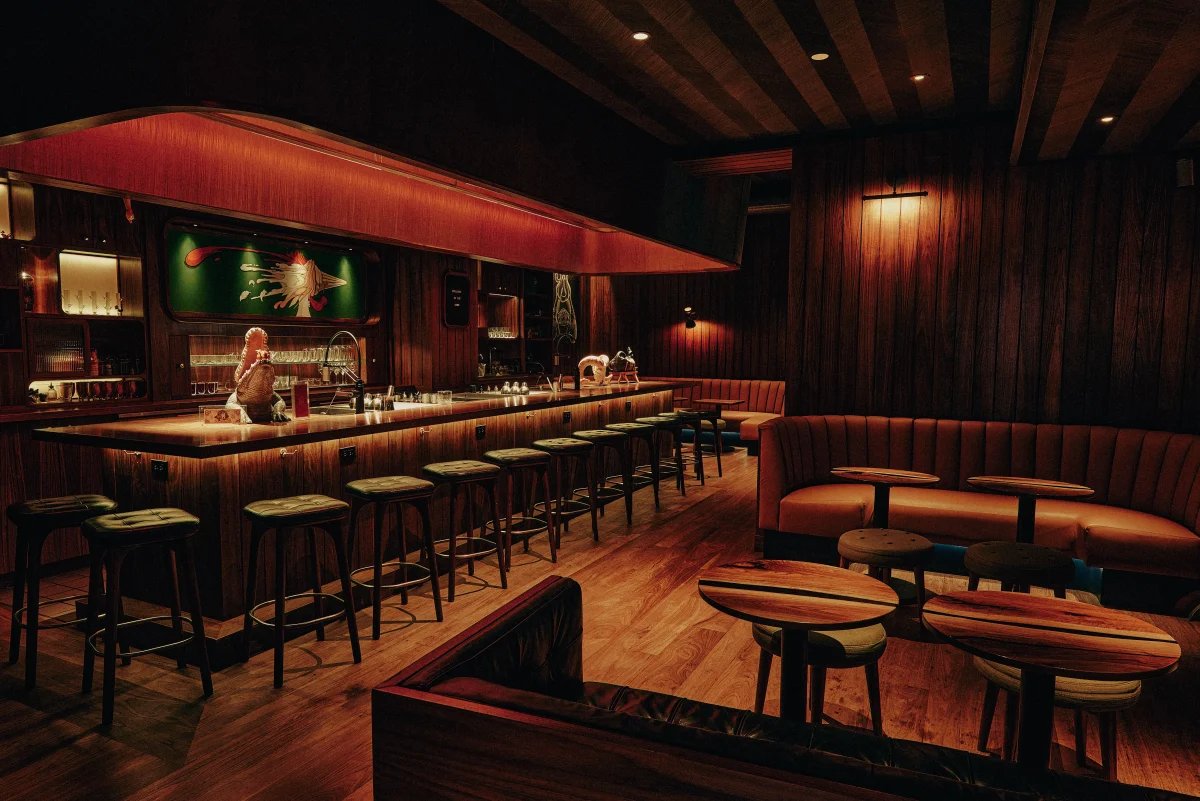
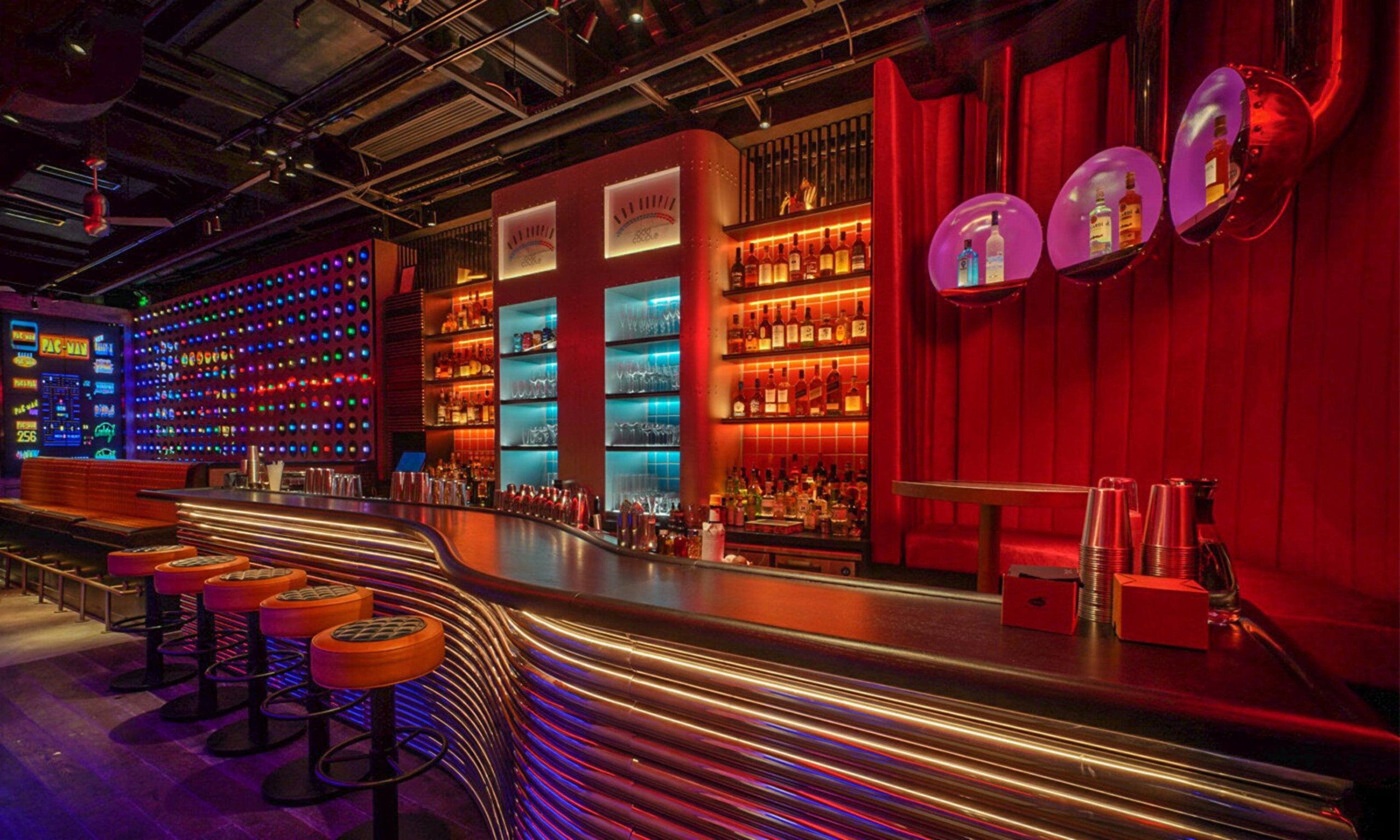
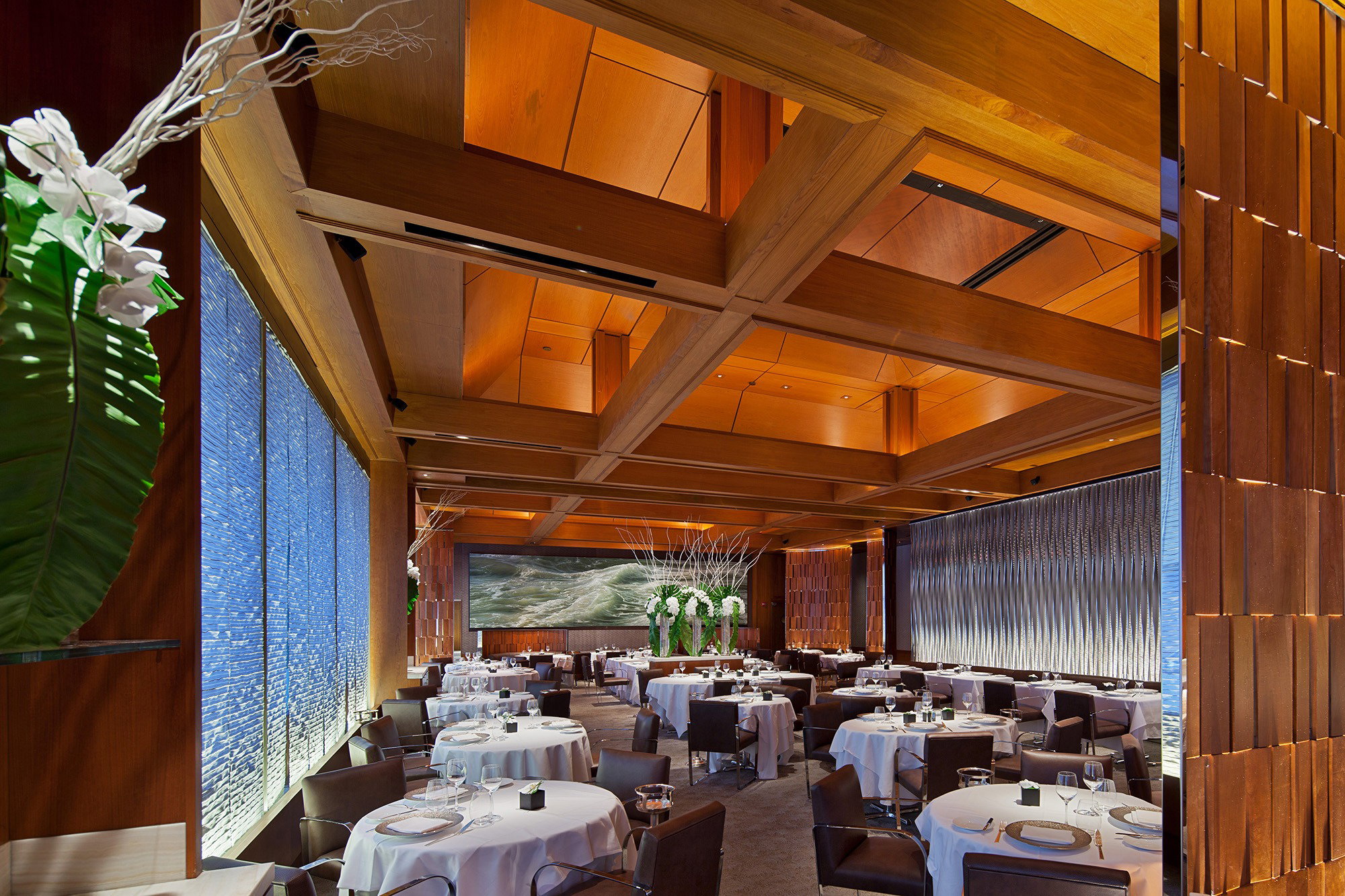
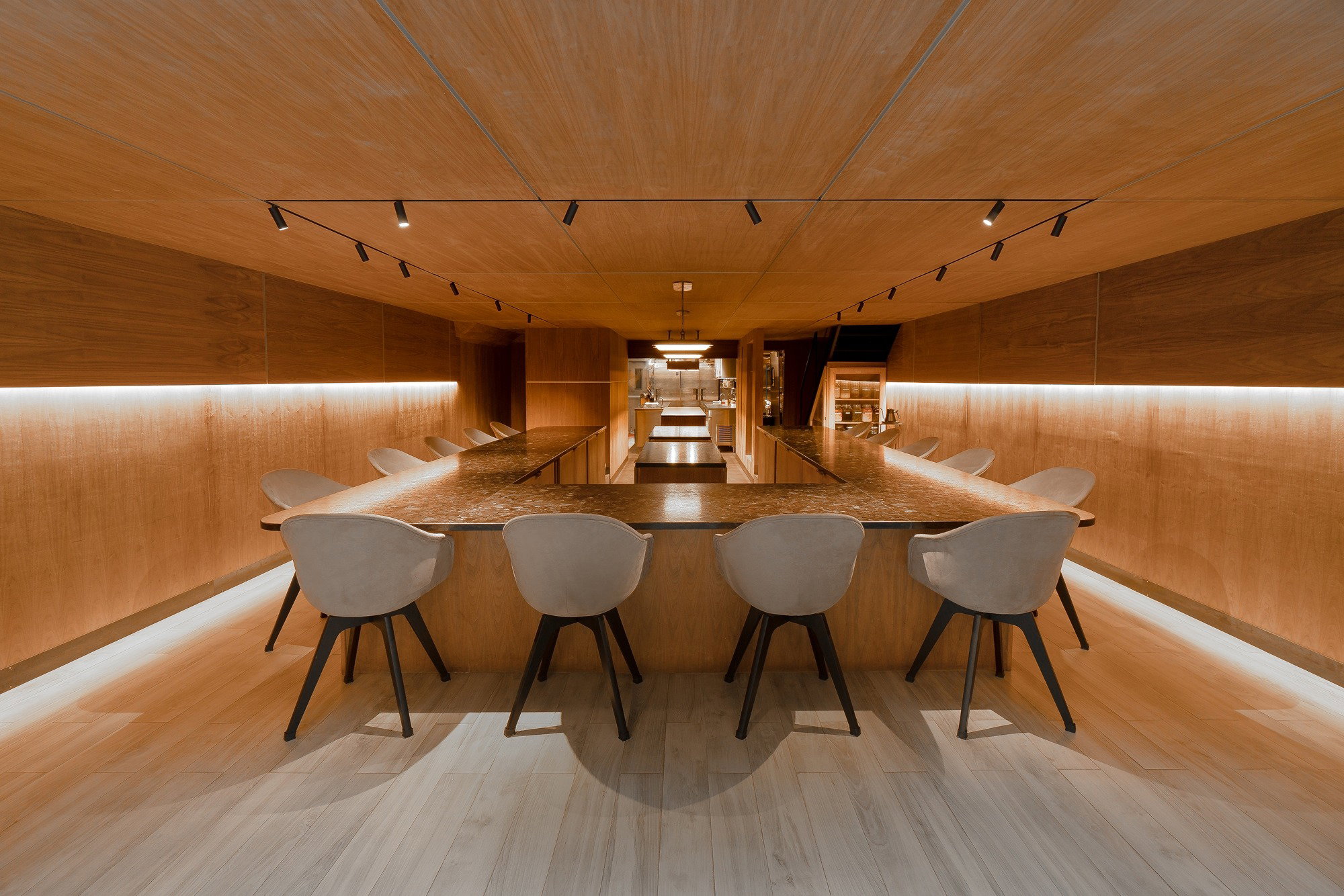
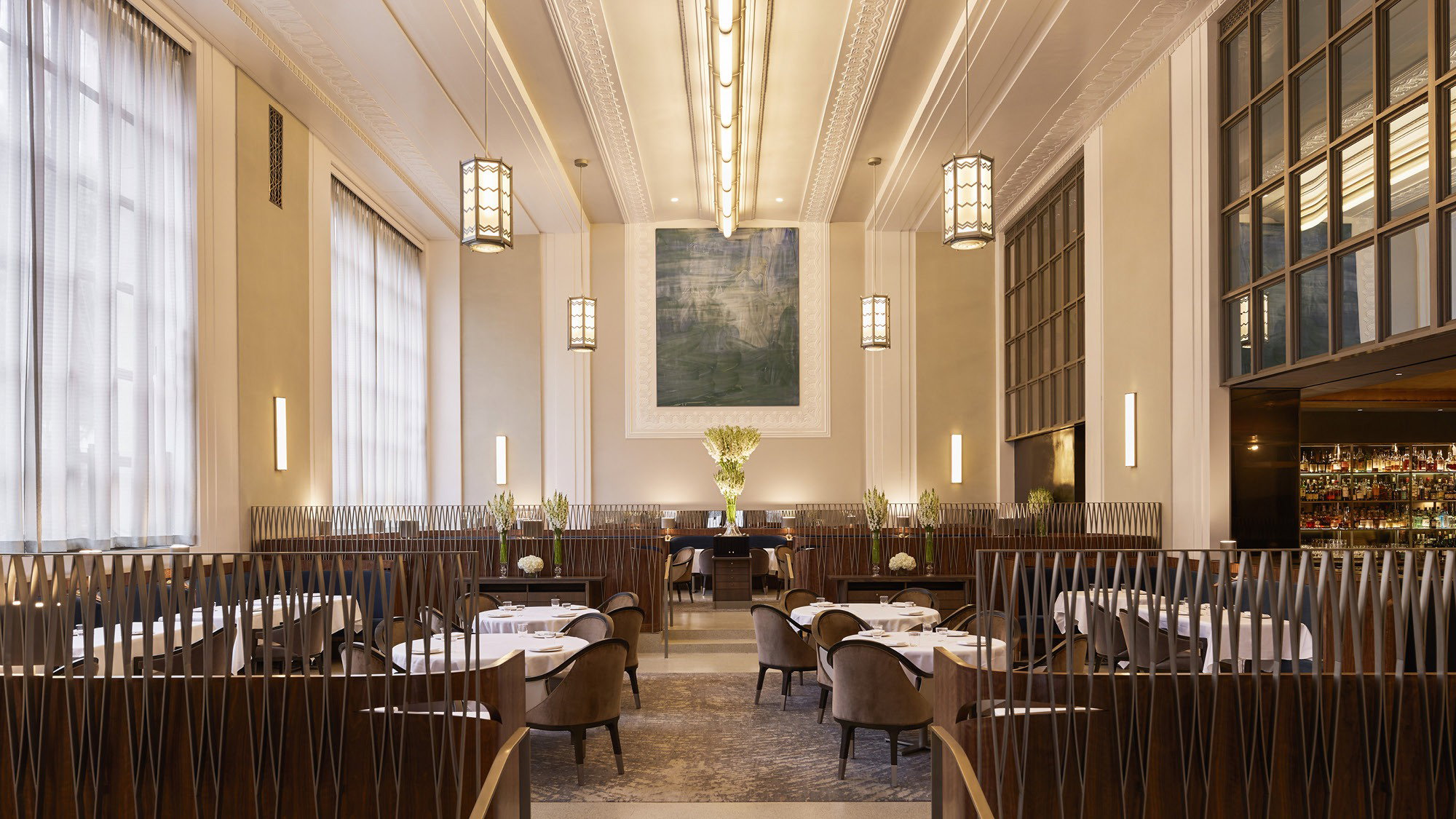
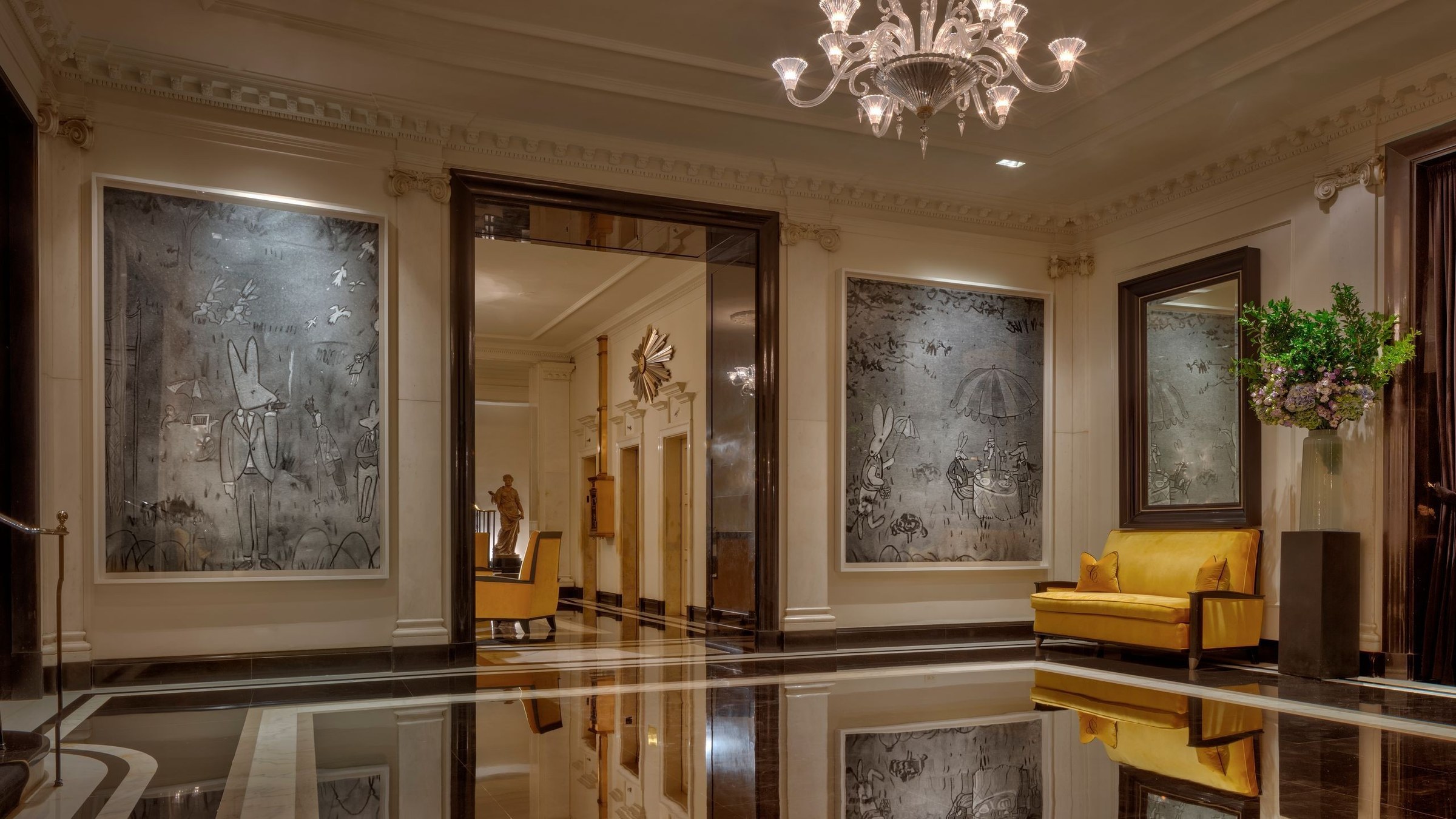
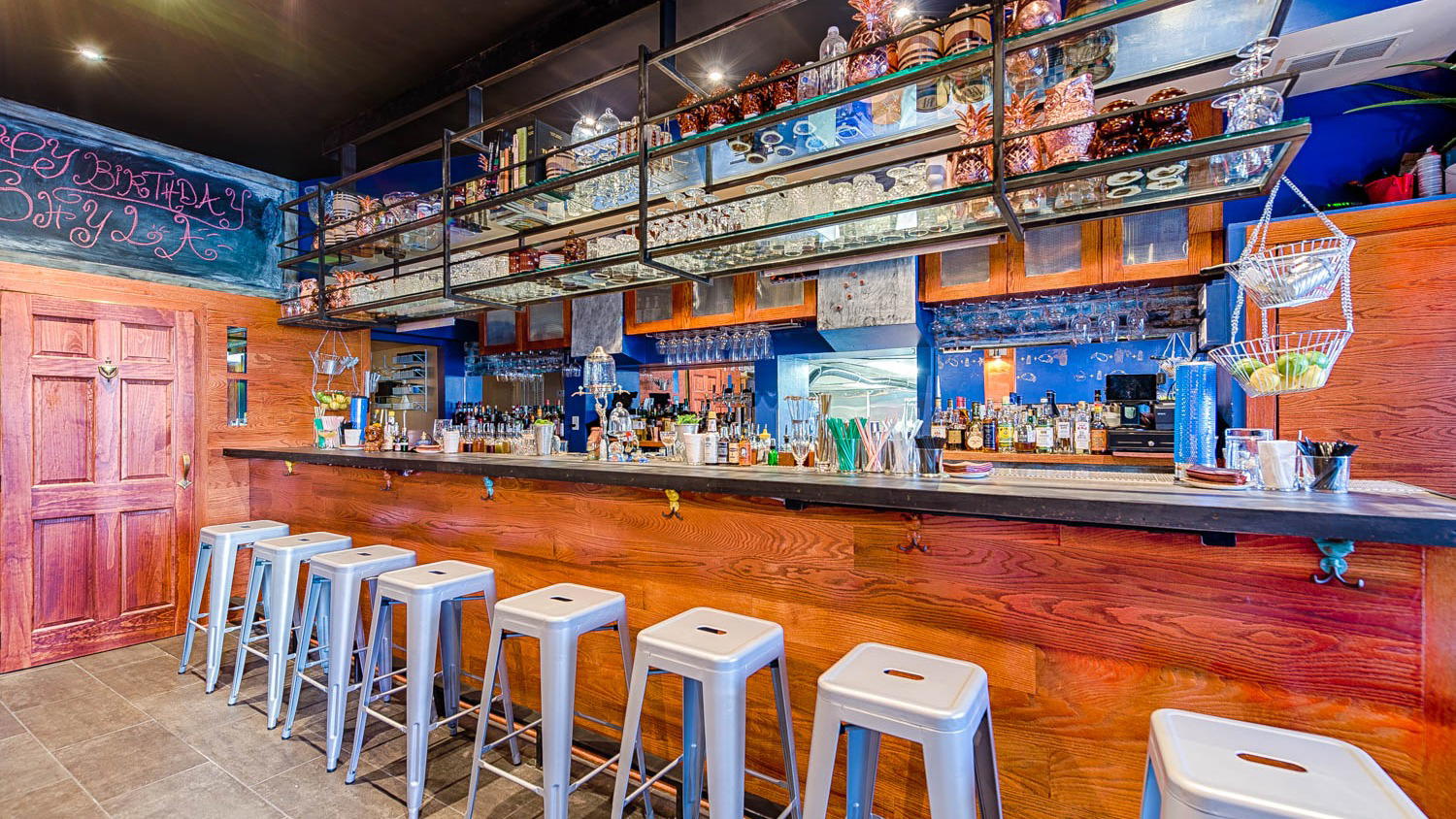
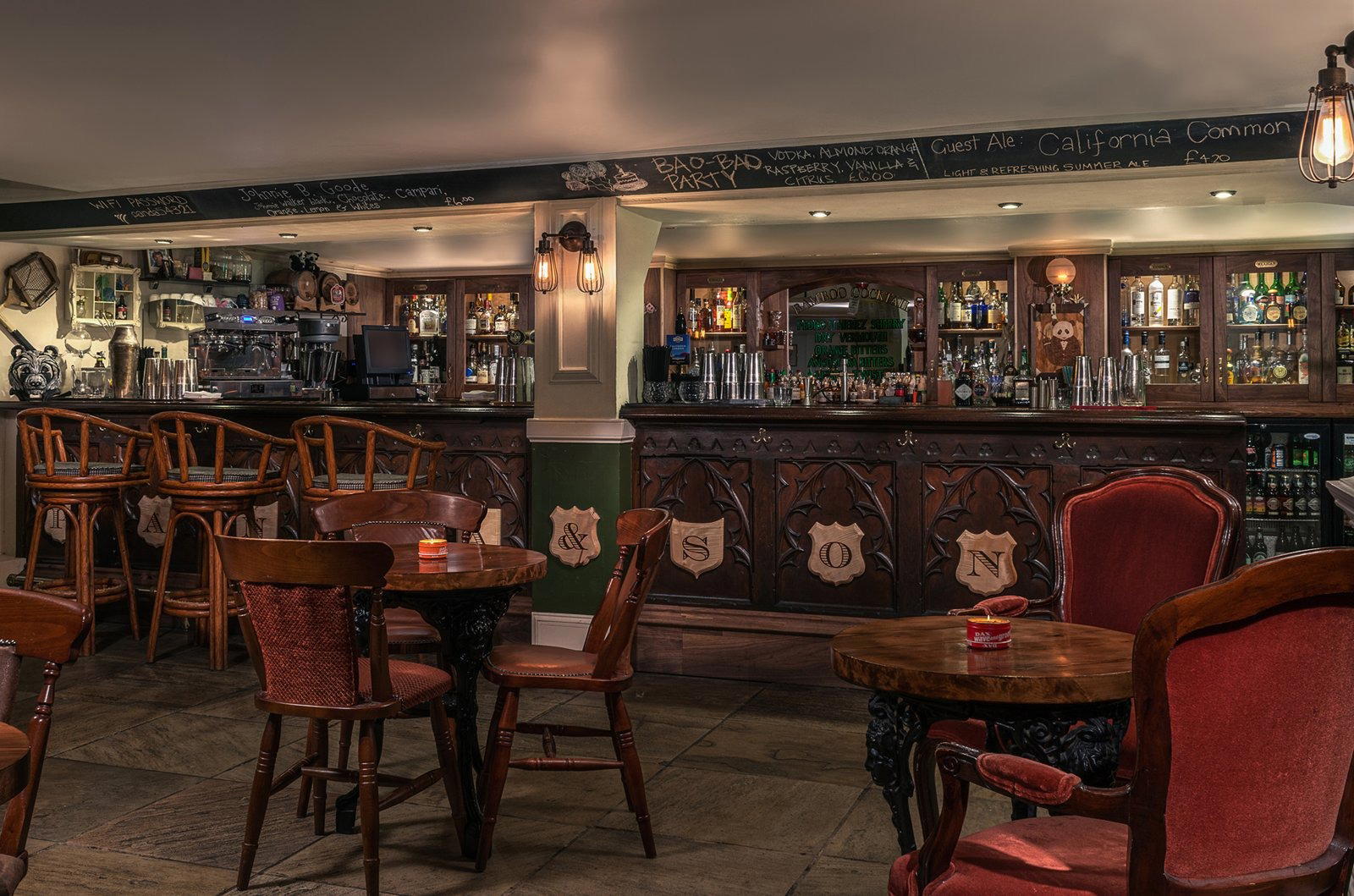
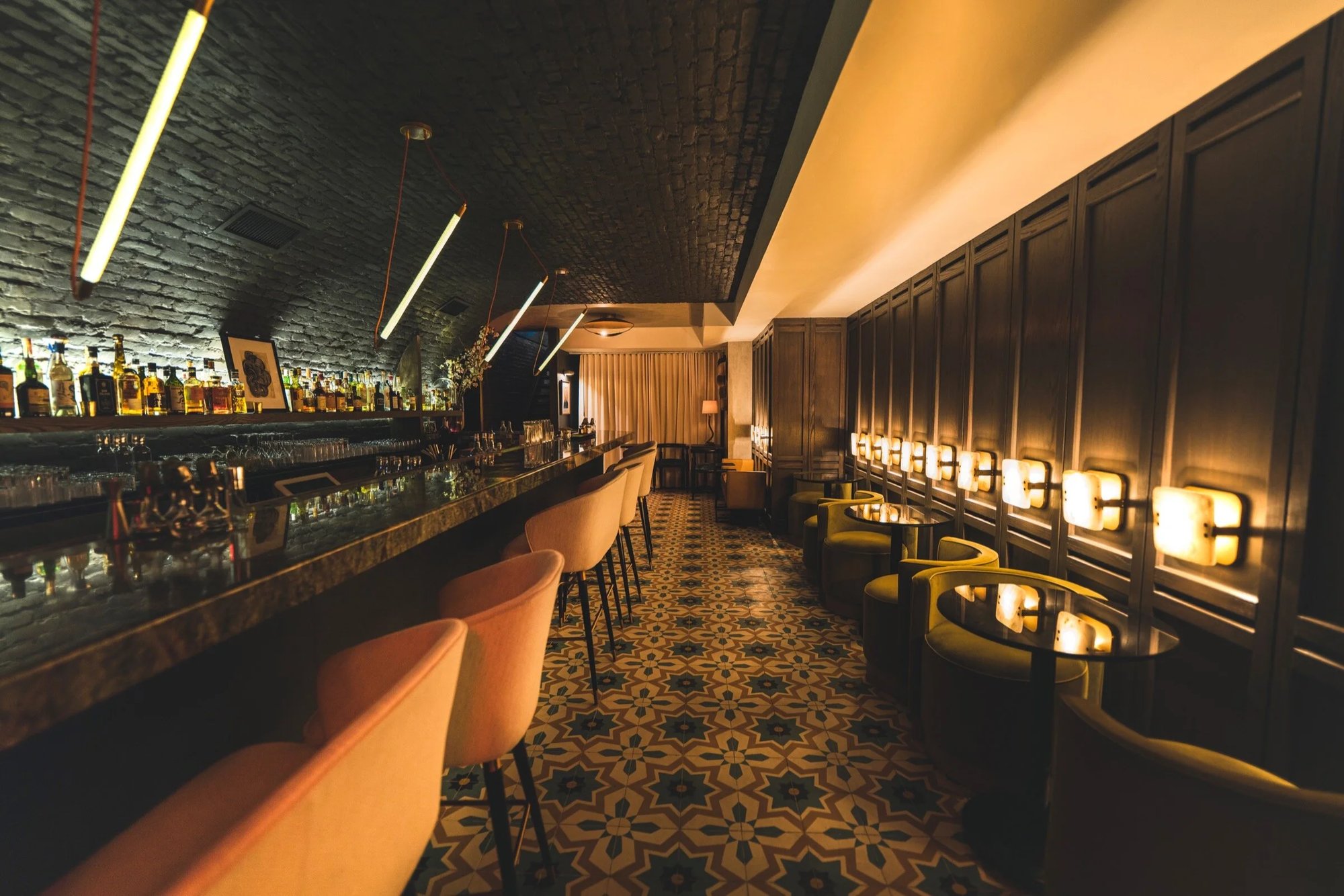
Thyme Bar occupies a pre-war cellar and leans fully into that heritage, creating a compact, focused drinking environment. The space feels deliberately restrained: low-capacity seating and cellar architecture make the room feel cozy and historically grounded. The program emphasizes culinary cocktails and a throughline in the menu, so the mood is quietly sophisticated rather than rowdy. Guests arrive for an intentional experience rather than casual bar time; the result is a refined, immersive atmosphere that rewards attention to craft and the subtleties of a format-driven tasting service.
Best For
This is a destination for an attentive evening — the tasting-menu format and fixed-seat orientation make Thyme Bar best suited to special evenings where guests want to engage with the program. It’s not a drop-in neighborhood cocktail spot; it’s better for a planned night out, small celebrations, or date nights when you want a focused, culinary-minded beverage experience. Groups that expect a leisurely, structured progression through drinks and bites will get the most from what the cellar setting and the team are offering.
Ordering Tips
Book ahead and treat your reservation as the starting point for the experience: the bar operates with fixed seatings and an experiential tasting format, so walk-ins are unlikely to work. Arrive on time and be prepared to follow a set menu rather than ordering à la carte; the program is intentional and designed to be taken as a sequence. Let the staff guide the pacing and pairings, and plan for a concentrated, sit-down drinking experience rather than casual, quick rounds at the bar.
Venue details
Ambiance
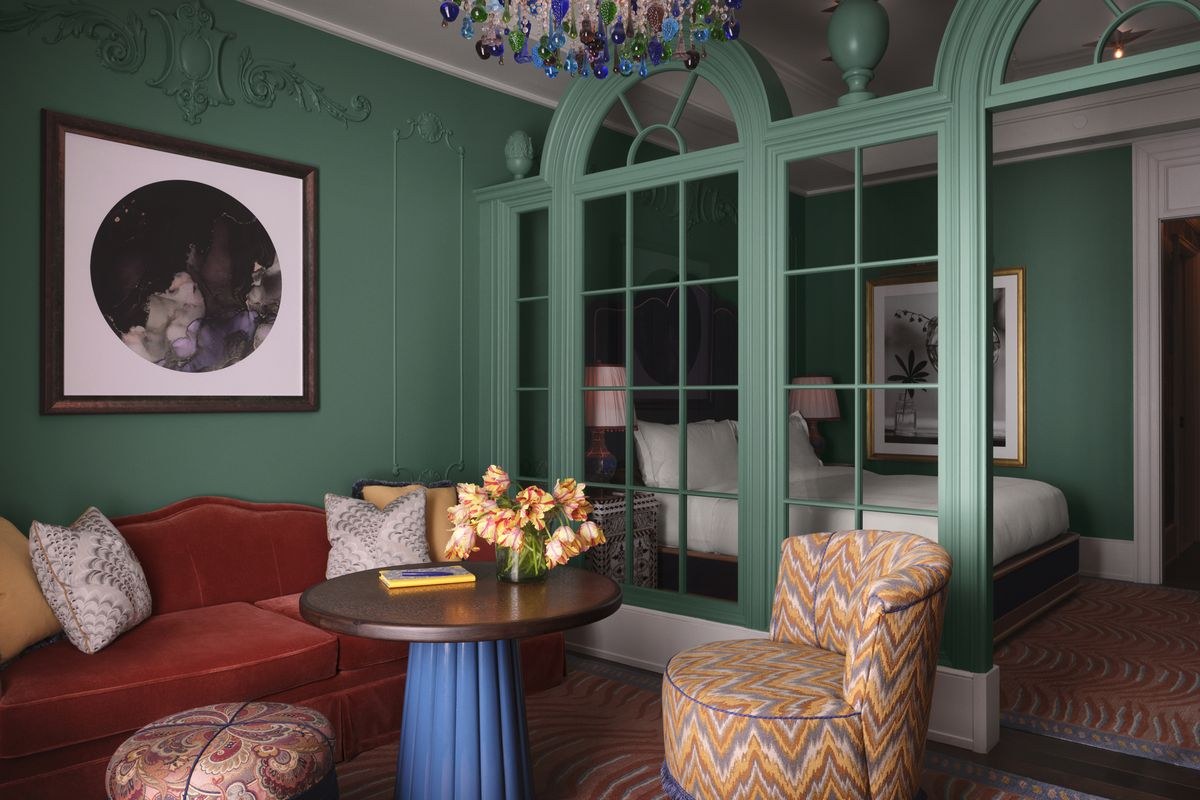
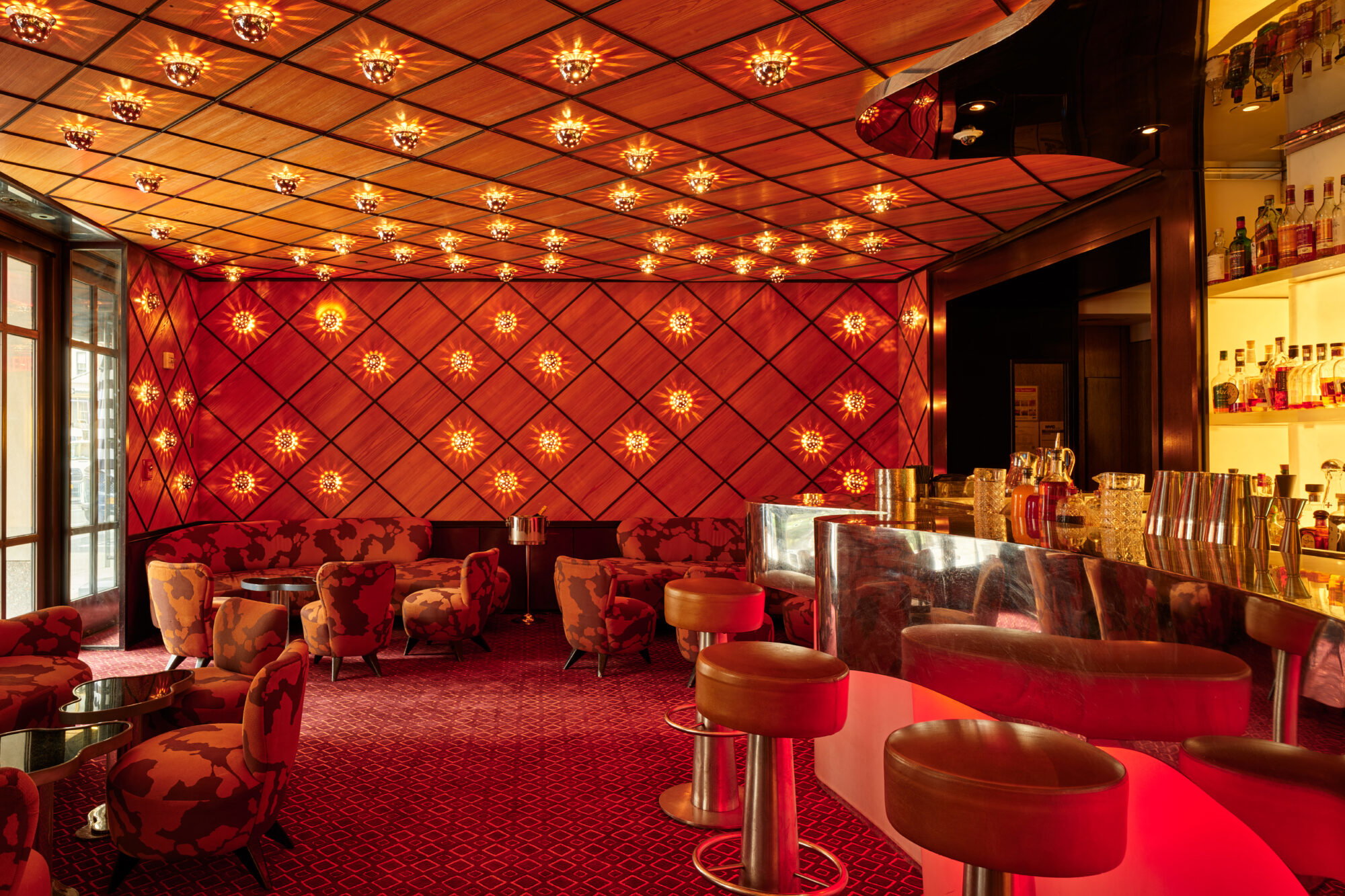
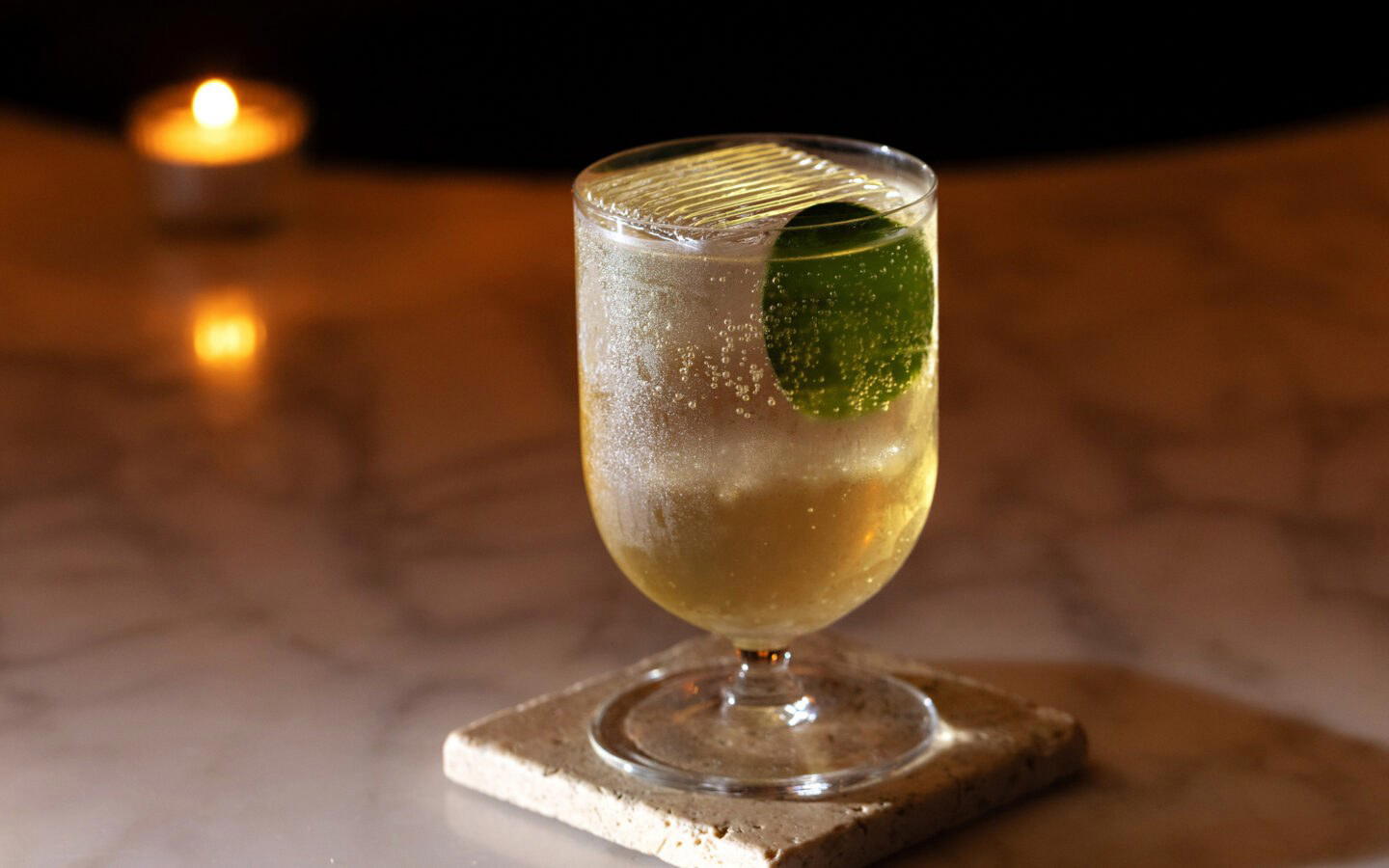
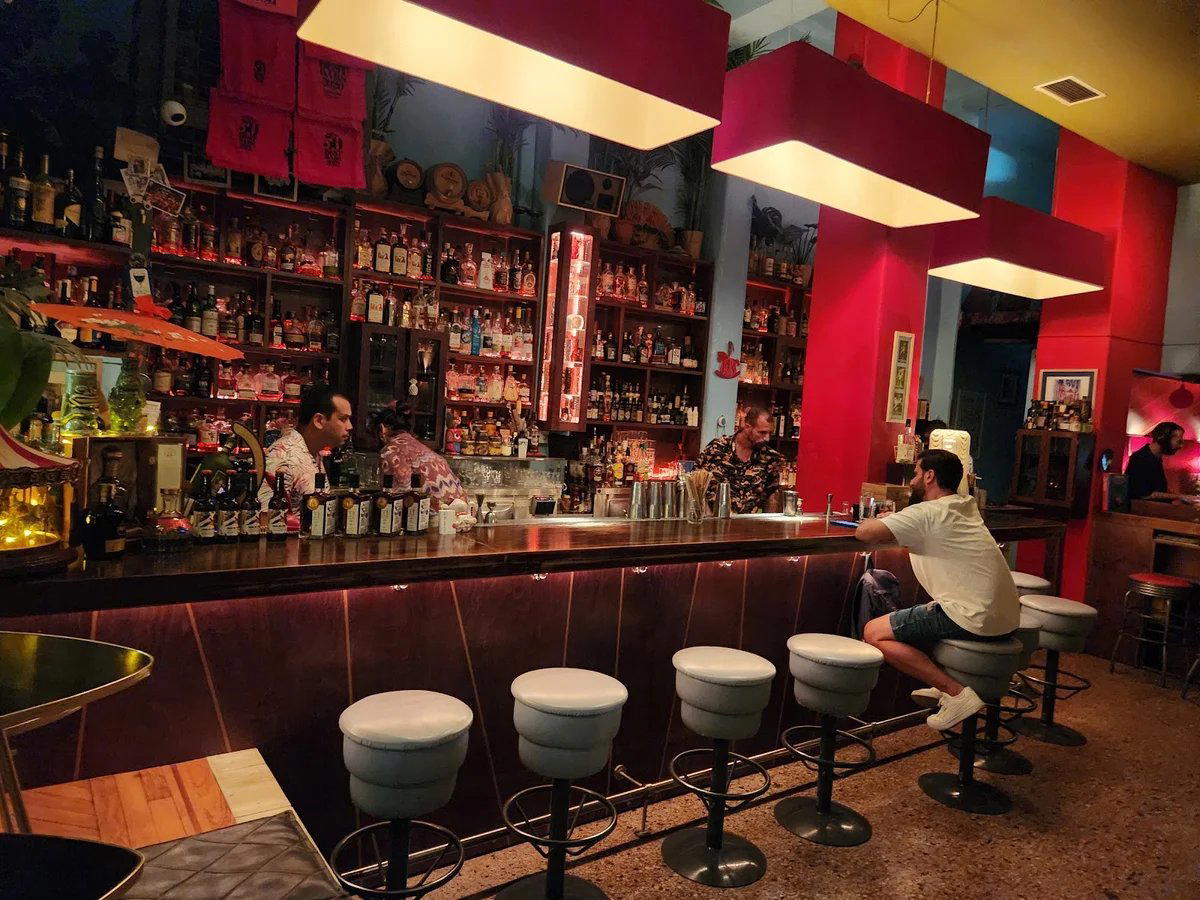
Intimate underground speakeasy lounge with plush seating and creative, visually stunning drink presentations.
Tags
Vibe
Best For
Experience
Format
At the Bar
- Bar Category
- Speakeasy
- Late Night
- Open Until 2am
- Spirits Focus
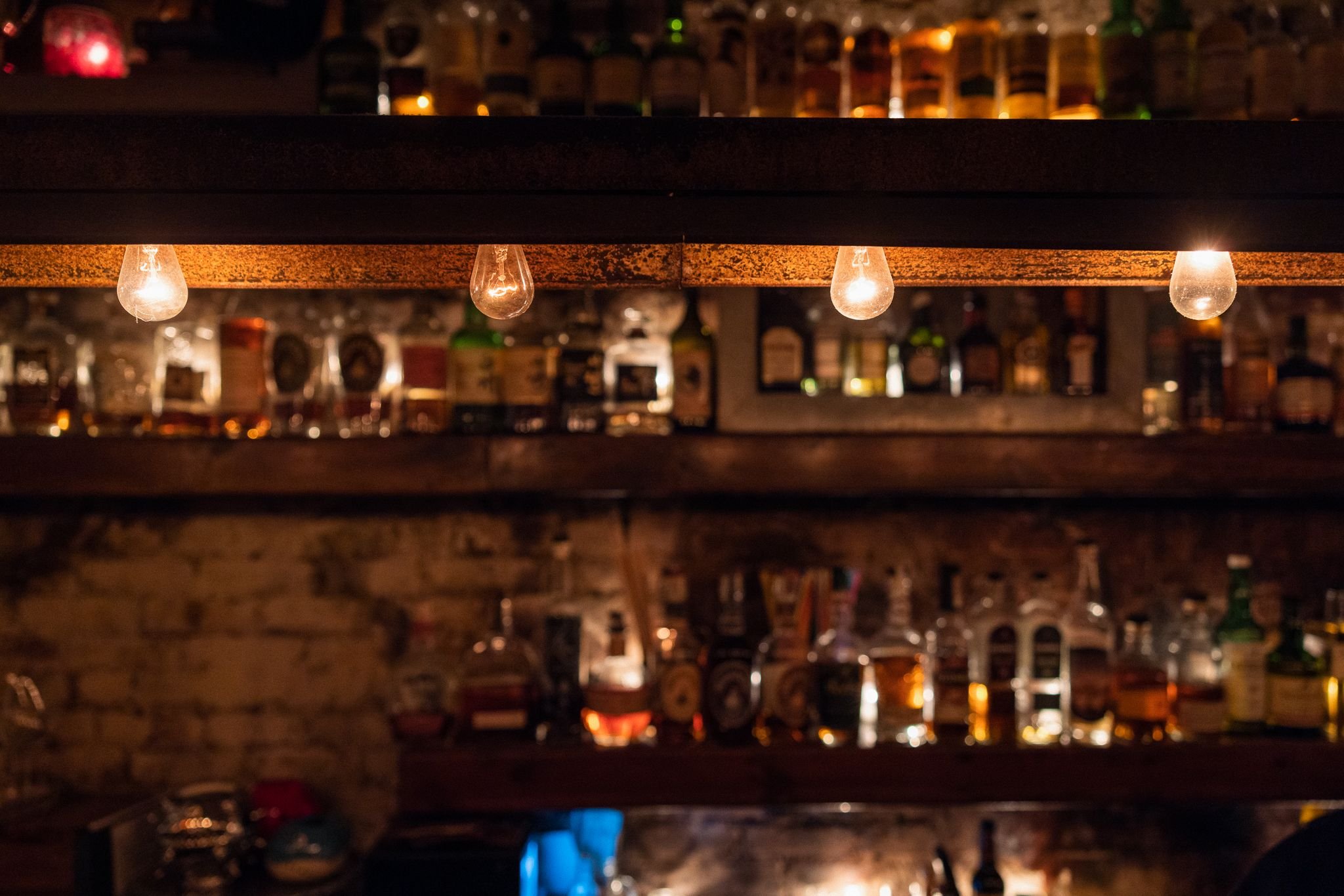
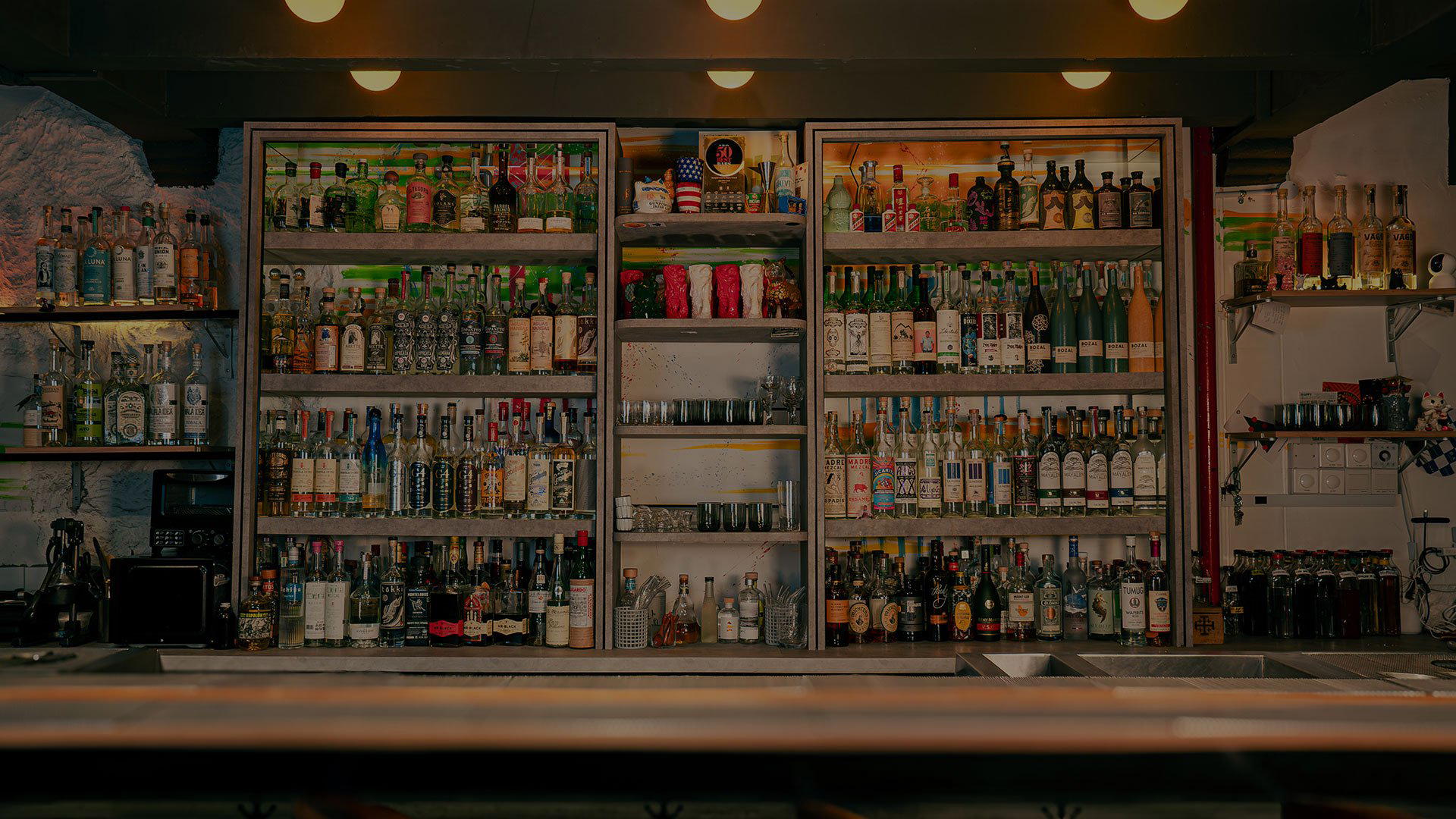
- Whiskey, Mezcal, Bourbon, Rye
Signature Pours
- Primrose & Rye
- Chatpata Fizz
- Gynoecium Old Fashioned
- The Bloomist Cloche
Know before you go
Know Before You Go
- Getting there
- 20 W 23rd St Cellar, New York, NY 10010
Planning details
Location
Recognition and awards
Also consider
Also Consider
- COTE Korean Steakhouse, Notable alternative
- Undercote, Notable alternative
- Experimental Cocktail Club, Notable alternative
- La Compagnie Wine Bar Flatiron, Notable alternative
- Kindred, Notable alternative
Bar context
How Thyme Bar compares in Flatiron and downtown cocktail planning
Choose COTE Korean Steakhouse when dinner is the main event and the bar is part of a larger spend. Thyme Bar is the cleaner choice when the night is built around one polished round rather than a full steakhouse booking. For value, that matters: a shorter cocktail-focused stop can feel better controlled than committing the whole evening to a food-led format.
Undercote and Experimental Cocktail Club are the more direct cocktail cross-shops. Pick Undercote for a darker after-dinner feel, Experimental Cocktail Club for a cocktail-first night with more destination energy, and Thyme Bar when Flatiron convenience and a composed special-occasion setting matter more than chasing the hardest booking.
La Compagnie Wine Bar Flatiron is better for wine-led decisions, especially if the group cares more about bottles than cocktails. Kindred is the alternate to check when downtown location and a different room feel are the priority. For an easy, recognition-backed Flatiron cocktail stop, Thyme Bar remains the practical middle lane.
Explore New York City
Around this place
Discover more on Pearl
Unlock the full Thyme Bar guide in Pearl, including awards, comparisons, FAQs, planning details, and nearby places.
Compare Thyme Bar
| Venue | Location | Awards |
|---|---|---|
| Thyme Bar | New York City | 2026 Pinnacle Guide |
| COTE Korean Steakhouse | New York City | No published awards |
| Undercote | New York City | 2026 OAD Casual in North America Recommended |
| Experimental Cocktail Club | New York City | Top 500 Bars 2025 · #2182012 World's 50 Best Bars · #26 |
| La Compagnie Wine Bar Flatiron | New York City | No published awards |
| Kindred | New York City | No published awards |



How Thyme Bar New York City compares with similar nearby venues.
FAQ
Frequently Asked Questions
Is Thyme Bar open late?
Yes. Thyme Bar stays open until 1 AM on Tuesday through Thursday, 2 AM on Friday and Saturday, and midnight on Sunday. It closes at 11 PM on Monday.
What is Thyme Bar known for?
Thyme Bar is a New York City venue with a smart casual dress code and a Pinnacle Guide 1 Pin for 2026.