Sendo
Midtown South-Flatiron-Union Square, New York City
Bar in New York City, United States
 Book with Pearl
The Read
Price
$30–50per person
Why go
Sendo is an easy Midtown choice when convenience and timing matter more than awards, chef-name pedigree, or a documented wine program. Use it for a practical lunch or dinner near 6th Avenue; choose a dedicated bar from the comparison set if the night is mainly about cocktails, wine depth, or atmosphere.
About Sendo
Sendo is a New York City venue with daily lunch and dinner hours. The profile is practical but limited: details include its city, listed hours, and smart casual dress code. Specifics such as cuisine, chef, menu format, pricing, awards, booking difficulty, and beverage program are not available.
Consider Sendo when the priority is fitting a meal into a New York City day using the published schedule. Beyond that profile, there is no basis for describing a specialty, service style, wine program, accolades, or reservation difficulty.
A New York City pick defined by practical details
The most useful information on Sendo is its schedule. It is listed as open for lunch from 11:30 AM to 3 PM every day, with dinner from 5 PM to 10 PM Sunday through Thursday and from 5 PM to 11 PM on Friday and Saturday.
The dress code is smart casual. Beyond that, specifics are not available on cuisine, dishes, price, seating, chef or ownership, takeout, delivery, dietary accommodations, awards, or a drinks program, so those should not be treated as established planning points.
How to use it in a New York City night
Use Sendo as a practical New York City meal option when its lunch or dinner hours match your plan. If you are comparing different kinds of evenings, Blacktail, The Riff Raff Club, Good Behavior, Turntable Chicken Jazz, and Pocha 32 are other options to consider, without assuming they share Sendo's schedule, dress code, or other specific details.
For broader planning, use Our full New York City restaurants guide, Our full New York City bars guide, Our full New York City hotels guide, Our full New York City wineries guide, and Our full New York City experiences guide.
Planning details
- Location
- 876 6th Ave 2nd Floor, New York, NY 10001
- Reservations
- Book on Resy
- Website
- sendo.nyc
- Phone
- +1 646 943 4548
The take
The Take
The Vibe
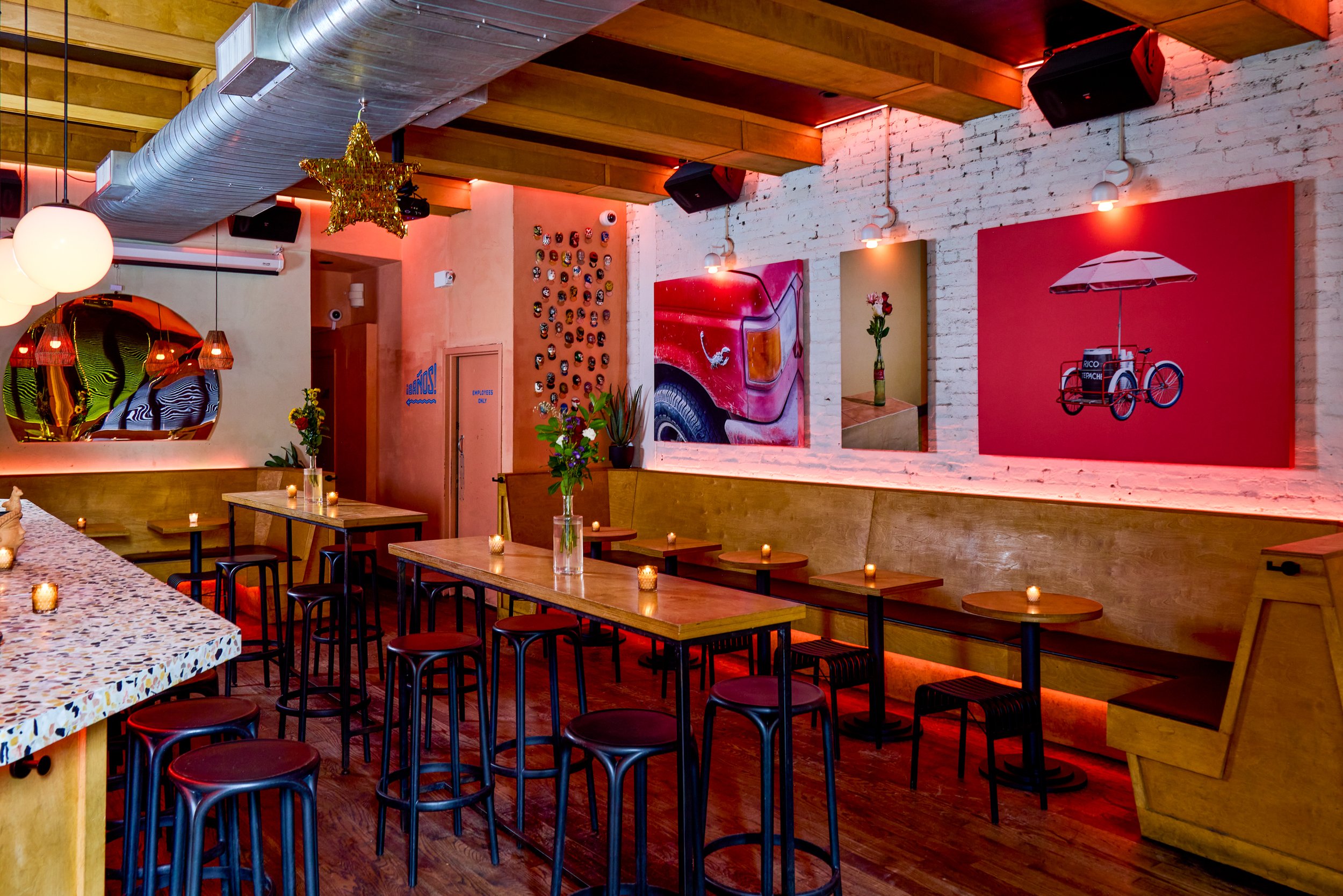
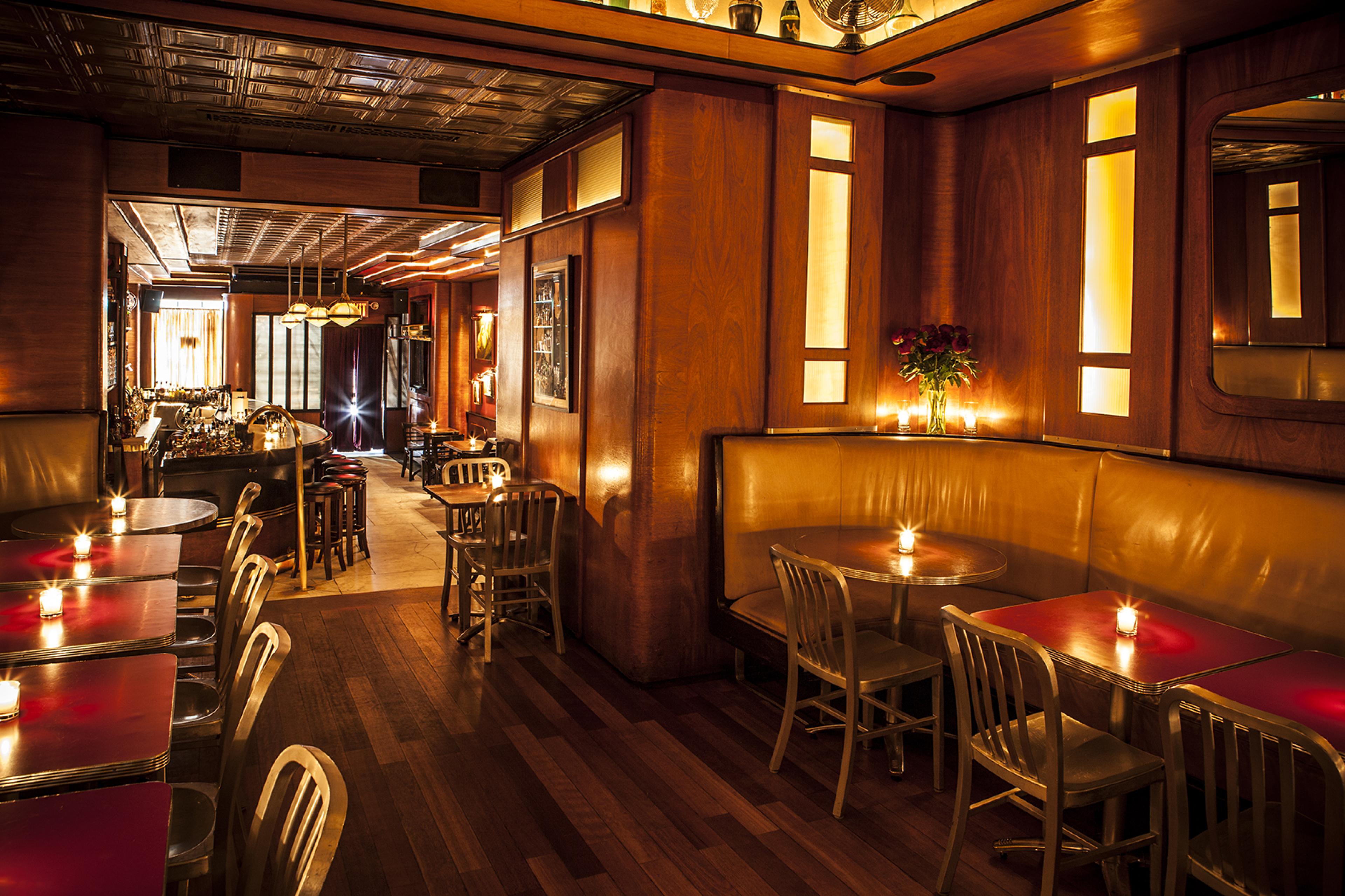
Sendo reads like a deliberate, tucked-away neighborhood bar: a second-floor address, an unmarked door and a staircase that reward those who seek it out. The copy emphasizes character over category and a clientele of regulars rather than tourists, so the room feels quietly assured rather than showy. Service is described as collaborative—bar, floor and snack program operating as a team—and that coordination reinforces a calm, thoughtful vibe. Expect a discreet, characterful spot where attention is intentional, the noise level is restrained and the experience favors people who enjoy discovery and low-key excellence.
Best For
This is a place for purposeful evenings: folks who go out to find something considered rather than accidental. The bar suits neighborhood regulars, small groups and solo guests who prioritize a quieter, character-driven scene over flashy, tourist-facing options. Because the address and entry require some effort, it also works well for those who value discovery and a low-key, reliable night out. If you appreciate bars that reward repeated visits and an attentive, coordinated staff rather than spectacle, Sendo is a natural fit for casual, deliberate outings.
Ordering Tips
Access is part of the experience—look for a staircase and an unmarked entrance and be prepared that reservations or word-of-mouth access can precede public listings: the description notes ‘a reservation that circulates through networks before it appears on any platform.’ Expect a coordinated service model between drinks and snacks; if you’re unsure what to order, rely on staff recommendations. Above all, arrive intending to stay a while: the venue rewards purposive visits rather than drop-in, hurried encounters.
Venue details
Ambiance
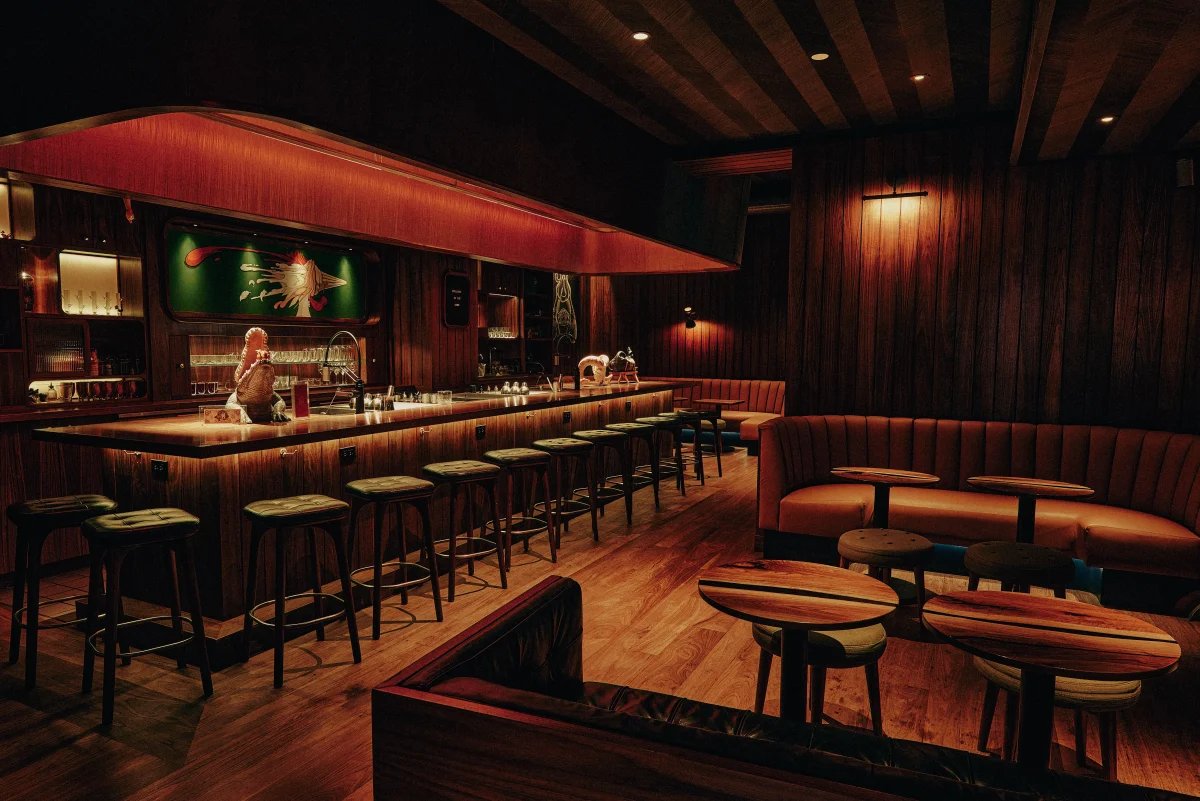
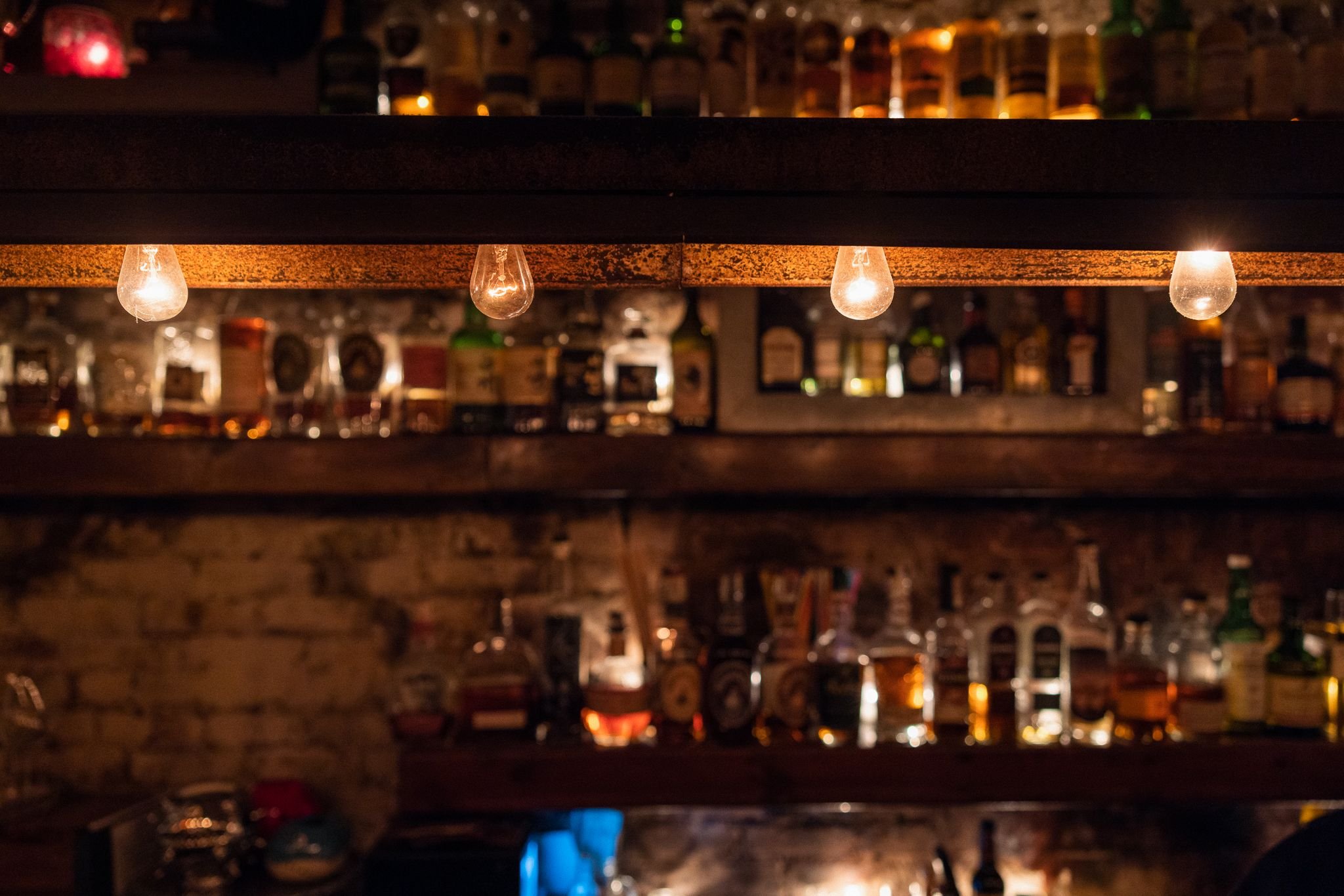
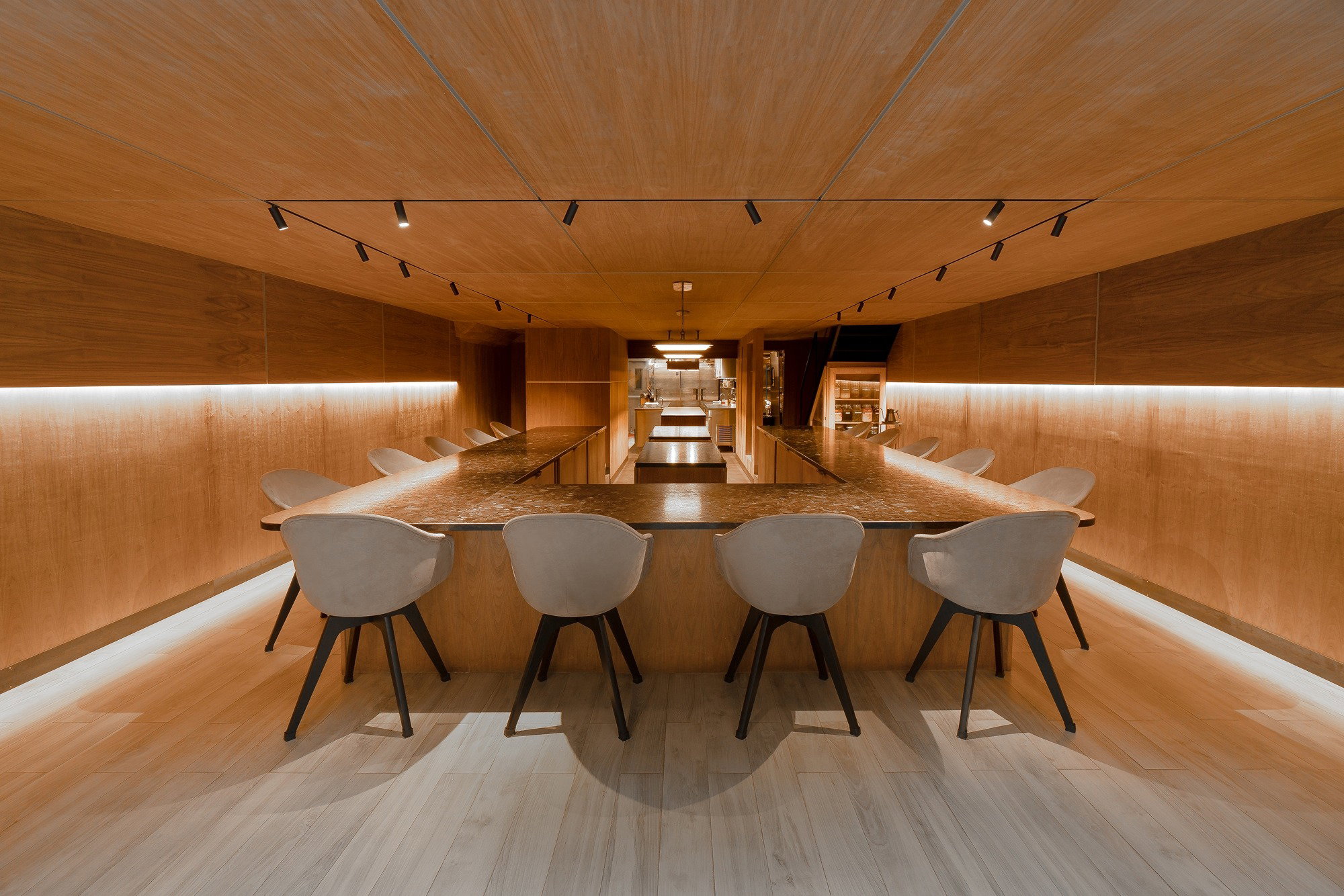
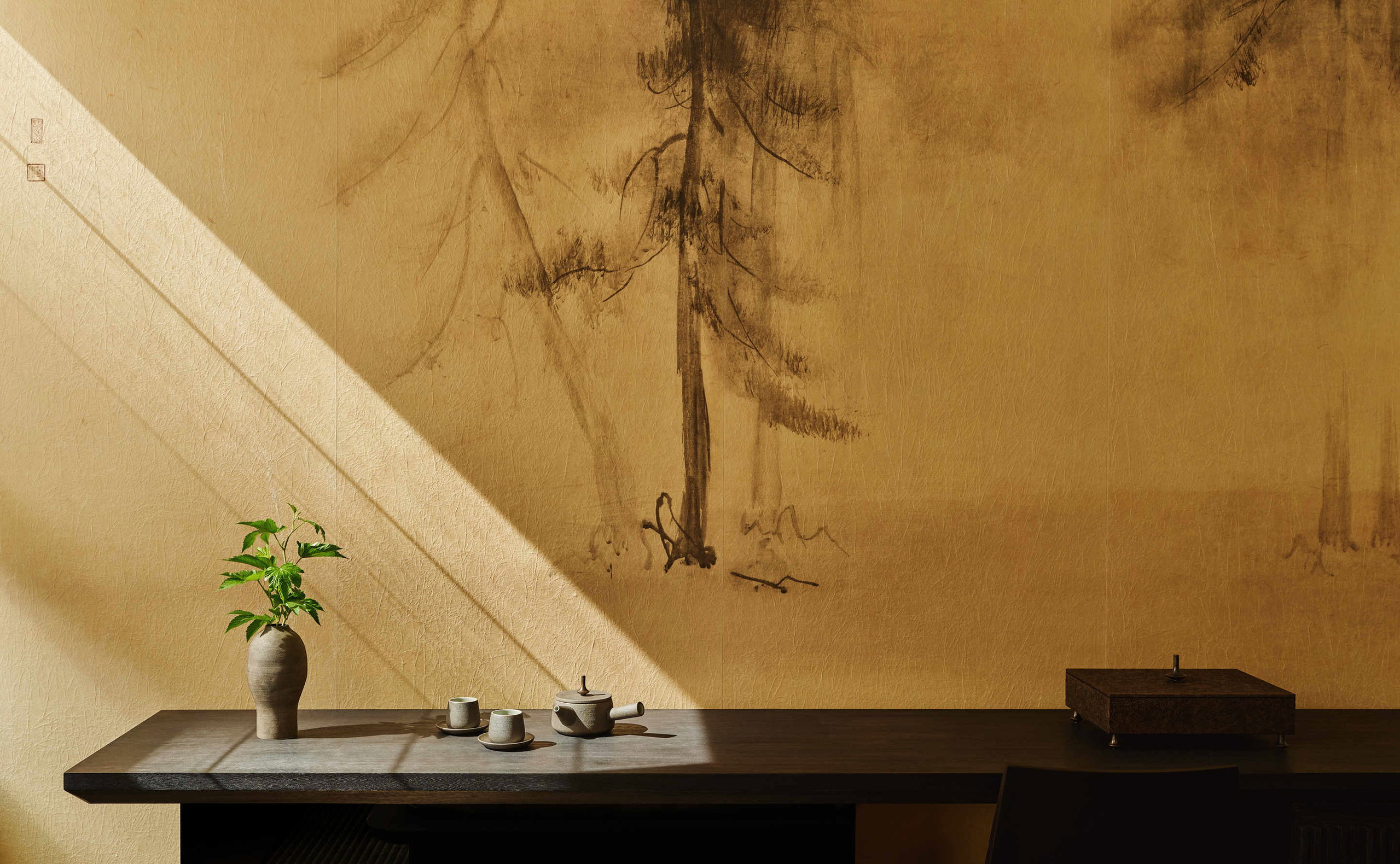
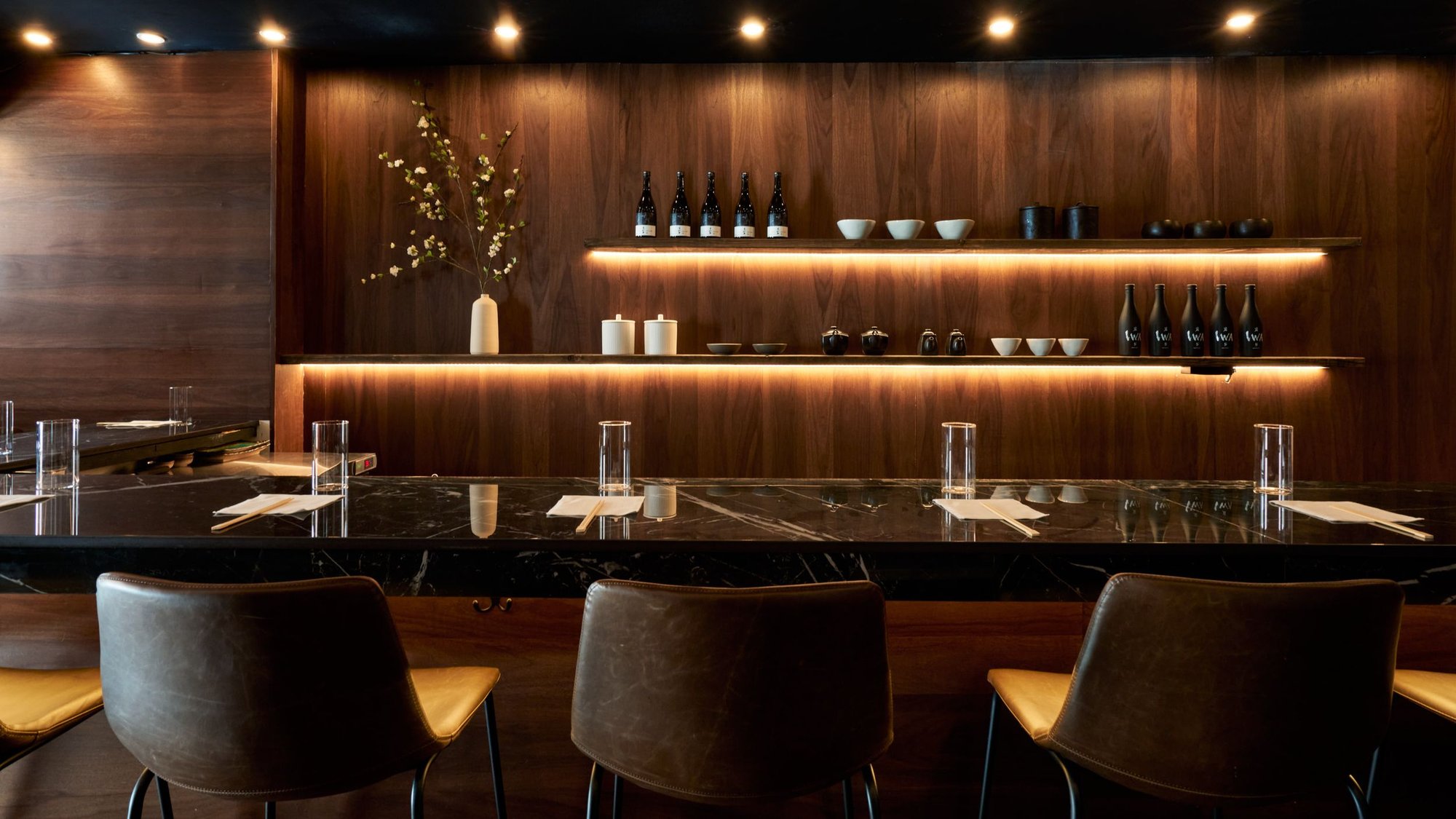
Modern yet warm vibe with rich walnut woods framing the intimate 10-seat setting.
Tags
Vibe
Best For
Experience
Format
At the Bar
- Late Night
- Closes by Midnight
Know before you go
Know Before You Go
- Getting there
- 876 6th Ave 2nd Floor, New York, NY 10001
Planning details
Location
Also consider
Also Consider
- Blacktail, Notable alternative
- The Riff Raff Club, Notable alternative
- Good Behavior, Notable alternative
- Turntable Chicken Jazz, Notable alternative
- Pocha 32, Notable alternative
Bar context
How Sendo compares in New York City
Sendo is the practical pick in this group: easier to use for a meal around Midtown, less compelling if the night is mainly about bar energy. Blacktail, The Riff Raff Club, and Good Behavior are better cross-shops when the drinks are the main event rather than an add-on to food.
For value and ease, Sendo works when location is the deciding factor and the group wants minimal planning. For a more casual food-and-drinks night, Turntable Chicken Jazz and Pocha 32 are the more natural alternatives from this set, especially if the group wants a louder, less formal evening.
The clearest recommendation: book Sendo for convenience, not for a splurge. Choose Blacktail, The Riff Raff Club, or Good Behavior when ambiance and drinks define the night; choose Turntable Chicken Jazz or Pocha 32 when the backup plan needs to feel casual and social.
Explore New York City
Around this place
Discover more on Pearl
Unlock the full Sendo guide in Pearl, including awards, comparisons, FAQs, planning details, and nearby places.
Compare Sendo
| Venue | Location | Awards |
|---|---|---|
| Sendo | New York City | No published awards |
| Blacktail | New York City | No published awards |
| The Riff Raff Club | New York City | No published awards |
| Good Behavior | New York City | No published awards |
| Turntable Chicken Jazz | New York City | No published awards |
| Pocha 32 | New York City | No published awards |
How Sendo NYC compares with similar nearby venues.
FAQ
Frequently Asked Questions
Is Sendo open late?
Sendo is listed as open until 11 PM on Friday and Saturday. From Sunday through Thursday, dinner service is listed until 10 PM.
Do I need a reservation at Sendo?
Information on reservation difficulty for Sendo is not available. Use the listed hours to plan, and check directly with the venue for current booking availability.
What's the best time to go to Sendo?
That depends on your schedule. Sendo is listed for lunch from 11:30 AM to 3 PM daily, and dinner from 5 PM to 10 PM Sunday through Thursday or 5 PM to 11 PM on Friday and Saturday.
Is Sendo good for a date?
Sendo has a smart casual dress code and daily lunch and dinner hours, but details on atmosphere, seating, or service style are not available. Check current venue information before choosing it for a specific occasion.
Is the food good at Sendo?
Details on Sendo's cuisine, signature dishes, chef, awards, or menu format are not available. For planning, rely on the basics: it is in New York City, keeps daily lunch and dinner hours, and lists a smart casual dress code.