

Seed Library
Midtown South-Flatiron-Union Square, New York City
Bar in New York City, United States
 Book with Pearl
The Read
Price
$30–50per person
Why go
Seed Library is worth prioritizing when the night is about serious cocktails rather than skyline views or a loose group scene. Its North America's 50 Best Bars 2026 and Star Wine List 2026 recognition make it a stronger pick for drink-focused visitors, especially in smaller groups and on weeknights.
About Seed Library
Seed Library is a New York City bar to consider when the evening is centered on cutting-edge cocktails. It points to a cocktail-focused venue with smart casual dress and evening hours from Tuesday through Sunday.
The strongest reason to go is its cocktail identity. Seed Library is listed for cutting-edge cocktails, with recognition from North America's 50 Best Bars 2026 and Star Wine List in 2026.
Go for cocktails, not a big-group party plan
Use Seed Library as a cocktail-led stop rather than trying to make it fit every kind of night out. It is best framed as a bar choice for cocktails rather than a dinner destination, rooftop, private-event venue, or outdoor setup.
Timing is one of the more useful planning details. Seed Library is closed Monday, open Tuesday through Thursday from 5 PM to 12 AM, open Friday and Saturday from 5 PM to 1 AM, and closed Sunday.
Use other options when the night needs a different shape
If the evening needs a different style, compare Seed Library with other premium options such as The Seville or Domo omakase. Other New York City dining and bar options may also make sense if the group needs a different format.
For broader planning, keep it in the bar lane rather than forcing it into an all-purpose New York City night. Pair it with our full New York City restaurants guide if dinner is the anchor, or compare more drinking options through our full New York City bars guide. Hotels and other trip pieces are better handled through our full New York City hotels guide, our full New York City experiences guide, and our full New York City wineries guide.
Bottom line: choose Seed Library when cutting-edge cocktails are the point. If the plan depends on outdoor seating, a specific reservation setup, a food format, or detailed group logistics, check directly before building the night around it.
Quick reference: New York City cocktail bar; smart casual dress; open Tuesday through Sunday evenings; recognized by North America's 50 Best Bars 2026 and Star Wine List 2026.
Planning details
- Location
- 51 E 30th St, New York, NY 10016, USA
- Reservations
- Book on OpenTable
- Website
- seedlibrarynyc.com
The take
The Take
The Vibe
Seed Library reads as a contemporary, small-scale cocktail bar that foregrounds provenance and botanical thinking. Rather than theatrical technique for its own sake, the program starts upstream—tracking where ingredients come from and what that implies for flavor. The writing situates the bar in Midtown South, tucked between Koreatown and Gramercy, and describes a clientelle that seeks out the address intentionally. That combination—meticulous ingredient-mindedness and a quieter, self-selecting location—creates a modern, quietly charming spot for focused drinking.
Best For
This is a place for the deliberate drinker: people who read a menu closely and care about the story behind a bottle or syrup. The bar’s provenance-first ethos and cocktail-forward program make it well suited to date nights, special-occasion cocktails and late-night explorations, and to solo visits where you want to linger over a thoughtfully composed drink. Its Midtown South setting means patrons often come after work or as a planned visit rather than dropping in on impulse.
Ordering Tips
Ask questions about provenance and let the bartender explain sources—the menu privileges spirits from small distillers, amari built from foraged or regionally specific botanicals, and syrups made from single-origin sugars or heritage fruits. Order with an eye to origin: if you want a tasting that highlights terroir, request cocktails that foreground single-source ingredients or inquire about anything made from foraged or seasonal botanicals. Expect the staff to frame drinks around ingredient stories rather than gimmicky technique.
Venue details
Ambiance
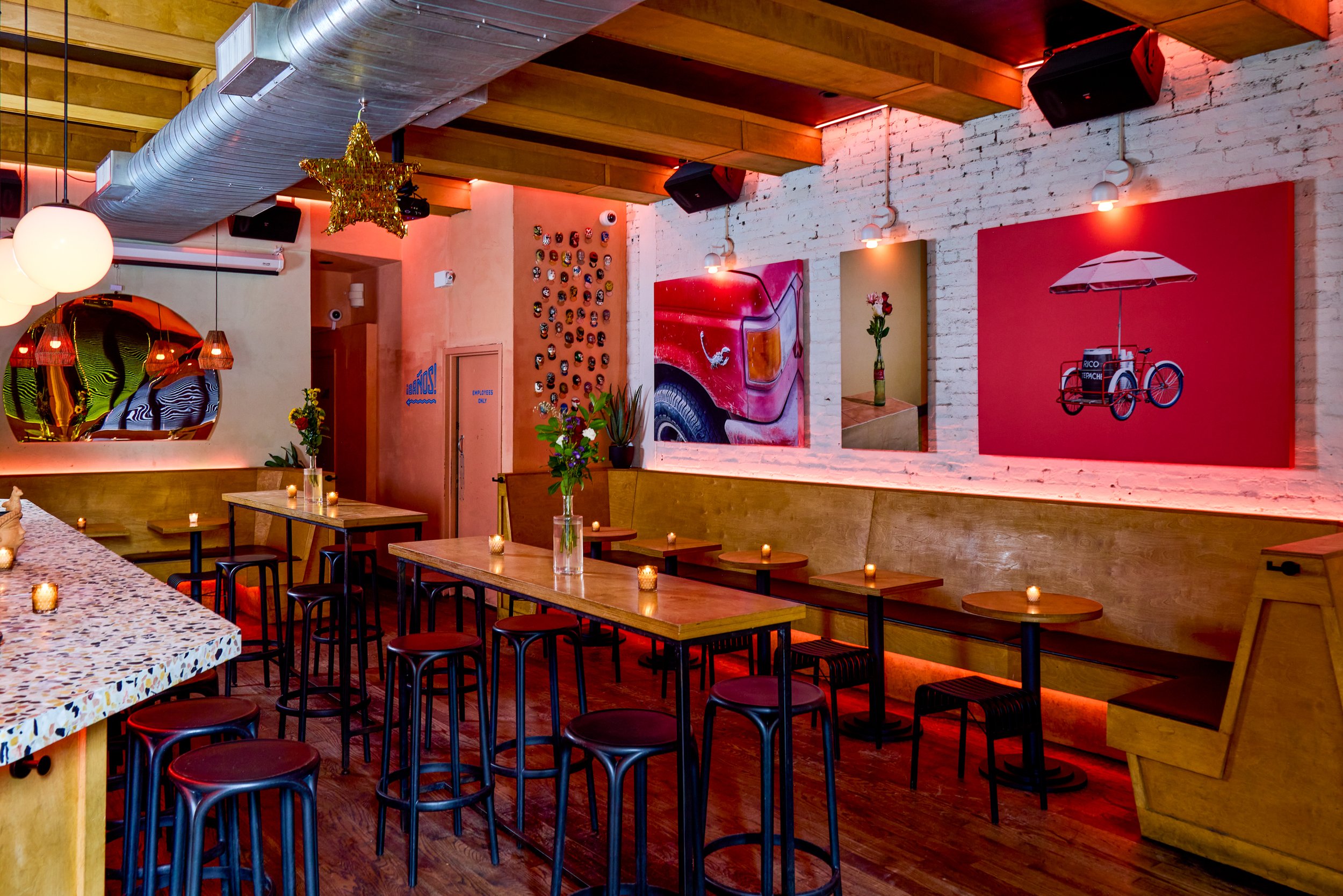
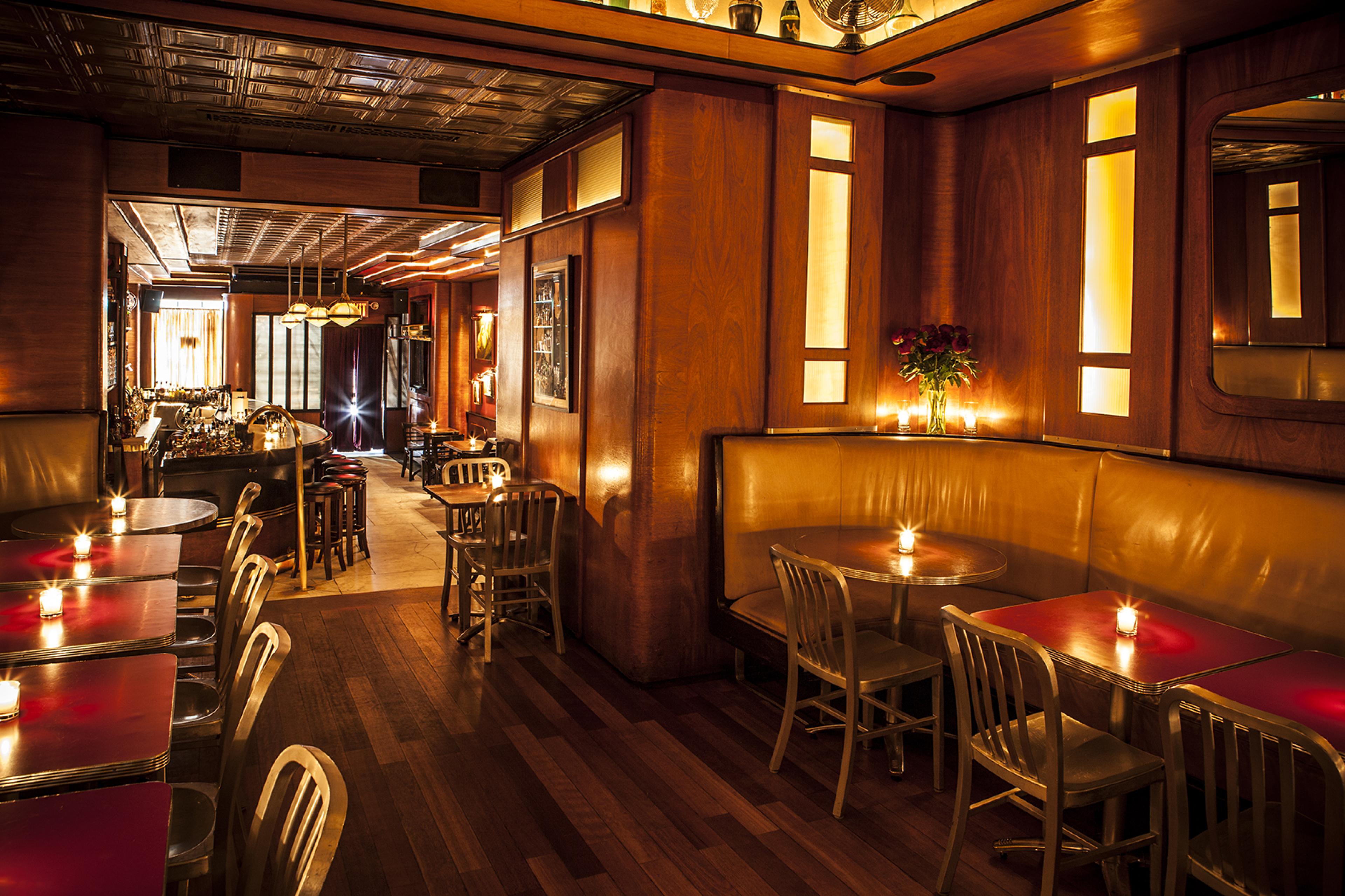
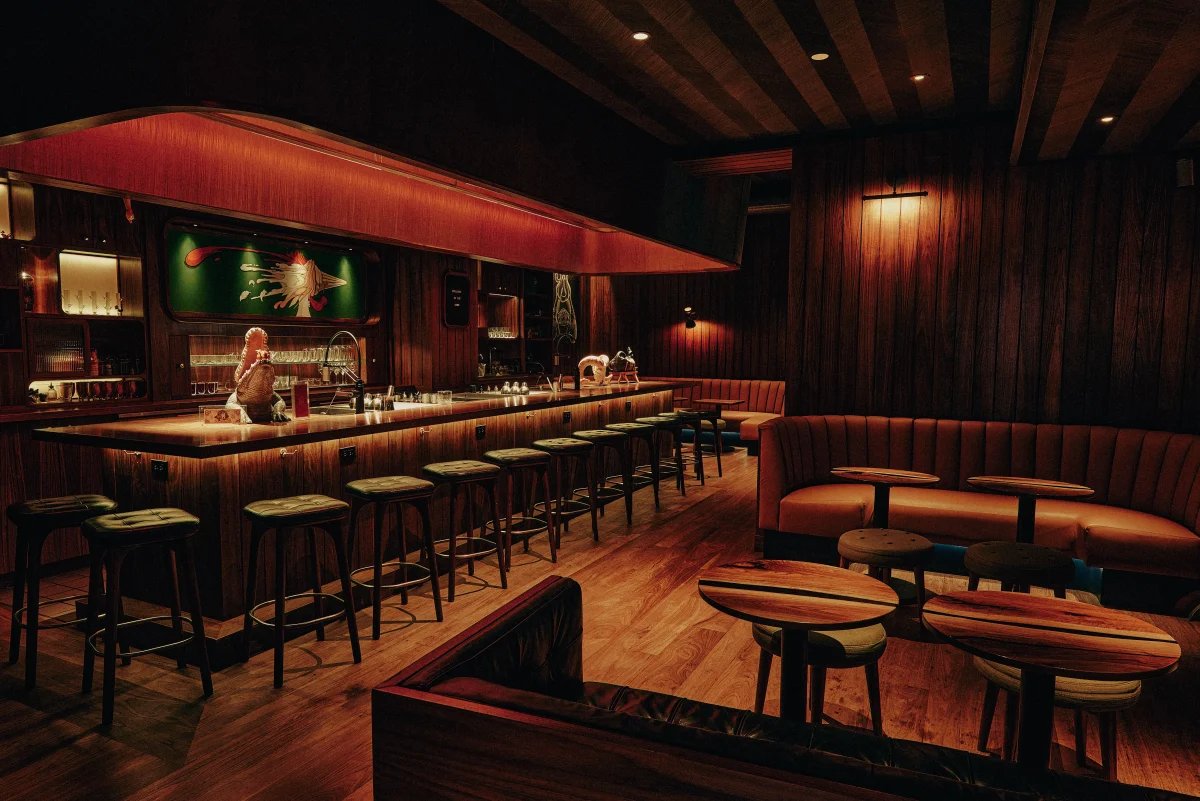
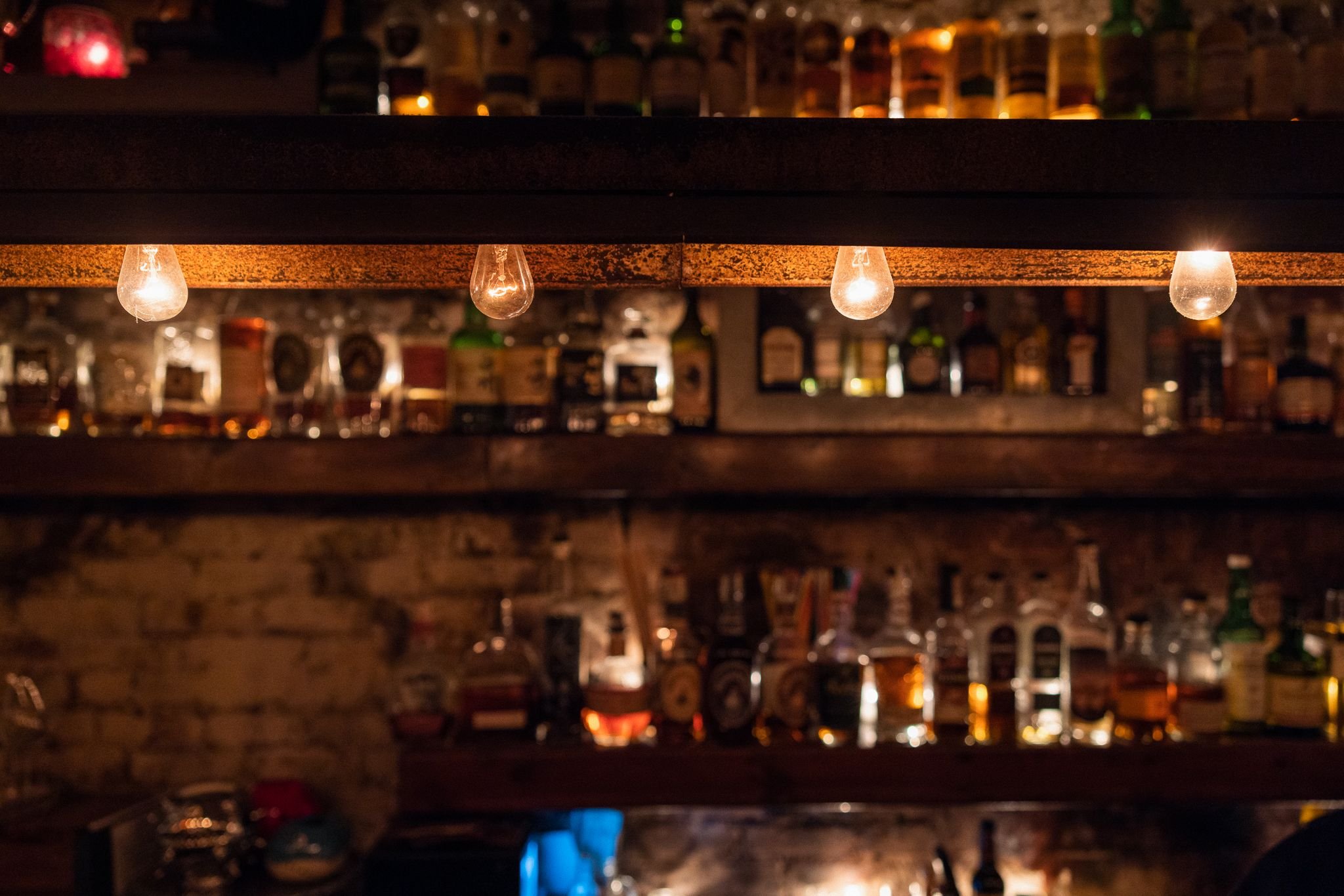
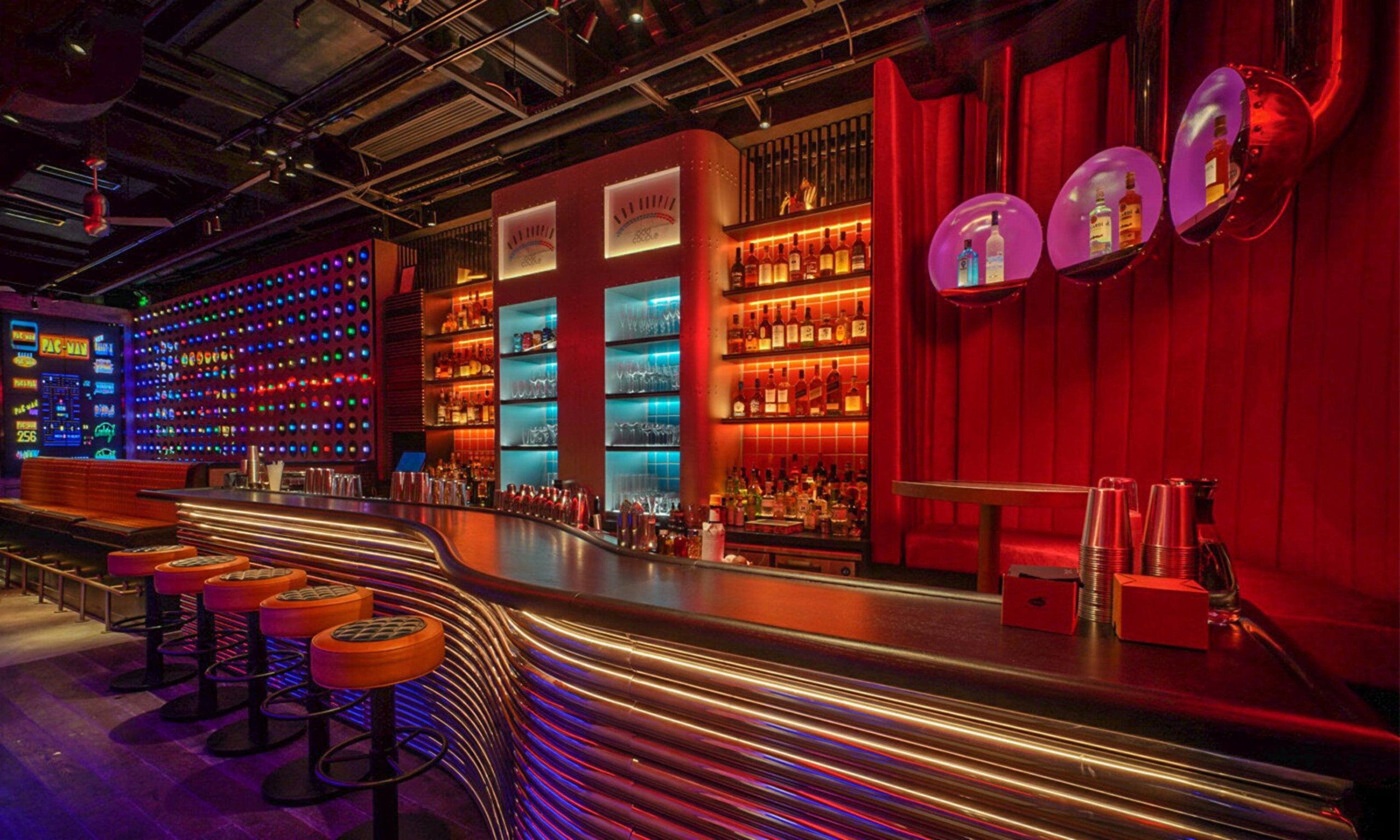
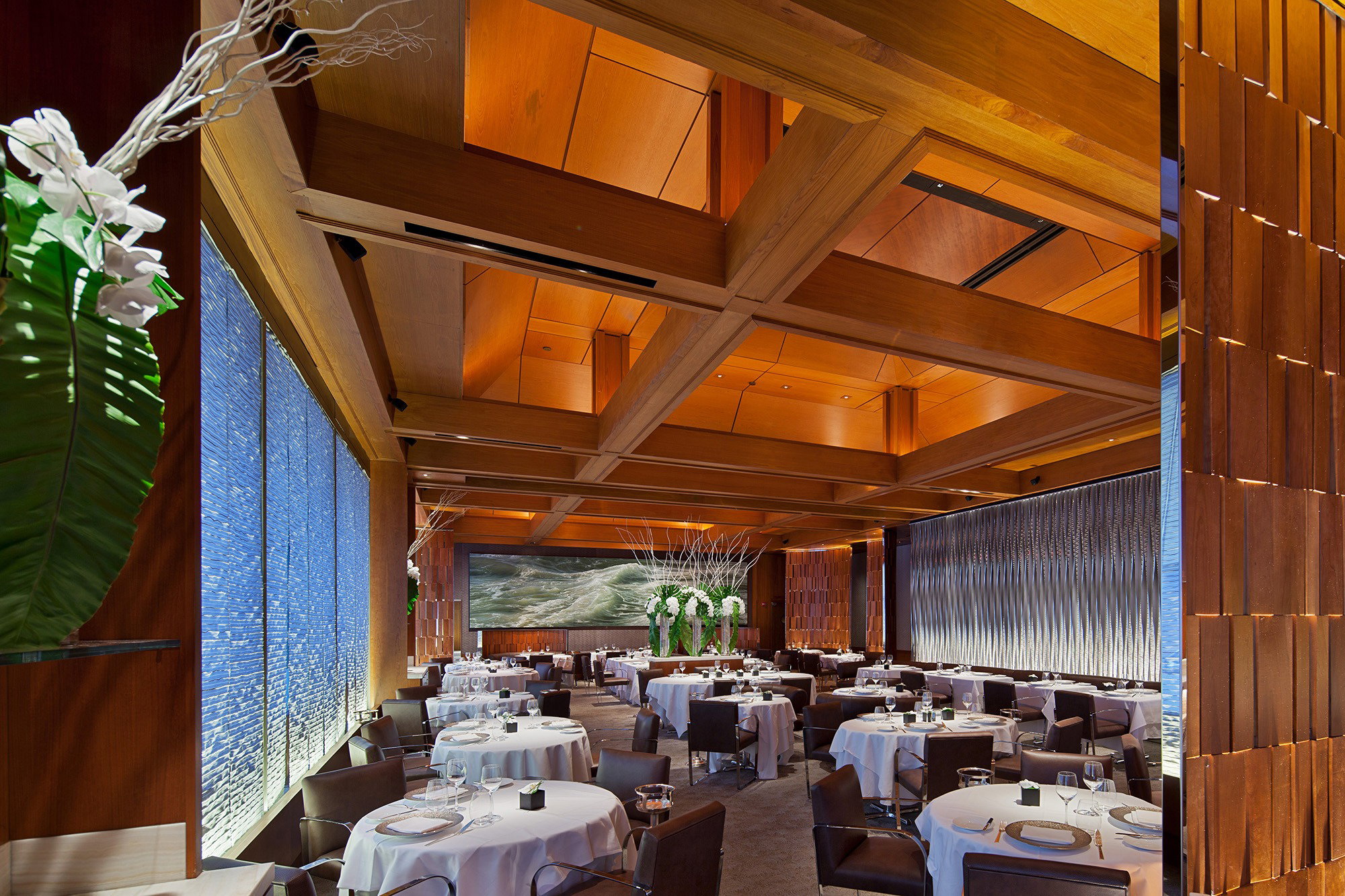
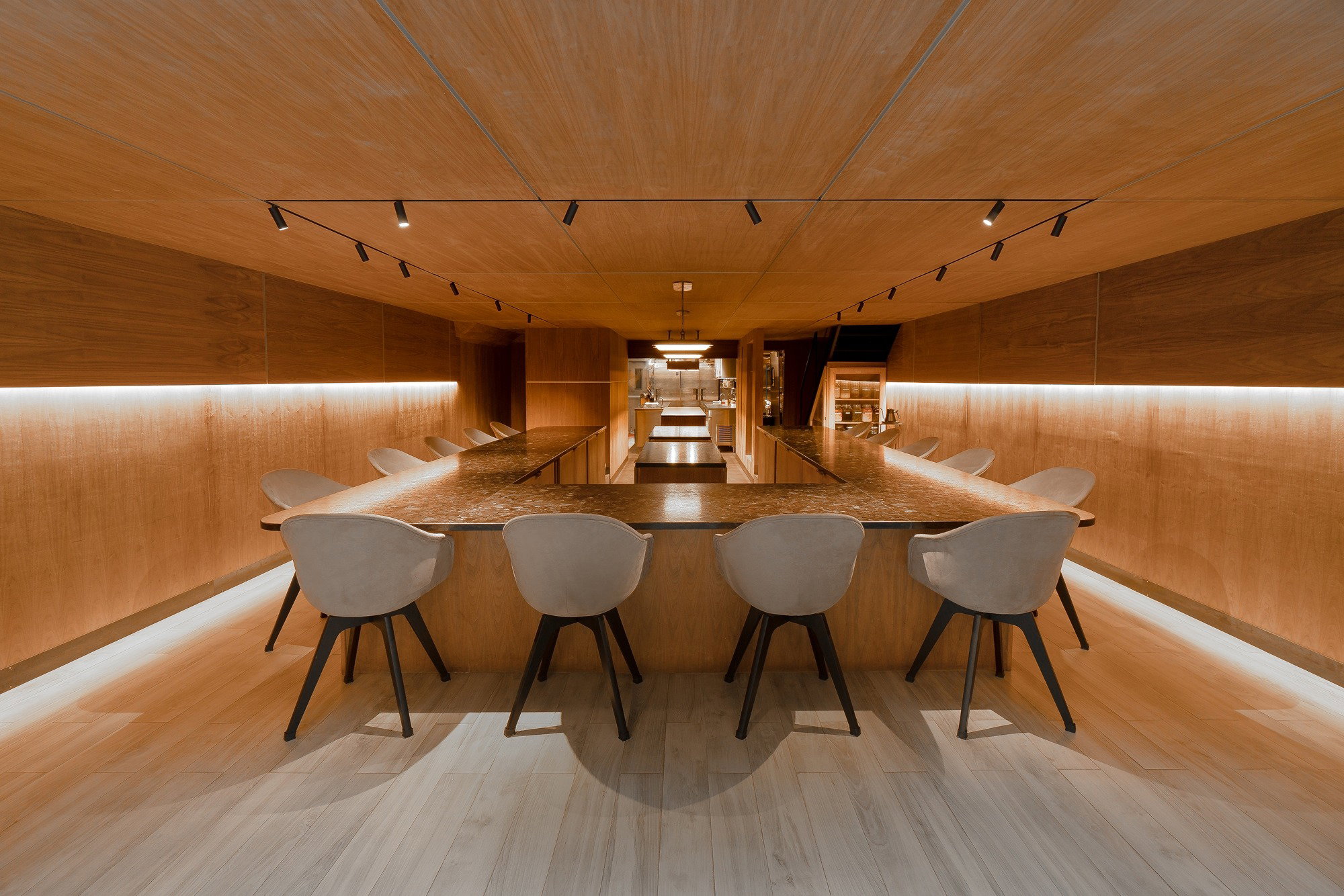
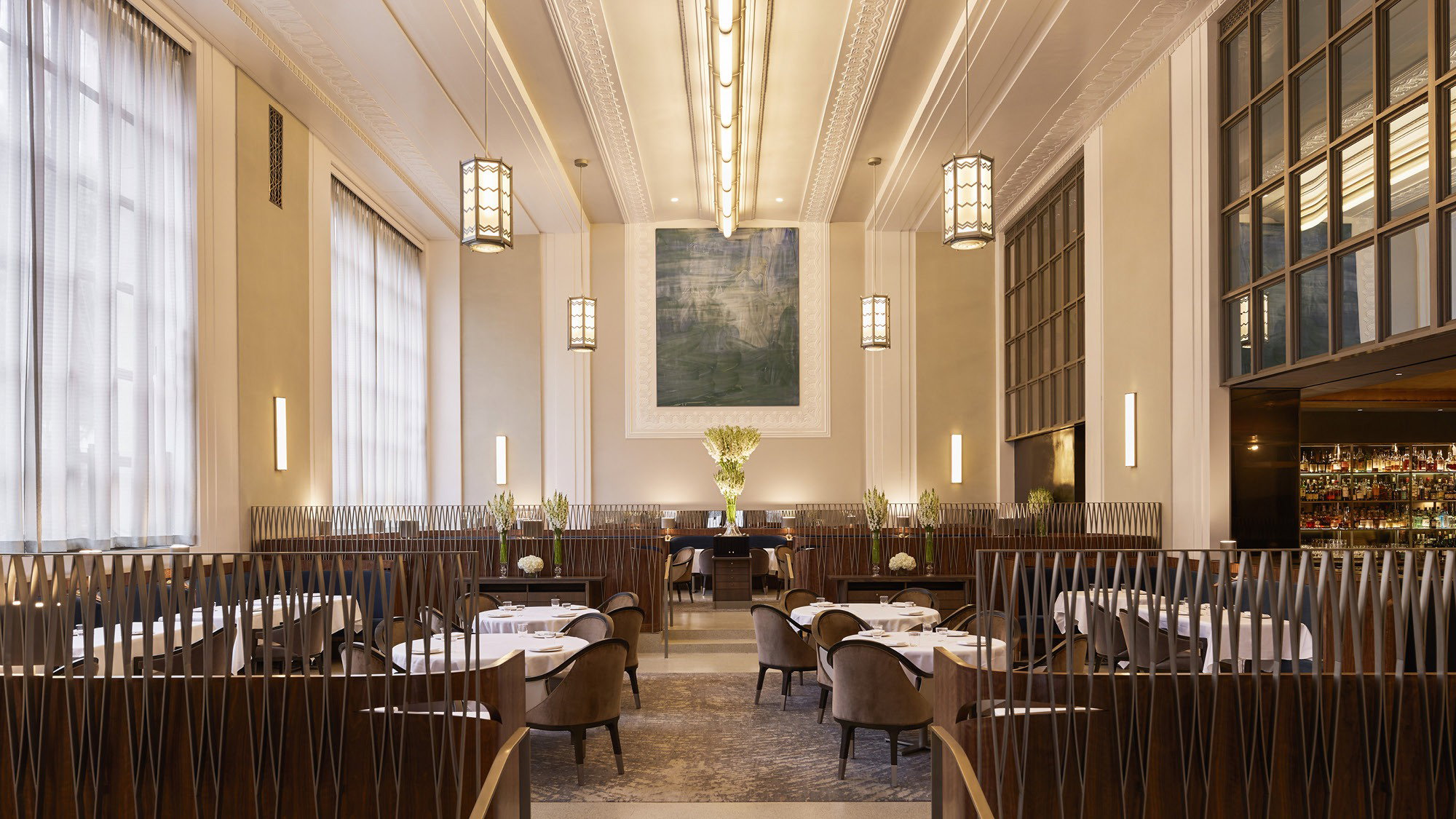
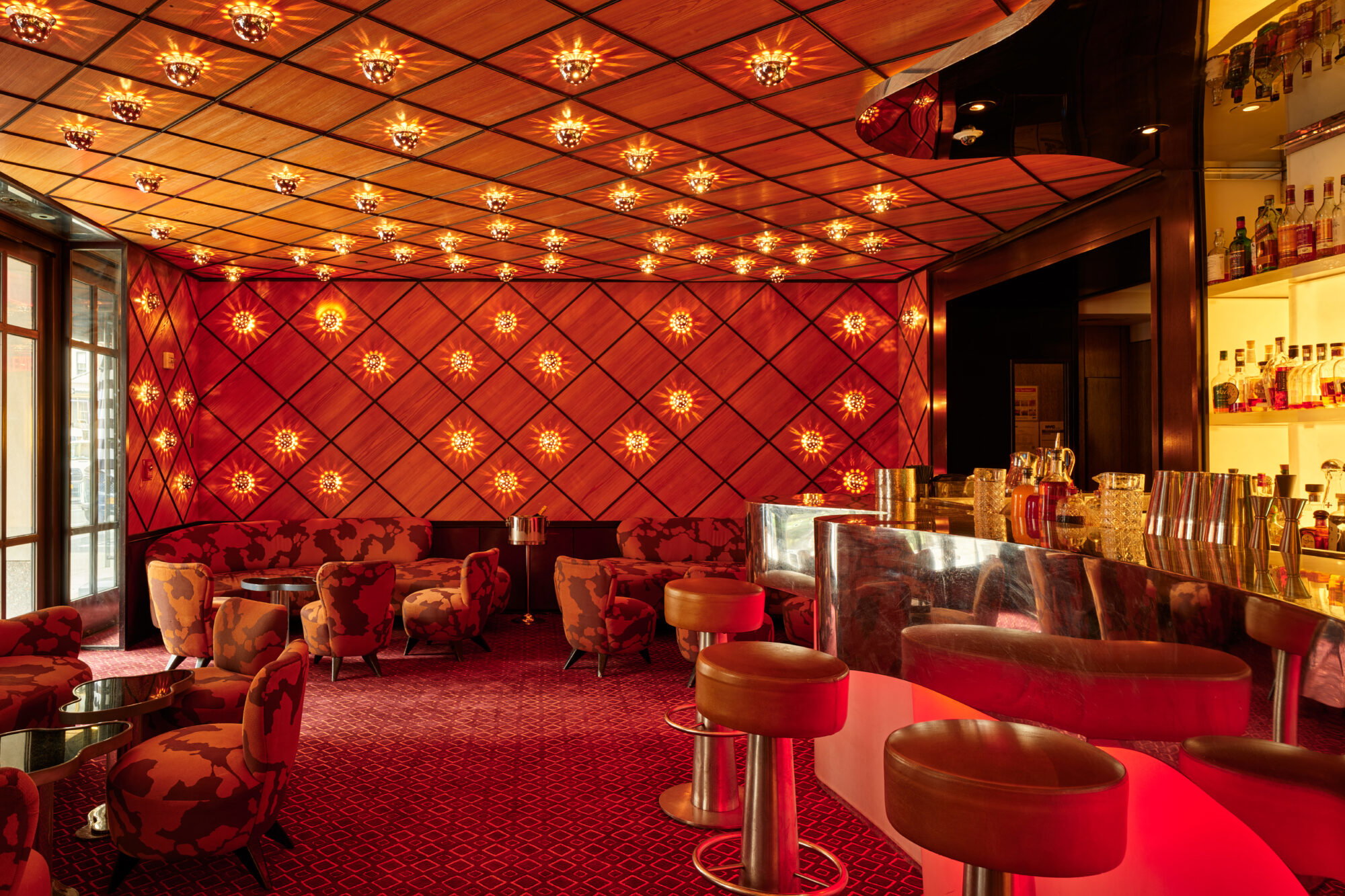
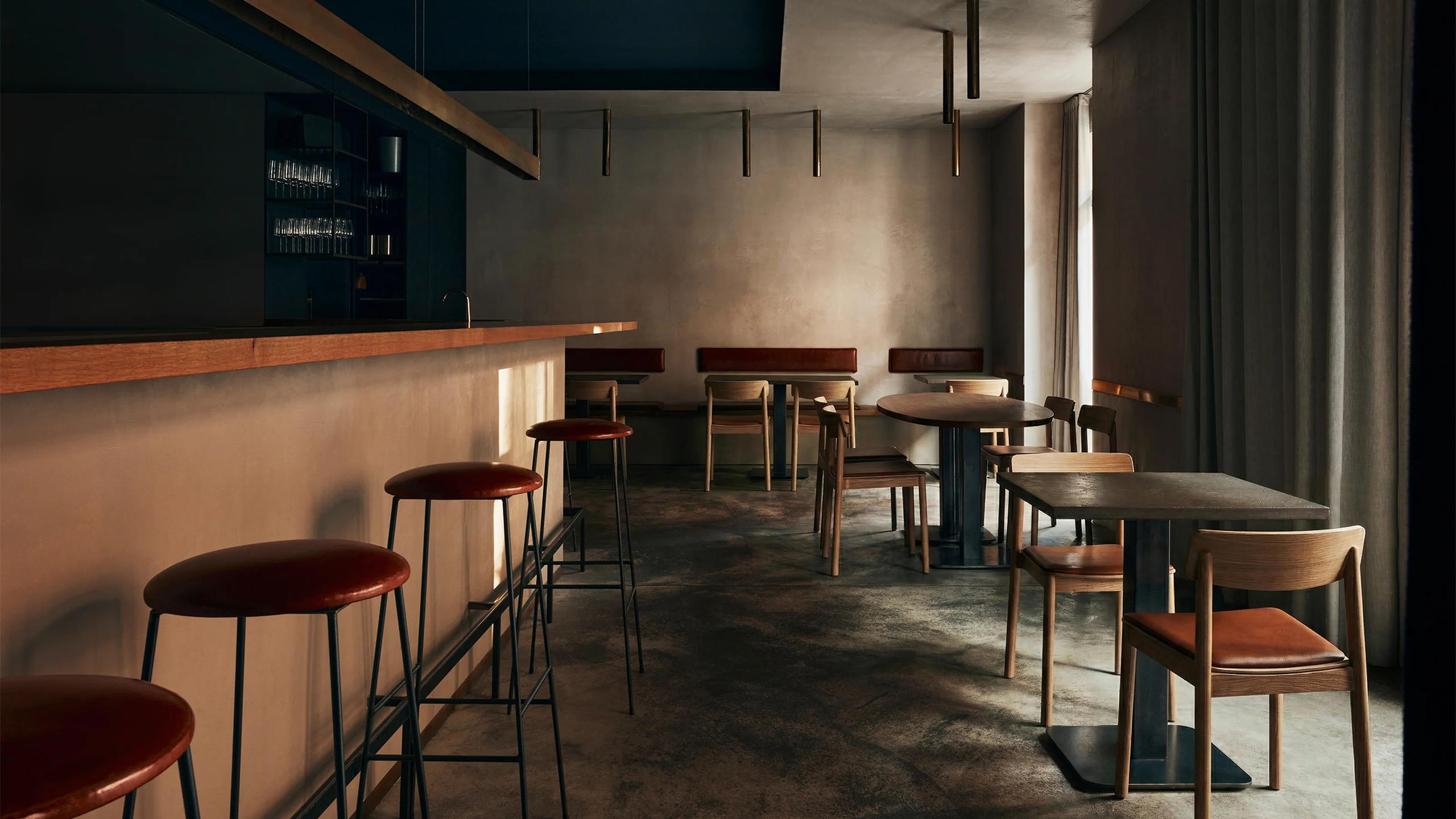
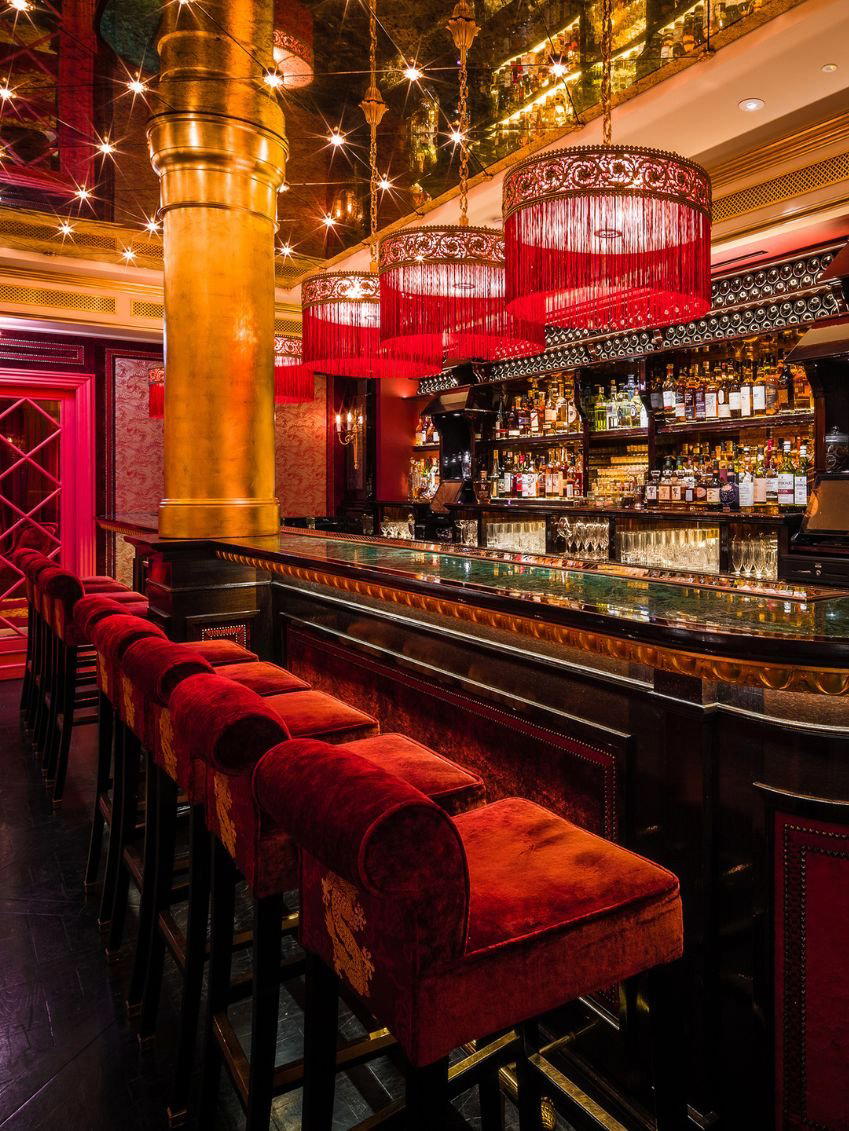
Moody subterranean space with warm tones, dark textured lighting, intimate seating, and a soundtrack of jazzed-up soul and R&B remixes evoking a swanky 1960s lounge or rich friend's loft.
Tags
Vibe
Best For
Experience
Format
At the Bar
- Bar Category
- Cocktail Bar
- Late Night
- Closes by Midnight
- Music
- Jazzed Up Soul and R&b Remixes
- Spirits Focus
- Tequila, Mezcal, Gin, Whiskey
Signature Pours
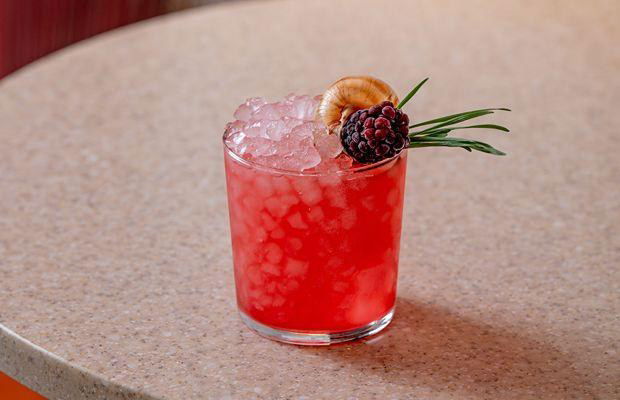
- Blue Hill 75
- C.R.E.A.M. Margarita
- Shepherd’s Delight
- Koji Hardshake
Know before you go
Know Before You Go
- Getting there
- 51 E 30th St, New York, NY 10016, USA
Planning details
Location
Recognition and awards


Also consider
Where to go if this is not the right fit
Try Stone & Soil if the appeal is a focused cocktail program but you want a Japanese-leaning approach. Choose The Seville if the group needs a more familiar bar-night shape and less pressure around the drink program.
Bar context
How Seed Library compares in New York City
Choose Seed Library over Penthouse on Park or Simona Sundeck when the priority is cocktail quality rather than views, outdoor energy, or a broader social setup. Penthouse on Park and Simona Sundeck make more sense for guests who want the room to carry the night; Seed Library is the better fit when the drink list is the main reason to go.
Stone & Soil is the closest conceptual cross-shop because it also gives the drink program a defined point of view, with Japanese-leaning cocktails and a sustainability/omotenashi angle. Pick Stone & Soil when that Japanese-leaning style is the draw; pick Seed Library when you want a New York cocktail-bar read with broader award validation.
Domo omakase is the wrong comparison if the night is drinks-first, but useful if food structure matters more than bar flexibility. The Seville is the easier call for a more classic night out. Seed Library is the tighter choice for a smaller group that wants the bar itself to be the decision.
Explore New York City
Around this place
Discover more on Pearl
Unlock the full Seed Library guide in Pearl, including awards, comparisons, FAQs, planning details, and nearby places.
Compare Seed Library
| Venue | Location | Cuisine | Awards |
|---|---|---|---|
| Seed Library | New York City | Cutting-edge cocktails | 2026 North America's 50 Best Bars · #66Star Wine Lists 2026 |
| Penthouse on Park | New York City | No published awards | , |
| Simona Sundeck | New York City | No published awards | , |
| Domo omakase | New York City | No published awards | , |
| The Seville | New York City | No published awards | , |
| Stone & Soil | New York City | Japanese-leaning cocktails; sustainability/omotenashi | No published awards |
How Seed Library New York City compares with similar nearby venues.
FAQ
Frequently Asked Questions
What's the best time to go to Seed Library?
Seed Library opens at 5 PM Tuesday through Sunday. It closes at midnight Tuesday, Wednesday, Thursday, and Sunday, and at 1 AM on Friday and Saturday, so it can work for an evening cocktail stop or a later weekend visit.
Is Seed Library open late?
Yes, especially on weekends: it stays open until 1 AM on Friday and Saturday. On Tuesday, Wednesday, Thursday, and Sunday it runs until midnight, so it works for late cocktails in New York City.
Do I need a reservation at Seed Library?
What's the crowd like at Seed Library?
The main draw is cutting-edge cocktails, with recognition from North America's 50 Best Bars 2026 and Star Wine List 2026.
What's the signature drink at Seed Library?
Expect a cutting-edge cocktail focus rather than planning around one headline drink.