

 Book with Pearl


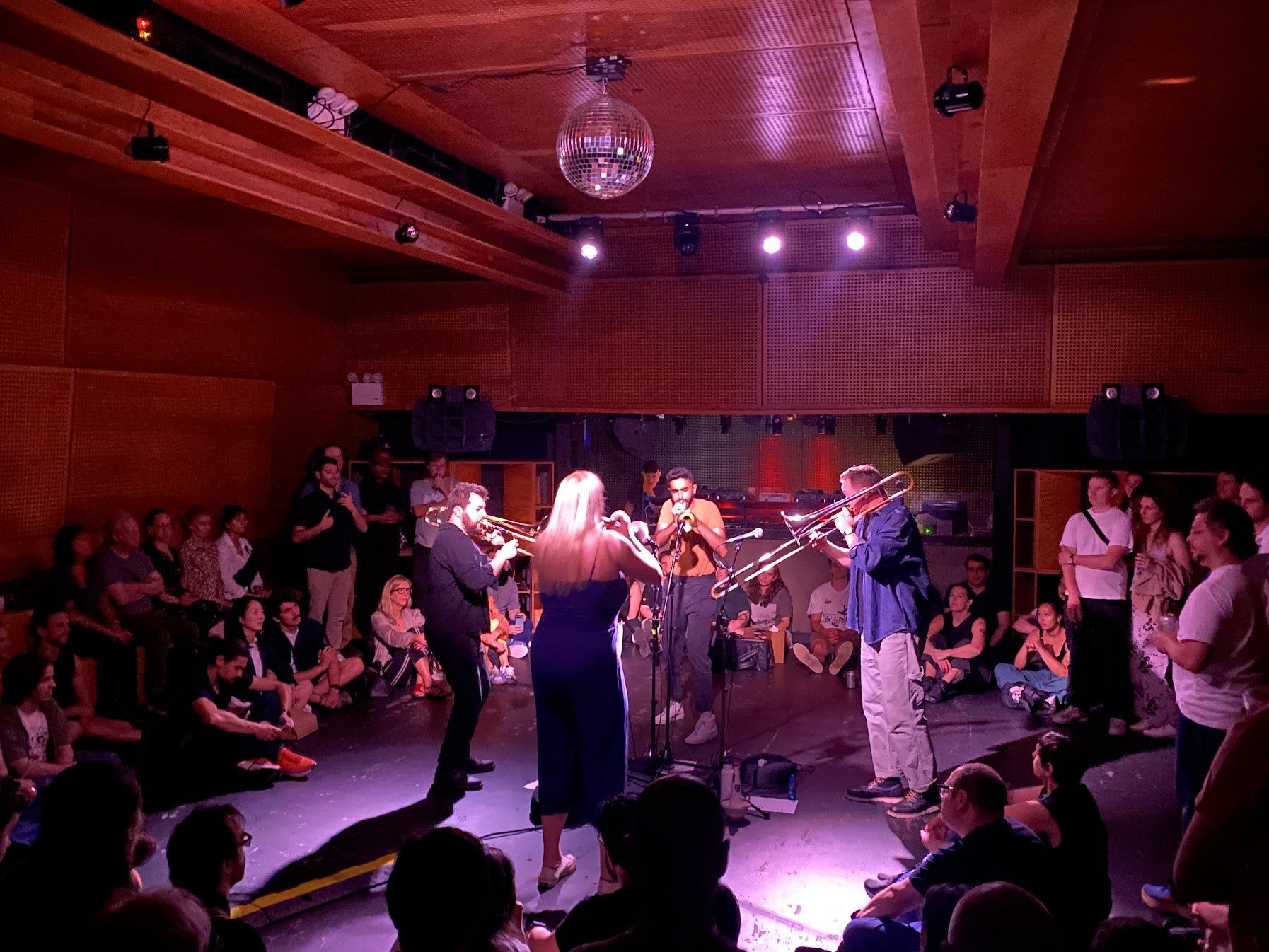
Breadtree Farms Dinner at Public Records in NYC
A DURATIONS Festival dinner at Public Records with Breadtree Farms, centered on agroforestry and seasonal harvest in New York City.
Carroll Gardens-Cobble Hill-Gowanus-Red Hook, New York City
Bar in New York City, United States
Price
$20–30per person
Why go
Public Records is worth considering when the plan is a late Brooklyn night rather than a quiet cocktail appointment. The schedule is the key advantage, with especially late Friday and Saturday hours, but the lack of confirmed pricing, menu, and booking details means it is safer for flexible groups than tightly planned special occasions.
Public Records in New York City is easiest to plan around its schedule: it is closed Monday, Tuesday, and Thursday; open Wednesday from 6–10 PM; open Friday from 6 PM–4 AM; open Saturday from 10 AM–4 AM; and open Sunday from 10 AM–9 PM. The clearest practical hook is the late Friday and Saturday closing time, which makes it more useful for a night that may run long than for plans earlier in the week.
The practical read is simple: choose it when the hours fit the plan. Its dress code is casual, so the planning emphasis should be on timing rather than formality. For a different option to compare, Clover Club, Black Mountain Wine House, Bar Rêve, Wingbar, or Barely Disfigured may be worth considering.
Without confirmed pricing, menu, cuisine, service format, awards, or seating details, the decision should not be based on claims about a destination cocktail list, a food program, or a particular room setup. Treat Public Records as a schedule-led New York City choice: useful when the day and hours line up, especially on Friday or Saturday when it runs to 4 AM.
For planning, the current schedule matters more than almost anything else. The venue is closed Monday, Tuesday, and Thursday, opens Wednesday evening, and runs especially late on Friday and Saturday. Saturday also has a daytime-to-late-night span, while Sunday is open from 10 AM to 9 PM.
If Public Records is not the right match, use broader city pages rather than forcing the booking: Our full New York City bars guide is one possible next stop, while Our full New York City restaurants guide, Our full New York City hotels guide, Our full New York City wineries guide, and Our full New York City experiences guide help if the night needs dinner, a stay, or a wider itinerary around it.
Quick reference: plan around the hours, note the casual dress code, and check the day carefully because the weekly schedule is uneven.
Public Records feels like a deliberately curated ritual rather than a conventional night out. The space folds a record shop, listening room, bar and restaurant into a single sequence: you browse vinyl, settle in for high-fidelity playback, and let the evening unfold at the speed of the music. That discipline—imported from attentive listening-room traditions—keeps conversation quiet and places music front and center. The result is a sophisticated, measured environment where pacing and sound design shape the mood as much as the drinks and food do.
This is a venue for people who prioritize music and intention over background noise. It suits solo listeners who want to sit and engage with a high-fidelity set, couples or small groups who appreciate a quieter, more disciplined night out, and late-evening crowds that like to linger. Because the spot includes a browsable record shop, it also works as a multi-stage outing—browse, eat, listen—so visitors who enjoy a paced, thoughtful evening find it especially rewarding.
Treat an evening here as a sequence: arrive with time to browse the vinyl, then settle in before ordering. The house rhythms favor attentive listening—drinks arrive, the record plays, and food follows—so plan to order once you’re seated and ready to listen. Keep conversation low and peripheral to the music to respect the listening-room etiquette described in the space. Expect a deliberate pace: allow time between drinks and courses and linger after the music finishes to complete the ritual of the night.
Communal space with high ceilings, skylight, minimalist industrial design, and excellent acoustics for music appreciation.
Try Clover Club for a more cocktail-led Brooklyn date, or Black Mountain Wine House for a quieter wine-focused plan.
Public Records is the pick when timing and atmosphere matter more than a tightly defined cocktail or wine brief. Clover Club is the stronger choice for a classic cocktail-focused date, while Black Mountain Wine House is better for a calmer wine-led evening. Public Records works better when the night is meant to stretch later and feel less structured.
For groups, Public Records is easier to justify than Barely Disfigured if the priority is a livelier Brooklyn room, though Barely Disfigured may suit a more intimate plan. Wingbar reads as the more casual value play, while Public Records is the stronger occasion choice if ambiance is the point.
Bar Rêve sits outside the New York City set, so use it only as a cross-shop if the trip itself changes. Within the city, the practical split is clear: Clover Club for cocktails, Black Mountain Wine House for wine, Wingbar for casual value, and Public Records for a later Brooklyn night with more energy.
Unlock the full Public Records guide in Pearl, including awards, comparisons, FAQs, planning details, and nearby places.
| Venue | Location | Awards |
|---|---|---|
| Public Records | New York City | No published awards |
| Black Mountain Wine House | New York City | No published awards |
| Barely Disfigured | New York City | Pearl Recommended Bars |
| Bar Rêve | Brooklyn | No published awards |
| Clover Club | New York City | Top 500 Bars 2025 · #1492023 World's 50 North America's Best Bars · #462022 North America's 50 Best Bars · #432014 World's 50 Best Bars · #352013 World's 50 Best Bars · #312012 World's 50 Best Bars · #182011 World's 50 Best Bars · #282009 World's 50 Best Bars · #31 |
| Wingbar | New York City | No published awards |
How Public Records New York City compares with similar nearby venues.
It may work for groups whose plans fit the hours, especially Friday and Saturday, when Public Records runs until 4 AM. No specific seating, private event, or group-service details are available, so confirm logistics directly before making group plans. For another option to compare, Clover Club is worth considering.
Reservation requirements are not available. Plan around the schedule instead: Wednesday 6–10 PM, Friday 6 PM–4 AM, Saturday 10 AM–4 AM, and Sunday 10 AM–9 PM, with Monday, Tuesday, and Thursday closed. If you want another option to compare, Bar Rêve may be relevant.
Yes. Public Records is open late on Fridays and Saturdays: Friday from 6 PM to 4 AM and Saturday from 10 AM to 4 AM. Sunday runs from 10 AM to 9 PM, and Wednesday runs from 6–10 PM.
It may work for a date if the hours and casual dress code fit the plan, especially on Friday or Saturday when it is open late. No specific ambience, seating, menu, or pricing details are available. For another option to compare, Clover Club is worth considering.
No happy hour deal details are available, so do not choose it based on price or discounts. The useful facts are the schedule: Wednesday 6–10 PM, Friday 6 PM–4 AM, Saturday 10 AM–4 AM, and Sunday 10 AM–9 PM, with Monday, Tuesday, and Thursday closed. Black Mountain Wine House is another option to compare.
Pearl events
Public events currently associated with this Pearl venue.
A DURATIONS Festival dinner at Public Records with Breadtree Farms, centered on agroforestry and seasonal harvest in New York City.
Paradise of Replica soundtracks a DURATIONS Festival brunch at Public Records with synth-pop, techno-pop rarities, ambient jazz, and plant-based dishes.
A vinyl-only New Age DJ brunch with Francis Harris and Sruly Lazaros at Public Records, part of DURATIONS Festival 2026.
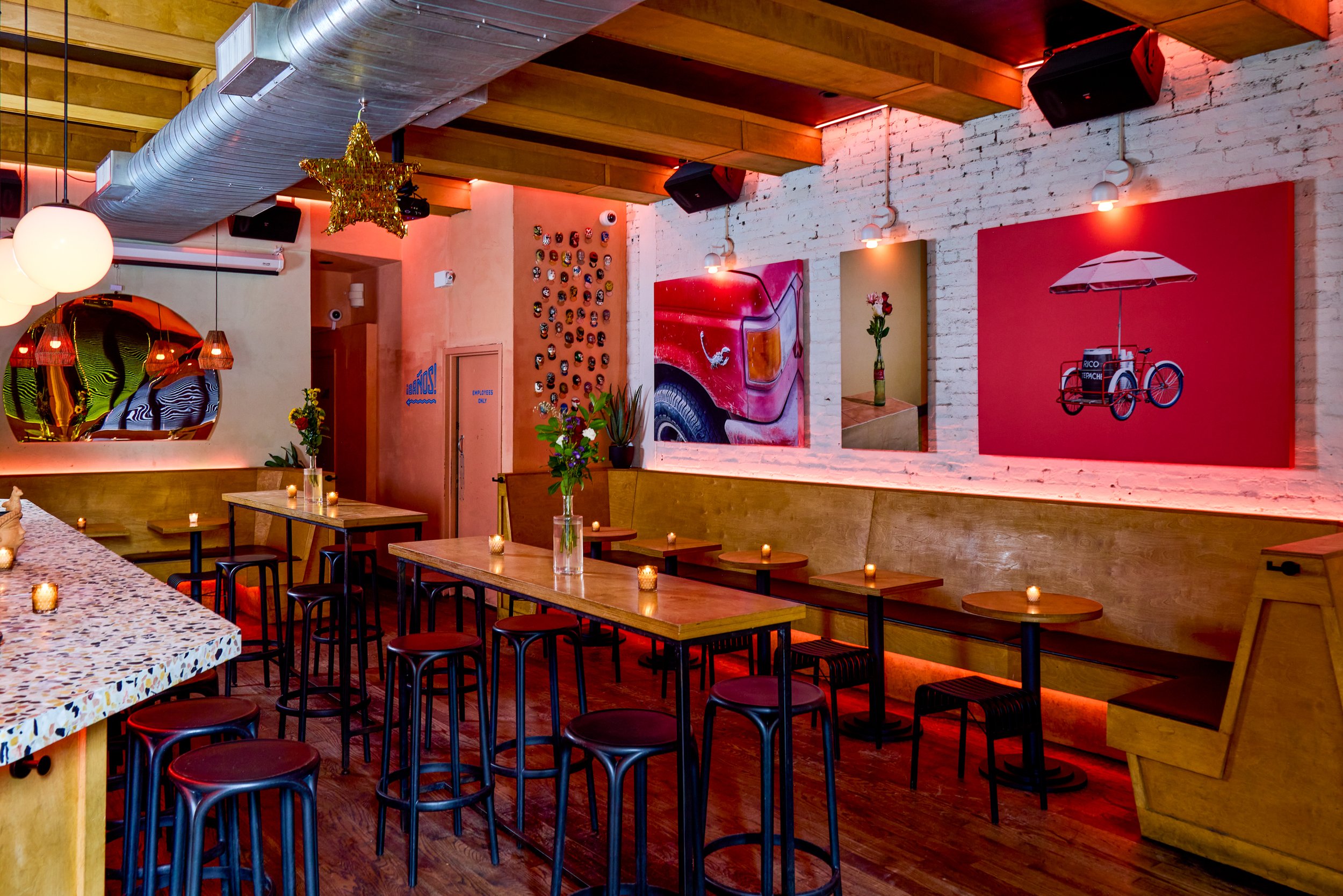 SuperbuenoNew York CitySuperbueno is a cocktail bar on First Avenue in New York City.
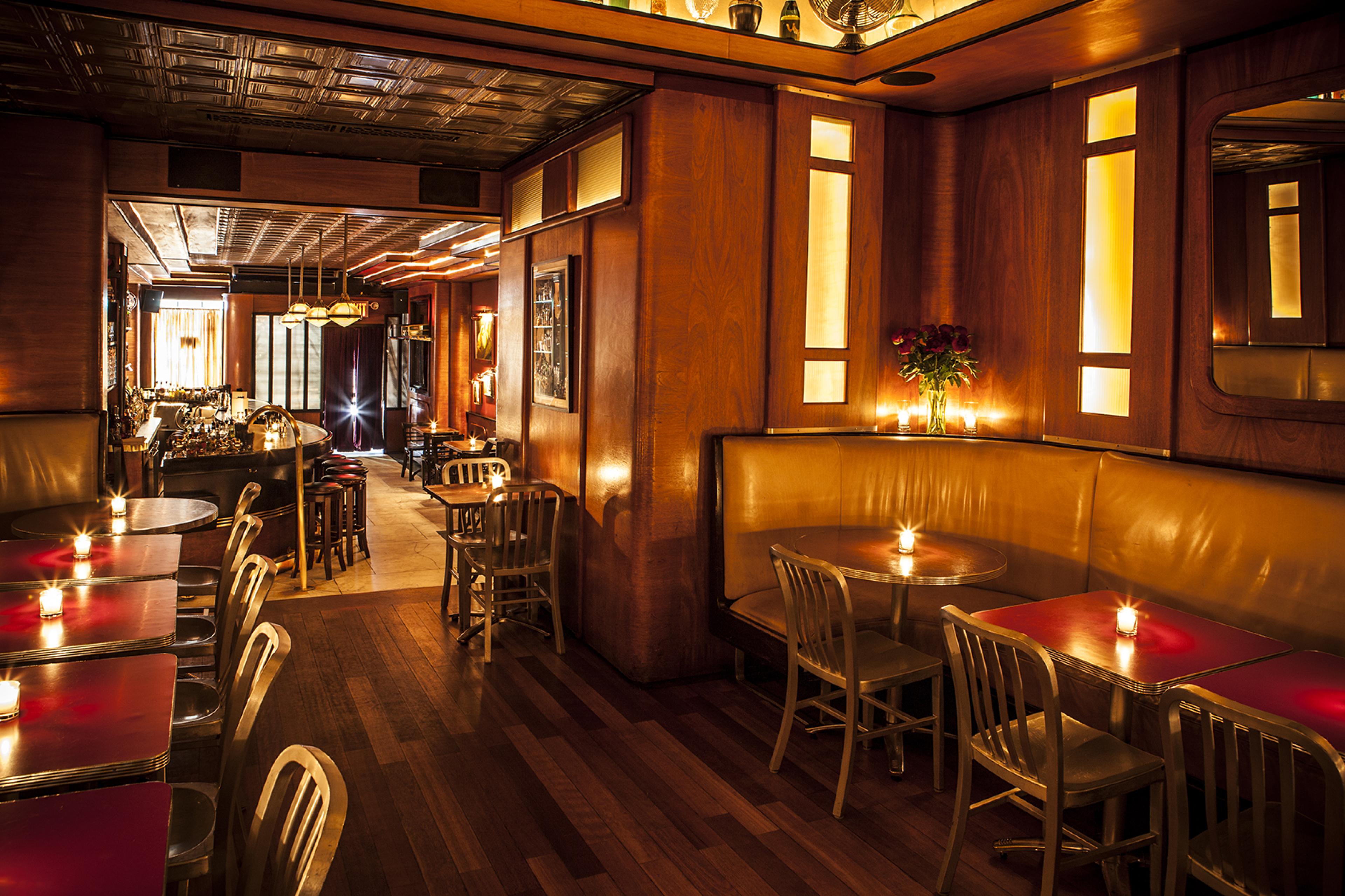 Employees Only NYCNew York CityEmployees Only NYC is a cocktail bar on Hudson Street in New York City's West Village.
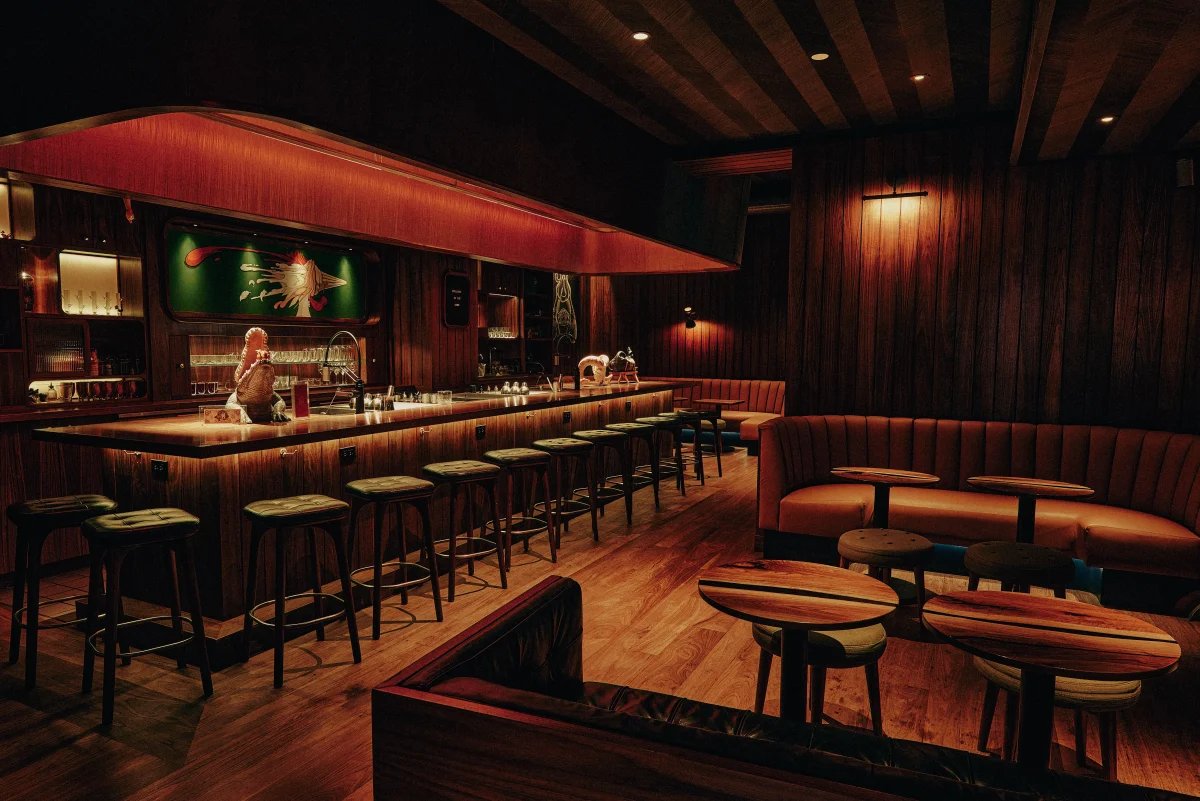 Double Chicken PleaseNew York CityDouble Chicken Please is a cocktail bar on Allen Street in New York City's Lower East Side.
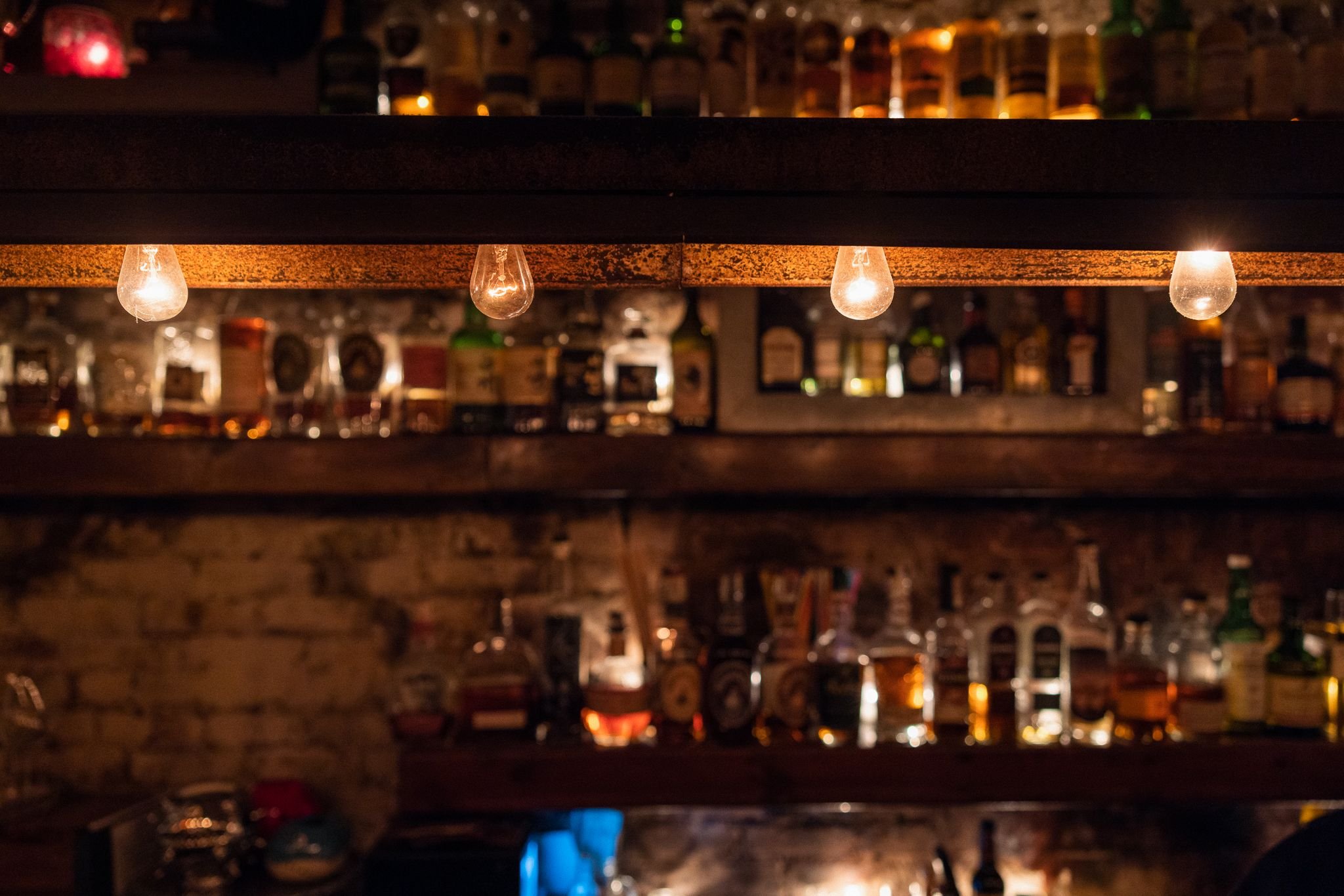 AttaboyNew York CityAttaboy NYC is a cocktail bar on Eldridge Street in New York City.
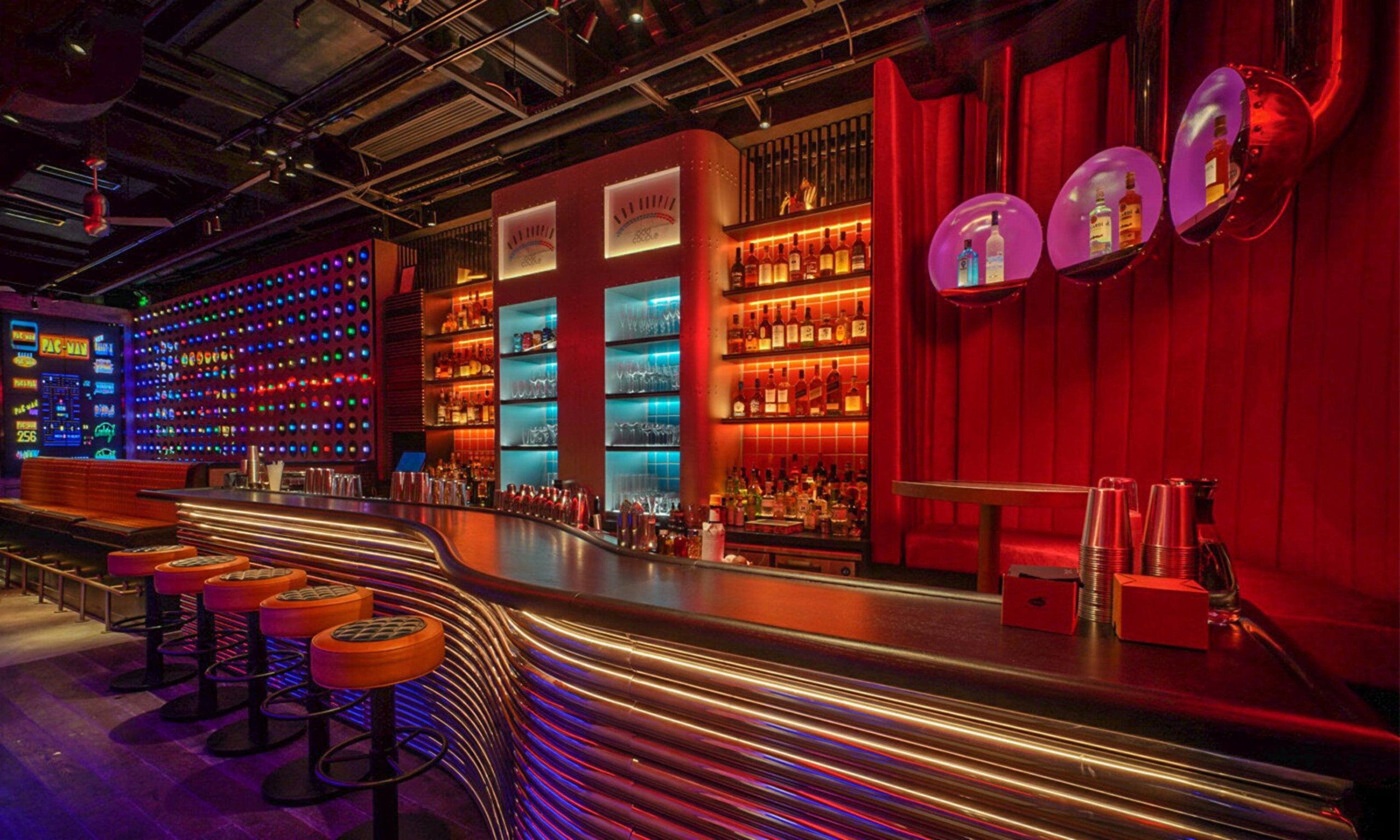 Sip & GuzzleNew York CityA high-commitment West Village cocktail booking that makes sense for dates and small celebrations, not loose group…
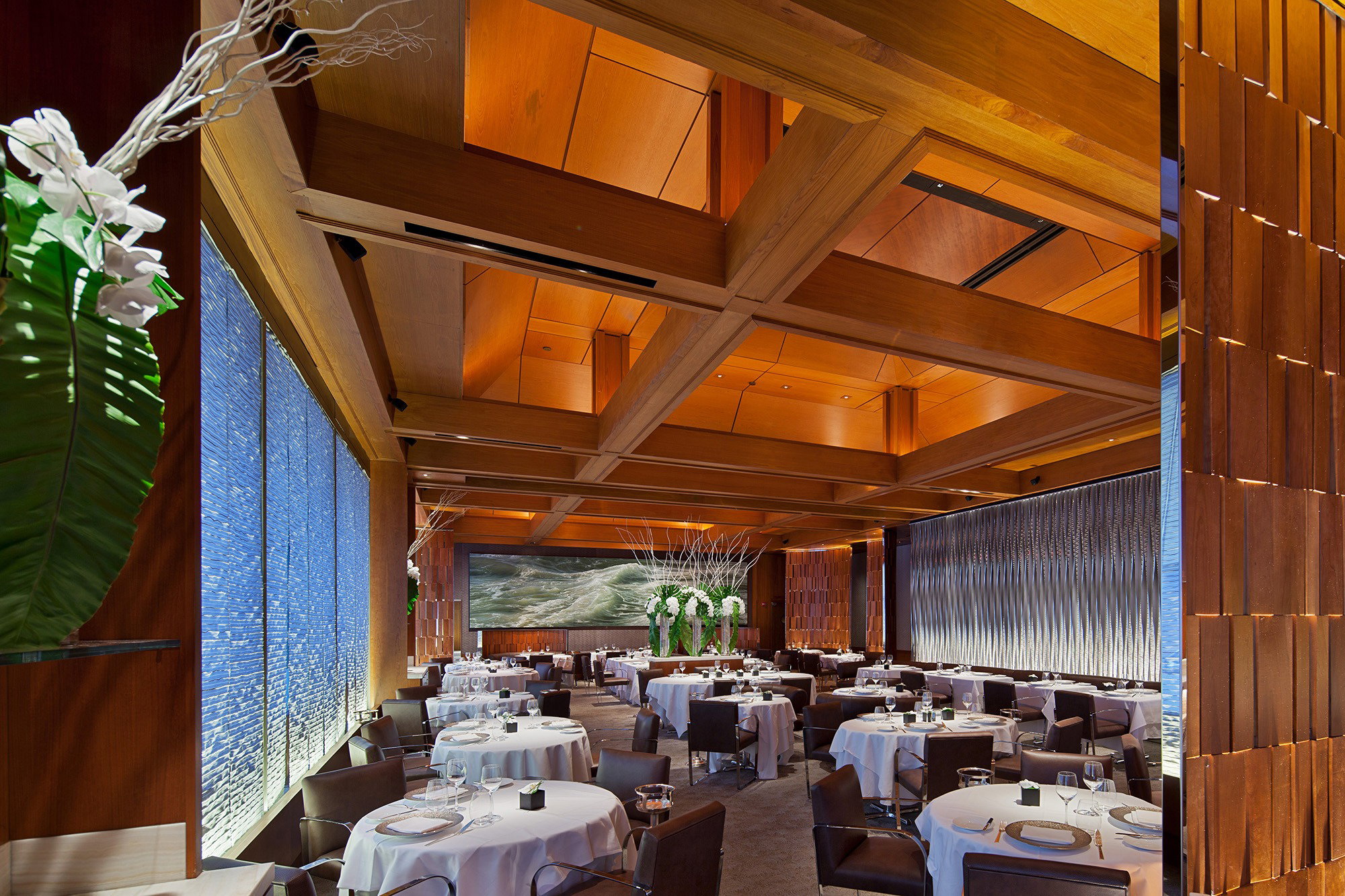 Le BernardinNew York CityLe Bernardin is a seafood restaurant in Midtown Manhattan.
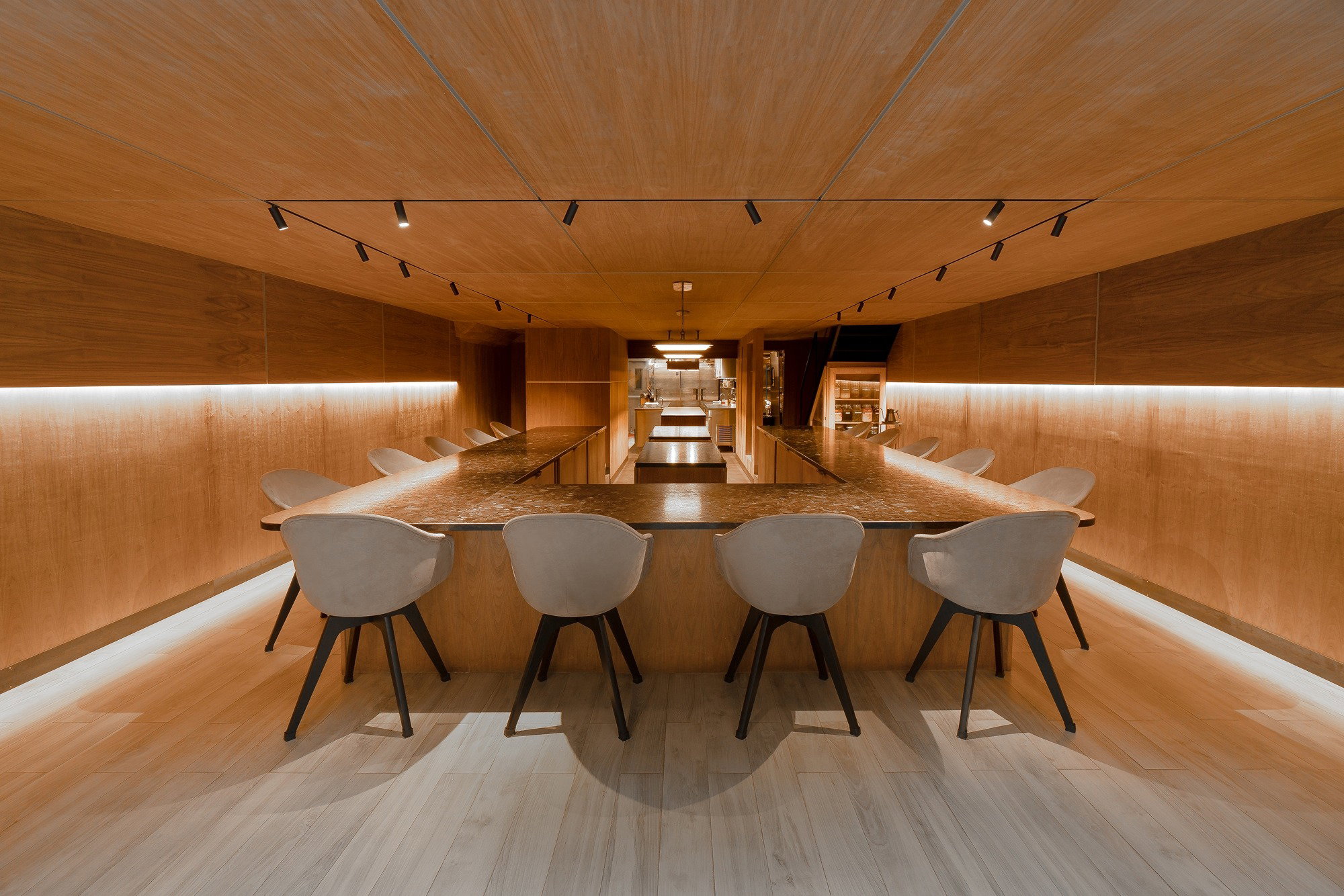 AtomixNew York CityAtomix is a Korean tasting-menu restaurant in New York City.
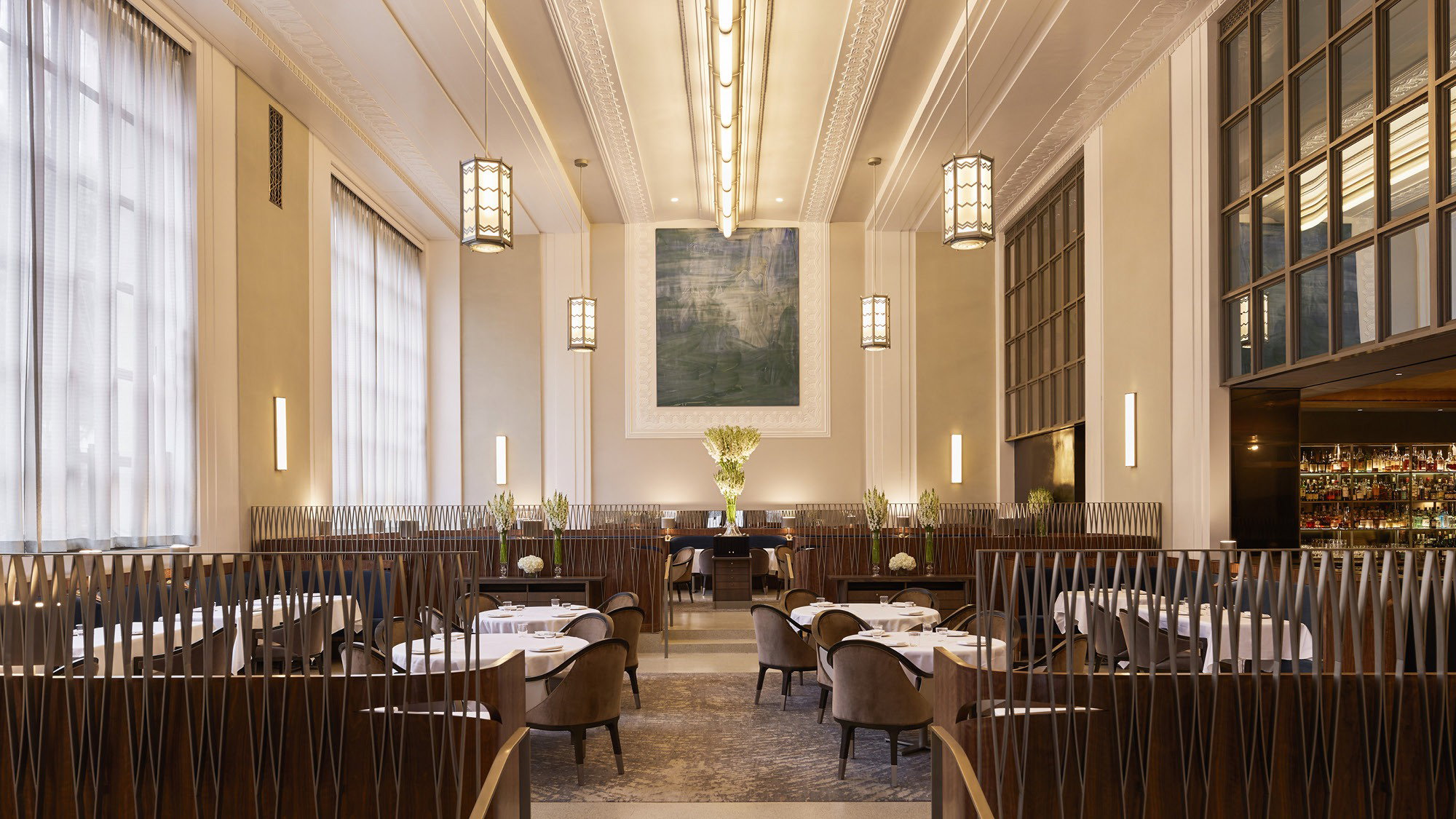 Eleven Madison ParkNew York CityEleven Madison Park is a fine-dining restaurant overlooking Madison Square Park in New York City.
 Jungsik New YorkNew York CityJungsik New York is a restaurant on Harrison Street in New York City.
 KabawaNew York CityKabawa is Paul Carmichael and Momofuku's Caribbean restaurant in New York City.
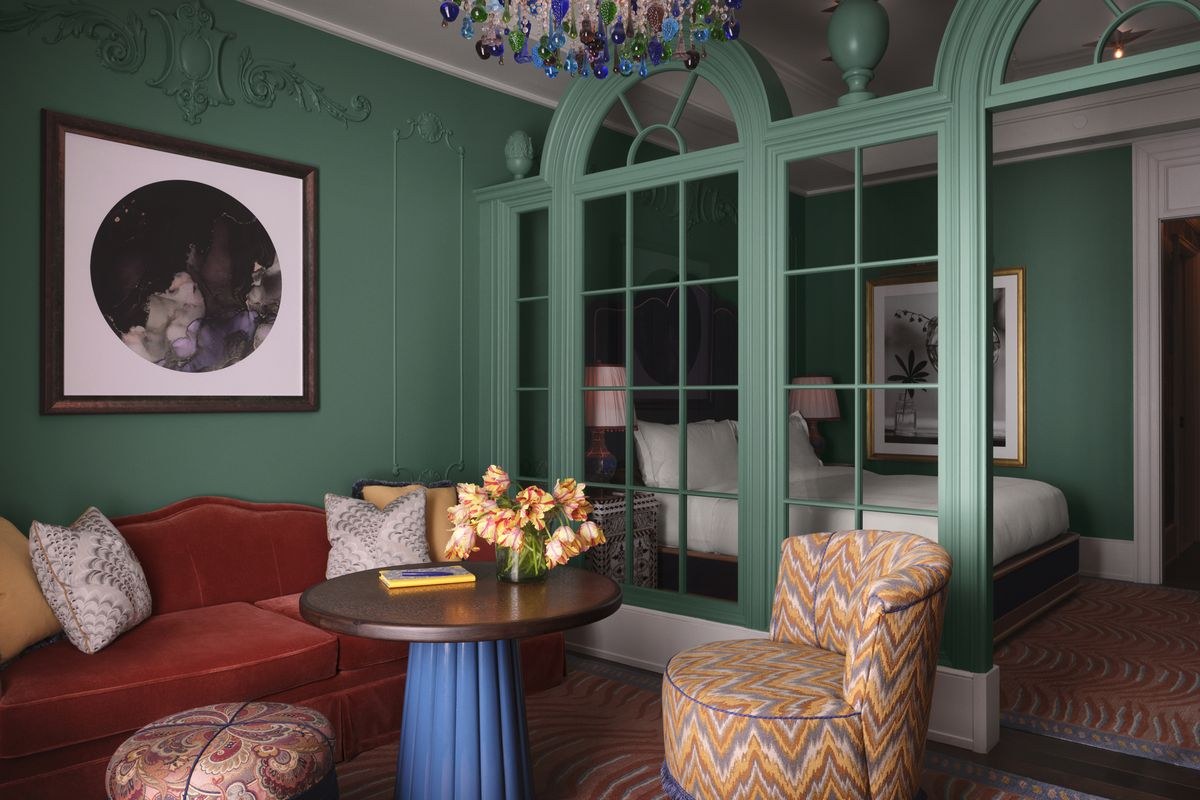 The Fifth Avenue HotelNew York CityThe Fifth Avenue Hotel is a hotel in Manhattan's NoMad neighborhood.
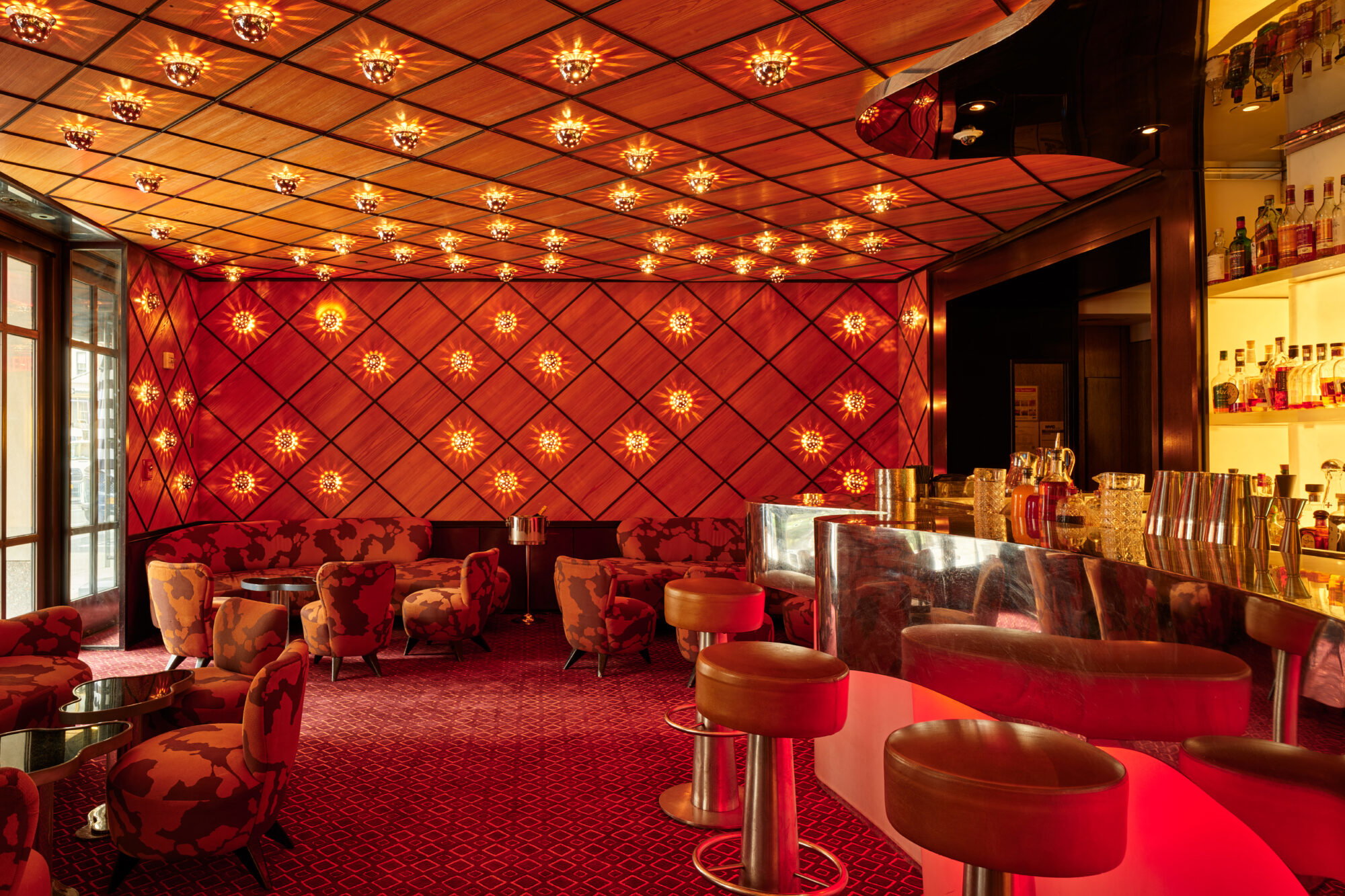 The MarkNew York CityThe Mark is a hotel on East 77th Street on Manhattan's Upper East Side.
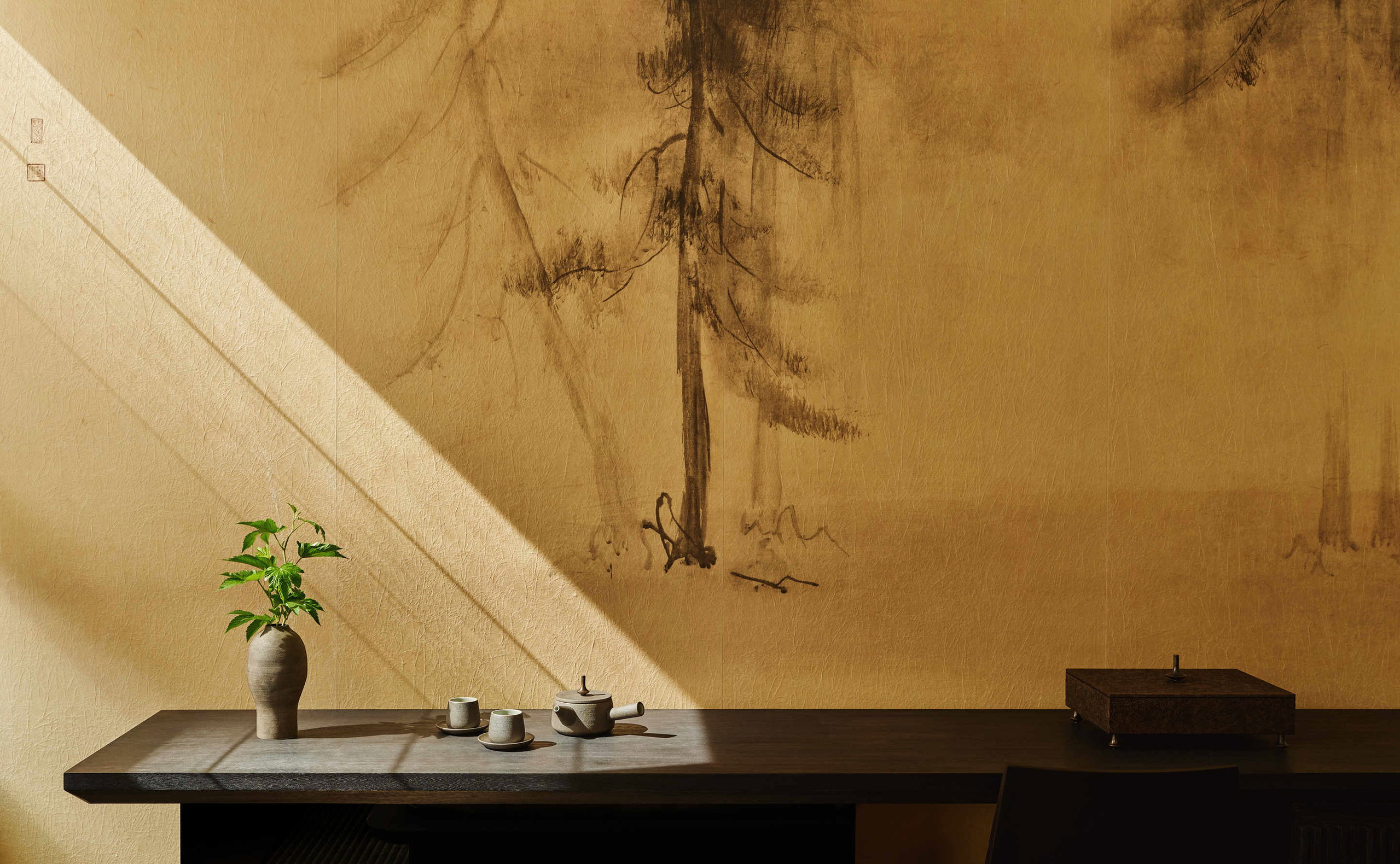 Aman New YorkNew York CityAman New York is a hotel on Fifth Avenue in New York City.
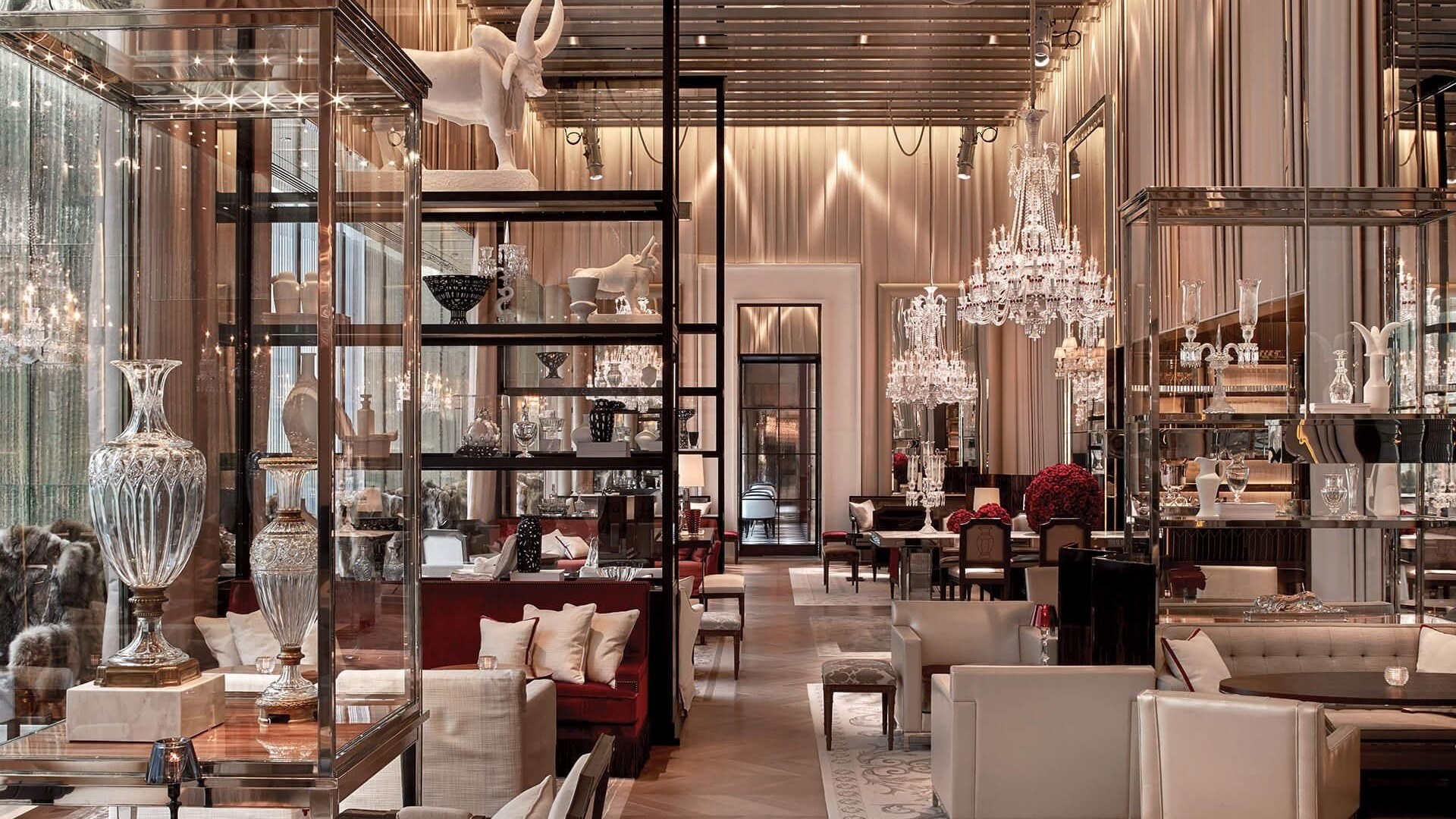 Baccarat Hotel New YorkNew York CityBaccarat Hotel New York is a hotel on West 53rd Street in Midtown Manhattan.
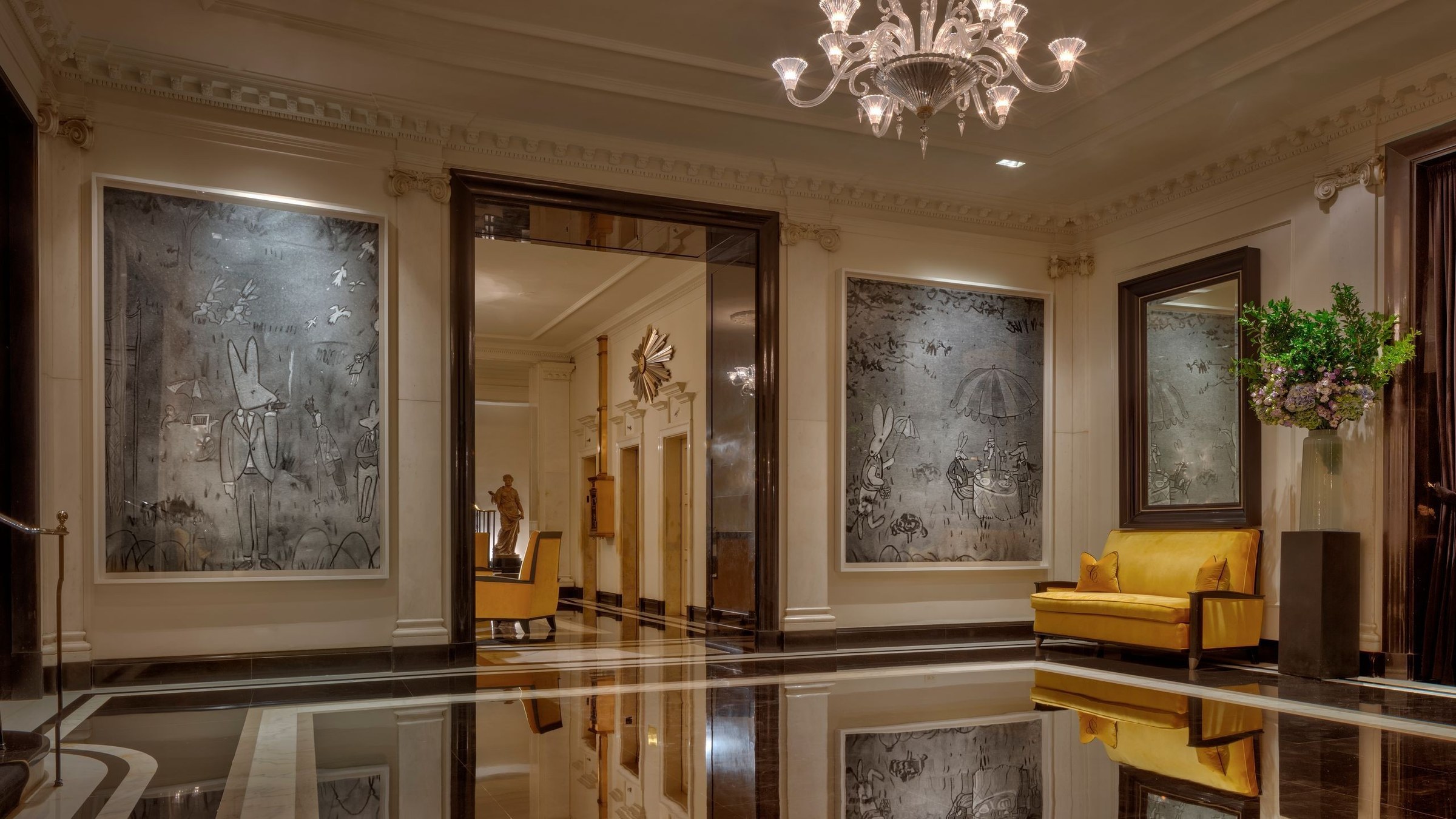 The Carlyle, A Rosewood HotelNew York CityThe Carlyle, A Rosewood Hotel is a hotel on East 76th Street in New York City.