
Oddball
East Village, New York City
Bar in New York City, United States
 Book with Pearl
The Read
Price
$20–30per person
Why go
Oddball is a smart East Village pick for curious cocktail drinkers who want unusual flavor pairings without turning the night into a formal reservation project. Choose it for a small-group or date-night drink stop, not for outdoor seating, a full meal, or a rooftop scene.
About Oddball
In New York City, the first decision is whether Oddball's flavor-led cocktail style is the right fit for the night. This is a pick for guests who want retro-futurist cocktails built around unexpected pairings rather than a purely classic cocktail routine. Plan it for drinks, and keep the rest of the evening flexible around the venue's posted schedule.
Choose it for flavor play, not a full dinner plan
Oddball works best as a cocktail stop. The appeal is in the retro-futurist drinks brief: unusual flavor combinations rather than safe, familiar builds. That makes it a better fit for drinkers who like being surprised by a glass than for someone who wants a predictable round before dinner.
For a first visit, keep the plan focused on cocktails and check the current details before going. If the night needs a restaurant-led plan, use Our full New York City restaurants guide instead. If the goal is bar-hopping in the city, Our full New York City bars guide is the better planning layer.
Not the pick for an outdoor-first plan
Do not choose Oddball on the assumption of rooftop, patio, or terrace drinking. Treat it as a cocktail decision first: come for the retro-futurist flavor direction, not for a specific room feature.
That distinction matters in New York City, where a good night can fail when the venue is chosen for the wrong reason. If conversation and cocktails are the priority, Oddball may fit the plan. If open air, photos, or a larger group setup is the point, confirm the current arrangement directly before building the night around it.
Who should put it on the short list
Oddball is a yes for curious cocktail drinkers and anyone looking for a bar with a defined point of view. It is a weaker choice for guests who need a food-led experience or a confirmed outdoor setup. The smart move is to treat it as a cocktail anchor, then build dinner, hotels, or other plans around it using Our full New York City hotels guide, Our full New York City experiences guide, and other New York City planning resources.
For readers comparing options, the lesson is simple: match the venue to the job. Oddball's lane is narrow and clear: go for inventive cocktails in New York City, with smart casual dress and service Wednesday through Saturday from 6 PM to 1 AM.
Planning details
- Location
- 188 Avenue B, New York, NY 10009
- Reservations
- Book on Resy
- Website
- oddballnyc.com
The take
The Take
The Vibe
Oddball leans fully into a retro‑futurist, concept‑forward identity that positions it as an intentional outlier in the East Village. The bar foregrounds unexpected flavor pairings and a cocktail format built around aesthetic and ingredient experimentation rather than theatrical showmanship. That conceptual rigor—paired with the neighborhood’s tradition of rewarding unconventional operators—gives Oddball a refined, slightly intellectual energy. Guests encounter a polished beverage program and a design sensibility that favors creative risk-taking; it feels like a neighborhood specimen of forward‑thinking cocktail culture rather than an attempt to follow mainstream Manhattan trends.
Best For
This is a destination for curious drinkers who prioritize thoughtful curation and surprises in their glass. Oddball’s Star Wine List recognition signals a serious beverage program, so it’s especially good for people who appreciate well‑considered wine alongside inventive cocktails. The bar also suits locals and visitors who enjoy concept‑driven bars in the East Village—those who want to experience a place that treats flavor science and design as the main attraction. It’s less about large groups or loud tourism and more about focused, beverage‑centric outings.
Ordering Tips
Expect a menu and program that emphasize ingredient interplay and conceptual framing; the bar favors surprising combinations over theatrical presentation. If you’re curious, ask the staff about the thinking behind particular cocktails or for wine recommendations—the Star Wine List recognition indicates a curated selection worth exploring. Be open to flavor pairings that read as experimental: bartenders frame drinks around retro‑futurist ideas and ingredient-driven concepts, so ask for guidance if you prefer something more classic or want a recommended entry point into their program.
Venue details
Ambiance
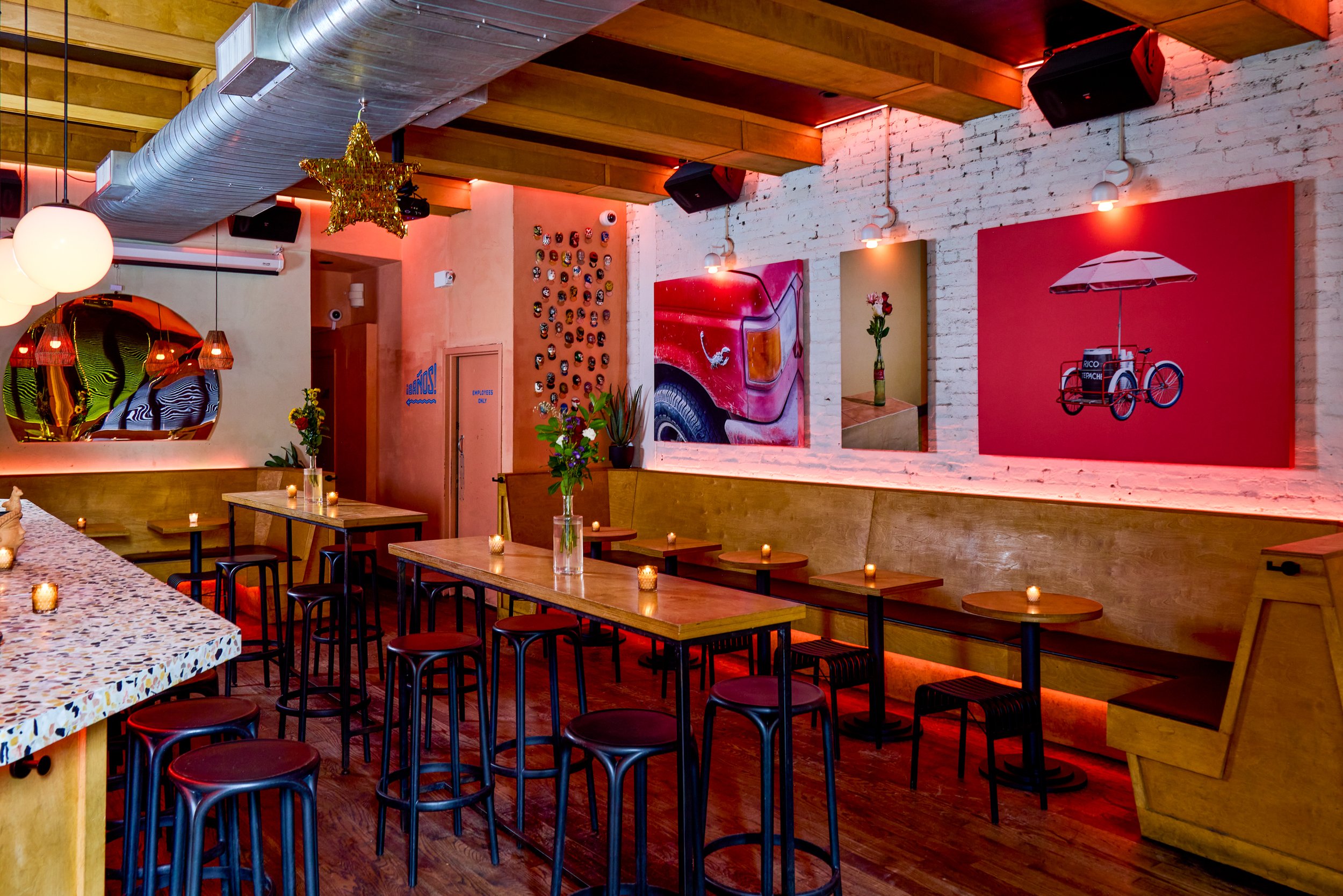
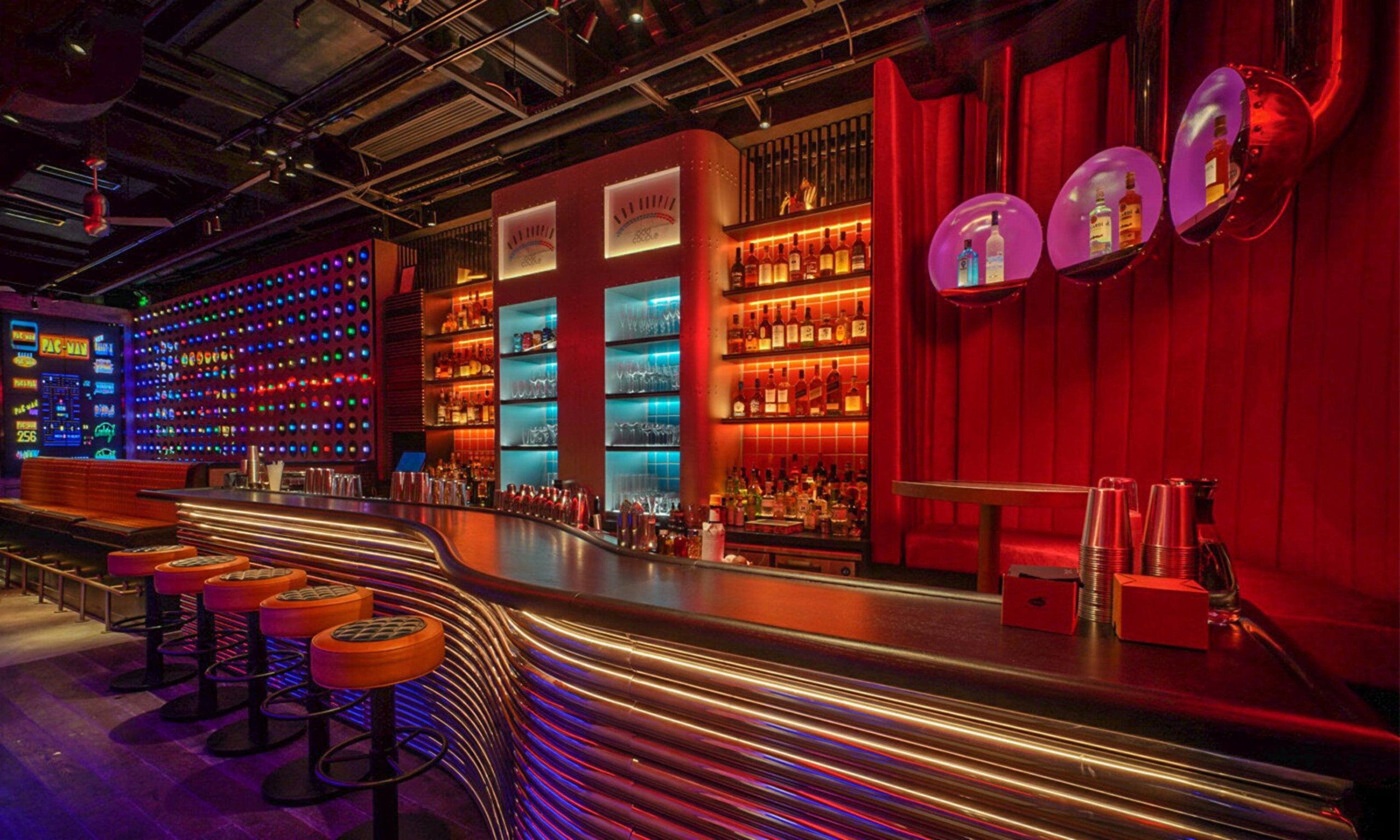
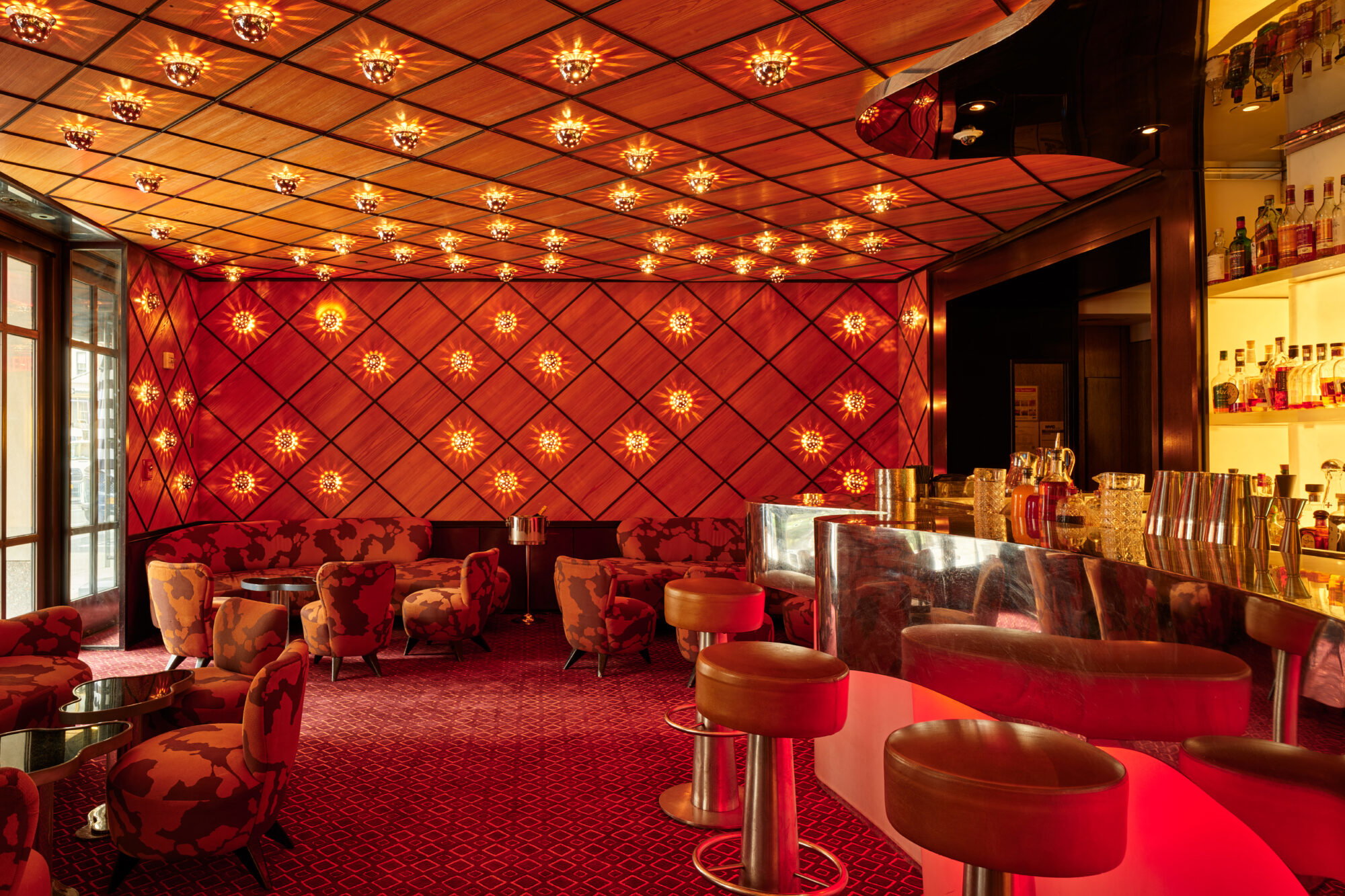
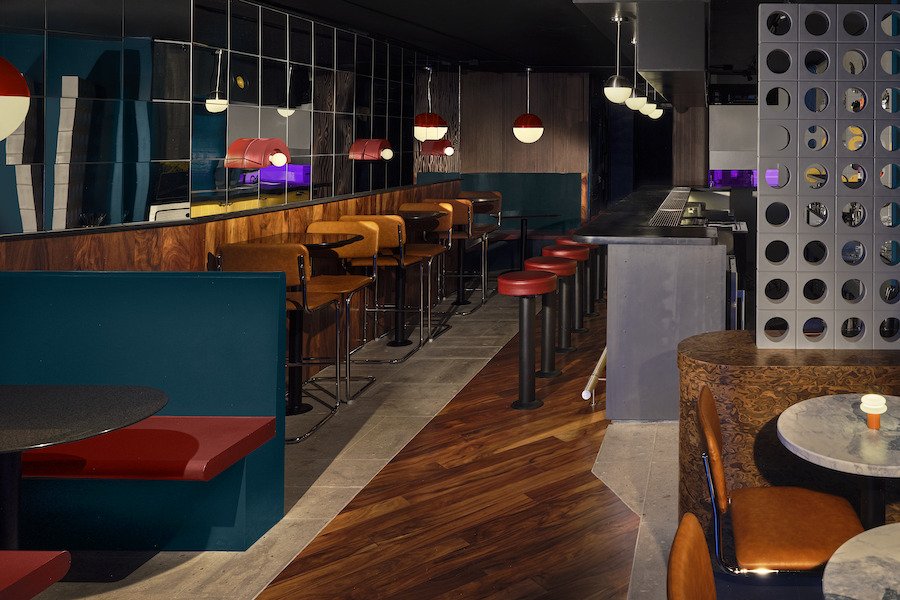
Technicolor time warp with mini mushroom lamps, orb and neon lighting, vintage posters, stainless steel, and pops of banana yellow creating a curious, joyfully eccentric, psychedelic atmosphere.
Tags
Vibe
Best For
Experience
Format
At the Bar
- Bar Category
- Cocktail Bar
- Late Night
- Closes by Midnight
- Spirits Focus
- Gin, Tequila
Signature Pours
- Pseudo-Banana
- RUBIK
- Far Side
- Infinite Loop
Know before you go
Know Before You Go
- Getting there
- 188 Avenue B, New York, NY 10009
Planning details
Location
Recognition and awards

Also consider
Where to Go If Oddball Is Not the Fit
If the group wants wine rather than cocktail experimentation, choose Long Count. If the night needs a more established cocktail destination, Please Don't Tell (PDT) is the stronger backup.
For a looser group hang, compare The Wayland and Studio 151 before committing. They are better cross-shops when room energy matters as much as the drink list.
Bar context
How Oddball Compares
Against Long Count, Oddball is the better choice if cocktails matter more than wine. Long Count makes more sense for guests who want a wine bar format and a slower drinking pace; Oddball is the sharper pick for first-round surprise and flavor experimentation.
Pouring Ribbons and Please Don't Tell (PDT) are stronger cross-shops for cocktail drinkers who want a more established destination feel. Oddball is easier to treat as a flexible East Village stop, while PDT is the better call when the night is built around the bar itself.
For ambiance, Studio 151 and The Wayland are useful alternatives if the group wants a different room energy. Choose Oddball for inventive drinks in a tighter cocktail lane; choose The Wayland or Studio 151 when the broader hang matters as much as the glass.
Explore New York City
Around this place
Discover more on Pearl
Unlock the full Oddball guide in Pearl, including awards, comparisons, FAQs, planning details, and nearby places.
Compare Oddball
| Venue | Location | Cuisine | Awards |
|---|---|---|---|
| Oddball | New York City | Retro-futurist cocktails; unexpected flavor pairings | Star Wine Lists 2026 |
| Long Count | New York City | wine bar | No published awards |
| Pouring Ribbons | New York City | No published awards | , |
| Studio 151 | New York City | No published awards | , |
| The Wayland | New York City | No published awards | , |
| Please Don't Tell (PDT) | New York City | Top 500 Bars 2026 · #372Top 500 Bars 2025 · #2352016 World's 50 Best Bars · #452015 World's 50 Best Bars · #372014 World's 50 Best Bars · #182013 World's 50 Best Bars · #132012 World's 50 Best Bars · #22011 World's 50 Best Bars · #12010 World's 50 Best Bars · #2 | , |


How Oddball New York City compares with similar nearby venues.
FAQ
Frequently Asked Questions
Is Oddball open late?
Yes. Oddball is open Wednesday through Saturday from 6 PM to 1 AM, and it is closed Monday, Tuesday, and Sunday.
Is Oddball good for a date?
It can be a good fit for a date built around cocktails rather than dinner. The draw is its retro-futurist cocktail style with unexpected flavor pairings, and the dress code is smart casual.
Do I need a reservation at Oddball?
What's the signature drink at Oddball?
Order around the house style rather than a specific label. The direction is retro-futurist cocktails with unexpected flavor pairings.