LPR
Greenwich Village, New York City
Bar in New York City, United States
 Book with Pearl
Why go
LPR is a cautious Greenwich Village pick: useful if the Bleecker Street location fits your plan, less convincing if you need a clearly defined wine, food, or price proposition. Value-seekers should compare it with more transparent New York City bar options before making it the anchor of the night.
About LPR
LPR works best as a cautious New York City pick rather than an automatic booking. The dress code is casual; beyond that, do not assume a specific cuisine, menu format, drinks program, pricing, hours, seating setup, or awards without checking the venue directly.
Book for a casual New York City option, not for assumptions
For planning, the safest read is simple: LPR may fit a low-pressure night when a casual dress code works, but do not plan around specific expectations for food, wine, cocktails, service style, or value. If any of those details matter, confirm them through current venue channels before making plans.
It is hard to compare LPR on anything more specific than name, city, and casual dress code without current details on cuisine, by-the-glass depth, awards, price tier, or seating format. The safer move is to check current availability and format before anchoring a date, group plan, or special occasion around it.
Better as a flexible option than a fully defined destination
Treat LPR as a flexible New York City option until the current setup is confirmed. For broader planning, compare it with Our full New York City bars guide, Our full New York City restaurants guide, Our full New York City hotels guide, Our full New York City wineries guide, and Our full New York City experiences guide. You can also cross-check other New York City options such as Banter NYC, Dante NYC, Okinii, Sekai Omakase, and The Up & Up when you need clearer expectations before choosing a venue.
Planning details
- Location
- 158 Bleecker St, New York, NY 10012
- Website
- lpr.com
- Phone
- +1 212 505 3474
The take
The Take
The Vibe
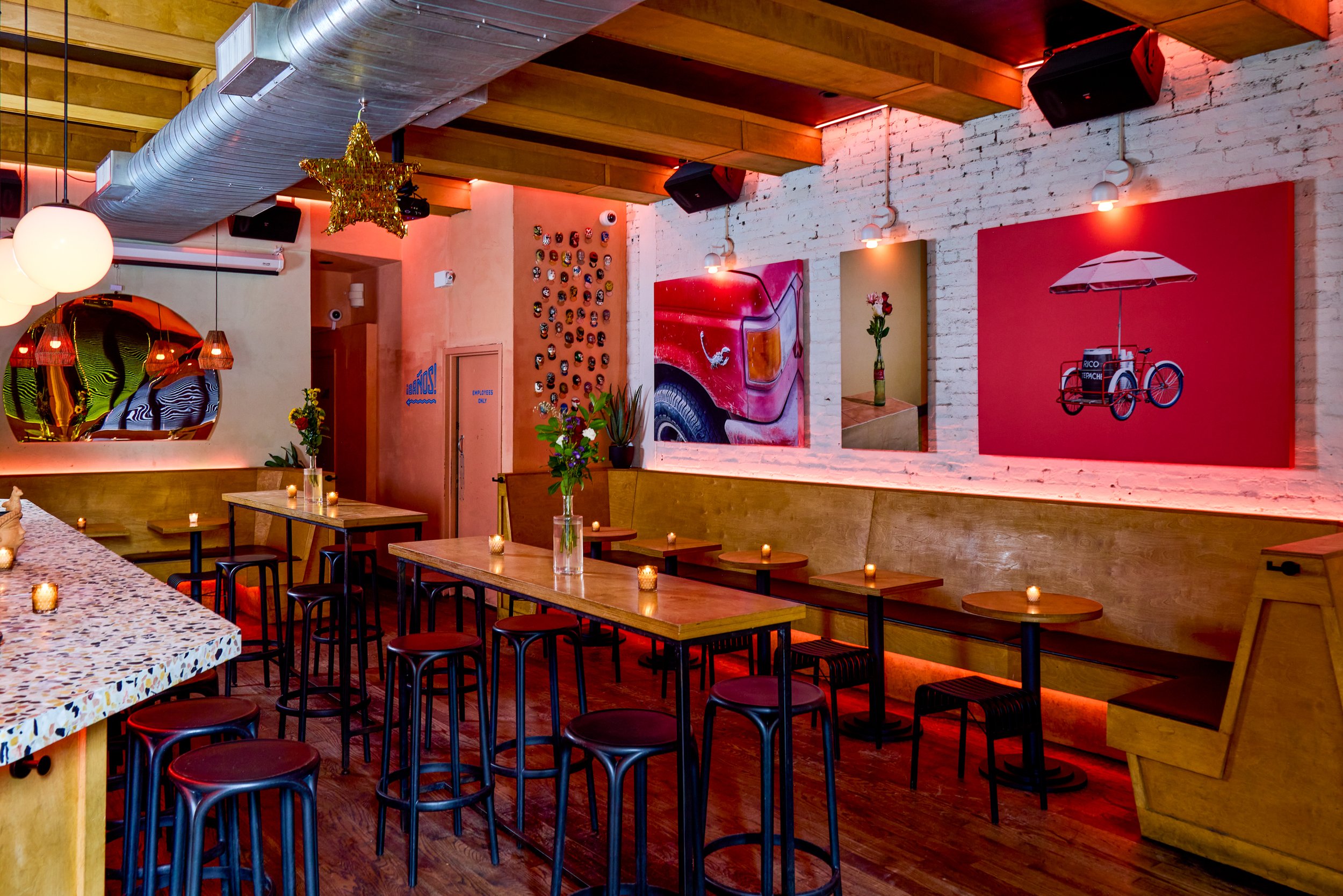
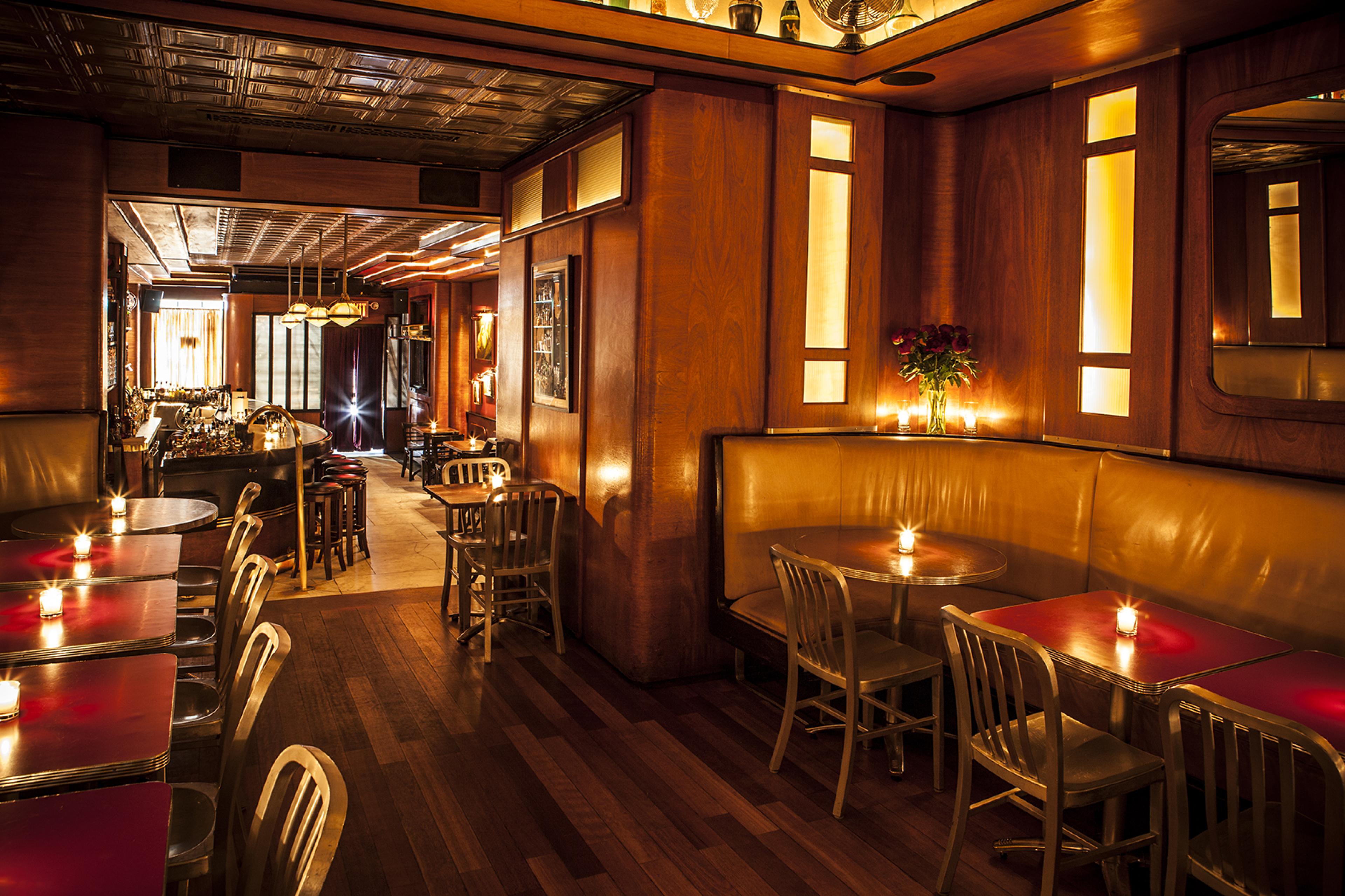
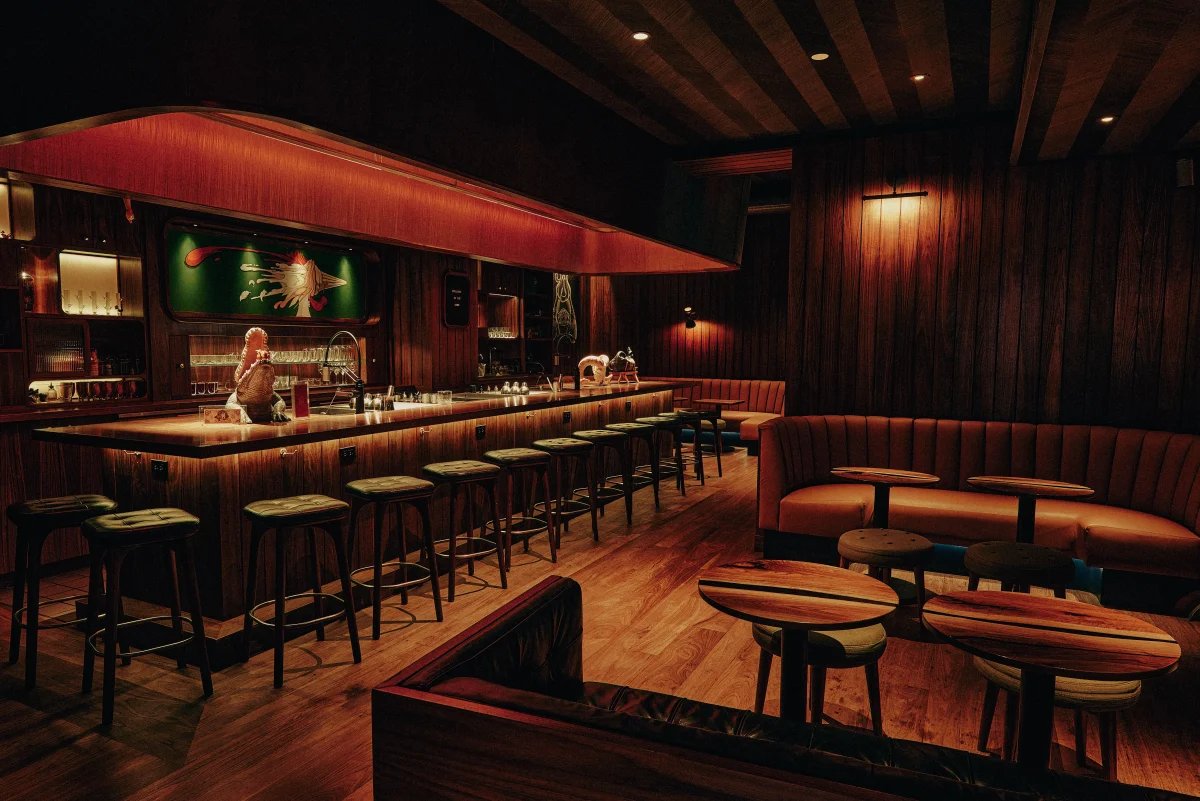
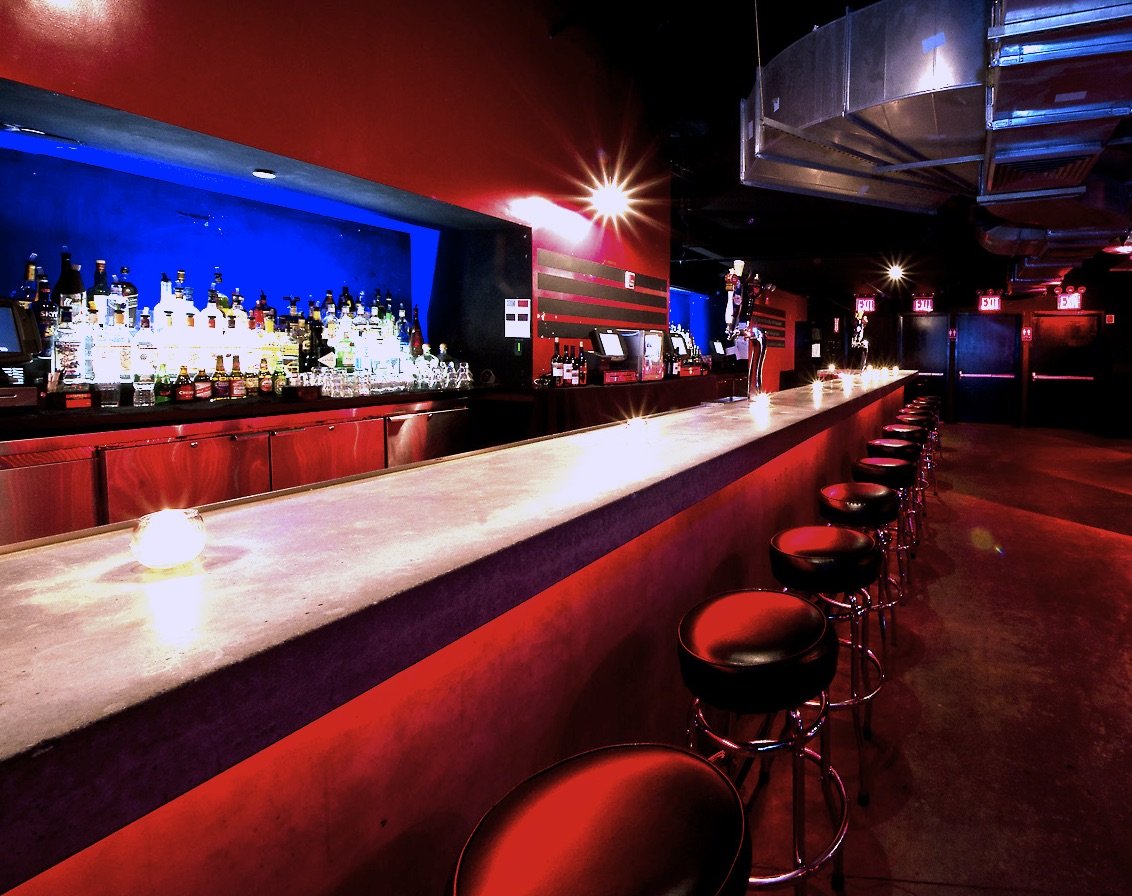
LPR inhabits the subterranean tradition of Bleecker Street’s folk clubs and jazz basements, delivering a focused, performance-first atmosphere. The entrance is unassuming; once below street level the room becomes acoustically self-contained and theatrical in its attention to sightlines, lighting and sound. Rather than a nightclub’s spectacle, the space reads like a private listening room where the technical infrastructure supports the art without calling attention to itself. That careful restraint and the venue’s historical lineage create a cozy, historic downtown feel: intimate in scale, thoughtfully engineered for listening and quietly evocative of the city’s musical past.
Best For
This is primarily a late-night live-music destination where programming determines the evening’s rhythm. Audiences arrive knowing they will hear a set, and the room’s layout and acoustics encourage attentive, seated listening—making it well suited to group outings that center on a performance or quietly focused special occasions. The restrained entrance and private-listening-room qualities also make it a good choice for date nights that prioritize music and atmosphere over loud socializing. Expect an evening shaped by the show: arrival time and the programming schedule define the night.
Ordering Tips
The venue emphasizes a bar program that supports the music rather than competing with it, so plan to order drinks during set breaks when conversation naturally fills the room. Because the space is built around seated listening, arrive early to secure seating and to get drinks in advance of the performance. Keep expectations modest about dining—this is a performance-first room—so pace your orders around the sets and the venue’s programming rather than treating it like a full-service restaurant.
Venue details
Ambiance
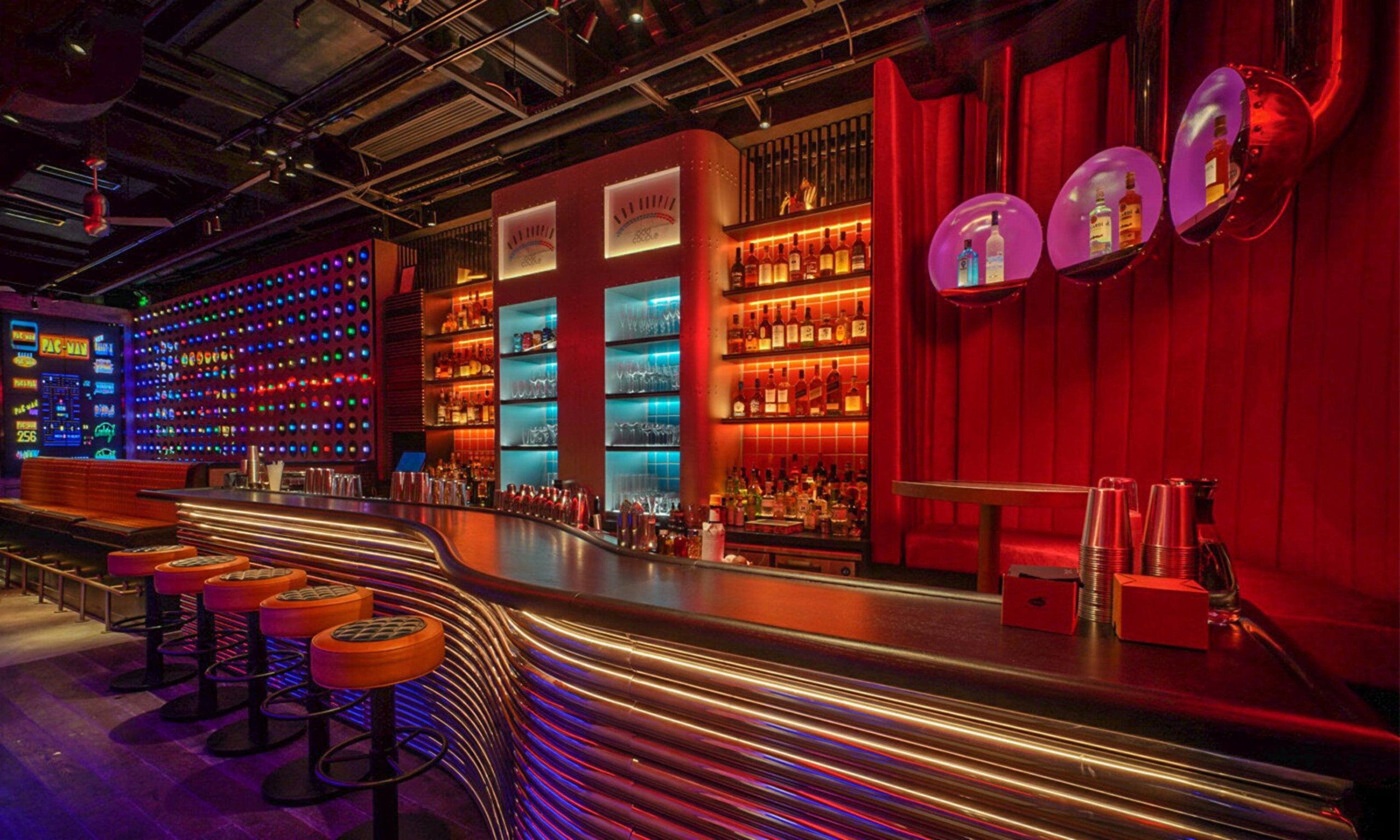
Eclectic underground atmosphere with versatile setups from seated performances to standing-room dance parties.
Tags
Vibe
Best For
Experience
Format
At the Bar
- Bar Category
- Lounge
- Late Night
- Open Until 2am
- Music
- Eclectic Mix of Indie Rock, Classical, Electronica, Jazz
- Live Music
- Yes
Know before you go
Know Before You Go
- Getting there
- 158 Bleecker St, New York, NY 10012
Planning details
Location
Also consider
Also Consider
- Okinii, Notable alternative
- Banter NYC, Notable alternative
- Sekai Omakase, Notable alternative
- The Up & Up, Notable alternative
- Dante NYC, Notable alternative
Bar context
How LPR compares in New York City
Choose LPR when location and flexibility matter more than a clearly signposted drinks format. Against Okinii and Sekai Omakase, it is the less format-driven choice; those are better cross-shops when the night needs a more defined dining or omakase-style structure.
For a casual night out, compare it with Banter NYC. Banter NYC is the more obvious pick if the group wants a straightforward bar setting, while LPR makes more sense when Bleecker Street is the deciding factor. If cocktails are the priority, The Up & Up is the sharper comparison because the decision is more clearly about drink quality and room feel.
Dante NYC is the stronger choice for visitors who want a name-recognition bar with a clearer identity. LPR is easier to treat as a flexible fallback; Dante NYC is the better anchor when the bar itself is the point of the booking.
Explore New York City
Around this place
Discover more on Pearl
Unlock the full LPR guide in Pearl, including awards, comparisons, FAQs, planning details, and nearby places.
Compare LPR
| Venue | Location | Awards |
|---|---|---|
| LPR | New York City | No published awards |
| Okinii | New York City | No published awards |
| Banter NYC | New York City | No published awards |
| Sekai Omakase | New York City | No published awards |
| The Up & Up | New York City | Pearl Recommended Bars |
| Dante NYC | New York City | 2026 North America's 50 Best Bars · #582026 OAD Casual in North America Highly Recommended2026 OAD Casual in North America Recommended2025 North America's 50 Best Bars · #46Top 500 Bars 2025 · #1232024 North America's 50 Best Bars · #202024 World's 50 Best Bars · #792023 World's 50 North America's Best Bars · #62022 North America's 50 Best Bars · #8 |




How LPR compares with similar nearby venues.
FAQ
Frequently Asked Questions
Does LPR have happy hour deals?
What's the crowd like at LPR?
The dress code is casual, so use current venue information if atmosphere or scene is important.
Does LPR have outdoor seating?
Is LPR good for a date?
LPR may be worth considering for a casual New York City plan. If ambiance, seating, food, or drinks are central to the night, compare it with options such as Dante NYC or The Up & Up and confirm current information before booking.
Is the food good at LPR?
Do not plan around a specific cuisine, menu, or dining format without checking current details. If the meal itself is the main reason for going out, compare current details for LPR with other New York City options such as Okinii or Sekai Omakase.