
Bar in New York City, United States
Lei
100Pearl PointsWine-first Chinatown
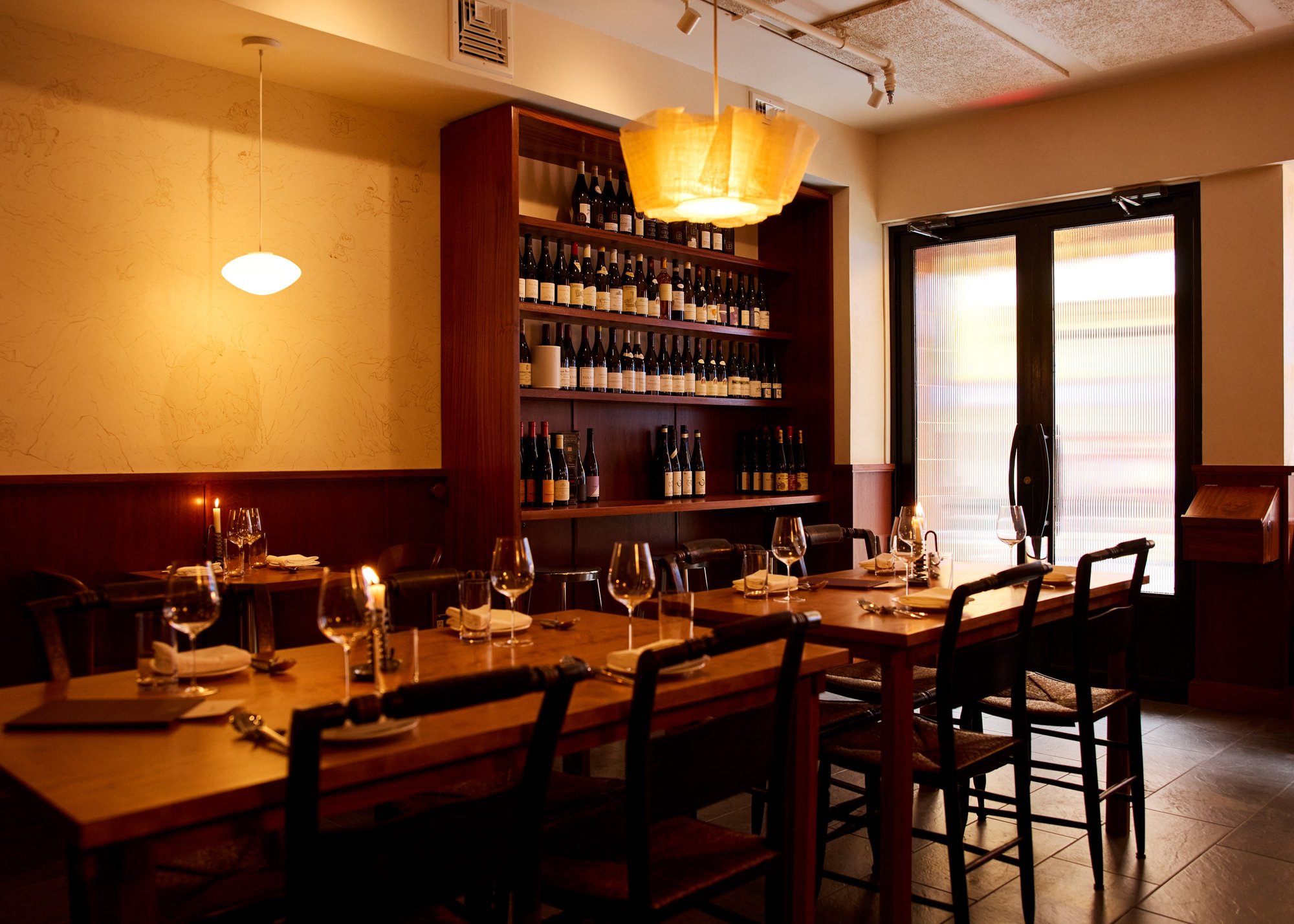
About Lei
Lei is a Chinatown wine bar for dates that need food, wine, and a relaxed pace rather than cocktail theater. Go for Chinese-influenced small plates and an easy evening on Doyers Street; larger groups should be more cautious because the format reads better for two than for a big-night crowd.
Lei is a New York City wine bar built around wine and Chinese-influenced small plates. With nightly hours from 5 PM to 12 AM and a smart casual dress code, it is best understood as an evening stop where food and wine share the focus.
The recommendation is simple: choose Lei when you want a wine bar where small plates are part of the plan, not an afterthought. The verified details support a flexible evening format: one visit can stay light, or it can become a more food-led stop built around shared plates.
Choose the wine-and-small-plates route
For a first-timer, the main reason to come is the hybrid format. Lei is not documented here as a cocktail-focused venue or a tasting-menu restaurant; the grounded description is a wine bar with Chinese-influenced small plates. That makes it useful when the plan needs both something to drink and something to eat without overcommitting to a more formal meal.
The food promise is specific but not overcomplicated: Chinese-influenced small plates alongside wine. Order with sharing in mind, keep the meal flexible, and treat the wine-bar format as the advantage.
The evening case is the clearest use
Lei is easiest to plan as an evening stop because its verified hours are 5 PM to 12 AM every day. The available facts do not confirm lunch service, delivery, takeout, a specific seating format, pricing, or a reservation policy, so plan around the confirmed basics: wine, Chinese-influenced small plates, nightly evening hours, and smart casual dress.
Practical read: use Lei when you want a New York City wine bar that can support a light meal or a more relaxed evening around small plates. For broader planning, compare it with 's New York City bars guide and 's New York City restaurants guide.
Frequently Asked Questions
Do I need a reservation at Lei?
The verified details do not confirm a reservation policy for Lei. If you want a specific time, check the venue's official channels before you go. Lei is open every day from 5 PM to 12 AM.
Does Lei have happy hour deals?
Do not count on happy hour as the reason to go, because the verified details only confirm Lei as a wine bar with Chinese-influenced small plates in New York City. Check the venue's official channels for the latest details.
Is Lei good for groups?
The verified details do not confirm a seating format, party-size policy, or reservation setup. Lei is best described from the available facts as a wine bar with Chinese-influenced small plates, so groups should check directly before planning around a specific table size. You can also compare the plan with Peachy's when considering another option.
Is Lei good for a date?
Lei can work for a date if you want a New York City wine bar with Chinese-influenced small plates and smart casual dress. If you are comparing formats, you can also look at Bar Oliver, but the confirmed reason to choose Lei is its wine-bar setup with small plates.
Is the food good at Lei?
The verified cuisine description is wine bar with Chinese-influenced small plates. That means food is part of the core concept, but the available facts do not confirm specific dishes, prices, or menu size. If you are comparing other venues, The River and Apotheke Chinatown may be useful reference points depending on the kind of evening you want.
What's the best time to go to Lei?
Lei is open every day from 5 PM to 12 AM. The verified information does not identify peak times, so choose an early evening visit for a more straightforward start to the night or a later visit if you want a wine-bar stop closer to midnight.
Is Lei open late?
Yes. Lei is open every night until 12 AM. It can be used as an evening or later-night wine bar in New York City, with Chinese-influenced small plates available as part of the concept. You can also compare it with Gosh when considering another option.
Location
15-17 Doyers St, New York, NY 10013
New York City, United States
Compare Lei
Where Lei fits among nearby bars
Lei is the wine-and-small-plates option in this set, which makes it more useful for a two-person evening than a drink-only stop. Apotheke Chinatown and Peachy's are stronger for cocktail-focused nights, while Gosh is the cleaner choice if the group wants a cocktail bar without adding dinner to the plan.
Bar Oliver and The River are sensible cross-shops when mood matters and the exact format is flexible. Lei's advantage is simplicity: easy booking, nightly evening hours, and a format that lets a date stay casual without feeling underplanned.
If Lei is not the right fit
Pick Gosh instead if the brief is cocktails first and food is secondary. Pick Apotheke Chinatown if the night needs more cocktail-room drama and less wine-bar flexibility.
How Lei compares in Chinatown
Choose Lei when wine and Chinese-influenced small plates are the point. Apotheke Chinatown and Peachy's are better fits if the night is built around cocktail-room energy rather than food-and-wine pacing. Lei is the easier recommendation for a date that might turn into a light dinner.
Gosh is the clearer pick for a pure cocktail-bar brief, since that format is explicit. Lei is the better call when one person wants wine and the other wants something to share. Bar Oliver and The River belong on the same cross-shop list if ambiance matters more than a defined small-plates format.
For booking ease, Lei has the advantage: it is marked easy, which matters in Chinatown when plans come together late. For a splurge-feeling cocktail night, start with Apotheke Chinatown or Peachy's. For a lower-pressure two-person evening with food built in, Lei is the smarter first inquiry.
Explore New York City
Save or rate Lei on Pearl
Keep this venue in your Pearl passport, rate it after you visit, and track it alongside every other place you collect.