
Bar in New York City, United States
Le Dive
100Pearl PointsDowntown drop-in
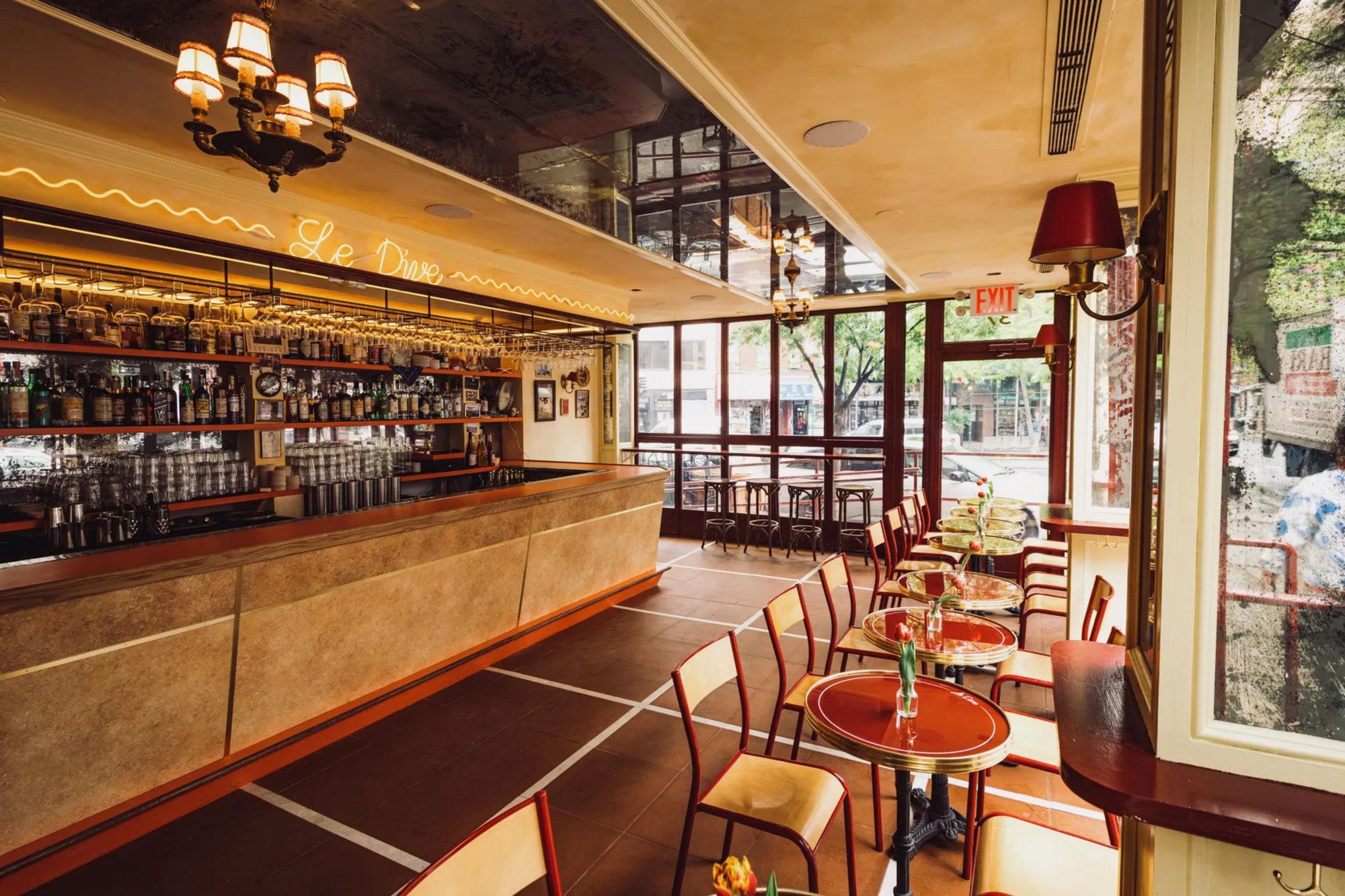
About Le Dive
Le Dive is a yes for casual downtown drinks on Canal Street, especially when atmosphere matters more than a documented cocktail or food program. First-timers should treat it as a social bar pick rather than a formal dining decision; cross-shop Parcelle Chinatown for a more wine-led plan or Clandestino for a neighborhood-bar alternative.
Le Dive is a New York City venue with verified late-day and late-night hours, making it a practical option when the plan is centered on timing rather than a fully documented dining or service program. The confirmed details are limited: hours are available, and the dress code is smart casual. No verified cuisine, signature dishes, awards, price tier, seating count, or chef details are attached here, so plan with those limits in mind.
The recommendation is clearest for a casual New York City meet-up where the group is comfortable confirming any menu, pricing, and seating details directly. It is not the right choice if the decision hinges on a named chef, published awards, a formal food identity, or a menu with clear pricing available in advance. With no confirmed cuisine, signature dishes, awards, or price tier attached, treat any food expectations as unconfirmed unless you verify them before going.
Choose it for flexible New York City hours, not a formal checklist
Le Dive's verified appeal is practical: it opens at 3 PM Monday through Friday, at 12 PM on Saturday and Sunday, and stays open late, including until 2 AM Thursday through Saturday. That matters for expectations: a first-timer should come for a flexible New York City stop, not for a documented service format or menu program. If the group wants another option to compare, Parcelle Chinatown and Clandestino are natural cross-shops.
For planning the wider night, keep the category separate. Our full New York City bars guide is the useful next stop for nearby options, while Our full New York City restaurants guide, Our full New York City hotels guide, Our full New York City wineries guide, and Our full New York City experiences guide help if Le Dive is only one stop in the plan.
Who should pick it, and who should cross-shop
Pick Le Dive when the priority is a flexible New York City choice with smart casual dress and late operating hours. Skip it for a group that needs confirmed seating details, clear spending expectations, or a verified food-led plan. For another option in the broader night, compare naturally with Clandestino, Forgtmenot, Metrograph, Parcelle Chinatown, or Sunn's depending on what kind of stop you want next.
The short version: come for a flexible stop in New York City; choose another venue if the night needs a verified food program, award signal, or tightly planned seating. The confirmed hours are Monday 3 PM–12 AM, Tuesday and Wednesday 3 PM–1 AM, Thursday and Friday 3 PM–2 AM, Saturday 12 PM–2 AM, and Sunday 12 PM–12 AM.
Frequently Asked Questions
Is the food good at Le Dive?
No verified cuisine type, signature dishes, or menu pricing are available here, so the safer read is to confirm any food expectations directly before going.
Do I need a reservation at Le Dive?
No verified reservation policy is available here. Plan directly with the venue if a guaranteed table matters, especially during later hours on Thursday, Friday, or Saturday.
Does Le Dive have happy hour deals?
Do not count on happy hour deals unless you confirm them directly, since only the operating hours and smart casual dress code are verified here. If pricing is the main goal, check current offerings before you go.
Is Le Dive good for a date?
It can work for a date in New York City if flexible timing matters. The verified dress code is smart casual, and the venue keeps late hours during much of the week.
Is Le Dive good for groups?
It may work for a flexible group meet-up, but no verified seating count or group setup is available here. Larger parties should confirm arrangements directly rather than assuming a protected setup.
Location
37 Canal St, New York, NY 10002
New York City, United States
Compare Le Dive
Comparison guide
Against Clandestino, Le Dive is the more scene-driven Canal Street choice, while Clandestino is the simpler neighborhood-bar call. Against Parcelle Chinatown, Le Dive is less clearly wine-focused, so Parcelle Chinatown is the safer pick for drinkers who want the bottle list to drive the night.
Metrograph makes more sense when the bar is attached to a film or food plan. Sunn's and Forgtmenot are better alternates when the group wants a casual downtown option with less emphasis on Canal Street atmosphere.
Where to go if this does not fit
Choose Parcelle Chinatown if the night needs a wine-first plan. Choose Clandestino if the goal is a more direct neighborhood-bar stop without making the room itself the main event.
How Le Dive compares in downtown New York
Le Dive is the pick when the decision is about Canal Street energy and an easy social bar plan. Parcelle Chinatown is the stronger choice for wine-led drinking, especially if the group cares more about bottle selection than a loose bar-room feel. Clandestino is the cleaner alternative for a neighborhood-bar mood without needing the same Canal Street pull.
For a night with food or film built around it, Metrograph is easier to justify as part of a broader plan. Sunn's is the better cross-shop if the group wants a more food-forward downtown stop, while Forgtmenot fits a casual, no-fuss outing. Choose Le Dive when ambiance is the point; choose the others when the format of the night is more defined.
Explore New York City
Save or rate Le Dive on Pearl
Keep this venue in your Pearl passport, rate it after you visit, and track it alongside every other place you collect.