
June
Carroll Gardens-Cobble Hill-Gowanus-Red Hook, New York City
Bar in New York City, United States
 Book with Pearl
The Read
Price
$50–100per person
Why go
Book June when the plan is a relaxed Brooklyn wine stop with low booking friction. Star Wine List recognition gives it a stronger value case than a generic neighborhood bar, but it is a better fit for wine-led rounds than for a cocktail-focused night.
About June
June in New York City is a direct option to consider when the plan calls for an evening or weekend stop with late hours and a casual dress code. That makes it most useful in the parts of a trip where simplicity matters: a place to keep in mind after work, after another booking, or during a weekend day when the schedule needs some flexibility. Its clearest confirmed point of recognition is Star Wine List in 2026, so the strongest grounded way to frame June is as a New York City venue with wine-list recognition rather than as a place defined by menu, chef, price, or service claims. In other words, the reliable read is narrow but still helpful: June is best understood through what is actually confirmed, not through assumptions about the kind of food, the level of formality, or the exact experience waiting once you arrive.
Use June when the group wants a casual New York City stop with hours that run from 5 PM to midnight Monday through Thursday, 4 PM to 1 AM on Friday, 11 AM to 1 AM on Saturday, and 11 AM to 11 PM on Sunday. Those hours make it easier to place June into several different kinds of plans, from a weekday evening to a later Friday or Saturday stop, without needing to rely on speculative details. The casual dress code also keeps the listing straightforward for groups that do not want the venue choice to dictate the wardrobe. Beyond those confirmed basics, details such as pricing, specific dishes, seating, reservations, and service format should be checked directly before making a plan. That is especially important in New York City, where the difference between a smooth night and a frustrating one often comes down to confirming the practical details in advance. Readers comparing broader city options can use Our full New York City bars guide for more bar-focused choices, or Our full New York City restaurants guide if the night needs dinner to carry the plan.
A New York City option with confirmed hours and wine-list recognition
June works well as a practical New York City listing when the priority is confirmed operating hours, casual dress, and a Star Wine List mention. The Star Wine List recognition gives the venue a clearer point of reference than many lightly documented listings. At the same time, that recognition should be kept in proportion. It does not by itself confirm the full shape of the visit, the menu, the room, or the overall service experience.
For that reason, June is strongest on this page as a practical, restrained recommendation rather than a heavily characterized one. The useful information is still meaningful, but it is bounded: late and weekend hours, casual dress, New York City location, and wine-list recognition. Anyone building a plan around dinner, a particular dish, a firm budget, or a specific seating setup should confirm those points directly before committing the evening to it. For a wider itinerary, the city guides for New York City hotels and other New York City planning resources can help separate where to stay, what to do, and where to drink.
Planning details
- Location
- 231 Court St, Brooklyn, NY 11201
- Reservations
- Book on Resy
- Website
- junebk.com
- Phone
- (917) 909-0434
The take
The Take
The Vibe
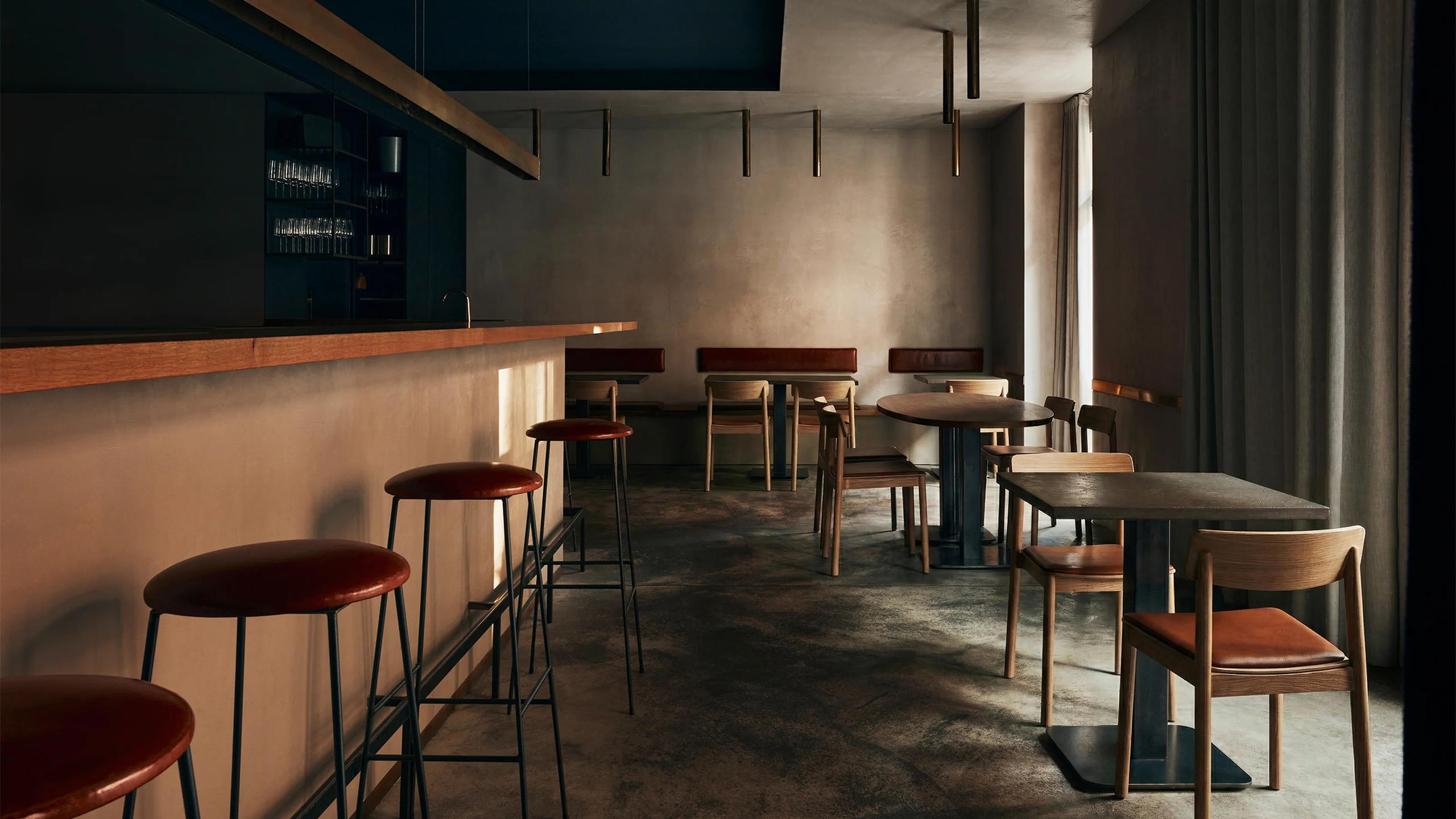
June presents as a modest, neighborhood‑first natural wine bar that favors quiet coherence over spectacle. The piece frames it as part of Carroll Gardens’ slower‑burn wine culture: lists that rotate often, staff who know producers by name, and an atmosphere that resists theatrical formality. It's described as a local staple and a reference point rather than a novelty, so the room reads as familiar and unpretentious. Recent staff changes have injected fresh momentum into the program, but the core identity remains anchored in collective floor knowledge, opinionated service, and a relaxed, low‑key approach to enjoying natural wine.
Best For
June is best for neighborhood regulars and anyone who prefers a low‑key, knowledgeable wine experience over destination dining theatre. The bar caters to people who appreciate rotating, curated lists and staff who can speak to producers and vintages with confidence. It suits natural‑wine curious drinkers who want recommendations and context rather than a formal tasting ritual. Because the place functions as a local staple, it’s also well suited to repeat visits: patrons who like building rapport with a consistent, opinionated team and who enjoy unpretentious, street‑level hospitality will get the most out of June.
Ordering Tips
Lean on the staff—June’s service model emphasizes team knowledge and producer familiarity, so ask servers to explain recent additions and to recommend follow‑ups based on what you liked. Expect the list to change frequently; treat the menu as a rotating curation rather than an exhaustive catalogue. Avoid approaching the visit as a price‑point performance; instead, be open to curious, lower‑profile bottles and opinions from whoever pours your glass. If you want continuity, mention what you enjoyed on earlier visits—the staff’s collective memory and opinionated recommendations are central to the experience.
Venue details
Ambiance
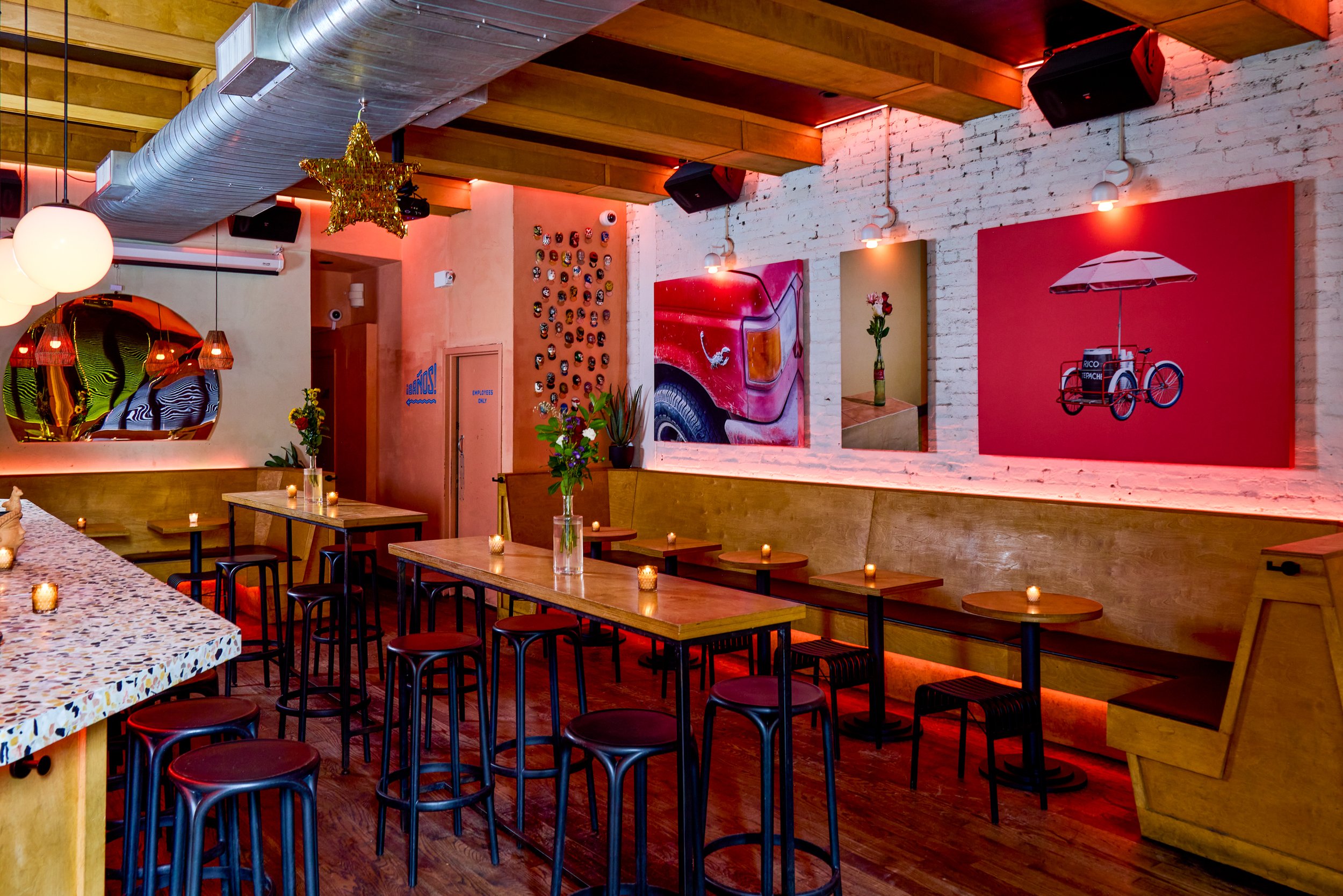
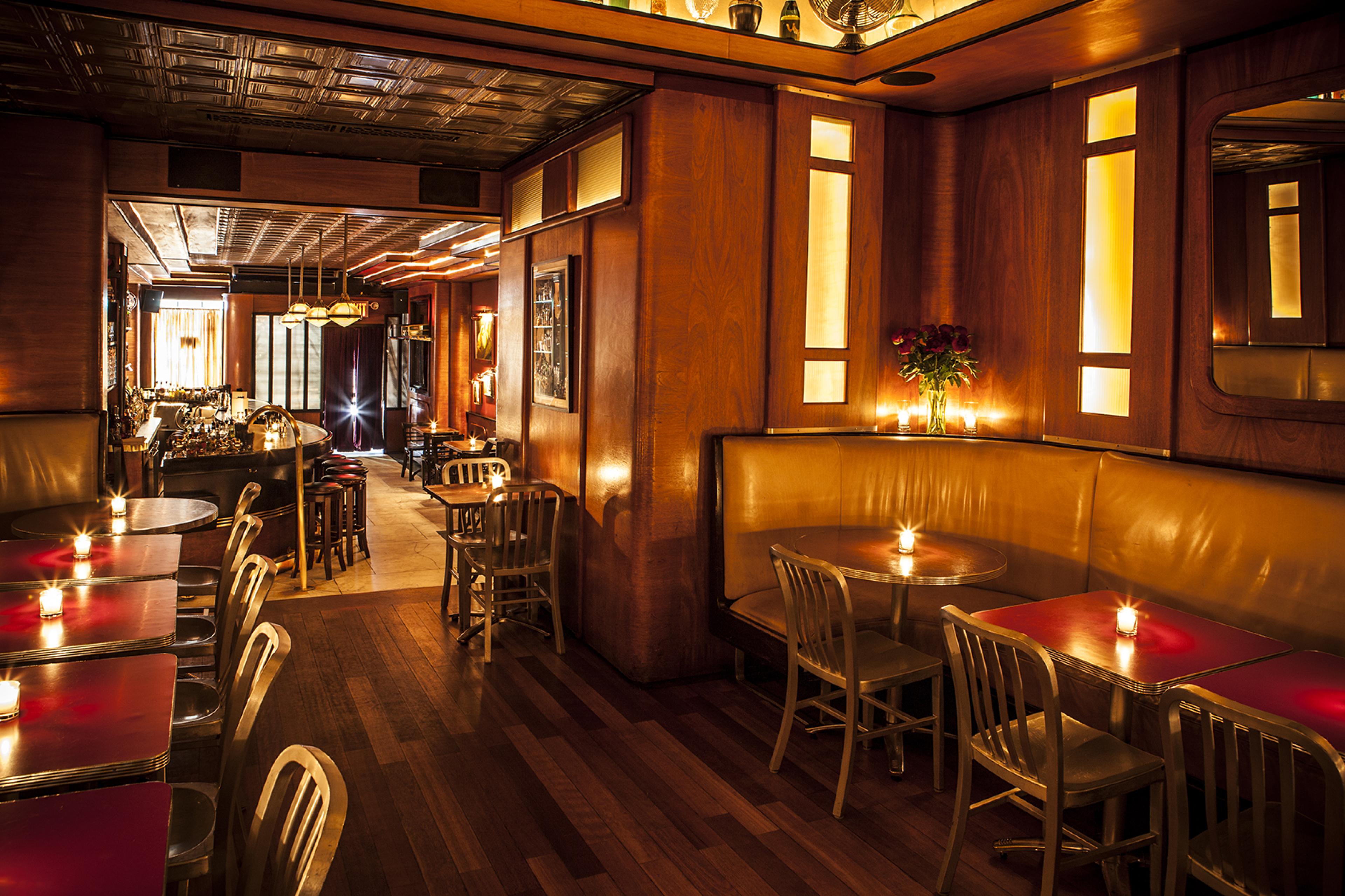
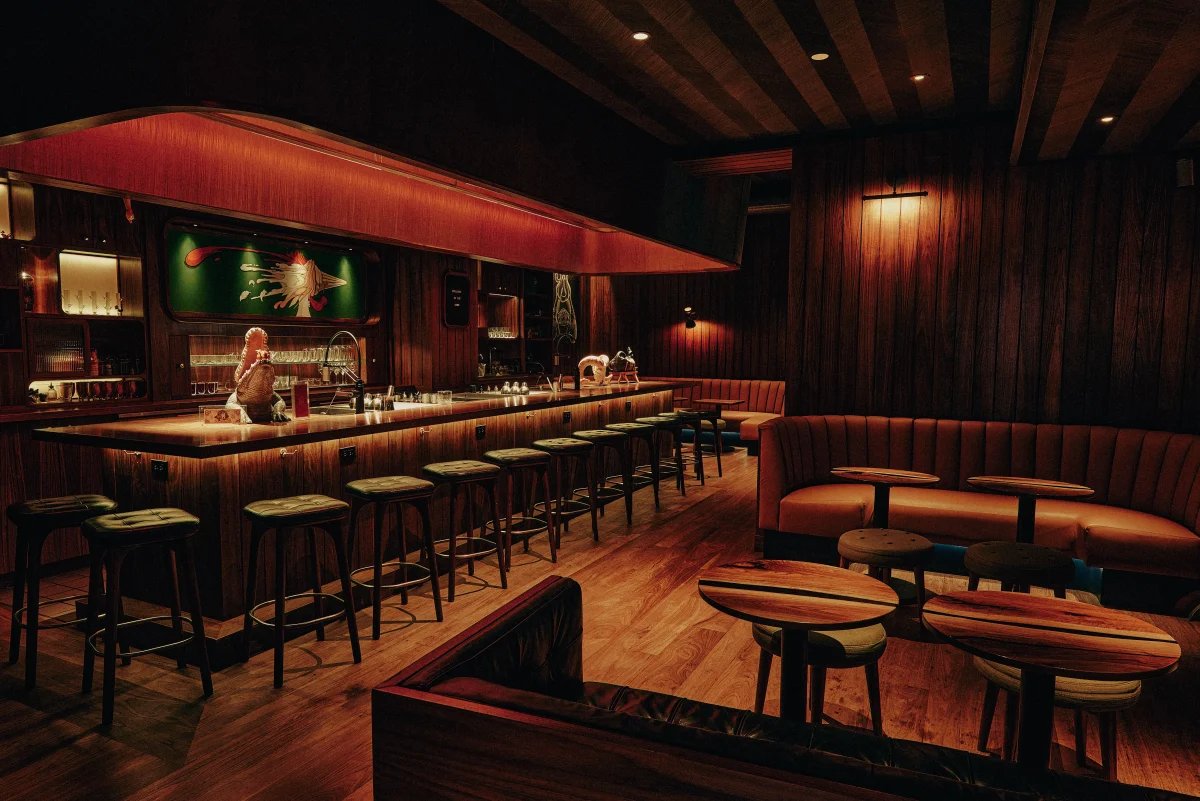
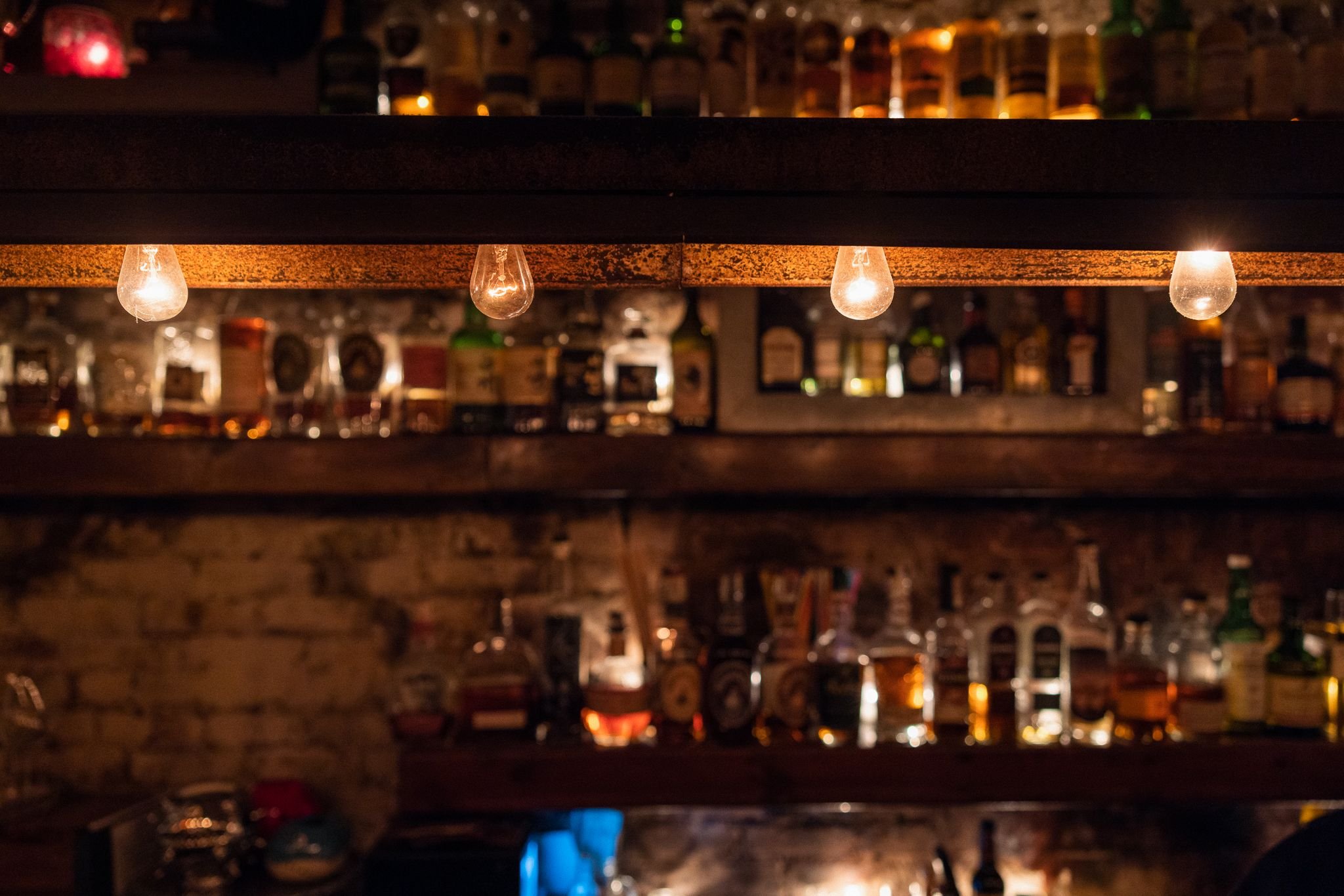
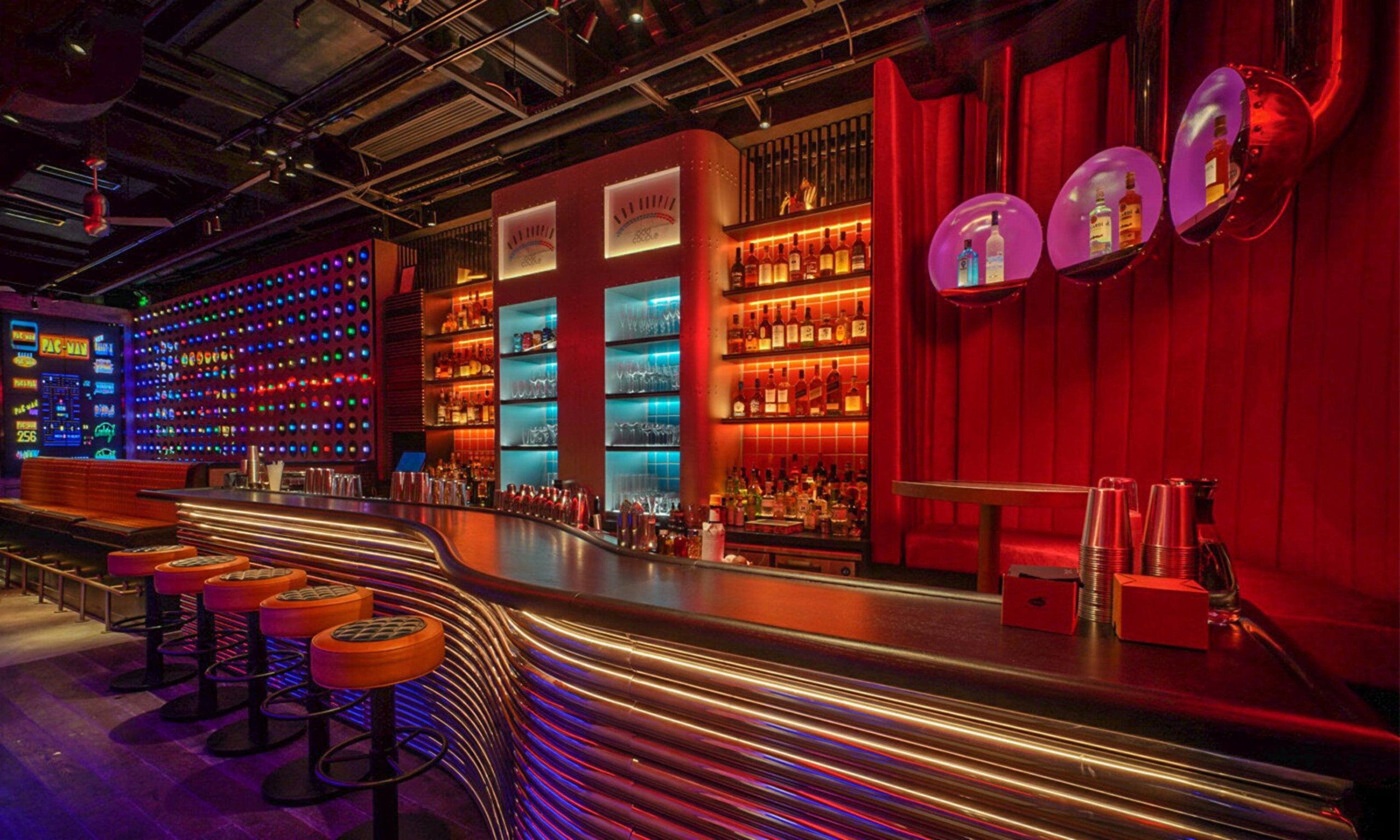
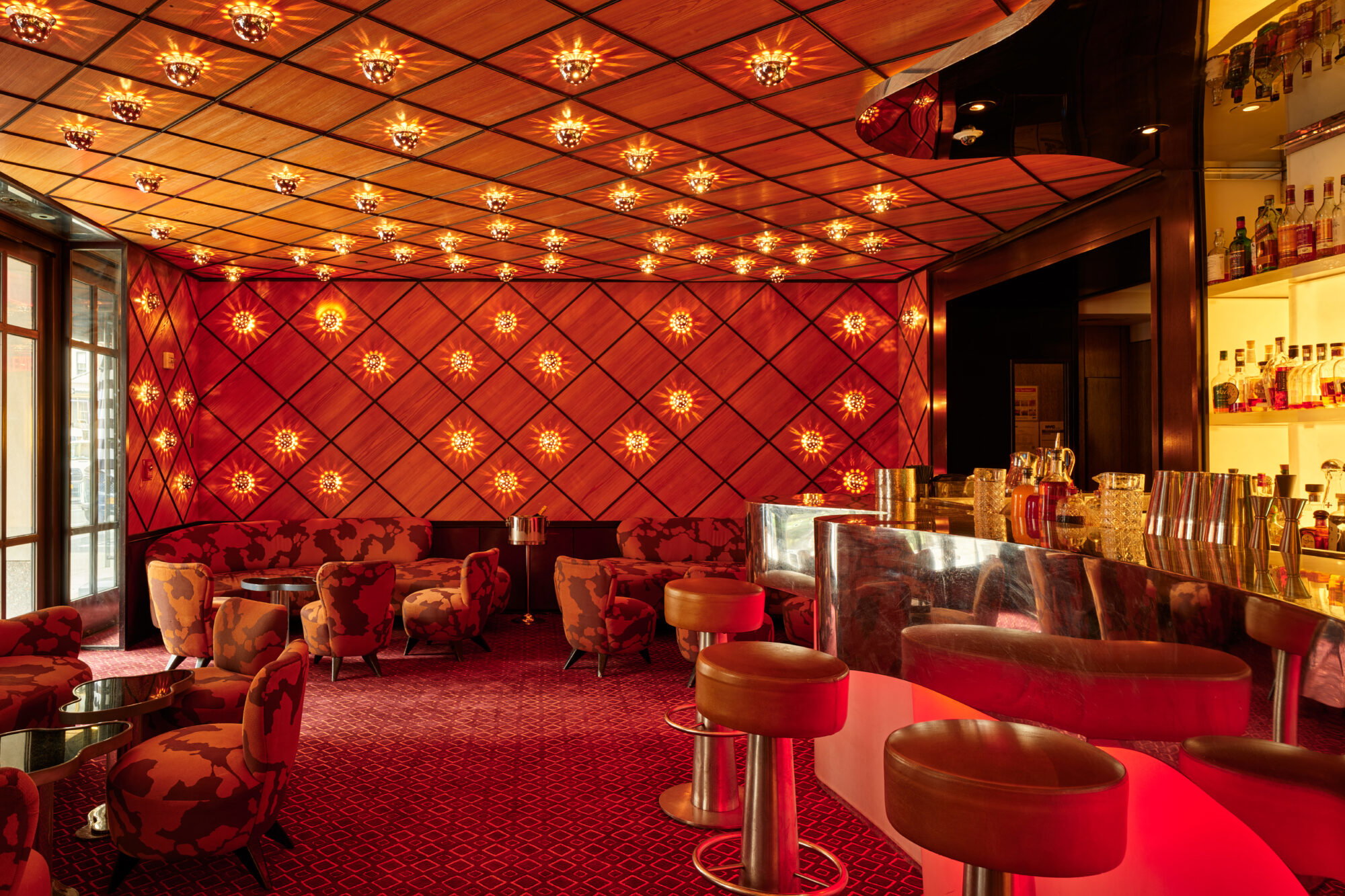
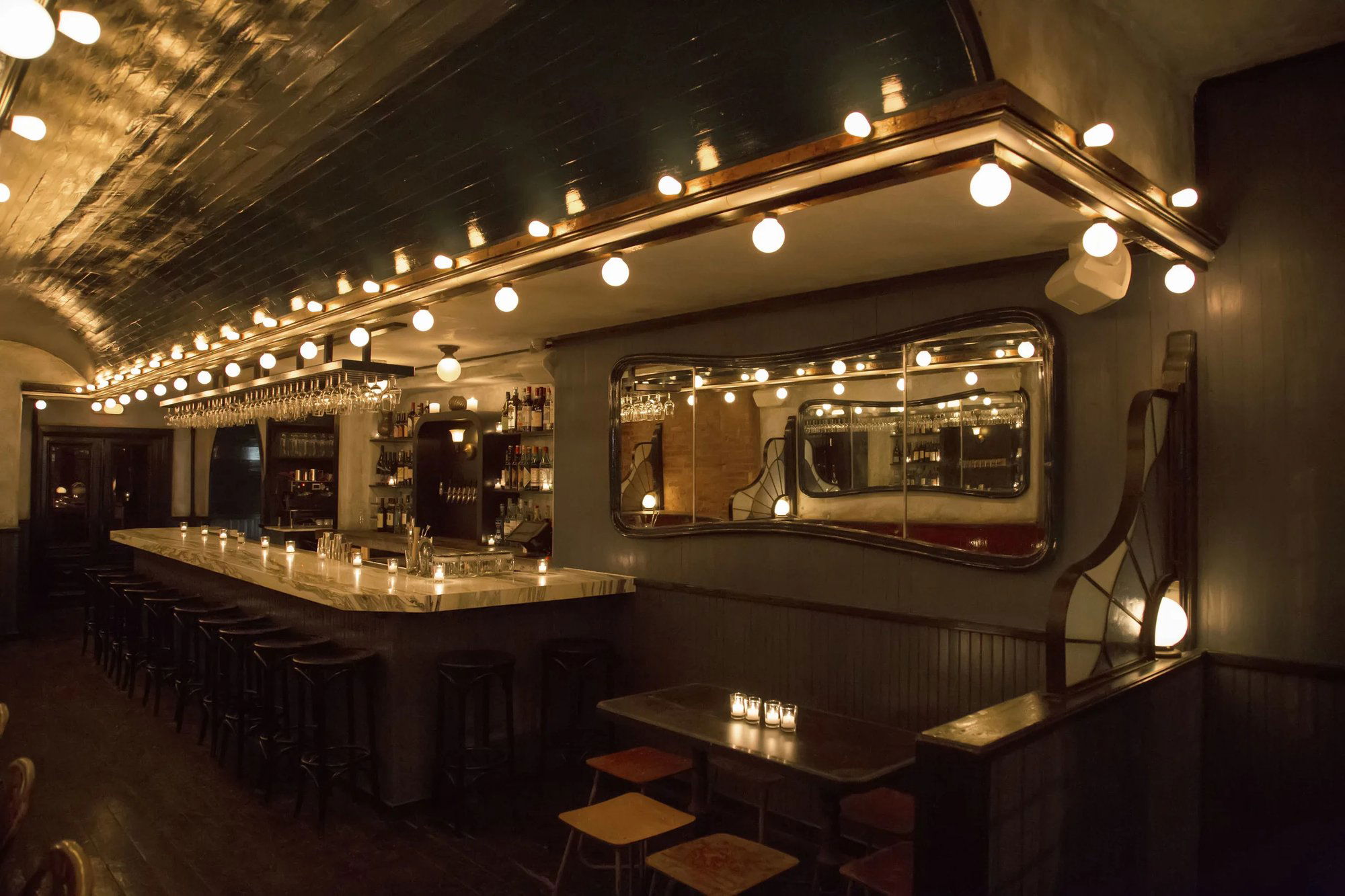
Low-lit with glowing bulbs, dark-wooded cozy interior and spacious booths, evoking a romantic and charming Parisian atmosphere.
Tags
Vibe
Best For
Experience
Format
At the Bar
- Bar Category
- Wine Bar
- Late Night
- Closes by Midnight
Signature Pours
Harvest Moon
Know before you go
Know Before You Go
- Getting there
- 231 Court St, Brooklyn, NY 11201
Planning details
Location
Recognition and awards

Also consider
If June does not fit the night
Pick Clover Club if the group wants a cocktail-first Brooklyn bar with a more drink-program-driven feel. Pick Saint Julivert if the evening needs food to do more of the work.
Bar context
How June compares in Brooklyn
Choose June when the group wants the easiest wine-led option on Court Street and does not need a heavy dinner plan attached. Clover Club is the better pick for a cocktail-first night, especially if the round is about mixed drinks rather than wine. La Vara and Saint Julivert make more sense when food is the center of the evening.
For value, June's case is strongest when one or two rounds of wine are the plan and the group wants flexibility. Barely Disfigured is a better cross-shop for a more bar-driven room, while Bar Rêve is less useful as a direct substitute because it sits outside the New York City decision set. If the goal is a low-stress Brooklyn drink with credible wine selection, June is the practical call.
Explore New York City
Around this place
Discover more on Pearl
Unlock the full June guide in Pearl, including awards, comparisons, FAQs, planning details, and nearby places.
Compare June
| Venue | Location | Awards |
|---|---|---|
| June | New York City | Star Wine Lists 2026 |
| Clover Club | New York City | Top 500 Bars 2025 · #1492023 World's 50 North America's Best Bars · #462022 North America's 50 Best Bars · #432014 World's 50 Best Bars · #352013 World's 50 Best Bars · #312012 World's 50 Best Bars · #182011 World's 50 Best Bars · #282009 World's 50 Best Bars · #31 |
| La Vara | New York City | No published awards |
| Bar Rêve | Brooklyn | No published awards |
| Saint Julivert | New York City | No published awards |
| Barely Disfigured | New York City | Pearl Recommended Bars |



How June compares with similar nearby venues.
FAQ
Frequently Asked Questions
What's the best time to go to June?
June opens at 5 PM Monday through Thursday, 4 PM on Friday, and 11 AM on Saturday and Sunday. Choose the timing that fits your plan, and check directly with the venue for any schedule changes before going.
Is June open late?
Yes. June is open until midnight Monday through Thursday, until 1 AM on Friday and Saturday, and until 11 PM on Sunday.
What is June known for?
June is a New York City venue with confirmed Star Wine List recognition in 2026 and a casual dress code.