
Bar in New York City, United States
DeGrezia
100ptsWhite-Tablecloth Midtown Italian
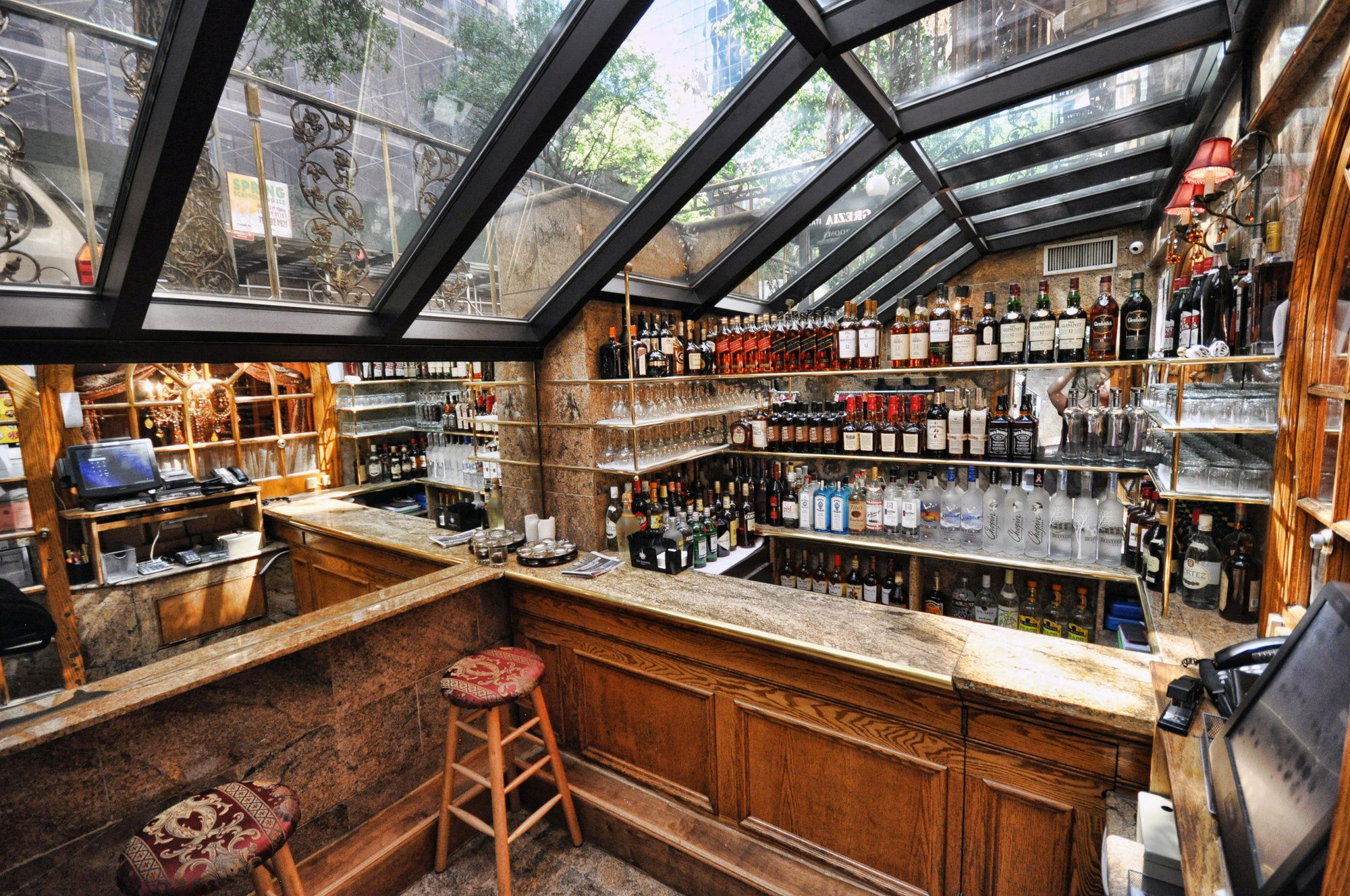
About DeGrezia
DeGrezia occupies a particular corner of midtown Manhattan's Italian dining tradition, where the room itself does as much work as the menu. Located on East 50th Street in a neighborhood that rewards knowing where to look, it operates within a cohort of New York Italian restaurants where the physical space and long-standing clientele define the experience as much as the food on the plate.
What the Room Tells You First
On East 50th Street, between the corporate towers of Midtown and the quieter residential blocks that edge toward Sutton Place, DeGrezia occupies a position that says something about how old-guard Italian dining survives in New York. The address, 231 E 50th St, sits in a stretch of the city where the restaurant's exterior is often the first editorial statement: understated, deliberate, aimed at a customer who already knows the name rather than one who stumbled across it on a search app. This is not accidental. A significant tier of New York's Italian dining tradition has always operated this way, using discretion as a form of quality signal.
The physical container of a restaurant in this tier tends to reinforce the message. Where newer Italian openings in Nomad or the West Village often lead with exposed brick, open kitchens, and high-decibel room design calibrated for social media legibility, the Midtown Italian dining tradition that DeGrezia inhabits runs in the opposite direction: lower ceilings, darker tones, upholstered seating, and a room that absorbs noise rather than amplifying it. That design vocabulary is not nostalgia for its own sake. It reflects a particular theory of hospitality, one in which the room facilitates conversation rather than competing with it.
The Midtown Italian Room as a Category
To understand DeGrezia's position in New York's dining fabric, it helps to understand the category it occupies. Midtown Manhattan still supports a tier of Italian restaurants that trace their identity to the 1970s and 1980s, when the neighborhood's lunch and dinner trade was dominated by media companies, law firms, and financial institutions. Those restaurants built their reputations on consistency, discretion, and a room design that telegraphed permanence. The tablecloth was as much a commitment as the menu.
That category has narrowed considerably. The same Midtown blocks that once supported dozens of white-tablecloth Italian rooms now have far fewer. Rising real estate costs, shifting corporate dining culture, and a generational turn toward more casual formats have thinned the field. What remains tends to be either genuinely durable, with a repeat clientele that has followed the room for decades, or a recent attempt to revive the format for a new audience. DeGrezia, on East 50th, belongs to that longer-standing cohort by geography and by the character of its surrounding neighborhood.
For a useful point of comparison, Dirty French in the Meatpacking District represents a different approach: a room designed with conspicuous theatricality, aimed at a broader demographic and a higher volume of first-time visitors. The Long Island Bar in Brooklyn operates in yet another register, with dive-bar bones and a cocktail program that attracted a very different kind of loyalty. DeGrezia's peer set is neither of those. It sits closer to the category of rooms where regulars are assumed, where the maitre d's memory substitutes for a loyalty program, and where the room's design communicates stability rather than novelty.
Space, Seating, and the Grammar of the Dining Room
The architectural choices in a room like this accumulate into a coherent argument. Booths and banquettes, where they exist, create zones of semi-privacy that open-plan restaurant layouts cannot replicate. The spacing between tables, a genuine luxury in Manhattan, determines whether a dinner conversation remains private or becomes shared with the next party. Lighting that keeps the room warm rather than bright shifts the psychological tempo of the meal: slower, more deliberate, oriented toward the people at the table rather than the room at large.
These are not incidental details. In the category of Midtown Italian dining that DeGrezia represents, the room's design is the first course. A well-maintained interior that reads as settled rather than dated signals that the operation behind it has been consistent long enough for the furniture to earn its authority. New York diners with experience in this tier learn to read these signals quickly. The room is doing editorial work before the menu arrives.
Where This Fits in the New York Italian Conversation
New York's Italian restaurant spectrum runs from the Neapolitan pizza counter to the multi-course modern Italian tasting menu. The Midtown white-tablecloth tier occupies a distinct middle position: more formal than a neighborhood trattoria, less conceptually driven than the newer fine-dining Italian openings that cluster downtown. The cuisine in this tier tends toward the canonical, with pasta preparations, protein-forward secondi, and a wine list that prioritizes familiarity and depth over experimental natural wine programming.
That positioning is neither a limitation nor a virtue in isolation. It reflects a specific set of priorities: the regular over the curious first-timer, the reliable dish over the seasonal experiment, the room's accumulated atmosphere over the chef's current creative direction. Whether that model sustains itself depends on whether the repeat clientele remains loyal and whether a new generation finds the format worth engaging. In the blocks around East 50th Street, the evidence suggests that the model continues to function. The neighborhood still generates the kind of weeknight dinner traffic, expense-account and private alike, that this tier of restaurant was built to absorb.
For readers exploring New York's broader drinking and dining scene, the city's cocktail culture offers an instructive parallel. Bars like Attaboy NYC and Angel's Share have built long-term reputations on format discipline and repeat clientele rather than constant reinvention, much the same logic that sustains the Midtown Italian room. Amor y Amargo and Superbueno represent a different branch of New York's bar culture, more conceptually adventurous and aimed at a different demographic. Beyond New York, the same tension between tradition-based and innovation-led formats plays out at Kumiko in Chicago, Jewel of the South in New Orleans, Julep in Houston, ABV in San Francisco, Allegory in Washington, D.C., Bar Leather Apron in Honolulu, and The Parlour in Frankfurt on the Main.
For a broader survey of where DeGrezia sits within New York's full dining and hospitality picture, see our full New York City restaurants guide.
Planning Your Visit
| Detail | DeGrezia | Dirty French (comparison) | Long Island Bar (comparison) |
|---|---|---|---|
| Location | 231 E 50th St, Midtown East | Meatpacking District | Atlantic Ave, Brooklyn |
| Format tier | White-tablecloth Italian, Midtown | French-inflected brasserie, high volume | Bar-forward, casual |
| Booking | Contact venue directly | OpenTable / phone | Walk-in / limited reservations |
| Leading for | Midtown dinner, repeat visitors | Large groups, occasion dining | Neighborhood bar, cocktail focus |
Frequently Asked Questions
- What's the atmosphere like at DeGrezia?
- DeGrezia occupies the Midtown East Italian dining tier, where the room's design communicates permanence rather than trend. Expect a quieter, more private atmosphere than the high-decibel rooms common in newer New York openings, consistent with the character of restaurants in this part of the city that have built their reputation on repeat clientele and discretion.
- What do regulars order at DeGrezia?
- The Midtown Italian tier that DeGrezia represents typically anchors its menu around canonical Italian preparations: pasta-based primi, protein-led secondi, and wine lists oriented toward familiarity and depth. Specific dish details are leading confirmed directly with the restaurant, as menus in this category tend to evolve seasonally while maintaining a stable core.
- What should I know about DeGrezia before I go?
- DeGrezia is a Midtown East address in a neighborhood that rewards knowing where to look. The surrounding blocks have a corporate and residential character that shapes the clientele and the room's tempo. Dress codes in this tier of New York Italian dining tend toward smart-casual at minimum; confirming expectations directly with the venue before arrival is advisable.
- What's the leading way to book DeGrezia?
- With no booking platform or website confirmed in current listings, contacting the restaurant directly by phone or in-person inquiry is the most reliable approach. In the Midtown Italian tier, advance reservations for dinner, particularly mid-week, are advisable given the loyalty of the regular clientele.
- Is DeGrezia part of a recognizable New York Italian dining tradition?
- DeGrezia's East 50th Street address places it squarely within Midtown's long-standing Italian restaurant tradition, a category that predates the current era of chef-driven fine dining and has sustained itself through consistency, room quality, and a loyal repeat clientele. That tradition produced some of New York's most durable restaurant operations, and it remains an active part of the city's dining fabric even as the number of venues in the category has contracted over the past two decades.
More bars in New York City
- (SUB)MERCER(SUB)MERCER occupies a basement address on Mercer Street in SoHo, positioning it as a deliberate destination rather than a drop-in. The subterranean format tends to keep ambient noise lower than street-level alternatives, making it a reasonable call for groups of four or more. Book ahead for weekends and confirm group capacity directly with the venue.
- 1 OR 81 OR 8 on DeKalb Avenue is a low-key Fort Greene bar that works best for two people on a weeknight when the room is quiet enough for conversation. Walk-ins are easy, no advance planning required. If a specialist cocktail program is your priority, Attaboy or Amor y Amargo offer more defined experiences — but for a neighbourhood drink without the fuss, this delivers.
- 230 Fifth Rooftop Bar230 Fifth is the easiest rooftop bar in Midtown to walk into, and the Empire State Building views justify the trip. The crowd skews groups and tourists, and the drinks are solid rather than craft-focused. Go early on a weekday for the best version of the experience; after 9 PM on weekends it tips firmly into party-group territory.
- 4 Charles Prime Rib4 Charles Prime Rib is a compact, reservation-required West Village dining room built around a focused prime rib format. It works well for dates and pairs but is too small for groups of four or more. Booking is easy relative to Manhattan peers, and the narrow menu signals a kitchen that executes one thing consistently well.
- 44 & X Hell's KitchenA low-key Hell's Kitchen neighborhood bar-restaurant that earns its place for easy weeknight dates and pre-theatre dinners. Booking is simple, the room is intimate enough for conversation, and there's no dress pressure. Not a cocktail destination, but a reliable, pressure-free option in Midtown West when you want comfort over spectacle.
- 58-22 Myrtle Ave58-22 Myrtle Ave is a low-key Ridgewood neighborhood spot that rewards return visits more than first impressions. Easy to get into, with no reservation headaches, it suits regulars looking for an unpretentious room rather than a structured cocktail program. If a strong drinks list or kitchen ambition matters to you, look to Attaboy or Amor y Amargo instead.
Related editorial
- Best Fine Dining Restaurants in ParisFrom three-Michelin-star icons to the next generation of Parisian chefs pushing boundaries, these are the restaurants that define fine dining in the world's culinary capital.
- Best Luxury Hotels in RomeFrom rooftop terraces overlooking ancient ruins to Michelin-starred hotel dining, these are the luxury hotels that make Rome unforgettable.
- Best Cocktail Bars in KyotoFrom sleek lounges to hidden speakeasies, Kyoto's cocktail scene blends Japanese precision with global influence in ways you won't find anywhere else.
Save or rate DeGrezia on Pearl
Keep this venue in your Pearl passport, rate it after you visit, and track it alongside every other place you collect.