CHILI
Midtown-Times Square, New York City
Bar in New York City, United States
 Book with Pearl
The Read
Price
$20–30per person
Why go
CHILI is a practical Midtown choice when convenience matters more than a destination-style bar or restaurant experience. Book it for an easy central stop, especially with a small group or tight schedule; cross-shop more defined New York City bar options if the night needs stronger atmosphere, a known drinks program, or a special-occasion feel.
About CHILI
CHILI is a New York City venue with daily hours and a casual dress code. The most reliable planning reason to choose it is direct: it can fit a casual schedule when you need a New York City stop and want to know when it is open before you go.
The booking case should stay practical. CHILI does not specify a specialty, chef, price range, service format, or named drinks list, so the decision should be anchored to timing and the casual dress code rather than assumptions about a specific menu or occasion style.
Use it for a low-friction New York City plan
The strongest use case is a casual New York City stop during its posted hours. For readers building a broader New York City plan, 's full New York City bars guide is more useful for choosing a cocktail-led room, while the full New York City restaurants guide helps if dinner quality is the priority.
Because pricing or a signature order are not specified, avoid overcommitting for a special occasion. This is a safer fit when the priority is a casual venue with known hours than when the plan depends on a specific cuisine, beverage program, or formal service style.
Better when timing beats atmosphere hunting
The value equation is strongest when the alternative is choosing without complete information. CHILI's hours run from 11 AM to 9:45 PM on Monday, Tuesday, Wednesday, and Sunday, and from 11 AM to 10:15 PM on Thursday, Friday, and Saturday. Its dress code is casual.
For a broader plan, pair this decision with category research rather than assuming one stop solves the whole itinerary. If you want to compare with other named options in New York City, consider Keens Steakhouse, Refinery Rooftop, Daintree, AKB, or The Parlour when another venue needs to carry more of the plan.
Planning details
- Location
- 13 E 37th St, New York, NY 10016
- Reservations
- Book on OpenTable
- Website
- chilinyc.com
- Phone
- +1 646 882 0666
The take
The Take
The Vibe
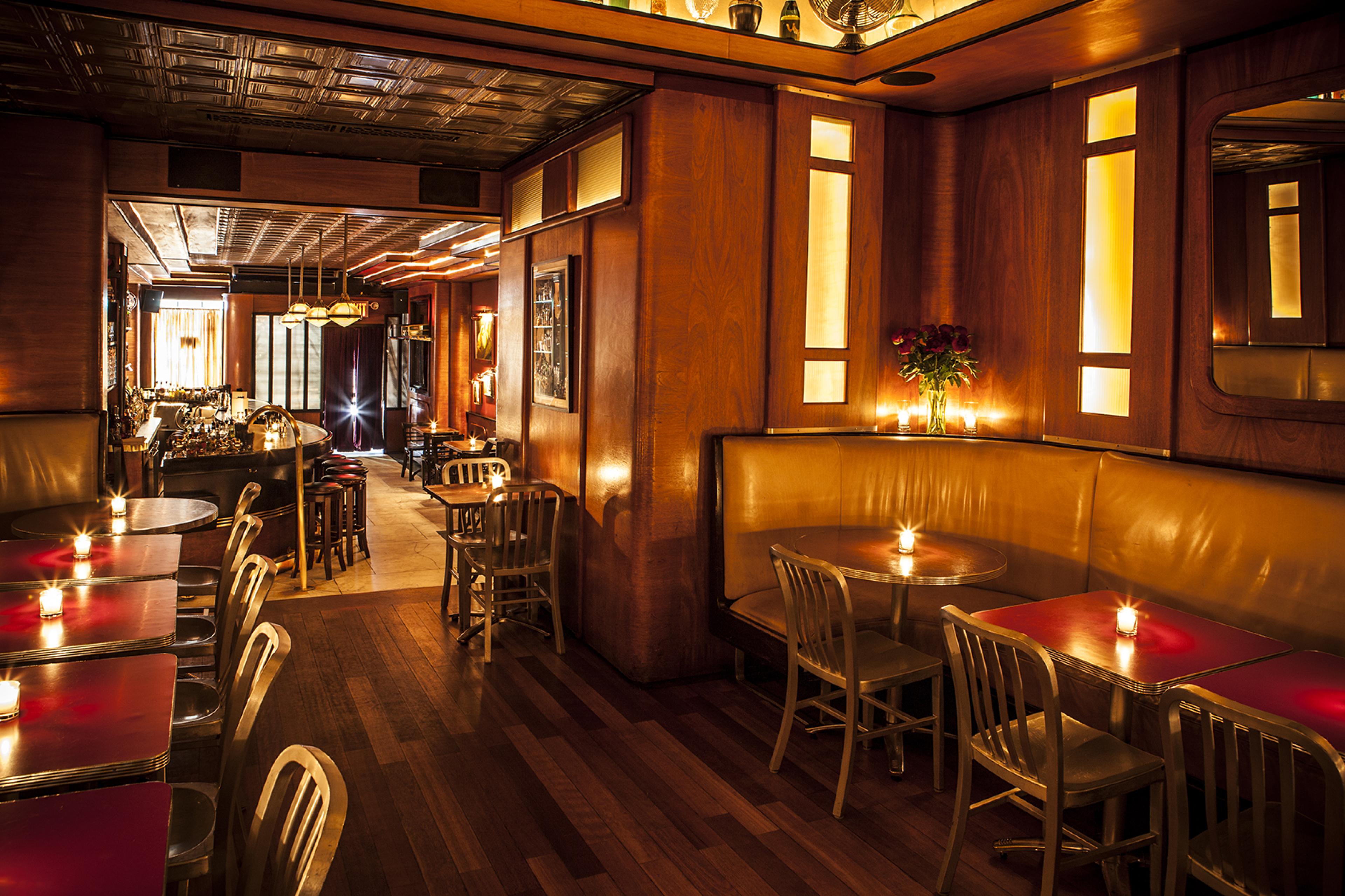
CHILI settles into the quieter end of Midtown’s bar scene, operating like a classic neighborhood watering hole rather than a headline-seeking cocktail destination. The room prioritizes reliability: a familiar staff, a clientele made up of nearby office workers and residents, and a steady, unpretentious rhythm. It feels less like a showpiece and more like a communal living room where people return without ceremony. The writing frames CHILI as the kind of bar that wins loyalty through repeated visits and quiet consistency, offering a low-key alternative to the city’s buzzy cocktail addresses.
Best For
CHILI works best for casual, come-as-you-are moments—especially post-work decompression and informal meetups. The neighborhood context (lunch traffic by day, office workers and residents by evening) makes it an easy drop-in for solo drinks after your shift or impromptu gatherings with colleagues. It’s not positioned as a reservation-only destination; instead, it rewards repeat visits and those who appreciate a steady local spot. If you’re in Midtown and want an unpretentious bar that favors familiarity over spectacle, CHILI fits that role.
Ordering Tips
Treat CHILI like a neighborhood anchor: there’s no need to plan a visit the way you would for a buzzy cocktail address. The piece emphasizes arriving without an appointment and being met by a staff that recognizes faces, so plan to drop in and let the bar’s rhythm dictate the night. The measure of success here is becoming a regular; expect the experience to smooth out over repeat visits rather than hinge on a single grand-ordering moment.
Venue details
Ambiance
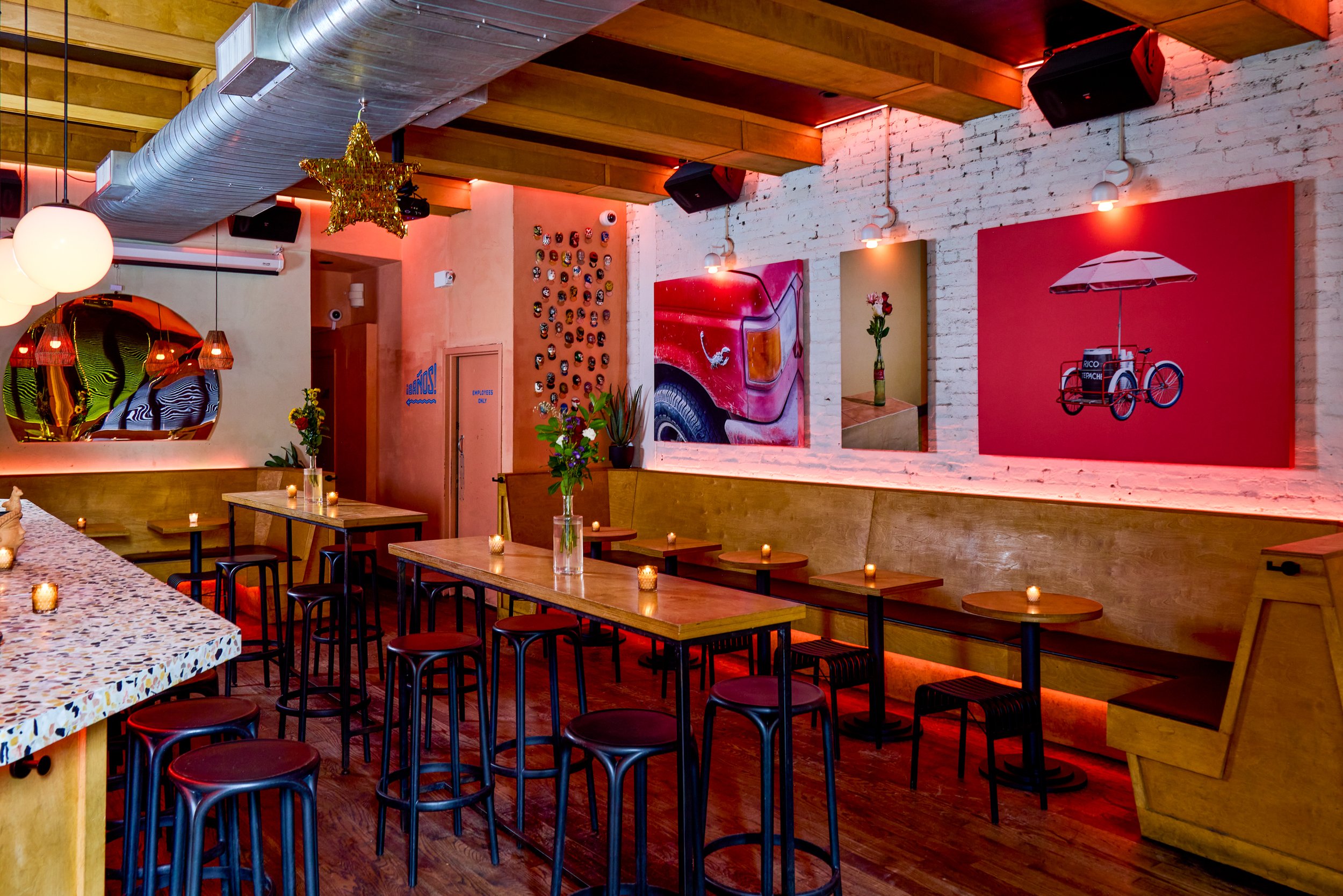
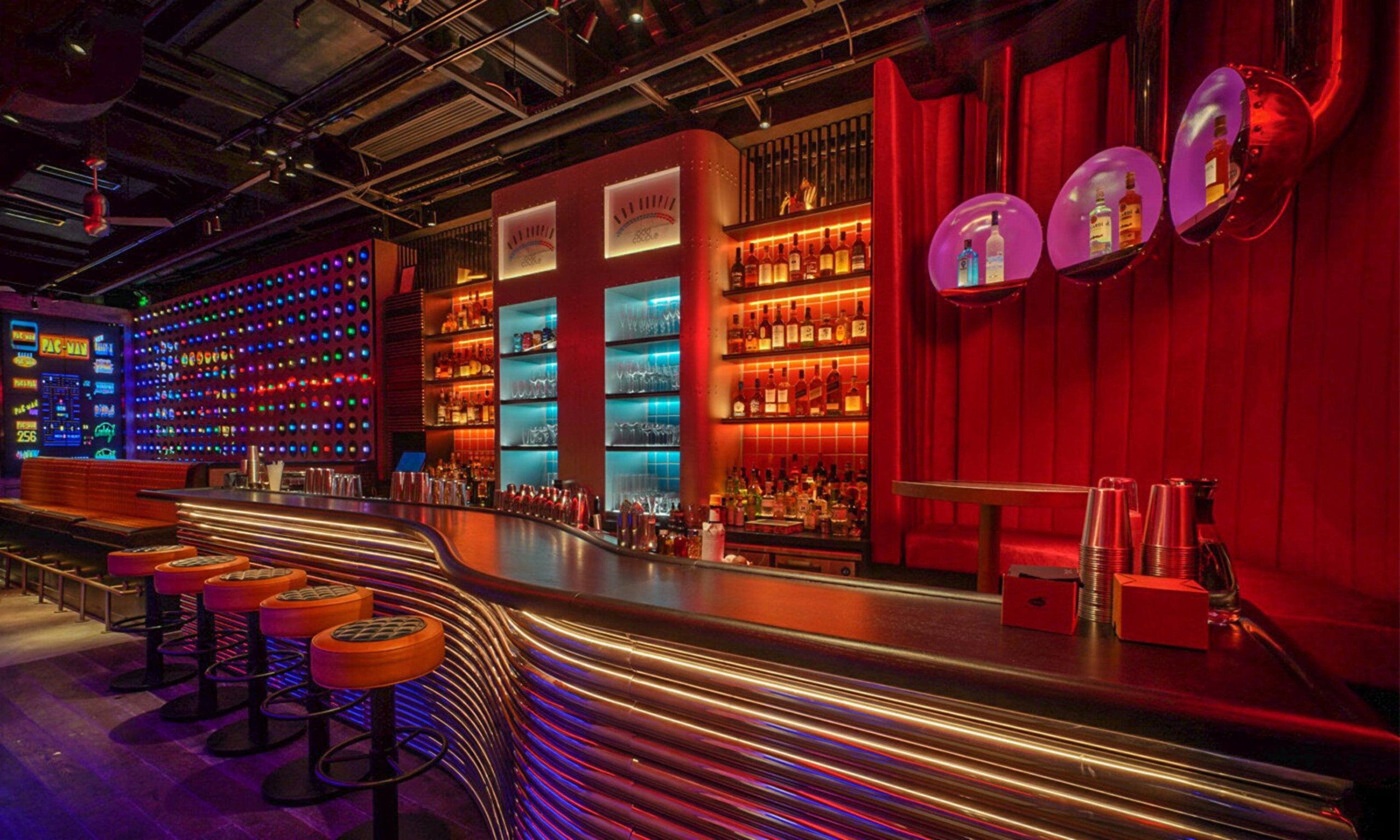
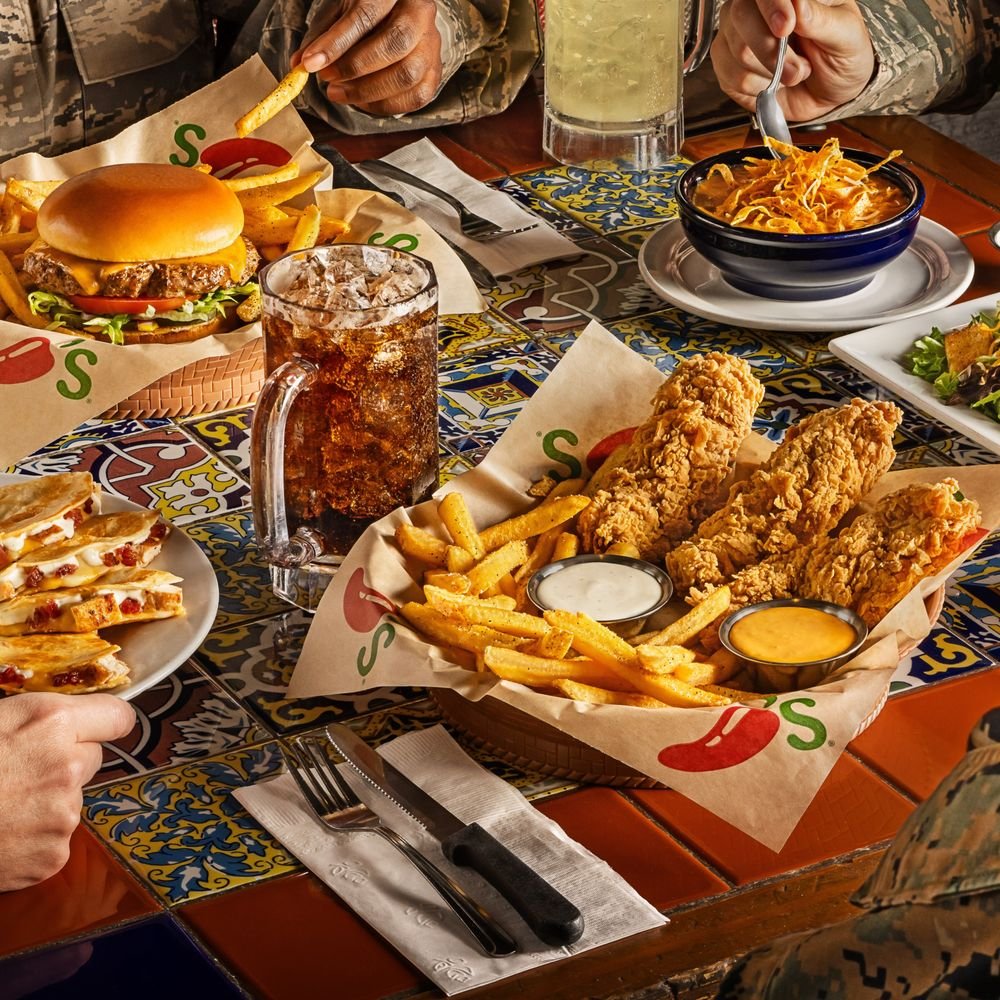
Casual Southwestern-style setting with lively bar atmosphere during happy hour and game times.
Tags
Vibe
Best For
Experience
Format
Accessibility
At the Bar
- Bar Category
- Lounge
- Late Night
- Closes by Midnight
- Spirits Focus
- Tequila, Whiskey
Signature Pours
- Patrón Margarita
- Ranch Water
Know before you go
Know Before You Go
- Getting there
- 13 E 37th St, New York, NY 10016
Planning details
Location
Also consider
Where to look if CHILI is not the right fit
Try Daintree if the group wants a more intentional bar setting. Choose Refinery Rooftop if skyline atmosphere matters more than keeping the evening quiet or low-key.
Bar context
How it compares for a Midtown night
Choose CHILI when easy access and low planning friction are the priority. Daintree is the better pick if the night needs a more defined bar setting, while Refinery Rooftop makes more sense for guests who want skyline energy rather than a simple central stop.
AKB is a stronger cross-shop for a polished hotel-bar feel. Keens Steakhouse is better when the plan calls for old New York atmosphere and a meat-led dinner before or with drinks. CHILI is the easier, lower-commitment option if the group is prioritizing timing over room character.
The Parlour is less useful for a same-neighborhood decision because it sits outside the immediate New York City here. For a Midtown plan, compare CHILI mainly against Daintree, AKB, Keens Steakhouse, and Refinery Rooftop based on whether the group wants convenience, polish, dining weight, or a rooftop scene.
Explore New York City
Around this place
Discover more on Pearl
Unlock the full CHILI guide in Pearl, including awards, comparisons, FAQs, planning details, and nearby places.
Compare CHILI
| Venue | Location | Awards |
|---|---|---|
| CHILI | New York City | No published awards |
| Daintree | New York City | No published awards |
| AKB | New York City | No published awards |
| The Parlour | Frankfurt on the Main | No published awards |
| Keens Steakhouse | New York City | No published awards |
| Refinery Rooftop | New York City | No published awards |
How CHILI NYC compares with similar nearby venues.
FAQ
Frequently Asked Questions
What's the best time to go to CHILI?
The best time depends on your schedule. CHILI is open from 11 AM to 9:45 PM on Monday, Tuesday, Wednesday, and Sunday, and from 11 AM to 10:15 PM on Thursday, Friday, and Saturday.
Is CHILI open late?
CHILI stays open until 9:45 PM on Monday, Tuesday, Wednesday, and Sunday, and until 10:15 PM on Thursday, Friday, and Saturday.
What is CHILI known for?
CHILI is known for its New York City location, casual dress code, and posted daily hours. It does not specify a specific cuisine, signature order, chef, price range, or service format.