Blackbird's
Astoria (East)-Woodside (North), New York City
Bar in New York City, United States
 Book with Pearl
The Read
Price
$20–30per person
Why go
Blackbird's is a practical Astoria pick for an easy bar night, especially when the plan needs flexibility rather than a formal reservation. It is harder to judge as a value-driven destination because published pricing, menu, and drinks details are not listed, so use it for casual rounds rather than a high-stakes celebration.
About Blackbird's
In New York City, Blackbird's is a casual venue with hours that run late every day of the week. It has a casual dress code, Monday through Saturday hours of 4 PM–1 AM, and Sunday hours of 12 PM–1 AM. Plan around those basics rather than assuming a specific menu, pricing, seating setup, reservation policy, cuisine, or drinks program.
The value question is therefore simple: Blackbird's works well when the priority is a flexible New York City stop during its hours. If the night needs a defined food program, a known service style, published pricing, or specific amenities, compare it with other New York City options before committing.
Choose it for a flexible New York City night, not a high-control booking
The main practical advantage is the schedule. Blackbird's is open from 4 PM to 1 AM Monday through Saturday, and from 12 PM to 1 AM on Sunday. That makes it easier to consider for an early evening, a later stop, or a Sunday plan, while the casual dress code keeps the planning requirements simple.
For readers comparing categories across the city, start with our full New York City bars guide rather than treating one venue as the whole answer. If the evening may turn into dinner, keep our full New York City restaurants guide open too. Visitors building a wider trip can pair that with our full New York City hotels guide, our full New York City experiences guide, and our full New York City wineries guide.
Useful hours, but not enough detail for a splurge verdict
The case for considering Blackbird's is direct: the hours are broad enough for many evening plans, and Sunday starts earlier than the rest of the week. For a true splurge or destination-level value call, you would want specifics on pricing, cuisine, awards, seating, reservations, menu details, or a named drinks program.
If the group wants to compare with other named New York City options, consider alternatives such as Sotto La Luna Pasta Bar, Butcher Bar, Dutch Kills, Espresso 77, or Bohemian Hall & Beer Garden. Use those comparisons to match the plan to the kind of outing you want, while keeping Blackbird's grounded in its straightforward strengths: late hours and a casual dress code.
Planning details
- Location
- 41-19 30th Ave., Astoria, NY 11103
- Website
- blackbirdsbar.com
- Phone
- +1 718 943 6899
The take
The Take
The Vibe
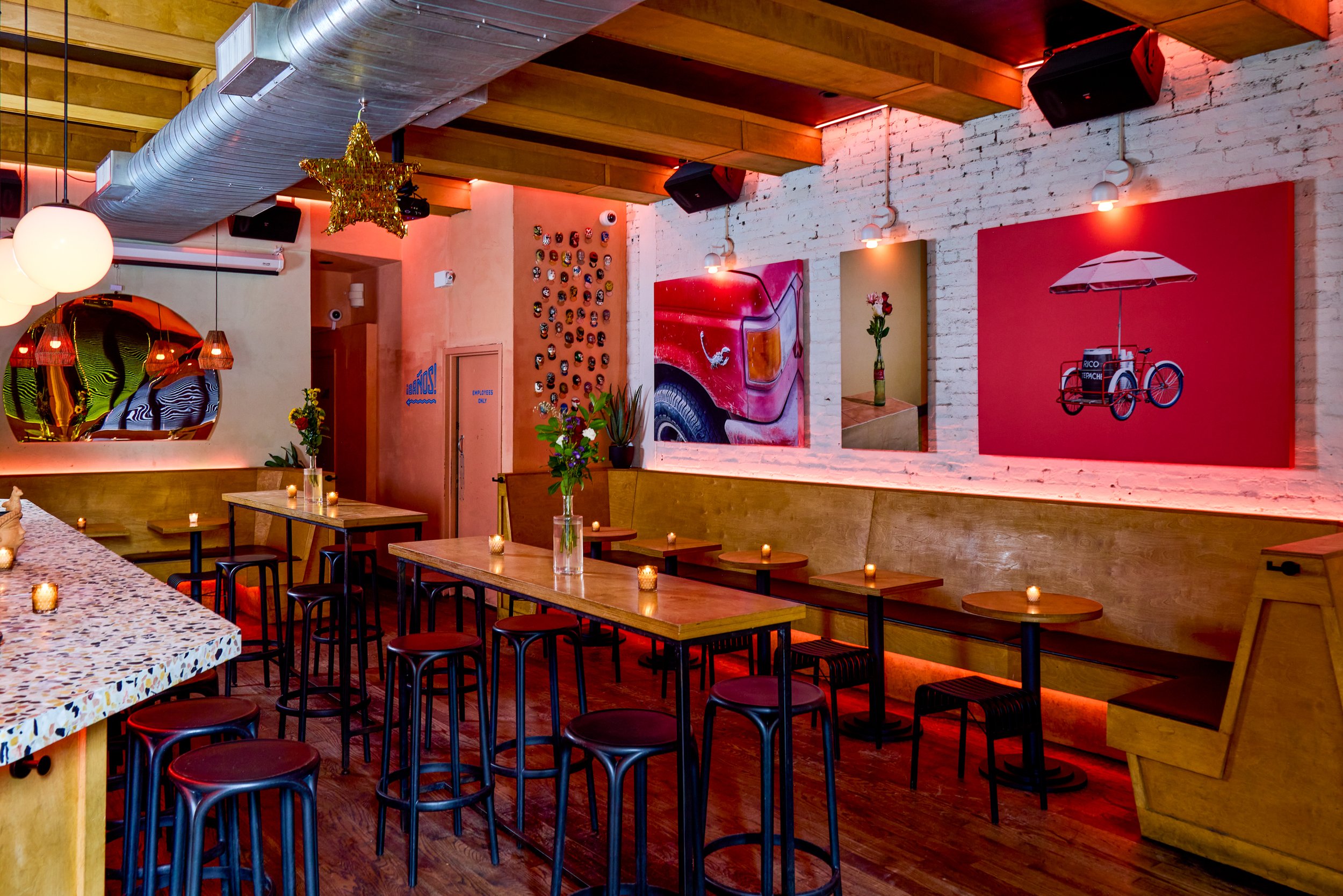
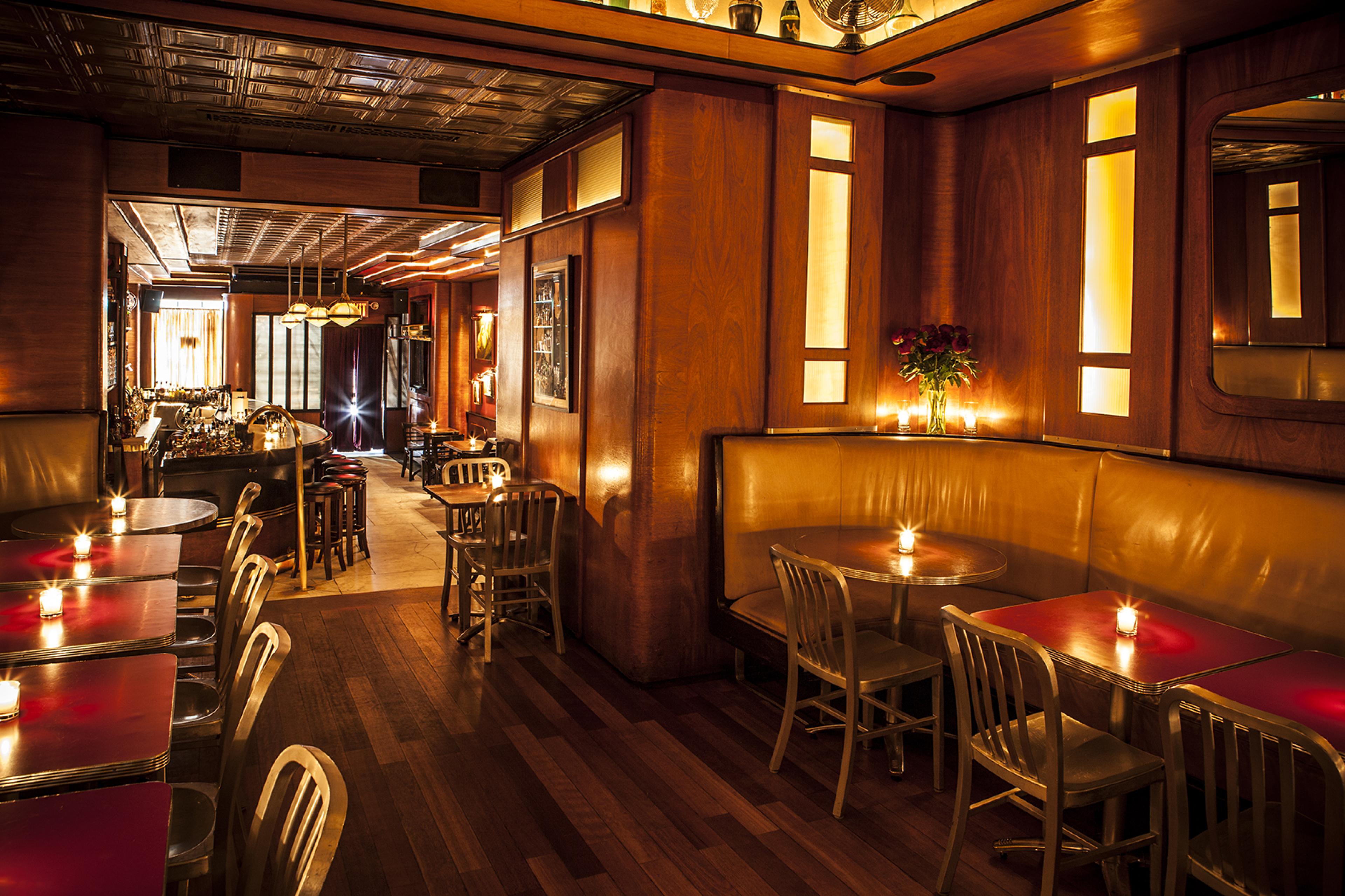
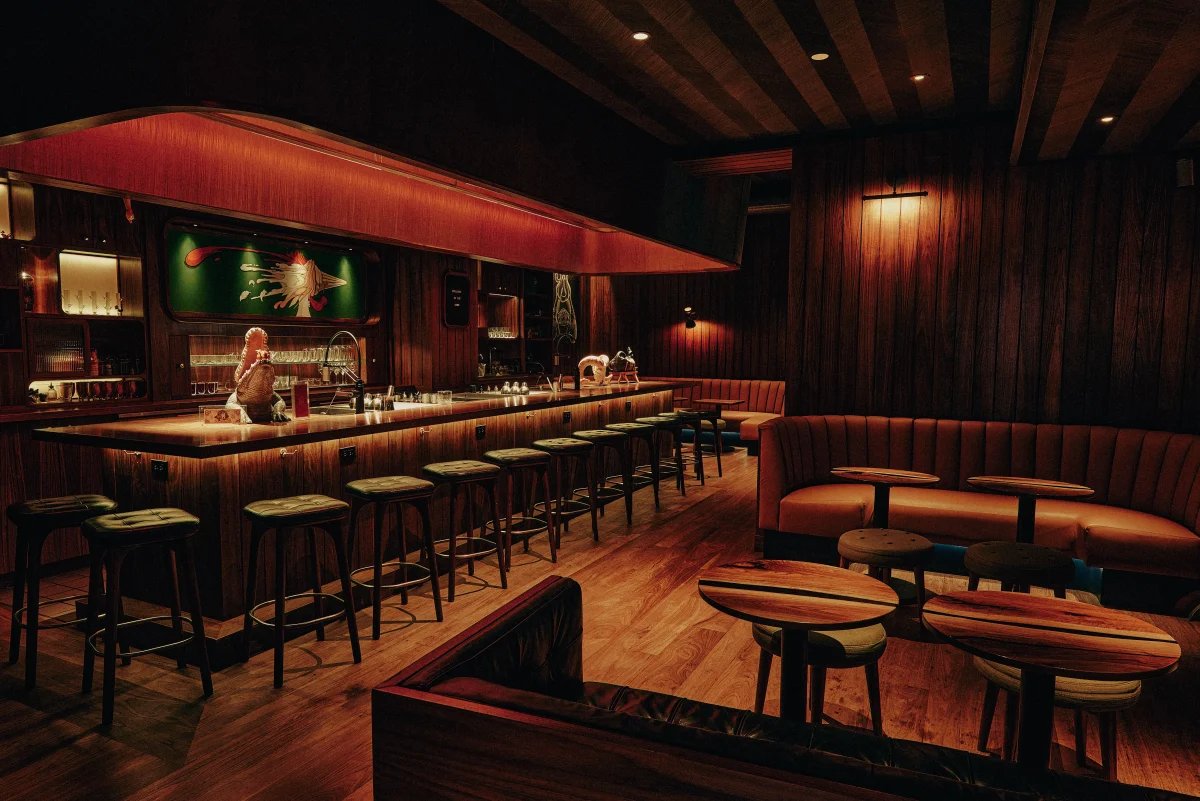
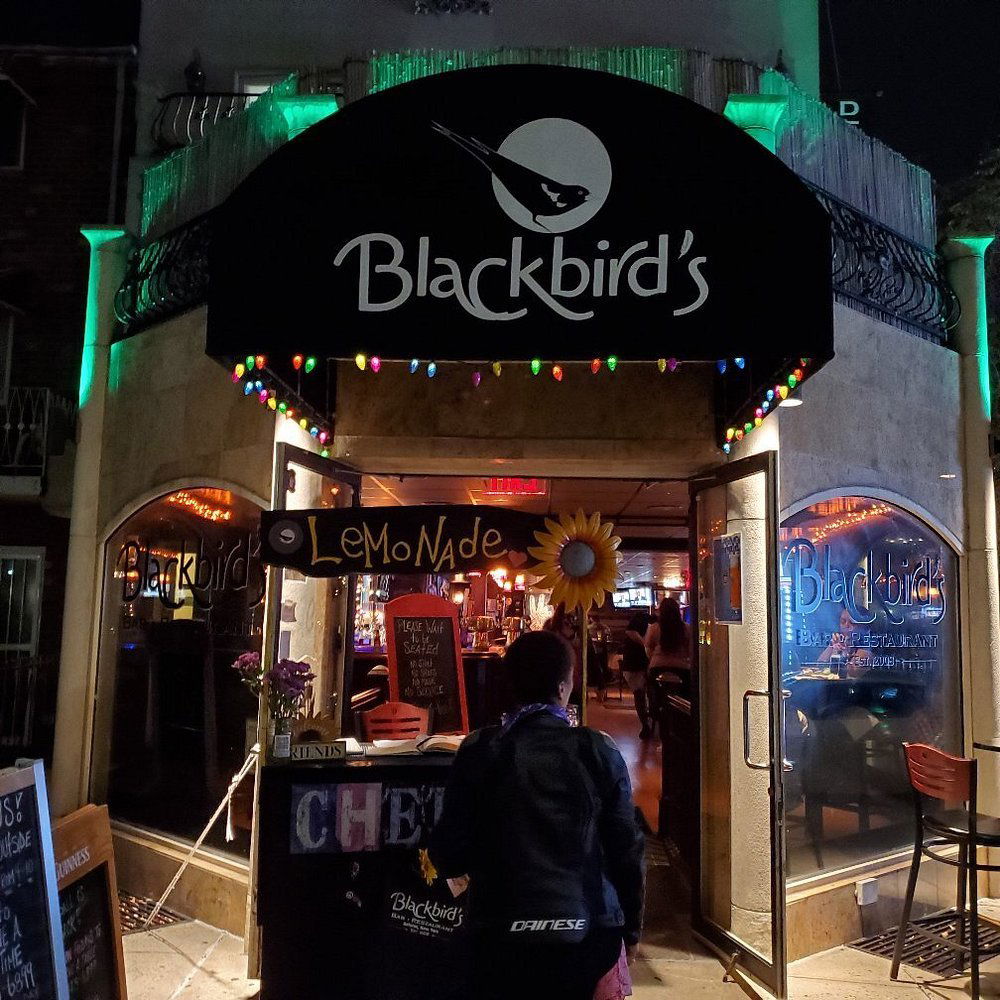
Blackbird's reads like the quiet, considered neighborhood bar New York still produces in its outer boroughs. The piece positions the room as low-key and intentionally restrained, where light, sightlines and sound are part of the program as much as the drinks. It favors intimacy over spectacle and earns attention through presence rather than press-friendly concepts. That disciplined, serious approach—called out in the copy alongside a focused mezcal program—gives the bar a sophisticated, understated personality: unflashy, attentive to craft, and quietly confident in its place on a residential commercial strip.
Best For
This is a neighbourhood room that suits regulars, locals and people who make a deliberate choice to walk in. It works well for quiet solo visits, relaxed after-work drinks and small group gatherings where conversation and the drink program matter more than hype. Because the bar is described as away from the press-driven strip, it reads as a place for repeat visits and low-key socializing rather than large celebrations or tourist itineraries. Expect a focused, intimate setting that rewards lingering and local company.
Ordering Tips
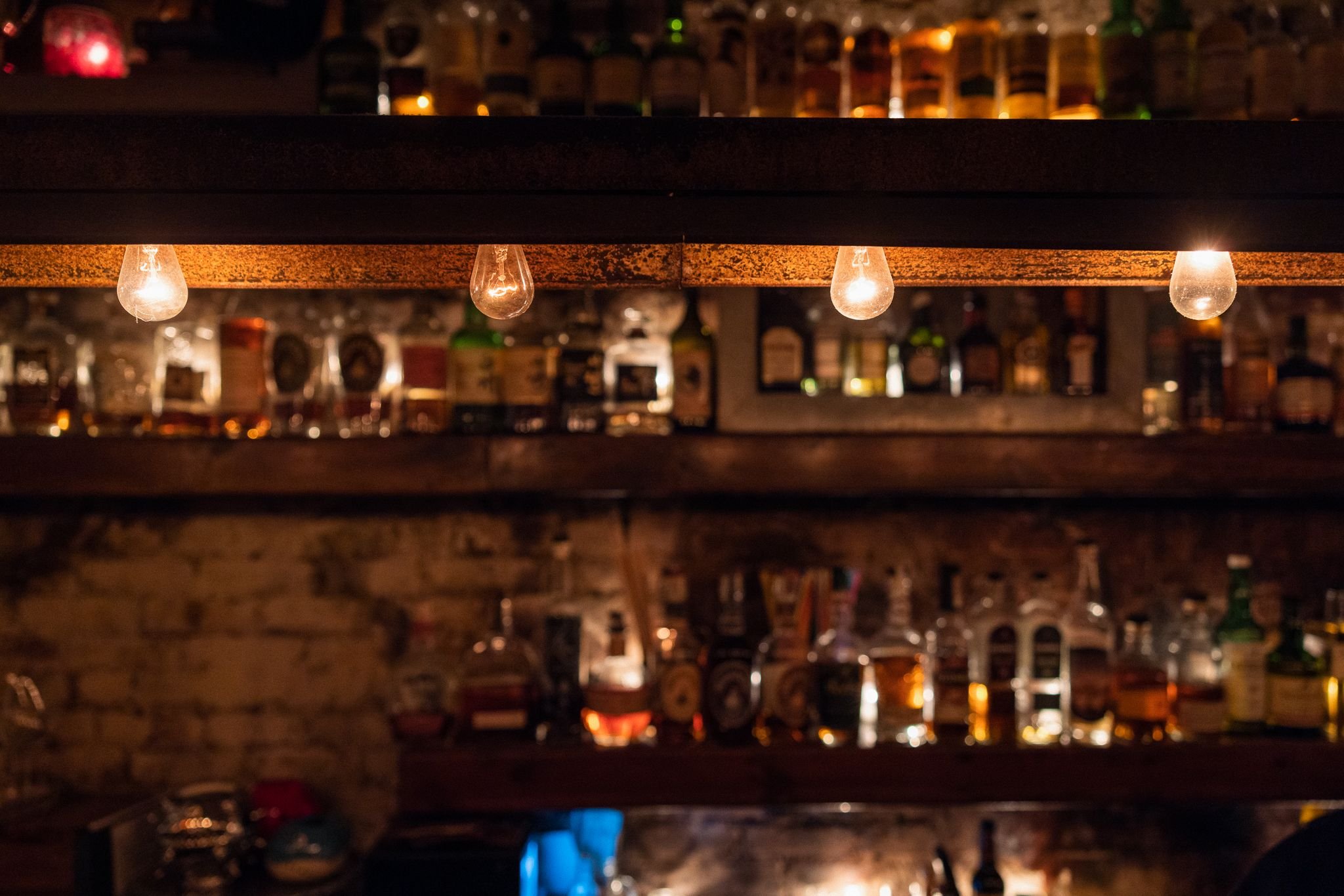
The copy highlights a considered drink program and specifically notes a 'serious mezcal program,' so prioritize the bar's spirit-focused offerings rather than looking for spectacle. Approach the menu with an eye toward curated cocktails and mezcal selections and let the program guide you; this is the sort of spot where the beverage choices are central to the experience. Given the room's restrained, quiet character, order thoughtfully and plan to savor a few well-made drinks rather than rushing through many rounds.
Venue details
Ambiance
Cozy and warm atmosphere, inviting for newcomers and comfortable for regulars.
Tags
Vibe
Best For
Experience
Format
At the Bar
- Bar Category
- Pub
- Late Night
- Closes by Midnight
Know before you go
Know Before You Go
- Getting there
- 41-19 30th Ave., Astoria, NY 11103
Planning details
Location
Also consider
Also Consider
- Butcher Bar, Notable alternative
- Bohemian Hall & Beer Garden, Notable alternative
- Sotto La Luna Pasta Bar, Notable alternative
- Dutch Kills, Notable alternative
- Espresso 77, Notable alternative
Bar context
How Blackbird's compares in Astoria and Queens
Choose Blackbird's when convenience matters more than a tightly defined format. Compared with Butcher Bar and Sotto La Luna Pasta Bar, it reads as the looser bar choice rather than the food-led plan. That helps for a casual round, but diners who want the meal to carry the night should start with one of those instead.
Bohemian Hall & Beer Garden is the better cross-shop for larger groups that want outdoor-beer-garden energy and an obvious group format. Blackbird's is more useful for a smaller, lower-planning Astoria stop where the night can stay flexible. For cocktail-focused drinkers, Dutch Kills gives a clearer reason to travel for drinks, while Blackbird's is the easier neighborhood call.
Espresso 77 works better when the plan leans casual daytime or coffee-adjacent. Blackbird's makes more sense later in the evening, especially for a date or friends meeting after dinner. For value per round, the practical move is to pick based on format: beer garden for groups, cocktail bar for drink precision, pasta or barbecue when food is central, and Blackbird's when flexibility is the point.
Explore New York City
Around this place
Discover more on Pearl
Unlock the full Blackbird's guide in Pearl, including awards, comparisons, FAQs, planning details, and nearby places.
Compare Blackbird's
| Venue | Location | Awards |
|---|---|---|
| Blackbird's | New York City | No published awards |
| Butcher Bar | New York City | No published awards |
| Bohemian Hall & Beer Garden | New York City | No published awards |
| Sotto La Luna Pasta Bar | New York City | No published awards |
| Dutch Kills | New York City | 2012 World's 50 Best Bars · #352011 World's 50 Best Bars · #38 |
| Espresso 77 | New York City | No published awards |

How Blackbird's New York City compares with similar nearby venues.
FAQ
Frequently Asked Questions
Does Blackbird's have happy hour deals?
Do not plan around a happy hour deal unless you check it directly with the venue. The key planning details are the casual dress code and hours: 4 PM–1 AM Monday through Saturday, and 12 PM–1 AM on Sunday.
What's the crowd like at Blackbird's?
The dress code is casual, and the venue is open late daily. For specific atmosphere details, check the venue's current channels before you go.
Is the food good at Blackbird's?
Make this a casual stop rather than a food-led choice unless you have checked the current menu. If dinner quality or a defined dining format is the priority, compare Blackbird's with other New York City options such as Butcher Bar or Sotto La Luna Pasta Bar.
Is Blackbird's good for a date?
It may work for a casual plan if the hours fit your schedule. For a date, check seating, noise level, reservations, and service style directly before relying on it for a specific kind of evening.
Is Blackbird's open late?
Yes. Blackbird's is open until 1 AM every day: Monday through Saturday from 4 PM–1 AM, and Sunday from 12 PM–1 AM.
What's the best time to go to Blackbird's?
Use the hours to plan: Monday through Saturday, Blackbird's opens at 4 PM and closes at 1 AM; on Sunday, it opens at 12 PM and closes at 1 AM. The best time depends on whether you want an earlier Sunday visit or a later evening stop.