Lilette
Touro, New Orleans
Bar in New Orleans, United States
 Book with Pearl
Why go
Lilette is a practical Magazine Street pick when dinner needs to feel considered without becoming hard to plan. It is stronger for dates and small parties than for a loose group night, it works better as the reservation anchor than as a pure wine-bar substitute.
About Lilette
Lilette is a New Orleans venue with posted hours that make it usable for daytime and evening plans on several days of the week. The verified basics are direct: it is open Monday evening, Tuesday through Saturday from 11:30 AM into the evening, closed Sunday. The listed dress code is business casual.
Choose it for a New Orleans visit with clear hours
The planning case here is the schedule. Lilette is open Monday from 5:30–9:30 PM; Tuesday, Wednesday, Thursday from 11:30 AM–9:30 PM; Friday and Saturday from 11:30 AM–10:30 PM; and Sunday is closed. That gives you weekday and weekend options without relying on unverified details about menu format, prices, seating, or service style.
If you are comparing Lilette with another option, keep the decision practical. The Delachaise Wine Bar may fit a different plan, while Lilette should be judged on its own confirmed details: New Orleans location, posted hours, business-casual dress code.
For a second visit, use the timing better
Use the posted hours to choose the right day. Monday is evening only, Tuesday through Thursday close at 9:30 PM, Friday and Saturday run until 10:30 PM. Sunday is not an option because Lilette is closed.
For a broader New Orleans plan, use city guides rather than forcing one venue to do everything: Our full New Orleans restaurants guide, Our full New Orleans bars guide, Our full New Orleans hotels guide, Our full New Orleans wineries guide, Our full New Orleans experiences guide.
Better planned around confirmed basics
The safest way to plan around Lilette is to stick to what is verified: it is in New Orleans, its dress code is business casual, its posted hours vary by day. If you are deciding how formal or flexible the evening should be, compare those basics with Bouligny Tavern, Hungry Eyes, Port Orleans Brewing Co. and Tipitina's before choosing the shape of the night.
For extra browsing, other New Orleans venues may also be worth checking, but unverified details about Lilette's menu, pricing, seating, awards, takeout, delivery, or dietary accommodations should not be assumed from this guide. Check the venue's official channels for any details beyond the confirmed basics listed here.
Planning details
- Location
- 3637 Magazine St, New Orleans, LA 70115
- Reservations
- Book on Resy
- Website
- liletterestaurant.com
- Phone
- +1 504 895 1636
The take
The Take
The Vibe
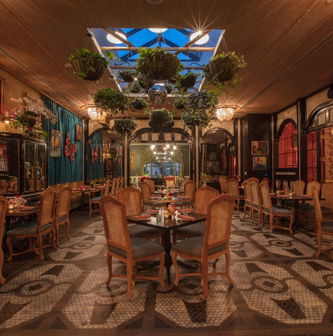
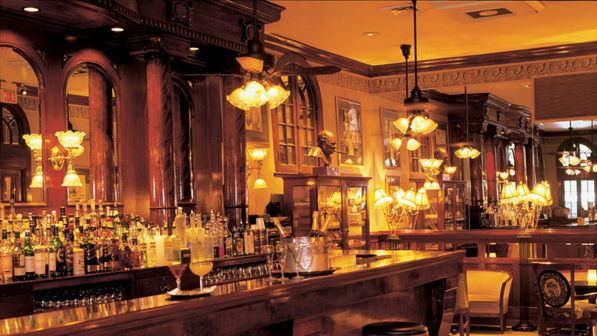
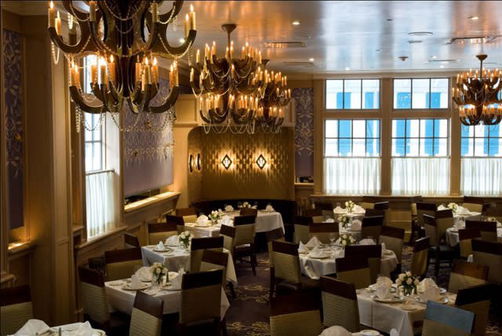
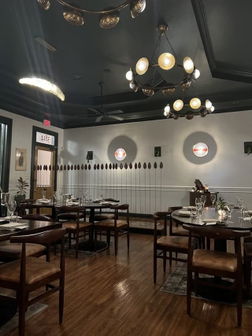
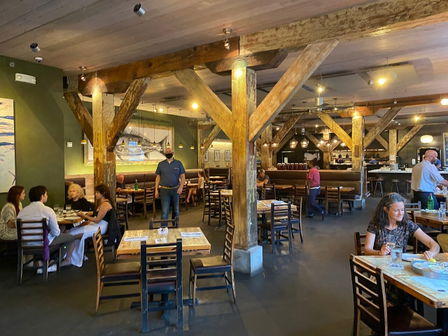
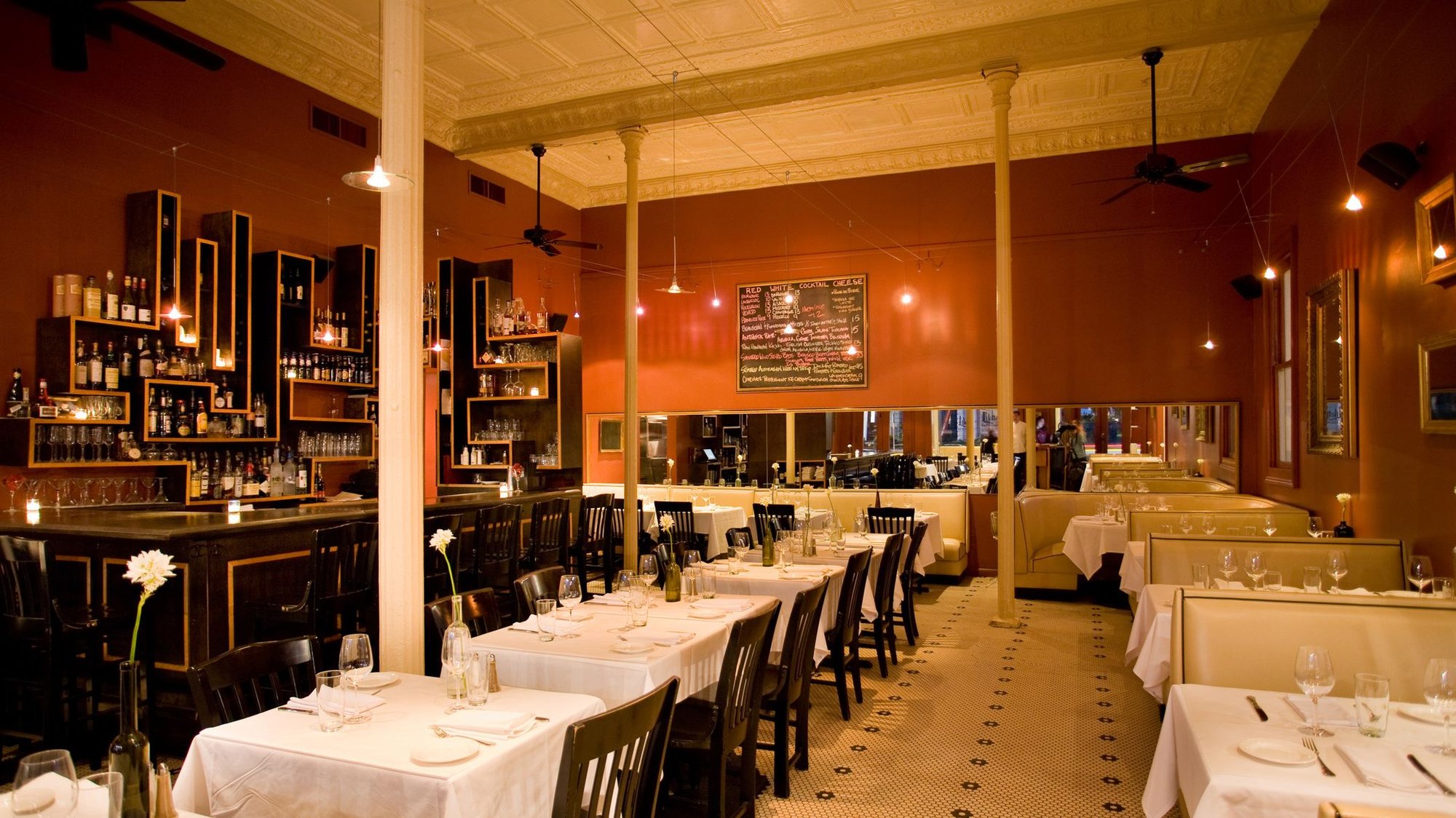
Lilette reads like a compact, classic French bistro transposed to Magazine Street. The narrow converted storefront and warm surfaces set a low-lit, intimate scene where candlelight and small-room proportions shape the evening. The scale keeps service visible and conversation audible without the larger dining-room clamor common to parts of New Orleans, so the room feels quietly composed rather than theatrical. A focus on craft—classical technique applied to Gulf seafood and seasonal Louisiana produce—matches the understated decor: the dining experience leans on solid technique, local larder-driven cooking, and a quietly assured atmosphere.
Best For
This is a place for leisurely dinners and occasions when the meal itself is the centerpiece. Lilette’s Garden District address and its role as a neighborhood reference point suit returning locals and visitors who prioritize well-executed bistro fare over spectacle. The room’s intimacy and audible conversation make it appropriate for date nights and focused meals—small celebrations and business dinners where conversation matters. Because the kitchen emphasizes seasonal Louisiana ingredients and classical technique, evenings here reward diners who come expecting composed seafood and produce-forward plates paired with thoughtful wine service.
Ordering Tips
Lean into the restaurant’s strengths: classical technique applied to Gulf seafood and seasonal Louisiana produce. The description highlights a kitchen that works directly with local larder items and a Southern European approach to wine service, so prioritize seafood-forward dishes and ask the staff about wine pairings that complement the menu’s regional focus. Given the intimate scale and visible service dynamic, servers are positioned to guide selections—accept recommendations for seasonal preparations and wines that are presented in a European style rather than relying on loud or gimmicky plates.
Planning details
Location
3637 Magazine St, New Orleans, LA 70115 · Directions
Also consider
Where to go if this is not the right fit
If the goal is wine by the glass and a looser pace, go to The Delachaise Wine Bar instead. If the group wants drinks first with a nearby Magazine Street feel, Bouligny Tavern is the more direct substitute.
Bar context
How Lilette compares in New Orleans
Choose Lilette when the night needs a real restaurant structure and an easier booking path. Bouligny Tavern is the better move for a drinks-forward plan, while The Delachaise Wine Bar is the cleaner choice if by-the-glass wine is the point of the evening rather than a supporting detail.
Hungry Eyes is a better fit when the group wants a more playful bar-restaurant feel. Port Orleans Brewing Co. makes more sense for casual beer and groups that do not want a sit-down restaurant rhythm. Tipitina's is not a dinner substitute; pick it when live music is the main event.
For value, the deciding factor is format rather than a listed price tier. Lilette is worth prioritizing when a composed meal matters. If the plan is mostly drinks, conversation, or a flexible group meet-up, the peers above are likely to fit the brief with less formality.
Explore New Orleans
Around this place
Discover more on Pearl
Unlock the full Lilette guide in Pearl, including awards, comparisons, FAQs, planning details, and nearby places.
Compare Lilette
| Venue | Location | Awards |
|---|---|---|
| Lilette | New Orleans | No published awards |
| Bouligny Tavern | New Orleans | No published awards |
| The Delachaise Wine Bar | New Orleans | No published awards |
| Hungry Eyes | New Orleans | No published awards |
| Port Orleans Brewing Co. | New Orleans | No published awards |
| Tipitina's | New Orleans | No published awards |
How Lilette New Orleans compares with similar nearby venues.
FAQ
Frequently Asked Questions
Is Lilette good for a date?
Lilette can be planned as a New Orleans outing if its posted hours and business-casual dress code fit the occasion. Monday is open 5:30–9:30 PM, Tuesday through Thursday run 11:30 AM–9:30 PM, Friday and Saturday run 11:30 AM–10:30 PM, Sunday is closed.
What's the best time to go to Lilette?
The best time depends on the schedule you need. Lilette is open Monday 5:30–9:30 PM; Tuesday through Thursday 11:30 AM–9:30 PM; Friday and Saturday 11:30 AM–10:30 PM; and Sunday is closed.
Is Lilette open late?
Lilette is open until 10:30 PM on Friday and Saturday. It closes at 9:30 PM Monday through Thursday and is closed Sunday.