
Divine Comédie
Nantes Centre, Nantes
Bar in Nantes, France
 Book with Pearl
The Read
Frenchie-Pedigree Loire Cellar
Why go
Divine Comédie is a wine-led Nantes bar to choose when conversation and a considered glass matter more than a big-night spectacle. Star Wine List recognition gives it a stronger signal than a generic drinks stop, but treat it as a bar-first booking rather than a full dinner plan.
About Divine Comédie
Divine Comédie is a Nantes venue with evening hours from Tuesday through Saturday, a casual dress code, and Star Wine List recognition in 2026. Consider it for an evening in Nantes, while leaving menu, seating, reservation, and service specifics to the venue's own current channels.
Choose it when wine recognition matters
The clearest signal is its Star Wine List recognition in 2026. That gives Divine Comédie a specific wine-related credential, but it should not be stretched into claims about a particular bottle list, by-the-glass selection, food format, or service style. If you are comparing options, Le Mirza and other venues can be considered according to the kind of night you want.
The schedule is also useful: Divine Comédie is closed on Monday and Sunday, open from 5 PM to 12 AM on Tuesday and Wednesday, and open from 5 PM to 1 AM on Thursday, Friday, and Saturday. Because no lunch hours are listed, plan around the evening rather than a daytime visit.
Build the night around Nantes, not unverified details
For planning, keep the known facts simple: Divine Comédie is in Nantes, has casual dress, and keeps evening hours Tuesday through Saturday. If the evening needs more structure, start with the Nantes restaurants guide; if the trip is broader than one night out, keep the Nantes hotels guide, the Nantes experiences guide, and the Nantes wineries guide nearby for the rest of the plan.
The verdict: consider Divine Comédie for an evening in Nantes when its hours and Star Wine List recognition fit the plan. Look elsewhere, or check directly with the venue, if the night depends on confirmed food details, seating, reservations, outdoor space, pricing, or a specific service format.
Planning details
- Location
- 4 Rue Suffren, 44000 Nantes, France
- Phone
- +33 2 40 10 05 93
The take
The Take
The Vibe
Divine Comédie reads like the city’s quietly authoritative wine address: composed, exacting and quietly confident. The rebranding and the appointment of Aurélien Massé signal a step up from casual neighborhood drinking to an ensemble that prizes provenance and depth. The back bar is given weight in the copy—aged bottles, representation across Loire appellations and allocations from growers who don’t advertise—so the room feels less like a buzzy trend spot and more like a measured reference point. The overall impression is refined and intentional, an elegant locale for people who care about where their bottles come from.
Best For
This is a destination for people who come to drink thoughtfully rather than simply socialize loudly. It suits wine enthusiasts, curious locals and visitors who want a deeper survey of Loire and nearby appellations, and it functions well as an after-work stop for those who favor quality over gimmick. The programme’s emphasis on cellar stock and aged bottles makes evenings the natural fit: expect focused pours and conversation rather than casual, high-energy bar service. It’s less for the quick, chalkboard-by-the-glass crowd and more for guests seeking a curated tasting experience.
Ordering Tips
Ask the staff about allocations, vintages and the bottles they’ve been holding—those are the strengths the description highlights. Given the programme director’s background in sourcing and managing allocations, request guidance on lesser-known appellations from the Loire and Muscadet recommendations for local context. If you’re interested in depth, steer conversation toward cellar stock and aged offerings rather than the ephemeral by-the-glass list; the copy makes clear that the bar’s distinction lies in bottles that reward time and knowledge.
Venue details
Ambiance
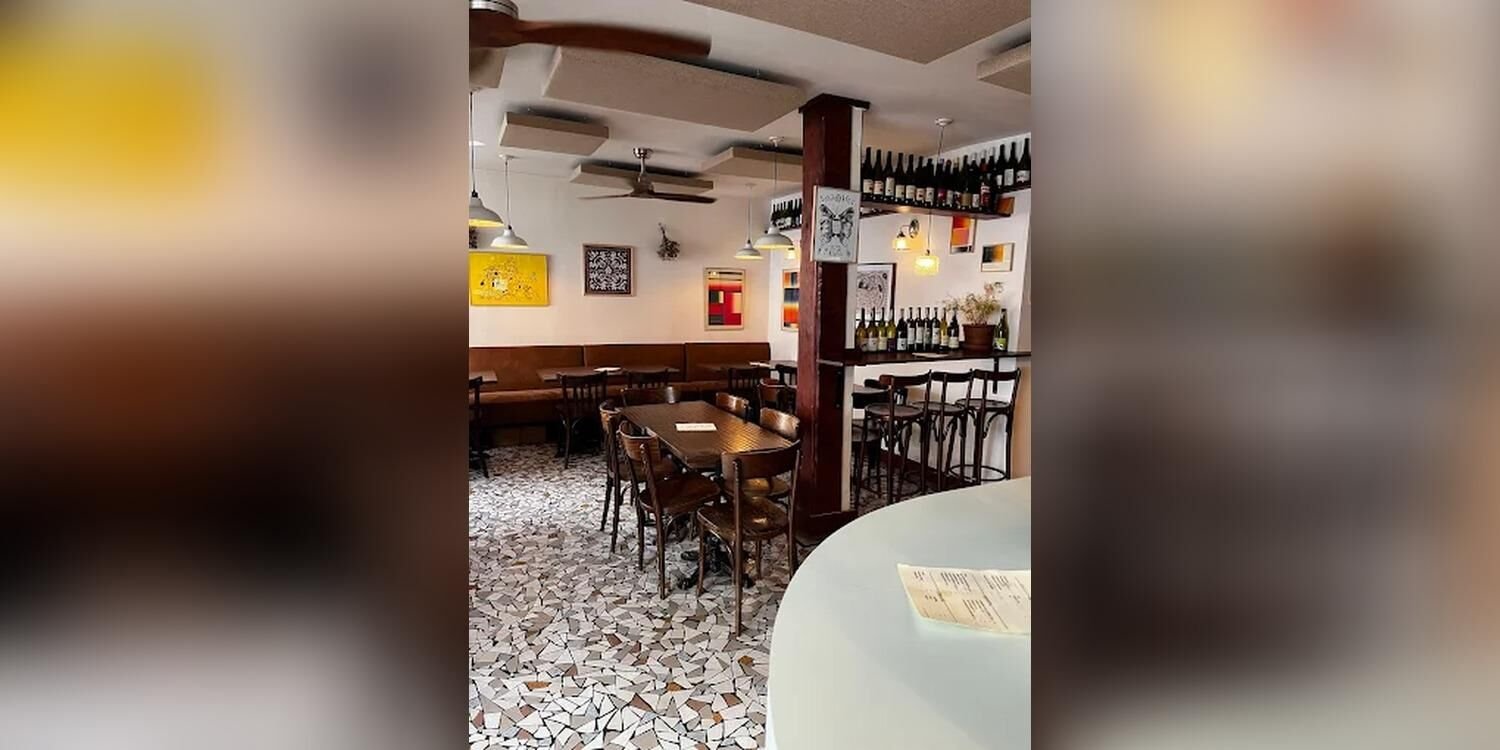
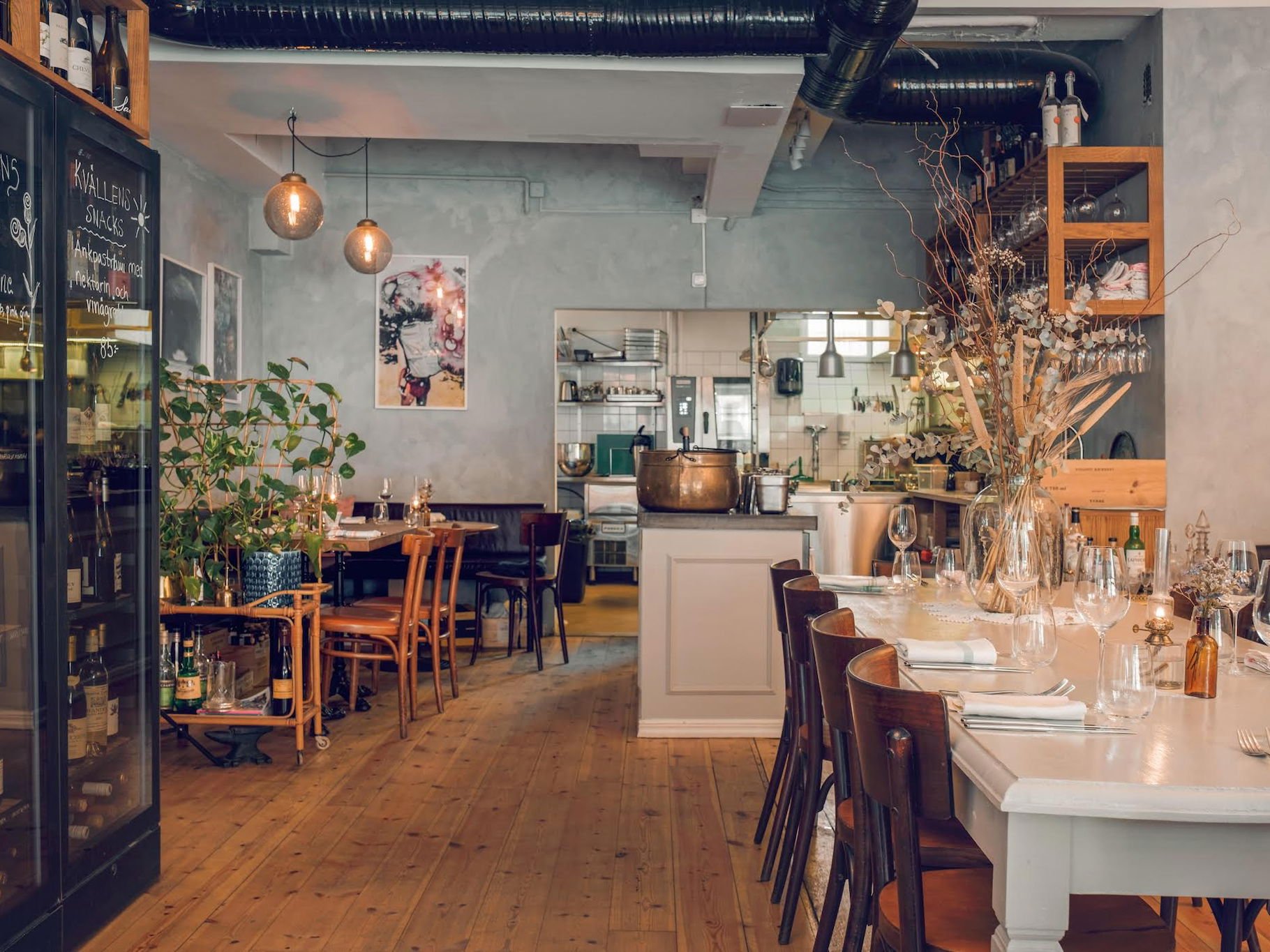
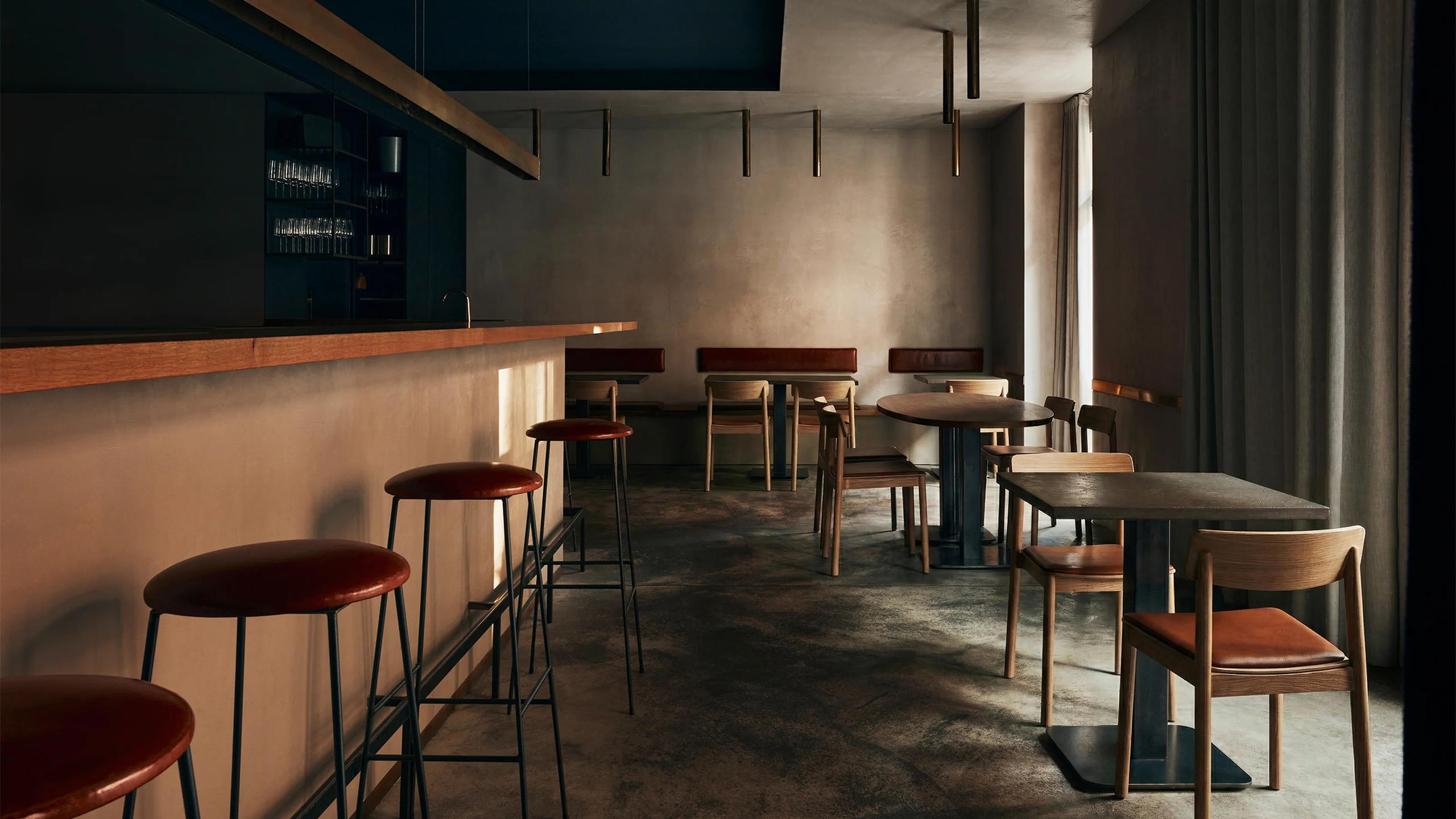
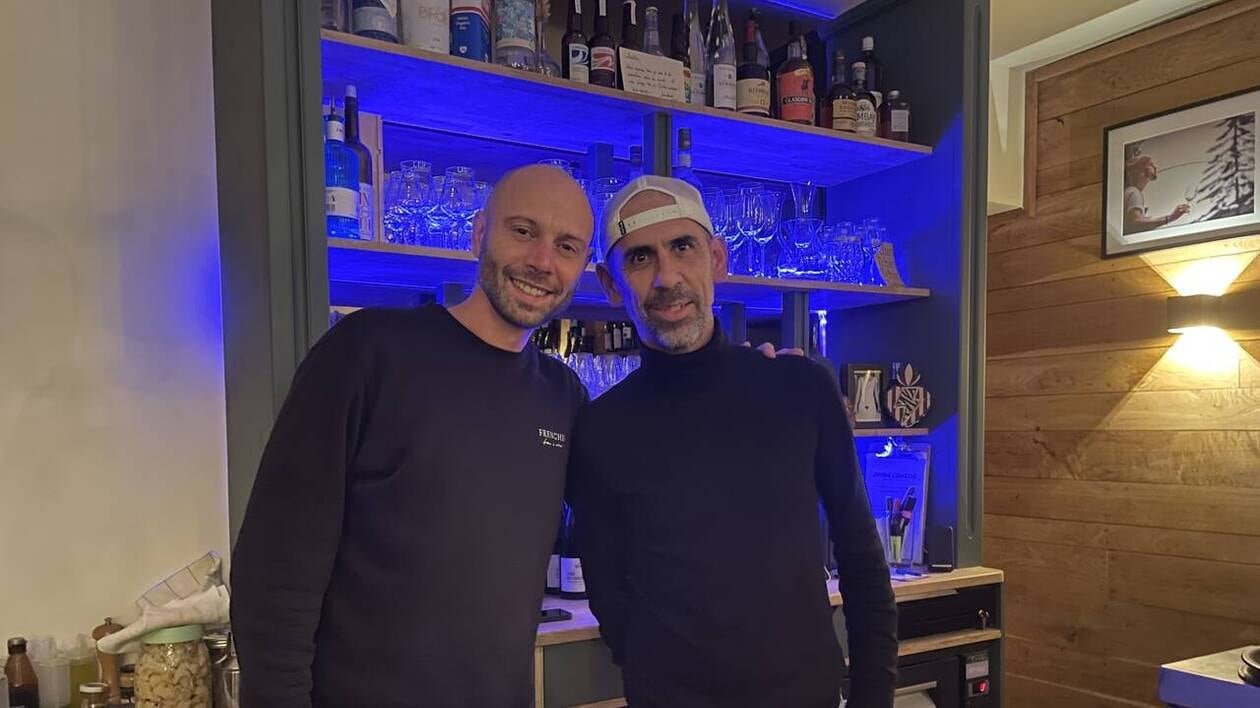
Chaleureuse et cosy ambiance with simple yet tasteful decor, wooden walls, small tables encouraging close conversation, and a convivial post-work atmosphere.
Tags
Vibe
Best For
Experience
Format
At the Bar
- Bar Category
- Wine Bar
Know before you go
Know Before You Go
- Getting there
- 4 Rue Suffren, 44000 Nantes, France
Planning details
Location
4 Rue Suffren, 44000 Nantes, France · Directions
Recognition and awards

Also consider
Also Consider
- Le Mirza, Notable alternative
- Bar des Écuries, Notable alternative
- Bar of Le Castel Marie-Louise, Notable alternative
- Bar Les Évens, Notable alternative
- Auberge du Layon, Notable alternative
Bar context
How Divine Comédie compares in and around Nantes
Choose Divine Comédie when the priority is wine credibility and an easy central Nantes drinks plan. Le Mirza is the closest cross-shop for staying in the city; use it when the group wants another Nantes bar option rather than a wine-led pick. With booking difficulty marked easy here, Divine Comédie is the lower-friction choice for a same-week plan.
Bar des Écuries, Bar of Le Castel Marie-Louise, Bar Les Évens, and Auberge du Layon sit outside the metro comparison set, so they make more sense when the evening is already built around that area rather than central Nantes. Divine Comédie is the practical pick when location matters and the plan needs to stay flexible.
For value, the safer call is to match the venue to the occasion: Divine Comédie for a wine-focused date or small-group drink, Le Mirza for another in-city bar night, and the out-of-metro options only when their location fits the rest of the itinerary. Do not make the trip outward unless ambiance or setting matters more than convenience.
Explore Nantes
Around this place
Discover more on Pearl
Unlock the full Divine Comédie guide in Pearl, including awards, comparisons, FAQs, planning details, and nearby places.
Compare Divine Comédie
| Venue | Location | Awards |
|---|---|---|
| Divine Comédie | Nantes | Star Wine Lists 2026 |
| Le Mirza | Nantes | No published awards |
| Bar des Écuries | Missillac | No published awards |
| Bar of Le Castel Marie-Louise | La Baule | No published awards |
| Bar Les Évens | La Baule | No published awards |
| Auberge du Layon | Rablay-sur-Layon | No published awards |
How Divine Comédie Nantes compares with similar nearby venues.
FAQ
Frequently Asked Questions
Is Divine Comédie open late?
Yes. Divine Comédie is open until 12 AM on Tuesday and Wednesday, and until 1 AM on Thursday through Saturday. It is closed on Monday and Sunday.
Is Divine Comédie good for a date?
It may suit an evening plan in Nantes if casual dress, evening hours, and Star Wine List recognition are what you are looking for. Specific seating, atmosphere, and reservation details should be checked directly if those details matter.
Do I need a reservation at Divine Comédie?
Check directly with the venue before going, especially if you are planning for Thursday through Saturday, when the confirmed hours run until 1 AM.
Does Divine Comédie have outdoor seating?
What's the crowd like at Divine Comédie?
What is confirmed is that Divine Comédie is in Nantes, has casual dress, holds Star Wine List recognition for 2026, and opens in the evening from Tuesday through Saturday.