Paulaner am Nockherberg
Au, Munich
Bar in Munich, Germany
 Book with Pearl
The Read
Price
$20–30per person
Why go
Book Paulaner am Nockherberg when the plan calls for a classic Munich beer-hall experience, not a spirits-led cocktail night. It is better for groups and casual repeat visits than for quiet dates or drink-geek precision, with the strongest reason to go being its Paulaner-focused, beer-first setting.
About Paulaner am Nockherberg
Is Paulaner am Nockherberg worth considering right now? It can be, especially if you want a Munich venue with casual dress and daily hours from 12 PM to 12 AM. Plan around the schedule rather than assumptions about cuisine, drinks, awards, or service style.
Paulaner am Nockherberg is listed in Munich and is open daily from 12 PM to 12 AM. The clearest recommendation is practical: use it when the timing and casual setting fit your plans, and compare it with other Munich options if you need a more specific dining or bar format.
Choose it for casual Munich planning
The useful comparison is with other Munich options such as Blaue Libelle, Trisoux Bar, LOUIS Roof Terrace, The Louis Sparkling Bar, and Cortiina Hotel. Paulaner am Nockherberg is best evaluated on the basics: it is in Munich, has a casual dress code, and keeps the same 12 PM to 12 AM hours every day.
Judge it by occasion fit. It is a practical candidate when you want a casual Munich stop with broad daily availability.
Use it as one Munich stop in a wider city plan
For a full Munich night, pair Paulaner am Nockherberg with broader city guides rather than treating it as the only option: Our full Munich bars guide, Our full Munich restaurants guide, Our full Munich hotels guide, Our full Munich wineries guide, and Our full Munich experiences guide. If the trip expands beyond Munich, compare it with other dining and bar options based on the format, timing, and atmosphere you want.
Planning details
- Location
- Hochstraße 77, 81541 München, Germany
- Website
- paulaner-nockherberg.com
- Phone
- +49 89 4599130
The take
The Take
The Vibe
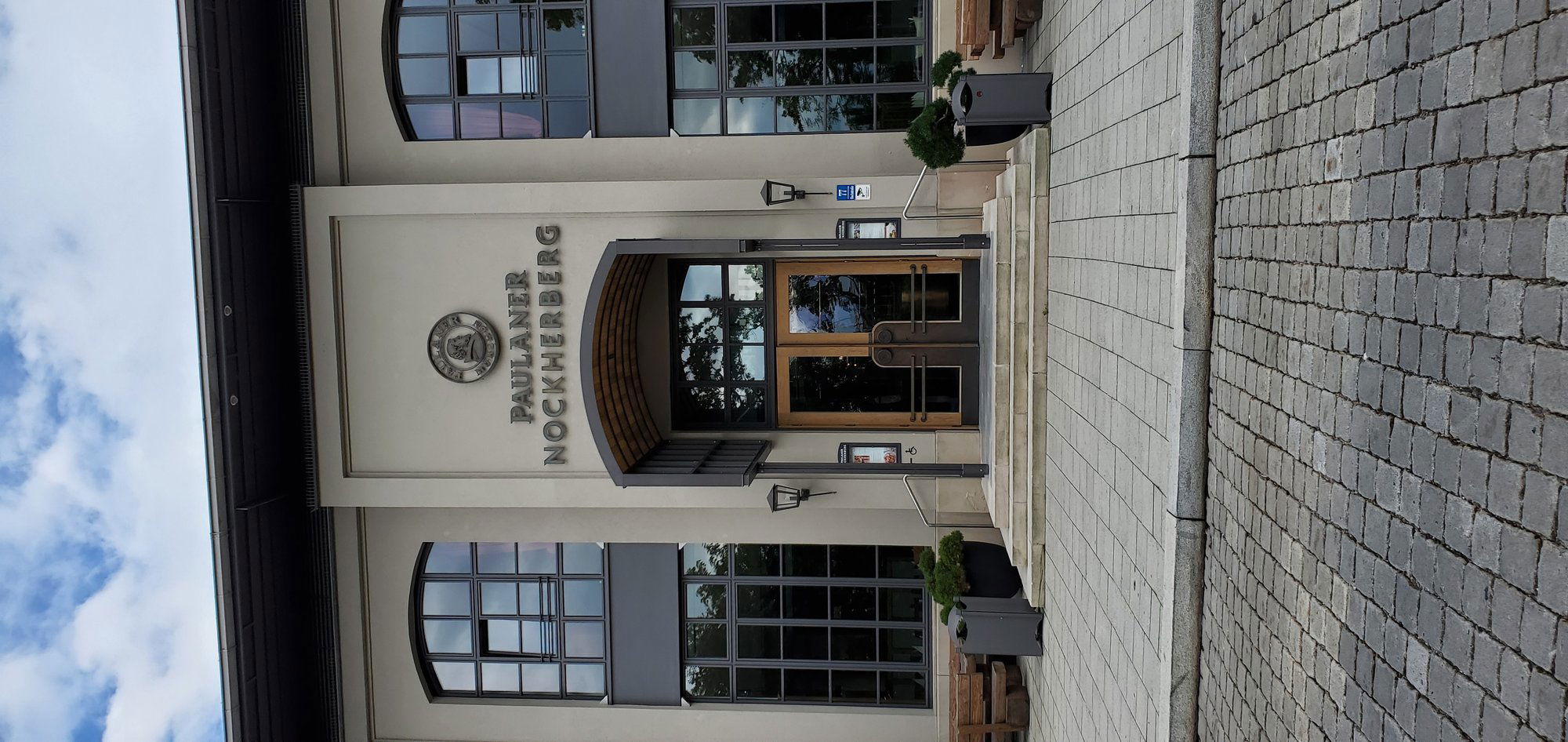
Paulaner am Nockherberg reads like a living neighborhood institution rather than a staged attraction. Perched on a modest rise in Au-Haidhausen, it operates as a functioning beer hall and garden where chestnut-shaded benches and communal tables pull regulars back week after week. The text emphasizes continuity, a crowd that looks roughly the same on a Tuesday evening as on a Saturday in July, so the atmosphere feels unpretentious, rooted and quietly confident. The venue's long association with Munich beer culture gives it gravity without ceremony, offering a historic, charming and relaxed place to settle in with a pint.
Best For
This is a place built for social gatherings that range from routine neighborhood nights to citywide seasonal rituals. Its beer-garden setting and communal seating make it particularly well suited to group outings and casual hangouts, while the cultural heft of the Starkbierfest elevates it as a destination during the strong-beer season. Visitors looking for a local, convivial experience (whether mixed groups of friends, families who enjoy outdoor benches, or those marking a seasonal celebration) will find a warm, accessible anchor in this part of Au-Haidhausen.
Ordering Tips
Order with the place's brewing history in mind: the Salvator Doppelbock is the anchor product and the focal point of the Starkbierfest, so it's a natural choice for first-timers or anyone sampling the house specialty. Expect dark, malt-forward flavors and higher ABV compared with typical Märzen offerings. Given the communal benches and neighborhood rhythm, be prepared to join shared tables and to linger: this is an experience best enjoyed slowly, ideally during the strong-beer season when the house tradition is most prominent.
Venue details
Ambiance
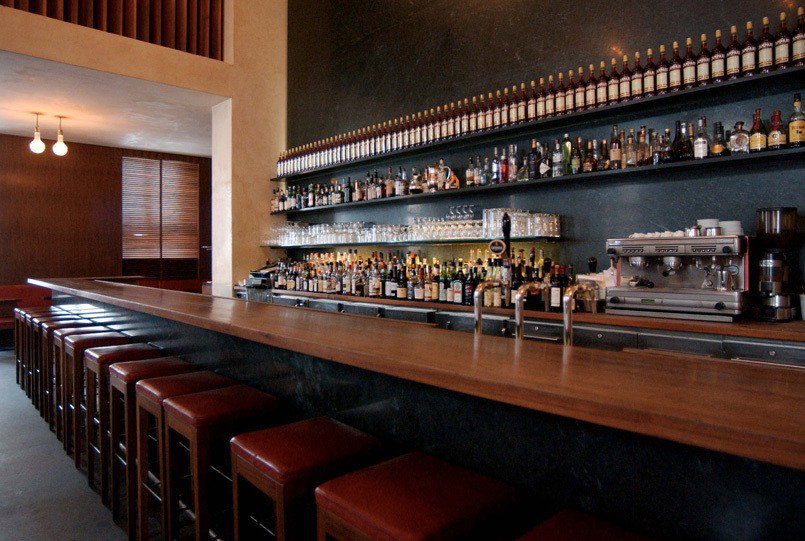
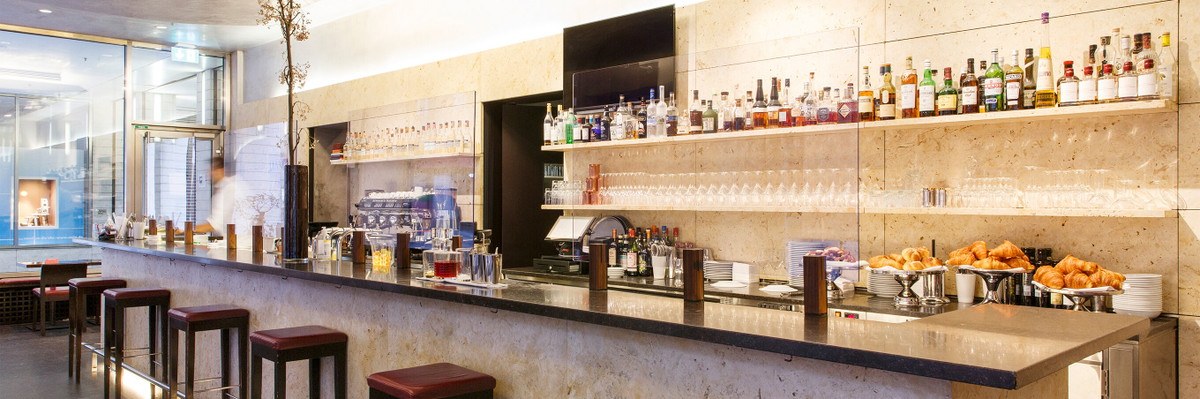
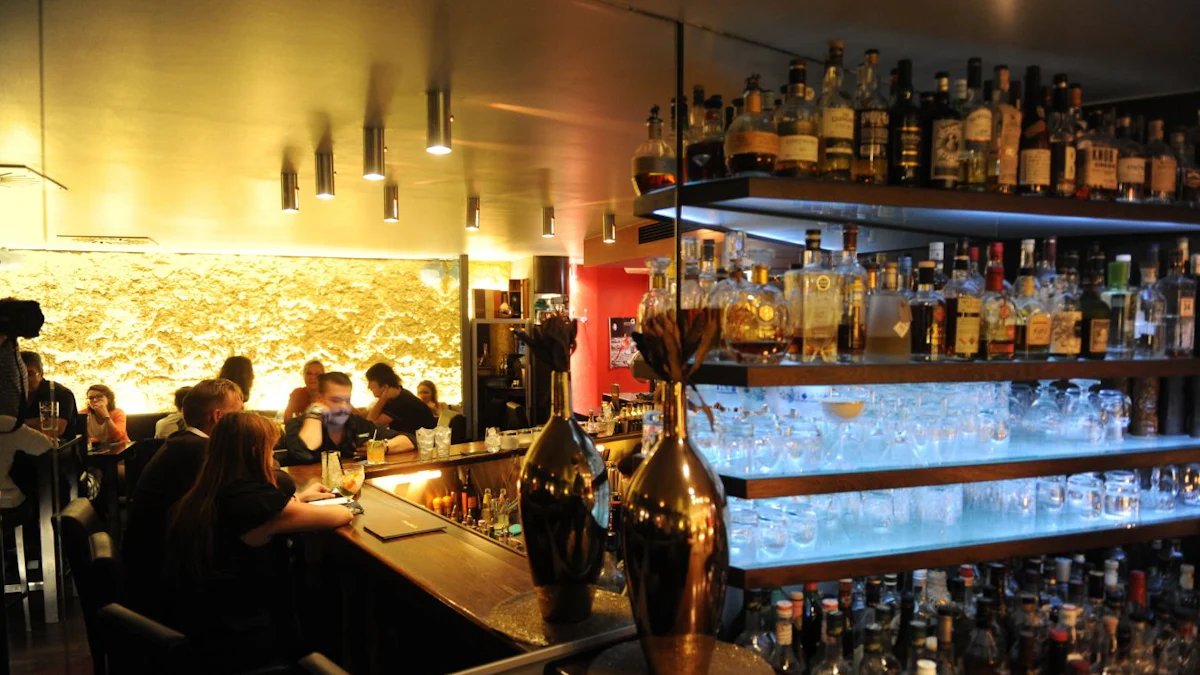
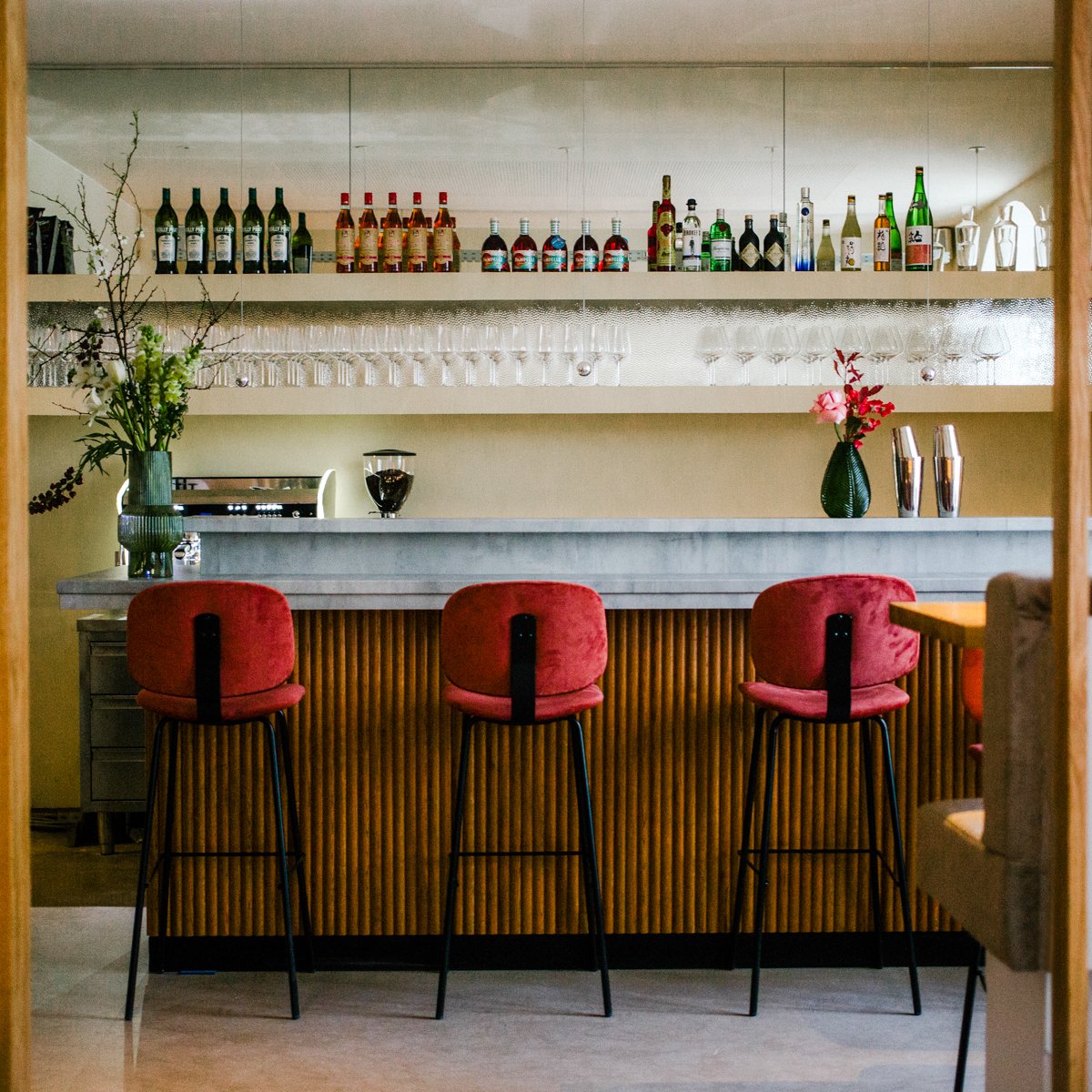
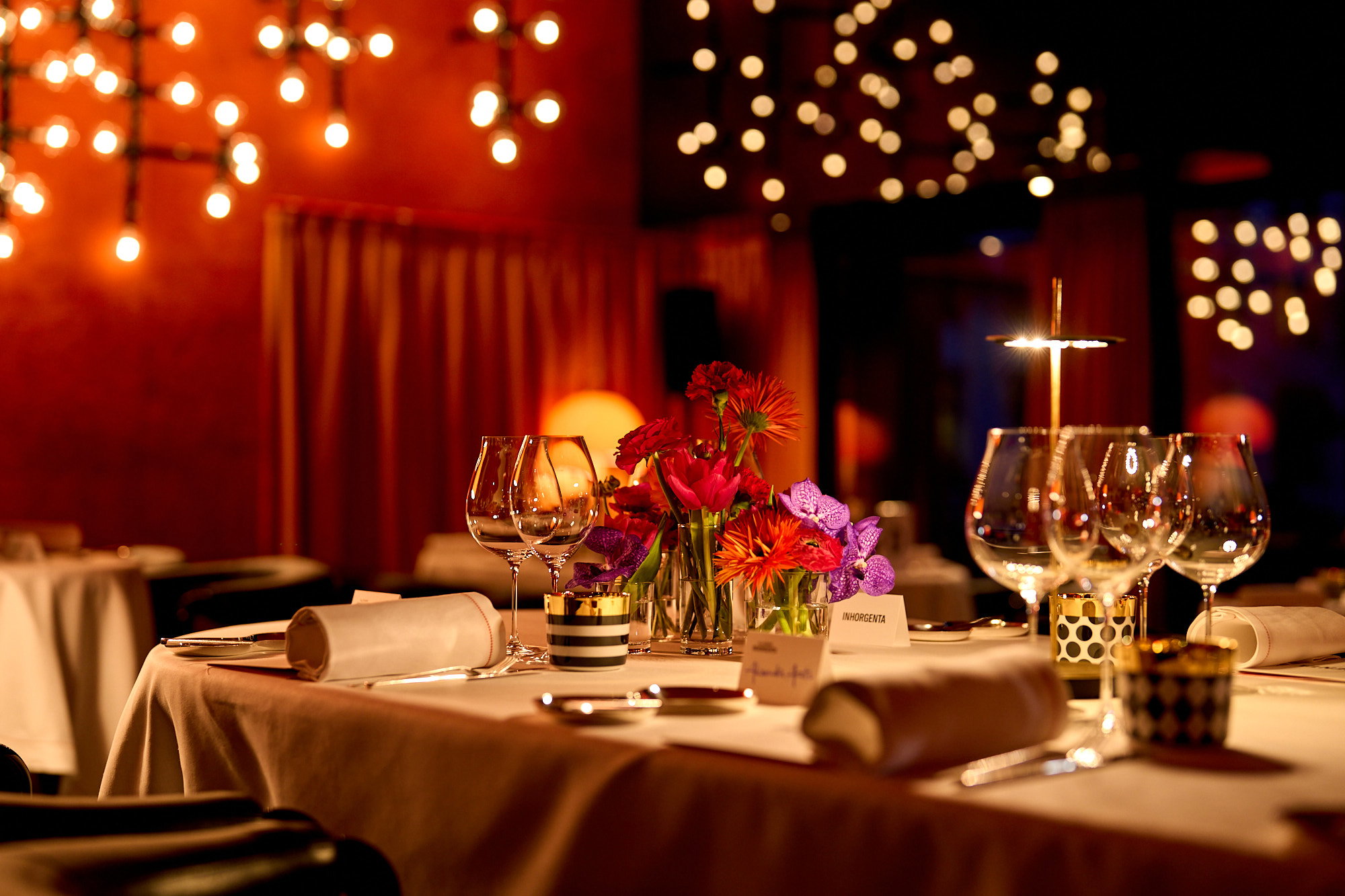
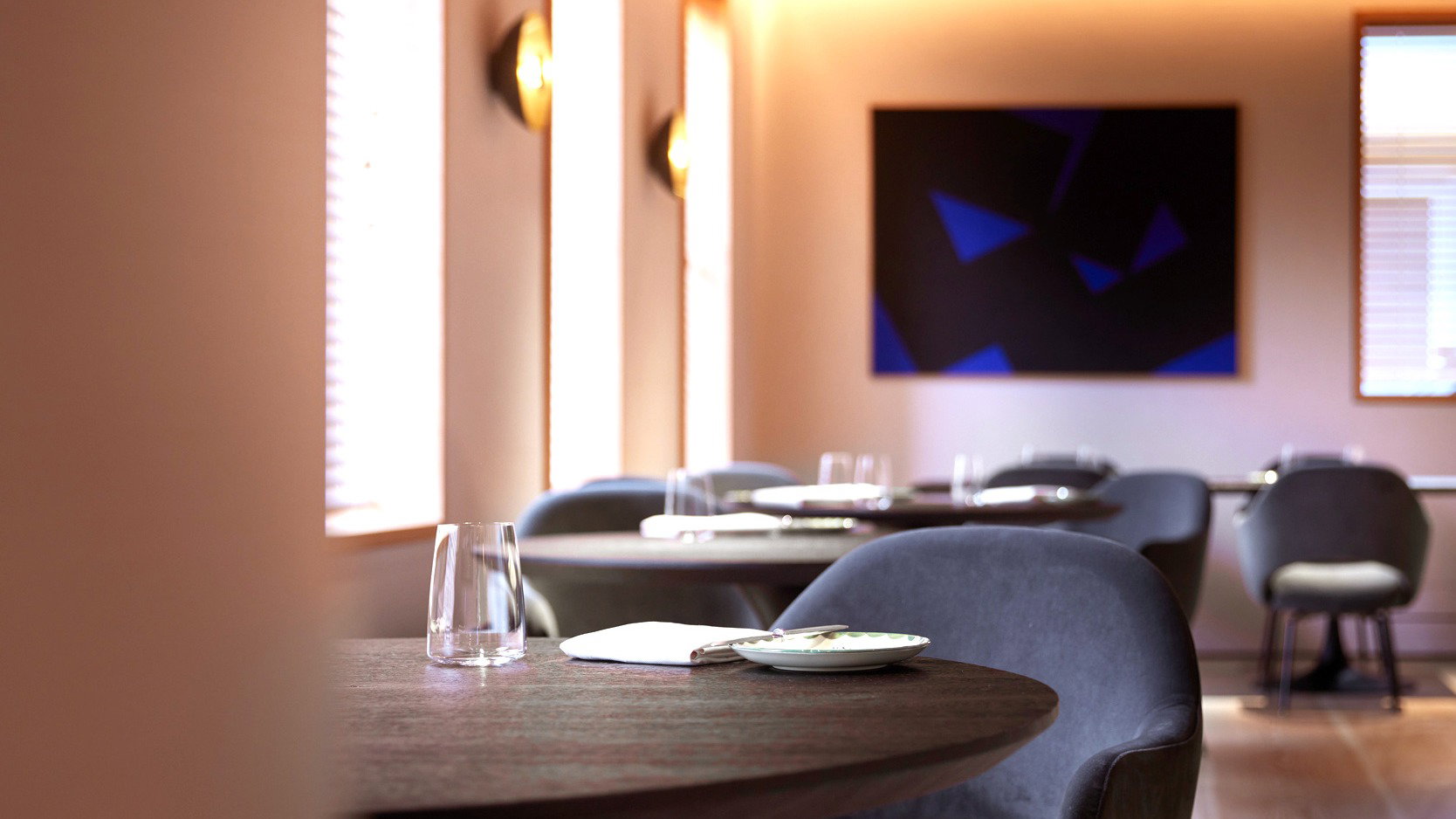
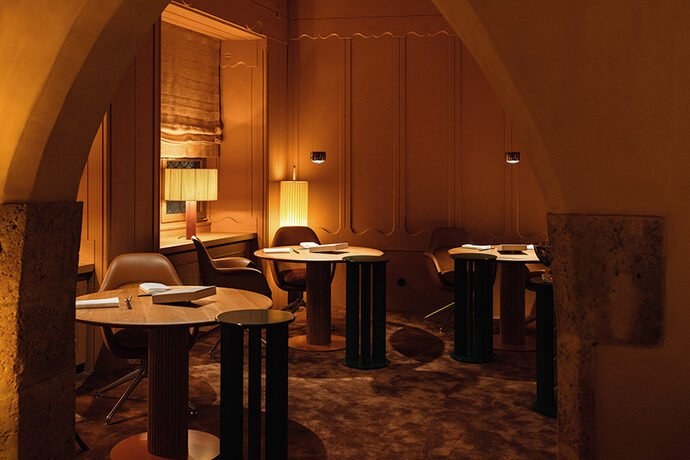
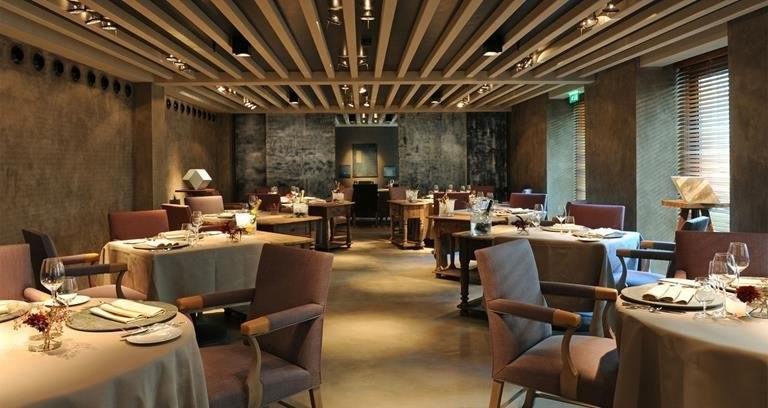
Bright and friendly with a modern industrial look combined with traditional elements; features chestnut trees in the beer garden and regularly changing artwork by renowned artists in the restaurant areas.
Tags
Vibe
Best For
Experience
Format
View
At the Bar
- Bar Category
- Beer Bar
- Late Night
- Closes by Midnight
- Music
- Traditional Bavarian and Oktoberfest Band Music
- Live Music
- Yes
- Spirits Focus
- Beer
Signature Pours
- Paulaner Salvator
- Paulaner Oktoberfest Bier
Know before you go
Know Before You Go
- Getting there
- Hochstraße 77, 81541 München, Germany
Planning details
Location
Also consider
Where to go if this is not the right fit
If the group wants cocktails instead of beer, cross-shop Blaue Libelle or Trisoux Bar. If the occasion is a date or a sleeker pre-dinner drink, look at LOUIS Roof Terrace or The Louis Sparkling Bar instead.
Bar context
How it compares in Munich
Paulaner am Nockherberg is the beer-hall choice in this Munich set: larger-feeling, more casual, and easier to fit into a group plan than a small cocktail bar. Blaue Libelle and Trisoux Bar are stronger choices when the night is about cocktails and a tighter bar-room feel.
For atmosphere with a view or hotel polish, LOUIS Roof Terrace, The Louis Sparkling Bar, and Cortiina Hotel fit better. They make more sense for a date, a pre-dinner drink, or a cleaner lounge experience. Paulaner am Nockherberg is the practical call when value is measured in group ease and Munich beer-hall energy rather than cocktail detail.
Around this place
Discover more on Pearl
Unlock the full Paulaner am Nockherberg guide in Pearl, including awards, comparisons, FAQs, planning details, and nearby places.
Compare Paulaner am Nockherberg
| Venue | Location | Awards |
|---|---|---|
| Paulaner am Nockherberg | Munich | No published awards |
| Blaue Libelle | Munich | No published awards |
| Trisoux Bar | Munich | No published awards |
| LOUIS Roof Terrace | Munich | No published awards |
| The Louis Sparkling Bar | Munich | No published awards |
| Cortiina Hotel | Munich | No published awards |
How Paulaner am Nockherberg Munich compares with similar nearby venues.
FAQ
Frequently Asked Questions
Does Paulaner am Nockherberg have happy hour deals?
Check directly with the venue for happy hour deals. For planning, Paulaner am Nockherberg is open from 12 PM to 12 AM every day.
What's the crowd like at Paulaner am Nockherberg?
Expect a casual Munich setting. Paulaner am Nockherberg is in Munich, has a casual dress code, and is open daily from 12 PM to 12 AM.
Is Paulaner am Nockherberg good for groups?
If you are planning for several people, use the daily 12 PM to 12 AM hours as a starting point and confirm reservation or seating details directly with the venue.
Is Paulaner am Nockherberg good for a date?
That depends on the kind of date you want. It works best as a casual Munich option with daily 12 PM to 12 AM hours; if you need a different or more specific setting, compare it with options such as Cortiina Hotel, The Louis Sparkling Bar, LOUIS Roof Terrace, Blaue Libelle, or Trisoux Bar.