Castello Sonnino
Montespertoli
Bar in Montespertoli, Italy
 Book with Pearl
The Read
Price
$30–50per person
Why go
Castello Sonnino is worth considering for a quiet Montespertoli date when setting matters more than confirmed menu, price, or awards detail. It is less useful for diners who need a clearly defined restaurant or bar brief before booking, so compare it with nearby food- and drink-led options if certainty is the priority.
About Castello Sonnino
Castello Sonnino is a Montespertoli venue with a smart casual dress code. Details for cuisine, menu format, chef, hours, prices, awards, reservations, seating, drinks, or service style are not available, so confirm directly before making a plan.
A Montespertoli option with limited information
The clearest planning note is the dress code: smart casual. Beyond that, do not infer a specific dining format, budget, menu, or schedule. If those details matter for your visit, confirm them with Castello Sonnino before committing.
For a food-first plan, compare other dining in Montespertoli generically or consider comparison venues such as Trattoria Da Ruggero. If you are building a broader itinerary, Castello Sonnino can be considered alongside places such as Enoteca Spontanea, Villa Cora, Bellevue Roof Terrace, and Loggia Roof Bar, depending on the kind of stop you need.
Book it only after confirming the details you need
Choose Castello Sonnino only if the available information is enough for your plans, or if you are willing to confirm the missing details directly. The venue name, Montespertoli location, and smart casual dress code are known, but not specific claims about food, drinks, pricing, hours, reservations, outdoor seating, or group suitability.
Planning details
- Location
- Via Volterrana Nord, 6, 50025 Montespertoli FI, Italy
- Website
- castellosonnino.it
- Phone
- +39 0571 609198
The take
The Take
The Vibe
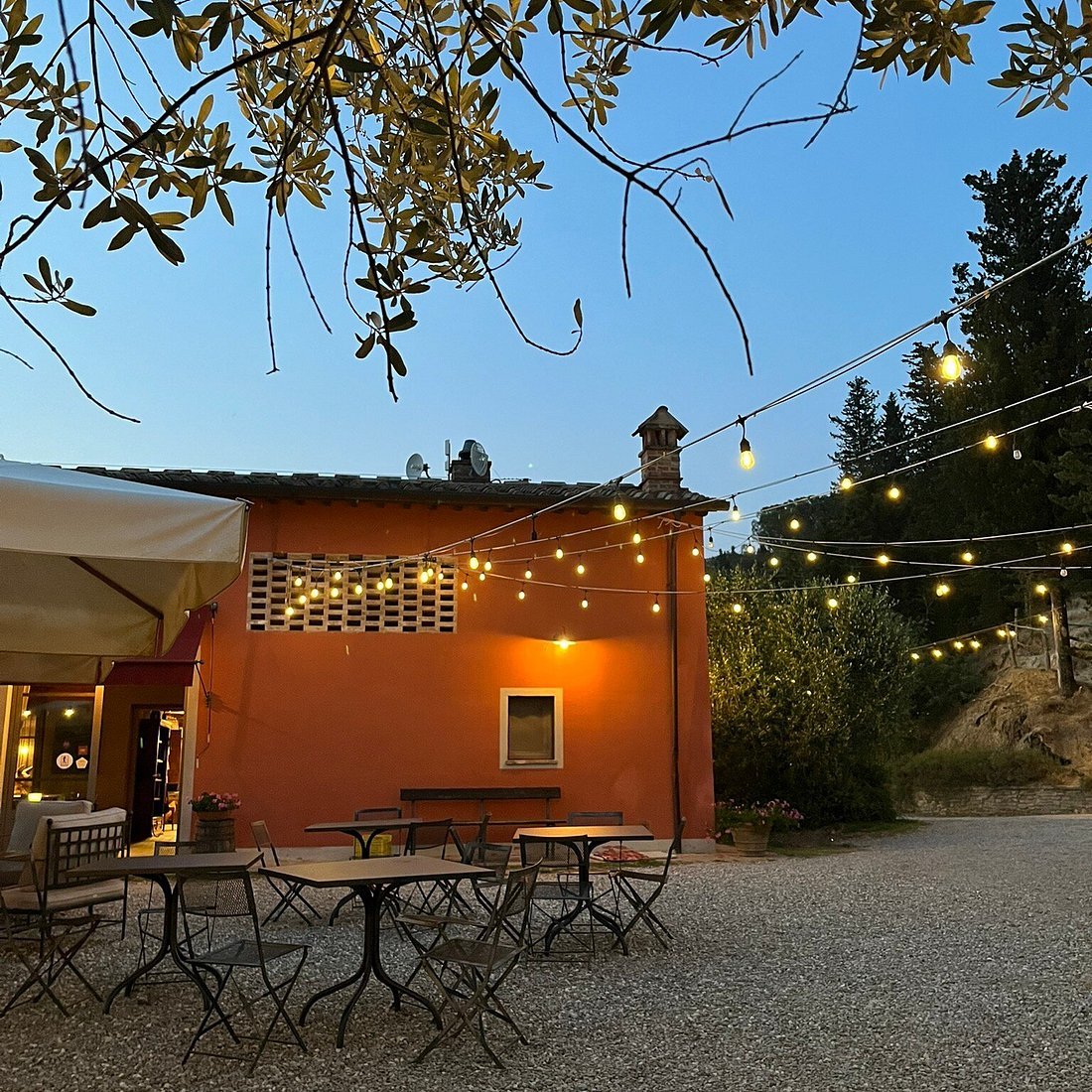
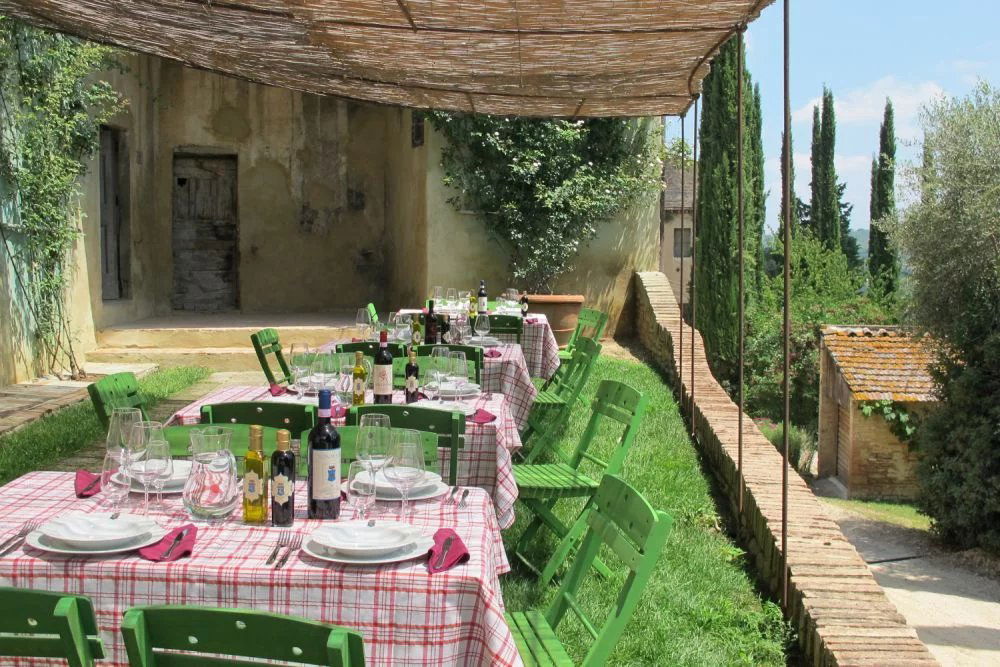
Castello Sonnino presents as an unvarnished Tuscan estate where production, not polish, defines the experience. The stonework and agricultural layout underline centuries of continuous use, and the surrounding working vineyards give the place a secluded, quietly serious character. Visitors encounter restrained charm rather than curated spectacle: it’s the kind of property you notice for what it makes rather than how it dresses up for guests. That low‑key authenticity makes the estate feel like a discovery—a hidden gem tucked into the Pesa Valley for those who prefer thoughtful, wine‑forward places over touristy showpieces.
Best For
This estate suits visitors who come with wines and landscape in mind: people seeking a quieter, more agricultural expression of Chianti and those interested in the terroir of the Pesa Valley. It reads well for intimate wine‑focused outings, date nights for couples who favor authenticity, and travelers looking to deepen their understanding of local sub‑zones. Because the property emphasizes production over hospitality infrastructure, it also appeals to guests who value low‑key, informative visits rather than highly staged tasting experiences.
Ordering Tips
Approach a visit expecting wine‑centric conversation rather than a tourist production: ask about the estate’s role in the Chianti Montespertoli sub‑zone and how altitude, drainage and microclimate influence specific bottlings. Because visitor access is described as supplementary to the agricultural operation, check availability and hours ahead of time and prioritize tastings that highlight Pesa Valley expressions. Favor bottles that reference vineyard or ridge sites to get a clearer sense of how this estate’s wines differ from those closer to Greve or Gaiole.
Venue details
Ambiance
Elegant historic castle atmosphere with rustic Tuscan charm, featuring monumental cellars and a sense of living history.
Tags
Vibe
Best For
Experience
Format
View
At the Bar
- Bar Category
- Wine Bar
- Late Night
- Closes by 10pm
Know before you go
Know Before You Go
- Getting there
- Via Volterrana Nord, 6, 50025 Montespertoli FI, Italy
Planning details
Location
Also consider
Also Consider
- Trattoria Da Ruggero, Notable alternative
- Villa Cora, Notable alternative
- Bellevue Roof Terrace, Notable alternative
- Enoteca Spontanea, Notable alternative
- Loggia Roof Bar, Notable alternative
Bar context
How it compares in and around Montespertoli
Choose Castello Sonnino when the brief is a quieter two-person countryside plan rather than a clearly priced restaurant or cocktail booking. Trattoria Da Ruggero is the stronger cross-shop for a meal-led evening, while Castello Sonnino makes more sense when the setting is doing more of the work than the menu.
For a more polished hotel-bar style night, Villa Cora, Bellevue Roof Terrace, and Loggia Roof Bar are easier to frame as occasion drinks, especially if views, service rhythm, and dressier ambience matter. They are better picks for visitors who want the evening to feel more structured from the start.
Enoteca Spontanea is the cleaner alternative for a wine-first plan. Castello Sonnino is the softer choice for a date where privacy and place outweigh a specific bottle list or dining format; Enoteca Spontanea is better when the drink selection is the point of the booking.
Explore Montespertoli
Around this place
Discover more on Pearl
Unlock the full Castello Sonnino guide in Pearl, including awards, comparisons, FAQs, planning details, and nearby places.
Compare Castello Sonnino
| Venue | Location | Awards |
|---|---|---|
| Castello Sonnino | Montespertoli | No published awards |
| Trattoria Da Ruggero | Florence | No published awards |
| Villa Cora | Florence | No published awards |
| Bellevue Roof Terrace | Florence | No published awards |
| Enoteca Spontanea | Florence | No published awards |
| Loggia Roof Bar | Florence | No published awards |
How Castello Sonnino Montespertoli compares with similar nearby venues.
FAQ
Frequently Asked Questions
Is Castello Sonnino good for a date?
Castello Sonnino may suit a date if you are comfortable confirming the details directly. It is in Montespertoli and has a smart casual dress code, but a specific dining style, menu, price point, or atmosphere is not available.
Is the food good at Castello Sonnino?
Cuisine, dishes, menu format, chef details, or food quality claims for Castello Sonnino are not available. If dining is the priority, compare it with another option such as Trattoria Da Ruggero and confirm current details with the venue.
Does Castello Sonnino have happy hour deals?
Happy hour deals, drinks offers, or a bar program for Castello Sonnino are not available. If you want another comparison, Loggia Roof Bar may be useful to consider separately.
Is Castello Sonnino good for groups?
Group suitability, room setup, seating capacity, or private-event details for Castello Sonnino are not available. For group planning, confirm directly with the venue before making arrangements.
Does Castello Sonnino have outdoor seating?
Outdoor seating at Castello Sonnino is not available. If outdoor space is important, ask the venue directly before you go.
What's the crowd like at Castello Sonnino?
Crowd, atmosphere, or typical guest profile details for Castello Sonnino are not available. The venue is in Montespertoli and has a smart casual dress code.