Sapporo Sushi & Steakhouse
Fisherman's Wharf, Monterey
Bar in Monterey, United States
 Book with Pearl
Why go
Sapporo Sushi & Steakhouse is a practical Monterey wharf pick when the group wants a broad sushi-and-steakhouse format without a difficult reservation. Book it for convenience, mixed tastes, and flexible lunch or dinner plans; cross-shop Kokoro Sushi if sushi quality is the main reason for going.
About Sapporo Sushi & Steakhouse
Sapporo Sushi & Steakhouse is a Monterey venue with daily hours and a casual dress code. The strongest confirmed planning detail is its schedule: it opens at 11:30 AM every day, closes at 9 PM Sunday through Thursday, and closes at 10 PM on Friday and Saturday.
Because the record does not include awards, chef details, price range, menu specifics, seating details, or signature dishes, the safest way to evaluate it is as a casual Monterey option rather than as a destination built around a documented specialty. If you are comparing options before committing, Kokoro Sushi is one other venue to consider.
Use it when the group wants a direct Monterey option
The case for considering Sapporo Sushi & Steakhouse is practicality. The posted schedule is daily, with later closing on Friday and Saturday than the rest of the week, which can help when plans shift. The dress code is casual, so it is better framed as an easygoing choice than as a formal special-occasion plan.
Food-quality expectations should stay grounded. Choose it only if the confirmed hours, Monterey location, and casual dress code fit the plan.
Who should cross-shop before choosing
If you want to compare Sapporo Sushi & Steakhouse with other venues, consider Jesena's Bar, Phoebe Hearst Social Hall, De Tierra Vineyards, Kokoro Sushi, or Mangia - Eat on Main based on what best fits your plans. The record for Sapporo Sushi & Steakhouse is limited, so use those comparisons to check whether its confirmed hours, Monterey location, and casual dress code are enough for your visit.
For wider trip planning, keep it in the casual-meal lane alongside our full Monterey restaurants guide, then build the rest of the day from broader Monterey hotel, bar, winery, and experience planning resources.
Planning details
- Location
- 3 Municipal Wharf 2, Monterey, CA 93940
- Website
- montereysapporo.com
- Phone
- +1 831 333 1616
The take
The Take
The Vibe
Sapporo Sushi & Steakhouse sits squarely in the pragmatic, mid-tier coastal tradition: the setting is a working wharf rather than a stage, and the dining room leans on that authenticity rather than theatrical seaside gestures. The dual sushi-counter/steakhouse format keeps the tone familiar and unpretentious—staff and menu aim to be accommodating rather than showy. The bar program matches that register, favouring approachable sake, light citrus cocktails and a wine list that plays well across preparations. Overall the place feels classic and relaxed, a waterfront room built for reliable, everyday enjoyment rather than a destination spectacle.
Best For
This is an ideal spot for groups and mixed-party dinners where tastes diverge: the combined sushi counter and steakhouse menu is explicitly designed to absorb a table of four with differing preferences. It also suits anyone seeking a straightforward waterfront meal—locals and visitors who appreciate fresh-sea air and an unflashy harbour atmosphere. Service and programming skew accessible, so the restaurant works well for casual group dining or a relaxed evening out rather than formal, high‑ceremony occasions.
Ordering Tips
Lean into the venue's dual strengths: order a mix of nigiri from the sushi counter and a composed steak dish to satisfy different appetites at the table. For drinks, follow the house register—sake offerings tend to be familiar, cocktails favour citrus and lighter spirits, and the wine list is curated to pair across both Japanese and steak preparations. Share courses so everyone can sample both formats, and let the staff recommend straightforward pairings that bridge nigiri and grilled steaks.
Venue details
Ambiance
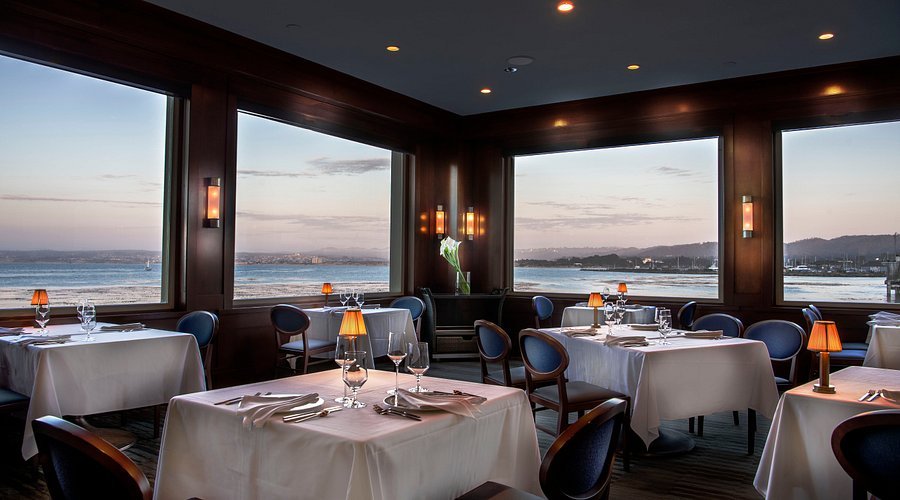
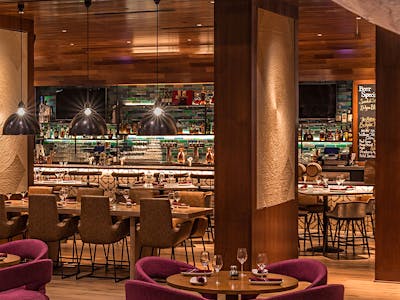
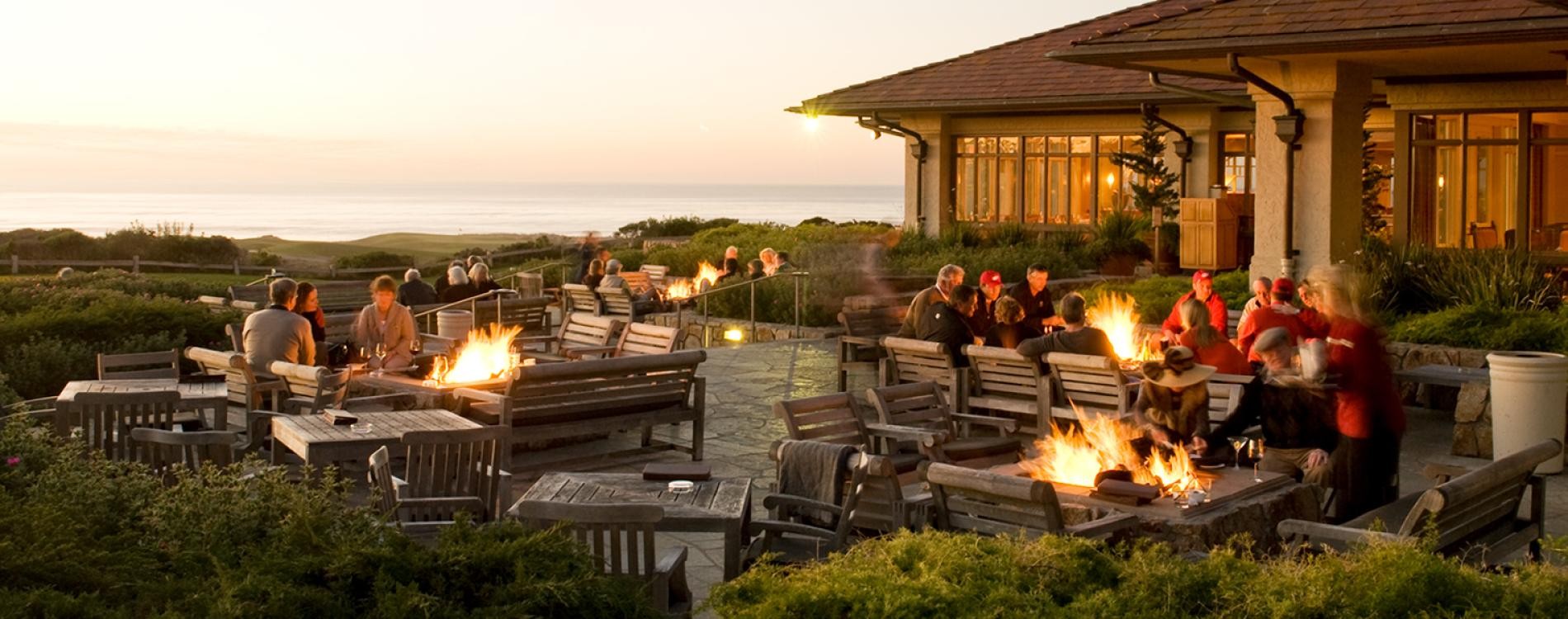
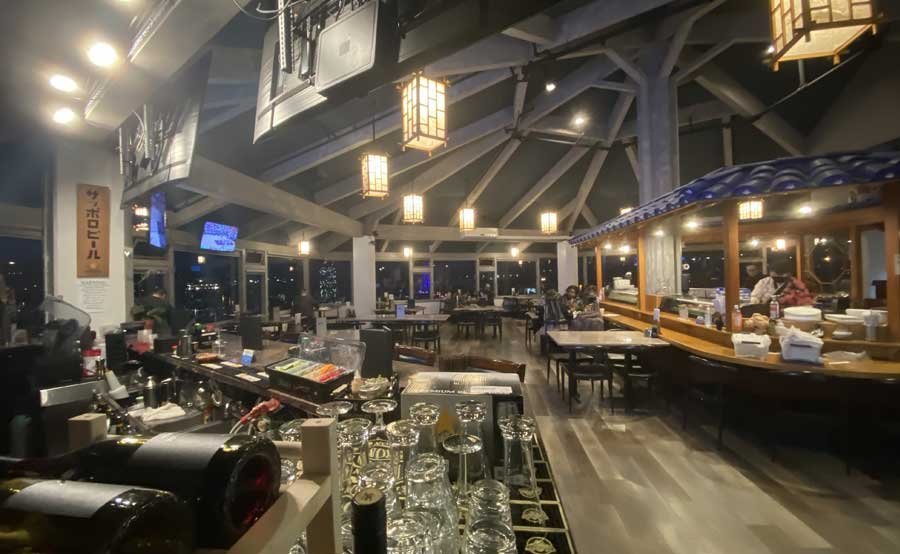
Cozy setting with large windows offering stunning harbor views.
Tags
Vibe
Best For
Experience
Format
View
At the Bar
- Bar Category
- Sake Bar
- Late Night
- Closes by 10pm
Know before you go
Know Before You Go
- Getting there
- 3 Municipal Wharf 2, Monterey, CA 93940
Planning details
Location
Also consider
Also Consider
- Phoebe Hearst Social Hall, Notable alternative
- De Tierra Vineyards, Notable alternative
- Jesena's Bar, Notable alternative
- Kokoro Sushi, Notable alternative
- Mangia - Eat on Main, Notable alternative
Bar context
Against Kokoro Sushi, Sapporo Sushi & Steakhouse is the broader, more general-purpose choice: better for mixed groups that want sushi plus steakhouse familiarity, less compelling if the whole point of dinner is sushi. Kokoro Sushi is the cleaner cross-shop for diners who want a more sushi-focused decision.
Compared with Jesena's Bar and Phoebe Hearst Social Hall, this is more meal-oriented and less bar-led. Pick the bars for drinks-first plans or a social stop; pick Sapporo when the group needs a full sit-down meal and an easier fit for varied appetites.
De Tierra Vineyards and Mangia - Eat on Main serve different use cases. De Tierra is the better choice for a wine-led outing, while Mangia is the more natural pick when Italian comfort food sounds better than sushi-and-steakhouse range. For booking ease, Sapporo remains the low-friction option.
Explore Monterey
Around this place
Discover more on Pearl
Unlock the full Sapporo Sushi & Steakhouse guide in Pearl, including awards, comparisons, FAQs, planning details, and nearby places.
Compare Sapporo Sushi & Steakhouse
| Venue | Location | Awards |
|---|---|---|
| Sapporo Sushi & Steakhouse | Monterey | No published awards |
| Phoebe Hearst Social Hall | Pacific Grove | No published awards |
| De Tierra Vineyards | Carmel-by-the-Sea | No published awards |
| Jesena's Bar | Carmel-by-the-Sea | No published awards |
| Kokoro Sushi | Salinas | No published awards |
| Mangia - Eat on Main | Salinas | No published awards |
How Sapporo Sushi & Steakhouse Monterey compares with similar nearby venues.
FAQ
Frequently Asked Questions
Is Sapporo Sushi & Steakhouse good for a date?
It may work for a casual date if the basics fit your plan: Monterey location, casual dress code, and daily hours. It closes at 9 PM Sunday through Thursday and 10 PM on Friday and Saturday. If you are deciding among venues, Jesena's Bar is another option to compare.
Is Sapporo Sushi & Steakhouse open late?
It is open later on Friday and Saturday, when the closing time is 10 PM. The rest of the week it closes at 9 PM.
Is Sapporo Sushi & Steakhouse good for groups?
It does have a casual dress code and daily hours, which may help with planning. Groups can also compare Phoebe Hearst Social Hall, Jesena's Bar, and De Tierra Vineyards depending on what kind of venue best fits the plan.