
Bar in Milwaukee, United States
Odd Duck
100ptsMidwest Seasonal Small Plates
About Odd Duck
On Milwaukee's South Side, Odd Duck has built a reputation around locally sourced, small-plate cooking that tracks the rhythms of the Upper Midwest growing season. The menu shifts with what regional farms and producers can deliver, making each visit a snapshot of the moment. It sits in a tier of independent Milwaukee restaurants where ingredient provenance is the core editorial position, not a talking point.
Where the South Side Meets the Farm Gate
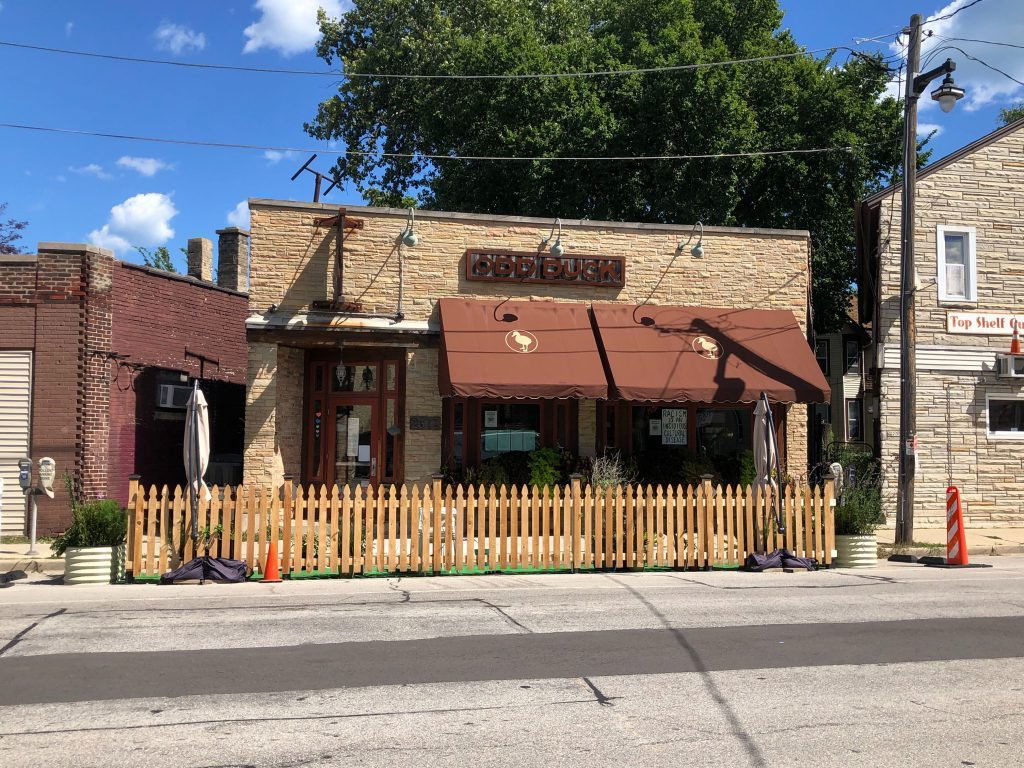
Walk south on 2nd Street through the Walker's Point neighbourhood and the building at 939 announces itself without fanfare: a converted space that reads more like a working dining room than a designed statement. The neighbourhood itself matters here. Walker's Point has become the corner of Milwaukee where independent operators with specific points of view tend to land, close enough to the Third Ward's foot traffic but with rents and a local character that reward commitment over spectacle. Arriving on a weekend evening, the room fills with a demographic that skews toward regulars rather than occasion diners, which tells you something about how Odd Duck has positioned itself over time.
The Sourcing Argument, Made Concrete
The Upper Midwest farming calendar is not forgiving. Wisconsin's growing season runs roughly May through October, which means any restaurant that genuinely anchors its menu to regional producers has to think hard about what spring ramps, summer corn, and autumn squash actually demand from a kitchen. Odd Duck has built its identity around that constraint rather than working around it. The small-plates format serves the sourcing logic well: a kitchen tracking what individual farms can deliver week to week operates more efficiently across a roster of composed small dishes than it does across a fixed menu of large plates with set protein-and-starch architecture.
This approach puts Odd Duck in a distinct Milwaukee peer group. Braise Restaurant & Culinary School has operated on similar farm-direct principles for years, and between these two addresses, Milwaukee has developed a coherent local-sourcing identity that is less visible from outside the city than it deserves to be. The supply relationships that both restaurants have built with Wisconsin and regional Midwest producers represent accumulated trust, not marketing copy.
Format and Pacing
Small-plate formats have proliferated to the point of cliché in American dining, but the underlying logic remains sound when the kitchen uses the format honestly. At Odd Duck, the menu organisation allows guests to build a meal across several dishes rather than committing to a single large protein. That suits a sourcing programme where the interesting thing on a given night might be a vegetable preparation or a grain dish rather than a centre-cut protein. It also allows the kitchen to express range, which matters when you're trying to make the case that regional Midwestern ingredients can generate real cooking ambition rather than merely wholesome rusticity.
Pacing tends toward the relaxed side, which fits the room's character. This is not a kitchen trying to move tables quickly, and the clientele seems to understand that. Plan for two hours minimum if you want to work through a proper spread of dishes. The bar programme has developed alongside the food, with a focus on craft spirits and a wine list that reflects the same interest in producer relationships that the kitchen demonstrates with food.
Drinking Well at Odd Duck
The cocktail and wine offering at Odd Duck reflects the same structural logic as the food: a preference for producers and makers with identifiable points of view over generic volume brands. American craft spirits fit naturally into that framework, and the bar tends to feature them prominently. For wine, the list leans toward smaller producers, with natural and low-intervention selections appearing alongside more conventional choices. If you are building a pairing across several small plates, a light-bodied red or skin-contact white tends to move across the menu's variety of preparations more gracefully than a heavier, single-note pour.
For comparison, the craft-forward bar programmes at places like Kumiko in Chicago or Bar Leather Apron in Honolulu show how seriously mid-tier independent programmes have raised the floor on cocktail execution over the past decade. Odd Duck operates in that same spirit of intentionality, though its bar plays a supporting role to the food rather than leading as the primary attraction. Milwaukee's own bar scene, anchored by rooms like At Random, Birch, and Boone & Crockett, demonstrates that the city is serious about drinking as well as eating.
Where Odd Duck Sits in Milwaukee's Dining Picture
Milwaukee's independent restaurant scene has been underread by national food media for years, which has had the paradoxical effect of keeping certain operators focused on local reputation rather than external validation. Odd Duck has accumulated a following that is almost entirely Milwaukee-built, which gives it a stability that trend-driven restaurants in higher-profile cities often lack. The restaurant press that has paid attention tends to cite the sourcing commitment and the consistency of execution across menu iterations rather than any single signature dish, which is the correct way to evaluate a kitchen operating on seasonal logic.
In the broader Midwest context, the farm-to-table operating model that Odd Duck represents sits between the high-formality tasting-menu end of the market (where Chicago dominates) and the casual neighbourhood end where provenance often gets asserted rather than demonstrated. Odd Duck occupies a productive middle ground: the format is informal enough to visit on a Tuesday without occasion, but the kitchen's seriousness about ingredients means the cooking reads at a level above neighbourhood comfort food. That positioning is harder to maintain than it sounds, and the longevity of the restaurant suggests the kitchen has managed it.
For readers building a broader Midwest itinerary, the comparison set worth tracking includes Jewel of the South in New Orleans, Julep in Houston, Superbueno in New York City, ABV in San Francisco, and The Parlour in Frankfurt as examples of independent operators whose programming reflects genuine conviction about ingredients and technique rather than category-filling. See also our full Milwaukee restaurants guide for the wider picture.
Planning Your Visit
Odd Duck is located at 939 S 2nd St in Milwaukee's Walker's Point neighbourhood, accessible by car with street parking available along 2nd Street and adjacent blocks. The restaurant draws consistently across the week, with Friday and Saturday evenings filling the room most reliably; a booking made several days in advance for weekend service is a sensible precaution. Weeknight visits tend to run at a more relaxed pace and are worth considering if a quieter room suits your preference. The menu changes with the season, so a visit in late summer, when Wisconsin's produce calendar is at its fullest, gives the kitchen the widest range to work with.
Frequently Asked Questions
- What should I drink at Odd Duck?
- The bar programme follows the same producer-conscious logic as the kitchen, with craft American spirits and a wine list that includes smaller, often low-intervention producers. Across a spread of small plates, a lighter red or skin-contact white tends to move across varied preparations more successfully than a single-varietal heavyweight. The cocktail selection is worth exploring as an aperitif or alongside the earlier courses.
- What should I know about Odd Duck before I go?
- Odd Duck operates as a small-plates restaurant in Milwaukee's Walker's Point neighbourhood with a menu that tracks the Upper Midwest growing season. The format rewards ordering several dishes across the menu rather than anchoring to one large plate. The room has an established local following, which means the atmosphere reads as neighbourhood regulars rather than destination-dining tourist traffic.
- Do I need a reservation for Odd Duck?
- Reservations are advisable for Friday and Saturday evenings, when the room fills consistently. Weeknight visits carry less risk of a wait, though the restaurant's established local reputation means it does not go empty mid-week. Checking availability a few days ahead for weekend service is sensible practice.
- Who tends to like Odd Duck most?
- Diners who prefer a sourcing-led kitchen over a chef-driven tasting-menu format find Odd Duck well-suited to their priorities. The informal small-plates format appeals to guests who want flexibility in how they build a meal, and the price positioning makes it accessible for a regular Tuesday dinner as well as a deliberate outing. Those specifically interested in Midwest agriculture and regional food systems will find the sourcing programme worth paying attention to.
- Is Odd Duck actually as good as people say?
- The restaurant's longevity and consistently local-first following suggest the kitchen delivers on its sourcing argument rather than merely asserting it. In a city where independent restaurants compete without the benefit of national media amplification, sustained reputation is a more reliable signal than any single review. The cooking sits above casual neighbourhood fare in ambition and execution, which justifies the attention it receives from Milwaukee's serious dining community.
- How does Odd Duck's sourcing approach differ from other farm-to-table restaurants in Milwaukee?
- Where many restaurants adopt regional sourcing as a general policy, Odd Duck's small-plates format is structurally built around it: the menu's flexibility allows the kitchen to respond to what individual Wisconsin producers can actually deliver in a given week, rather than accommodating local ingredients within a fixed large-plate framework. This operational alignment between format and sourcing places it alongside Braise as one of the addresses in Milwaukee where farm-direct relationships show up on the plate rather than just on the menu copy.
Related editorial
- Best Fine Dining Restaurants in ParisFrom three-Michelin-star icons to the next generation of Parisian chefs pushing boundaries, these are the restaurants that define fine dining in the world's culinary capital.
- Best Luxury Hotels in RomeFrom rooftop terraces overlooking ancient ruins to Michelin-starred hotel dining, these are the luxury hotels that make Rome unforgettable.
- Best Cocktail Bars in KyotoFrom sleek lounges to hidden speakeasies, Kyoto's cocktail scene blends Japanese precision with global influence in ways you won't find anywhere else.
Save or rate Odd Duck on Pearl
Keep this venue in your Pearl passport, rate it after you visit, and track it alongside every other place you collect.