La Piola
Buenos Aires - Porta Venezia - Porta Monforte, Milan
Bar in Milan, Italy
 Book with Pearl
The Read
Price
$20–30per person
Why go
La Piola is a practical Milan pick when convenience and a food-friendly stop matter more than a documented cocktail program or awards signal. Choose it for an easy neighborhood meal window; cross-shop Bar Basso, drinc. Cocktail & Conversation, Remedy Wine & Spirits, Orto Green Food & Mood Bar, or Moebius Milano if the night needs a clearer bar identity.
About La Piola
In Milan, La Piola works best as a practical lunch or dinner option: it operates from Monday to Saturday, closes on Sunday, and lists a smart-casual dress code.
The useful read is simple: consider La Piola when its Milan location and service windows fit your plans. Do not choose it for a named chef, documented awards, a published signature dish, or a clearly defined cocktail identity. If you are comparing Milan options, you might also look at Bar Basso, Remedy Wine & Spirits, Orto Green Food & Mood Bar, or drinc. Cocktail & Conversation.
Use it as a practical stop, not a trophy booking
La Piola is a convenient Milan stop for an explorer who likes context. If the meal is the main event, start with Our full Milan restaurants guide. If you want to compare it with other Milan venues before committing, focus on the practical basics rather than unsupported claims.
The case for La Piola is planning simplicity rather than ceremony. Its hours are 12:30–2 PM and 7:30–10 PM from Monday to Saturday, with Sunday closed. That can make it easier to fit into a Milan itinerary than venues with less compatible timing. Pair the decision with Our full Milan hotels guide, Our full Milan bars guide, Our full Milan wineries guide, and Our full Milan experiences guide.
When to choose another Milan venue instead
If the night needs a more defined brief, cross-shop first. La Piola is in Milan’s Buenos Aires - Porta Venezia - Porta Monforte area. For another Milan option, compare it with Bar Basso, Remedy Wine & Spirits, Orto Green Food & Mood Bar, or drinc. Cocktail & Conversation. La Piola is the safer call when its hours and Milan setting are the priority; it is not the strongest call for a researched drinks itinerary.
Planning details
- Location
- Viale Abruzzi, 23, 20131 Milano MI, Italy
- Reservations
- Book on Quandoo
- Website
- lapiola.it
- Phone
- +39 02 2953 1271
The take
The Take
The Vibe
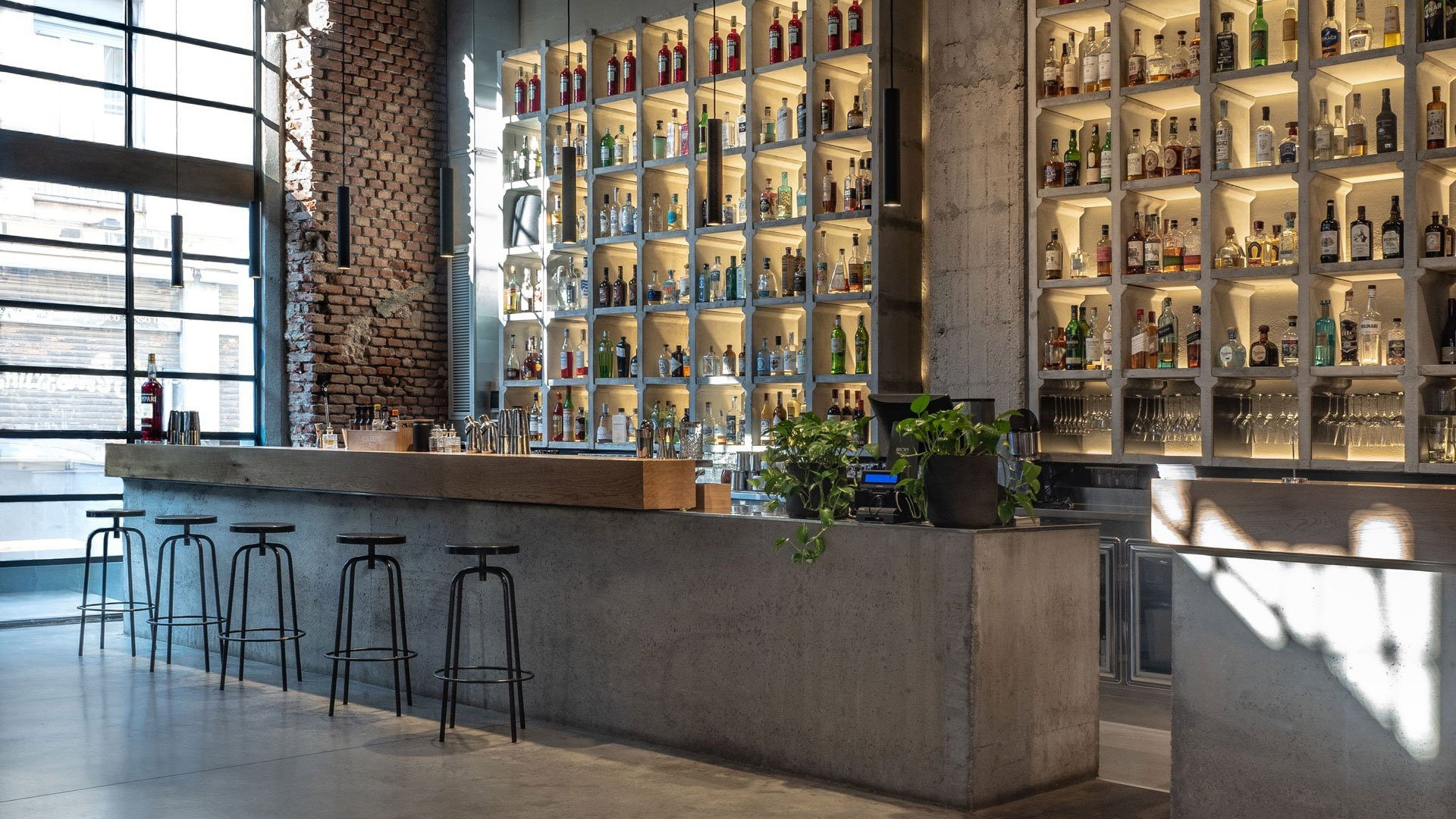
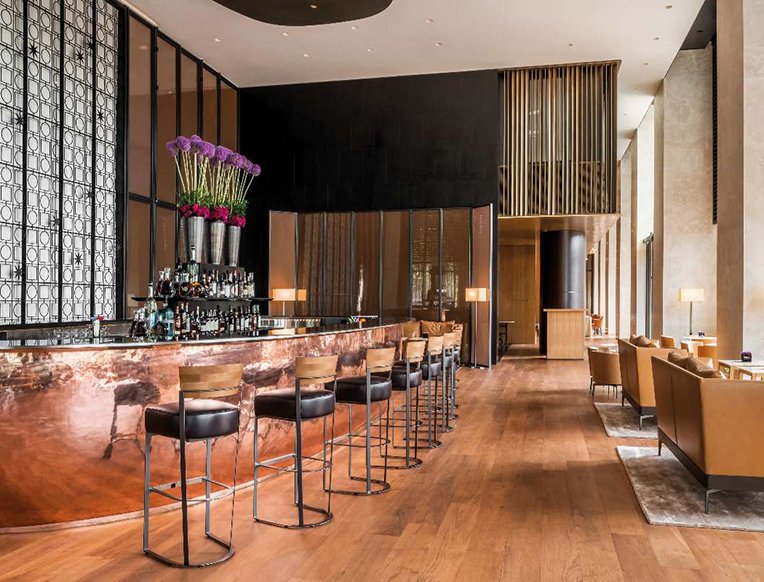
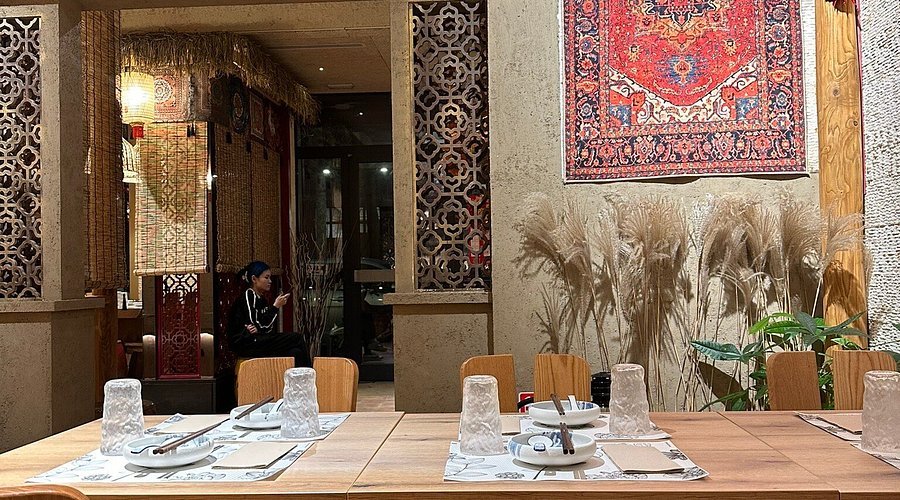
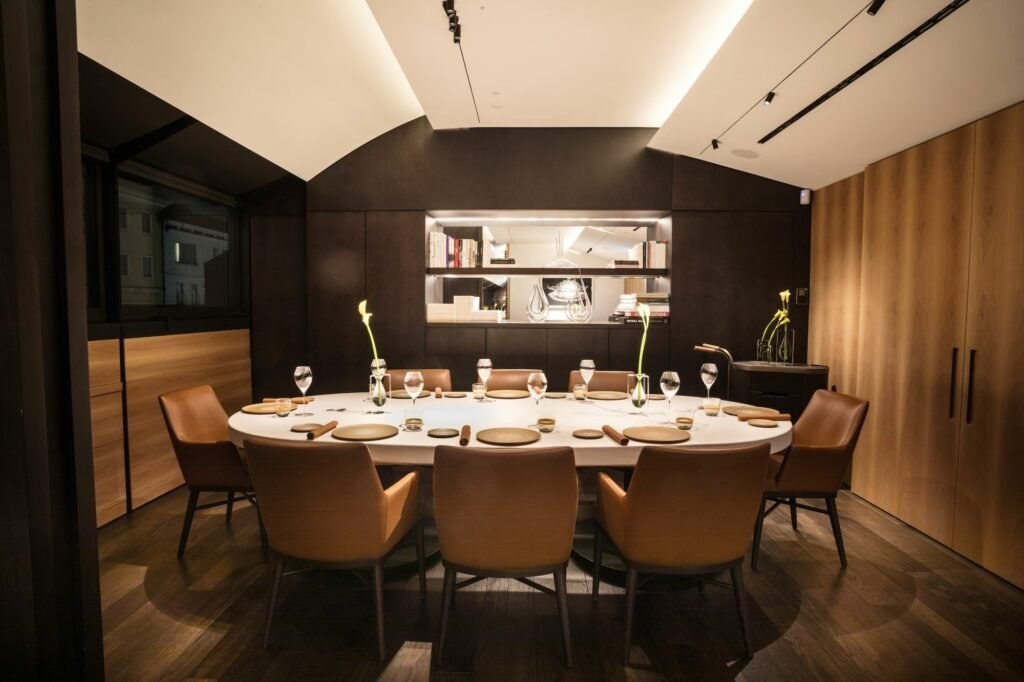
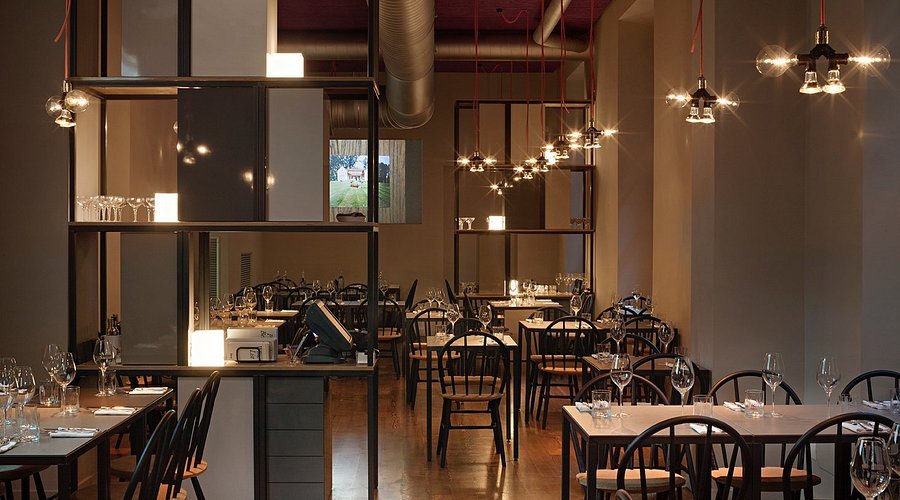
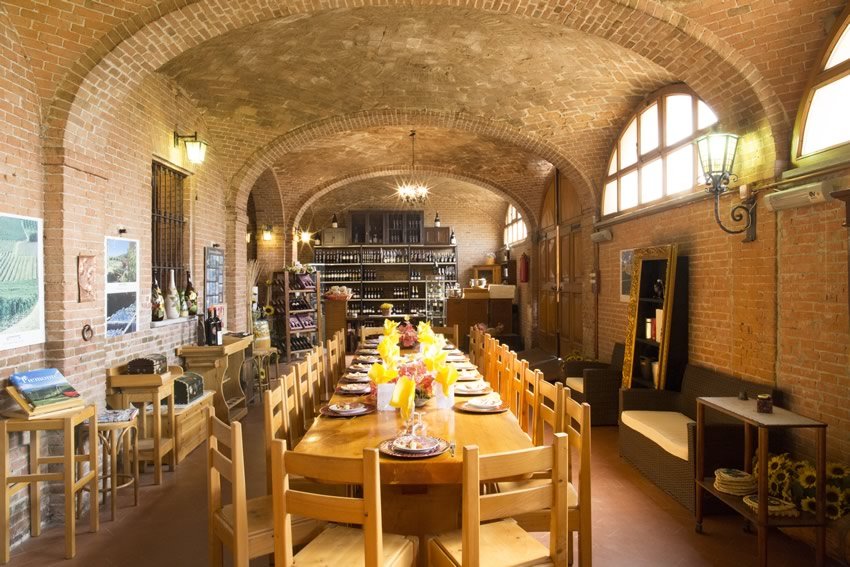
La Piola presents as a low-key, neighbourhood bar that privileges steadiness over spectacle. It sits east of the centre on quieter streets and cultivates a roster of regulars; Milanese residents use it. The atmosphere reads as understated and relaxed, with an intimate focus on doing the fundamentals well instead of theatrical presentation. Expect an unflashy, dependable evening where familiarity and calm replace the high-design, camera-ready energy of central cocktail rooms.
Best For
This is a place for locals and anyone seeking an unpretentious evening away from busy tourist hubs. La Piola suits after-work drinks, casual hangouts with friends, and small group visits where reliability matters more than novelty. It lends itself to repeat visits, people come back because the bar delivers consistent service and a familiar atmosphere, so it’s a sensible choice for those who prefer neighbourhood rhythm to destination theatrics. It is less appropriate for grand, high-profile celebrations and more fitting for understated gatherings and routine evenings out.
Venue details
Ambiance
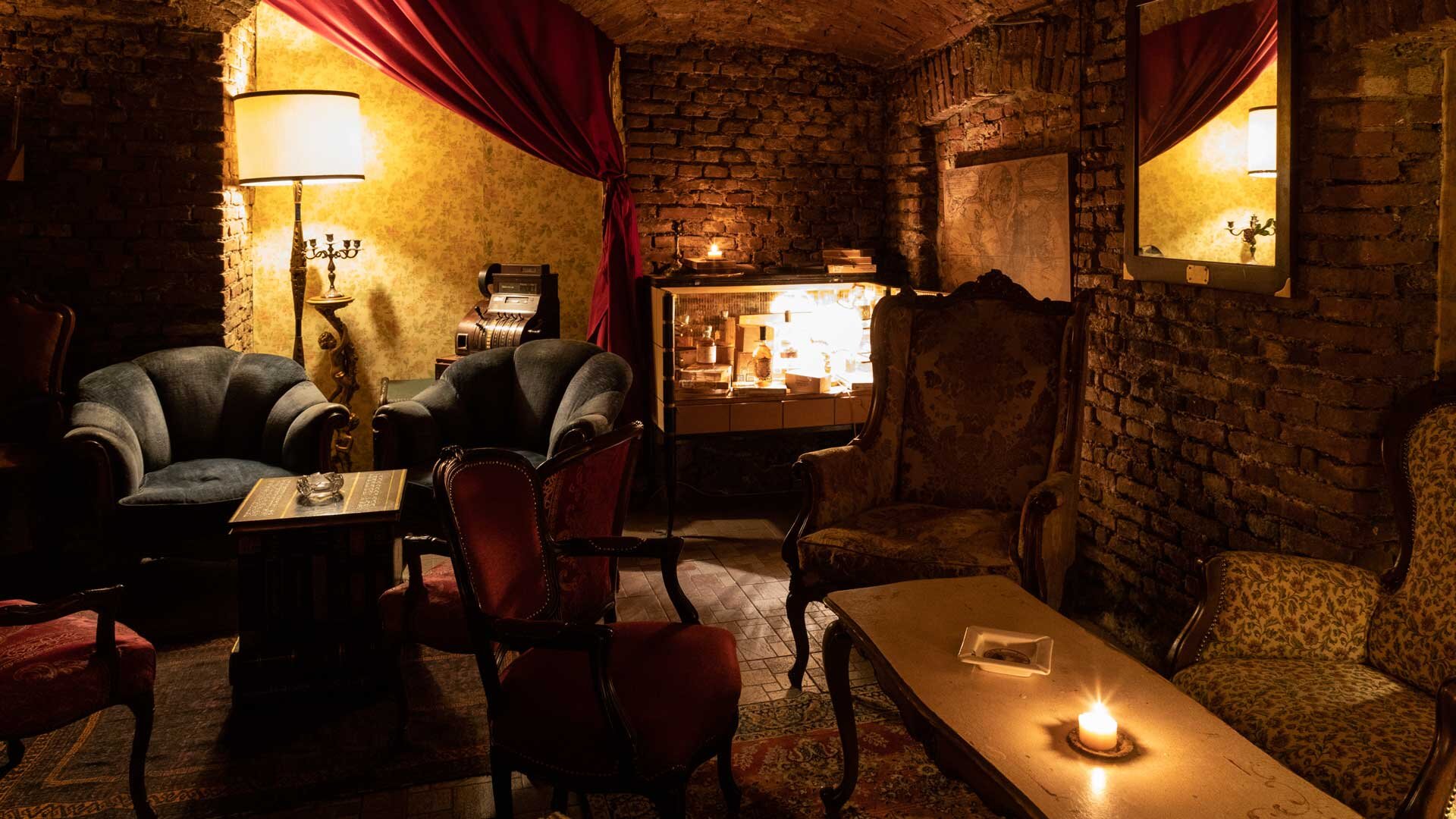
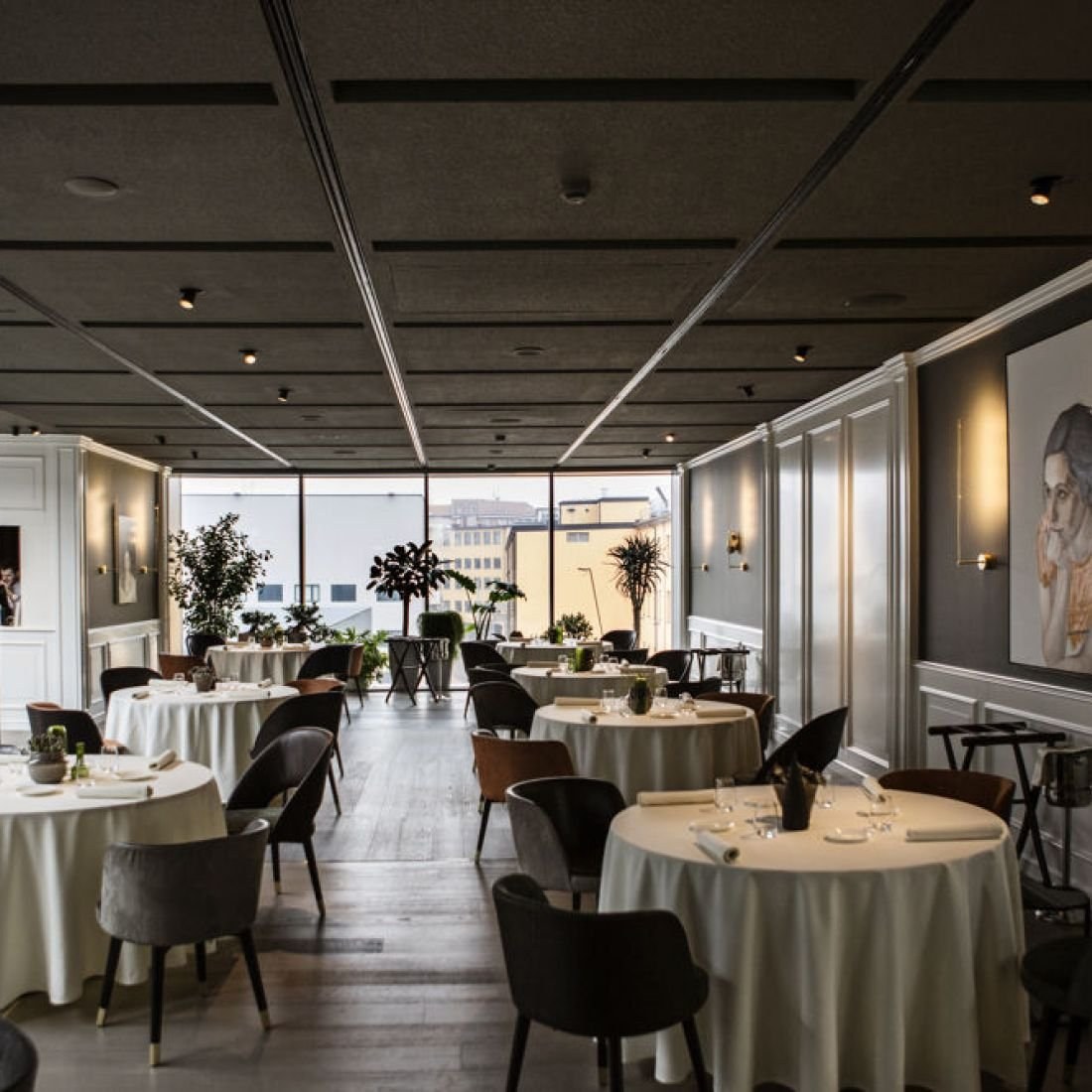
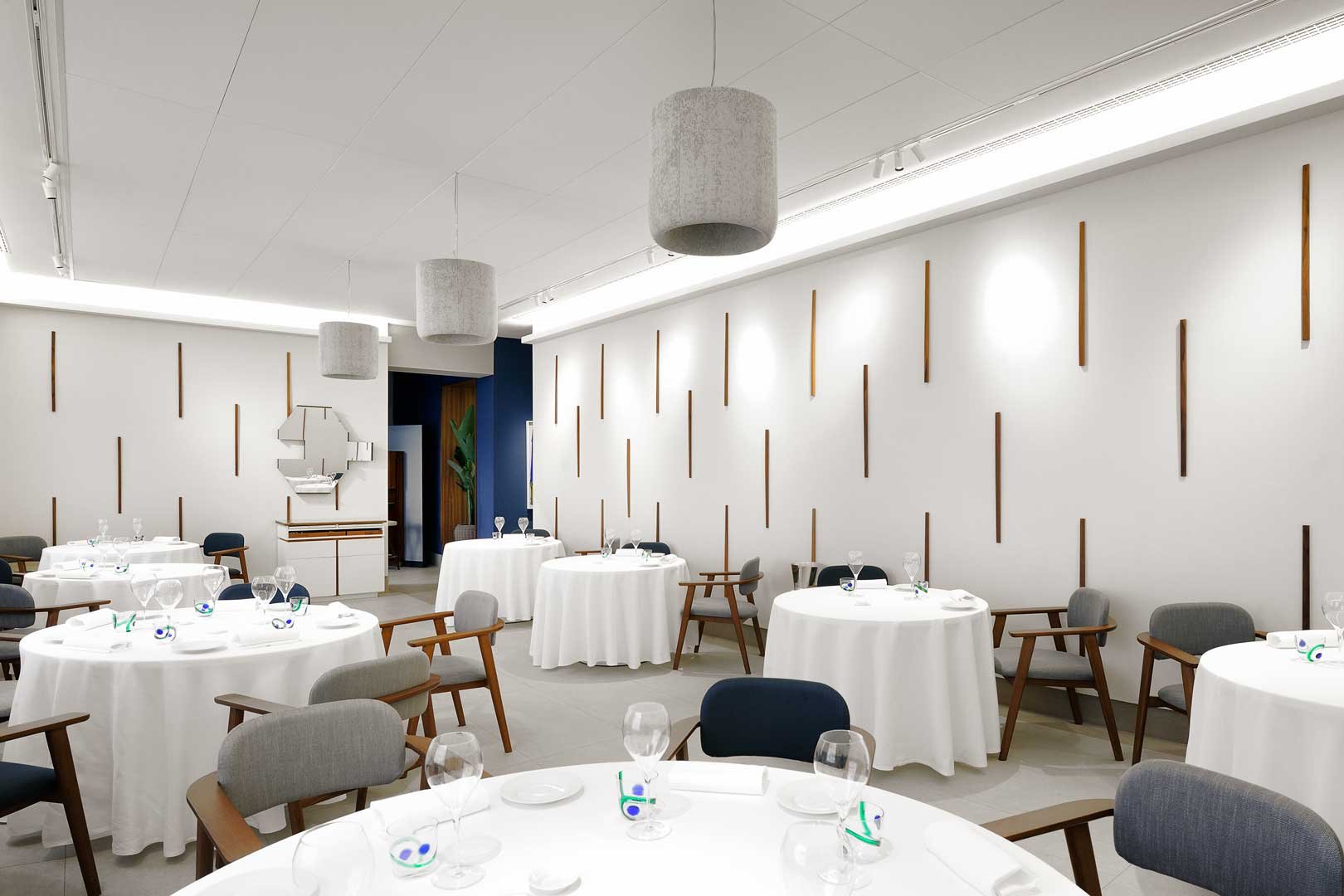
Elegant and charming with a refined atmosphere ideal for aperitifs.
Tags
Vibe
Best For
Experience
Format
At the Bar
- Bar Category
- Cocktail Bar
- Late Night
- Closes by Midnight
- Music
- Dj
Know before you go
Know Before You Go
- Getting there
- Viale Abruzzi, 23, 20131 Milano MI, Italy
Planning details
Location
Also consider
Where to go if La Piola is not the fit
For a more drinks-led Milan night, try drinc. Cocktail & Conversation. For a more classic bar call, Bar Basso is the cleaner alternative.
Bar context
How La Piola compares in Milan
La Piola is the easier, more functional choice if the plan starts with food and timing rather than a cocktail pilgrimage. Bar Basso is the better fit when the brief is classic Milan bar energy, while drinc. Cocktail & Conversation reads as the stronger pick for a drinks-led evening where the cocktail program is the point.
For wine or spirits focus, Remedy Wine & Spirits is the cleaner cross-shop. If the group wants a lighter mood-bar format, Orto Green Food & Mood Bar is more clearly positioned for that decision. Moebius Milano is the one to compare when the night needs a more designed, experience-forward setting.
The practical verdict: La Piola is useful when ease matters; the peers are stronger when the night needs a more defined reason to go. For value, the missing price signal means it is safer to judge by convenience and occasion fit rather than assume a deal.
Around this place
Discover more on Pearl
Unlock the full La Piola guide in Pearl, including awards, comparisons, FAQs, planning details, and nearby places.
Compare La Piola
| Venue | Location | Awards |
|---|---|---|
| La Piola | Milan | No published awards |
| Bar Basso | Milan | No published awards |
| drinc. Cocktail & Conversation | Milan | No published awards |
| Remedy Wine & Spirits | Milan | No published awards |
| Orto Green Food & Mood Bar | Milan | No published awards |
| Moebius Milano | Milan | The 50 Best Bars 2026 — 1–50 · #22026 Europe's 50 Best Bars · #62026 Pinnacle GuideTales Spirited Awards 2026 - Best International Bar Team presented by William Grant & Sons - Best International Bar Team presented by William Grant & Sons (Top Four Finalist)Tales Spirited Awards 2026 - Best International Bar Team – Europe - Best International Bar Team – Europe (Regional Top 10 Honoree)2025 World's 50 Best Bars · #7Top 500 Bars 2025 · #92024 World's 50 Best Bars · #38 |




How La Piola Milan compares with similar nearby venues.
FAQ
Frequently Asked Questions
Do I need a reservation at La Piola?
Plan around the set lunch and evening service windows from Monday to Saturday, with Sunday closed.
Is La Piola good for a date?
It may suit a simple Milan plan if the hours and smart-casual dress code match what you want. If ambience, seating style, price level, or special-occasion polish matter, check current details first.
What's the crowd like at La Piola?
Plan around lunch and dinner rather than an open-ended late-night schedule. If crowd or atmosphere is decisive, check current details before going. If you want another Milan comparison, drinc. Cocktail & Conversation is one option to consider.