Zinco Jazz Club
Centro, Mexico City
Bar in Mexico City, Mexico
 Book with Pearl
The Read
Price
$20–30per person
Why go
Zinco Jazz Club is worth choosing when the night needs a focused live-music plan in Mexico City rather than another open-ended bar stop. It suits dates, celebrations, and small groups better than loose group drinks, with value tied to the performance format rather than a quick round.
About Zinco Jazz Club
Zinco Jazz Club is a Mexico City jazz-club option with late-night hours from Wednesday through Saturday. The clearest planning facts are simple: it is closed Monday, Tuesday, and Sunday; it opens Wednesday to Saturday from 9 PM to 1 AM; and the dress code is smart casual.
A late-night jazz-club plan in Mexico City
Use Zinco Jazz Club when the evening is meant to center on a jazz-club setting rather than a general bar stop. Specific details such as seating layout, cover charges, menu, beverage program, and reservation policy should be confirmed directly before making plans.
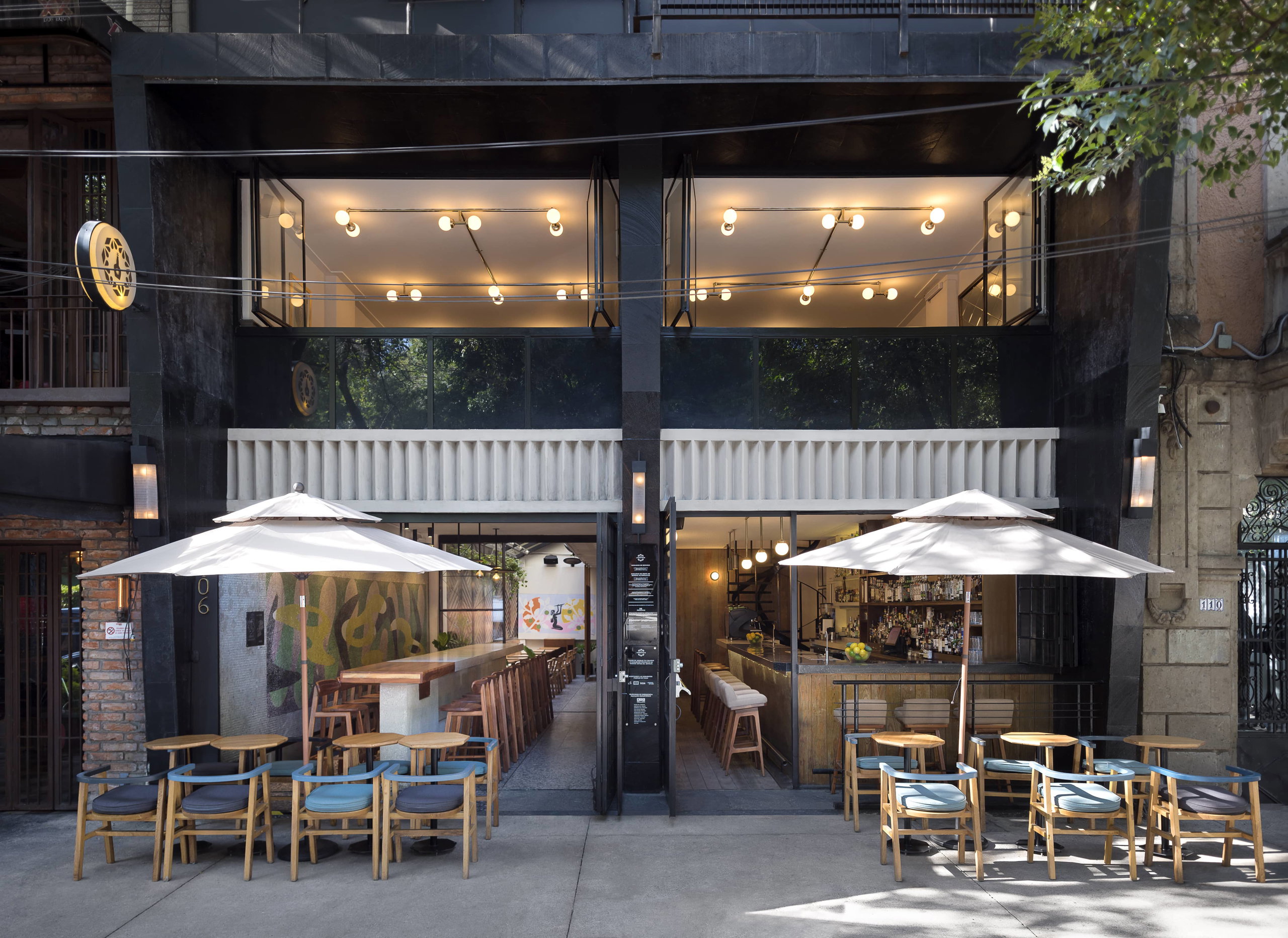
The main tradeoff is planning certainty. The schedule supports a late-night visit from Wednesday through Saturday; however, details on lunch, early-evening service, outdoor seating, pricing, or a particular service format are not provided.
Value depends on whether the schedule fits your night
Book this into an itinerary when the Wednesday-to-Saturday 9 PM–1 AM window works for your plans. Without pricing or menu information, the cleanest way to judge fit is by timing and dress code rather than by assuming a specific spend or food-and-drink format. If the group only wants drinks before dinner, use our full Mexico City bars guide and pick a more flexible stop.
For a fuller night in Mexico City, pair the decision with nearby dining research from our full Mexico City restaurants guide. Travelers building a wider itinerary can also cross-check our full Mexico City hotels guide, our full Mexico City experiences guide, and our full Mexico City wineries guide rather than treating the club as the whole evening.
Who should choose it over a bar
Choose Zinco Jazz Club if a late-night jazz-club setting in Mexico City is the goal and smart casual dress works for the group. If the plan needs a different bar or dining format, compare it with Azul Historico, BAR DONCELES, La Botica Centro, La Casa del Cine, or Salon Familiar La Mascota Cantina. The better choice is the one that matches the timing and tone of the night.
Planning details
- Location
- Calle de Motolinia 20, Centro Histórico de la Cdad. de México, Centro, Cuauhtémoc, 06050 Ciudad de México, CDMX, Mexico
- Reservations
- Book on the venue's website
- Website
- zincojazz.com
- Phone
- +52 55 1131 7760
The take
The Take
The Vibe
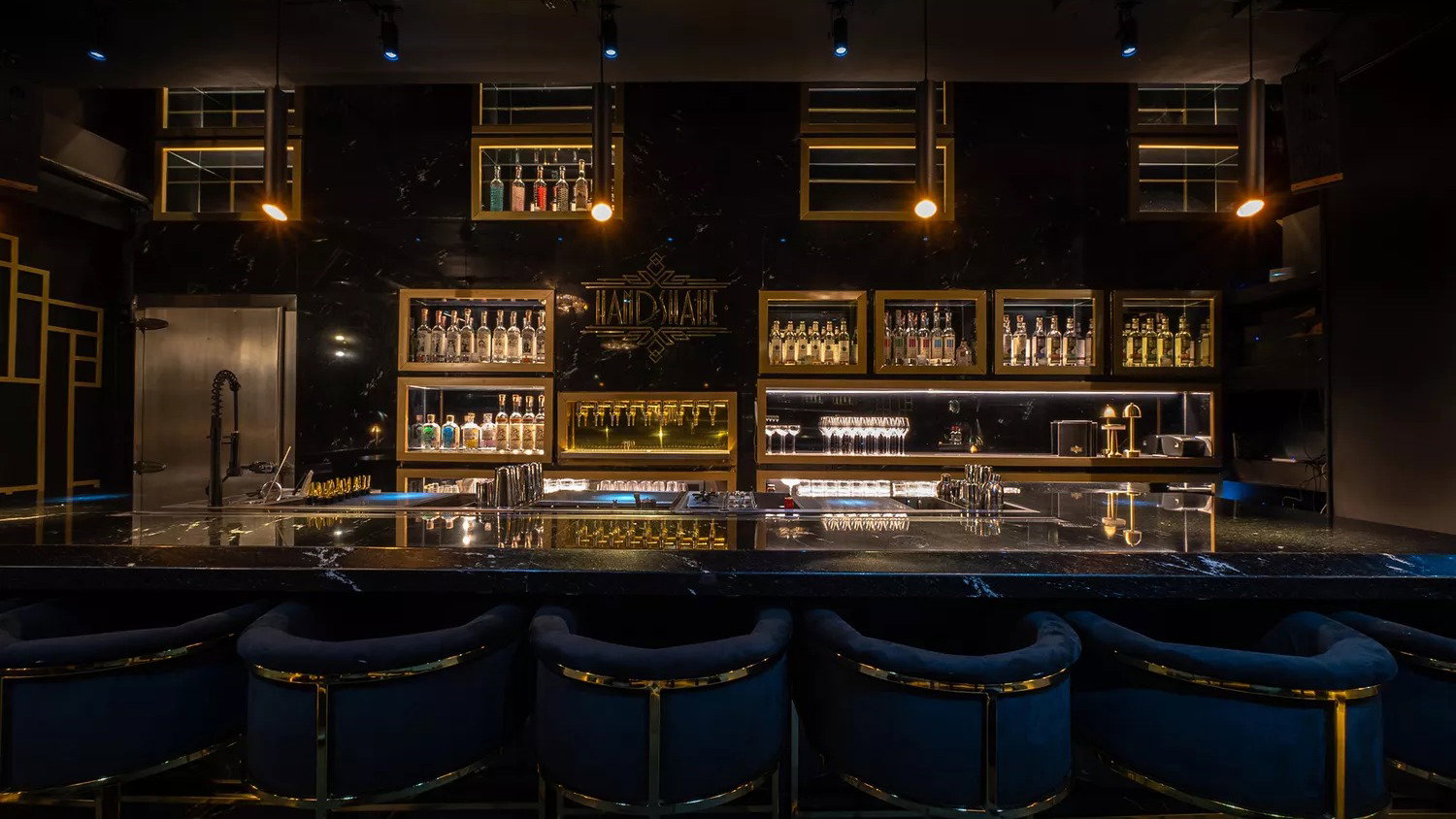
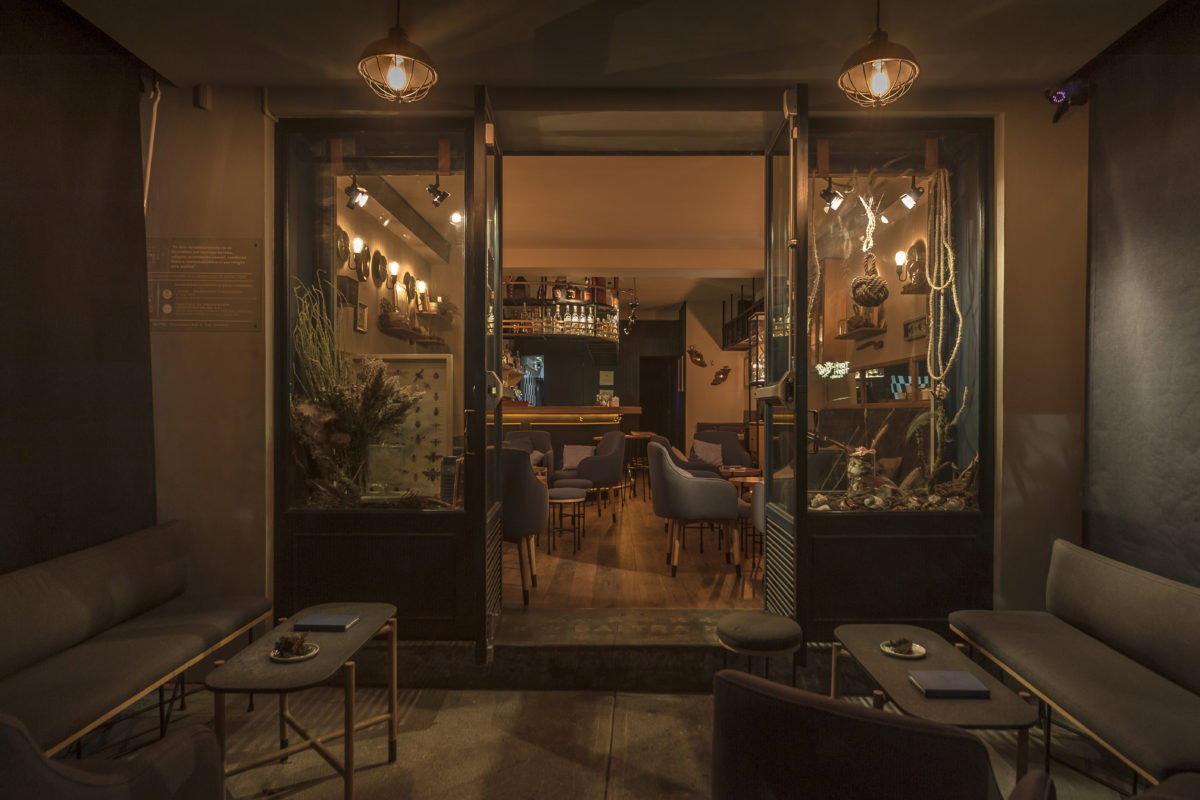
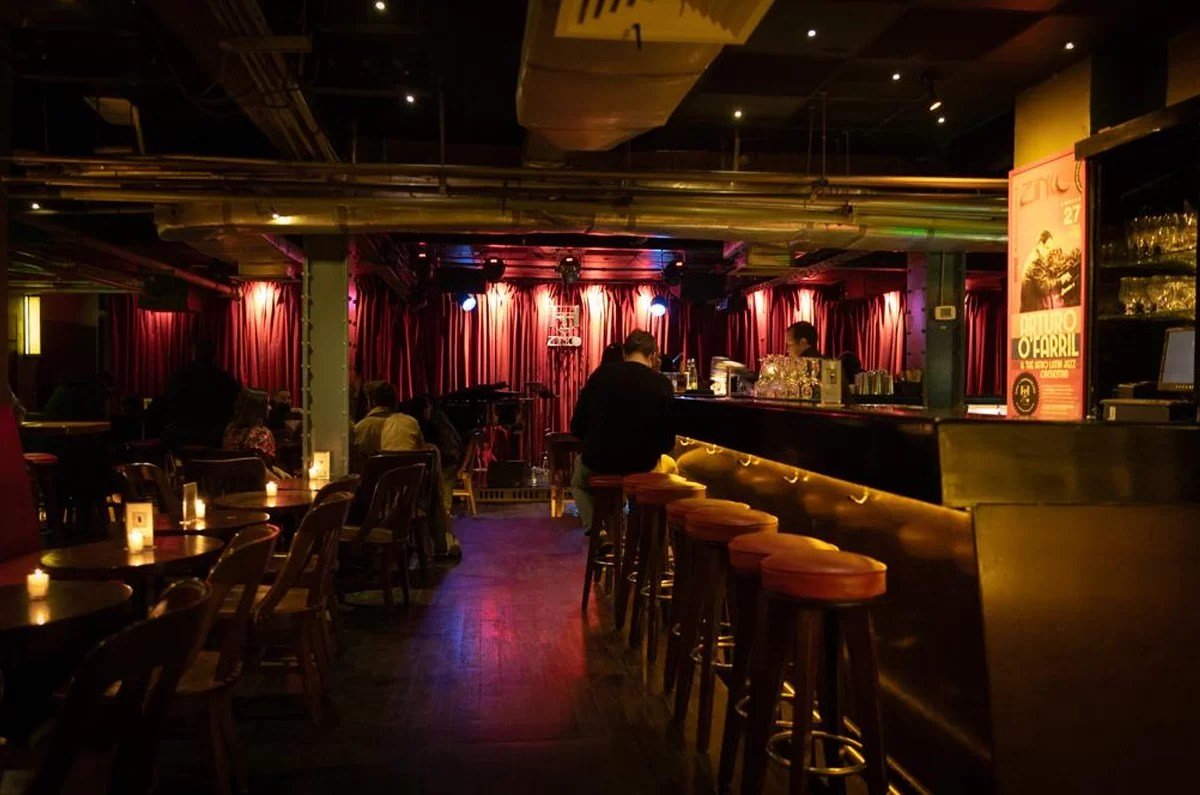
Zinco Jazz Club sits beneath the street in a vaulted, colonial-era basement that makes the room feel historic and deliberately enclosed. The space is configured around listening: the stage placement ensures almost every seat faces the performers, and the programming cultivates an attentive crowd of musicians, critics, and regulars. Rather than competing with Mexico City’s louder nightlife, Zinco operates like a European jazz club—reserved and focused—where the music is central and the architecture heightens the experience. The result is a charming, timeworn setting built for concentrated performances and sustained listening.
Best For
Zinco is best for evenings when live sets are on the bill: weekend nights attract the biggest bookings and the most dedicated audiences, so it works particularly well for date nights or special evenings when you want music to be the main event. The venue’s listening-first ethos also makes it suitable for solo outings by music fans who seek focused performances, or for quiet group outings where conversation yields to the stage. This is a performance-first room rather than a late-night party spot, so plan visits around the scheduled sets.
Ordering Tips
Think of the bar as support for the music program: the drinks menu is intended to complement listening rather than showcase technical cocktail theater. Expect straightforward, serviceable options rather than elaborate mixology; if you care about catching a particular act, book or arrive early—weekend shows draw the heaviest bookings. And because the audience is expected to pay attention, keep conversations low during sets so the room’s attentive atmosphere remains intact.
Venue details
Ambiance
Dimly lit underground space with retro decor in red and black, creating a speakeasy-like atmosphere.
Tags
Vibe
Best For
Experience
Format
At the Bar
- Bar Category
- Lounge
- Late Night
- Open Until 2am
- Music
- Jazz
- Live Music
- Yes
- Spirits Focus
- Mezcal, Tequila, Whiskey
Signature Pours
mezcalini de tamarindo
Know before you go
Know Before You Go
- Getting there
- Calle de Motolinia 20, Centro Histórico de la Cdad. de México, Centro, Cuauhtémoc, 06050 Ciudad de México, CDMX, Mexico
Planning details
Location
Calle de Motolinia 20, Centro Histórico de la Cdad. de México, Centro, Cuauhtémoc, 06050 Ciudad de México, CDMX, Mexico · Directions
Also consider
Also Consider
- La Botica Centro, Notable alternative
- Azul Historico, Notable alternative
- BAR DONCELES, Notable alternative
- La Casa del Cine, Notable alternative
- Salon Familiar La Mascota Cantina, Notable alternative
Bar context
How it compares in Mexico City
Choose Zinco Jazz Club when live music is the reason for the night. Against La Botica Centro, BAR DONCELES, and Salon Familiar La Mascota Cantina, it is the more structured pick: better for a date or celebration, less useful for a quick drink or a group that wants flexibility.
Azul Historico makes more sense if the priority is pairing the night with a broader Centro Histórico dining plan. La Casa del Cine is the better cross-shop if the group wants a culture-led evening but not necessarily a jazz-club format. For value, Zinco is easiest to justify when everyone wants to stay for the performance; if half the group only wants one drink, pick a simpler bar.
Explore Mexico City
Around this place
Discover more on Pearl
Unlock the full Zinco Jazz Club guide in Pearl, including awards, comparisons, FAQs, planning details, and nearby places.
Compare Zinco Jazz Club
| Venue | Location | Awards |
|---|---|---|
| Zinco Jazz Club | Mexico City | No published awards |
| La Botica Centro | Mexico City | No published awards |
| Azul Historico | Mexico City | No published awards |
| BAR DONCELES | Mexico City | No published awards |
| La Casa del Cine | Mexico City | No published awards |
| Salon Familiar La Mascota Cantina | Mexico City | No published awards |
How Zinco Jazz Club Mexico City compares with similar nearby venues.
FAQ
Frequently Asked Questions
What's the crowd like at Zinco Jazz Club?
The crowd profile is not available. Zinco Jazz Club is in Mexico City, keeps smart casual dress, and is open Wednesday to Saturday from 9 PM to 1 AM.
Does Zinco Jazz Club have outdoor seating?
Do I need a reservation at Zinco Jazz Club?
Information on a reservation policy is not available. For planning, use the hours: Wednesday to Saturday, 9 PM–1 AM, with Monday, Tuesday, and Sunday closed.
What is Zinco Jazz Club known for?
Zinco Jazz Club is a Mexico City jazz club with late-night hours from Wednesday through Saturday and a smart casual dress code.