
Bar in Mexico City, Mexico
Merotoro
100ptsBaja-to-Capital Cooking
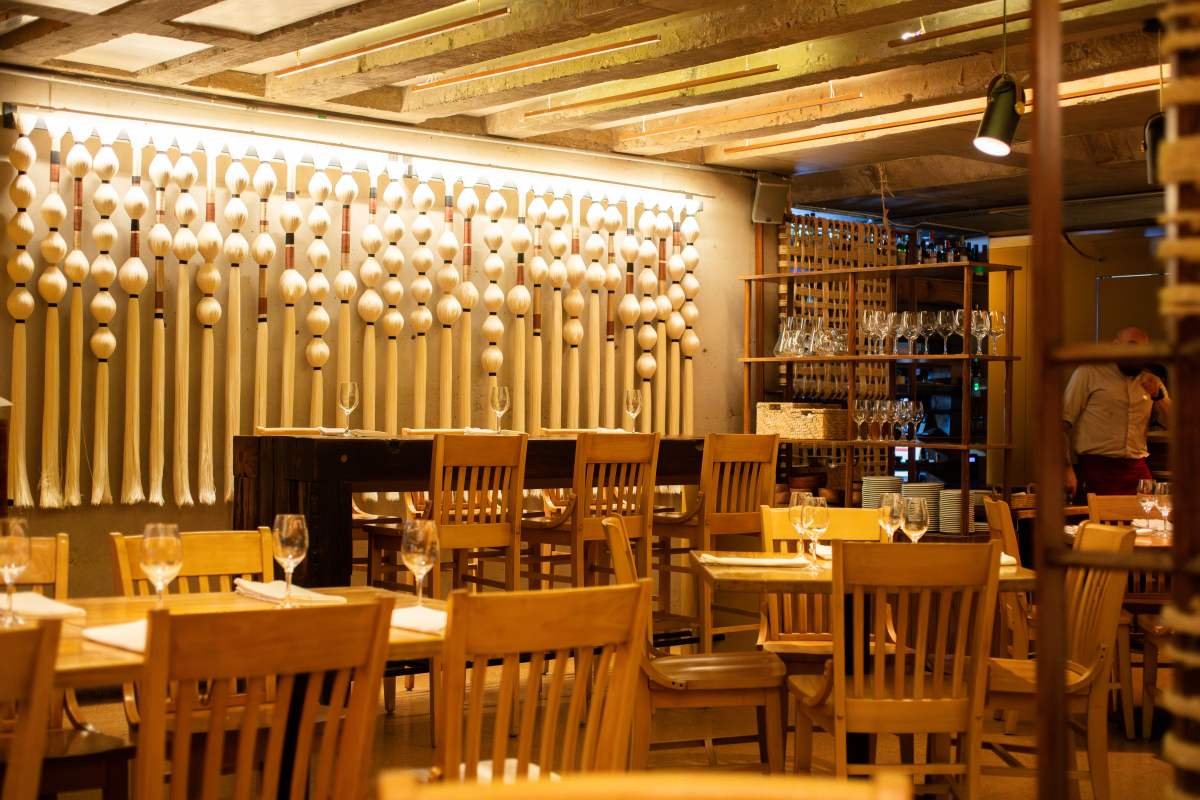
About Merotoro
On Ámsterdam in the Hipódromo neighbourhood, Merotoro occupies a stretch of Mexico City's dining scene where Baja California technique meets the capital's appetite for produce-driven cooking. The address has drawn a consistent following among locals and well-travelled visitors who treat this part of Cuauhtémoc as a reliable circuit rather than a destination find. Plan accordingly: walk-ins are rarely straightforward.
Hipódromo's Dining Register, and Where Merotoro Sits in It
Ámsterdam is one of the more legible dining streets in Mexico City. The oval boulevard cuts through Hipódromo Condesa with a cadence that rewards walking: café, wine bar, serious restaurant, repeat. The neighbourhood draws a crowd that lives there, works nearby, or has done the Roma–Condesa circuit enough times to know which blocks to prioritise. Merotoro, at number 204, has been a fixture in this register long enough that it functions as a reference point rather than a revelation. For visitors who arrive without a reservation and expect the city's informal hospitality to absorb them, the room tends to disappoint. For those who plan, it delivers with consistency.
Mexico City's broader dining scene in 2024 has pushed Baja California cuisine higher in the hierarchy of what visiting food-focused travellers seek out. That coastal tradition, built on wood-fire technique, seafood from the Pacific, and a wine culture shaped by the Valle de Guadalupe, has found a second home in the capital at a handful of addresses. Merotoro is among the most discussed of them, drawing comparisons to how certain Tokyo restaurants transplant regional Japanese traditions into urban contexts without diluting their logic. The reference frame matters: this is not Mexico City cooking adapted to a Baja aesthetic, but Baja cooking working on its own terms in a capital-city room.
What the Room Asks of You Before You Arrive
The editorial angle that makes Merotoro worth addressing directly is logistical. Mexico City's restaurant culture has bifurcated between venues that absorb walk-ins with relative ease and those that operate closer to the allocation model familiar from high-demand tables in São Paulo, New York, or Tokyo. Merotoro sits in the latter tier for a city where that tier is still smaller than visitors often expect. Reservations at peak periods, particularly Thursday through Saturday evenings and weekend afternoons, require planning measured in weeks rather than days. Midweek lunch is a more accessible entry point, and the neighbourhood rewards that timing: Ámsterdam in the early afternoon is quieter, parking is less contested, and the Hipódromo's tree-lined streets are at their most walkable.
For travellers building a Mexico City itinerary around dining, the practical calculus is worth stating plainly. Merotoro should be booked before the hotel. The city's other strong addresses in the Condesa-Roma corridor, including the cocktail programs at Baltra Bar and Bar Mauro, operate with more flexibility on shorter notice. Bijou Drinkery Room and Brujas are similarly bookable with reasonable lead time. Merotoro is the variable that requires the earliest commitment in an itinerary that spans multiple evenings.
Baja California Cooking in a Capital Context
The cooking tradition that Merotoro represents has a particular logic. Baja California's restaurant culture, concentrated in Tijuana and the Valle de Guadalupe wine corridor, developed a distinct identity around wood-fire cooking, Pacific seafood, and a proximity to California's produce culture. That combination produces food that reads as simultaneously Mexican and coastal Californian without being either in a direct way. In Mexico City, transplanting that tradition means sourcing ingredients that normally arrive from a different coast, which introduces supply chain decisions that affect what appears on the menu and when.
Seasonality is more consequential at Merotoro than at many addresses in the city. The menu's relationship to Pacific sourcing means that timing a visit around what is in season from the Baja coast, rather than arriving with fixed expectations from a photograph seen six months earlier, produces a more coherent experience. This is a broader truth about produce-driven restaurants across Mexico: the gap between what a venue is known for and what it is currently serving can be significant. Travellers who arrive in the drier months expecting the same menu they read about in a spring review are often recalibrating mid-meal.
Across Mexico's broader dining geography, regional cooking transplanted to larger cities tends to either harden into a fixed greatest-hits format or maintain genuine responsiveness to source ingredients. The evidence from Merotoro's sustained local following suggests it operates closer to the latter model. That has implications for first-time visitors: come with curiosity about what the kitchen is doing now, not a list of dishes validated by a review from two years ago.
The Hipódromo Circuit: Before and After
Ámsterdam 204 is positioned well for an evening that extends in either direction. The neighbourhood's bar culture is accessible on foot, and Mexico City's cocktail scene has matured to a point where the corridor between Hipódromo and Roma Norte offers genuine depth. Comparisons to other Mexican cities are instructive here: the density of serious bars per walkable block in this part of the capital exceeds what most visitors find in Guadalajara's Chapultepec zone or in the tourist-facing strips of destinations like Cancun, where Coco Bongo anchors a very different kind of evening. Further afield, Arca in Tulum, Aruba Day Drink in Tijuana, Bekeb in San Miguel de Allende, El Gallo Altanero in Guadalajara, and La Capilla in Tequila each anchor their respective city's serious drinking culture, but none of them sit inside a walkable dinner circuit of this density. For international reference, Bar Leather Apron in Honolulu offers a useful comparison point for the kind of technically serious, low-volume cocktail program that pairs well with a produce-led dinner.
The neighbourhood logic matters practically. If Merotoro is the anchor of an evening, the question of where to drink before or after is already answered by geography. The walk from Ámsterdam to the Roma Norte bar cluster is short enough that the evening composes itself.
Planning Details
Merotoro is at Ámsterdam 204, Hipódromo, Cuauhtémoc, Mexico City. The address is accessible by metro (Chilpancingo on Line 9 is the closest station) and by the city's ride-share options, which remain the most practical transport for evening dining given the neighbourhood's parking constraints. Reservations should be secured well in advance of any visit, with Thursday-to-Saturday evenings requiring the most lead time. Midweek lunch offers greater accessibility and a different rhythm in the room. Our full Mexico City restaurants guide covers the broader Condesa-Roma dining circuit for travellers building out a multi-day itinerary.
Frequently Asked Questions
- What's the leading thing to order at Merotoro?
- The kitchen's orientation toward Baja California technique means the menu favours wood-fire cooking and Pacific seafood, and what's worth ordering shifts with what's in season. Arriving with a fixed target dish based on older reviews risks missing what the kitchen is currently doing well. Ask the room what arrived recently from the coast, and follow that.
- What should I know about Merotoro before I go?
- This is a reservation-required address in a city where many restaurants absorb walk-ins. The Baja California cooking tradition it represents is produce- and season-driven, which means the menu is a moving target. The address is in Hipódromo on Ámsterdam, walkable from Roma Norte and well-served by ride-share. Come with an open approach to the menu and a confirmed booking.
- How far ahead should I plan for Merotoro?
- Thursday through Saturday evenings should be booked weeks in advance, not days. Midweek lunch is more accessible and worth considering for travellers with flexible itineraries. Merotoro is the kind of address to lock in before other dining plans in the city, not after.
- What kind of traveler is Merotoro a good fit for?
- Travellers who already know Mexico City's dining circuit and want a specific regional tradition executed at a high level. It suits visitors comfortable with a menu that changes with sourcing, a room that assumes regulars, and a neighbourhood that rewards staying for a longer evening. First-time visitors to Mexico City may find the broader Condesa-Roma circuit more immediately legible, but Merotoro adds a specific layer of Baja California reference that the capital's other addresses don't replicate in the same way.
- Does Merotoro live up to the hype?
- The venue has maintained a local following over years, which in Mexico City's competitive mid-to-upper dining tier is a more reliable signal than any single-moment review. It is not a flashpoint restaurant chasing trend cycles. What it offers is consistency within a well-defined regional tradition, and on that basis, the reputation holds.
- Is Merotoro a good option for experiencing Baja California cuisine without travelling to the peninsula?
- For travellers whose itinerary is fixed in Mexico City, Merotoro represents one of the more serious engagements with Baja California's wood-fire and Pacific seafood tradition available in the capital. The style has a distinct identity, shaped by the Valle de Guadalupe wine culture and Tijuana's restaurant scene, and Merotoro's sustained reputation among the Hipódromo dining crowd suggests it maintains that regional logic rather than softening it for a capital-city audience. It is a more focused encounter with that tradition than most Mexico City alternatives offer.
Related editorial
- Best Fine Dining Restaurants in ParisFrom three-Michelin-star icons to the next generation of Parisian chefs pushing boundaries, these are the restaurants that define fine dining in the world's culinary capital.
- Best Luxury Hotels in RomeFrom rooftop terraces overlooking ancient ruins to Michelin-starred hotel dining, these are the luxury hotels that make Rome unforgettable.
- Best Cocktail Bars in KyotoFrom sleek lounges to hidden speakeasies, Kyoto's cocktail scene blends Japanese precision with global influence in ways you won't find anywhere else.
Save or rate Merotoro on Pearl
Keep this venue in your Pearl passport, rate it after you visit, and track it alongside every other place you collect.