Cantina "Tio Pepe"
Tabacalera, Mexico City
Bar in Mexico City, Mexico
 Book with Pearl
The Read
Price
$10–20per person
Why go
A practical Centro cantina choice for an easy Mexico City drink, especially if value and convenience matter more than a documented wine-by-the-glass program. Go for a casual stop, not a splurge or a high-design cocktail night.
About Cantina "Tio Pepe"
Is Cantina "Tio Pepe" worth it? It can be, if you are looking for a casual Mexico City stop and the published hours fit your plan. Cantina "Tio Pepe" is in Mexico City, has a casual dress code, opens Monday through Saturday, and is closed on Sunday.
The right expectation matters here. This venue does not list a price range, menu detail, chef information, reservation policy, outdoor seating, or awards.
A Mexico City cantina pick with limited details
For planners, the clearest value is scheduling. Cantina "Tio Pepe" is open Monday through Thursday from 11:30 AM to 10 PM, Friday and Saturday from 11:30 AM to 11 PM, and closed Sunday. Dress is casual. Beyond that, details about pricing, menu format, beverage depth, seating, or special features are not available.
If you are building a broader plan, browse Pearl's Mexico City bars guide before committing. For broader planning around dinner, hotels, or daytime stops, the useful companion pages are Pearl's Mexico City restaurants guide, Pearl's Mexico City hotels guide, Pearl's Mexico City experiences guide, and Pearl's Mexico City wineries guide.
Who should choose it, and who should cross-shop
Choose this if the priority is a casual Mexico City stop during the opening hours. Cross-shop if your group needs details not available, such as outdoor seating, reservation requirements, a specific menu, or a particular drinks program. For nearby planning context, compare it with Bósforo, La Botica Centro, Zinco Jazz Club, Salon Familiar La Mascota Cantina, and La Casa del Cine.
Planning details
- Location
- Av Independencia 26, Colonia Centro, Centro, Cuauhtémoc, 06050 Ciudad de México, CDMX, Mexico
- Phone
- +52 55 5521 9136
The take
The Take
The Vibe
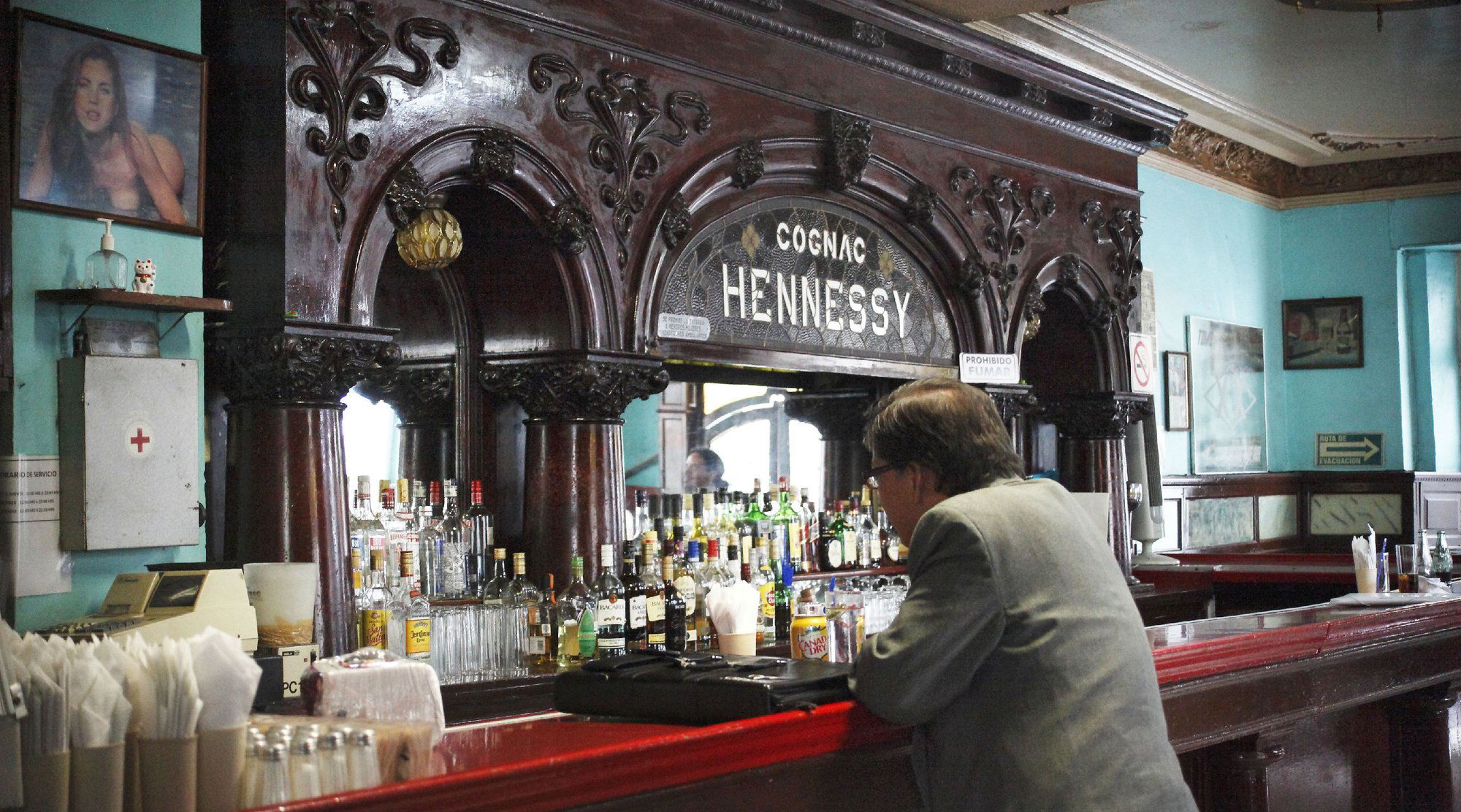
Cantina "Tio Pepe" presents the traditional cantina logic of Mexico City’s Centro Histórico: an unpretentious, social room where locals gather across the working day. The tone is casual and relaxed rather than polished cocktail-craft — its value comes from being an institution people inhabit rather than a destination to be curated. The space rewards lingering conversations, easy interactions with neighbors, and the continuity of weekday rhythms. Expect an authentic, approachable atmosphere rooted in everyday city life rather than contemporary bar theatrics.
Best For
This is a neighborhood cantina built for daytime and early-evening rhythms: office workers, market vendors and residents converge for substantial midday meals and drinks, and the place naturally carries into the evening. It suits solo visitors looking to belly up and socialize with locals, small groups who want an easy, convivial outing, and anyone seeking a no-frills, authentic Centro experience. It is less a destination for cocktail tourism and more a place to slot into the city’s working-day flow.
Ordering Tips
Approach Cantina "Tio Pepe" with the cantina code in mind: expect simple, substantial food and straightforward drinks rather than tasting menus or curated cocktail lists. The description advises against anticipating cocktail-program finesse; instead, order what locals are having, plan to eat something hearty, and allow yourself to linger as the afternoon drifts into evening. Treat the bar like a communal room — pacing your visit to match the neighborhood rhythm is the best way to appreciate the format.
Venue details
Ambiance
Warm, homely atmosphere with vintage charm featuring dark woodwork, stained glass, and a long glossy red bar evoking a bygone era.
Tags
Vibe
Best For
Experience
Format
At the Bar
- Late Night
- Closes by Midnight
- Spirits Focus
- Mezcal, Tequila
Signature Pours
- margarita
- Mezcal Rojo
Know before you go
Know Before You Go
- Getting there
- Av Independencia 26, Colonia Centro, Centro, Cuauhtémoc, 06050 Ciudad de México, CDMX, Mexico
Planning details
Location
Av Independencia 26, Colonia Centro, Centro, Cuauhtémoc, 06050 Ciudad de México, CDMX, Mexico · Directions
Also consider
Good alternatives if this does not fit
Pick La Botica Centro if the group wants an agave-focused night near the same general drinking circuit. Pick Zinco Jazz Club if the plan needs live entertainment and a more defined evening arc.
Bar context
How it compares in Mexico City
Choose Cantina "Tio Pepe" when ease and Centro convenience matter more than a tightly defined bar concept. Bósforo and La Botica Centro are stronger cross-shops if the group is building a drinks-first night with a clearer agave-bar angle.
Salon Familiar La Mascota Cantina is the closer comparison for readers who want a cantina-style decision rather than a cocktail-bar decision. Zinco Jazz Club is the better pick when live music is the point of the evening, while La Casa del Cine makes more sense if the night is built around a cultural stop rather than a traditional cantina drink.
Explore Mexico City
Around this place
Discover more on Pearl
Unlock the full Cantina "Tio Pepe" guide in Pearl, including awards, comparisons, FAQs, planning details, and nearby places.
Compare Cantina "Tio Pepe"
| Venue | Location | Awards |
|---|---|---|
| Cantina "Tio Pepe" | Mexico City | No published awards |
| Bósforo | Mexico City | No published awards |
| La Casa del Cine | Mexico City | No published awards |
| Salon Familiar La Mascota Cantina | Mexico City | No published awards |
| Zinco Jazz Club | Mexico City | No published awards |
| La Botica Centro | Mexico City | No published awards |
How Cantina "Tio Pepe" Mexico City compares with similar nearby venues.
FAQ
Frequently Asked Questions
Does Cantina "Tio Pepe" have outdoor seating?
Outdoor seating is not listed. Focus on the basics instead: Cantina "Tio Pepe" is in Mexico City, has a casual dress code, and is open Monday through Saturday.
Do I need a reservation at Cantina "Tio Pepe"?
A reservation policy is not listed. If timing is important, confirm directly before going; the schedule is Monday through Thursday from 11:30 AM to 10 PM, Friday and Saturday from 11:30 AM to 11 PM, and closed Sunday.
What's the crowd like at Cantina "Tio Pepe"?
Information about the crowd is not available. Information is limited to Mexico City location, casual dress code, and the published weekly hours.
What's the best time to go to Cantina "Tio Pepe"?
Use the hours to choose your timing: Monday through Thursday it opens at 11:30 AM and closes at 10 PM, while Friday and Saturday it opens at 11:30 AM and closes at 11 PM. It is closed Sunday.
Is Cantina "Tio Pepe" open late?
Its latest closing time is 11 PM on Friday and Saturday. Monday through Thursday it closes at 10 PM, and it is closed Sunday.