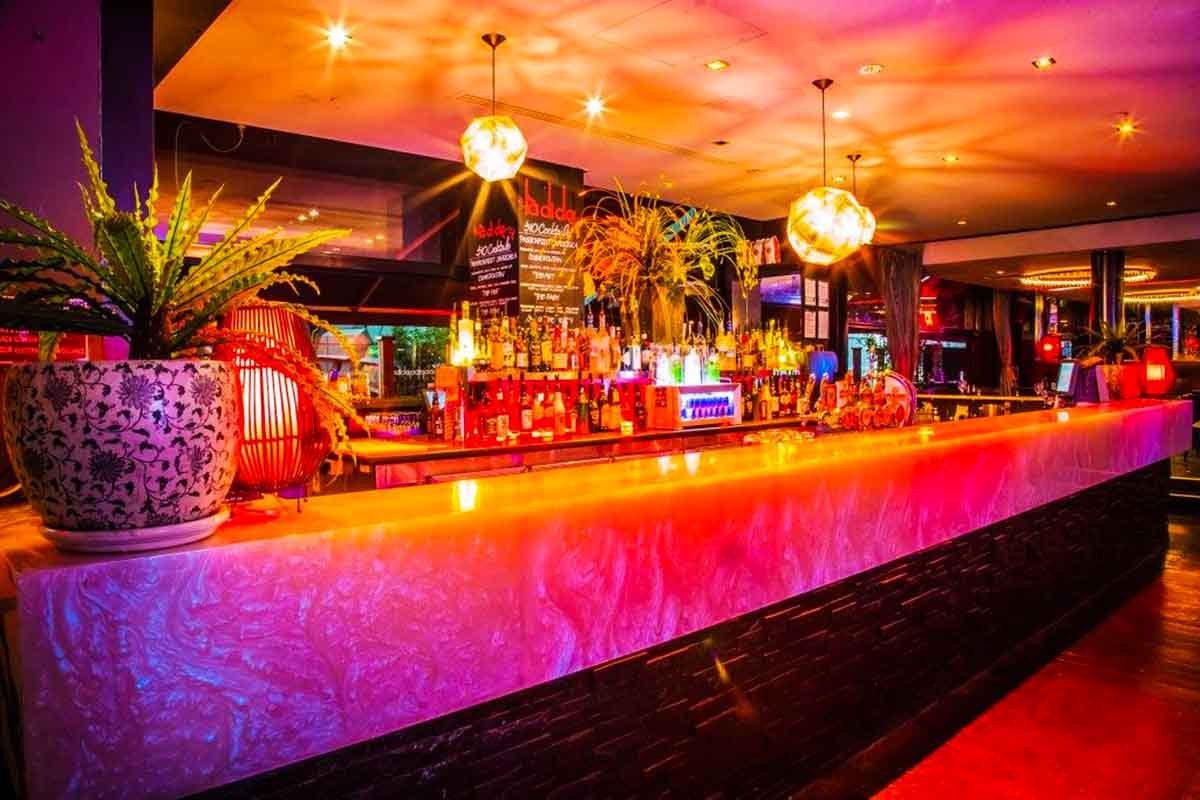
Bar in Melbourne, Australia
Alameda
100ptsIberian Natural Wine Format

About Alameda
Where Spanish Wine Bar Culture Found a Melbourne Address There is a particular atmosphere that defines the better Spanish-inspired wine bars operating in Australian cities right now: low light, natural wine poured without ceremony, small plates...
Where Spanish Wine Bar Culture Found a Melbourne Address
There is a particular atmosphere that defines the better Spanish-inspired wine bars operating in Australian cities right now: low light, natural wine poured without ceremony, small plates that arrive when they are ready rather than when you expect them. Alameda sits inside that tradition. The physical approach signals what is coming before you order anything. The room reads warm rather than designed, the kind of space where the furniture appears chosen for longevity rather than photography, and where the sound level sits at conversation rather than performance.
Melbourne has long run a parallel track to Sydney's dining scene, and its bar and wine bar culture reflects that. Where Sydney skews toward harbour-view spectacle and polished service theatre, Melbourne tends toward the intimate and the technically serious. The city's leading wine bars, including Black Pearl, 1806, and Above Board, have built reputations on depth of knowledge and consistency of execution rather than scale. Alameda occupies a similar register, but arrives from a different direction: Iberian rather than cocktail-first, wine rather than spirits at the centre.
The Evolution of Spanish-Inspired Drinking in Melbourne
The Spanish wine bar format has changed considerably in Australian cities over the past decade. An earlier wave of tapas bars leaned heavily on Rioja and Albariño as the full extent of their Iberian ambition, pairing them with croquetas and patatas bravas in a format that read more as approximation than interpretation. The current generation operates differently. A working knowledge of Sherry, Cava, and Basque txakoli is now table stakes; what separates the serious operators is how they handle the rest of the list and whether the food program runs at the same level of care.
Alameda positions itself in this later wave. The Spanish-inspired framing matters: it signals range and editorial freedom rather than strict regional orthodoxy, which allows for selections that move across the peninsula and into broader natural wine territory without requiring justification. This is the approach that has given wine bars in the format some of their most interesting lists, where a Jura pét-nat sits alongside a fino without either feeling out of place.
For context on how this style translates across Australian cities, Cantina OK! in Sydney represents a comparable register, operating a tight, technically informed program in a low-key physical format. The comparison holds across the Tasman too, where operators in Brisbane such as Bowery Bar are developing their own takes on the wine-and-small-plates format.
The Competitive Set and What It Tells You
Placing Alameda inside Melbourne's bar scene requires some mapping. The city's most recognised cocktail venues, including Byrdi, operate in a different lane: spirits-forward, technique-driven, with menus that reward sequential ordering. Alameda does not compete on that axis. Its peer group is the city's wine-first rooms, where the glass is the primary delivery mechanism and the food exists as a genuine counterpart rather than an afterthought.
That is a meaningful distinction. Wine bars in Melbourne that take the food program seriously operate at a different level of difficulty than cocktail venues, because the margin for inconsistency is lower and the sourcing expectations are higher. A wine bar audience arrives with opinions about producers. They notice when a natural wine list is genuinely curated versus assembled from a distributor catalogue. They eat with attention. Alameda operates in the part of the market where those expectations apply.
Internationally, the model has clear reference points. Fratelli Paradiso in Potts Point has built a long-running audience on a similar premise of European informality meeting serious produce. Further afield, the format echoes through venues like La Cache à Vín in Spring Hill and, at a broader level of contrast, the sky-deck formality of Blu Bar on 36 in The Rocks illustrates exactly what Alameda is not: Alameda trades altitude and panorama for proximity and texture.
How to Use Alameda
The Spanish-inspired wine bar format suits specific use cases better than others. It works well for groups that want to share food and drink without the commitment of a tasting menu, for solo drinkers who prefer a list with editorial voice over a backlit wall of bottles, and for pairs who want the evening to move at its own pace. It suits early evenings when the room has space and the staff have time, and it suits later arrivals when the energy is higher and the ordering more instinctive.
What it does not suit is anyone arriving with a fixed timeline or a preference for complete menu transparency upfront. The small-plates format, at its leading, involves some collaboration between guest and kitchen, and venues operating in this register generally reward the guest who asks questions rather than the one who orders the entire menu by number. That dynamic applies here.
For visitors building out a Melbourne itinerary that goes beyond the obvious, consulting our full Melbourne restaurants guide gives a wider map of the city's dining and drinking character by neighbourhood and format.
Planning Your Visit
Alameda operates in a city where the Spanish-influenced wine bar category has enough depth that a good visit requires some preparation. The format rewards spontaneity less than it rewards a degree of advance thought, particularly regarding timing. Melbourne's inner suburbs generate consistent evening demand for venues in this category, and a Spanish wine bar with a serious list and a credible kitchen will fill on Friday and Saturday evenings without much difficulty. Checking ahead, whether by phone or online, is the standard expectation for venues at this level in the city. For contrast in format and geography, venues like Whipper Snapper Distillery in East Perth or Bar Leather Apron in Honolulu show how different markets have resolved the tension between accessibility and seriousness; Alameda sits on the Melbourne end of that spectrum, where seriousness tends to win.
Frequently Asked Questions
- What should I try at Alameda?
- The Spanish-inspired format points toward the wine list as the primary reference point. In venues operating in this register, the sherry selection and the natural wine pours from the Iberian peninsula tend to anchor the experience, with small plates serving as supporting structure. Ask what is pouring well that evening rather than working from a fixed order.
- What is the main draw of Alameda?
- In Melbourne's bar scene, where cocktail-first venues tend to attract the most column space, a genuinely wine-focused room with Spanish character occupies a distinct position. The draw is the combination of list depth and an informal format, in a city that has developed strong expectations for both.
- Should I book Alameda in advance?
- For weekend evenings, yes. Melbourne's wine bar audience is consistent and the city's leading small rooms fill predictably. If you are visiting mid-week or early in the evening, the calculus is different, but checking ahead is always the lower-risk approach for venues in this category.
- What is the leading use case for Alameda?
- An extended weeknight visit with two or three people who share an interest in the list works leading. The format is designed for unhurried drinking with food alongside, not for quick turns or large groups. Melbourne rewards exactly this kind of deliberate evening.
- What should I know before visiting Alameda?
- The Spanish-inspired wine bar format in Melbourne operates with an informal pace that can feel slow to guests expecting restaurant structure. Let the evening build. The city's venues in this register generally signal their seriousness through the list and the sourcing rather than through ceremony.
- Is Alameda worth the trip?
- For anyone with a genuine interest in Iberian wine culture served in a low-key Melbourne context, yes. The format is not designed for casual drop-ins, and it rewards guests who arrive with some familiarity with the category. Treat it as the destination rather than a stop along the way.
- How does Alameda compare to Melbourne's cocktail-focused bars in terms of what to expect?
- The distinction is fundamental rather than superficial. Where venues like Byrdi or Above Board are built around spirits programs and technique-driven menus, Alameda operates with wine as the primary language. Guests arriving from cocktail bar culture should expect a different pacing, a different ordering logic, and a list that rewards some background knowledge of Iberian and natural wine producers. The two formats serve different evenings, and Melbourne has enough depth in both to make the distinction worth understanding before you choose.
Related editorial
- Best Fine Dining Restaurants in ParisFrom three-Michelin-star icons to the next generation of Parisian chefs pushing boundaries, these are the restaurants that define fine dining in the world's culinary capital.
- Best Luxury Hotels in RomeFrom rooftop terraces overlooking ancient ruins to Michelin-starred hotel dining, these are the luxury hotels that make Rome unforgettable.
- Best Cocktail Bars in KyotoFrom sleek lounges to hidden speakeasies, Kyoto's cocktail scene blends Japanese precision with global influence in ways you won't find anywhere else.
Save or rate Alameda on Pearl
Keep this venue in your Pearl passport, rate it after you visit, and track it alongside every other place you collect.