
Bar in Marzamemi, Italy
Cortiletto
100Pearl PointsLate-Night Pick

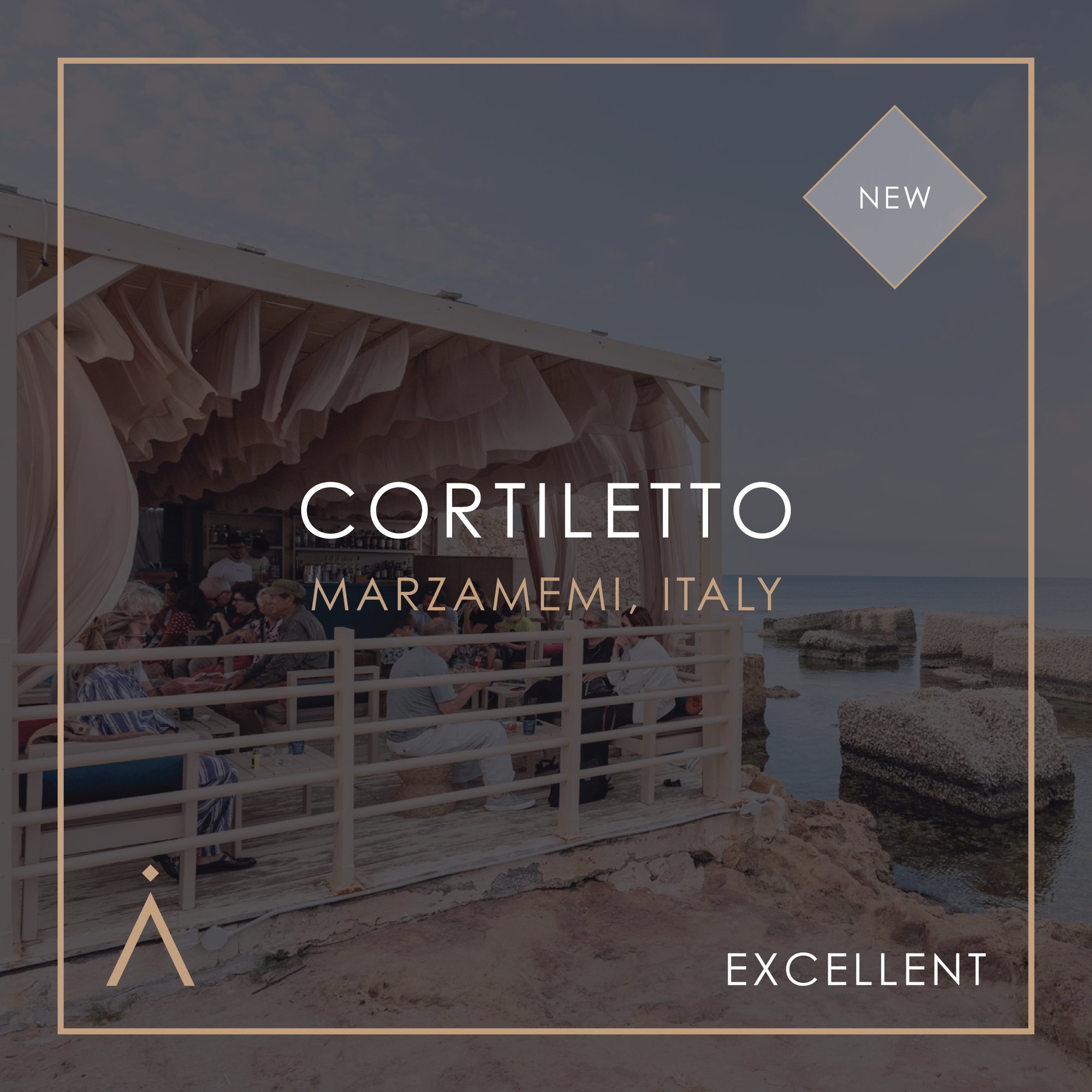
About Cortiletto
Cortiletto is a practical Marzamemi pick for an easy evening near Cortile Arabo, especially if plans are loose and late-night hours matter. The 2026 Pinnacle Guide 1 Pin gives it a real quality signal, but with no published price range or cuisine details here, treat it as a flexible village stop rather than a tightly defined destination meal.
Cortiletto in Marzamemi is a practical evening option with verified daily hours from 6 PM to 1:30 AM. The confirmed details are limited, so the best case for keeping it on a plan is timing rather than a specific cuisine, chef, menu format, or price point. It also has a smart casual dress code and a confirmed Pinnacle Guide 1 Pin for 2026.
A practical evening stop in Marzamemi
The strongest verified reason to consider Cortiletto is its schedule. It opens every day from 6 PM to 1:30 AM, which makes it useful for evening plans, late arrivals, or a flexible night in Marzamemi. With no verified cuisine type, chef, menu format, or price range, this is not the right pick for diners trying to compare tasting menus or plan around a specific dish. Treat it as a flexible evening venue first, not as a destination restaurant with a clearly published culinary angle.
The Pinnacle Guide 1 Pin for 2026 gives Cortiletto a useful quality signal. That recognition is enough to make it stand out from a purely casual fallback, but it does not replace the practical question: what kind of night is needed? For a relaxed evening stop in Marzamemi, it makes sense. For a meal where cuisine, beverage selection, price, or chef identity is the main reason to go, compare options before committing.
Use it as part of a wider Marzamemi plan
Because verified details are lean, the safest move is to pair Cortiletto with broader planning rather than make it the only anchor of the evening. Start with Our full Marzamemi restaurants guide if dinner is the priority, or consult other Marzamemi planning resources if the night is more open-ended.
For comparisons, consider other named options such as Amunì Cocktail Bar, Cantina Sicilia, Convivium Bar, Rizo Bar, or Monaci delle Terre Nere, Relais & Chateaux. You can also compare Cortiletto with other dining in Marzamemi more generally, especially if menu specificity, price certainty, or a particular format matters.
Quick reference: choose Cortiletto for an easy evening or late-night Marzamemi stop with smart casual dress and daily 6 PM–1:30 AM hours; cross-shop if menu details, price certainty, or a destination format matters.
Frequently Asked Questions
Is Cortiletto good for groups?
Cortiletto may work for a group that wants an evening or late-night option in Marzamemi, since the verified hours are daily from 6 PM to 1:30 AM. There is no verified seat count, reservation policy, or private-room information, so larger groups should check directly before relying on it as the only anchor of the night.
Does Cortiletto have happy hour deals?
There is no verified happy hour information, so do not plan around deals or discounts. The verified schedule is daily evening service from 6 PM to 1:30 AM in Marzamemi. If discounts matter, compare current details with options like Amunì Cocktail Bar or Convivium Bar, and check the venue's official channels for the latest information.
What's the crowd like at Cortiletto?
There is no verified information about Cortiletto's typical crowd. What is confirmed is that it is in Marzamemi, has a smart casual dress code, and opens daily from 6 PM to 1:30 AM. Use those details to judge whether it fits the kind of evening you are planning.
Is Cortiletto good for a date?
Cortiletto can be considered for a date if you want an evening option in Marzamemi with late hours and a smart casual dress code. The confirmed Pinnacle Guide 1 Pin for 2026 is a useful trust signal, but there are no verified details about ambience, seating, or menu style. For another comparison, Monaci delle Terre Nere, Relais & Chateaux is worth considering.
Is the food good at Cortiletto?
The confirmed Pinnacle Guide 1 Pin for 2026 suggests a quality signal, but there are no verified details here about cuisine, dishes, chef, menu format, or pricing. That makes it easier to recommend Cortiletto as a venue to consider than as a food-led destination. For a broader dining plan, compare it with options such as Cantina Sicilia or other dining in Marzamemi, and check the venue's official channels for the latest details.
Location
Vicino Cortile Arabo Marzamemi, 96018 Marzamemi SR, Italy
Marzamemi, Italy
Compare Cortiletto
| Venue | Awards |
|---|---|
| Cortiletto | Pinnacle Guide 1 Pin (2026) |
| Cantina Sicilia | |
| Amunì Cocktail Bar | |
| Convivium Bar | |
| Monaci delle Terre Nere, Relais & Chateaux | |
| Rizo Bar |
What to weigh when choosing between Cortiletto and comparable nearby venues.
Also Consider
- Cantina Sicilia, Notable alternative
- Amunì Cocktail Bar, Notable alternative
- Convivium Bar, Notable alternative
- Monaci delle Terre Nere, Relais & Chateaux, Notable alternative
- Rizo Bar, Notable alternative
How Cortiletto compares in Marzamemi
Choose Cortiletto when ease and central Marzamemi atmosphere matter more than a clearly defined format. Compared with Cantina Sicilia and Amunì Cocktail Bar, it is the safer pick for a late-evening plan around Cortile Arabo because the published hours run deep into the night and booking difficulty is easy. The tradeoff is less decision certainty on price and food style.
If the night is drinks-led, Convivium Bar or Rizo Bar may be cleaner cross-shops, especially for readers who want to compare bar mood before choosing. Cortiletto is stronger as a flexible village stop with a 2026 Pinnacle Guide 1 Pin attached; the others are better to consider when the category itself, bar first rather than dinner-adjacent, is the main filter.
Monaci delle Terre Nere, Relais & Chateaux sits in a different decision lane: use it when the priority is a more retreat-style experience rather than a Marzamemi village evening. For value-for-money, Cortiletto is harder to judge without a listed price range, but it wins on low effort. For a more planned occasion, cross-shop before committing.
Recognized By

Explore Marzamemi
Save or rate Cortiletto on Pearl
Keep this venue in your Pearl passport, rate it after you visit, and track it alongside every other place you collect.