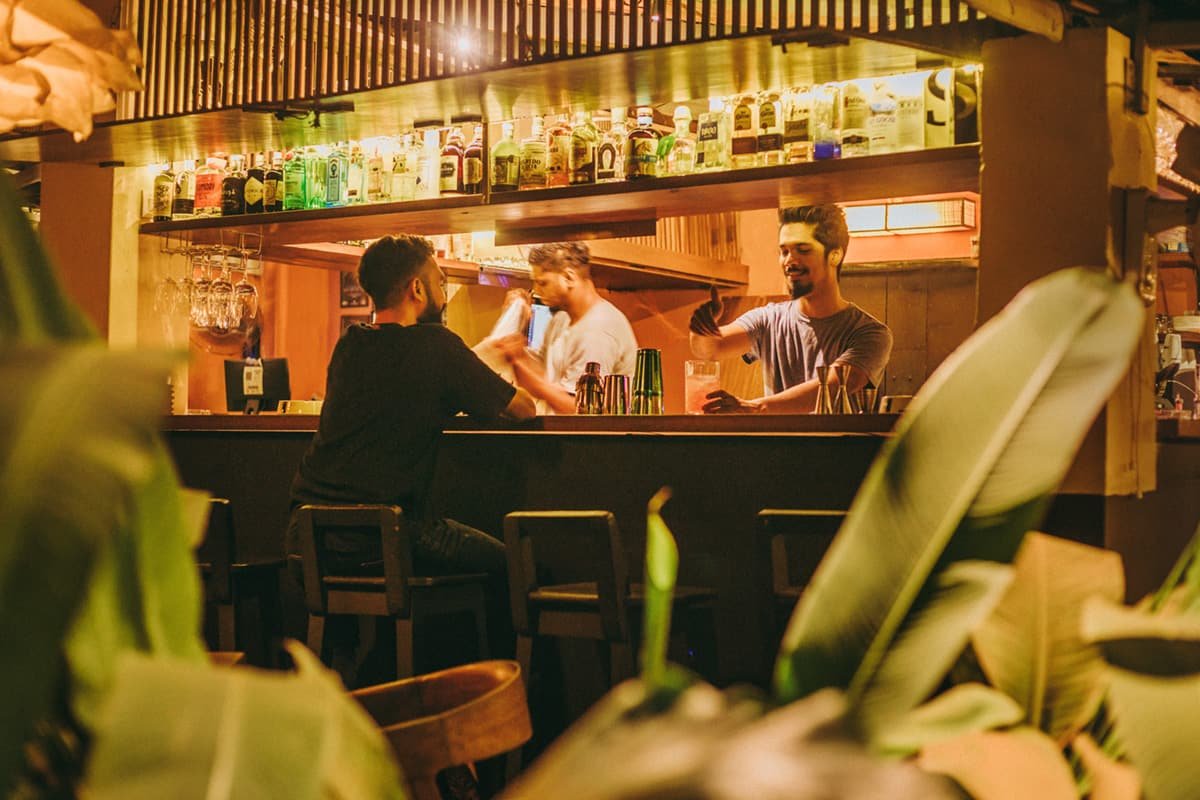
Bar in Mapusa, India
Hideaway
100ptsNorthern Goa Counter Culture

About Hideaway
Hideaway sits along the Chapora-Vagator stretch of northern Goa, where the bar scene has long operated on its own unhurried terms. The address near Julie Jolie places it within a cluster of venues that serve the area's evening crowd rather than the resort circuit. For those tracking Goa's drinking culture beyond the beach-shack tier, it warrants attention.
Where Vagator's Drinking Culture Gets Serious
Northern Goa's bar scene has always operated at a remove from the resort corridors of South Goa. The Chapora-Vagator strip, running inland from the cliff edge down toward the narrow lanes behind Anjuna, has produced a different kind of drinking culture: less polished, more persistent, shaped by the expats, long-stay travellers, and local regulars who return season after season. Hideaway occupies a plot in this pocket, near Julie Jolie on the Chapora road, and the address alone tells you something about its orientation. This is not a venue angling for the five-star crowd. It belongs to a tradition of Goan bar-going that predates the current wave of destination cocktail programs and, in some ways, resists it.
The approach from the road sets the register. Vagator's lanes narrow quickly as you leave the main drag, and venues here tend to announce themselves through ambient sound and low lighting rather than signage. The bar scene in this part of Goa has historically been about ease of entry and depth of stay — places you arrive at by early evening and leave considerably later, without necessarily having planned any of it. Hideaway fits that pattern. It draws from the same geography that makes Bar Outrigger in Goa worth tracking: a coastal state where drinking culture is woven into the rhythms of the place rather than imported wholesale from a metropolitan playbook.
The Cocktail Programme in Context
India's craft cocktail movement has largely been an urban story. The significant programs have emerged in Mumbai, Bengaluru, and Delhi, where the concentration of trained bartenders, imported spirits, and a paying audience willing to spend on technique has allowed venues to develop with real ambition. AER Bar and Lounge in Mumbai sits at the premium end of that urban tier. Bar Spirit Forward in Bengaluru and Copitas in Bangalore represent the more technique-driven niche within that city's scene. Aqua New Delhi approaches it from the hotel rooftop format. These venues have formal structures, prix-fixe bar menus, and the kind of sourcing networks that require a metropolitan supply chain.
Goa sits apart from this. The state's drinking culture has traditionally been built around feni — the double-distilled cashew or coconut spirit that is specific to Goa and largely absent from the national cocktail conversation , alongside beer, and the Indian whisky and rum that stock every bar from Panaji to Pernem. Venues that do serious cocktail work in Goa tend to do it on different terms: smaller operations, more informal formats, menus that respond to seasonal availability and the fluctuating international crowd rather than the year-round urban professional base. Tesouro in Colvá represents one version of this approach in the south. In northern Goa, the Vagator-Anjuna cluster has its own version of this dynamic.
Given the venue data available, specific claims about Hideaway's menu composition, signature serves, or bartender credentials would require verification beyond what is currently documented. What the address and neighbourhood context confirm is the peer set: this is a venue operating within the informal, independent tier of Goa's bar scene, where the program reflects the local environment rather than the metropolitan cocktail calendar. That positioning is a choice with genuine merit. The feni-forward approach, where venues actually engage with the local spirit rather than treating it as a novelty, produces drinks with a regional logic that the generic gin-and-tonic hotel bar cannot replicate.
Who Drinks Here and When
The Vagator-Chapora corridor runs hottest from November through February, when the tourist season aligns with genuinely comfortable evening temperatures and the northern Goa crowd skews toward the independently-minded traveller rather than the package holiday segment. Bars in this area tend to see their core crowd arrive later than the southern resort strip, and they sustain energy through the middle of the week in a way that more seasonally dependent venues cannot. The mix of long-stay visitors, semi-permanent residents from the European and Israeli communities that have settled in this part of Goa, and domestic travellers from Mumbai and Bengaluru who know the area well creates a particular atmosphere: familiar without being cliquey, relaxed without being inattentive.
By March, northern Goa quiets significantly. Venues that operate year-round in this area adapt their rhythm accordingly, often shifting to reduced hours or a more local-facing program during the pre-monsoon and monsoon months. This seasonal calibration is a feature of the area's bar culture, not a deficiency. It means the venues that survive multiple seasons here have genuine roots in the community rather than existing purely as tourist infrastructure. For the broader Indian bar scene context, our full Mapusa restaurants guide maps how the Mapusa district fits into northern Goa's overall drinking and dining picture.
Placing Hideaway in the National Bar Conversation
India's bar scene outside the metropolitan tier is developing faster than the national critical conversation has caught up with. Goa has always been a special case, functioning as a kind of parallel hospitality economy with its own pricing logic, licensing history, and relationship to tourism. The Goa bars that matter to serious drinkers tend to be known through word of mouth among the returning crowd rather than through formal critical recognition. That differs substantially from how venues like Bar Palladio in Jaipur or Lodi Slow Dining in Delhi have built their reputations through design-led positioning and editorial coverage. It also differs from the brewery-format recognition that venues like Vapour Pub and Brewery in Gurugram have pursued. Goa's informal tier earns its standing differently, through the loyalty of a travelling crowd that returns because the experience is consistent and the environment is genuinely its own.
Internationally, the closest parallel is the kind of neighbourhood bar that earns a following in cities where the premium cocktail tier has become overcrowded and visitors actively seek something less staged. Bar Leather Apron in Honolulu operates in a comparable niche: a place that has earned recognition through sustained quality rather than spectacle. Peter Cat in Kolkata demonstrates how a venue can become a cultural fixture in a city's hospitality story without fitting the formal critical framework. Hideaway, from its position in one of Goa's most characterful bar neighbourhoods, is operating in that same tradition.
Planning a Visit
Hideaway's address places it at H.No. 622, near Julie Jolie restaurant on the Chapora-Vagator road in the Anjuna postal zone, within easy reach of the main northern Goa transport routes. The area is leading accessed by scooter or pre-arranged cab; auto-rickshaws cover the wider Mapusa-Vagator corridor but become less reliable after midnight. The November-to-February window is the period when the full crowd is present and the area operates at its highest energy. Booking ahead, if supported, would be worth confirming directly with the venue on arrival or through local accommodation contacts who maintain current opening information. Given the informal tier this venue occupies, walk-in visits during peak season evening hours are the standard mode of entry across the neighbourhood.
Frequently Asked Questions
- What's the general vibe of Hideaway?
- Hideaway sits in the informal independent tier of northern Goa's bar scene, occupying the Chapora-Vagator corridor where the crowd skews toward long-stay travellers and returning regulars rather than the resort circuit. The atmosphere reflects that neighbourhood: unhurried, familiar, and oriented toward an evening that extends rather than one that concludes on schedule. It is a different register from the design-forward bars that have emerged in Goa's more tourist-dense zones.
- What drink is Hideaway famous for?
- Specific menu data for Hideaway is not currently documented in the EP Club database. What is verifiable is that Goa's independent bar tier, particularly in the northern zone, has historically engaged with feni, the state's indigenous cashew and coconut spirit, alongside the standard Indian spirits portfolio. Whether Hideaway has developed a signature serve around these ingredients would require on-the-ground verification, which is the case for most venues in this informal category.
- What is Hideaway known for?
- Hideaway is known as a fixture in the Vagator-Chapora drinking corridor, a stretch of northern Goa that draws a particular mix of independent travellers, long-stay visitors, and domestic tourists who return specifically for this part of the state. Its proximity to the Julie Jolie restaurant cluster places it within a well-established evening circuit for the area. Unlike the formally reviewed bars in India's metropolitan scene, its reputation is maintained through the loyalty of a returning crowd rather than through critical awards or media profiles.
- How hard is it to get in to Hideaway?
- Northern Goa's informal bar tier does not typically operate on advance reservations in the way that Mumbai or Delhi's premium cocktail bars do. During peak season, from November through February, the Vagator-Chapora strip draws significant evening crowds and popular venues can fill quickly after 9pm. Arriving early in the evening is the practical strategy; the area's bar culture rewards those who settle in rather than those who arrive expecting immediate seating at a busy hour.
- Is Hideaway a year-round venue or seasonal?
- Goa's northern bar corridor follows a pronounced seasonal rhythm, with peak trading running from November through March and a significant drop-off as the pre-monsoon heat arrives. Venues in the Vagator-Anjuna zone that operate year-round typically shift their hours and format substantially outside peak season, often running a reduced program for the local and semi-permanent resident crowd. Whether Hideaway operates year-round or closes for the monsoon months is leading confirmed locally, as this is the norm for the majority of independent bars in this area.
Recognized By
Similar venues by awards
Related editorial
- Best Fine Dining Restaurants in ParisFrom three-Michelin-star icons to the next generation of Parisian chefs pushing boundaries, these are the restaurants that define fine dining in the world's culinary capital.
- Best Luxury Hotels in RomeFrom rooftop terraces overlooking ancient ruins to Michelin-starred hotel dining, these are the luxury hotels that make Rome unforgettable.
- Best Cocktail Bars in KyotoFrom sleek lounges to hidden speakeasies, Kyoto's cocktail scene blends Japanese precision with global influence in ways you won't find anywhere else.
Save or rate Hideaway on Pearl
Keep this venue in your Pearl passport, rate it after you visit, and track it alongside every other place you collect.