
Vinmagasinet
Västra Hamnen, Malmö
Bar in Malmö, Sweden
 Book with Pearl
Why go
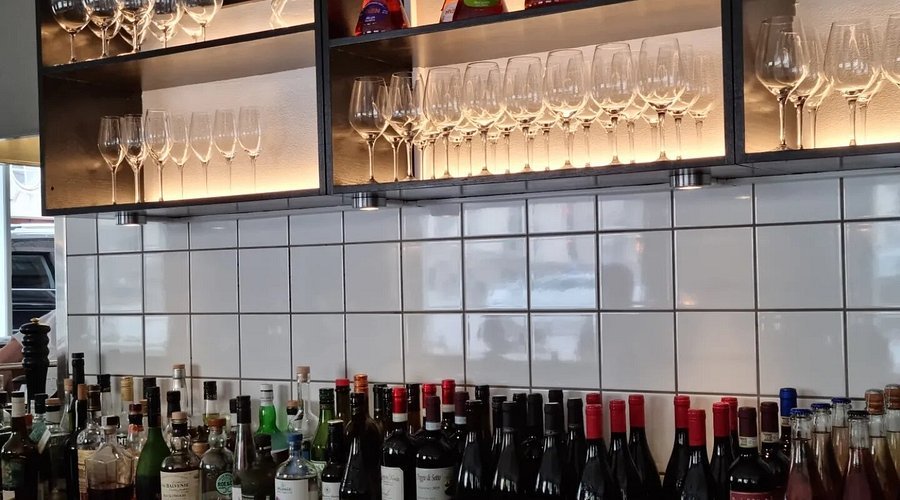
Vinmagasinet is a wine-first Malmö pick with Star Wine List recognition in 2026, so it makes the clearest sense for dates, catch-ups, and pre-dinner drinks built around the bottle list. Choose it over broader bars when wine is the point; cross-shop Julie or L'Enoteca if timing, group size, or atmosphere matters more.
About Vinmagasinet
Vinmagasinet is a Malmö venue with a smart casual dress code and Star Wine List recognition in 2026. Note that specific details such as menu, service format, price level, seating setup, or opening patterns may vary.
This serves as a concise planning note rather than a full restaurant review. Vinmagasinet is known for its Star Wine List recognition, making it most relevant for readers who value that recognition. For current practical details, check the venue's own channels before you go.
Choose it for its wine recognition
Shortlist Vinmagasinet when Star Wine List recognition is a meaningful signal for your plans. If the priority is a food-led plan, use Our full Malmö restaurants guide before committing, as its primary focus is wine, not specific cuisine, menu format, dishes, prices, or dining style.
For a first visit, keep the plan flexible and grounded in its key features: Malmö location, smart casual dress code, and Star Wine List recognition. If the trip needs a wider Malmö plan, compare options through Our full Malmö bars guide and confirm details directly with the venue.
Where it fits among comparison options
Among relevant comparison venues, Vinmagasinet is the choice to note when Star Wine List recognition carries the decision. Julie is another option to consider, while L'Enoteca, Lilla Vinbaren, San Greal, and Marie Antoinette are natural cross-shops when you are weighing atmosphere, timing, or group fit.
If Vinmagasinet is not the right match for your plans, compare it with Julie or widen the search through the Malmö bar guide. For broader context, other venues can vary widely in feel, so keep the final decision tied to the kind of evening you want and the latest information from each venue.
Planning details
- Location
- Pråmplatsen 5, 211 19 Malmö, Sweden
- Website
- vinmagasinet.com
The take
The Take
The Vibe
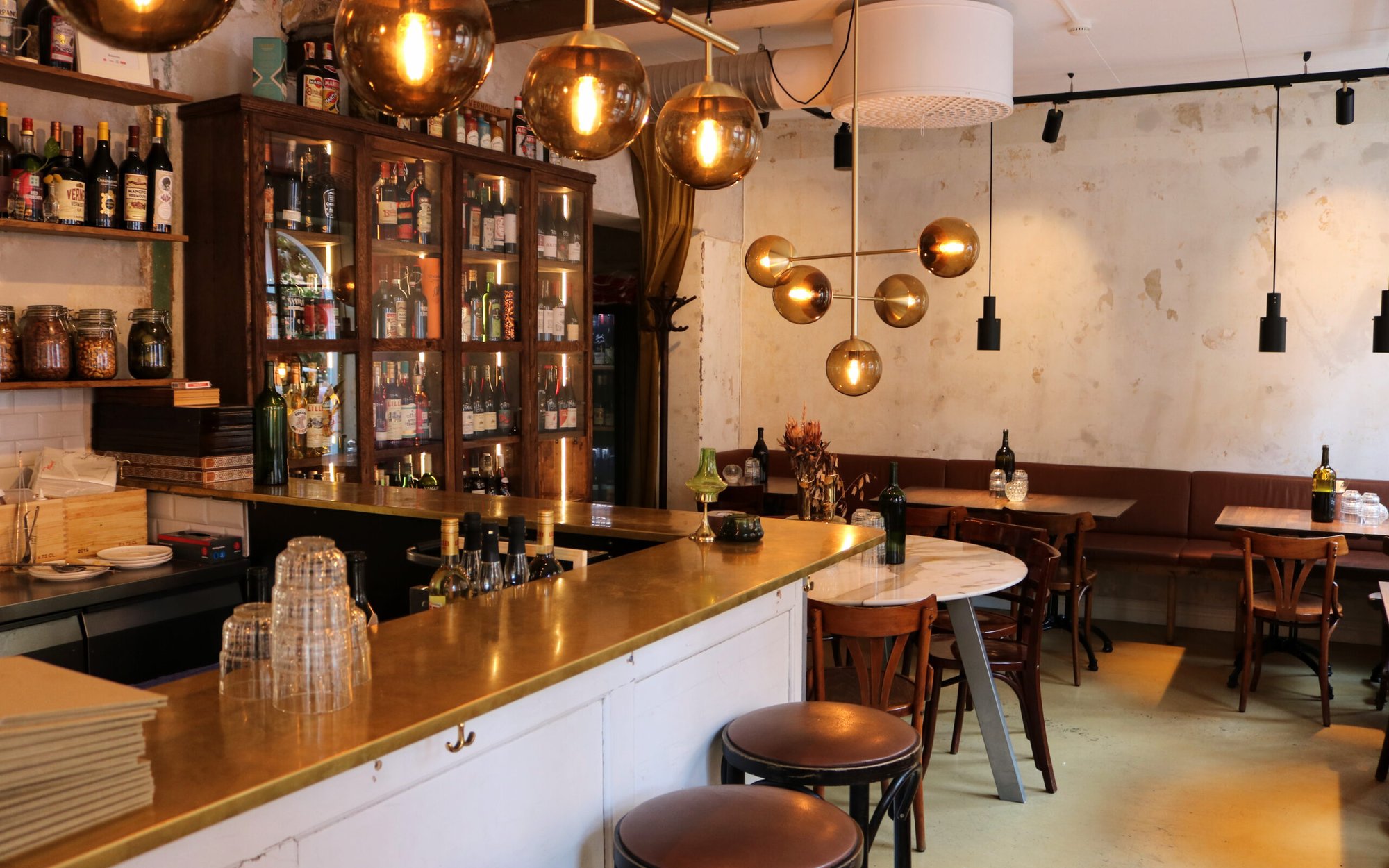
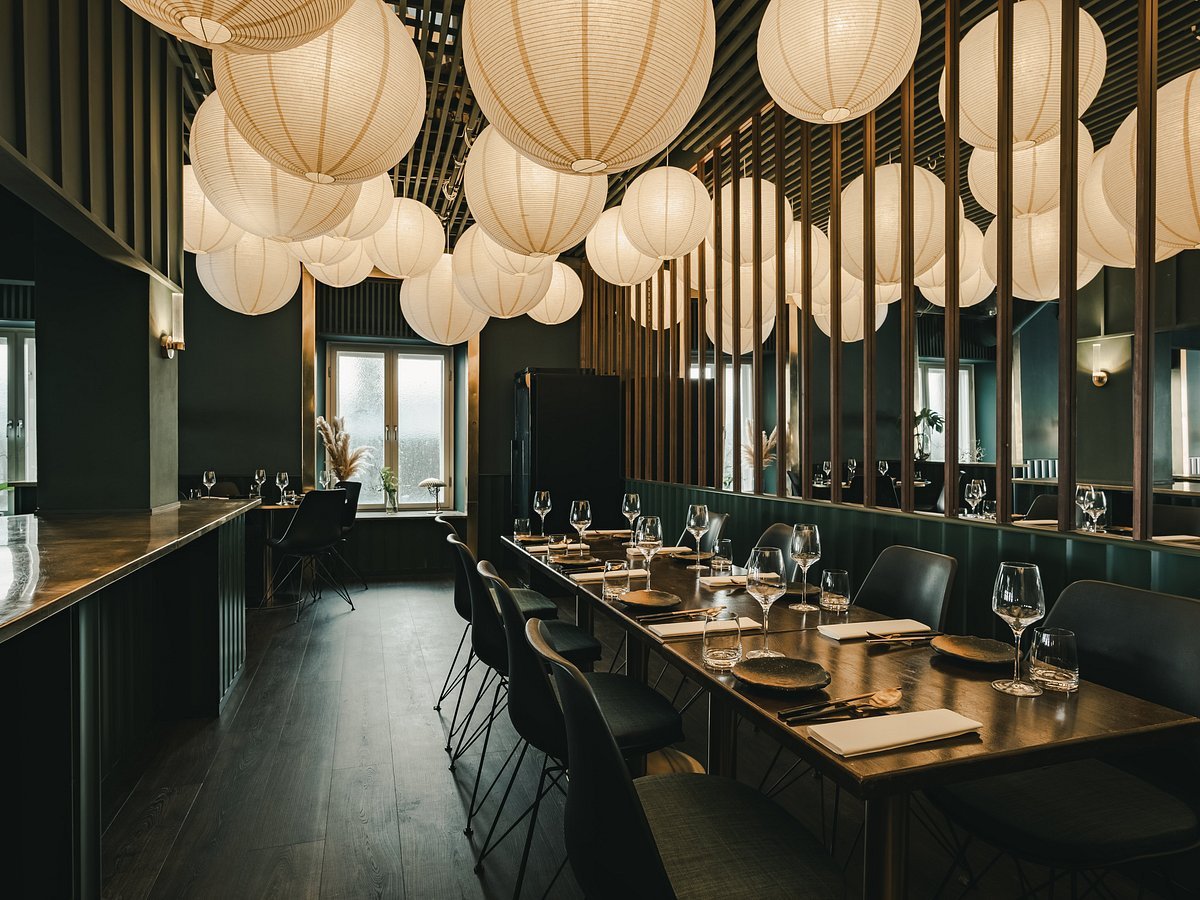
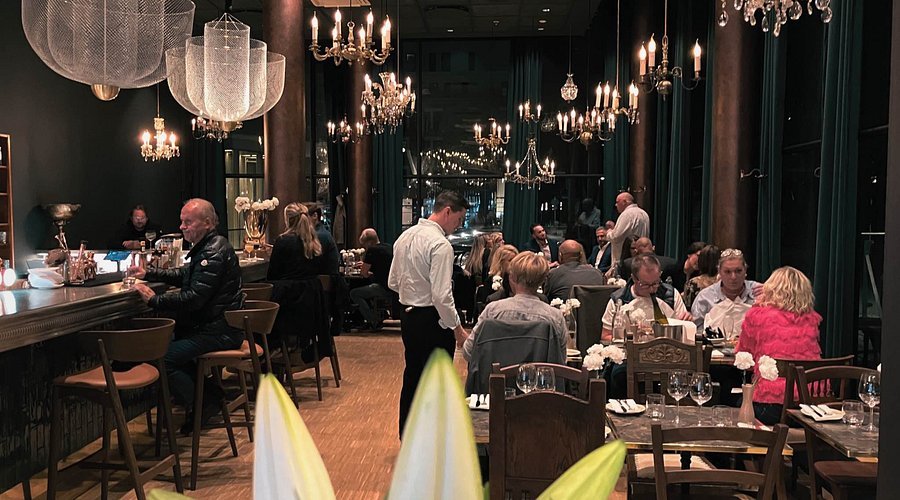
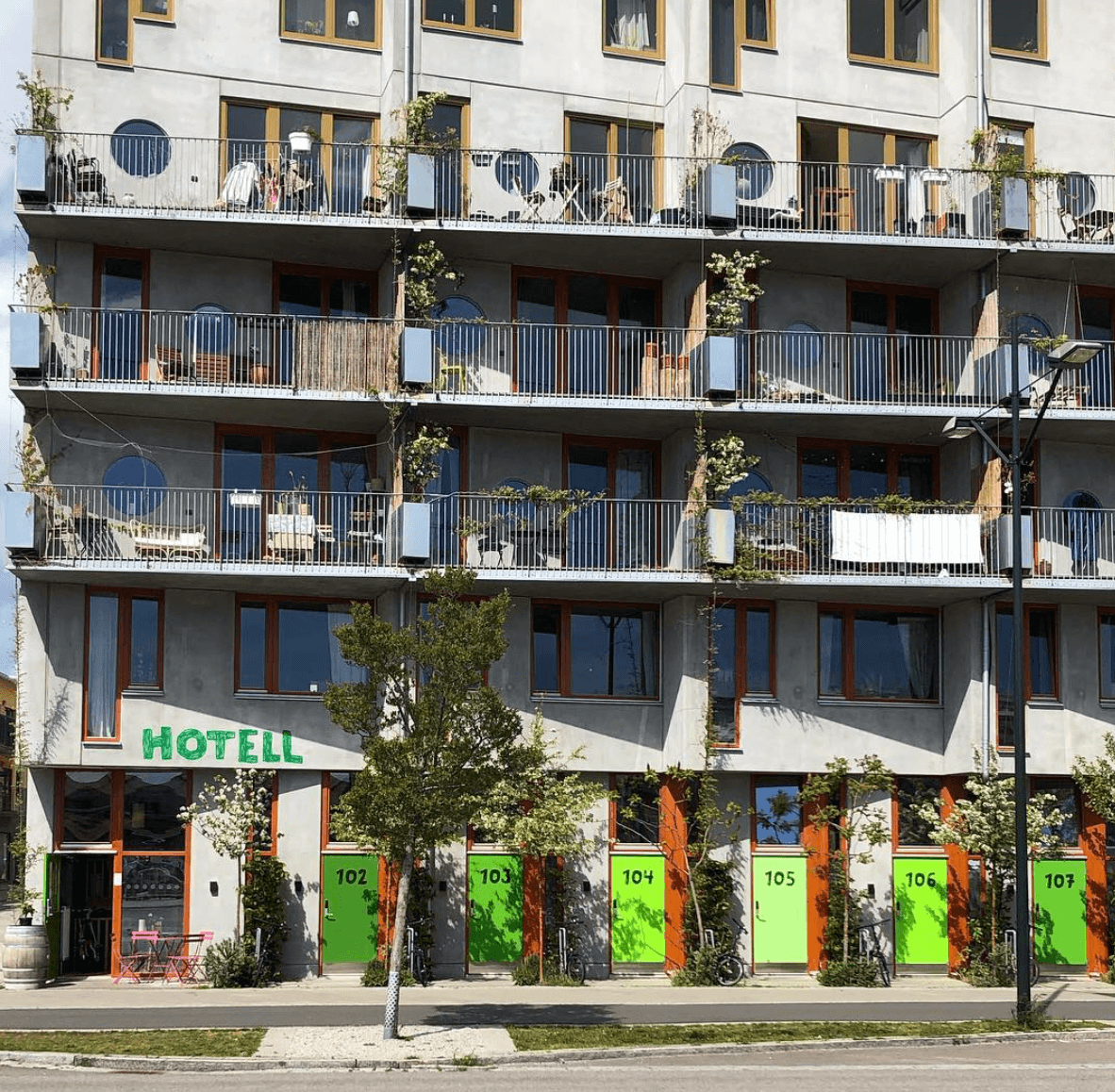
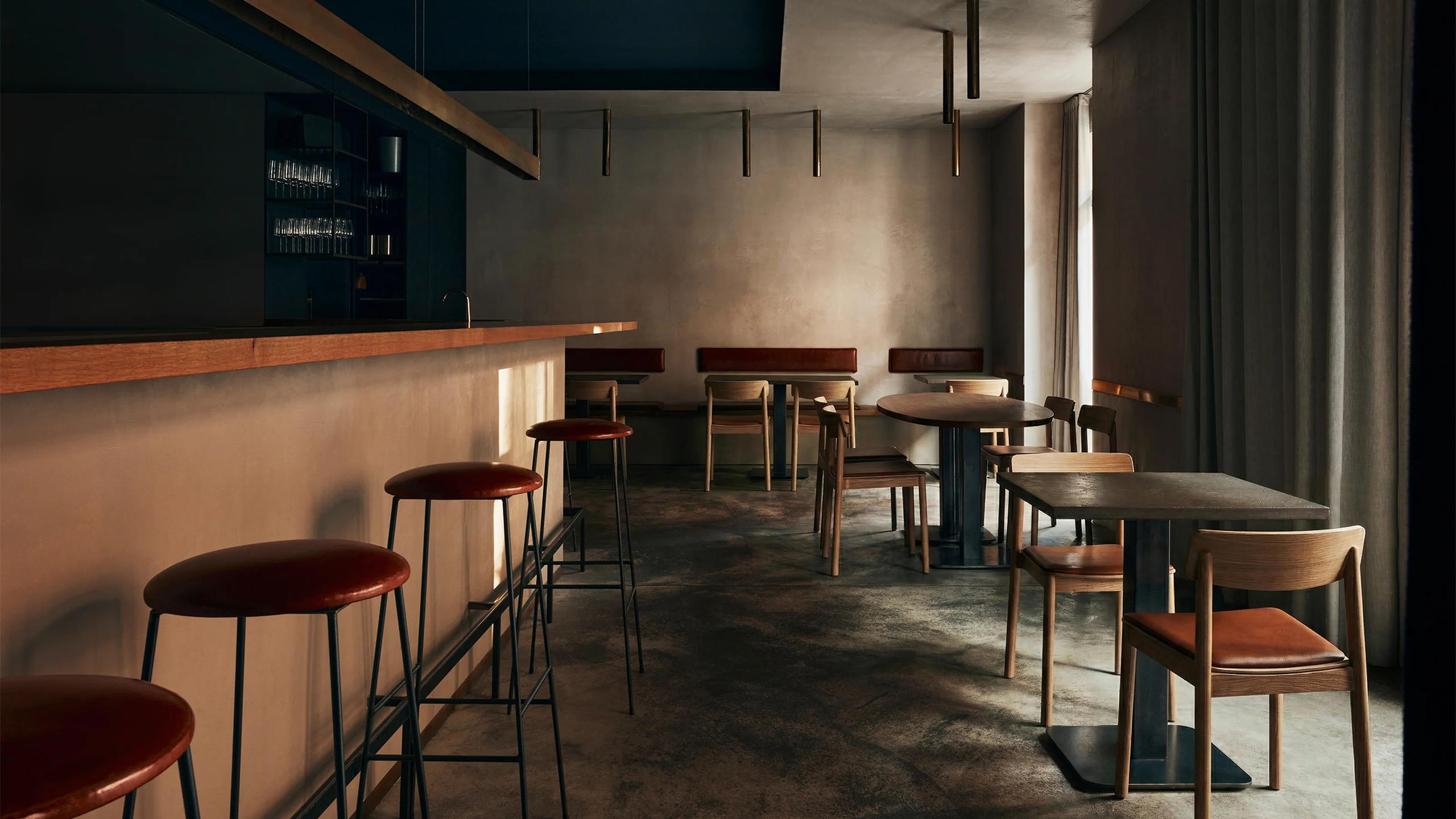
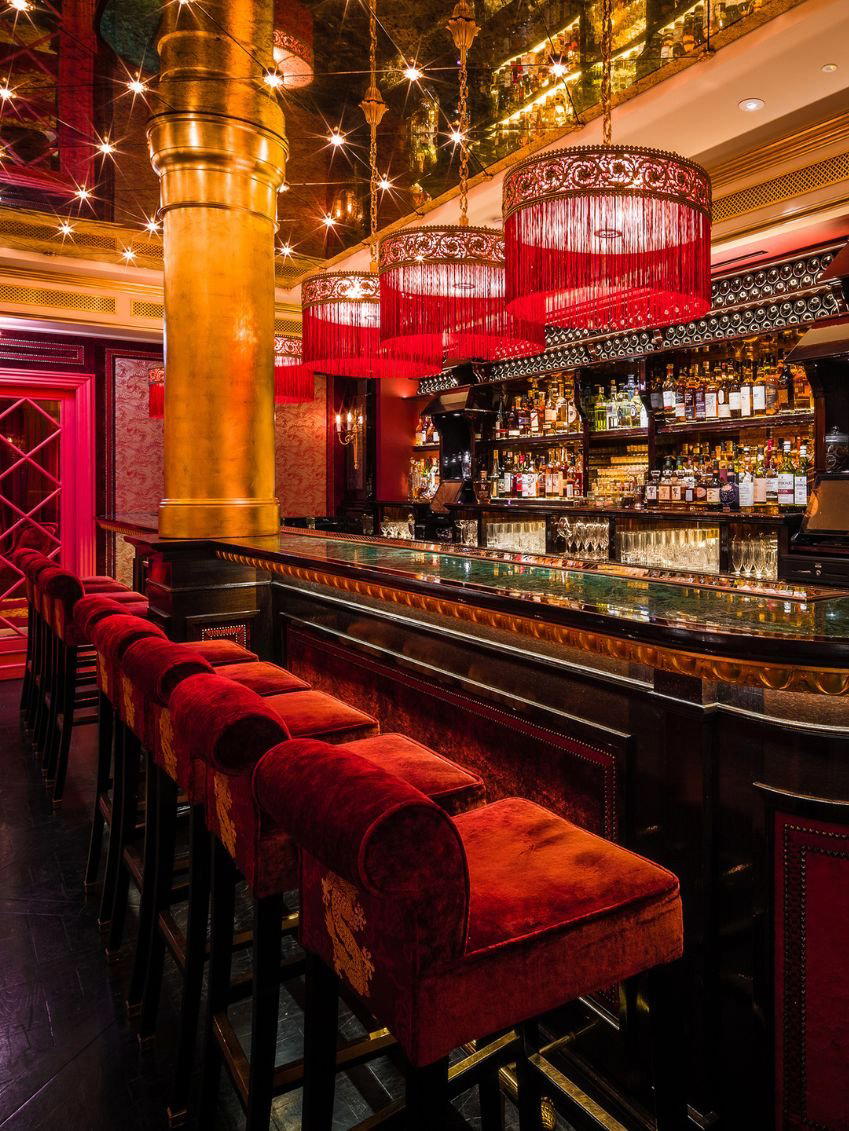
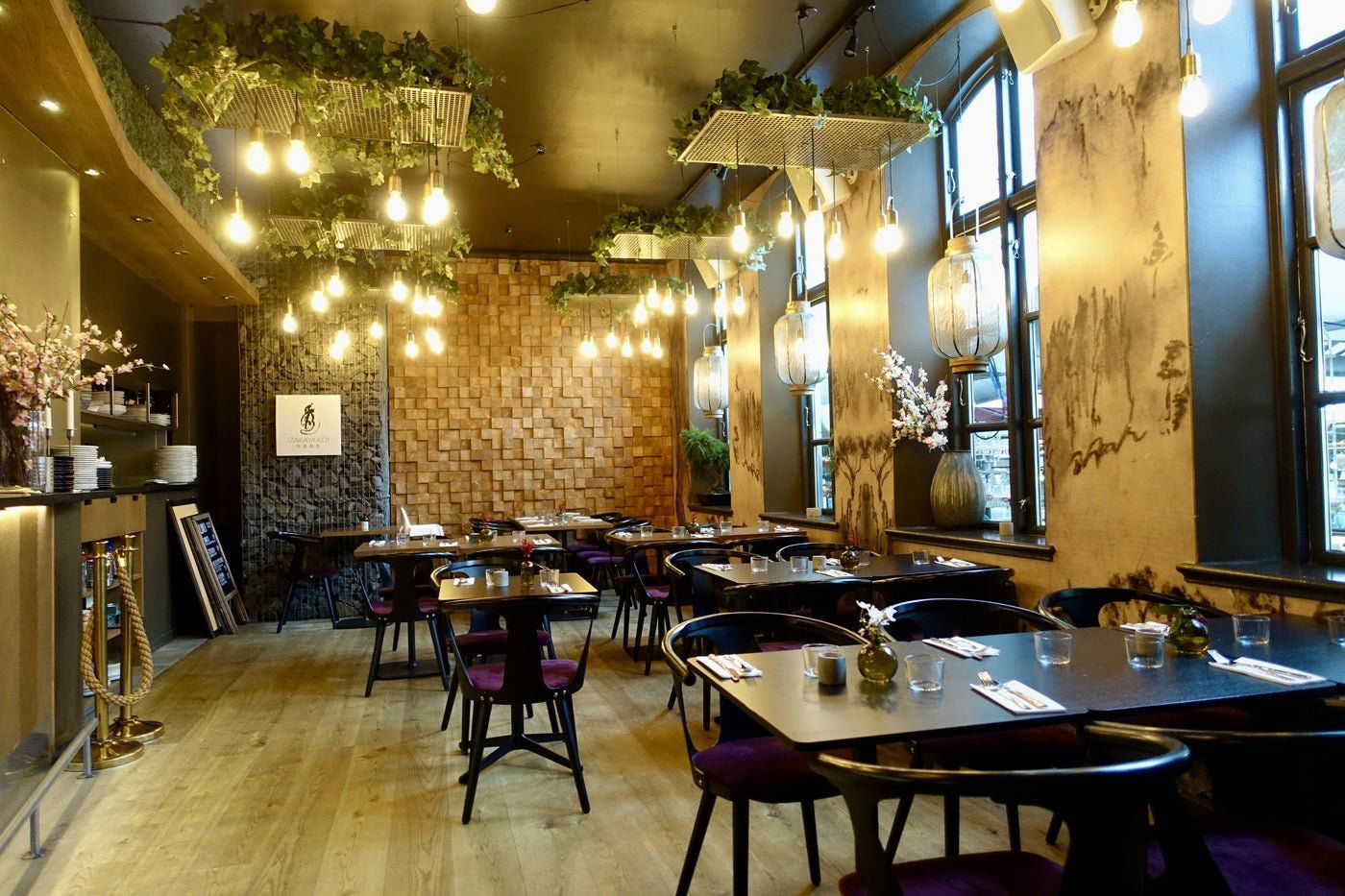
Vinmagasinet sits in a part of Malmö that still feels in flux, and that incompleteness shapes its character. The building’s exposed brick and steel frames place the bar clearly within an industrial lineage, while the broader Varvsstaden project lends a sense of early-adopter confidence. The venue reads less like a polished city-center address and more like a purposeful, preserved-industrial space where the rough edges are part of the appeal. That rawness is tempered by a self-assured wine program and a kitchen that takes its role seriously, so the overall tone feels quietly curated rather than unfinished.
Best For
This is a place for people who come to think about wine rather than merely consume it. With a cellar-forward program and a food offering designed as responses to the glass, Vinmagasinet suits evenings focused on tasting and conversation: intimate pairs, small groups of curious friends, and anyone interested in exploring a thoughtful list. Because it’s part of an emergent district, the bar also attracts locals and early visitors who appreciate venues staking a claim before a neighbourhood fully matures. The setting favors slower, focused visits rather than hurried stops.
Ordering Tips
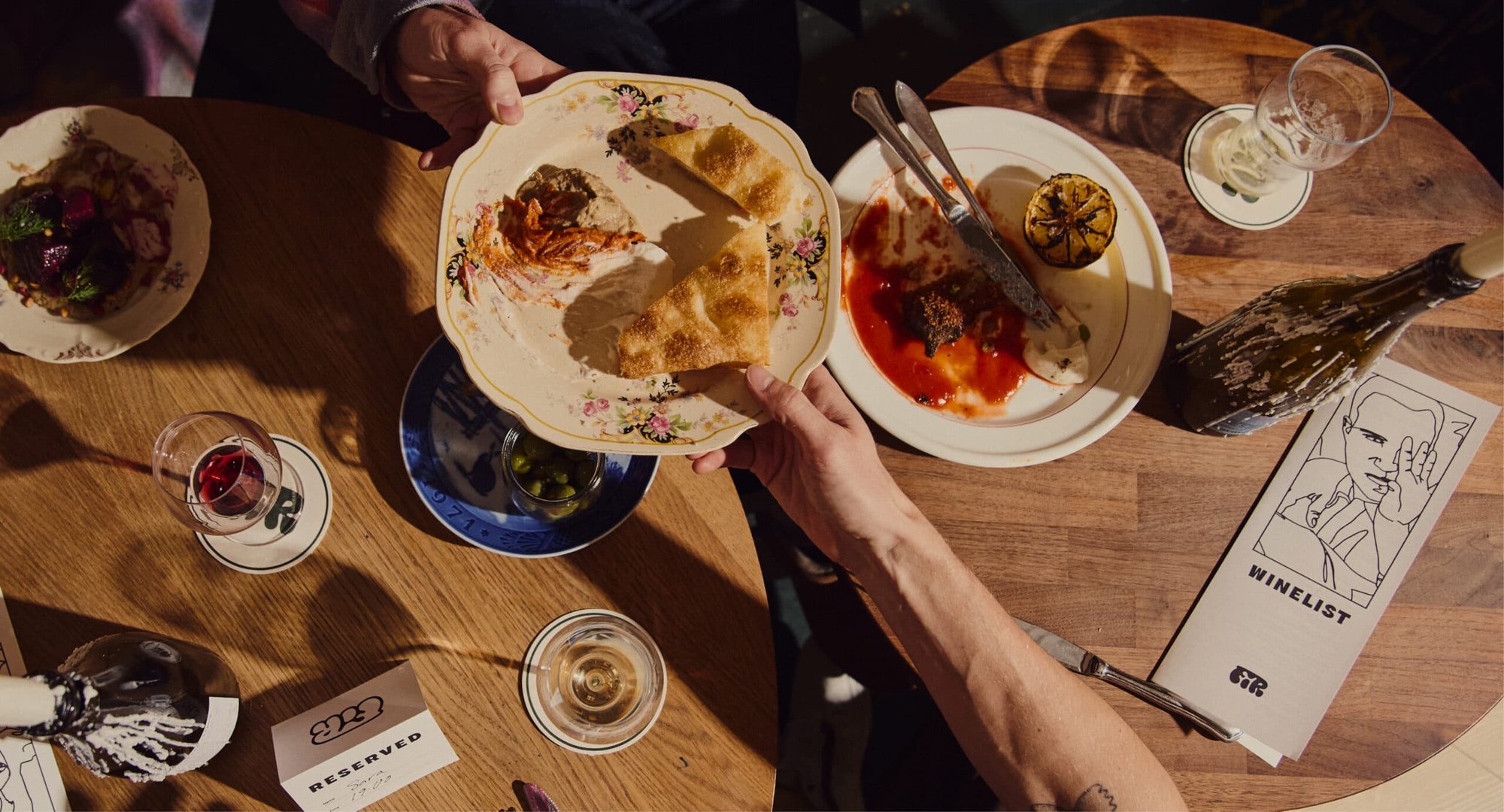
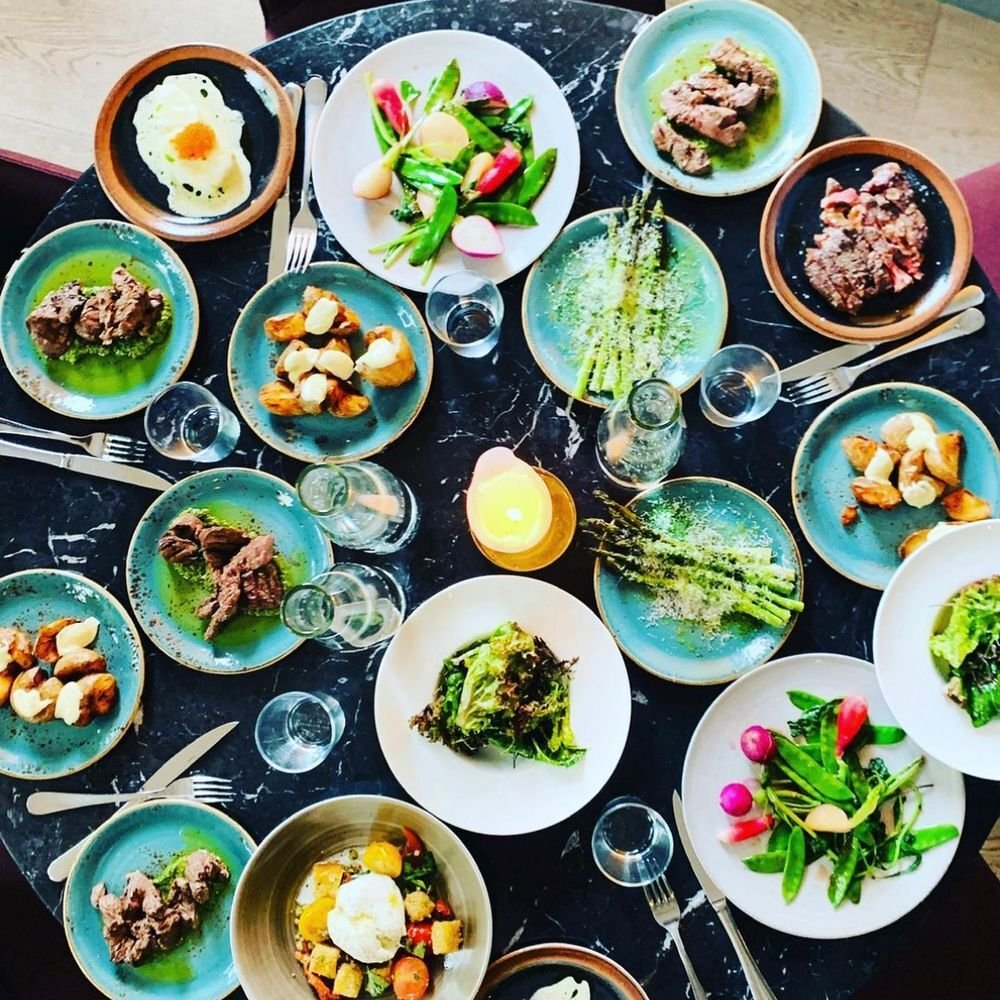
Treat the menu as a single conversation about wine and food: the venue frames its dishes as direct accompaniments to the glass in front of you, so think in terms of pairings rather than isolated plates. Use the cellar depth as a resource—ask about interesting bottles or back vintages from the list—and be open to staff recommendations that link a glass to a complementary bite. If you’re with company, order a few shared dishes that let the wines sing alongside contrasting flavours; the format rewards tasting and discussion more than one-off orders.
Venue details
Ambiance
Sense of ease lingers in the walls.
Tags
Vibe
Best For
Format
At the Bar
- Bar Category
- Wine Bar
Know before you go
Know Before You Go
- Getting there
- Pråmplatsen 5, 211 19 Malmö, Sweden
Planning details
Location
Pråmplatsen 5, 211 19 Malmö, Sweden · Directions
Recognition and awards

Also consider
Also Consider
- L'Enoteca, Notable alternative
- Julie, Notable alternative
- Lilla Vinbaren, Notable alternative
- San Greal, Notable alternative
- Marie Antoinette, Notable alternative
Bar context
How Vinmagasinet compares in Malmö
Choose Vinmagasinet when wine focus is the deciding factor. Its Star Wine List recognition gives it the clearest credibility signal in this set, while L'Enoteca, Julie, and Lilla Vinbaren are the sensible cross-shops if you want to compare room feel before choosing a table.
For value, the better decision is occasion-based because no reliable price tier is listed here. Pick Vinmagasinet for a focused wine night, Julie for a similar wine-led backup, and L'Enoteca if you want another Malmö option in the same general lane. For groups or a looser evening, also check San Greal and Marie Antoinette before locking the plan.
Booking difficulty is listed as easy, which makes Vinmagasinet useful when you want a lower-friction wine choice rather than a high-effort reservation hunt. If the night depends on ambiance more than wine credentials, compare all five peers first; if the night depends on the wine list, start here.
Around this place
Discover more on Pearl
Unlock the full Vinmagasinet guide in Pearl, including awards, comparisons, FAQs, planning details, and nearby places.
Compare Vinmagasinet
| Venue | Location | Awards |
|---|---|---|
| Vinmagasinet | Malmö | Star Wine Lists 2026 |
| L’Enoteca | Malmö | No published awards |
| Julie | Malmö | No published awards |
| Lilla Vinbaren | Malmö | No published awards |
| San Greal | Malmö | No published awards |
| Marie Antoinette | Malmö | No published awards |
How Vinmagasinet Malmö compares with similar nearby venues.
FAQ
Frequently Asked Questions
Is Vinmagasinet good for a date?
It may suit a date if you are looking for a Malmö venue with wine recognition and a smart casual dress code. For details on room layout, noise level, or service format, it's best to confirm directly with the venue.
Does Vinmagasinet have happy hour deals?
Information on happy hour deals or promotional pricing at Vinmagasinet is not available. Key features include its Malmö location, smart casual dress code, and Star Wine List recognition in 2026.